Top 20 Natural Monuments around Percha - Perca
Best natural monuments around Percha - Perca are found in the Val Pusteria valley of South Tyrol, Italy, offering unique geological formations and alpine scenery. The region is characterized by its diverse natural landscape, including towering earth pyramids, impressive waterfalls, and serene alpine lakes. These features provide varied opportunities for outdoor exploration.
Best natural monuments around Percha - Perca
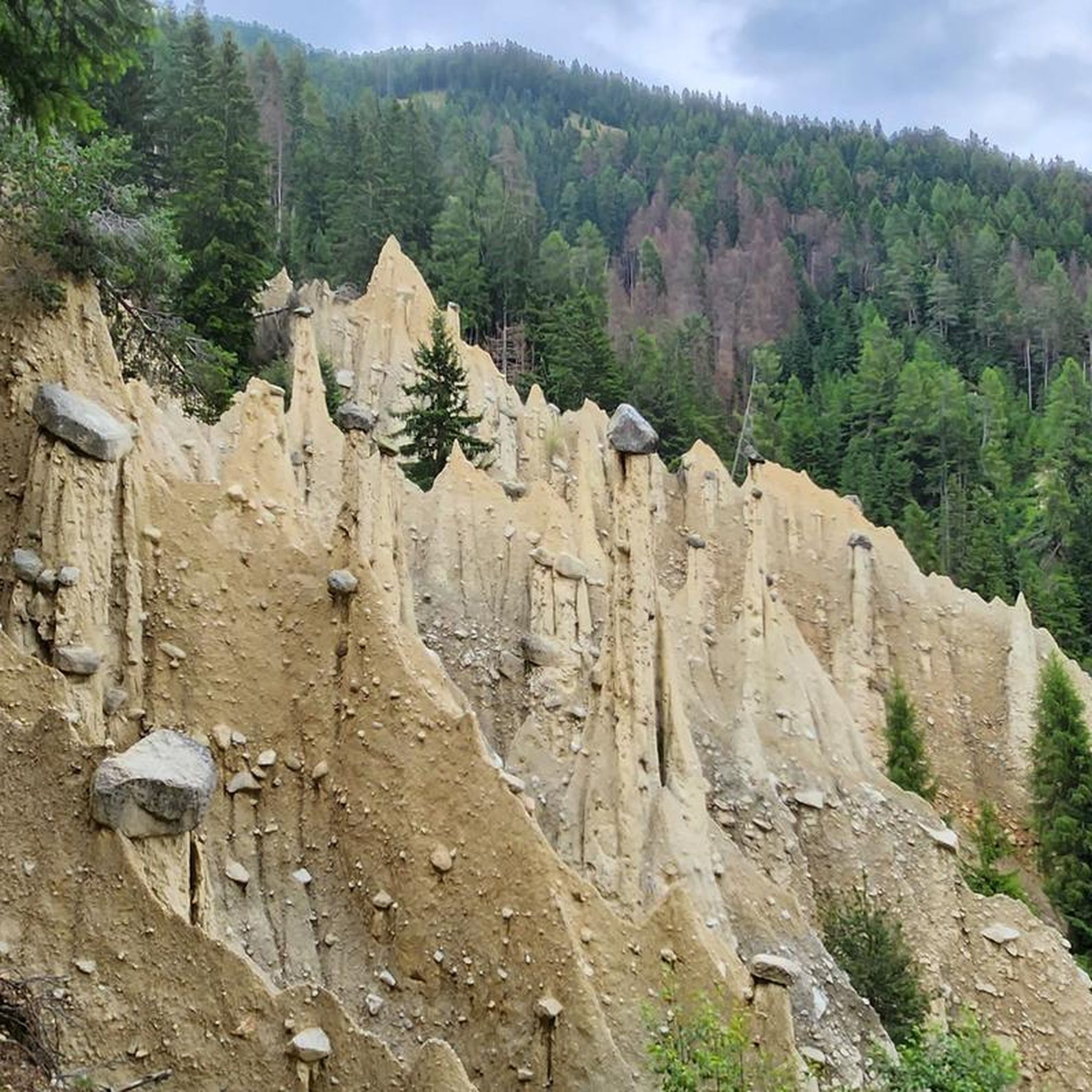
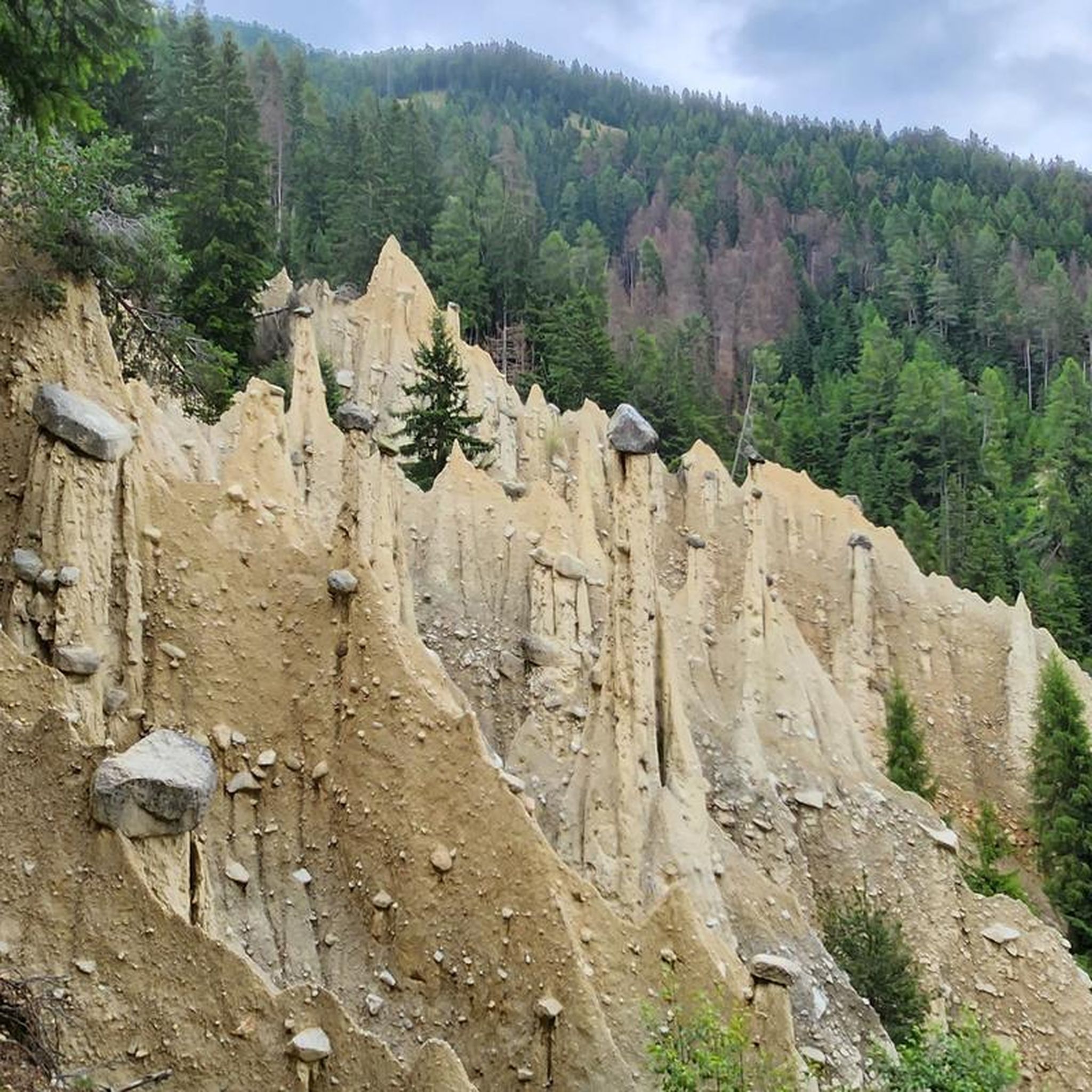
- The most popular natural monuments is Platten Earth Pyramids, a natural monument consisting of towering clay columns, often topped with…
Last updated: October 1, 2026
Third Reinbach Waterfall
Highlight • Waterfall
Translated by Google •
Tip by

Lake Anterselva – Antholzer See
Highlight (Segment) • Lake
Translated by Google •
Tip by

Sign up now to discover places like this
Get recommendations on the best single tracks, peaks, & plenty of other exciting outdoor places.
Platten Earth Pyramids
Highlight • Natural Monument
Translated by Google •
Tip by

Concordia 2000 Peace Bell at the summit of Kronplatz
Highlight • Monument
Translated by Google •
Tip by

Kronplatz (Plan de Corones) Summit
Highlight • Summit
Translated by Google •
Tip by

Sign up for free to discover even more natural monuments around Percha - Perca.
Already have an account?
Start today with a free account
Your next adventure awaits.

Tips from the Community

Great scenery, cable cars with bike transport.
1
0

The name Kronplatz is borrowed from the Ladin toponym Plan de Corones. In the Fanes legend, Kronplatz is the place where Dolasilla, the invulnerable princess of the Fanes kingdom, was crowned.
1
0

Kronplatz, the view is overwhelming, especially in great weather....
0
0

The third Reinbach Waterfall is a majestic natural wonder that unfolds along the hiking trail along the Reinbach Gorge. This waterfall impresses with its imposing height and the powerful energy with which the water plunges into the depths. The waterfall is particularly fascinating because it is divided into several cascades that cascade in stages over the rocks. The water roars with a powerful roar, creating a continuous spectacle of spray and mist. The smell of fresh moisture and the sound of the water lapping against the rocks create an atmosphere of raw natural power. The area surrounding the waterfall is characterized by dense forests and moss-covered stones, emphasizing the wild beauty of the place. The third waterfall is particularly visible from the bridge, and the view is simply breathtaking. The view of the water, which forcefully makes its way along the rocks, conveys a sense of freedom and wild beauty. The bridge over the gorge leads hikers directly to the best vantage point, from where they can experience the entire spectacle of the waterfall up close. Here, the sound and visual power of the waterfall can be fully enjoyed—a moment of awe before nature that invites contemplation and admiration.
4
0
The bridge over the gorge of the third Reinbach Waterfall is a particularly impressive structure on the St. Francis Way. It spans the deeply incised gorge, formed by the water of the third waterfall. The wooden bridge blends harmoniously into the wild, natural surroundings. From the bridge, you have a breathtaking view of the waterfall, which plunges into the depths with a loud roar. The spray of the water is noticeable in the air and provides a refreshing coolness. Below the bridge, you can observe the roaring current of the water, which incessantly makes its way through the rocks. The bridge itself is sturdy but simple, almost like a signpost, guiding hikers safely on their way. As you cross it, you sense the connection between raw nature and humane craftsmanship. It is a magical moment to stand on the bridge, listen to the rushing water, and take in the wild beauty of the place. This bridge not only provides a convenient connection between the two banks of the gorge, but also a momentarily beautiful view of the third waterfall, which plunges powerfully into the ravine. It's a spot that wonderfully showcases the untamed power of nature and the quiet beauty of this region.
4
1

Park really very very well kept .. needless to say the fantastic place and hearing the bell ring is priceless! Thrilling !! Excellent refuge to taste local delicacies and not .. top
0
0

There is a beautiful hiking trail around Lake Antholz with lovely views
3
0

Worth a visit not only in winter. Beautiful panoramic views, good food and the Messner Museum.
0
0
Frequently Asked Questions
What are some of the most remarkable natural monuments to visit around Percha - Perca?
The region around Percha - Perca is home to several unique natural monuments. Among the most notable are the Platten Earth Pyramids, fascinating geological formations of towering clay columns. You can also visit the impressive First Reinbach Waterfall, known for its powerful cascades, and the picturesque Lake Anterselva – Antholzer See, perfect for a scenic walk around its perimeter.
What unique geological features can I expect to see near Percha - Perca?
The most striking geological features are the Platten Earth Pyramids. These are natural masterpieces formed by centuries of erosion, creating tall clay columns often topped with stones. They are constantly changing, with new formations emerging, especially after winter. The region also features diverse alpine landscapes shaped by glacial activity and water.
Are there family-friendly natural monuments or activities in the area?
Yes, several natural monuments are suitable for families. The hike to the Platten Earth Pyramids is considered easy and takes about 30-45 minutes, making it ideal for children. Lake Anterselva – Antholzer See offers a flat, scenic 3.5 km path around the lake, which is also very family-friendly. The First Reinbach Waterfall is another captivating stop for all ages.
What is the best time of year to visit the natural monuments around Percha - Perca?
The best time to visit is generally from spring to autumn when the weather is mild and trails are clear. Spring brings new formations to the Earth Pyramids, and the waterfalls are often at their most powerful due to snowmelt. Summer and early autumn offer pleasant hiking conditions and vibrant alpine scenery. While some areas are accessible in winter, conditions can be challenging, and new formations of the Earth Pyramids are particularly visible in spring.
Are there hiking trails near these natural monuments?
Absolutely. Many natural monuments are accessible via well-maintained hiking trails. For instance, a pleasant and easy hike leads to the Platten Earth Pyramids. You can also enjoy a scenic 3.5 km path around Lake Anterselva – Antholzer See. For more extensive hiking opportunities, the nearby Vedrette di Ries-Aurina Nature Park offers a vast network of trails.
What outdoor activities can I do near the natural monuments in Percha - Perca?
Beyond exploring the natural monuments themselves, the region offers a variety of outdoor activities. You can find numerous MTB trails, road cycling routes, and general cycling routes that allow you to experience the stunning alpine landscape. These routes often pass by or offer views of the natural attractions.
Is there parking available near the natural monuments?
Parking availability varies by location. For popular sites like the Platten Earth Pyramids, there are usually designated parking areas nearby, often requiring a short walk to the monument itself. Similarly, Lake Anterselva – Antholzer See has parking facilities at its entrance. It's advisable to check local signage upon arrival.
Can I reach the natural monuments using public transport?
Public transport options are available to reach certain areas, particularly larger hubs or trailheads. For specific natural monuments, you might need to combine public transport with a walk or a short taxi ride. For example, the Val Pusteria valley is well-served by buses, which can get you close to many starting points for exploring the natural attractions.
What do visitors enjoy most about the natural monuments around Percha - Perca?
Visitors frequently express awe at the unique geological formations, especially the bizarre and ever-changing Platten Earth Pyramids. The sheer power and beauty of the First Reinbach Waterfall are also highly praised. Many appreciate the serene beauty and tranquil walks offered by Lake Anterselva – Antholzer See and the panoramic views from various viewpoints like the Loch Lacke pond on Mt. Montone.
Are there any other significant natural attractions besides the main highlights?
Beyond the well-known sites, the region boasts the extensive Vedrette di Ries-Aurina Nature Park, offering vast areas of untouched alpine beauty, diverse flora and fauna, and trails to surrounding peaks. Percha's local mountain, Mt. Montone, also features the 'Loch Lacke' pond, which is a recognized viewpoint providing panoramic vistas of the surrounding landscape.
Are dogs allowed on trails leading to the natural monuments?
Generally, dogs are allowed on most hiking trails in the region, including those leading to natural monuments, provided they are kept on a leash. However, specific rules might apply in certain protected areas or nature parks. It's always best to check local regulations or signage at trailheads to ensure compliance.
Are there any facilities like cafes or restaurants near the natural monuments?
While some popular natural monuments might have facilities nearby, it's not always the case. For example, near the Platten Earth Pyramids, you might find small cafes like Pyramidenkaffee. Around Lake Anterselva – Antholzer See, there are often eateries. For other, more remote locations, it's advisable to bring your own refreshments or plan to visit facilities in nearby villages like Percha.
Most popular routes around Percha - Perca
Most popular attractions around Percha - Perca

Get inspired with the komoot mobile app


Explore more
Extend your search for the best caves by checking out these guides of the top ones around Percha - Perca:
