Top 9 Mountain Passes around Malé
Mountain passes near Malé, Maldives, are not a geographical feature of the region. The Maldives is an island nation characterized by low-lying coral atolls, with the highest natural point reaching only a few meters above sea level. This topography means that traditional mountain passes, which are navigable routes through mountain ranges, do not exist in Malé or the surrounding islands. The terrain of Malé Maldives is predominantly flat, formed from coral.
Best mountain passes around Malé
- The komoot guide for…
Last updated: November 25, 2026
Passo Rabbi (Rabbijoch)
Highlight • Mountain Pass
Translated by Google •
Tip by

Rabbi Joch Trail
Highlight (Segment) • Trail
Translated by Google •
Tip by

Sign up now to discover places like this
Get recommendations on the best single tracks, peaks, & plenty of other exciting outdoor places.
Passo Le Fraine
Highlight • Mountain Pass
Translated by Google •
Tip by

Trail Between Passo Rabbi and San Bernardo
Highlight (Segment) • Trail
Translated by Google •
Tip by

Sasso Rosso
Highlight (Segment) • Summit
Translated by Google •
Tip by

Sign up for free to discover even more mountain passes around Malé.
Already have an account?
Start today with a free account
Your next adventure awaits.
Popular around Malé
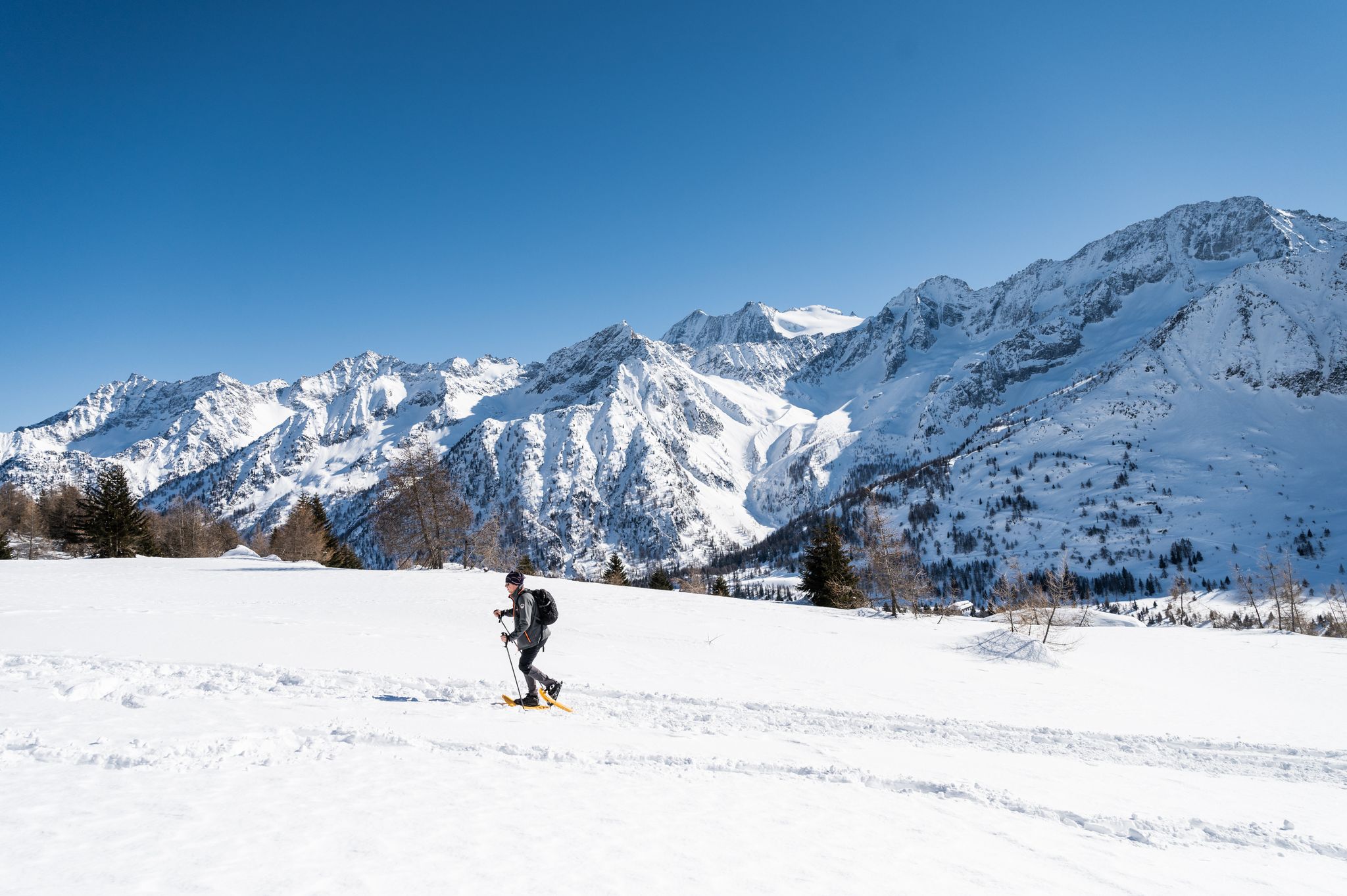
Ten snowshoe hikes in Italy’s Val di Sole
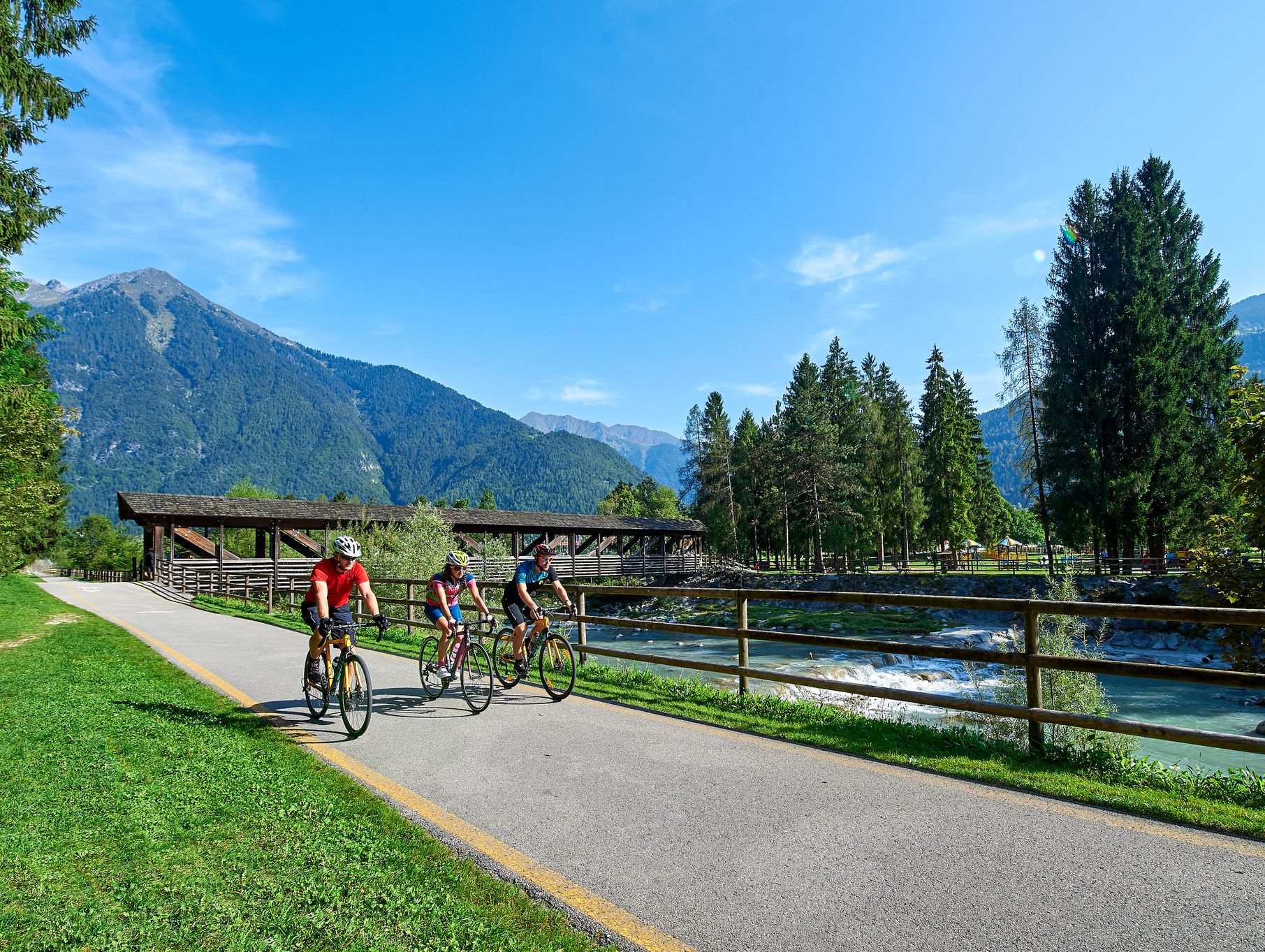
Trentino castles, villages and valleys – DoGa Cycle Route
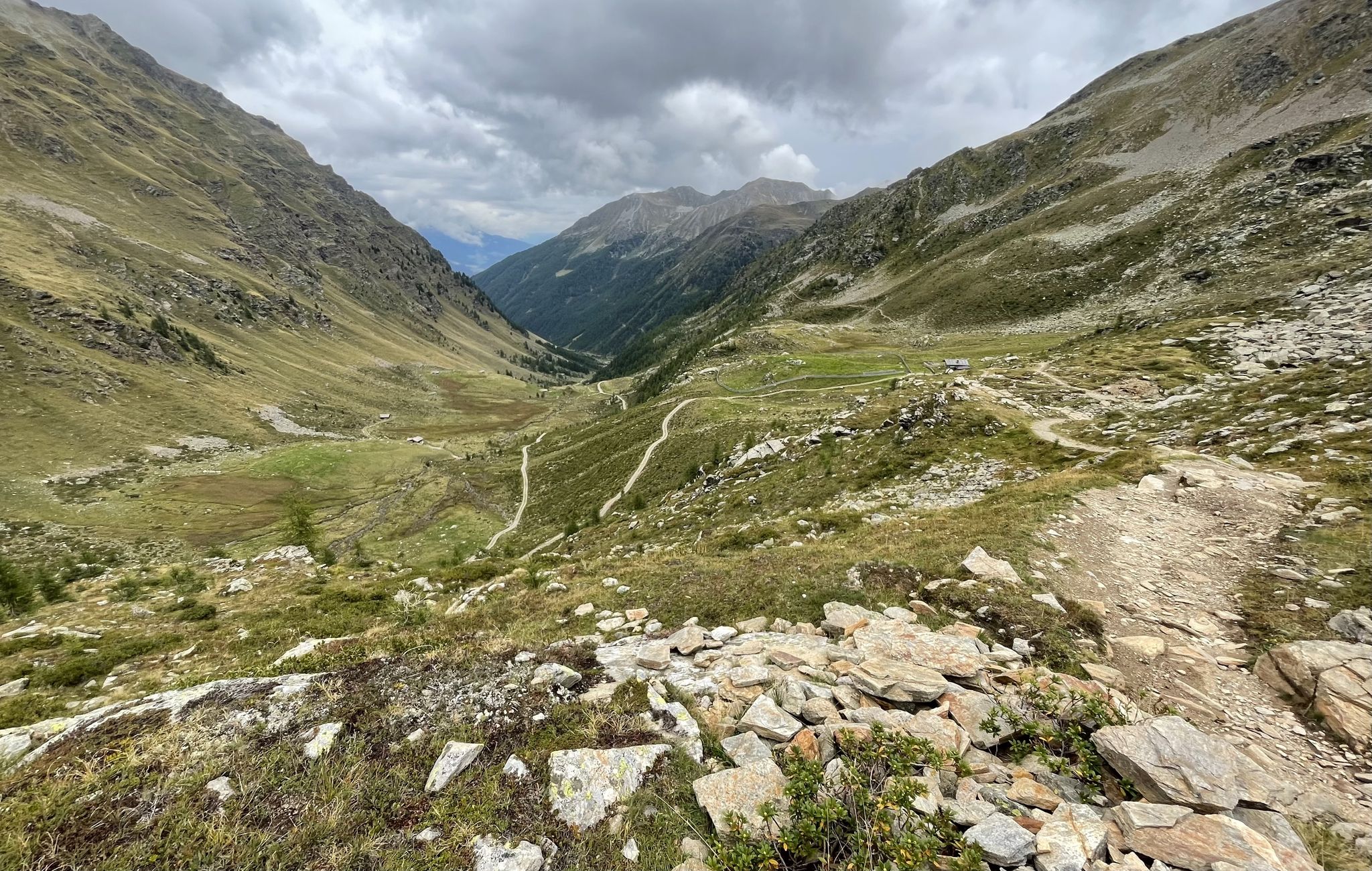
Between rocks and glaciers in Italy – Tour of Ortles by MTB
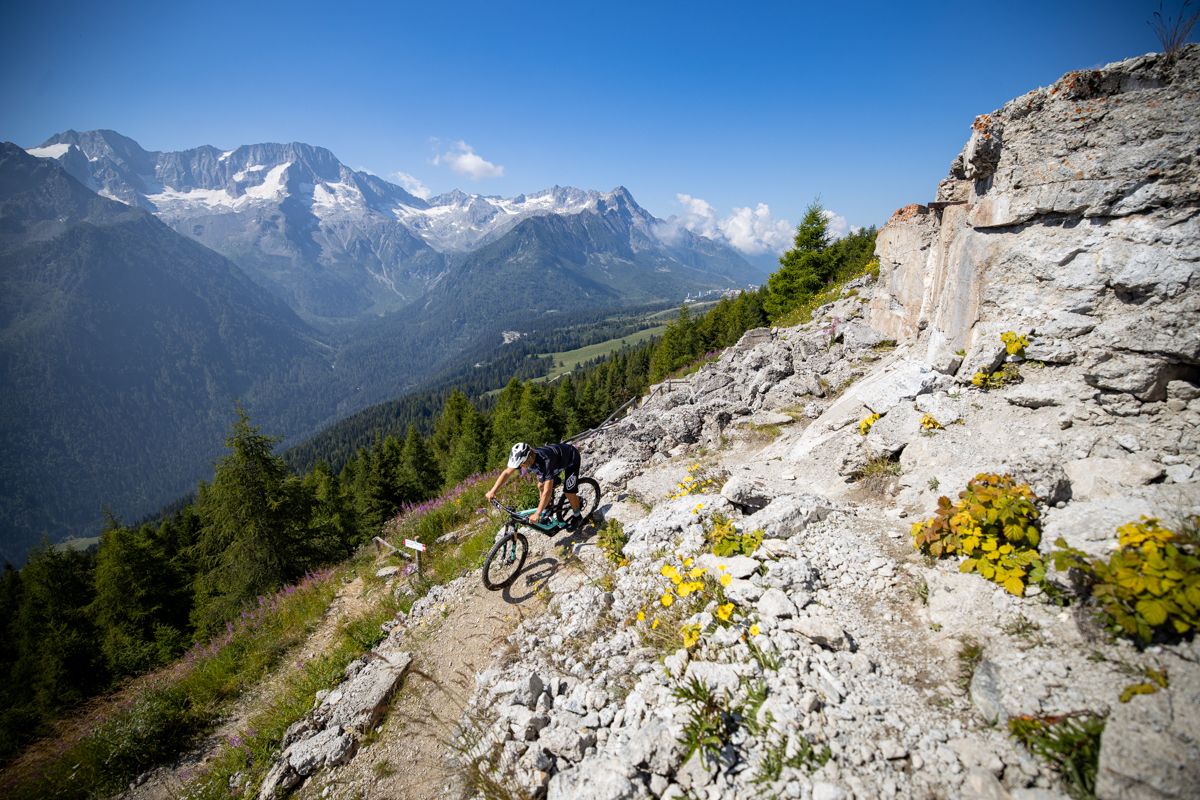
Make your MTB heart beat faster – Tours and trails in Italy’s Val di Sole
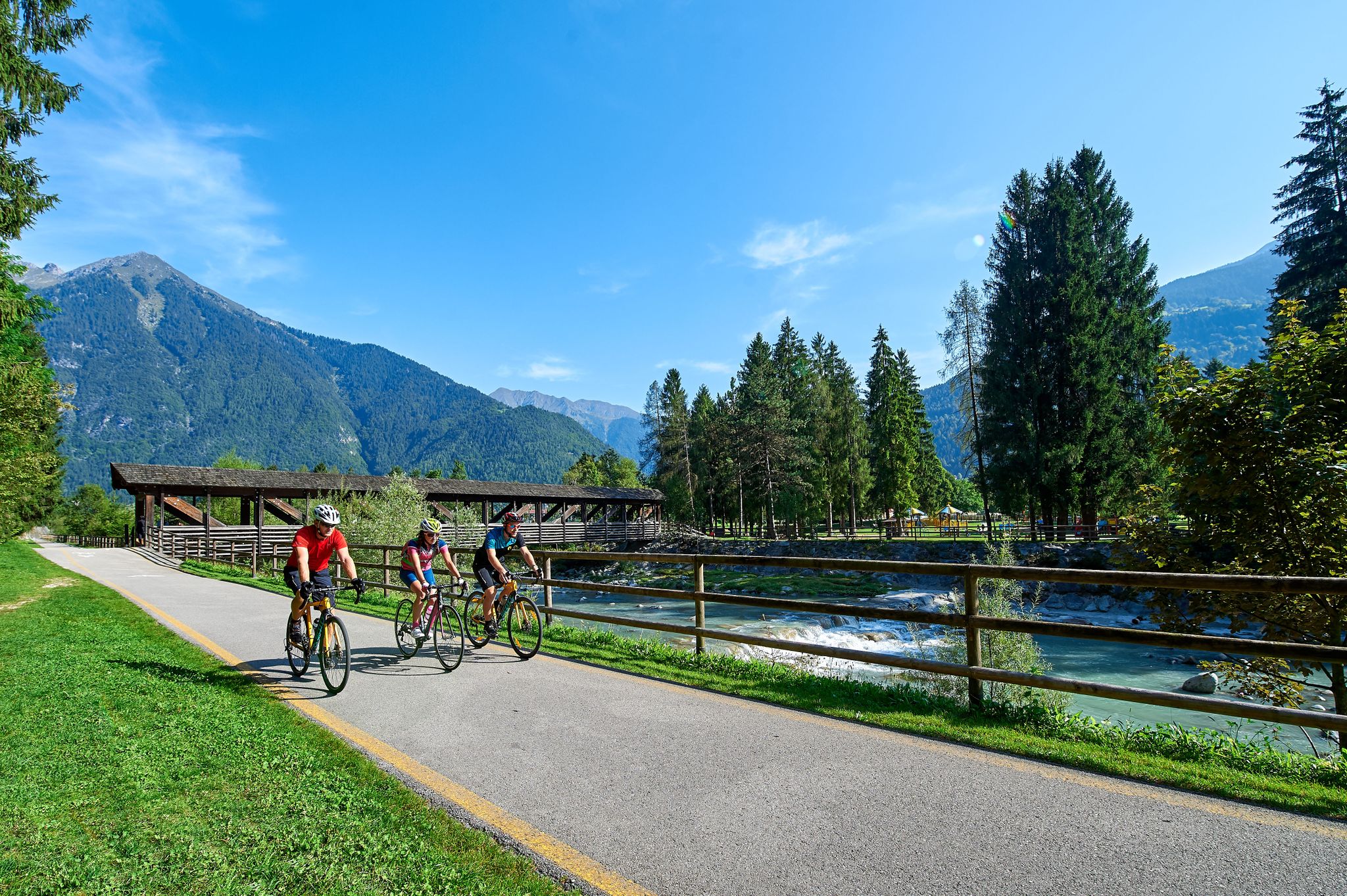
From the Dolomites to Lake Garda – the DoGa cycle trail
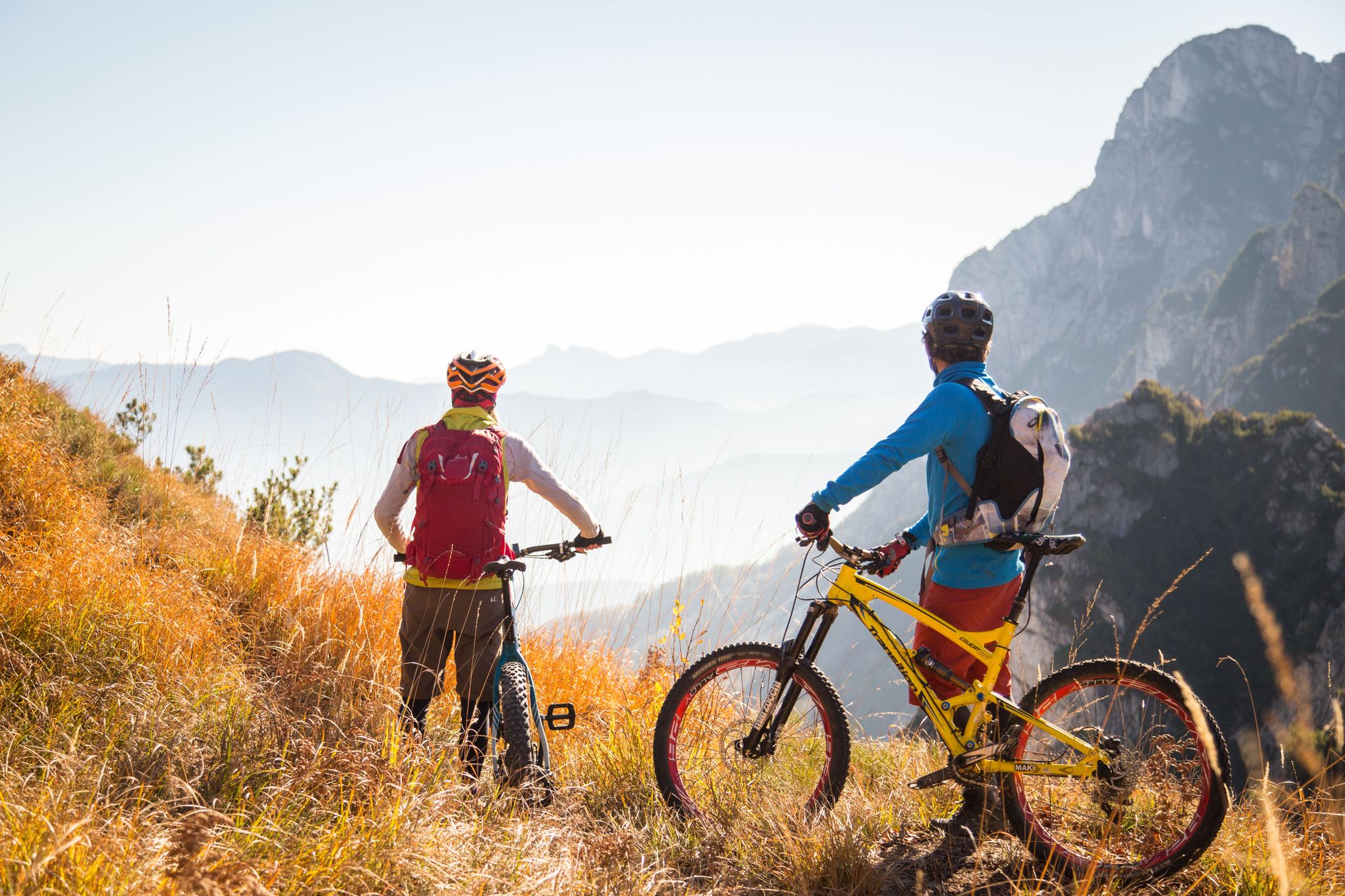
Fantastic autumnal cycling routes through Trentino – Italy’s MTB hotspot
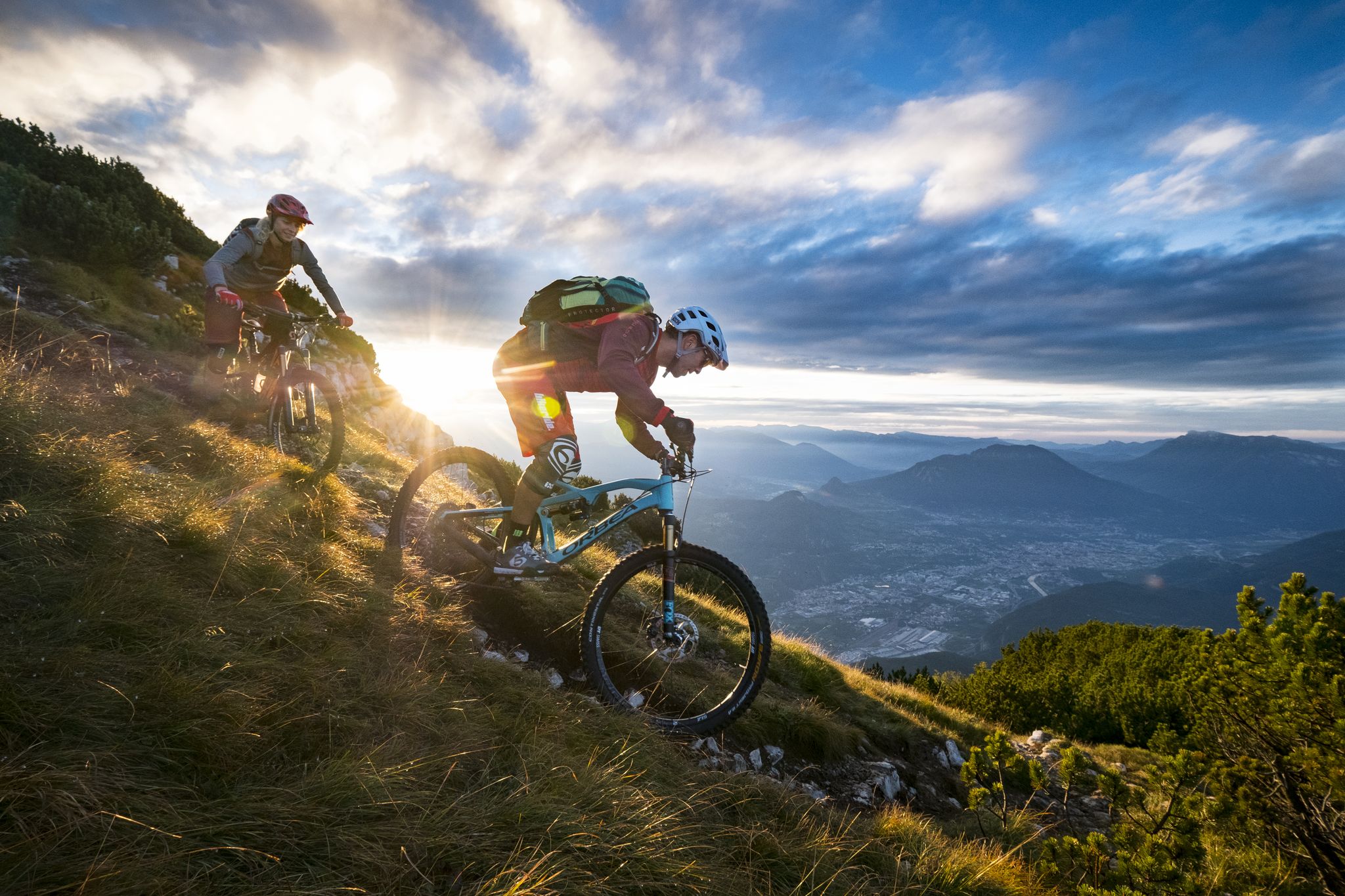
Mountain Biking in Trentino — from the Dolomites to Lake Garda
Gravel biking around Malé
Cycling around Malé
Road Cycling Routes around Malé
Other adventures around Malé


Tips from the Community

Whether you come from Tuenno or Malé, Passo le Fraine (1,712 m) is the ideal place to take a break and recover from the effort of the climb.
2
0

If you are staying at the Haselgruber Hütte and you still have some time and desire, you should go to Lago Corvo. It is about half an hour from the hut. The path is signposted, a great lake at 2500 m
1
1

This beautiful path between the hamlet of San Bernardo and Passo Rabbi is pleasant downhill, very hard uphill. The bottom is mostly smooth, sometimes directly on grass.
2
0

Absolutely fantastic flow trail from Rabbijoch to Male. However, the original route should be used to avoid further widening through "fear lines".
0
1

Super nice trail with a fantastic view. The upper part is very flowy and easy to ride (S1). In the lower part some S2 pieces.
1
0

Great single trail along the slope. Not too short to disappoint.
0
0


As already described: Natural Flow Trail S1 / 2 in a fascinating landscape: A clear tip for everyone who rides alpine MTB.
0
0
Frequently Asked Questions
Are there any mountain passes in Malé, Maldives?
No, Malé, the capital of the Maldives, does not have any mountain passes. The Maldives is an island nation characterized by its extremely low elevation, making it the flattest country in the world. Mountain passes require mountains, which are entirely absent from the Maldivian landscape.
What is the highest point in Malé or the Maldives?
The highest point across the entire Maldivian archipelago is only 2.4 meters (7.9 feet) above sea level, located on Villingili Island in Addu Atoll. Malé and its surrounding islands are similarly low-lying, with no land rising more than 1.8 meters (6 feet) above sea level.
What kind of terrain can I expect in Malé, Maldives?
The terrain of Malé and the Maldives is predominantly flat, consisting of coral atolls, pristine white sand beaches, and crystal-clear waters. There are no significant elevation changes or mountainous regions.
What outdoor activities are popular in Malé, given the lack of mountains?
Instead of mountain-related activities, Malé and the Maldives are renowned for water-based sports. Popular activities include scuba diving, snorkeling, swimming, and other marine-focused excursions, thanks to the vibrant coral reefs and rich marine life.
Is it possible to find hiking trails or mountain biking routes near Malé?
Due to the extremely flat topography of Malé and the Maldives, traditional hiking trails or mountain biking routes through mountainous terrain do not exist. Outdoor activities are centered around the ocean and beaches.
What natural features are prominent in the Malé region?
The prominent natural features in the Malé region are its stunning coral atolls, pristine white sand beaches, and the incredibly clear, turquoise waters of the Indian Ocean. These features support a rich marine ecosystem.
What is the best time of year to visit Malé for outdoor activities?
The Maldives generally enjoys a tropical climate. The dry season, from November to April, is often considered the best time to visit for calm seas and sunny weather, ideal for water activities.
Are there any historical or cultural sites to explore in Malé?
While Malé lacks mountain passes, it does offer cultural and historical sites. Visitors can explore the Grand Friday Mosque, the National Museum, and the local fish market to experience the unique Maldivian culture and history.
What should I wear for outdoor activities in Malé?
Given the tropical climate and water-centric activities, light, breathable clothing, swimwear, and sun protection (hats, sunglasses, reef-safe sunscreen) are essential. Footwear like sandals or water shoes is also recommended.
Can I find any 'hidden gem' spots in Malé that are not mountains?
While there are no hidden mountain passes, Malé offers many 'hidden gem' spots in its marine environment. Exploring less-frequented coral reefs for snorkeling or diving, or discovering secluded sandbanks, can provide unique experiences.
What makes the Maldives a unique destination for outdoor enthusiasts?
The Maldives offers a unique outdoor experience due to its unparalleled marine biodiversity and pristine aquatic environment. It's a world-class destination for underwater exploration, offering vibrant coral gardens, diverse fish species, and opportunities to encounter marine megafauna like manta rays and whale sharks.
Most popular routes around Malé
Most popular attractions around Malé

Get inspired with the komoot mobile app


Explore more
See even more epic mountain passes by checking out these guides around Malé:
