Top 20 Natural Monuments around Dro
Natural monuments around Dro, located in Italy's Trentino region, feature a diverse landscape shaped by geological processes. The area is characterized by significant natural formations, including the unique Marocche di Dro Nature Reserve, a vast "petrified lunar landscape" resulting from ancient landslides. This region offers a range of natural attractions, from serene lakes to panoramic viewpoints, providing insight into its geological history and ecological adaptations.
Best natural monuments around Dro
- The most popular natural monument is Lake Tenno, a…
Last updated: October 1, 2026
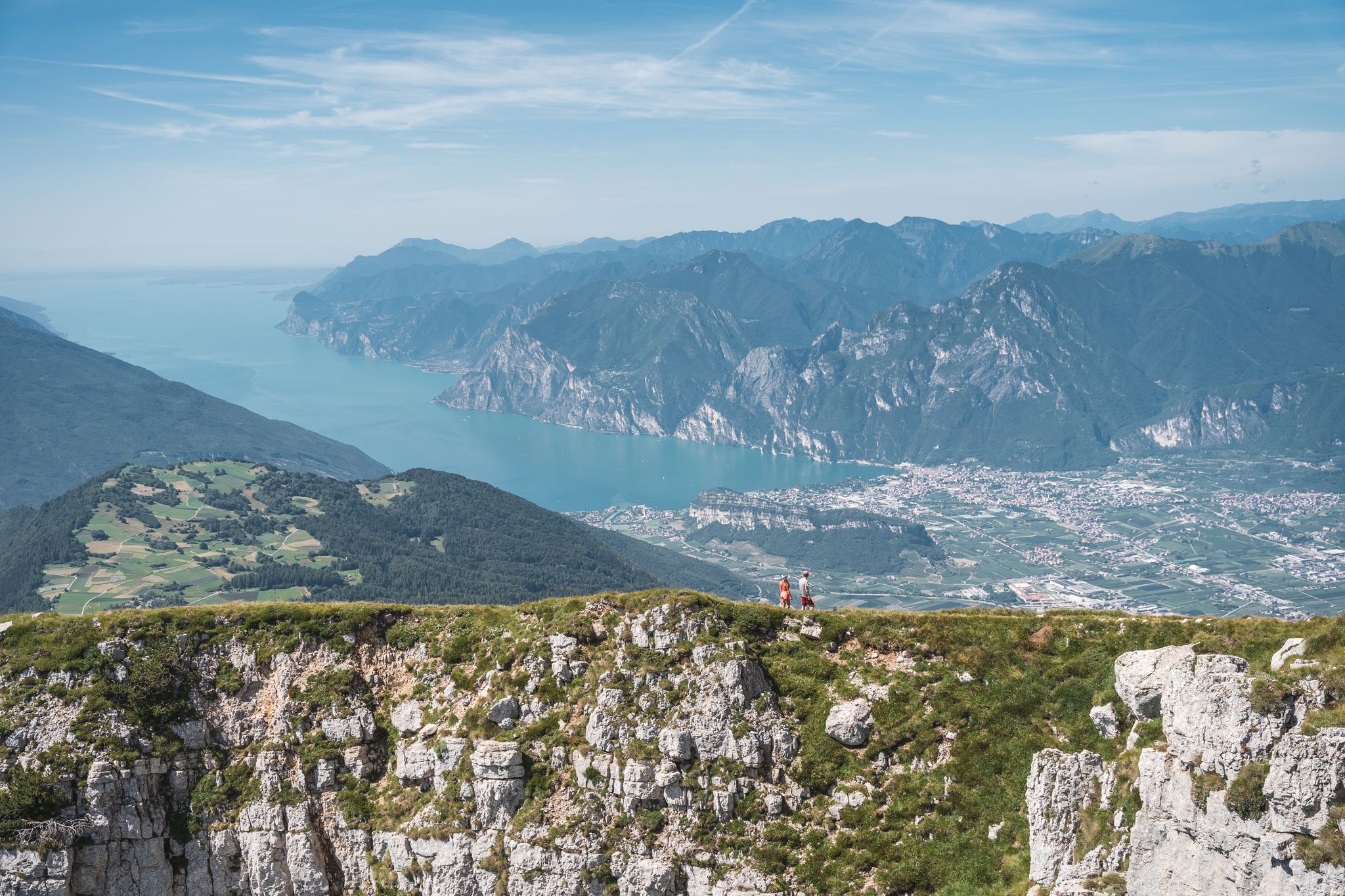
View of Lake Garda
Highlight • Viewpoint
Translated by Google •
Tip by

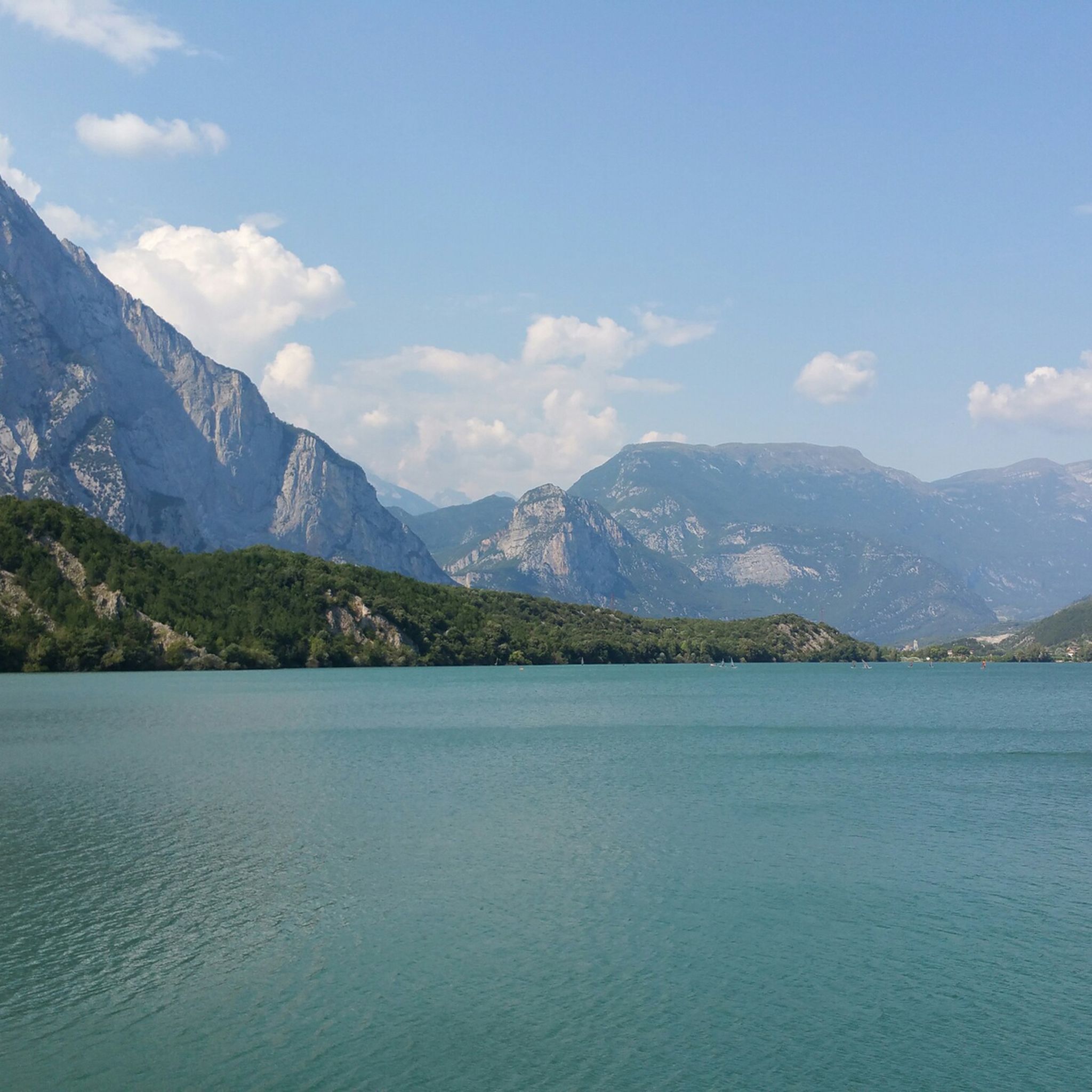
Lake Tenno
Highlight • Lake
Starting point for hikes in the mountains.
Addendum 2021: in August the lake …
Translated by Google •
Tip by

Sign up now to discover places like this
Get recommendations on the best single tracks, peaks, & plenty of other exciting outdoor places.
Lake Tenno
Highlight • Lake
No wonder the locals also call it “Lago Azzurro”.
Translated by Google •
Tip by

Lake Tenno
Highlight • Lake
Translated by Google •
Tip by

Lake Tenno
Highlight • Lake
Translated by Google •
Tip by

Sign up for free to discover even more natural monuments around Dro.
Already have an account?
Start today with a free account
Your next adventure awaits.
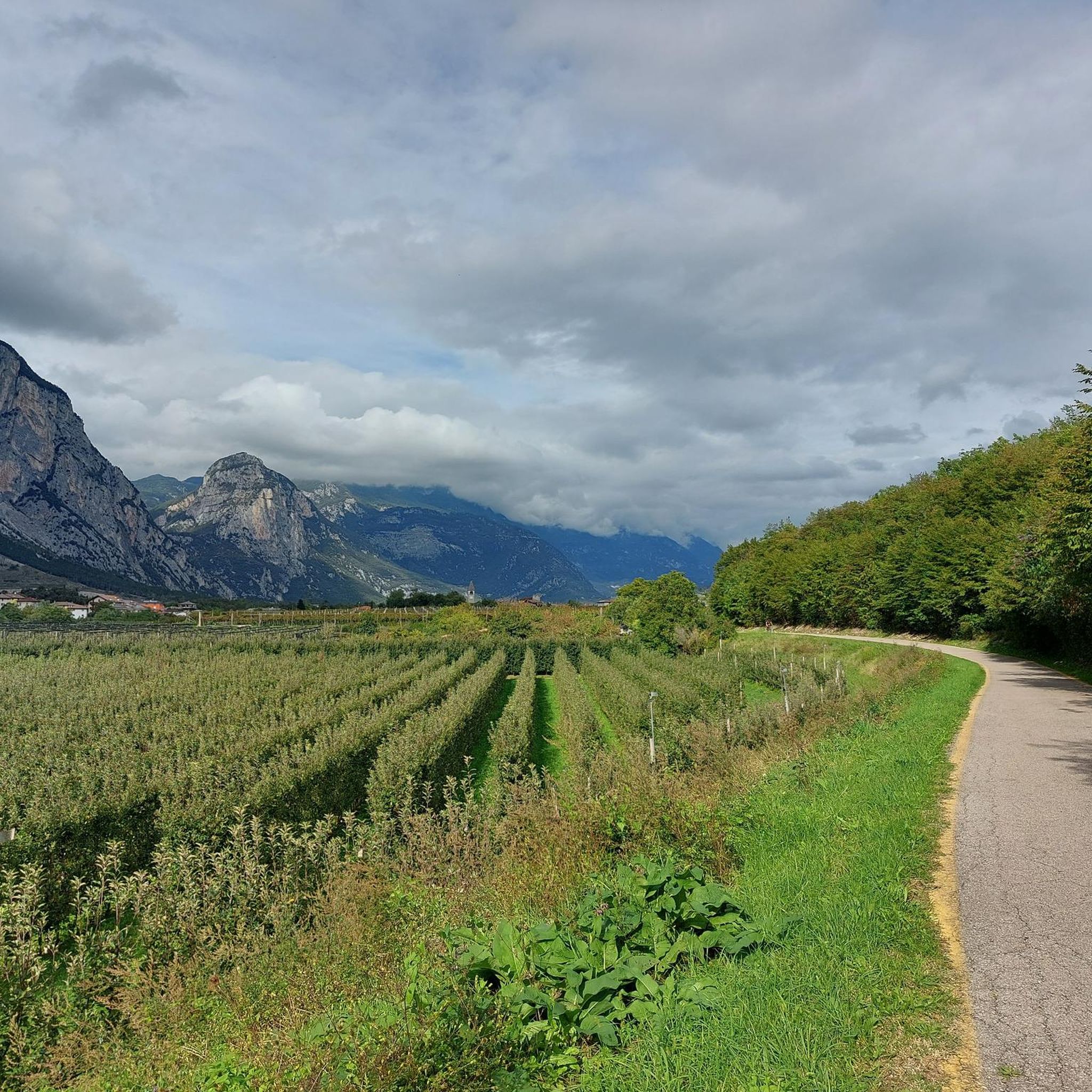
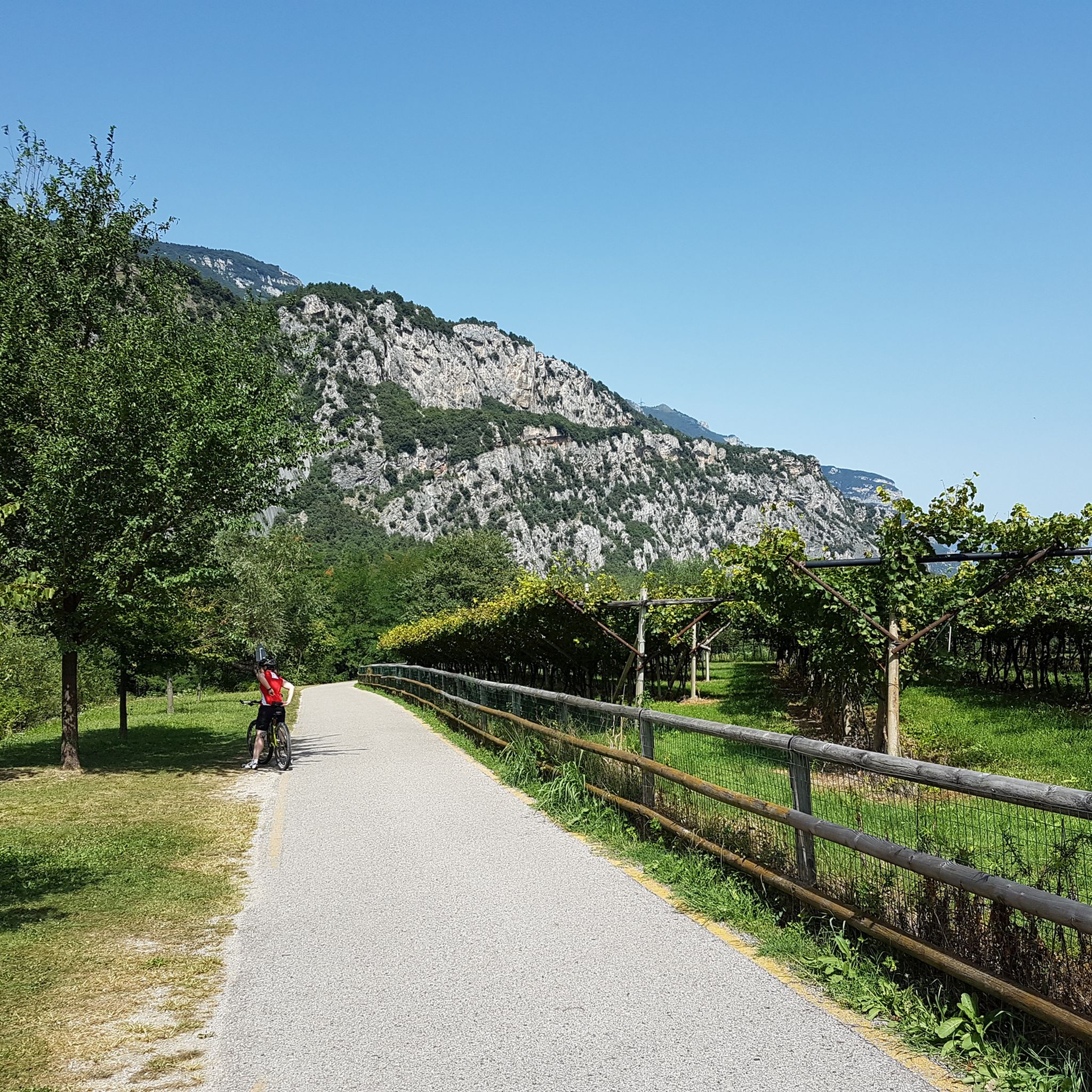
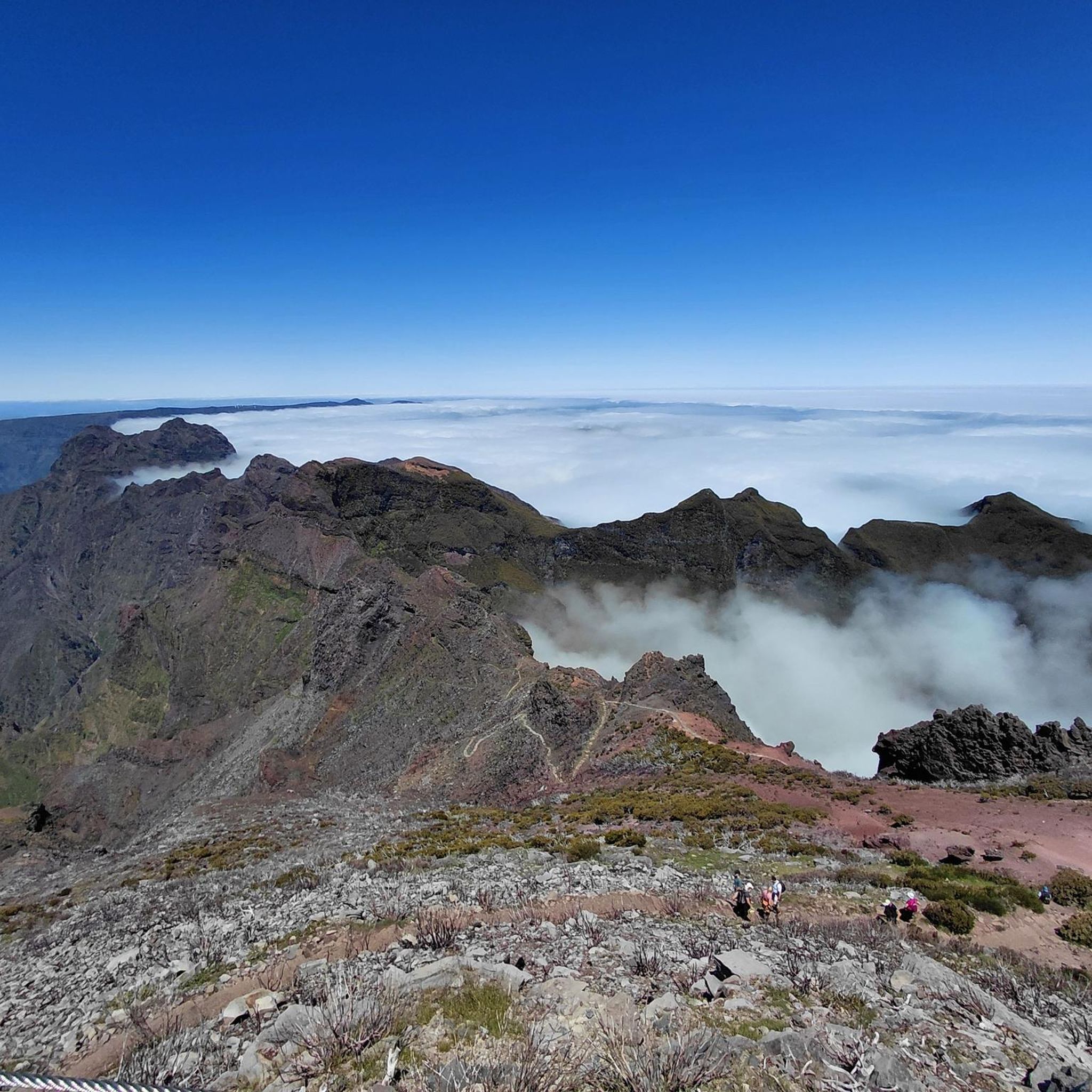


Tips from the Community

Ponale road unfortunately very busy
5
0

Yes🤩continue to Pregasina to Punta Larici💪🤩easy to drive. Then it gets a little more difficult but it's okay.Always higher with a view of Malcesine and a great view to the south. then down to Lago di Ledro😀very nice tour. If you still have strength you can go up to the Tremazo about 10km 💪
5
0
Gravel road only recommended with wide tires 🚵 you often see accidents downhill with narrow tires, drive slowly 😉 lots of oncoming traffic 🥹
4
0

a beautiful view sight, totally great here, you have to experience it, you can't describe it
7
1

For the beauty of the route, in addition to the Ponale, there is also the tour of Lake Ledro
6
1


Avoid the GT signs if you're on a bike, as you can see from mine these are parts for runners so expect grandstands and very steep and technical climbs/descents
3
0

Perfect road for gravel bikes
6
1
Frequently Asked Questions
What is the most unique natural monument near Dro?
The most unique natural monument near Dro is the Marocche di Dro Nature Reserve. This area is often described as a 'petrified lunar landscape' due to its vast expanse of calcareous boulders and debris, formed by ancient rockslides. It's a significant biotope and the largest landslide in the entire Alpine arc, offering a tangible insight into geological processes.
Are there any natural monuments around Dro with historical or paleontological significance?
Yes, the Marocche di Dro Nature Reserve holds significant paleontological interest. Visitors can discover millions-of-years-old dinosaur footprints within the reserve, believed to belong to a four-legged dinosaur. Marked paths with information panels guide you to these fossilized tracks.
What kind of natural features can I expect to see around Dro?
Around Dro, you can expect to see a diverse range of natural features. These include serene lakes like Lake Tenno and Lake Toblino, offering clear waters and picturesque settings. There are also panoramic viewpoints such as View of Lake Garda, and unique geological formations like the 'petrified lunar landscape' of the Marocche di Dro.
When is the best time to visit the natural monuments around Dro?
For the Marocche di Dro Nature Reserve, it is recommended to visit in early spring or late autumn. The rocks reflect the sun, making it very hot during summer months. Generally, spring and autumn offer pleasant temperatures for exploring the region's lakes and viewpoints as well.
Are there family-friendly natural monuments or trails around Dro?
Yes, several natural monuments around Dro are suitable for families. Lake Tenno, Lake Toblino, and Lake Loppio are all considered family-friendly, offering opportunities for walking and enjoying nature. The Scenic viewpoint overlooking Torbole and Lake Garda also provides an accessible and enjoyable experience for all ages.
Can I visit these natural monuments with my dog?
Yes, some natural monuments around Dro are dog-friendly. For instance, Lake Tenno is a great spot to visit with your dog, offering paths for walking. Always ensure your dog is on a leash and you clean up after them to preserve the natural environment.
What outdoor activities can I do near Dro's natural monuments?
The area around Dro offers various outdoor activities. You can find numerous hiking trails, including the 'Marocche Dinosaur Trail' which is a moderate hike, and the 'Biotopo delle Marocche Trail' which is an easy option. For more challenging adventures, there are mountain hikes like the 'Via ferrata Rio Sallagoni'. You can explore more options on the Hiking around Dro guide or the Mountain Hikes around Dro guide. Running trails are also available, such as the 'View of Arco – Roman Bridge over the Sarca River loop from Dro'. Find more details on the Running Trails around Dro guide.
Are there any easy hiking trails near the natural monuments for beginners?
Yes, for beginners, the 'Biotopo delle Marocche Trail loop from Drena' is an easy mountain hike option that allows you to explore the unique landscape of the Marocche di Dro. Additionally, many of the paths around the lakes, such as Lake Toblino, offer pleasant and less strenuous walks.
What do visitors enjoy most about the natural monuments around Dro?
Visitors particularly enjoy the stunning natural beauty and diverse experiences. The clear, turquoise waters of Lake Tenno are highly praised for walking, swimming, and relaxing. The picturesque wooden walkway at Lake Toblino and the expansive vistas from the View of Lake Garda are also very popular. The unique geological formations and the sense of discovery in the Marocche di Dro are also highlights for many.
Is there a lake near Dro known for its unique ecosystem?
Yes, Lake Toblino is notable for its unique ecosystem. The lake and its surrounding area have been declared a biotope, signifying its importance for local flora and fauna. It features a picturesque wooden walkway that allows visitors to fully appreciate its charm.
Can I find viewpoints that offer expansive views of the region?
Absolutely. The View of Lake Garda offers expansive vistas of the surrounding landscape, including the town of Riva. Another excellent spot is the Scenic viewpoint overlooking Torbole and Lake Garda, providing beautiful views away from the main hustle and bustle.
What is the significance of Lake Loppio?
Lake Loppio is significant as a protected area. After being drained in 1956, it transformed into a swamp environment, which is frequently replenished by rainfall. This unique wetland ecosystem was declared a protected area in 1987, making it an interesting spot for nature observation, especially along its beautiful cycle path.
Most popular attractions around Dro

Get inspired with the komoot mobile app


Explore more
Extend your search for the best caves by checking out these guides of the top ones around Dro:
