Top 6 Natural Monuments around Salsomaggiore Terme
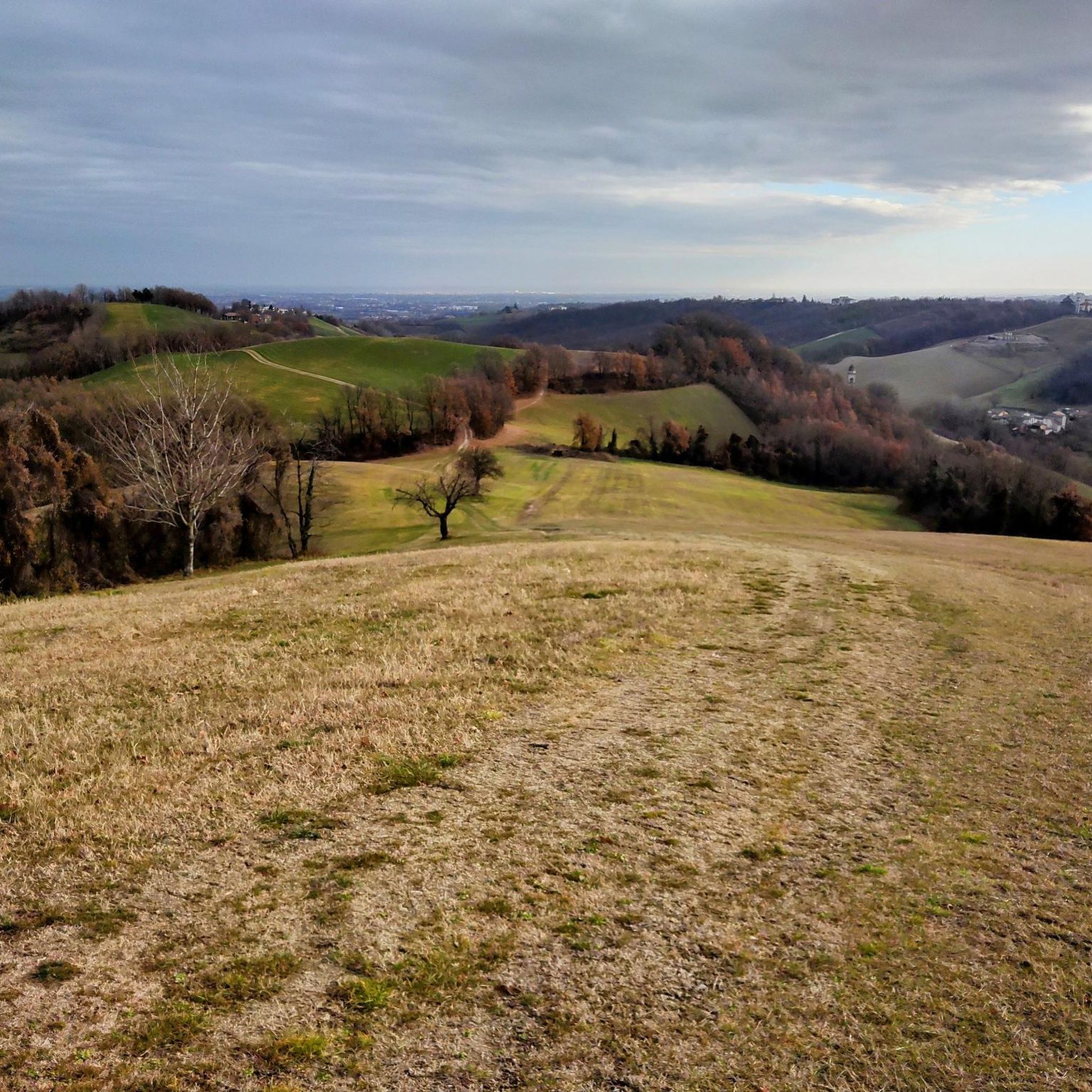
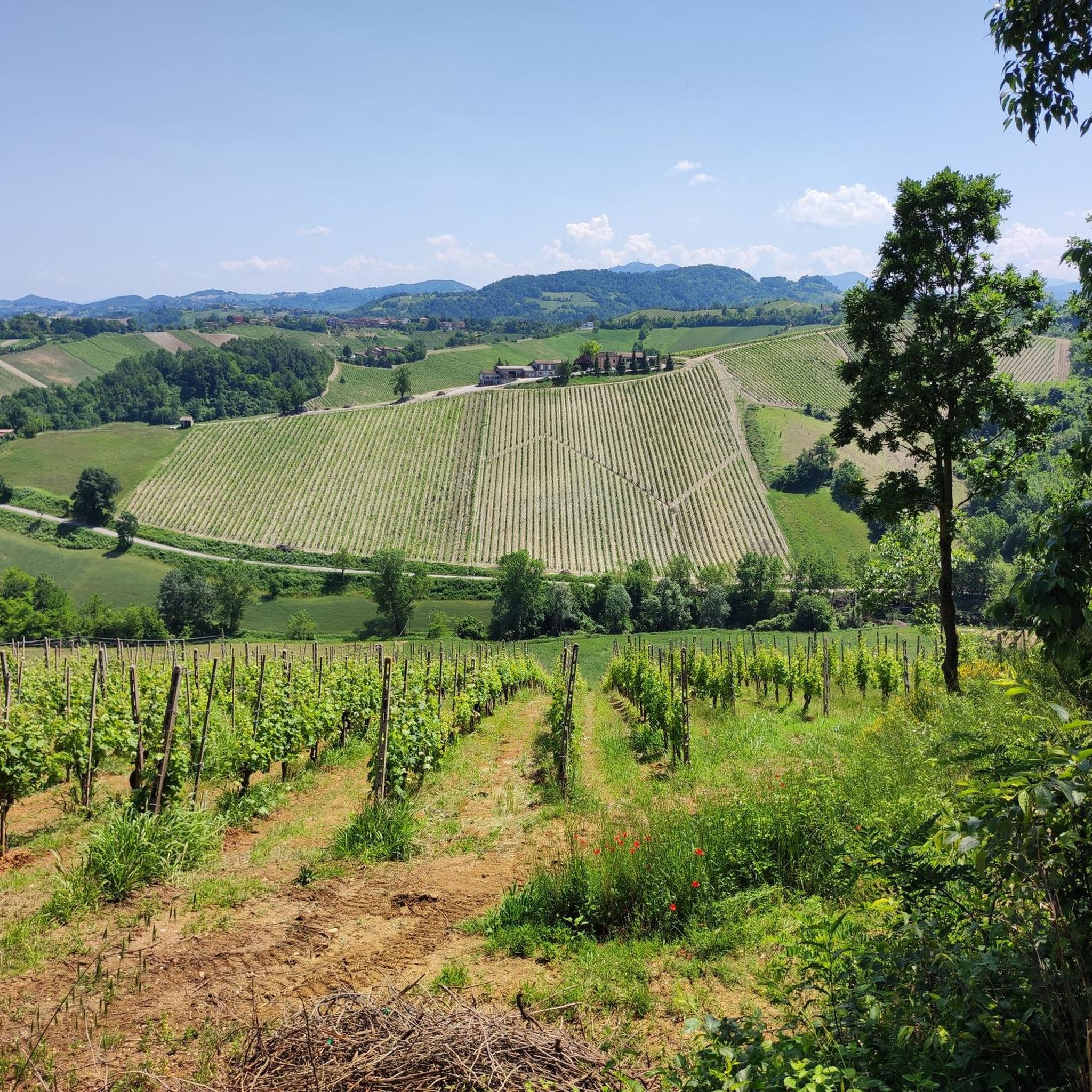
Best natural monuments around Salsomaggiore Terme include diverse landscapes from paleontological parks to manicured gardens. The region is characterized by rolling green hills and significant geological features. Salsomaggiore Terme offers a variety of natural attractions, including the Stirone and Piacenziano Regional Park, known for its fossil finds. These sites provide opportunities to explore natural features and historical landscapes.
Best natural monuments around Salsomaggiore Terme
- The most popular natural monuments is Pietra Corva, a viewpoint that offers panoramic photo opportunities.…
Last updated: June 28, 2026
Pietra Corva
Highlight • Viewpoint
Pietra Corva is one of the crucial points of the ancient Maria Longa road, a route with remote origins, of notable …
Translated by Google •
Tip by

Pietra Nera Quarry Pond
Highlight • Lake
Translated by Google •
Tip by

Sign up now to discover places like this
Get recommendations on the best single tracks, peaks, & plenty of other exciting outdoor places.
Sign up for free
Frederik's big climb
Highlight • Historical Site
Translated by Google •
Tip by

Living Fossil: Ginkgo biloba (L., 1771)
Highlight • Natural Monument
Translated by Google •
Tip by

La Battuta Hill
Highlight • Viewpoint
Translated by Google •
Tip by

Sign up for free to discover even more natural monuments around Salsomaggiore Terme.
Sign up for free
Already have an account?
Start today with a free account
Your next adventure awaits.
Login or Signup
Popular around Salsomaggiore Terme

Other adventures around Salsomaggiore Terme

Tips from the Community

When you arrive, it feels like stepping into a fairy tale. The lake nestled between rock walls is very evocative.
0
0

Ginkgo biloba L., 1771 is a gymnosperm plant, the only surviving species of the Ginkgoaceae family, of the entire Ginkgoales order (Engler, 1898) and of the Ginkgophyta division. It is a very ancient tree whose origins date back 250 million years to the Permian[2] and is therefore considered a living fossil. It is a relict species and owes its resilience to its high resistance to drought and cold (−34°C) and air pollution.[3] Ginkgo biloba is the symbol of the city of Tokyo. WHY IT IS A FOSSIL: It belongs to the Gymnosperms: the seeds are not protected by the ovary. The apricot-shaped structures produced by female specimens are not fruits, but rather ovules covered by a fleshy envelope (they do not contain seeds, as no embryo exists yet. Fertilization, if it occurs, since the false fruit is produced regardless of contact with pollen, will only occur in the ground, after detachment from the tree). SOURCE and other information https://it.wikipedia.org/wiki/Ginkgo_biloba
0
0
A pleasant spot to visit and with great views. There are some exposed sections at the top, so be very careful, especially if you're traveling with children.
0
0

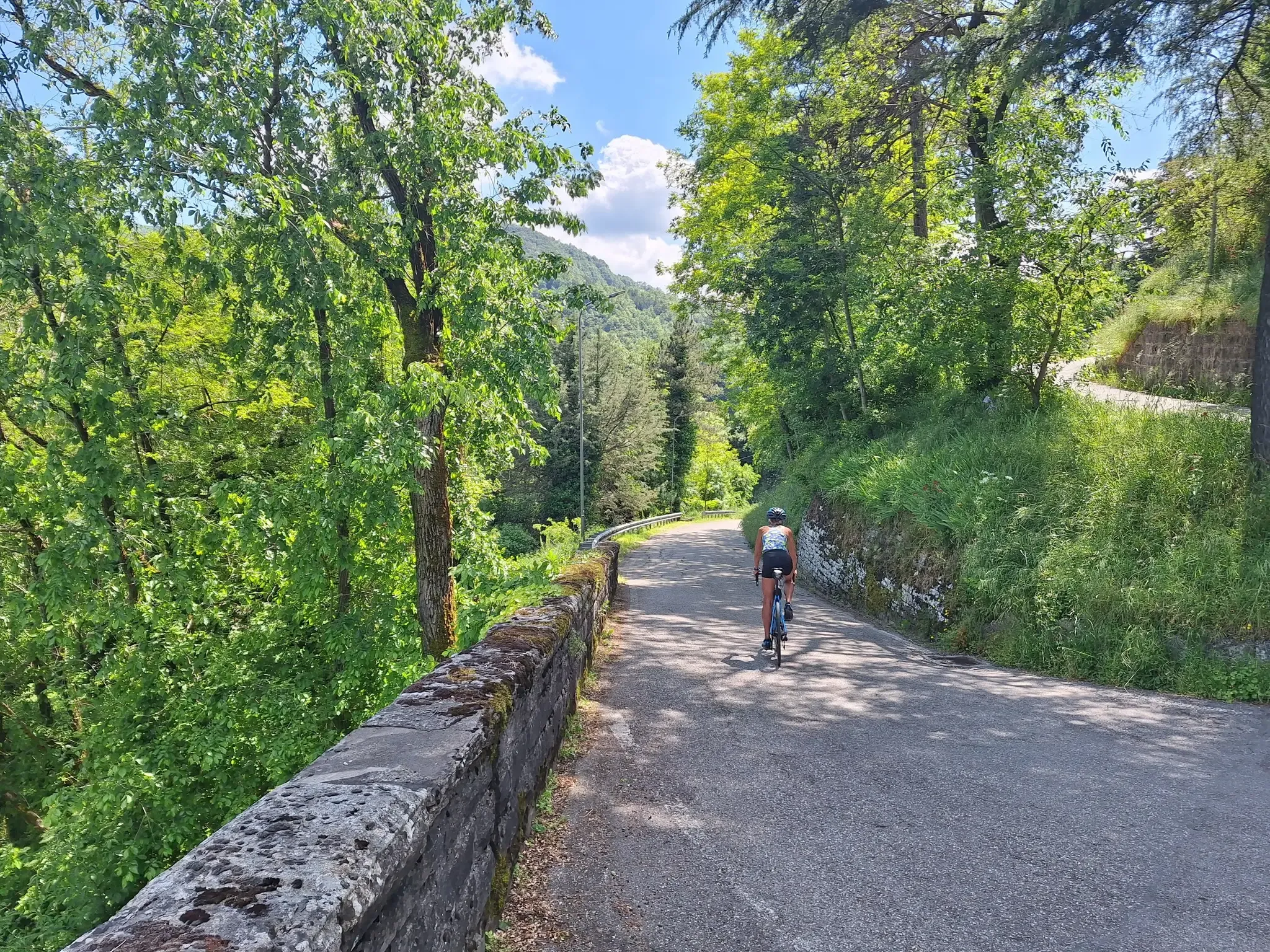
Challenging but manageable last climb
2
0

Beautiful place where you can take truly panoramic photos. Pietra Corva is one of the crucial points of the ancient Maria Longa road, a route with remote origins, of notable historical and naturalistic importance, which connects Ramiola di Medesano to Mariano di Pellegrino Parmense. A ridge itinerary that was of particular strategic importance already in the Lombard era. Its attendance, according to numerous historians, dates back to prehistoric times and some archaeological sites from the Bronze Age bear witness to this: among these, Pietra Corva, a fundamental junction point of the path, and Groppo Rizzone, which skirts the slopes of the ridge on which the Maria Longa is located towards the Ceno stream. In the area there also remain, not surprisingly, evidence of the ancient Celtic and Ligurian populations in toponyms such as Ceno and Taro.
5
0

Pietra Nera, a beautiful rocky outcrop of ophiolitic origin (Mesozoic era, Jurassic period, about 155 million years ago), is located on the right bank of the Stirone stream and at the foot of the Borgo di Vigoleno. This area was previously dedicated to the extraction of serpentinite (ophiolite from the Greek "ophis" -> snake), composed of silicates of magnesium and iron and small quantities of magnetite whose crystalline structure leads these minerals to overlap in thin flakes which give the rock a "scaly" shape similar to the skin of reptiles) and the small lake, located at the foot of the rock, is due precisely to these quarrying activities.
1
0

Suggestive lake nestled between the dark surrounding rocks
4
0

Departing from the former restaurant la Bruschetta, in Case Mezzadri, passing through Ca 'Montano (private property and untied dogs), Battu, Ca' Moretto, Ca 'Andreoni and then off the path between the fields to close the ring.
0
0
Frequently Asked Questions
What are the most popular natural monuments around Salsomaggiore Terme?
Visitors frequently enjoy the panoramic views from Pietra Corva, a crucial point on the ancient Maria Longa road. Another favorite is the Pietra Nera Quarry Pond, a striking lake nestled among dark, ophiolitic rocks. These sites are highly appreciated by the komoot community for their natural beauty and historical significance.
Are there any natural monuments with historical significance in the area?
Yes, several natural monuments in Salsomaggiore Terme have rich historical connections. Pietra Corva is part of the ancient Maria Longa road, an itinerary of strategic importance since the Lombard era, with archaeological sites dating back to the Bronze Age. Additionally, Frederik's big climb is noted for its particular beauty and historical significance related to a World War II event.
What kind of natural features can I expect to see in Salsomaggiore Terme?
Salsomaggiore Terme offers a diverse range of natural features. You can explore the unique paleontological landscape of the Stirone and Piacenziano Regional Park, with its fossil-rich clay stratifications. There are also serene green spaces like Parco Corazza and Mazzini Park, featuring landscaped gardens and ancient trees. The region also boasts viewpoints like La Battuta Hill and the distinctive Pietra Nera Quarry Pond.
Are there family-friendly natural attractions around Salsomaggiore Terme?
Absolutely. The Stirone and Piacenziano Regional Park offers equipped pedestrian routes and a cycle path, making it suitable for families to explore its diverse environments and discover ancient fossils. Parks like Parco Corazza and Mazzini Park provide pleasant, safe spaces for strolls and relaxation. The Gavinell Botanical Garden also offers an educational and tranquil experience for all ages.
Where can I find hiking trails near these natural monuments?
The Stirone and Piacenziano Regional Park features equipped pedestrian routes ideal for hiking. For more structured hiking experiences, you can explore various trails around the region. For example, the 'Salt and Earth of Salsomaggiore Trail' or the 'Pietra Nera Quarry Pond loop from Vigoleno' are popular options. You can find detailed information and routes on the Hiking around Salsomaggiore Terme guide.
Are there cycling opportunities near the natural monuments?
Yes, the Stirone and Piacenziano Regional Park includes a dedicated cycle path, perfect for enjoying the natural surroundings. For more extensive cycling adventures, there are numerous routes available. Consider exploring options like the 'Hills of Salsomaggiore' or the 'View of the Hills Near Parma loop'. More cycling routes can be found in the Cycling around Salsomaggiore Terme guide.
What is the Stirone and Piacenziano Regional Park known for?
The Stirone and Piacenziano Regional Park is renowned for its extraordinary paleontological importance. It's often called an 'open-air museum' due to the abundant marine fossils found in its clayey stratifications, documenting a period when the area was covered by sea millions of years ago. Beyond its ancient history, the park boasts diverse environments, including river basins, woods, and gullies, supporting approximately 40 different bird species. It also hosts the MuMAB – Ancient Sea and Biodiversity Museum. For more details, you can visit visitsalsomaggiore.it.
Are there any natural monuments that are wheelchair accessible?
Yes, the 'Living Fossil: Ginkgo biloba (L., 1771)' is noted as being wheelchair accessible. This ancient tree, a symbol of resilience, offers a unique natural experience for all visitors.
What can I expect at the Gavinell Botanical Garden?
The Gavinell Botanical Garden, located just outside the city center, is a tranquil 12-hectare haven dedicated to natural wellness. It features over 450 species of aromatic and medicinal plants, including some exceptionally rare varieties. Visitors can enjoy guided tours where expert guides share knowledge about the cultivated herbs and their beneficial properties.
What makes Mazzini Park unique among the green spaces?
Mazzini Park, designed in 1912, stands out for its meticulous geometric layout characteristic of Italian gardens, combined with unique oriental design elements, such as a Japanese-style lake with a pagoda. It features pathways and flowerbeds edged with low, evergreen boxwood hedges forming Liberty-style curved lines. Many of its secular trees date back to its original planting, offering a botanical route dedicated to 'The Queen's Trees'.
What do visitors say about the natural monuments in Salsomaggiore Terme?
Visitors frequently praise the stunning panoramic photo opportunities at viewpoints like Pietra Corva. Many also highlight the 'particular beauty and inestimable value' of historical sites such as Frederik's big climb. The 'suggestive' nature of the Pietra Nera Quarry Pond is also a common point of appreciation.
Most popular routes around Salsomaggiore Terme
Most popular attractions around Salsomaggiore Terme

Get inspired with the komoot mobile app


Explore more
Extend your search for the best caves by checking out these guides of the top ones around Salsomaggiore Terme:
