Top 6 Natural Monuments around Lequio Berria
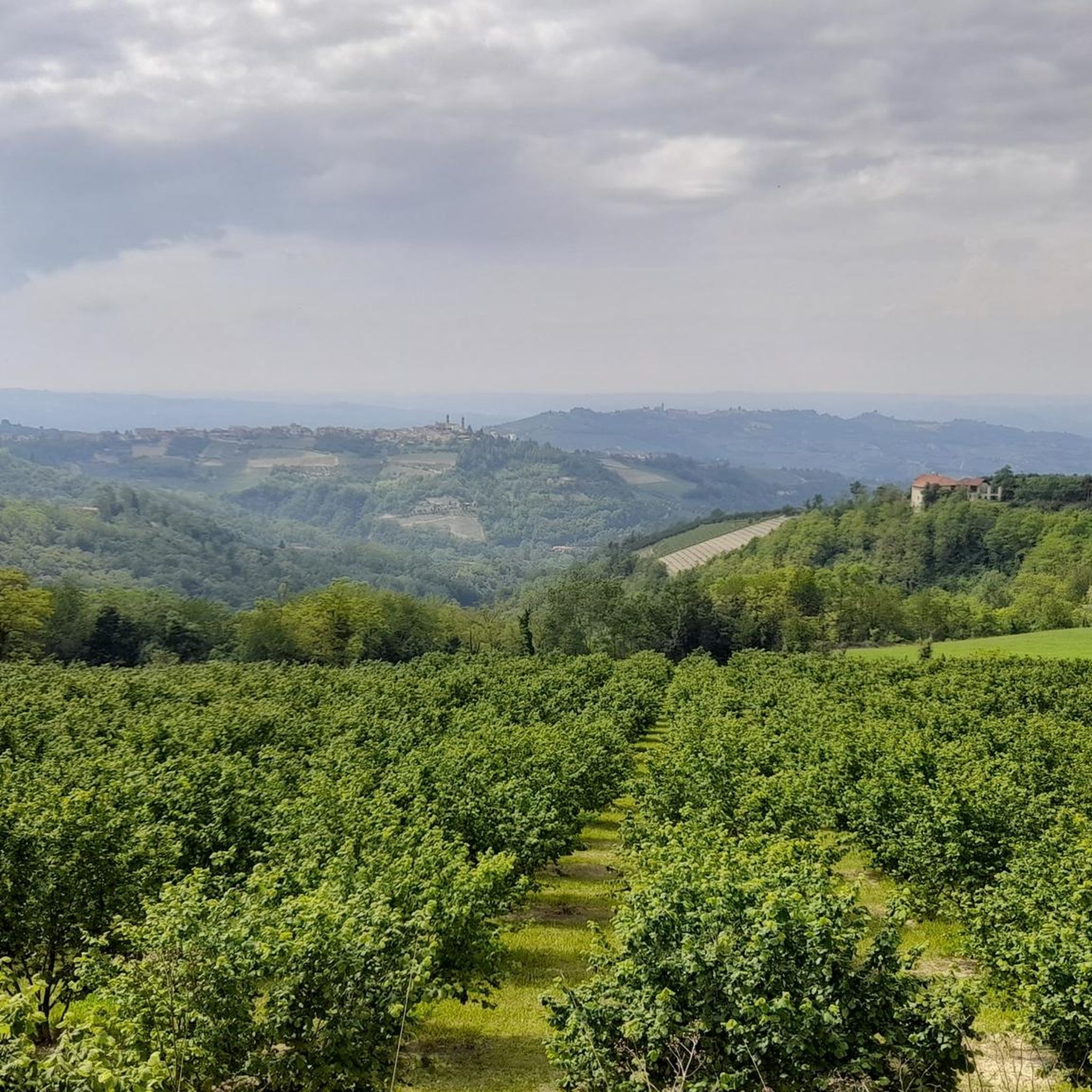
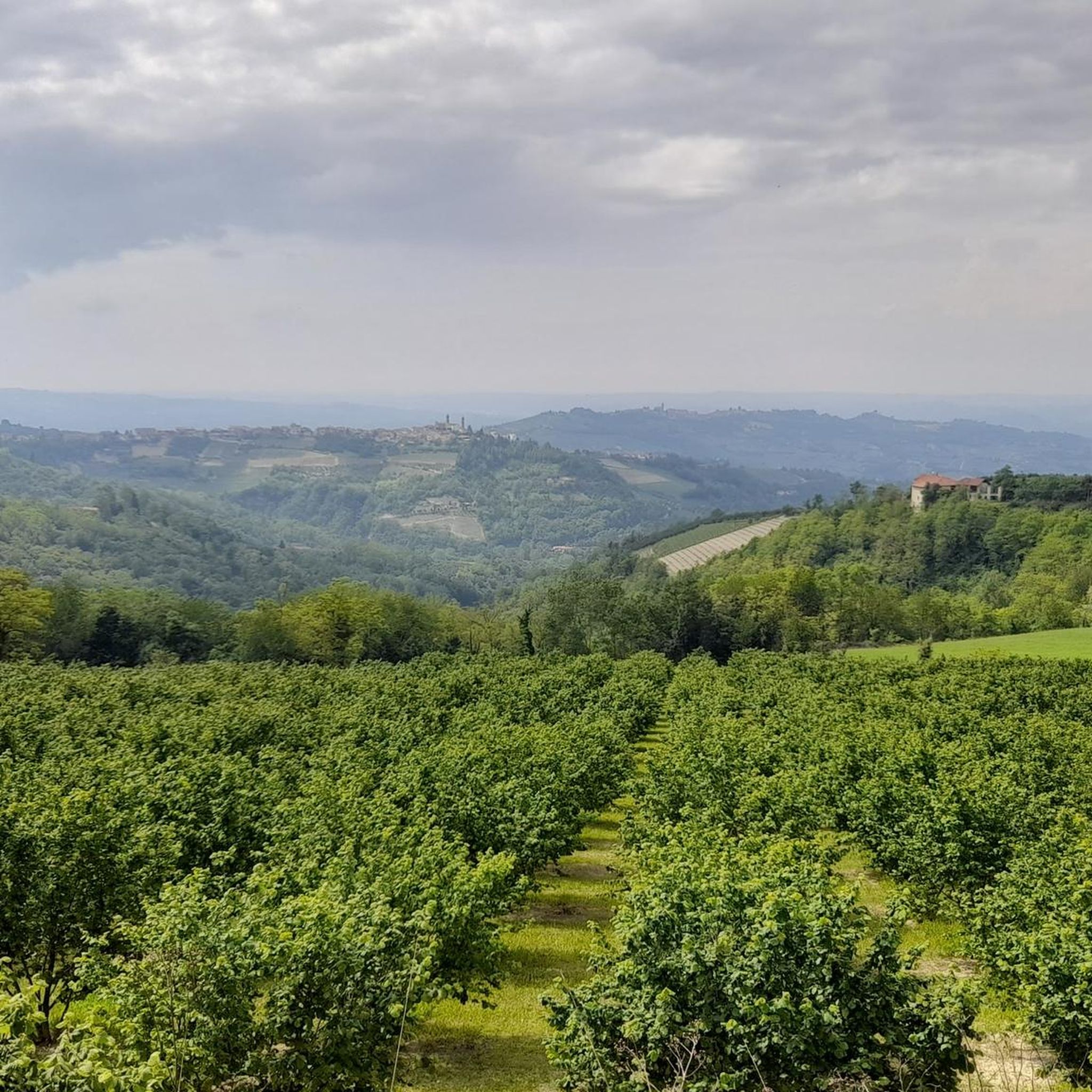
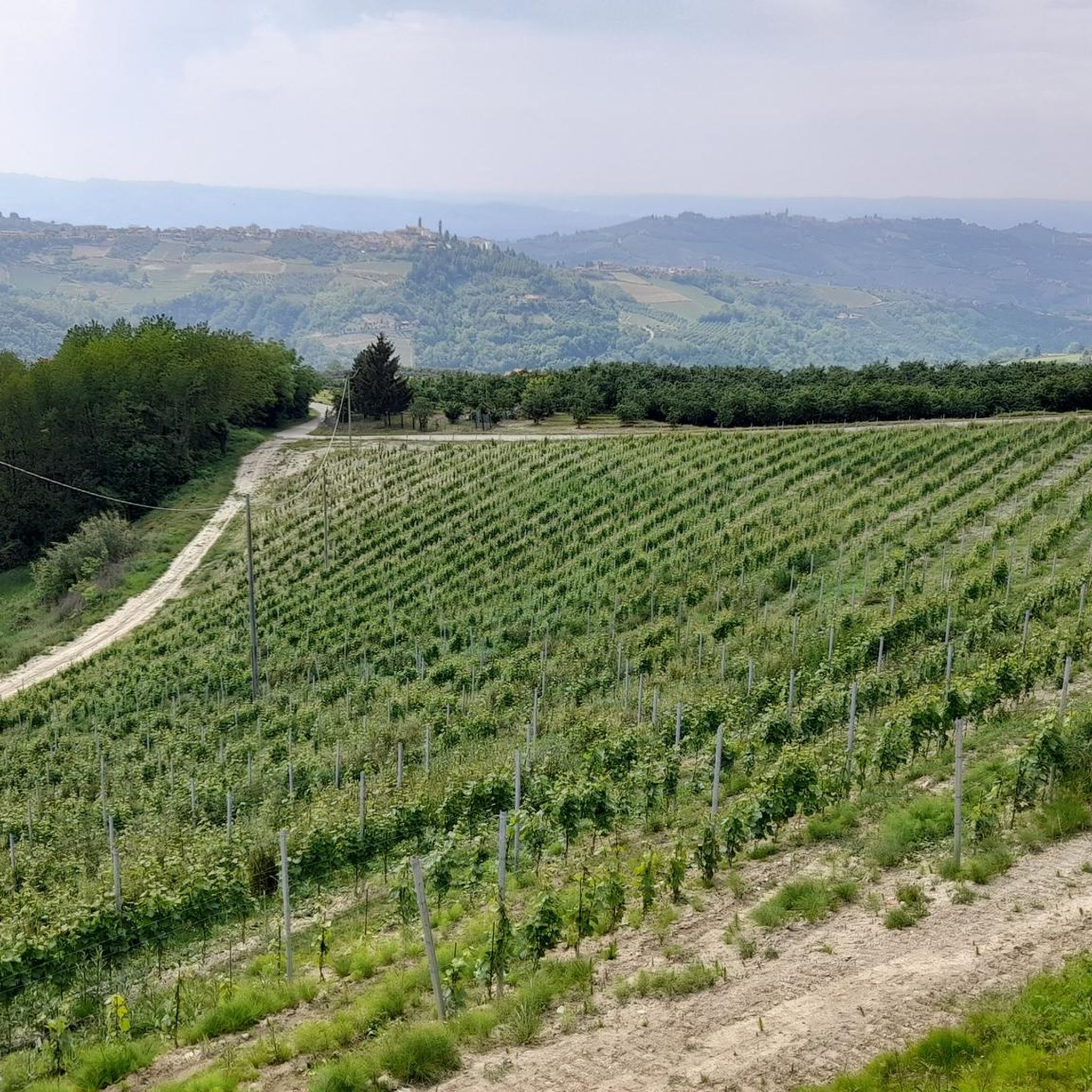
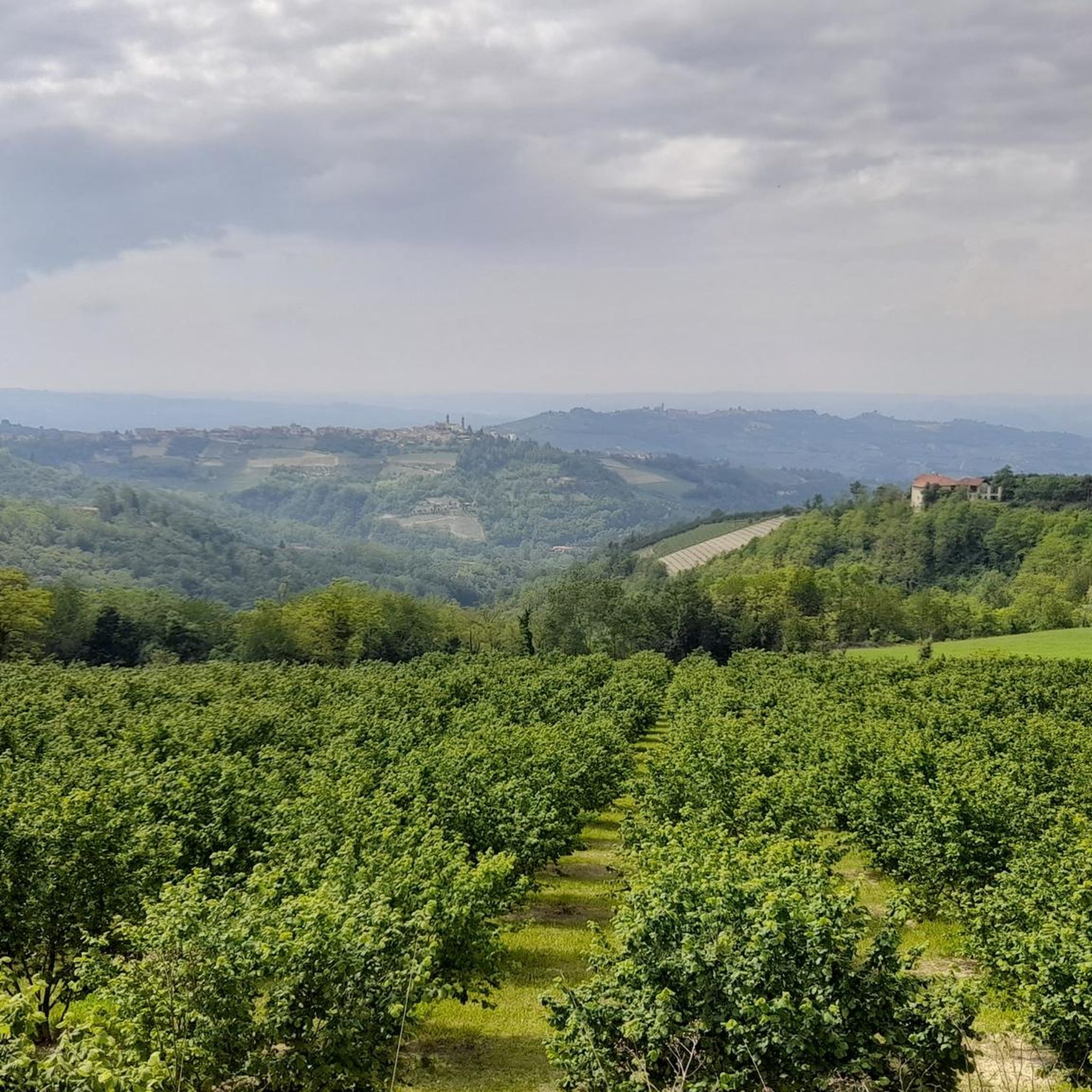
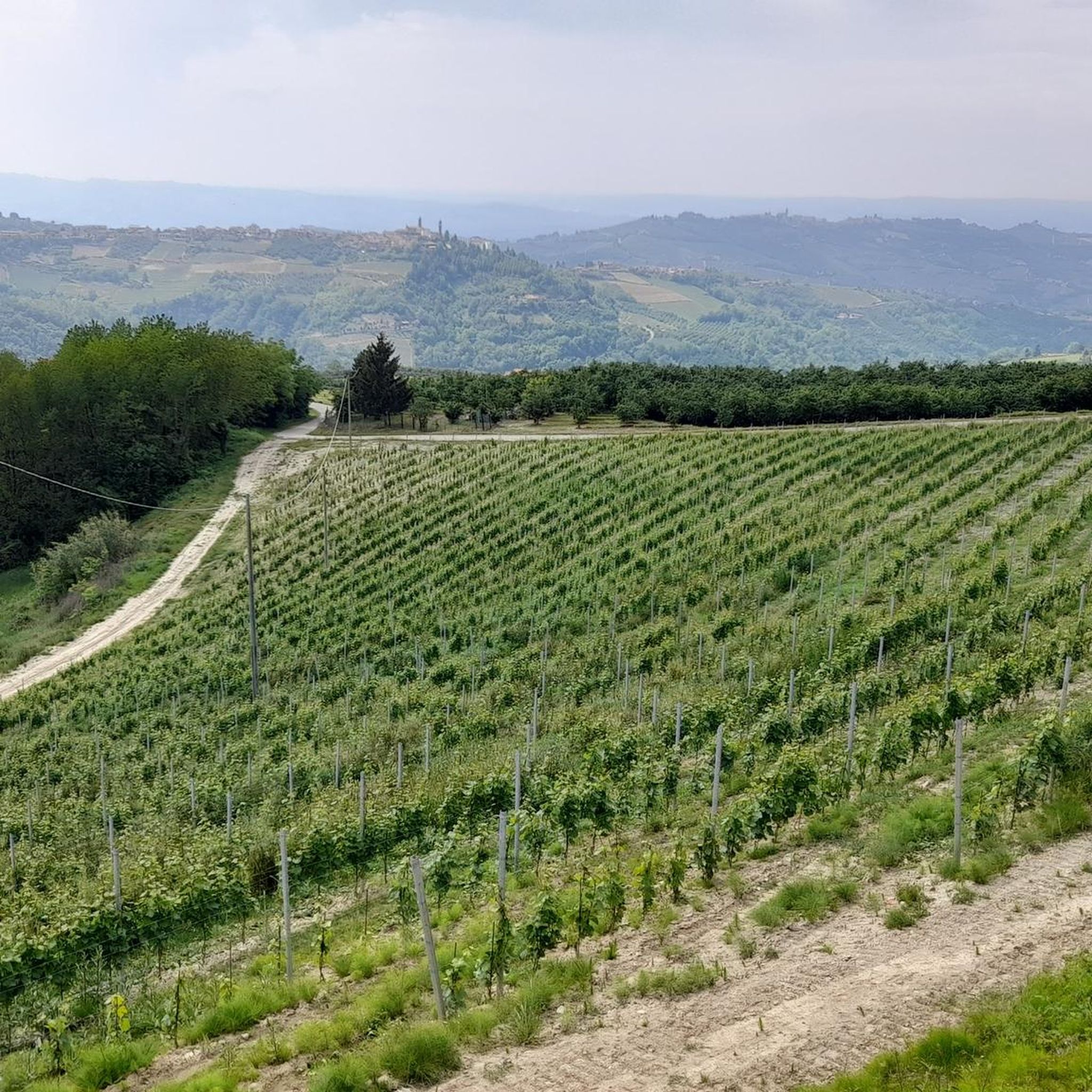
Best natural monuments around Lequio Berria are characterized by panoramic views, rolling hills, and significant geological formations. This elevated position in the Langhe region offers extensive vistas of the Berria River Valley and surrounding villages. The landscape is defined by thick woods, hazelnut groves, and the ancient "Lequio Formation" of grey marls and sandstones. These features contribute to the area's natural beauty and viticultural richness.
Best natural monuments around Lequio Berria
- The most popular natural monuments is Cedar of Lebanon…
Last updated: June 28, 2026
Rocche of the Seven Brothers
Highlight (Segment) • Gorge
Translated by Google •
Tip by

Cedar of Lebanon in the Langhe
Highlight • Natural Monument
Translated by Google •
Tip by

Sign up now to discover places like this
Get recommendations on the best single tracks, peaks, & plenty of other exciting outdoor places.
Sign up for free
Nebbiolo Monument of Fontanafredda
Highlight • Monument
Translated by Google •
Tip by

The hills of Barbaresco.
Highlight • Viewpoint
Translated by Google •
Tip by
Cedar of Lebanon on the Hill
Highlight • Natural Monument
Translated by Google •
Tip by

Sign up for free to discover even more natural monuments around Lequio Berria.
Sign up for free
Already have an account?
Start today with a free account
Your next adventure awaits.
Login or Signup

Tips from the Community

nothing special but a nice route
0
0

A magnificent cedar tree stands tall on the hill.
22
0


The most famous tree of the Langhe
0
0

The most beautiful tree in the area
0
0

The entry point of the prestigious and renowned Langhe wine estate located on the road to Serralunga d'Alba and Piana Gallo.
3
0

Producers of Barolo and the great wines of the Langhe in Serralunga d'Alba. Born in 1858 from the love story between the King of Italy, Vittorio Emanuele II and Rosa Vercellana.
1
0
On the SP3, at the crossroads for Barbaresco, there is this very nice corner with a stone table and chairs in the shade of a large tree. On both sides one looks there are vineyards as well as, not too far away, the beautiful tower of Barbaresco.
0
0
Frequently Asked Questions
What are the most unique natural features to explore around Lequio Berria?
Lequio Berria is renowned for its captivating panoramic views of the Berria River Valley and the characteristic rolling hills of the Langhe region. Beyond the scenic beauty, the area is underlaid by the significant "Lequio Formation," an ancient geological feature of grey marls and sandstones that contributes to the region's rich viticulture. You'll also find thick woods and extensive hazelnut groves that define the lush landscape.
Are there any challenging natural monuments for experienced hikers?
Yes, the Rocche of the Seven Brothers offers a challenging experience. This imposing gorge, formed by water erosion, features a circumnavigation that is partly very steep in both descent and ascent. It is recommended for experienced hikers, and not advised when wet due to the terrain.
Which natural monuments are suitable for families with children?
Several natural attractions around Lequio Berria are family-friendly. The Cedar of Lebanon in the Langhe and the Cedar of Lebanon on the Hill are both beautiful and accessible, though access near the 'Cedar in the Langhe' is now fenced off. The hills of Barbaresco also offer family-friendly viewpoints with facilities.
What are the best viewpoints to experience the panoramic scenery?
Lequio Berria itself is situated high on hills, offering extensive and breathtaking panoramic views of the Langhe region, including the Berria River Valley and distant Langa villages. The hills of Barbaresco provide another excellent vantage point, where you can enjoy views of vineyards and the iconic Barbaresco tower.
What is the best time of year to visit the natural monuments in Lequio Berria?
The Langhe region, including Lequio Berria, is beautiful year-round. Spring brings lush greenery and blooming wildflowers, while autumn is particularly stunning with the vibrant colors of the vineyards and hazelnut groves, making it ideal for scenic drives and walks. Summer offers warm weather for outdoor activities, and even winter can be picturesque with clear, crisp views, though some paths might be less accessible if there's snow or ice.
Are there hiking trails near these natural monuments?
Yes, the area around Lequio Berria offers various hiking opportunities. You can explore trails that lead through the rolling hills, past hazelnut groves, and to panoramic viewpoints. For detailed routes and difficulty levels, you can find more information in the Hiking around Lequio Berria guide.
Can I bring my dog to the natural attractions around Lequio Berria?
Many natural areas and trails in the Langhe region are dog-friendly, allowing you to enjoy the scenery with your canine companion. It's always advisable to keep dogs on a leash, especially near agricultural areas or wildlife, and to clean up after them. Specific rules might apply to certain private properties or protected areas, so check local signage.
Are there cycling routes that pass by or near these natural monuments?
Absolutely! The rolling hills of the Langhe are popular for cycling. You can find various routes for both road cycling and gravel biking that allow you to experience the natural beauty and panoramic views of the region. For more information on routes, including distances and difficulty, check out the Cycling around Lequio Berria guide and the Gravel biking around Lequio Berria guide.
What kind of geological features can I observe in the Lequio Berria area?
The most notable geological feature is the "Lequio Formation," which consists of ancient grey marls alternating with sandstones. While not a visible monument in the traditional sense, these formations are crucial to the region's viticulture, influencing the soil composition that gives Langhe wines their distinct characteristics. You can also observe the effects of water erosion, such as at the Rocche of the Seven Brothers gorge.
What do visitors enjoy most about the natural monuments and landscape here?
Visitors consistently praise the breathtaking panoramic views and the serene beauty of the Langhe landscape. The iconic Cedar of Lebanon in the Langhe is a highly visited spot, and the imposing rock formations of the Rocche of the Seven Brothers are appreciated for their unique geological character and the challenging hike they offer. The overall tranquility and picturesque scenery are major draws.
Is there a specific tree that is considered a natural monument in the area?
Yes, the Cedar of Lebanon in the Langhe is widely known as the most famous tree in the region and is one of the most visited natural monuments. Another magnificent example is the Cedar of Lebanon on the Hill, considered one of the most beautiful trees in the area.
Most popular routes around Lequio Berria
Most popular attractions around Lequio Berria

Get inspired with the komoot mobile app


Explore more
Extend your search for the best caves by checking out these guides of the top ones around Lequio Berria:
