The best road cycling routes around Lequio Berria
4.4
(264)
4,965
riders
118
rides
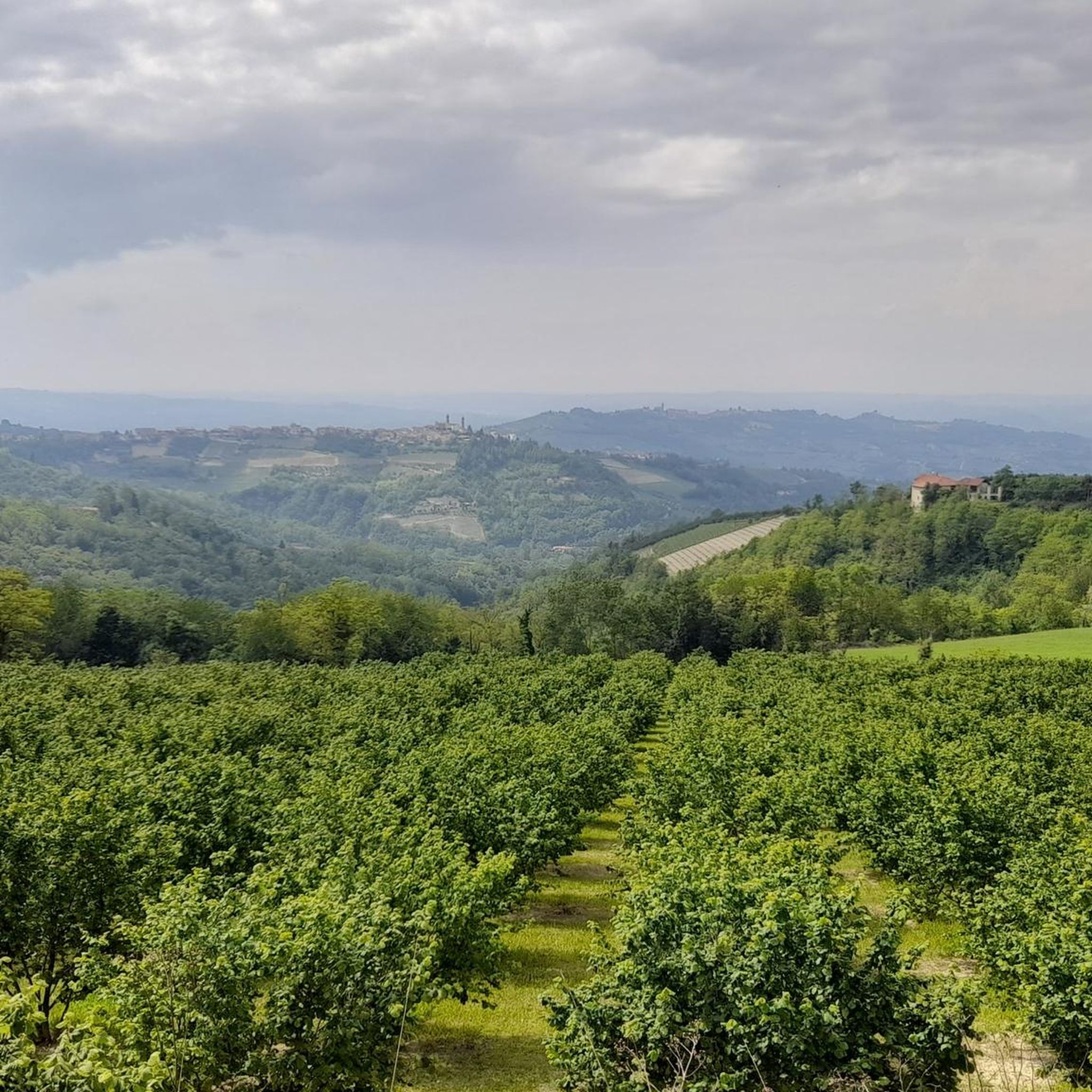
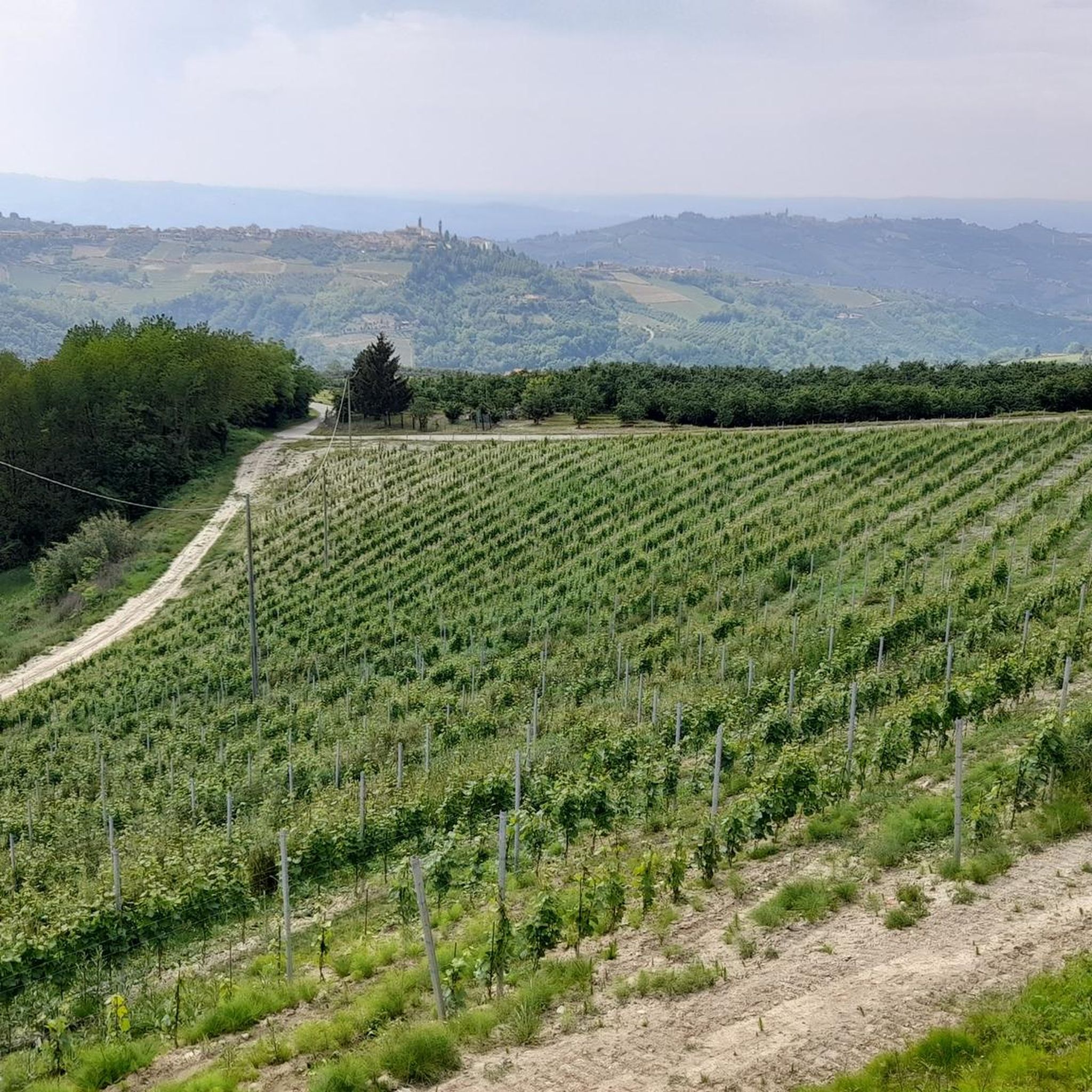
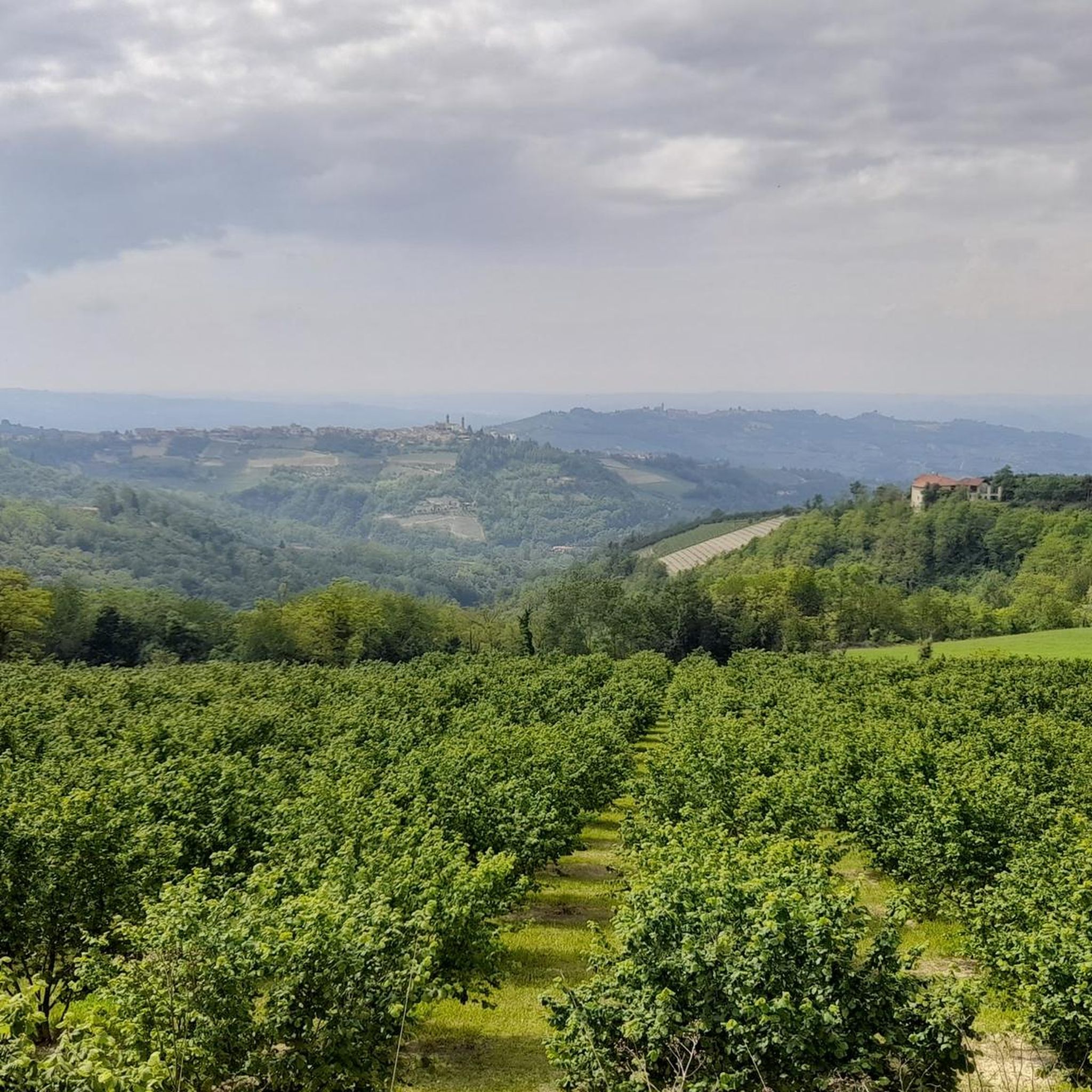
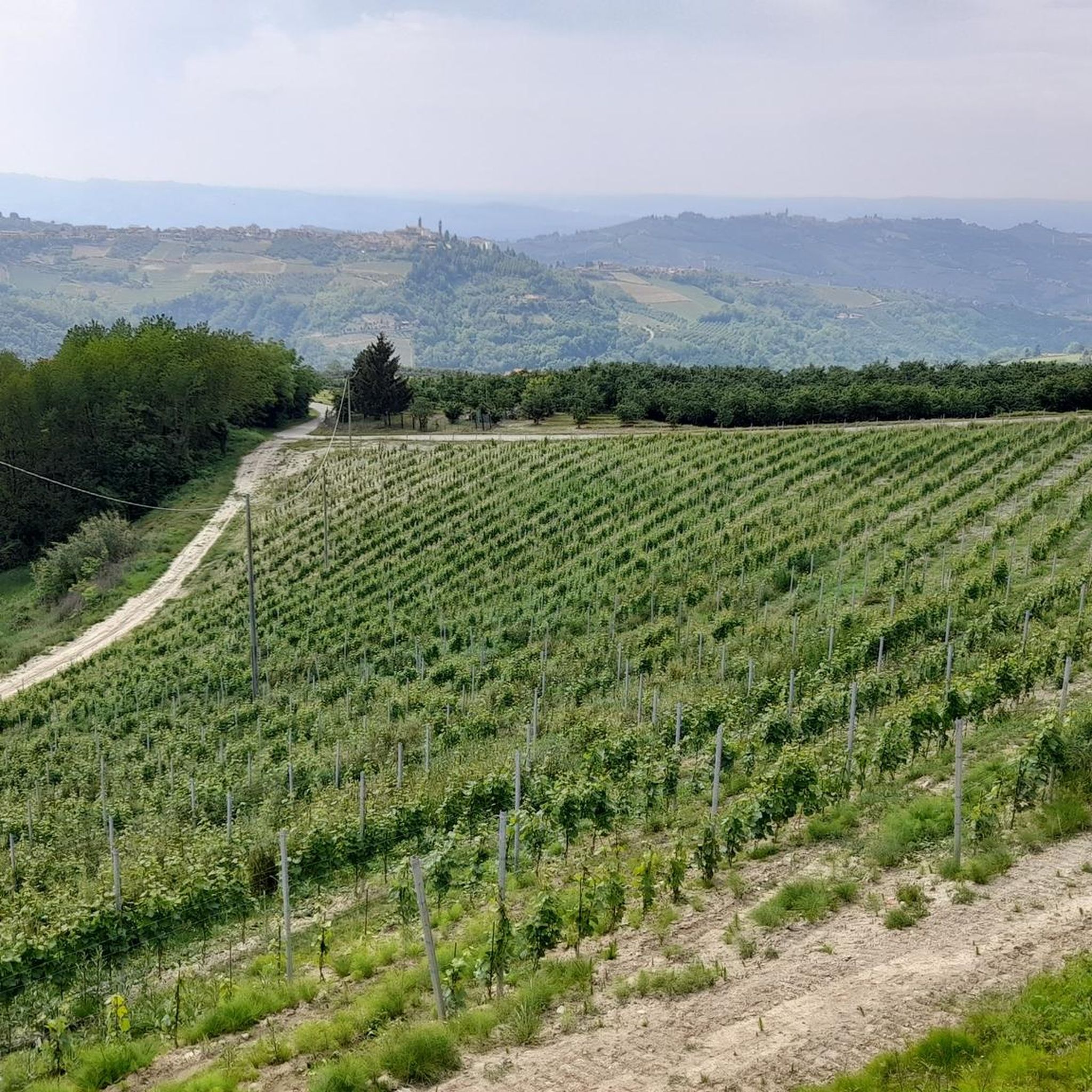
Road cycling around Lequio Berria is characterized by its location within the Langhe region of Piedmont, Italy, offering extensive panoramic views across rolling hills. The terrain features varied elevations, with routes traversing thick woods, groves of hazelnut trees, and expansive vineyard landscapes. This area, part of a UNESCO World Heritage site, provides a diverse environment for road cyclists.
Best road cycling routes around Lequio Berria
- The most popular road cycling route is Castino – Cortemilia loop from Borgomale, a…
Last updated: November 1, 2026
24
riders
87.9km
04:30
1,290m
1,290m
Hard road ride. Very good fitness required. Mostly well-paved surfaces and easy to ride.
4.0
(1)
47
riders
38.0km
02:03
750m
750m
Moderate road ride. Good fitness required. Mostly well-paved surfaces and easy to ride.

3.0
(1)
15
riders
Moderate road ride. Good fitness required. Mostly well-paved surfaces and easy to ride.
5.0
(1)
11
riders
30.5km
01:42
630m
630m
Moderate road ride. Good fitness required. Mostly well-paved surfaces and easy to ride.
26
riders
30.0km
01:46
660m
660m
Moderate road ride. Good fitness required. Some segments of this route may be unpaved and difficult to ride.
Get access to more routes and recommendations from other explorers.
Already have an account?
Our route recommendations are based on thousands of hikes, rides, and runs completed by other people on komoot.
Start today with a free account
Your next adventure awaits.
Tips from the Community

Small village in the Alta Langa with some benches and a bar for a nap
0
0

On beautiful days you enjoy a wonderful view
9
0

Monastero Bormida is a charming Italian medieval village located in the province of Asti, in Piedmont, nestled in the picturesque landscapes of the Langa Astigiana. The village was founded around the year 1050, when a group of Benedictine monks was called by Marquis Aleramo to clear and repopulate the lands devastated by Saracen raids.
0
0
Torre Bormida is a small municipality located in the province of Cuneo, in the Piedmont region, in northwestern Italy.
11
0
Torre Bormida is a small municipality located in the province of Cuneo, in the Piedmont region, in northwestern Italy.
14
0

The Castle of Monastero Bormida was not originally built as a defensive structure but as a Benedictine monastery, founded around 1050 by monks from the Abbey of Fruttuaria, called by the Aleramici Marquises to reclaim the lands devastated by Saracen raids. The 27-meter tower still visible today was originally the bell tower, and the river flowing a few meters from the southern tower confirms the non-military nature of the building. In 1393, the Benedictines abandoned the monastery, and its feudal history began: the fief passed to the Del Carretto marquises, who in the 15th century added the first defensive structures, transforming it into a castle. The building is a quadrangular structure with an internal courtyard, protected by towers on multiple sides and connected to the former bell tower by a small suspension bridge. On the south facade, there is a two-arched Renaissance loggia with a small stone column. Inside, the rooms on the main floor—transformed in the 17th century—feature mosaic floors and sail and cross vaults with frescoes of floral and geometric motifs. The castle later passed to the Della Rovere family and subsequently to the Genoese Polleri family, finally becoming the property of the Municipality starting in 1880. Today it is open to visitors and is part of the regional circuit "Castelli Aperti".
1
0
To refill the water bottles.
9
0

After the climb from Neive, this wine glass near Neviglie is a lovely place to rest. It stands among the vineyards of Moscato d’Asti, the fresh and lightly sparkling wine for which the region is famous. Inside the glass seems to be a strange creature, perhaps a dragon or a snake?
0
0
Frequently Asked Questions
What kind of terrain can I expect when road cycling around Lequio Berria?
Road cycling around Lequio Berria is characterized by its location within the Langhe region, offering extensive panoramic views across rolling hills. The terrain features varied elevations, with routes traversing thick woods, groves of hazelnut trees, and expansive vineyard landscapes. It's a diverse environment that provides both challenging climbs and rewarding descents.
How many road cycling routes are available in the Lequio Berria area?
There are over 130 road cycling routes around Lequio Berria, catering to various skill levels. This includes 5 easy routes, 66 moderate routes, and 61 difficult routes, ensuring options for every cyclist.
Are there any easy or family-friendly road cycling routes in Lequio Berria?
Yes, while many routes feature significant elevation gain, there are 5 routes classified as easy, and 66 moderate options that can be suitable for those looking for a less strenuous ride or for families with older children. The region's tranquil setting allows for enjoyable cycling experiences for various abilities.
What are some notable natural features or viewpoints to look out for on a road cycling trip?
The Langhe region offers stunning natural beauty. Cyclists can enjoy expansive views of other Langa villages and, on clear days, distant mountains. Specific natural highlights include the Rocche of the Seven Brothers and the majestic Cedar of Lebanon in the Langhe. Many routes also pass through the iconic vineyard landscapes of the UNESCO World Heritage site, offering numerous scenic viewpoints like The hills of Barbaresco.
Are there any historical sites or castles I can see along the road cycling routes?
Absolutely. The region is rich in history and culture. You might encounter landmarks such as the Parish Church of San Lorenzo and the Oratorio di San Rocco in Lequio Berria itself. Along various routes, you can also spot impressive castles, including the renowned Grinzane Cavour Castle, Cravanzana Village and Castle, and Borgomale Castle.
What is the best time of year to go road cycling in Lequio Berria?
The Langhe region generally offers pleasant cycling conditions from spring through autumn. Spring brings blooming landscapes, while autumn provides stunning fall colors amidst the vineyards. Summer can be warm, so early morning or late afternoon rides are often preferred. Always check the local weather forecast before heading out.
Are there circular road cycling routes available around Lequio Berria?
Yes, many of the road cycling routes in the area are designed as loops, allowing you to start and end in the same location. For example, the Bossolasco Bicycle Sculptures – Bossolasco Village Center loop from Cravanzana is a popular circular option, as is the Salita C. Castri Gatti – Rocchetta Belbo Church loop from Manera.
What do other road cyclists enjoy most about cycling in Lequio Berria?
The area is highly rated by the komoot community, with an average score of 4.6 stars from over 180 reviews. Cyclists often praise the stunning panoramic views, the challenging yet rewarding climbs through rolling hills, and the tranquil atmosphere of the vineyard-laden landscapes. The diverse terrain and charming villages also contribute to a highly enjoyable experience.
Where can I find parking for my road cycling trip in Lequio Berria?
Lequio Berria and the surrounding villages typically offer public parking areas. It's advisable to check specific starting points for routes, such as Borgomale or Cravanzana, as they often have designated parking spaces suitable for cyclists. Many routes begin from small towns where parking is generally available.
Are there cafes or restaurants along the road cycling routes for a break?
Yes, the Langhe region is renowned for its gastronomy and wine. Many road cycling routes pass through charming villages and towns where you'll find local cafes, trattorias, and restaurants perfect for a coffee stop, a quick snack, or a full meal. These establishments often highlight local Piedmontese specialties.
What is the typical elevation gain on road cycling routes in this region?
Given the 'rolling hills' and 'varied elevations' of the Langhe, routes around Lequio Berria often feature significant elevation gain. For instance, the Castino – Cortemilia loop from Borgomale involves over 1000 meters of ascent, while the Cortemilia – Bergolo loop from Cravanzana has around 760 meters of climbing. Cyclists should be prepared for undulating terrain.
Most popular attractions around Lequio Berria

Get inspired with the komoot mobile app


Explore more
Browse the best Road cycling routes in other regions.
