Top 20 Natural Monuments around Casalfiumanese
Natural monuments around Casalfiumanese are characterized by the unique geological formations of the Santerno Valley. The region is known for its dramatic "calanchi," or badlands, which are prominent geological features. This landscape includes extensive gypsum outcrops and a complex karst system, supporting diverse ecosystems. The area offers a blend of natural beauty and geological significance for exploration.
Best natural monuments around Casalfiumanese
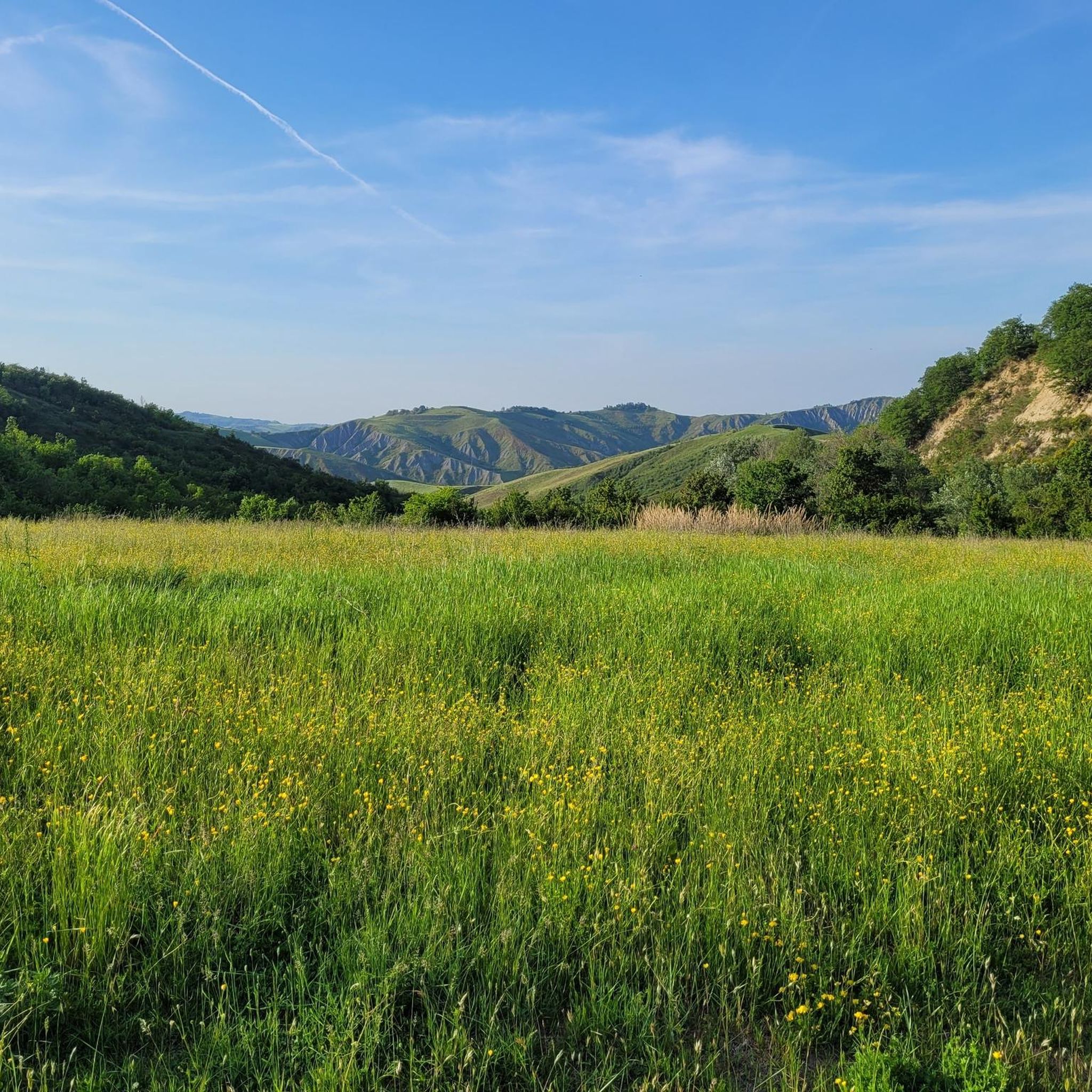
- The most popular natural monuments is Ridge of the Calanchi between Fiagnano and Monte del Re, a…
Last updated: May 16, 2026
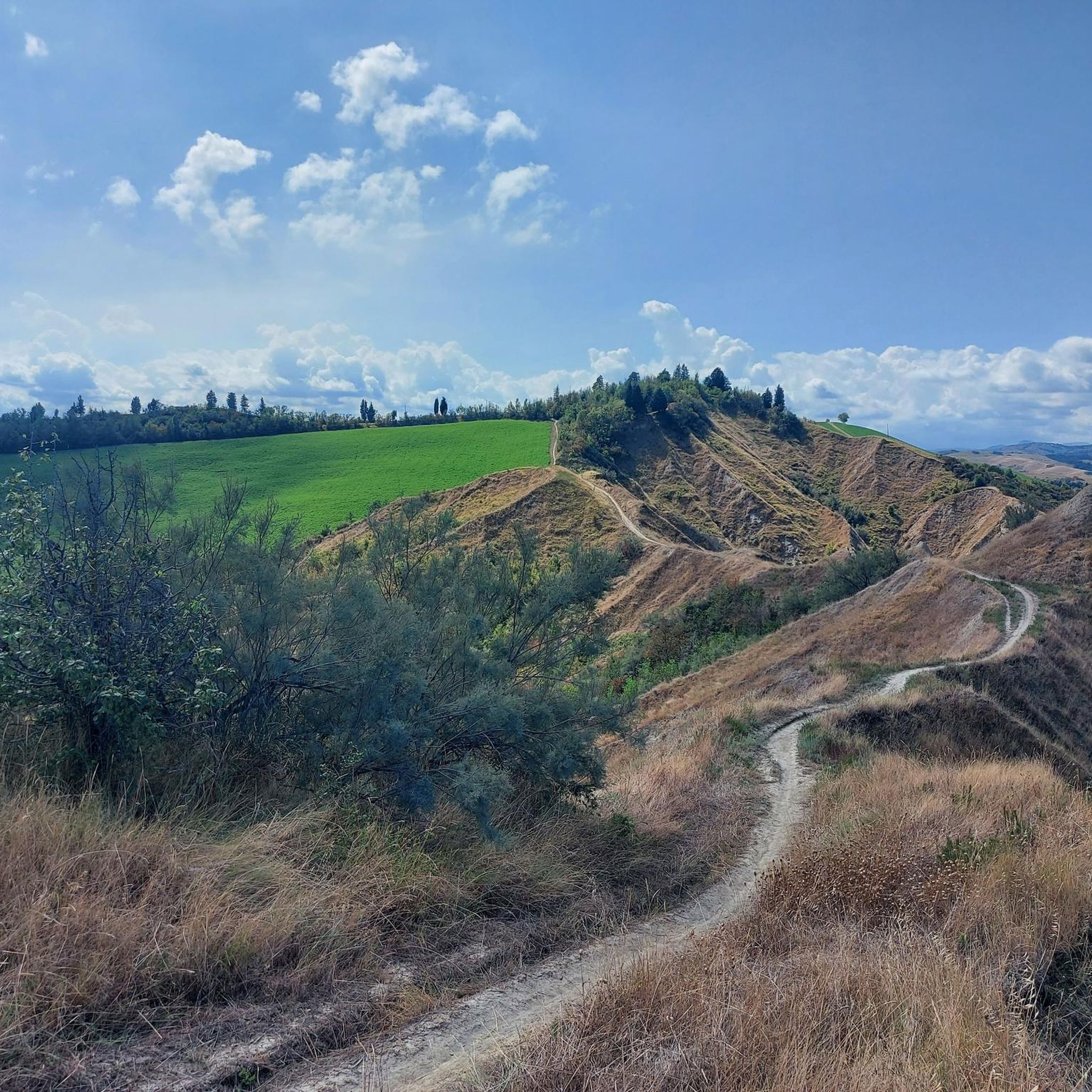
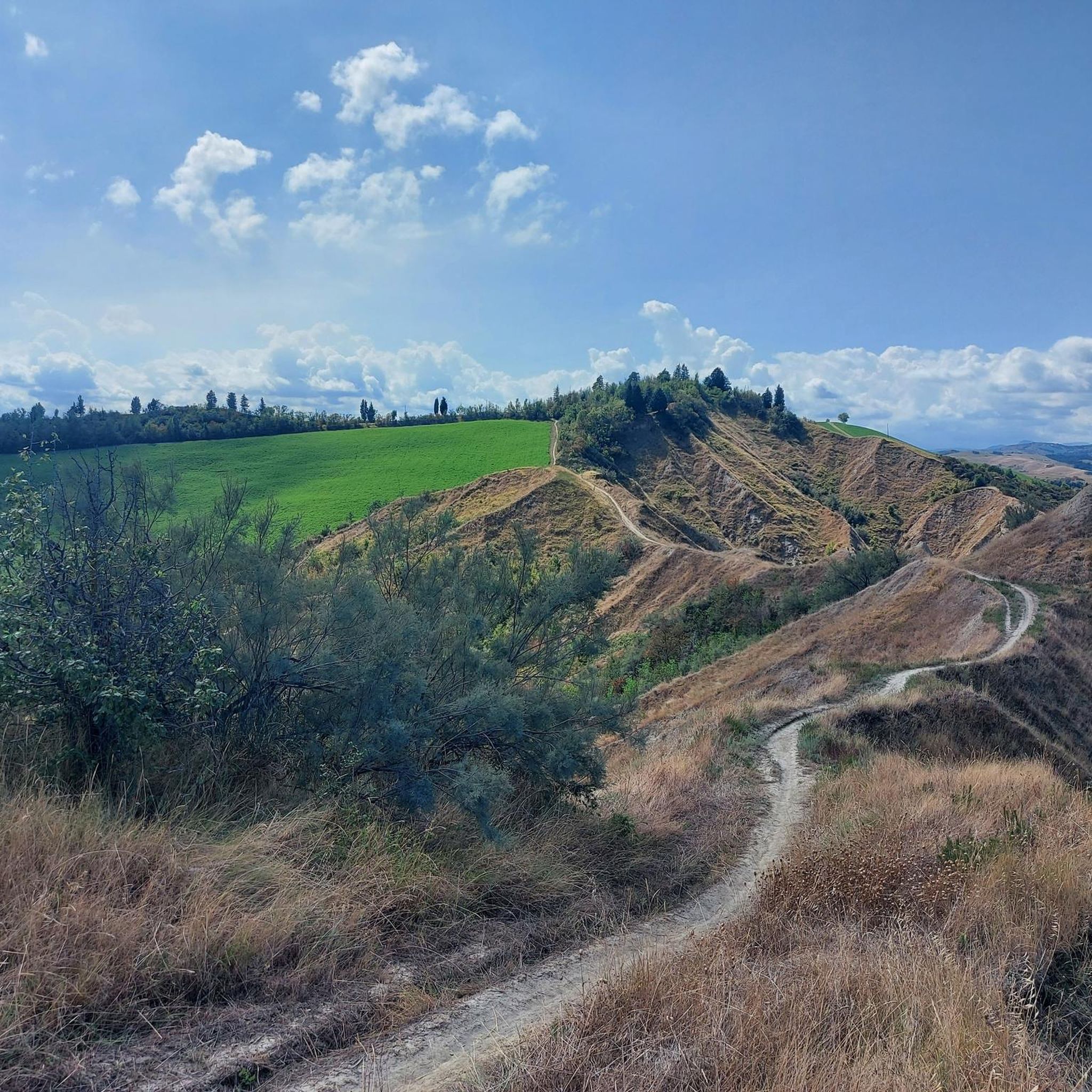
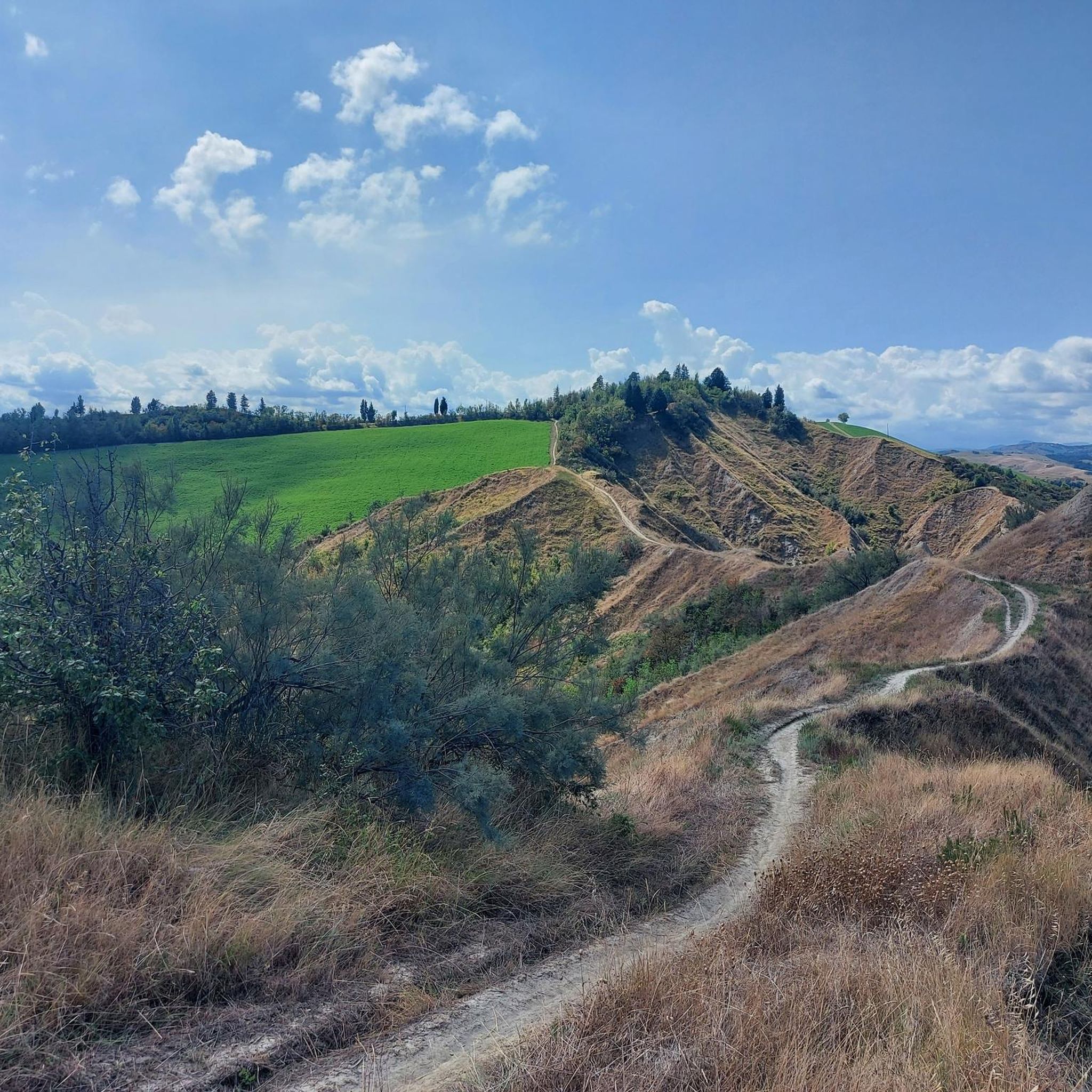
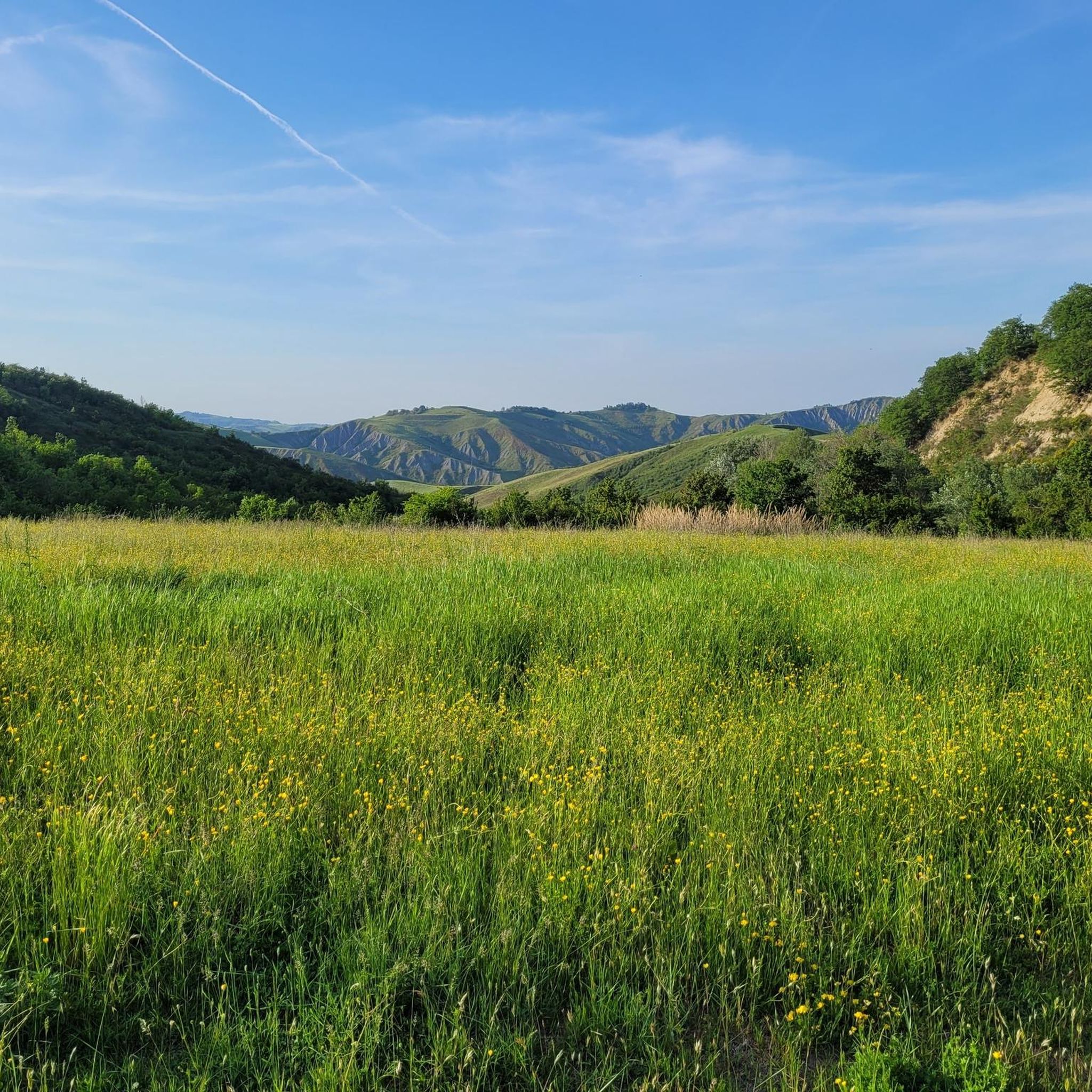
Badlands on the Flaminia Minor
Highlight (Segment) • Natural Monument
Translated by Google •
Tip by

Santerno Cycle Path Ford at La Casa del Fiume
Highlight • Structure
Translated by Google •
Tip by

Sign up now to discover places like this
Get recommendations on the best single tracks, peaks, & plenty of other exciting outdoor places.
Sign up for free
Fegatella Spring
Highlight • Natural Monument
Translated by Google •
Tip by

Sanctuary of Santa Maria di Zena (Monte delle Formiche)
Highlight • Religious Site
Translated by Google •
Tip by

Parco delle Acque Minerali
Highlight • Forest
It is …
Translated by Google •
Tip by
Sign up for free to discover even more natural monuments around Casalfiumanese.
Sign up for free
Already have an account?
Start today with a free account
Your next adventure awaits.
Login or Signup

Tips from the Community

July 2024: the ford is impassable due to a landslide on the road on the Borgo Tossignano side.
0
0

at certain times it is also possible to find it open to visit the church
0
0

Monte delle Formiche is a relief in the middle Bolognese Apennines above Pianoro, between the Idice valleys and the Zena valley. It has an altitude of 638 m. The name of the mountain seems to be linked to a natural phenomenon that occurs annually around September 8th, the feast day of the Madonna to whom a sanctuary is dedicated at the top of the mountain. Swarms of winged ants of the Mirmyca Scabrinodis variety migrate to this peak from central Europe to make their nuptial flight and die there. The event, which has been witnessed since ancient times, has over time taken on an almost miraculous value, a sort of homage from nature to the Madonna. From the sanctuary there is a beautiful panoramic view of the valleys below. By bike it is a beautiful climb with significant gradients.
0
0

The Mineral Water Park is the historic green lung of Imola. Mainly known for its recreational and sporting function, it also has an undoubted botanical and historical value. It is located a short distance from the city center and is nowadays entirely surrounded by the “Enzo e Dino Ferrari” racetrack. It originated from the discovery of Dr. Gioacchino Cerchiari, which occurred in 1830, of the healing sulphurous water springs which made the place immediately popular. The first arrangement of the area into a real park dates back to 1871, with the creation of avenues and flowerbeds according to the so-called "English" model. Currently the park extends over 11 hectares and has a rich heritage of tree species, both native and exotic. Recent interventions have aimed to enhance this heritage by providing the park with two play areas and an educational path of a geological nature, and by redeveloping some historical areas: the area of the ancient springs (indicated by the restoration of the original cisterns), the monumental staircase that leads from Viale Atleti Azzurri d'Italia leads to the Belvedere, and the entrances to the park. In particular we highlight the one to the north, called 'Piazzetta della Fontana' from the ceramic work of the artist Mannes Laffi, and the one to the south, or Piazzetta delle Querce', characterized by paving in stone slabs and cubes which reflect the park logo : an oak leaf. (Source: https://visitareimola.it/vivere/tempo-libero/natura/parco-acque-minerali/ )
0
0

I would like to point out that at the moment the cycle path is only passable from Imola to Borgo Tossignano due to the flood. Even the ford is unusable.
2
0

Puuh, very exhausting to lift your bike over these steps!
1
0
The Fonte Fegatella is one of the symbols most loved by the castellans. As the name itself suggests, the source, thanks to its salt-chromium-ionic water (high in bromine and iodine) has healing powers linked to liver health. These powers were discovered way back in 1337, when it is said of a herd of sheep seriously ill with liver disease who, by drinking the water of the Fegatella, returned to health. These properties of the Fegatella water were also studied and listed thanks to tests carried out by university professors present in the city during the seven months of the transfer of the Bolognese university headquarters to Castel San Pietro following the papal interdict on Bologna. ... The main temple monument dates back to the early 1950s, erected by the then independent healthcare company. Subject to interventions and renovations several times, in recent times the source has acquired a second tap towards the Lungo Sillaro park, on the other side of the road. (Source: https://prolococastelsanpietroterme.it/it/monumento/fonte-fegatella-fegatella-source/ )
0
0

I passed last Sunday 13/10/22 and I found that the whole path on the ridge between the arrival of the Roman road and the settefonti has been restored. I had passed in September and it was very dry and full of cracks, now they have smoothed it out (while remaining 100% dirt)
1
0
Frequently Asked Questions
What unique geological features can I explore around Casalfiumanese?
The region is renowned for its dramatic "calanchi," or badlands, which are prominent geological formations. You can also find extensive gypsum outcrops and a complex karst system, particularly within the Parco Regionale dei Gessi Bolognesi e Calanchi dell'Abbadessa. This park features over 150 caves, dolines (sinkholes), and rocky cliffs, showcasing ancient geological processes.
Are there any UNESCO World Heritage sites near Casalfiumanese?
Yes, the Parco Regionale dei Gessi Bolognesi e Calanchi dell'Abbadessa, located near Casalfiumanese, is a significant natural highlight and a UNESCO World Heritage site. It protects a vast karst area with exceptional geological features and diverse ecosystems.
What are some popular natural monuments for scenic views?
For breathtaking panoramic views, especially at sunset, visit the Ridge of the Calanchi between Fiagnano and Monte del Re. Another scenic spot is the Badlands on the Flaminia Minor, which offers a landscape of gullies and grazing cows along a restored ridge path.
Are there family-friendly natural attractions in the area?
Yes, the Fegatella Spring is considered a family-friendly natural monument. It's a fountain known for its unique salt-chromium-ionic water, historically associated with healing properties, and provides a pleasant spot for a visit.
What hiking trails are available to explore the natural monuments?
You can explore various hiking trails that showcase the region's natural beauty. The Luca Ghini Trail is a moderate 7.5 km route offering evocative landscapes with deep ravines and panoramic views over the Santerno Valley. For more options, you can find a variety of routes, including easy and moderate trails like the "From San Martino in Pedriolo to the Calanchi – ring tour" and "Fiagnano Loop," in the Hiking around Casalfiumanese guide.
Can I go cycling near the natural monuments of Casalfiumanese?
Absolutely. The area offers several cycling opportunities. The Santerno Cycle Path Ford at La Casa del Fiume is part of a cycle path network. For detailed routes, including challenging and moderate options like the "Santerno River at Codrignano – Riolo Terme Fortress loop," consult the Cycling around Casalfiumanese guide.
What kind of wildlife can be found in the natural monuments area?
The diverse landscapes, particularly within the Parco Regionale dei Gessi Bolognesi e Calanchi dell'Abbadessa, support a rich biodiversity. This includes a variety of plants and animals, notably at least 17 different bat species that inhabit the park's complex karst system and caves.
Is there a tranquil park within Casalfiumanese itself?
Yes, Villa Manusardi Park is located right within the town center of Casalfiumanese. This 19th-century park offers a peaceful green space with tall trees and paths, perfect for tranquil walks and relaxation.
What is the best time of year to visit the natural monuments around Casalfiumanese?
The natural monuments, especially the calanchi formations, are best explored when the ground is dry. While some trails like the Ridge of the Calanchi between Fiagnano and Monte del Re are not recommended in winter months or with very wet ground due to clayey mud, spring and autumn generally offer pleasant temperatures and stable conditions for hiking and enjoying the scenery.
What makes the 'calanchi' formations so special in this region?
The 'calanchi' (badlands) are a defining feature of the Santerno Valley. These dramatic, deeply furrowed clay slopes are formed by erosion in "Argille Scagliose" (scaly clays), creating a rugged and visually striking landscape. They offer a unique geological spectacle and are prominent in areas like the Parco Regionale dei Gessi Bolognesi e Calanchi dell'Abbadessa and along the Luca Ghini Trail.
Are there any historical connections to the natural sites?
Yes, the Luca Ghini Trail is dedicated to Luca Ghini, a pioneer of modern botany born in the area. This trail not only offers natural beauty but also a cultural dimension, connecting visitors to the historical figure who established the world's first university botanical garden.
Most popular routes around Casalfiumanese
Most popular attractions around Casalfiumanese

Get inspired with the komoot mobile app


Explore more
Extend your search for the best caves by checking out these guides of the top ones around Casalfiumanese:
