Top 4 Castles around Molini Di Triora
Best castles around Molini Di Triora are situated in a region historically significant for its strategic location. The area, characterized by its valleys and natural landscapes, features several fortified structures and castle ruins. These sites offer insights into the region's past and its strategic importance, often providing panoramic views of the surrounding terrain.
Best castles around Molini Di Triora
- The most popular castles is Ancient Cobblestone Path and Ruins of Vasia Castle, a castle that features a recently restored…
Last updated: June 28, 2026
Prelà Castle Ruins
Highlight • Castle
Translated by Google •
Tip by

Ancient Cobblestone Path and Ruins of Vasia Castle
Highlight • Castle
Translated by Google •
Tip by
Sign up now to discover places like this
Get recommendations on the best single tracks, peaks, & plenty of other exciting outdoor places.
Sign up for free
Rezzo Castle
Highlight • Castle
With a quadrangular plan, the castle is equipped with four watchtowers and guard posts at the corners on the first floor.
Surrounded by …
Showing Translation
Tip by

Doria Castle of Prelà
Highlight • Castle
Translated by Google •
Tip by
Descent from Prelà Castle
Highlight (Segment) • Trail
Translated by Google •
Tip by
Start today with a free account
Your next adventure awaits.
Login or Signup
Popular around Molini Di Triora
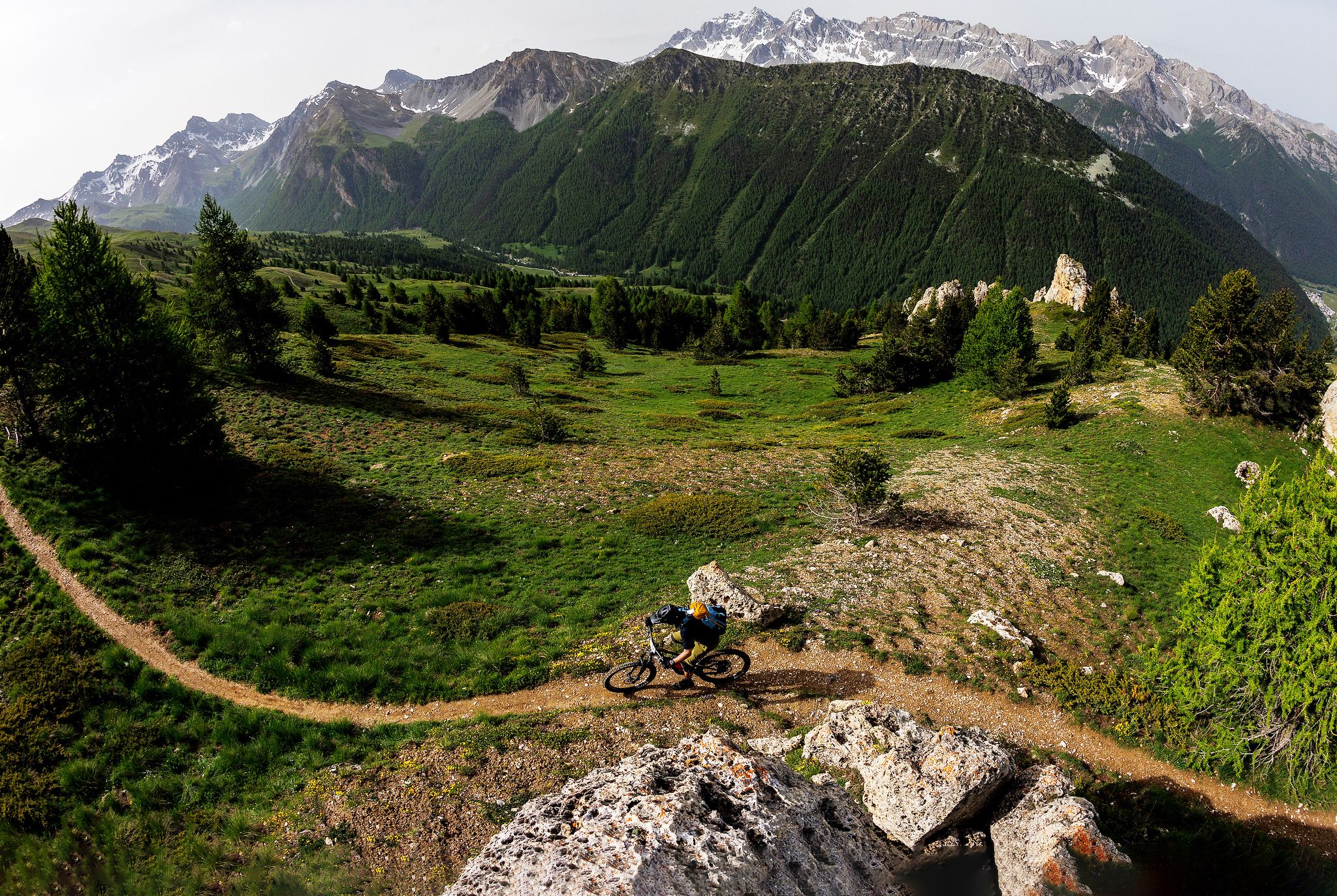
The STONE KING Route – adventure enduro from High Alps to the Med
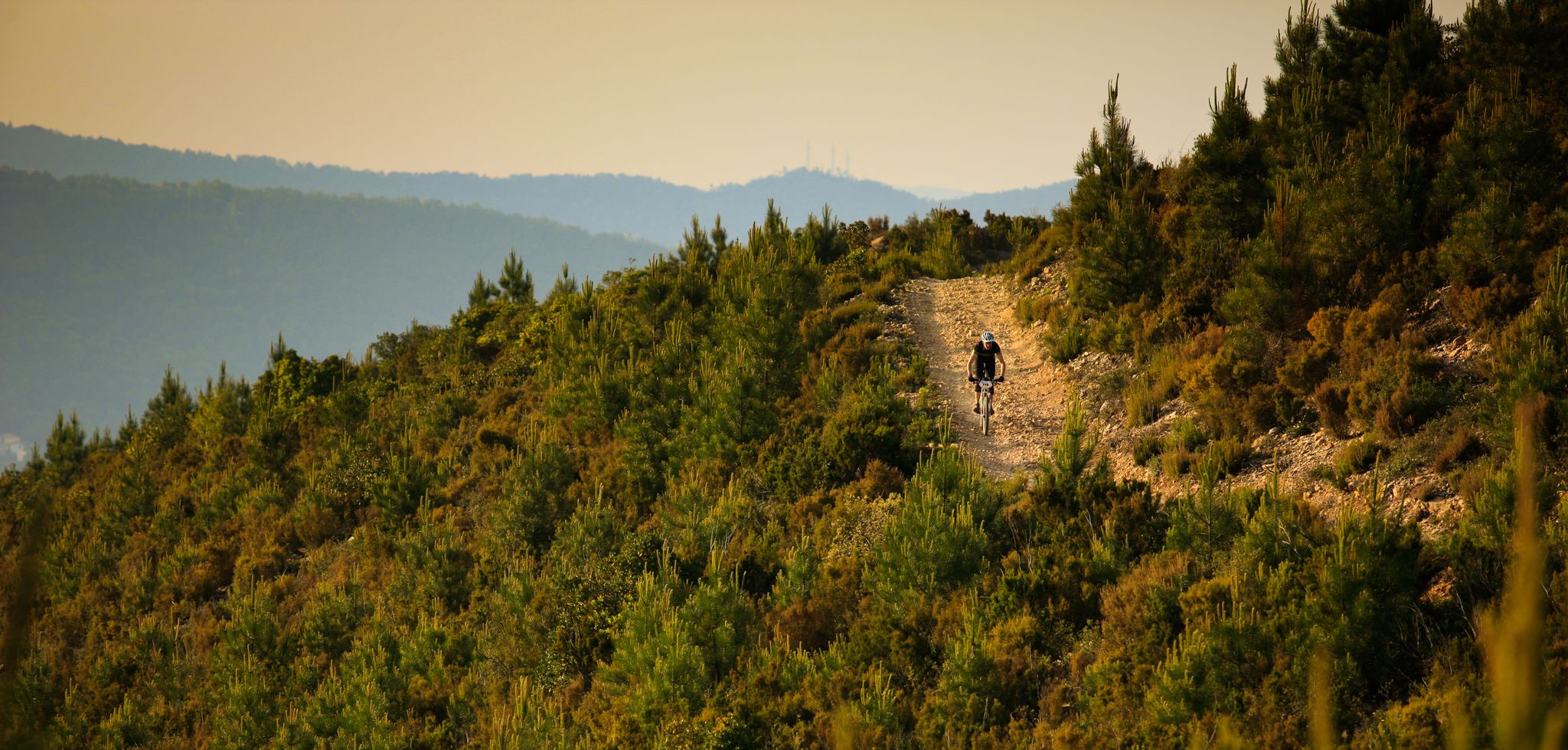
Steep cliffs and old military roads — Italy’s Liguria by mountain bike
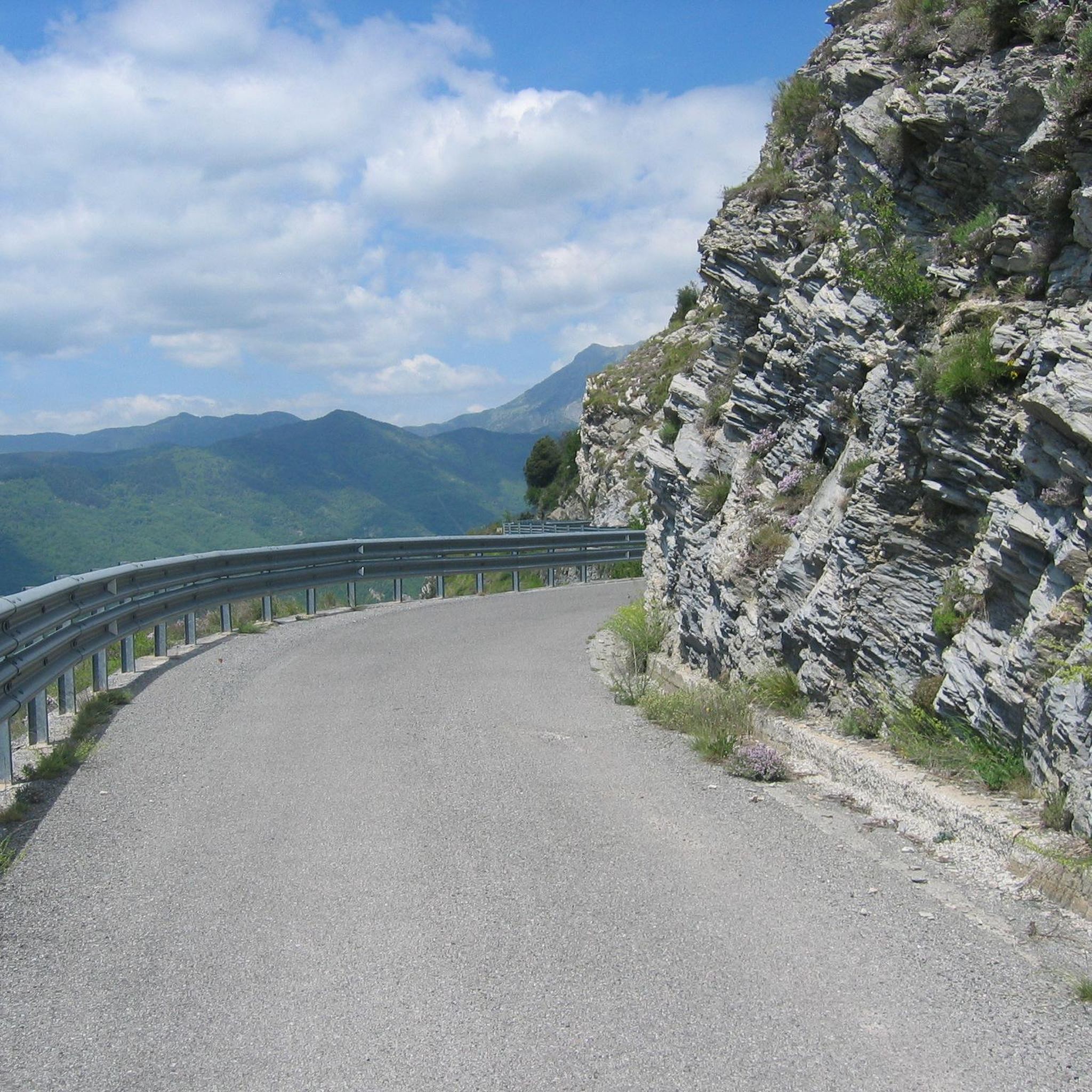
MTB Trails around Molini Di Triora
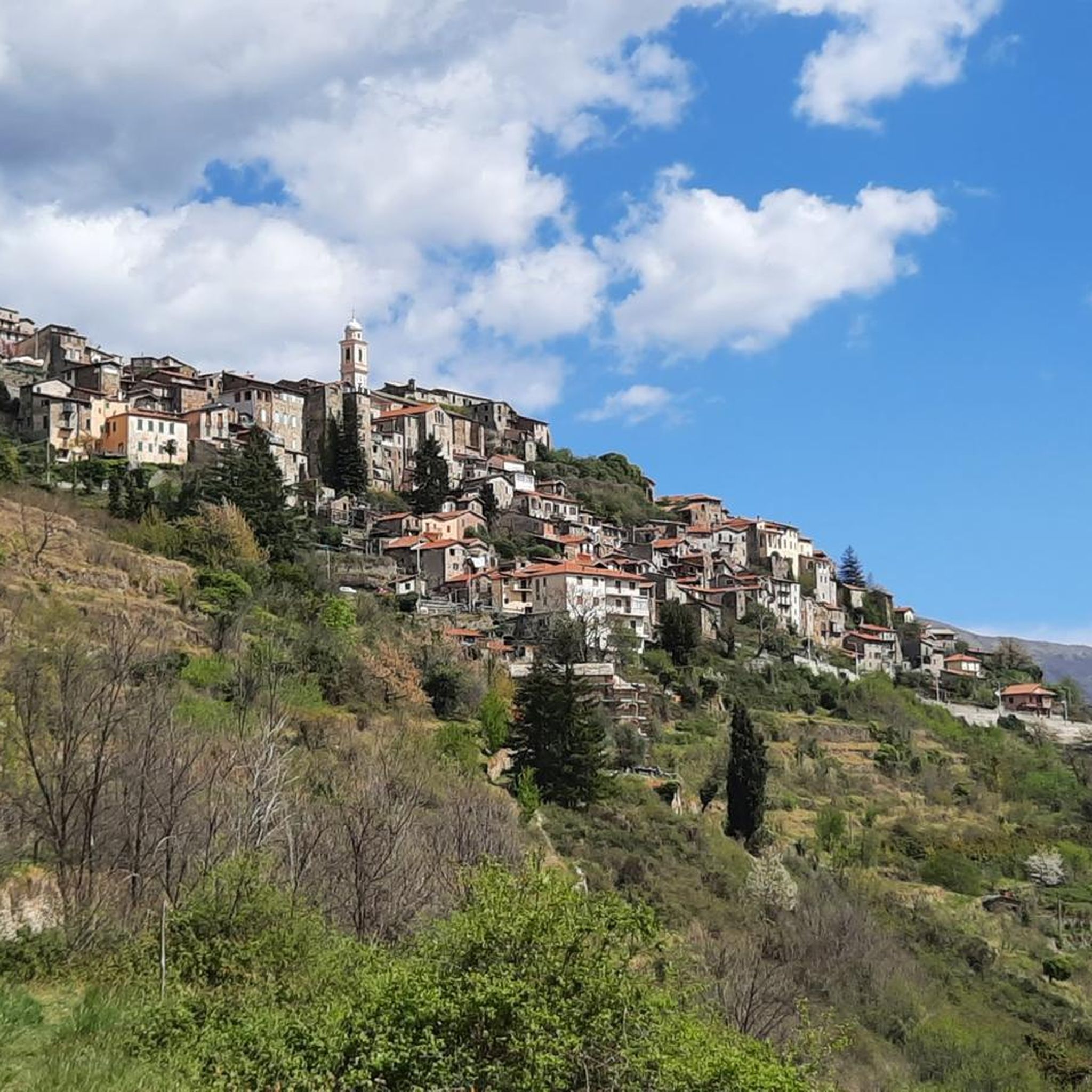
Hiking around Molini Di Triora
Road Cycling Routes around Molini Di Triora
Cycling around Molini Di Triora
Running Trails around Molini Di Triora

Gravel biking around Molini Di Triora


Tips from the Community

Castle dating back to the 16th-17th century. With a quadrangular plan, the castle is equipped with four watchtowers and guard posts at the corners on the first floor. Surrounded by a defensive moat, the original drawbridge has been replaced by a stone staircase. The slate portal bears the inscription “NEC SILENTIO TRANSEUNDA”: no one could access the residence without knowing the password. Beyond the main door opens a vestibule decorated with medallions, coats of arms, and portraits of the Aleramo family, among the oldest lords of the castle. All the rooms of the palace have maintained their authenticity almost intact over the centuries. Among the noteworthy spaces are the room that hosted Saint Leonardo of Porto Maurizio and the ancient prisons. In the castle cellars rests the "Metodo Classico" Deperi made from Pigato grapes. At the base of the castle, vineyards of Ormeasco have been planted, a grape variety historically imposed on Rezzo by the Marquises at the end of the 13th century. The building still represents one of the most important Ligurian examples of a palace-fortress,
0
0

MTB descent from Prelà Castello to Molini di Prelà, all on a well-maintained mule track but with frequent curves. Excellent for MTB, very fun, never too steep. Some difficult passages.
0
0
ancient castle of the Doria, placed to guard the road of fortification towards the Via del Sale that passed from Prelà Castello. Destroyed by the Spanish and never rebuilt. It was paired with the Maro castle of which only a few stones remain. It was recently purchased by a foreigner who began the restoration with the intent of rebuilding it as it was. The works, however, have been stopped for a few years. Currently the castle has at least been cleaned and made safe.
0
0
This trait Brevisismo has recently been redone as it once was, that is, with stones positioned cut and stuck together, without concrete. The result is one of the few occasions to see how the mule tracks used to be, when they were still well maintained, without weeds and years of neglect. In addition, from here you can take excellent photos of the town, the castle and towards Vasia PS: you can go down on foot, gravel or MTB
0
0
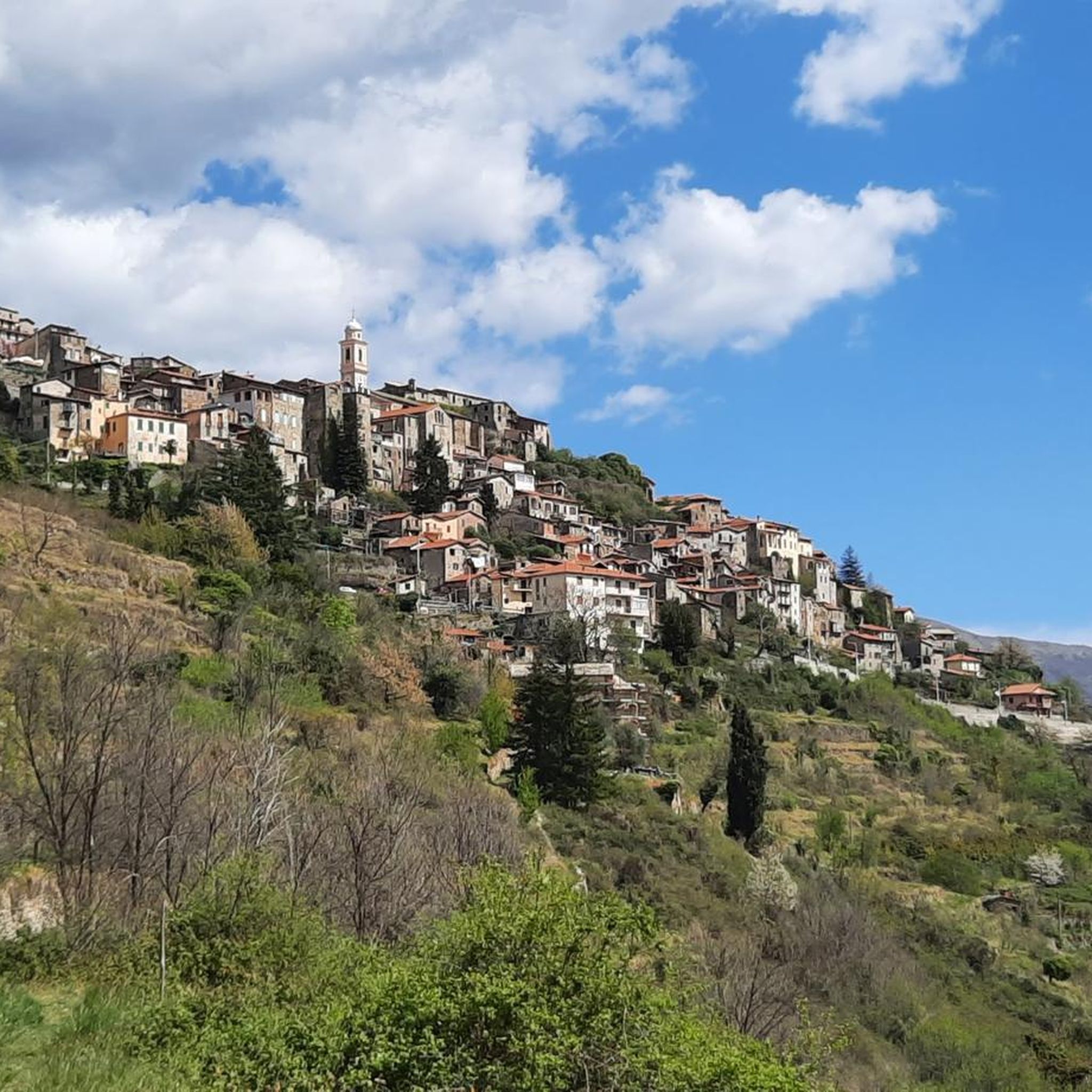
The village of Prela is now reduced to a few houses, a row of buildings almost entirely restored by foreign owners who understood the value of the country years ago. The houses are compressed between the ruins of the ancient castle and the church of SS. Giacomo and Nicolò, which closes the village downstream. This place took its name from the "petralata" that is the large stone on which the feudal lords had built the fortress several times destroyed and rebuilt. The castle, placed to guard the via Marenca, which connects with the via del Sale, was demolished after the last Genoese reconquest. Antonio Doria in 1340 destroyed the castle of Prela Soprana from the very foundations; the castle itself was later rebuilt further down on the rocky spur, where the remains of the four semicircular towers can still be seen today. The massive construction with huge irregular stone blocks, a wall and a contiguous tower, have some slits in the upper part and traces of internal stairs for the disengagement of the various floors and environments. The external tower was connected to the castle; according to popular tradition, the various "colombere" or watchtowers located in the surroundings were also connected by means of tunnels. Since the early 2000s it has been owned by a German private individual who is taking care of its restoration. The church at the end of the village, recently restored, stands on a mass of overlapping rocks segregated from each other so as to leave interstices and underground caves, which, pushing under the floor of the church, form a kind of impracticable and deep underground, within where until 1845 the dead were laid, through a hole in the center of the floor of the main nave. Inside there are decorations, stuccoes and a complete organ from around 1700. The church is the matrix of all the others in the valley (i.e. the one that first generated all the other churches, making new copies of the original sacred scriptures)
0
0
Frequently Asked Questions
What are the historical highlights of the Prelà Castle Ruins?
The Prelà Castle Ruins, also known as the Doria Castle of Prelà, are remnants of an ancient fortification strategically placed to guard the Via del Sale (Salt Road). Destroyed by the Spanish and never fully rebuilt, you can still observe the remains of four semicircular towers and massive constructions made of irregular stone blocks. The site has been undergoing restoration by a private owner since the early 2000s, aiming to clean and secure the area. The surrounding village of Prelà Castello, with houses built into or from the castle's stones, reflects its medieval origins amidst olive groves.
Can you tell me more about the Ancient Cobblestone Path and Ruins of Vasia Castle?
Near Molini di Triora, the Ancient Cobblestone Path and Ruins of Vasia Castle offer a glimpse into the region's past. The cobblestone path has been recently restored using traditional stone-laying techniques, providing a rare opportunity to experience historical mule tracks. From this vantage point, you can capture excellent photos of the town and the castle remnants.
What makes Rezzo Castle unique among the region's fortifications?
Rezzo Castle, dating back to the 16th-17th century, is a significant example of a palace-fortress in Liguria. It features a quadrangular plan with four watchtowers and guard posts at its corners, originally surrounded by a defensive moat. Its slate portal bears the inscription “NEC SILENTIO TRANSEUNDA,” implying that entry required a password. Inside, many rooms have maintained their authenticity, including a vestibule decorated with medallions, coats of arms, and portraits of the Aleramo family, and even ancient prisons.
Are there any castles near Molini di Triora that are particularly family-friendly?
While many castles in the region are ruins or privately owned, exploring the villages surrounding them can be a family-friendly activity. For instance, the village of Prelà Castello, near the Prelà Castle Ruins, offers an idyllic setting with houses built into ancient stones, providing a historical atmosphere for a stroll. The restored Ancient Cobblestone Path near Vasia Castle is also suitable for a family walk, offering scenic views and a taste of historical travel.
What outdoor activities can I combine with a visit to the castles around Molini di Triora?
The area around Molini di Triora is rich with opportunities for outdoor activities. You can explore various cycling routes, including traffic-free bike rides and gravel biking tours. For example, the 'Vasia — Village and Valley Views' gravel route passes near the Vasia Castle ruins. There are also general cycling routes that can take you through the scenic landscapes where these historical sites are located.
What is the best time of year to visit the castles in the Molini di Triora area?
The best time to visit the castles and their surrounding areas is typically during the spring (April-June) and autumn (September-October). During these seasons, the weather is generally mild and pleasant for exploring ruins and walking the ancient paths. Summers can be hot, while winters might bring colder temperatures and occasional rain, making outdoor exploration less comfortable.
Are there any dog-friendly castle walks near Molini di Triora?
Many of the outdoor areas and paths around the castle ruins, such as the Ancient Cobblestone Path near Vasia Castle and the trails leading to the Prelà Castle Ruins, are generally dog-friendly. As these are often open-air historical sites or trails, dogs on a leash are usually welcome. Always ensure to clean up after your pet and respect any local signage regarding animal access.
What are the accessibility considerations for visiting the castle ruins?
Most of the castle ruins in the Molini di Triora area, such as the Prelà Castle Ruins and the Vasia Castle Ruins, are historical sites that may involve uneven terrain, ancient paths, and steps. They are generally not wheelchair accessible. Visitors should be prepared for walking on natural surfaces and potentially steep inclines. Rezzo Castle, being a more intact structure, might have different accessibility, but it is privately owned and not generally open to the public.
Are there any scenic viewpoints near the castles?
Yes, the historical sites often double as excellent viewpoints due to their strategic locations. The Ancient Cobblestone Path near Vasia Castle offers superb photo opportunities of the town and the castle remnants, as well as views towards Vasia. Similarly, the Rocca di Andagna, though a more modern construction, stands on a site with ancient roots and provides incredible panoramic views of the Argentina Valley.
How long does it typically take to explore the castle ruins in the Molini di Triora area?
Exploring the castle ruins themselves, such as the Prelà Castle Ruins or the Vasia Castle Ruins, can take anywhere from 30 minutes to an hour, depending on your interest in history and photography. However, to fully appreciate the sites, including walks through the surrounding villages and along ancient paths, you might want to allocate a half-day for each location, especially if you combine it with a short hike or a meal in a nearby village.
What is the significance of the Castle of Triora in relation to Molini di Triora?
While not directly in Molini di Triora, the nearby Castle of Triora is historically significant due to the close ties between the two municipalities. The ruins of this medieval castle dominate the village of Triora, famously known as 'the village of witches.' Visitors can explore its tower and remnants of medieval walls, as well as the 'Cabotina,' an area where alleged witches were said to have gathered, offering a fascinating historical and cultural experience.
Most popular routes around Molini Di Triora
Most popular attractions around Molini Di Triora

Get inspired with the komoot mobile app


Explore more
Looking for the best castles somewhere else? Discover other guides around Molini Di Triora:
