Top 10 Natural Monuments around Fossa
Best natural monuments around Fossa are found within a landscape characterized by diverse natural features, including mountain passes, waterfalls, and unique geological formations. This region, located in Italy, offers opportunities to explore natural water surfaces and impressive cave systems. The area's natural monuments provide insights into its geological history and ecological significance.
Best natural monuments around Fossa
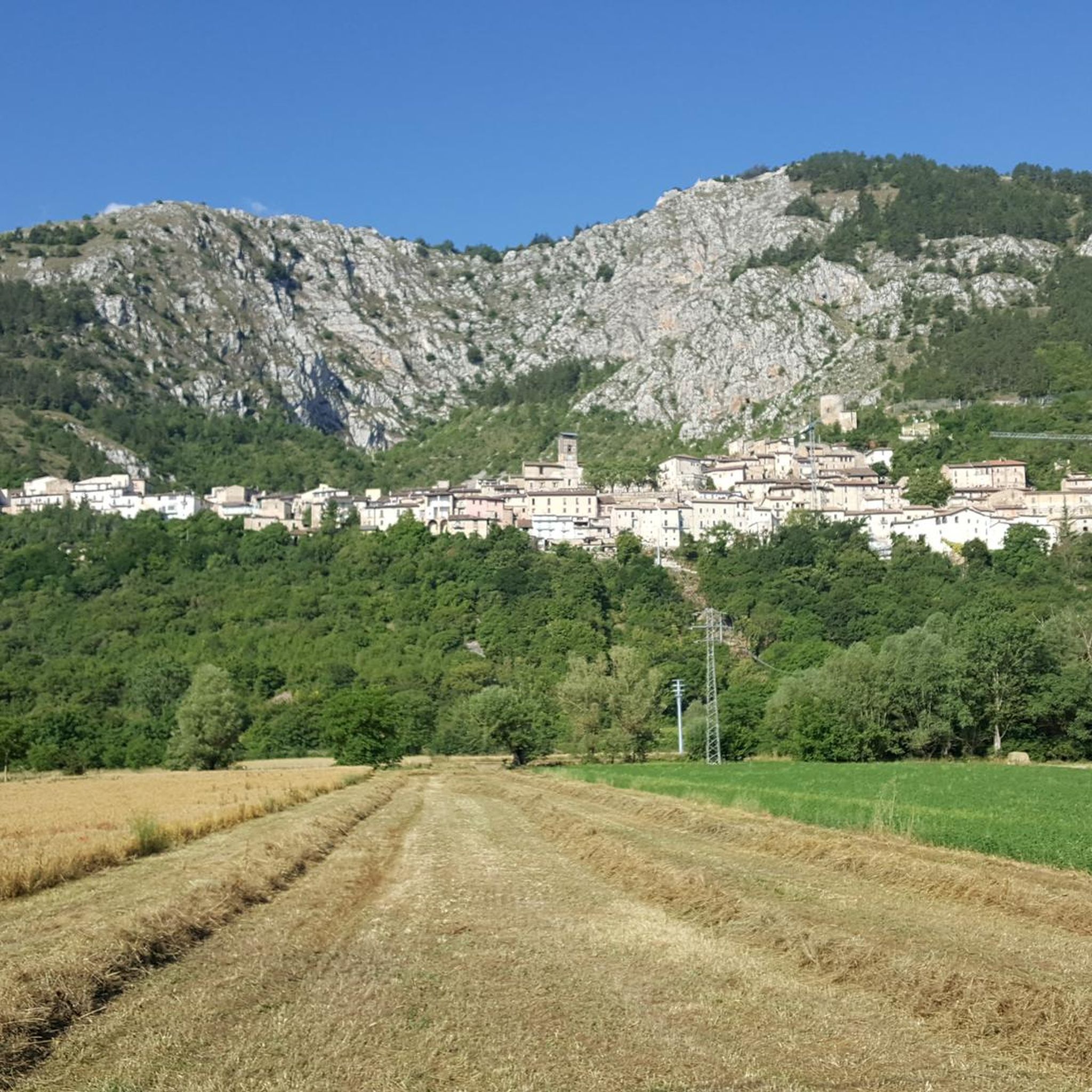
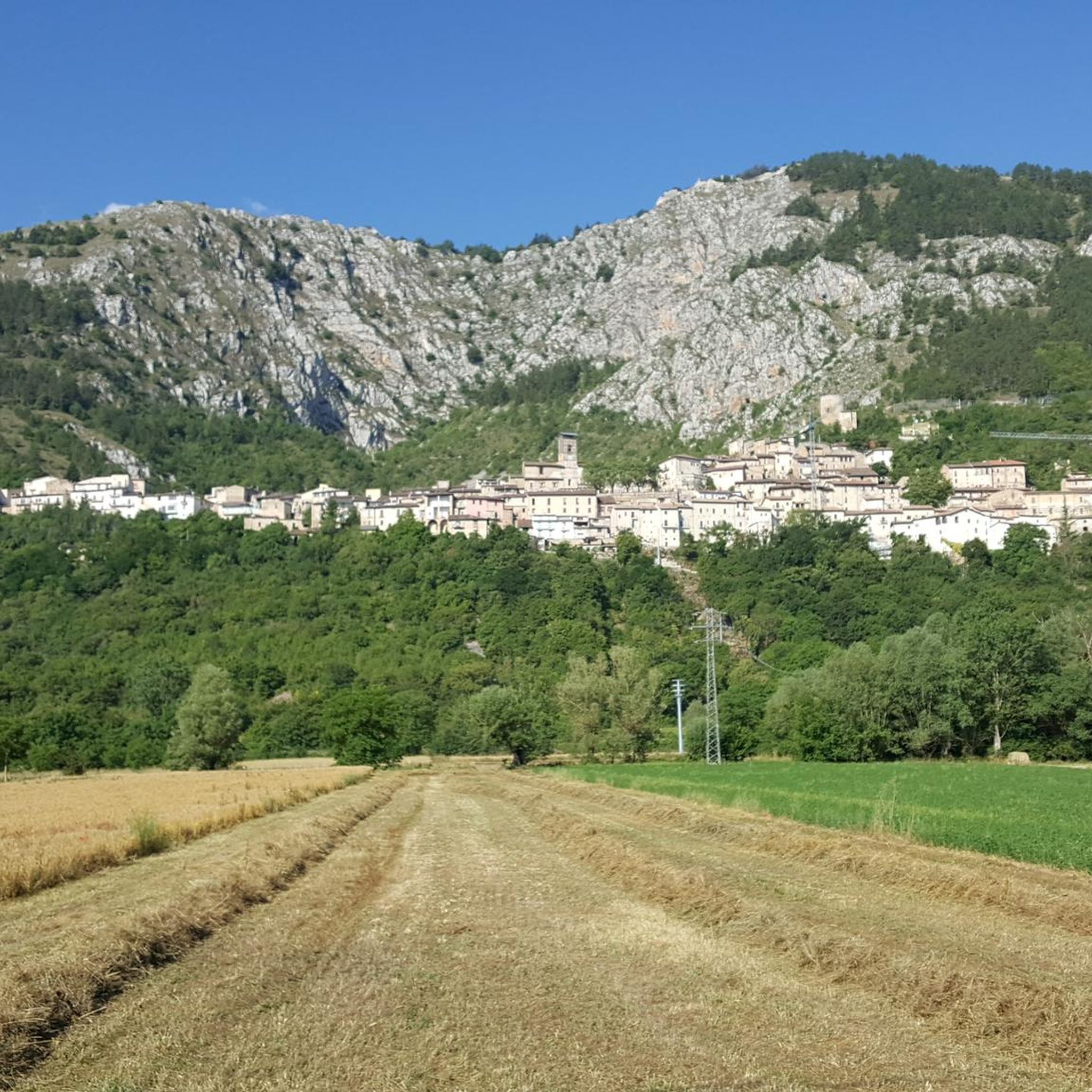
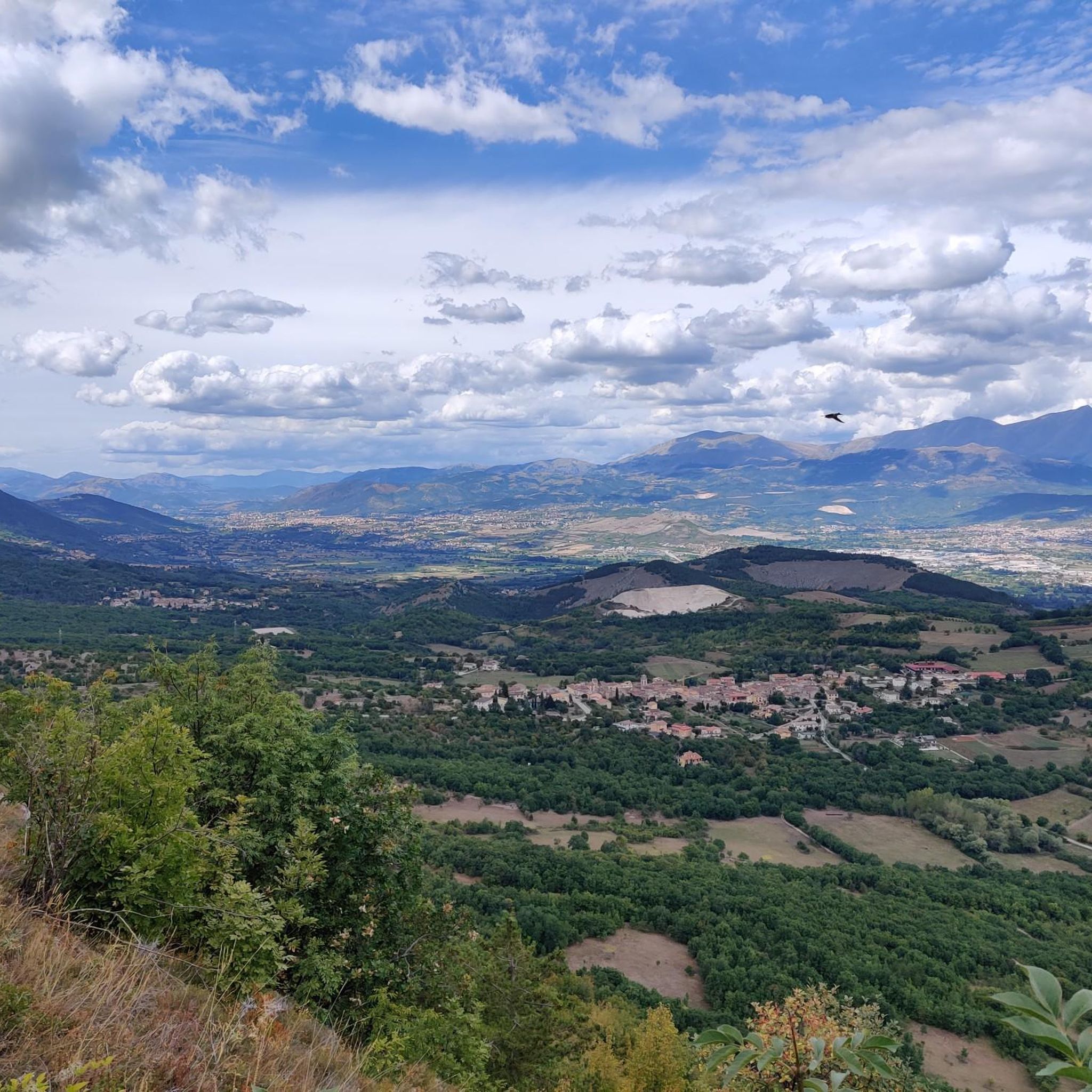
- The most popular natural monument is Maccione Pass, a mountain pass that offers a unique perspective on uncontaminated nature. The road flattens…
Last updated: June 28, 2026
Maccione Pass
Highlight • Mountain Pass
Translated by Google •
Tip by

Fountain of the 99 Spouts
Highlight • Monument
Showing Translation
Tip by

Sign up now to discover places like this
Get recommendations on the best single tracks, peaks, & plenty of other exciting outdoor places.
Sign up for free
Fontana Luminosa
Highlight • Monument
The Fontana Luminosa is one of L'Aquila's most famous sights and a beloved photo stop. This monumental fountain, designed in 1934 by local sculptor Nicola D'Antino, stands in Piazza Battaglione Alpini.
Showing Translation
Tip by
Pozzo Caldaio
Highlight • Natural Monument
Tip by

Stiffe Waterfall
Highlight • Waterfall
Translated by Google •
Tip by

Sign up for free to discover even more natural monuments around Fossa.
Sign up for free
Already have an account?
Start today with a free account
Your next adventure awaits.
Login or Signup
Tips from the Community

Explanation for the difference in the number of gargoyles! One of the most striking facts about the Fontana delle 99 Cannelle is that the fountain has 99 water jets, but only 93 sculpted mask heads. According to legend, L'Aquila was founded by 99 villages, but historical research indicates that there were actually 93. Therefore, in 1272, architect Tancredi da Pentima equipped the fountain with 93 stone masks. To later complete the famous legend of the 99, six additional gargoyles without mask faces were added. According to tradition, these six simple spouts refer to the six wounds of Christ. Thus, the fountain is not only a magnificent monument, but also a unique blend of history, symbolism, and legend. Moreover, for many visitors, it remains a fun challenge to count all 99 water jets themselves.
2
0
Fontana Luminosa – the icon of L'Aquila The Fontana Luminosa is one of L'Aquila's most famous sights and a beloved photo stop. This monumental fountain, designed in 1934 by local sculptor Nicola D'Antino, stands in Piazza Battaglione Alpini. The artwork depicts two imposing bronze female figures who together carry a traditional Abruzzese water basin (conca), from which the water flows. Especially when the fountain is atmospherically illuminated in the evening, it truly lives up to its name – Luminous Fountain. A beautiful place to pause and admire one of L'Aquila's iconic symbols up close.
2
0
Did you know that the Fontana delle 99 Cannelle legend says it has 99 gargoyles, in tribute to the 99 villages that founded L'Aquila? Those who look closely will see stone masks above the gargoyles, which according to tradition represent castle lords or protective spirits. It is striking that there are only 93 mask heads. Historians believe that the remaining six gargoyles were added later to complete the symbolic number 99. The fountain dates back to 1272, and its five water basins were formerly used as a wash place. Numerous legends also circulate around the fountain: for example, the architect is said to have taken the secret of the water source to his grave, and knights would have ritually cleansed themselves here before entering the Basilica di Collemaggio.
2
0

Interesting fountain (Fontana Luminosa) with beautiful sculptures at Piazza Battaglione Alpini.
1
0

The fountain of 99 spouts was included in the list of major national monuments in 1902. Try to count them.... there really are 99! 😊
0
0

On a sunny day it's refreshing just to look at it
0
0

The Fountain of the 99 Spouts is the best-known monument in the city of L'Aquila
0
0
Work by the sculptor Nicola D'Antino, born in Caramanico
0
0
Frequently Asked Questions
What are the most popular natural monuments around Fossa?
Visitors to Fossa highly appreciate the diverse natural features. Among the most popular are Maccione Pass, which offers stunning views of uncontaminated nature, and Stiffe Waterfall, known for its impressive grotto system. Another favorite is Pozzo Caldaio, a unique natural water surface that feeds the Stiffe Caves.
Are there family-friendly natural monuments to visit near Fossa?
Yes, several sites are suitable for families. While primarily a natural monument, the Fountain of the 99 Spouts is categorized as family-friendly and offers a fascinating historical and cultural experience in L'Aquila. The Stiffe Waterfall and its grotto system also provide an engaging experience for all ages, with guided tours available.
What kind of natural features can I expect to see around Fossa?
The Fossa region is characterized by a variety of natural features. You can explore mountain passes like Maccione Pass, impressive waterfalls such as Stiffe Waterfall, and unique natural water surfaces like Pozzo Caldaio. The area also features extensive cave systems, offering insights into its geological history.
What outdoor activities can I do near these natural monuments?
The area around Fossa offers excellent opportunities for outdoor activities. You can find numerous routes for cycling, including touring bicycle and road cycling, with options ranging from moderate to difficult. For mountain biking enthusiasts, there are challenging MTB trails available. You can explore detailed routes and guides for cycling, road cycling, and MTB trails around Fossa.
Are there any historical or cultural sites that are also considered natural monuments?
Yes, the region blends natural beauty with historical significance. The Fountain of the 99 Spouts in L'Aquila, while man-made, is recognized as a natural monument due to its historical importance and connection to the region's water sources. Similarly, the Fontana Luminosa, with its beautiful sculptures and light displays, is also considered a significant landmark.
What do visitors enjoy most about the natural monuments around Fossa?
Visitors particularly enjoy the unique perspectives on uncontaminated nature offered by places like Maccione Pass. The impressive stalactites and stalagmites within the grotto system of Stiffe Waterfall are also a major highlight. The tranquility and scenic beauty of the landscapes, often compared to 'Little Tibet,' are frequently praised.
How long should I plan for a visit to the natural monuments in Fossa?
The duration of your visit depends on which monuments you wish to explore. For a site like Stiffe Waterfall and its grotto, a guided tour typically takes a couple of hours. Exploring a mountain pass like Maccione Pass might be part of a longer hike or cycling trip. To experience several key sites, planning a full day or even a weekend would allow for a more comprehensive exploration.
Is it possible to visit the natural monuments around Fossa using public transport?
While specific public transport routes directly to all natural monuments may be limited, L'Aquila, the nearest major city, serves as a hub. From there, local buses or taxis might provide access to some areas. For more remote natural sites like Maccione Pass or Pozzo Caldaio, personal transport is generally recommended for convenience and flexibility.
Are there any easy hikes or accessible natural monuments in the Fossa area?
While many routes in the broader region can be challenging, some natural monuments offer easier access. The Fontana Luminosa in L'Aquila is wheelchair accessible. For natural sites, while the grotto at Stiffe Waterfall involves a guided tour, the immediate area around the entrance can be relatively easy to navigate. Always check specific accessibility details for each location.
What is the best time of year to visit the natural monuments around Fossa?
The best time to visit depends on your preferred activities. Spring and autumn generally offer pleasant temperatures for hiking and cycling, with vibrant foliage or blooming wildflowers. Summer is ideal for enjoying the cooler temperatures inside the Stiffe Waterfall grotto. Winter can bring snow, transforming the landscape into a picturesque scene, but some mountain passes or trails might be less accessible.
Can I find cafes or accommodation near the natural monuments?
The natural monuments themselves are often in natural, undeveloped areas. However, you can find cafes, restaurants, and accommodation options in nearby towns and villages, such as San Demetrio de' Vestini, Rocca di Cambio, or the larger city of L'Aquila. These locations serve as good bases for exploring the surrounding natural beauty.
Most popular attractions around Fossa

Get inspired with the komoot mobile app


Explore more
Extend your search for the best caves by checking out these guides of the top ones around Fossa:
