Top 12 Natural Monuments around Vivaro Romano
Best natural monuments around Vivaro Romano are found in the Lazio region of Italy, an area rich in natural beauty. The landscape features mountainous terrain, including the Lucretili mountains, and numerous natural springs, contributing to its lushness. Historically, the area's name 'Vivarium' suggests an abundance of water, highlighting the significance of its springs and water bodies. Visitors can explore diverse environments, from forests and lakes to waterfalls and mountain peaks.
Best natural monuments around Vivaro Romano
- The most popular natural…
Last updated: June 28, 2026
Pizzo Pellecchia
Highlight • Summit
Translated by Google •
Tip by

Lagustelli di Percile
Highlight • Lake
Translated by Google •
Tip by
Sign up now to discover places like this
Get recommendations on the best single tracks, peaks, & plenty of other exciting outdoor places.
Sign up for free
Rioscuro Stream Waterfalls
Highlight • Waterfall
Translated by Google •
Tip by
Old Spring
Highlight • Natural Monument
Translated by Google •
Tip by
Fraturno Lake
Highlight • Lake
Translated by Google •
Tip by

Sign up for free to discover even more natural monuments around Vivaro Romano.
Sign up for free
Already have an account?
Start today with a free account
Your next adventure awaits.
Login or Signup

Tips from the Community

wonderful place, the trail is very easy
1
0

This source of very fresh water is located near the village and can be reached by following a short stretch of the Coleman Trail. Right next to the stream there is a sculpture dedicated to the Cinetesi women (of Cineto Romano) who with their work have left a mark in the history of the town.
5
0

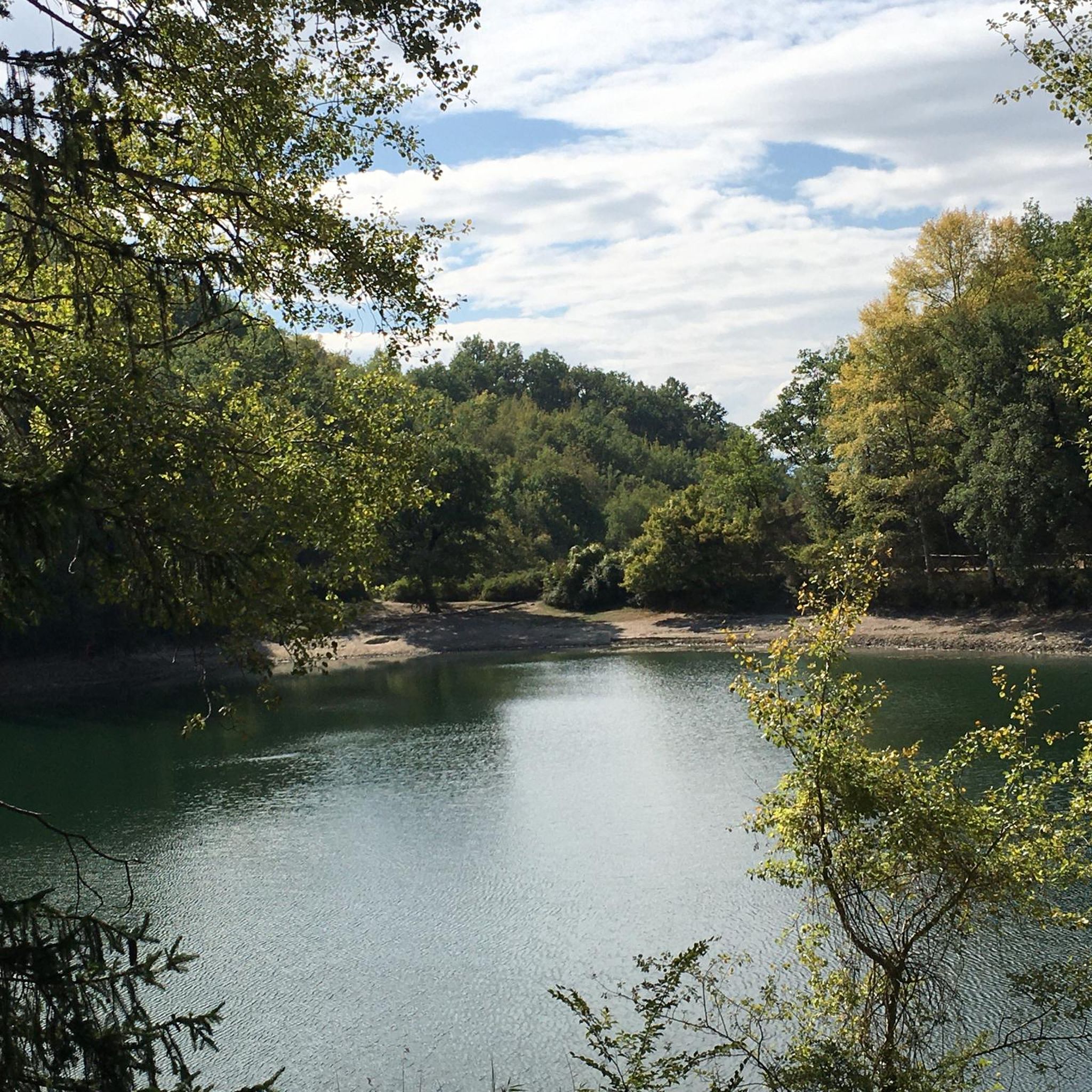
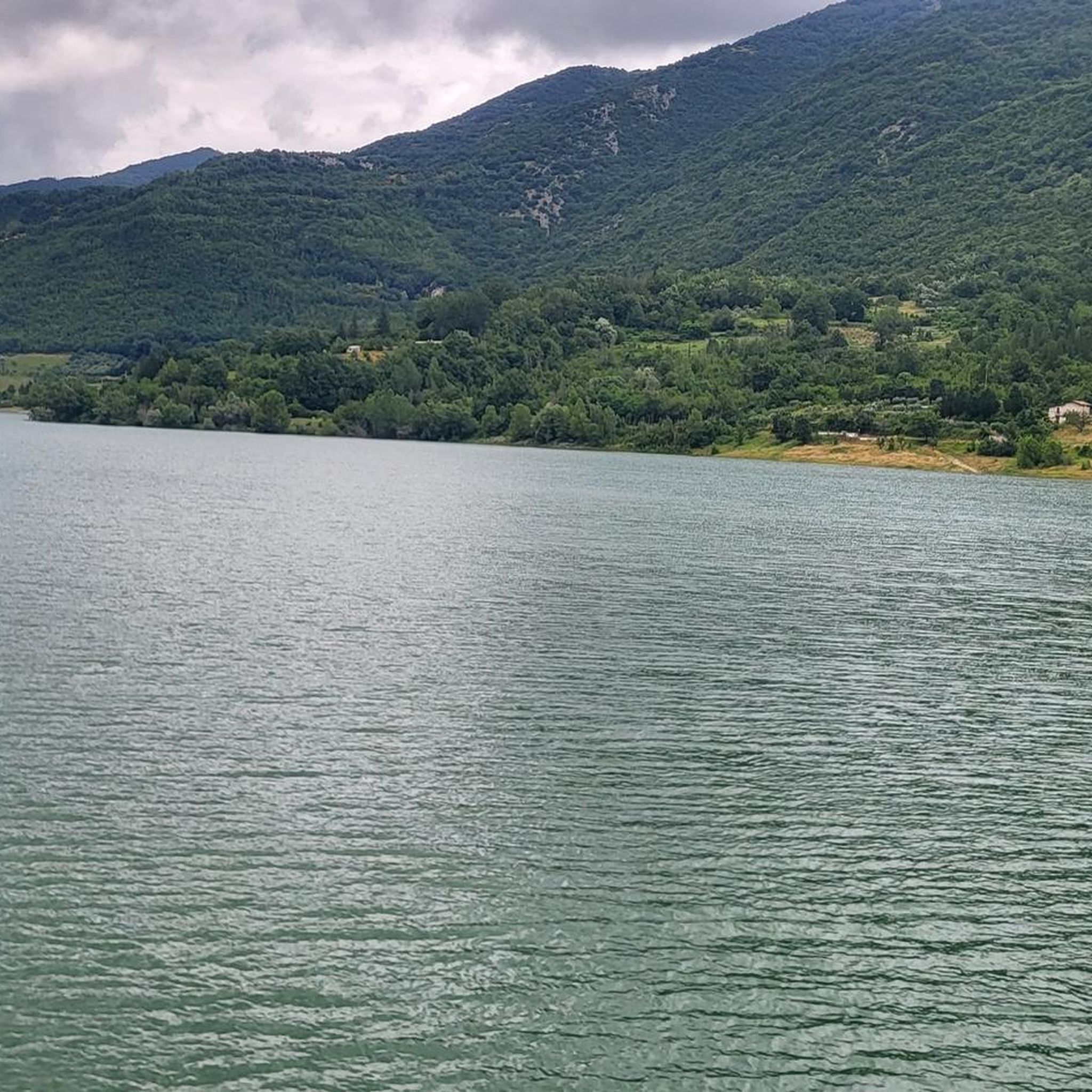
"On the east side of the Lucretili Mountains, immersed in oak and fir woods, the two Percile lakes, also called "Lagustelli", seem to rest. They are two small bodies of water of karst origin protected by an integral reserve within the Natural Park Regional dei Monti Lucretili. The largest lake, with a diameter of almost 120 meters, is called Fraturno while the smaller one, located a few meters away, is called Marraone" (source: Lazio Nascosto)
0
0

Crayfish (Austropotamibius pallipes), indicator of the integrity of the ecosystem and the spectacled salamander (Salamandrina perspicillata).
1
0
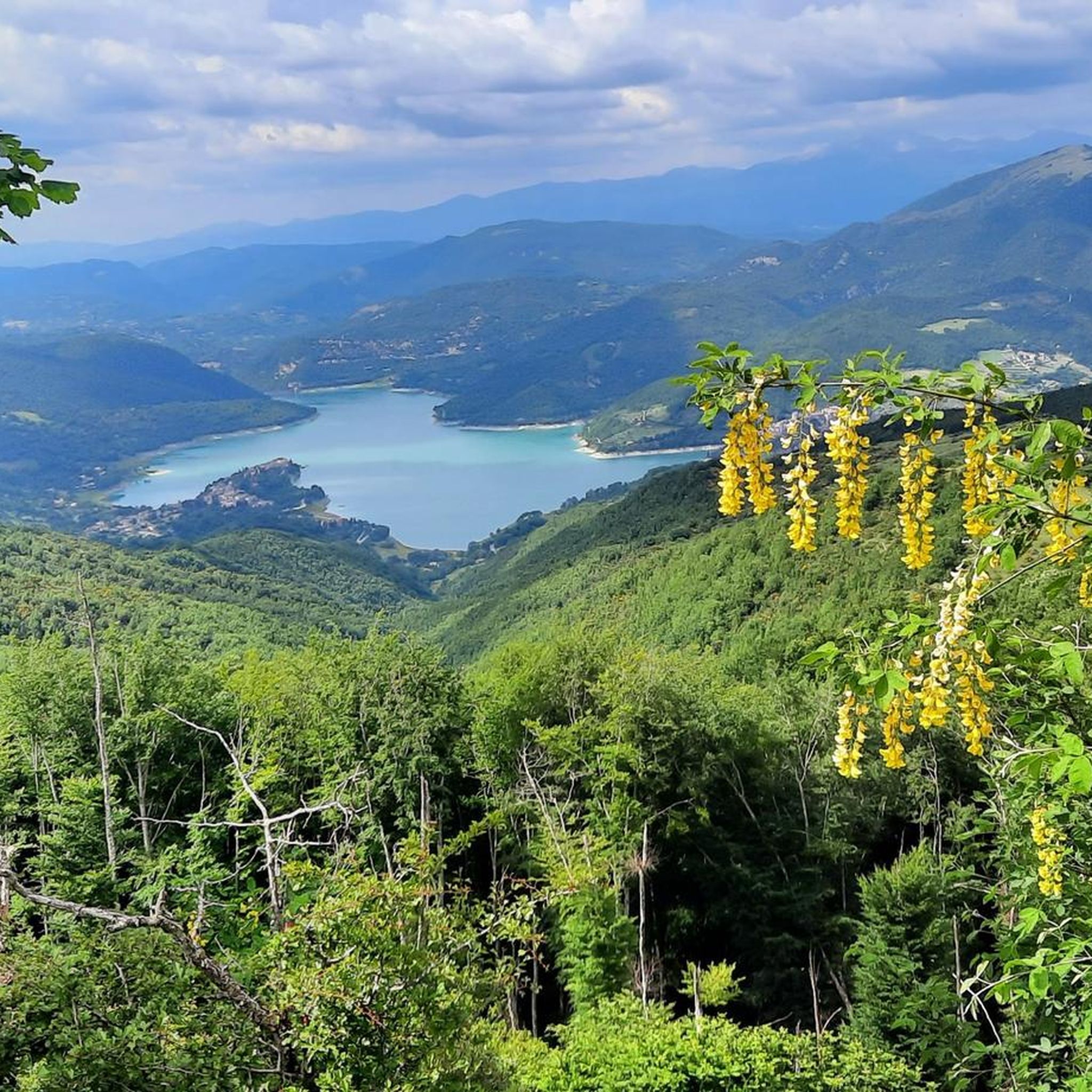
Pizzo Pellecchia, with its 1330 meters, is the second peak of the Lucretili mountains. Pizzo Pellecchia and the top of Monte Pellecchia are part of the same wide mountain ridge and for this reason they have the same name. The name Pellecchia, in fact, derives from "penniculus" (pen), to indicate a place located on a steep hill.
1
0
The Rioscuro stream is among the Natural Monuments of Lazio and is a protected area. The clear waters are home to crayfish and spectacled salamander. Biological indicators of ecosystem integrity. These waterfalls are a hidden jewel of the Lucretili mountains and a testimony to the richness of biodiversity of the natural areas around the capital!
5
0
These splendid lakes are a testimony of the karst phenomenon on the Lucretili mountains. The largest, the Fraturno lake, exposed to the sun, the smallest enclosed in a deep sinkhole. Immersing yourself in the Fraturno waters is a unique experience if you overcome the initial skepticism of the muddy bottom!
5
0

This path was designed to recall a four-day journey, carried out by the painter Enrico Coleman. The final destination is the Simbruini mountains.
2
1
Frequently Asked Questions
What unique natural features can I explore around Vivaro Romano?
The area around Vivaro Romano is rich in diverse natural features. You can discover the unique karst phenomenon at Lagustelli di Percile, which includes the larger Fraturno lake. The Lucretili mountains offer summits like Pizzo Pellecchia, and hidden gems like the Rioscuro Stream Waterfalls, a protected area known for its clear waters and biodiversity. Additionally, local springs such as La Nocchia, La Scentella, and Saint Benedict's Spring, along with the Old Spring, highlight the region's historical connection to abundant water sources.
Where can I find panoramic views of the area?
For breathtaking panoramic views, consider hiking to Pizzo Pellecchia, the second peak of the Lucretili mountains, from where you can reach Monte Pellecchia via a scenic ridge. The broader region also offers spectacular vistas from Monte Cavo in the Alban Hills, providing expansive views of the surrounding countryside.
Are there any hidden natural gems worth discovering near Vivaro Romano?
Yes, the Rioscuro Stream Waterfalls are considered a hidden jewel of the Lucretili mountains, a protected area indicating excellent ecosystem integrity. Another tranquil spot is the Old Spring, a source of fresh water near the village, accessible via a short stretch of the Coleman Trail. The permanent springs of La Nocchia, La Scentella, and Saint Benedict's Spring within the municipality also offer peaceful natural settings.
What kind of hiking trails are available near Vivaro Romano's natural monuments?
The area offers a variety of hiking trails, from easy walks to more challenging routes. You can find trails leading to summits like Pizzo Pellecchia, which involves a panoramic ridge walk. The path to Old Spring is a short and easy stretch. For more options, explore the diverse routes available in the Hiking around Vivaro Romano guide, which includes moderate trails like the 'Old Spring – Cineto Romano loop' and more difficult ones such as the 'Fontanile of the Monti Lucretili – Lagustelli di Percile loop'.
Are there family-friendly natural monuments or trails?
Yes, several natural monuments are suitable for families. The Lagustelli di Percile, with its beautiful lakes, offers a very easy trail, making it ideal for families. The Old Spring is also noted as family-friendly and easily accessible. These spots provide gentle environments for children and adults to enjoy nature together.
Can I bring my dog on trails near Vivaro Romano's natural monuments?
While specific regulations for dogs on every trail around Vivaro Romano's natural monuments are not detailed, generally, regional nature parks like Monti Lucretili Regional Nature Park, which encompasses many of these sites, allow dogs on leash. It's always recommended to keep dogs under control and check local signage for any specific restrictions in protected areas to ensure the safety of wildlife and other visitors.
What is the best time to visit the natural monuments around Vivaro Romano?
The spring and autumn months are generally ideal for visiting the natural monuments around Vivaro Romano. In May, you might observe the blooming of irises around Pizzo Pellecchia. These seasons offer pleasant temperatures for hiking and exploring, with lush greenery in spring and vibrant foliage in autumn. Summer can be hot, especially for strenuous activities, while winter might bring colder temperatures and potential snow at higher elevations.
What other outdoor activities can I do near these natural monuments?
Beyond hiking, the region offers various outdoor activities. You can explore running trails, with options like the 'Castel Di Tora – S.Maria del Piano Trail' or the 'Lago Fraturno – Morella loop from Percile' found in the Running Trails around Vivaro Romano guide. Gravel biking is also popular, with routes such as the 'View of Pereto and the Castle – Border of the Papal State loop' detailed in the Gravel biking around Vivaro Romano guide. The nearby Lago del Turano also provides opportunities for canoeing and water skiing.
Are there any regional nature parks close to Vivaro Romano?
Yes, the Monti Lucretili Regional Nature Park is located a short distance from Vivaro Romano. This park is an excellent destination for hiking and exploring unspoiled nature, characterized by centuries-old forests, crystal-clear streams, and mountainous terrain. Another accessible natural area is the Nazzano Tevere-Farfa Regional Nature Reserve, known for birdwatching along the Tiber River.
What do visitors enjoy the most about the natural monuments around Vivaro Romano?
Visitors particularly enjoy the serene beauty and unique geological features. The Lagustelli di Percile are appreciated for their karst origin and tranquil setting, with one visitor noting the unique experience of immersing oneself in the Fraturno waters. The Rioscuro Stream Waterfalls are valued as a hidden jewel and a testament to the region's rich biodiversity. The overall appeal lies in the diverse landscapes, from mountain peaks to pristine springs, offering a rich natural experience.
What should I wear for hiking in the autumn around Vivaro Romano's natural monuments?
For autumn hiking around Vivaro Romano, it's advisable to dress in layers. Temperatures can vary, so a moisture-wicking base layer, an insulating mid-layer (like a fleece), and a waterproof and windproof outer shell are recommended. Sturdy hiking boots with good ankle support are essential, especially on uneven terrain. Don't forget a hat, gloves, and a backpack with water and snacks.
Are there any specific wildlife or plant species to look out for?
The natural monuments around Vivaro Romano are home to interesting flora and fauna. The Rioscuro Stream Waterfalls are a protected habitat for crayfish (Austropotamibius pallipes) and the spectacled salamander (Salamandrina perspicillata), which are indicators of a healthy ecosystem. In spring, particularly in May, you might spot blooming irises around Pizzo Pellecchia. The Nazzano Tevere-Farfa Regional Nature Reserve is also a significant site for observing migratory birds.
Most popular routes around Vivaro Romano
Most popular attractions around Vivaro Romano

Get inspired with the komoot mobile app


Explore more
Extend your search for the best caves by checking out these guides of the top ones around Vivaro Romano:
