Top 14 Natural Monuments around Sant'Angelo Romano
Best natural monuments around Sant'Angelo Romano are found in a region northeast of Rome, characterized by significant geological features and protected natural areas. The landscape includes karst formations, such as deep sinkholes, and extensive natural reserves. These areas offer opportunities to observe diverse ecosystems and unique geological structures. The region's natural beauty is preserved within protected zones like the Riserva Naturale Macchia di Gattaceca e Macchia del Barco.
Best natural monuments around Sant'Angelo Romano
- The most popular natural monuments is…
Last updated: May 15, 2026
Marcigliana Nature Reserve
Highlight • Natural Monument
Tip by

Fountain of the Organ, Villa d'Este
Highlight • Monument
Cardinal …
Translated by Google •
Tip by

Sign up now to discover places like this
Get recommendations on the best single tracks, peaks, & plenty of other exciting outdoor places.
Sign up for free
Fountain of the Ovato
Highlight • Monument
Translated by Google •
Tip by
Monte Gennaro Meadow
Highlight • Natural
Translated by Google •
Tip by

Fountain of Rome (Rometta), Villa d'Este
Highlight • Monument
Translated by Google •
Tip by
Sign up for free to discover even more natural monuments around Sant'Angelo Romano.
Sign up for free
Already have an account?
Start today with a free account
Your next adventure awaits.
Login or Signup

Tips from the Community

The route is quiet and the road has just been redone. Lots of bikes and few cars
0
0

The most unique fountain of all uses a hydraulic organ.
7
0
A fountain featuring figures such as Romulus and Remus,
6
0
Beautifully refreshing, perfectly designed
7
0

Declared a World Heritage Site by UNESCO in 2001, the villa, with its impressive concentration of fountains, nymphaeums, grottos, water features and the water organ, is a masterpiece of Italian garden art.
2
0

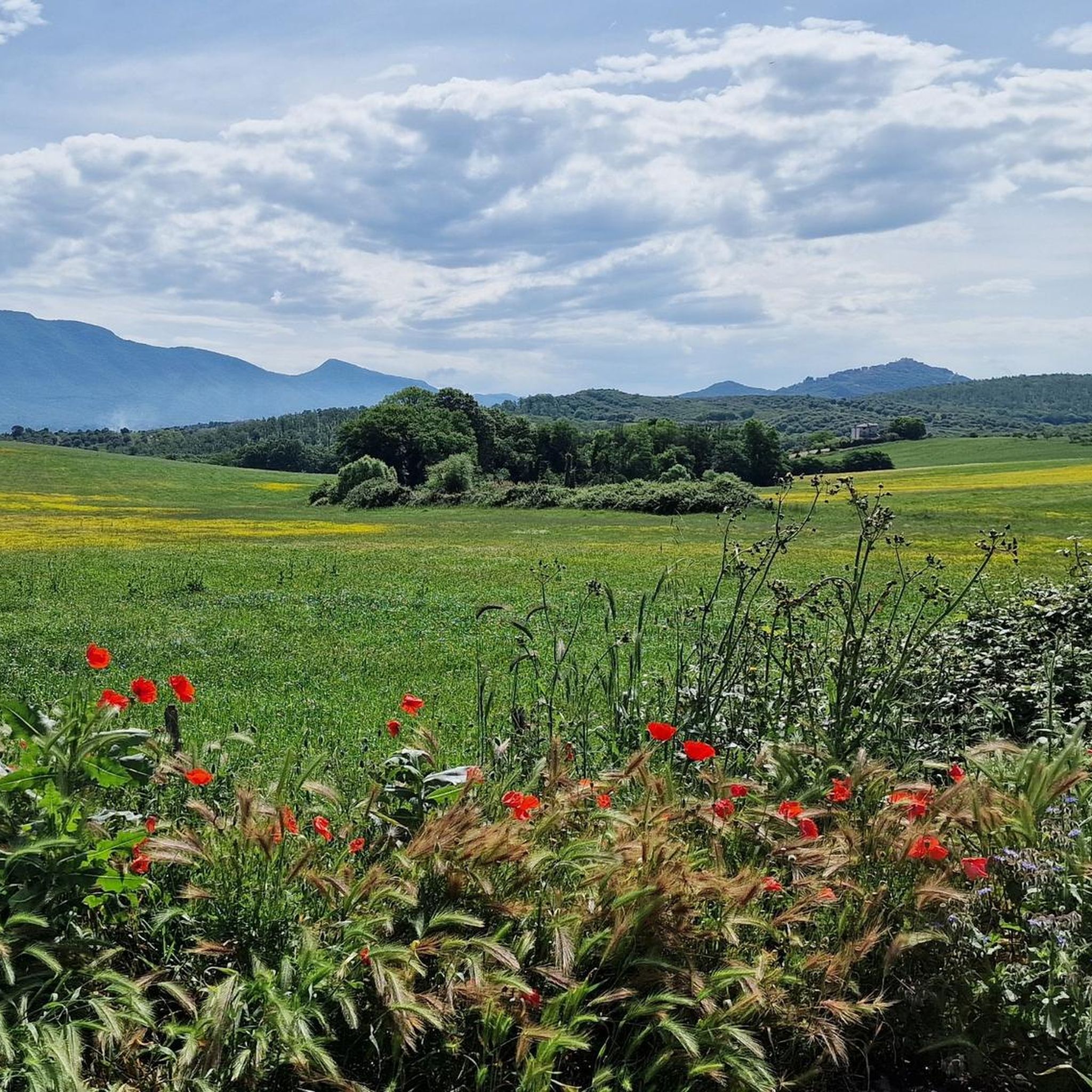
Suggestive to say the least, very low grass and populated by cows and horses. An excellent refreshment point before the summit!
0
1

Strada Bianca connecting via della Cesarina and via di Casal Boccone. The first stretch is a dirt road up to the bridge that crosses the ring road; then continues on a beaten path between cultivated fields. It ends with an easy singletrack up to Via Casal Boccone skirting the Almaviva building.
0
0

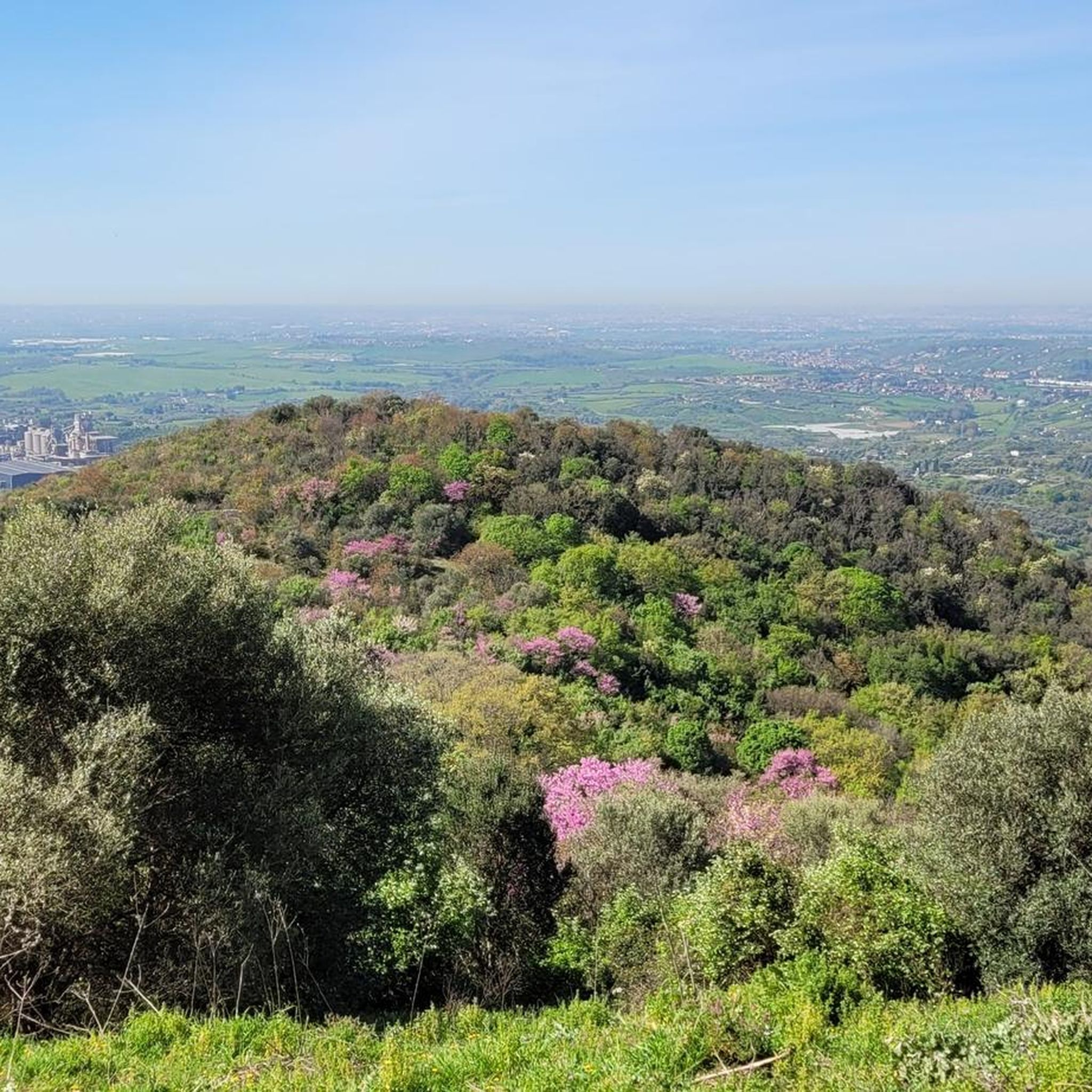
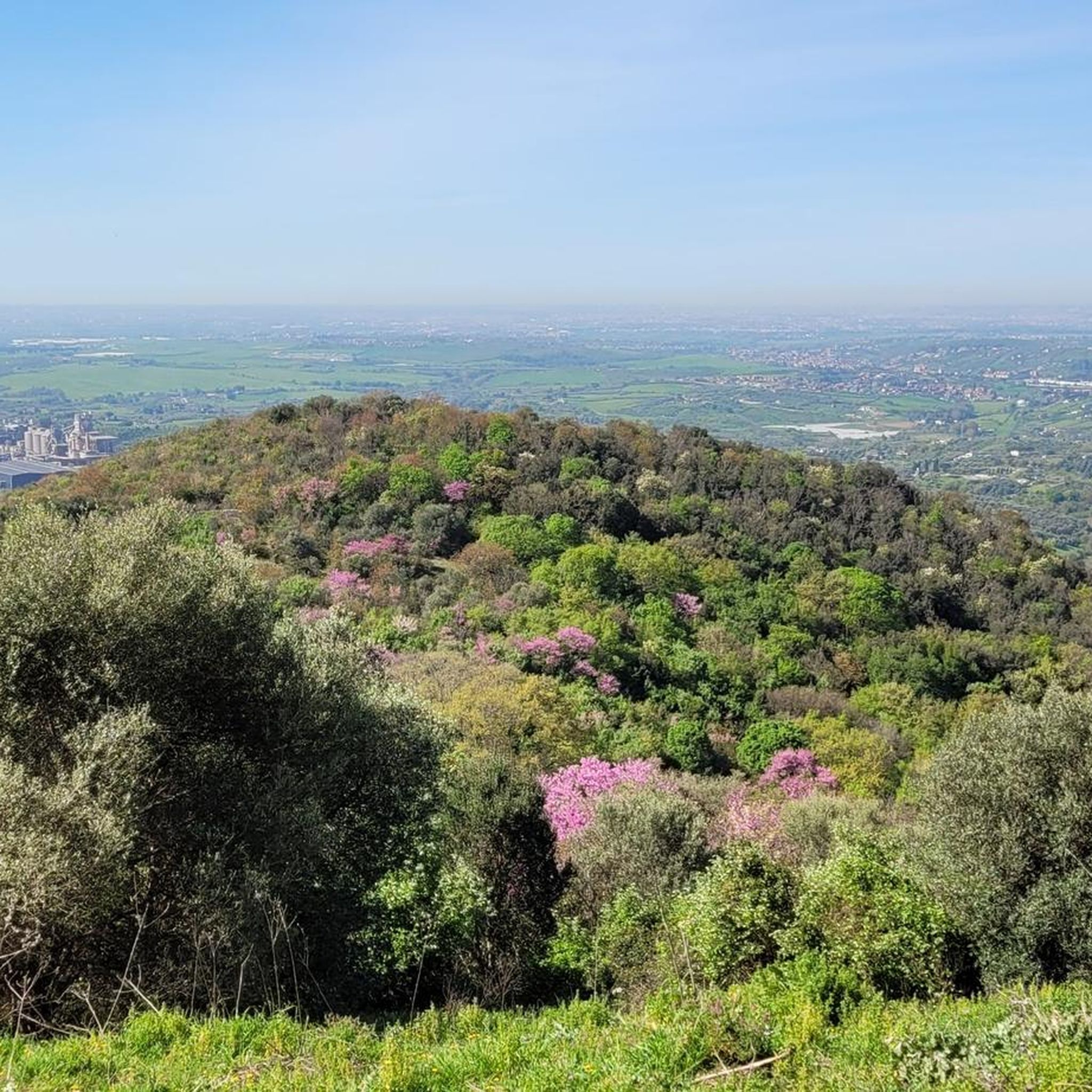
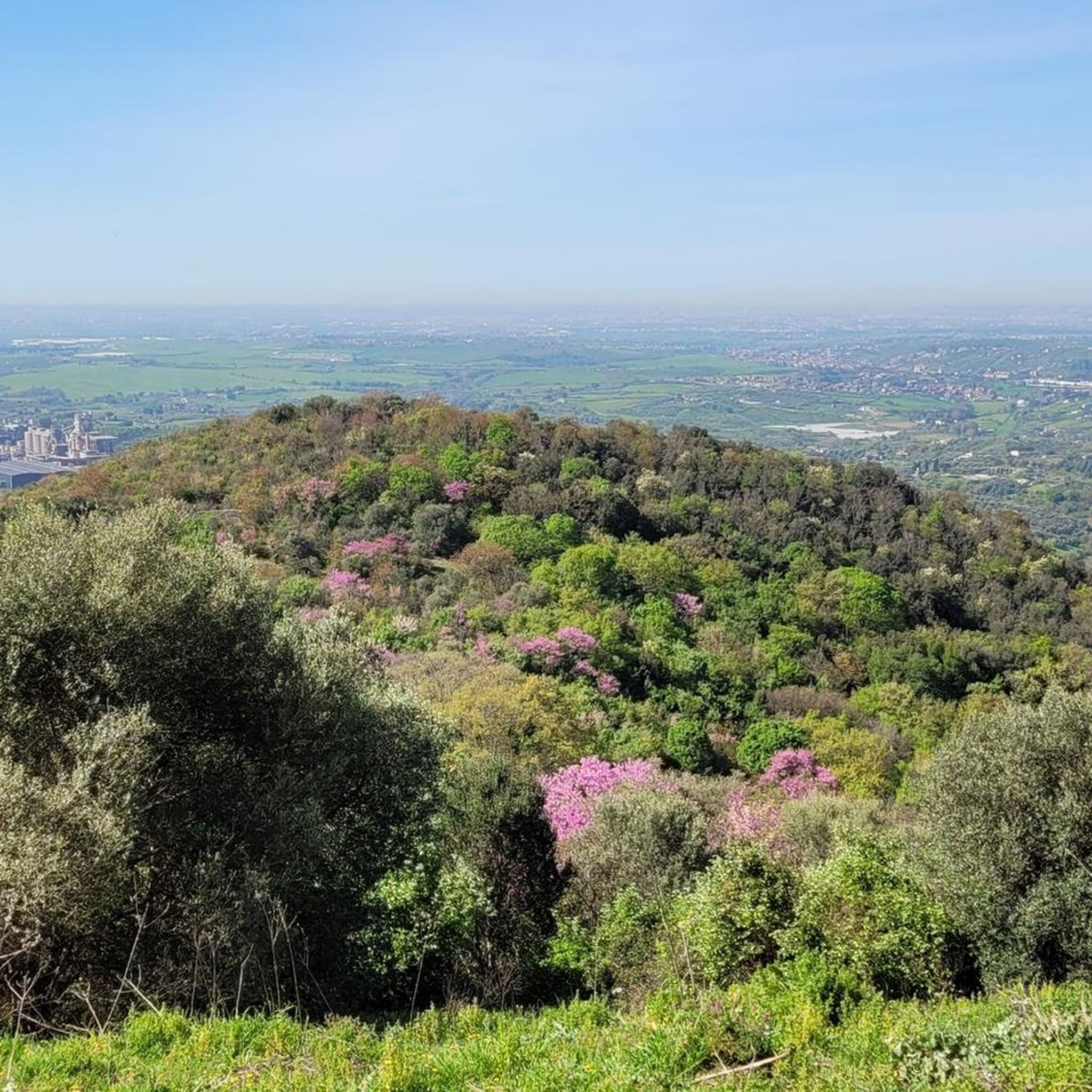
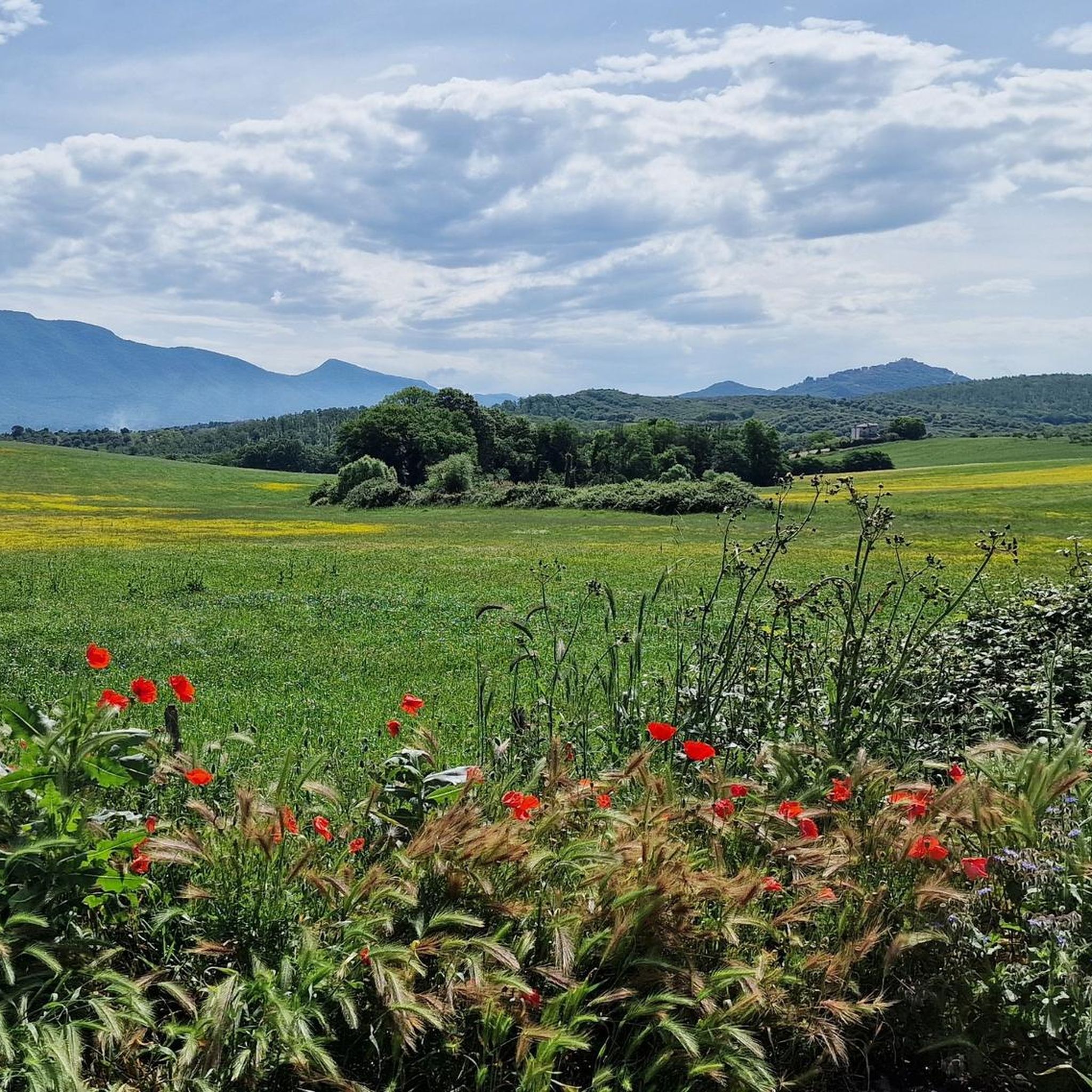
Large grassy clearing of karst nature, one kilometer long and about 500 meters wide. For hundreds of years it has been the destination of the transhumance of local shepherds. Today you can admire horses and cows grazing in the wild.
1
0
Frequently Asked Questions
What are the most notable natural features to explore around Sant'Angelo Romano?
The region around Sant'Angelo Romano is rich in significant geological features, particularly karst formations. A prime example is the Pozzo del Merro, one of the deepest flooded sinkholes globally, featuring an 80-meter conical pit and an underground lake. While access to the sinkhole itself is generally prohibited for safety and ecosystem protection, its presence highlights the area's unique geology. The surrounding landscape also includes the Monte Gennaro Meadow, a large grassy clearing of karst nature, historically used for transhumance and now home to grazing horses and cows.
Are there any natural reserves or protected areas near Sant'Angelo Romano?
Yes, the area is home to several protected natural reserves. The Riserva Naturale Macchia di Gattaceca e Macchia del Barco is a significant protected area safeguarding botanic value and intense karst phenomena, including the Pozzo del Merro. Another notable area is the Marcigliana Nature Reserve, which offers quiet roads through farmland and forests, protecting remnants of oak forests and diverse fauna, including the Italian hare.
What kind of wildlife and plant life can I expect to see in the natural monuments around Sant'Angelo Romano?
The natural monuments and reserves in the Sant'Angelo Romano area support diverse ecosystems. The Pozzo del Merro, for instance, harbors a peculiar ecosystem with rare species, including a crustacean new to science, newts, and frogs. Its humid climate fosters rich evergreen vegetation, with holm oaks, hornbeams, maples, ash trees, and seven species of ferns. In the Marcigliana Nature Reserve, you might encounter mammals like foxes, martens, weasels, badgers, porcupines, and the endemic Italian hare.
Are there family-friendly natural monuments or areas suitable for children?
Many natural areas around Sant'Angelo Romano are suitable for families. The Monte Gennaro Meadow is a great spot for a picnic or rest, where children can observe horses and cows grazing. The Marcigliana Nature Reserve also offers accessible paths through forests and farmland, ideal for family walks. While some areas might have challenging terrain, many trails within the reserves are easy to moderate, making them enjoyable for various age groups.
What outdoor activities can I do near the natural monuments?
The natural monuments around Sant'Angelo Romano are excellent starting points for various outdoor activities. You can find numerous hiking trails, such as the 'Caves Along the Trail – Macchia di Gattaceca Forest loop from Pozzo del Merro,' which is an easy 6.5 km hike. For more options, explore the hiking guide for Sant'Angelo Romano. There are also opportunities for running and gravel biking, with routes like the 'Monterotondo Cycle Path loop' for running or the 'Picnic area in Gattaceca – Trail 1 and 2 loop' for gravel biking. You can find more details in the running trails guide and the gravel biking guide for the area.
Are there specific hiking trails within the Monti Cornicolani or Macchia di Gattaceca e Macchia del Barco?
Yes, the Monti Cornicolani and the Riserva Naturale Macchia di Gattaceca e Macchia del Barco offer several trails. For example, you can find an easy 'Caves Along the Trail loop from Pozzo del Merro' covering about 4.2 km, or a moderate 'Macchia di Gattaceca Forest – Caves Along the Trail loop' which is longer at around 16.8 km. These trails allow you to explore the unique karst landscapes and forest fragments of the protected areas. For a comprehensive list of routes, refer to the hiking guide for Sant'Angelo Romano.
What is the best time of year to visit the natural monuments in Sant'Angelo Romano?
While specific seasonal tips for Sant'Angelo Romano's natural monuments aren't detailed, generally, spring and autumn offer the most pleasant weather for outdoor activities in central Italy. Temperatures are mild, and the landscapes are vibrant with spring blooms or autumn colors. Summer can be hot, making early mornings or late afternoons preferable for exploration. Winter can be cooler, but many trails remain accessible, offering a different, quieter experience.
What do visitors appreciate most about the natural monuments in this region?
Visitors frequently highlight the tranquility and natural beauty of the area. The Marcigliana Nature Reserve is praised for its quiet roads through farmland and forests, offering a peaceful escape close to Rome. The Monte Gennaro Meadow is described as 'suggestive' and an excellent spot for rest or a picnic, with its low grass and grazing animals. The overall appeal lies in the opportunity to connect with nature, observe unique geological formations, and enjoy serene landscapes.
Are there any man-made monuments that are often associated with the natural beauty of the region?
While the focus is on natural monuments, the region also features impressive man-made structures that integrate with the landscape. For example, the Fountain of the Ovato, located in Villa d'Este, celebrates the richness of the Lazio countryside by representing the Tiburtini Mountains and the Aniene river, a main water source for the garden. Similarly, the Fountain of Rome (Rometta) in Villa d'Este is an allegory reflecting a deep appreciation for the surrounding region.
Is the Pozzo del Merro accessible to the public for exploration?
The Pozzo del Merro is a significant geological site, but access is generally prohibited for safety reasons and to protect its delicate ecosystem. It is part of the Riserva Naturale Macchia di Gattaceca e Macchia del Barco, which prioritizes the preservation of its unique features and rare species. While you can appreciate the surrounding natural reserve, direct exploration of the sinkhole itself is restricted.
How long should I plan for a visit to the natural monuments around Sant'Angelo Romano?
The duration of your visit depends on which natural monuments you plan to see and what activities you wish to undertake. A short visit to a specific highlight like the Monte Gennaro Meadow might take a couple of hours. If you plan to hike a trail in the Marcigliana Nature Reserve or the Macchia di Gattaceca e Macchia del Barco, you could easily spend half a day or a full day exploring, especially if you combine it with a picnic or wildlife observation. Consider checking specific trail lengths and difficulties in the hiking guide to plan your time effectively.
Most popular routes around Sant'Angelo Romano
Most popular attractions around Sant'Angelo Romano

Get inspired with the komoot mobile app


Explore more
Extend your search for the best caves by checking out these guides of the top ones around Sant'Angelo Romano:
