Top 17 Natural Monuments around Campochiaro
Best natural monuments around Campochiaro are primarily located within the Guardiaregia-Campochiaro WWF Nature Reserve in Molise, Italy. This expansive reserve covers over 3000 hectares and features a diverse range of natural attractions. The region is characterized by its mountainous terrain, deep canyons, and significant karst phenomena. These natural features offer various opportunities for outdoor exploration and observation of local wildlife.
Best natural monuments around Campochiaro
- The most popular natural monuments is Monte Miletto Summit, a summit that is the…
Last updated: October 28, 2026
Monte Miletto Summit
Highlight • Summit
Translated by Google •
Tip by

La Gallinola Summit
Highlight • Summit
Translated by Google •
Tip by

Sign up now to discover places like this
Get recommendations on the best single tracks, peaks, & plenty of other exciting outdoor places.
Mount Mutria
Highlight • Summit
Translated by Google •
Tip by

Campitello Matese Plateau
Highlight • Natural Monument
Translated by Google •
Tip by

Chapel of Saint Anthony on Mount Mutria
Highlight • Religious Site
Translated by Google •
Tip by

Sign up for free to discover even more natural monuments around Campochiaro.
Already have an account?
Start today with a free account
Your next adventure awaits.

Tips from the Community

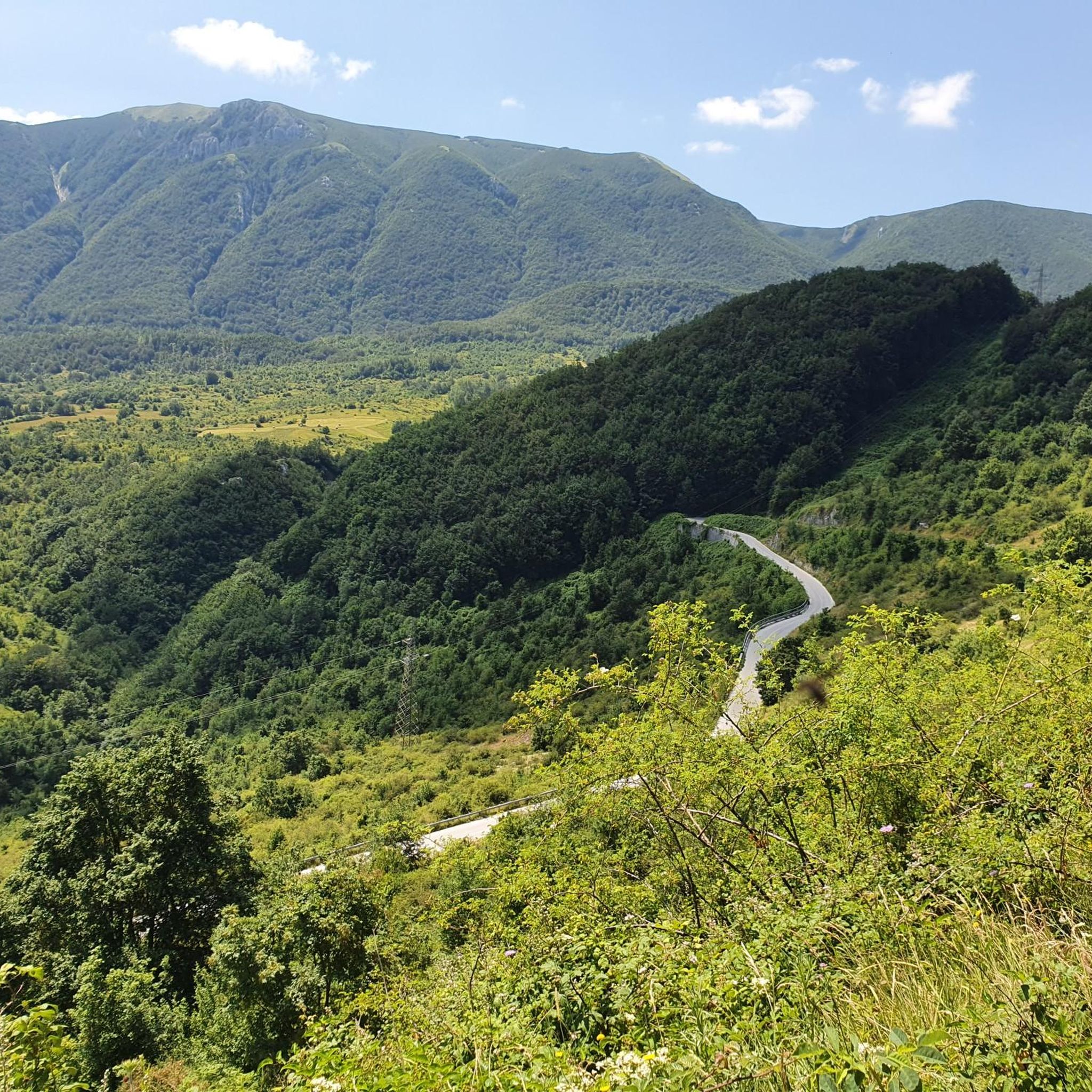
Gallinola (1,923 m above sea level) is the second highest peak in the Matese range and is located in Molise. It can be reached from Campitello Matese via a 5.5 km hike and an elevation gain of just under 500 meters. The view from the summit is spectacular, stretching from the Maiella to the Tyrrhenian Sea, clearly visible in good weather.
1
0

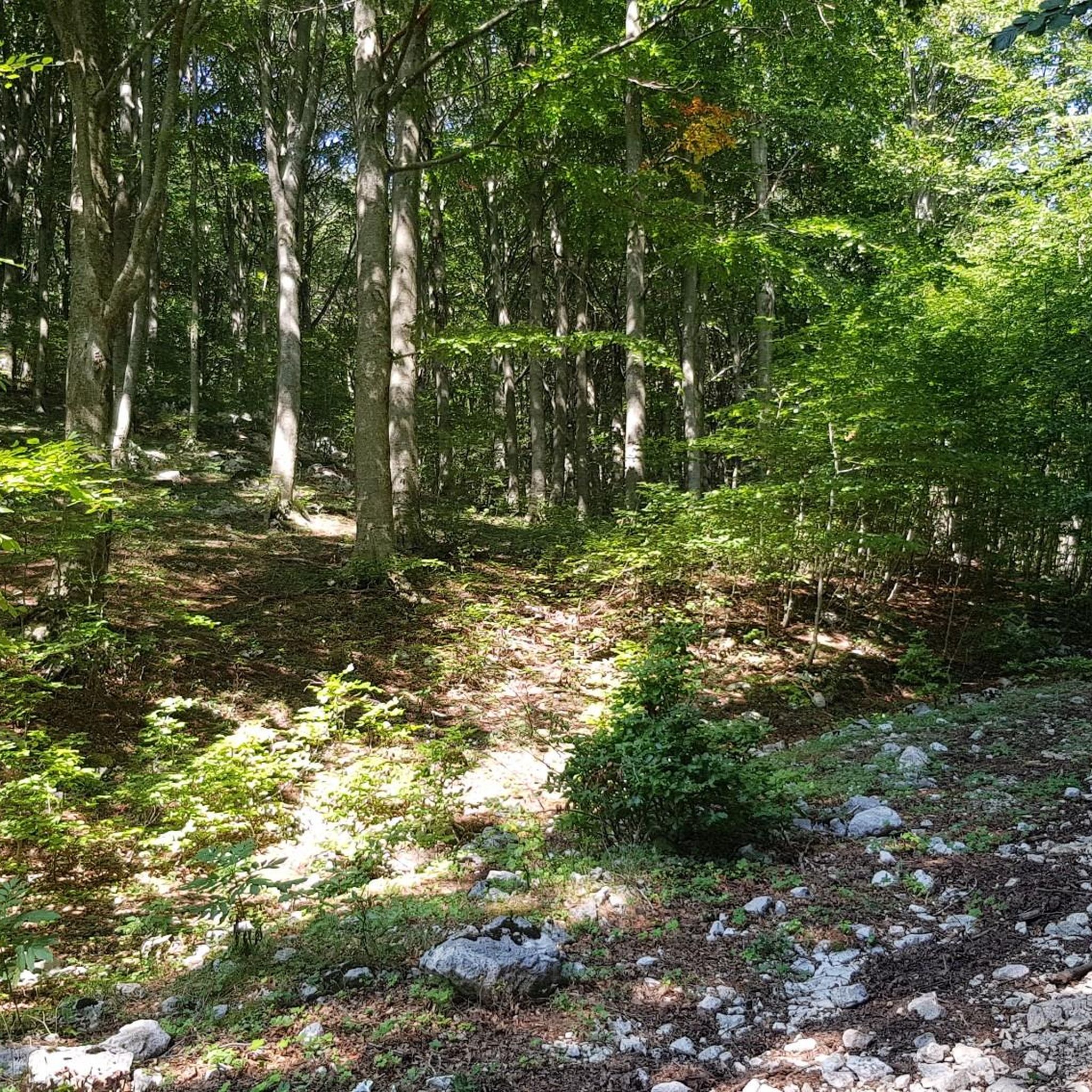
A short hike with no particular difficulties. The trailhead from Campitello Matese is unmarked and difficult to identify. The trail itself is poorly marked. For those like me who'd never done it, it's essential to follow the trail on an app or similar. The descent was made by descending from the chairlift side (which doesn't operate and doesn't appear to be in operation anymore), then descending along the ski slope, which halfway through features a barbed wire barrier (!) that I had to cross.
0
0

Challenging route with a difference in altitude of about 600m, starting from the Ecocamous refuge located in the Santa Maria valley. During the route you will encounter woods, valleys and a beautiful view of Lake Matese. The route leads to the highest peak in Campania, La Gallinola (1923m)
0
0

Getting there from the Santa Maria refuge was a slog but when you admire the view you understand that it's worth it
3
0

Mount Miletto (2,050 meters above sea level) straddles Campania and Molise and offers a 360° view of the Apennines, Lake Matese and the Mediterranean Sea in the distance.
0
0

From the summit 2050 MT. you can sense the curvature of blue ozone 🌍
0
0

One of the most famous tourist resorts in Molise. It is a fraction of San Massimo, at an altitude of 1450m. There are ski rentals, bars and restaurants. We are in the high matese, and we can admire the highest peaks in the area
0
0

Monte Mutria is the highest peak of the Guardiaregia-Campochiaro Regional Reserve, with its 1823 meters of altitude. Near the top is the chapel of Sant'Antonio, built in the 1990s and a destination for summer pilgrimages. The panorama extends over the great mountains of the Apennines, and on the clearest days you can even see the sea.
2
0
Frequently Asked Questions
What unique geological features can I explore in the Campochiaro area?
The Campochiaro area, particularly within the Guardiaregia-Campochiaro WWF Nature Reserve, is renowned for its impressive geological formations. You can explore the evocative Quirino Stream Canyon, also known as the Arcichiaro Gorges, which is a deep and narrow incision in the landscape. The region also features significant karst phenomena, including the Caves of Pozzo della Neve and Cul di Bove, which are among Europe's deepest abysses.
Are there any significant waterfalls to see near Campochiaro?
Yes, within the Quirino Canyons, you can find the stunning San Nicola Fall. This waterfall is approximately 100 meters high and is a seasonal attraction, typically flowing outside of the drier months of July and August.
What are the highest peaks I can visit around Campochiaro?
The region offers several prominent peaks. The highest point of the Matese Mountains is Monte Miletto Summit, standing at 2050 meters, offering panoramic views. Another challenging summit is La Gallinola Summit at 1923 meters, considered the highest point in Campania. Within the Guardiaregia-Campochiaro Regional Reserve itself, Mount Mutria reaches 1823 meters and provides extensive views over the Apennines.
Can I find family-friendly natural monuments or activities in Campochiaro?
Yes, the Campitello Matese Plateau is noted as a family-friendly natural monument. While many trails in the reserve can be challenging, there are also easier paths suitable for families. The diverse flora and fauna, especially the spring blooms and various bird species, offer engaging experiences for all ages.
What kind of wildlife can I expect to see in the Guardiaregia-Campochiaro WWF Nature Reserve?
The reserve is a haven for wildlife. You might spot the spectacled salamander (the reserve's symbol), fire salamanders, and yellow-bellied toads. Mammals like wolves, wildcats, and deer inhabit the area. Birdwatchers can look for golden eagles, peregrine falcons, and lanner falcons. The reserve is also home to a remarkable 340 species of butterflies.
Are there opportunities for caving or speleology in the region?
Yes, the Campochiaro area is known for its significant karst caves, including the Caves of Pozzo della Neve and Cul di Bove. These are among the deepest abysses in Europe, attracting speleologists and nature enthusiasts. Experienced speleologists can arrange guided tours through local caving clubs.
What is the best time of year to visit the natural monuments around Campochiaro?
Spring is ideal for witnessing the vibrant flora, including crocuses and various orchid species, especially on Mount Mutria. The San Nicola Fall is also most active outside of July and August. Autumn offers beautiful foliage. Summer provides warmer weather for hiking, though some waterfalls may be dry. Winter hiking is possible but requires appropriate gear and conditions.
Are there hiking trails available for different skill levels near Campochiaro's natural monuments?
Yes, the Guardiaregia-Campochiaro WWF Nature Reserve offers numerous hiking opportunities. Trails range from intermediate to challenging, with some requiring guided tours. For more detailed information on specific routes and their difficulties, you can explore the running trails around Campochiaro, which often overlap with hiking paths.
What cycling routes are available around Campochiaro's natural monuments?
There are several cycling routes in the vicinity. For touring bicycles, options include 'La Riserva Regionale Guardiaregia-Campochiaro – loop from Bojano' and routes around Lake Matese. Road cyclists can find challenging routes like 'Campitello Matese – Campitello Matese Plateau loop from Bojano'. You can find more details on these and other routes in the cycling guide for Campochiaro and the road cycling guide for Campochiaro.
What do visitors enjoy most about the natural monuments in Campochiaro?
Visitors frequently praise the panoramic views from the summits, such as the 360° vistas from Monte Miletto, which can extend to both the Adriatic and Tyrrhenian Seas on clear days. The unspoiled beauty of the Guardiaregia-Campochiaro WWF Nature Reserve, its rich biodiversity, and the unique geological formations like the deep canyons and karst caves are also highly appreciated.
Is it possible to see both the Adriatic and Tyrrhenian Seas from any of the peaks?
Yes, from the summit of Monte Miletto, the highest point of the Matese Mountains, it is possible to see both the Adriatic and Tyrrhenian Seas on clear days. You might even spot Mount Vesuvius and the island of Capri.
Are there any specific permits required to visit the natural monuments or caves?
While general access to the Guardiaregia-Campochiaro WWF Nature Reserve is usually open, some guided tours, particularly for the deeper caves like Pozzo della Neve and Cul di Bove, require advance booking and are typically arranged through local caving clubs. It's advisable to check with the reserve or local tourism offices for any specific permit requirements for certain activities or areas.
Most popular attractions around Campochiaro

Get inspired with the komoot mobile app


Explore more
Extend your search for the best caves by checking out these guides of the top ones around Campochiaro:
