Top 13 Natural Monuments in Lorraine
Natural monuments in Lorraine, a region in northeastern France, are characterized by diverse ecosystems including deciduous forests, rivers, and numerous ponds. The area features prominent hills offering panoramic views and extensive wetlands recognized for their ecological importance. Lorraine's landscape combines natural beauty with historical significance, particularly within the Lorraine Regional Natural Park.
Best natural monuments in Lorraine
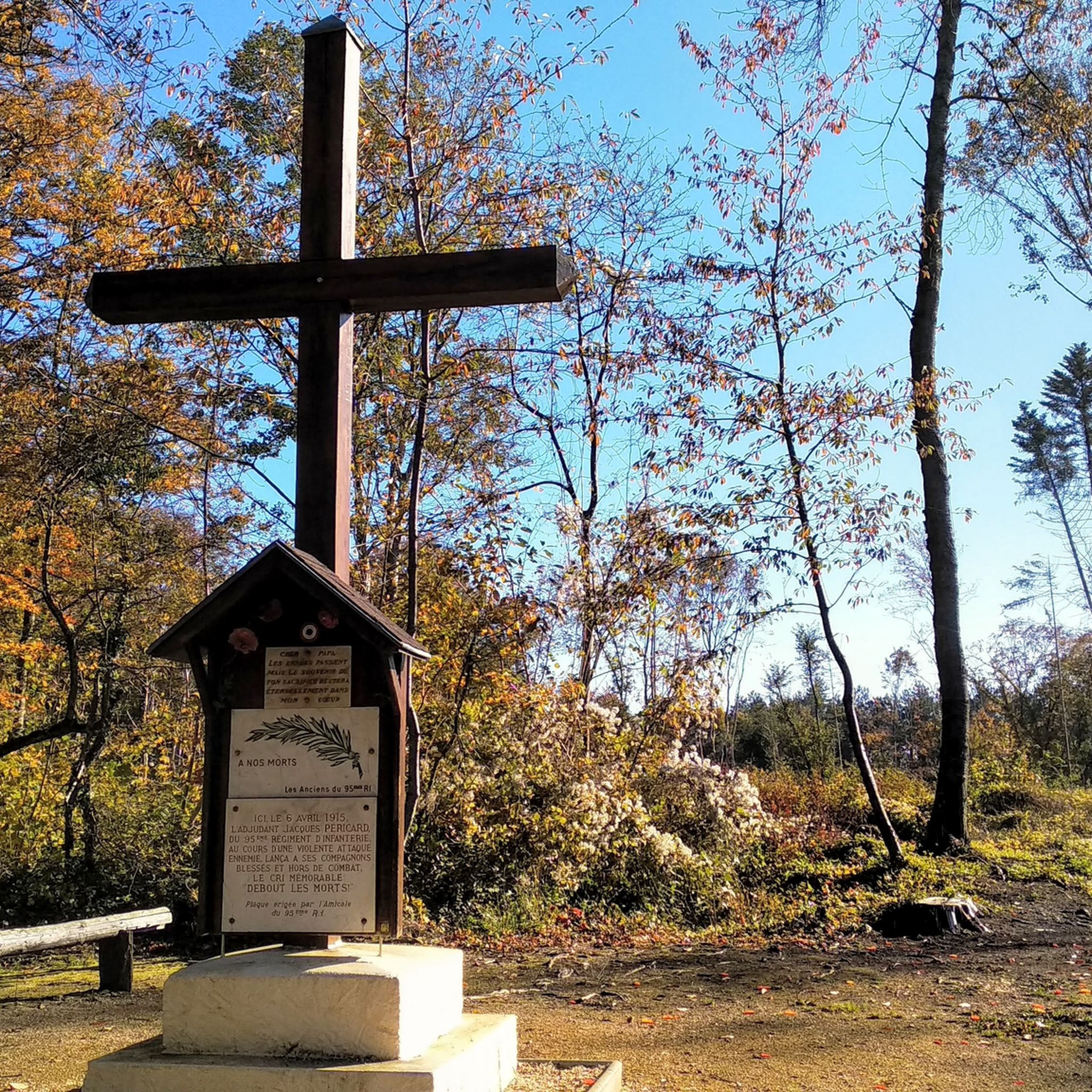
- The most popular natural monuments is Trench of Thirst and Ailly Wood, a historical site that testifies to the suffering of soldiers…
Last updated: May 15, 2026
Trench of Thirst and Ailly Wood
Highlight • Historical Site
Translated by Google •
Tip by

Lachaussée Regional Nature Reserve
Highlight • Natural
Translated by Google •
Tip by

Sign up now to discover places like this
Get recommendations on the best single tracks, peaks, & plenty of other exciting outdoor places.
Sign up for free
Lachaussée Pond
Highlight • Lake
Translated by Google •
Tip by
Les Roises de Lucey
Highlight • Historical Site
A few information panels provide more information on this craft as well as the flora and …
Translated by Google •
Tip by

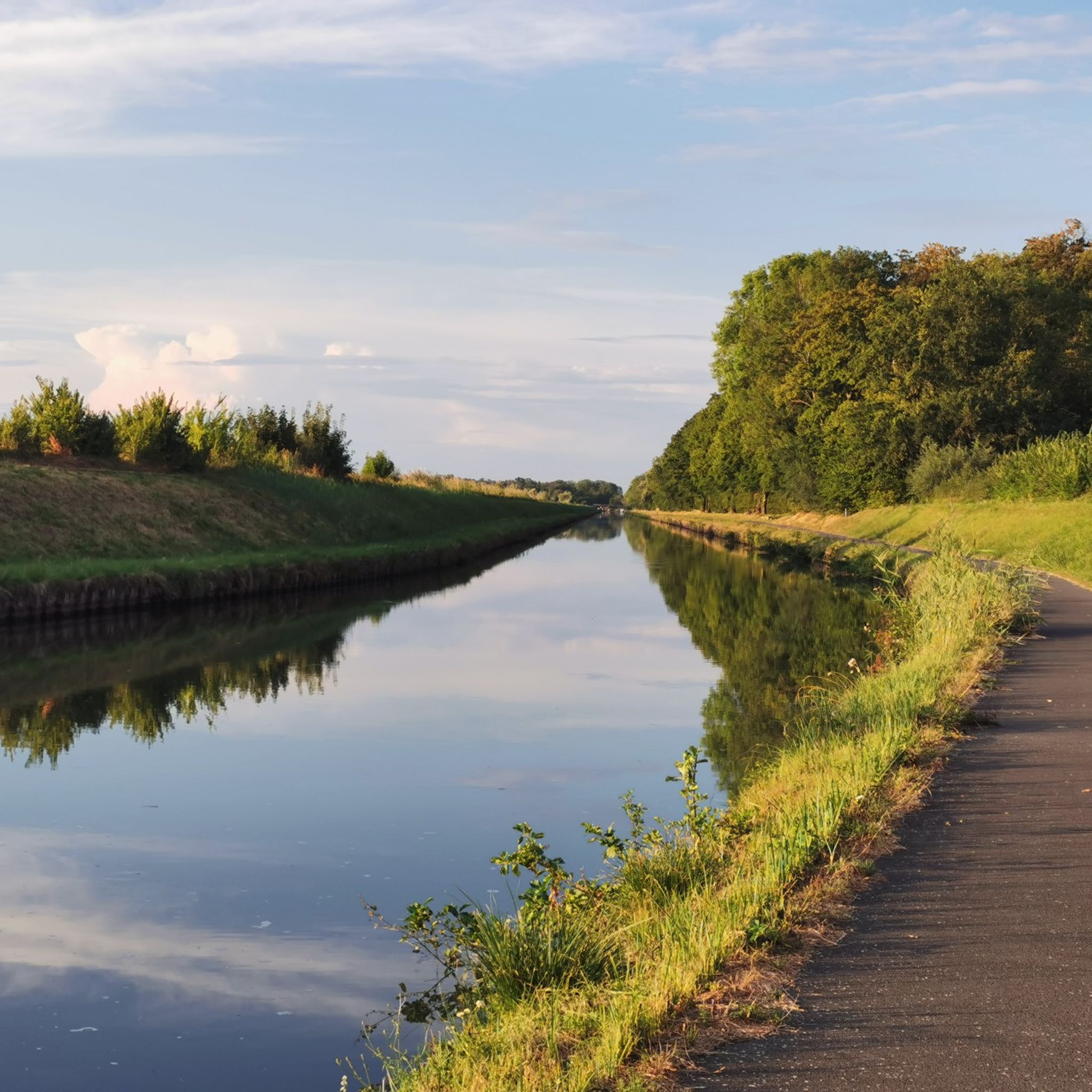
Moselle Waterside Rest Area
Highlight • Rest Area
Translated by Google •
Tip by

Sign up for free to discover even more natural monuments in Lorraine.
Sign up for free
Already have an account?
Start today with a free account
Your next adventure awaits.
Login or Signup
Popular around Lorraine
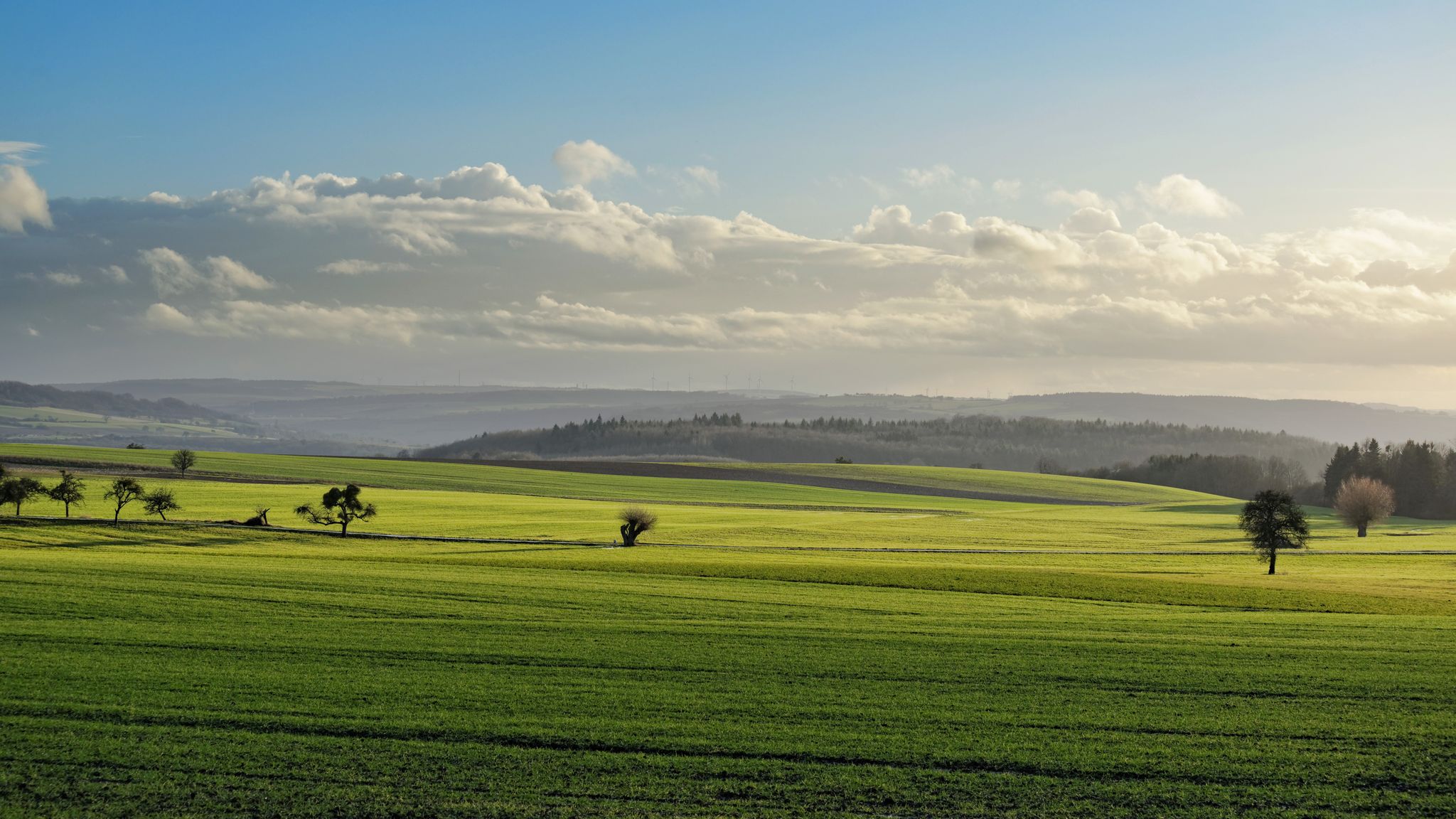
GR5 — The Europe Trail from Abreschviller to Apach
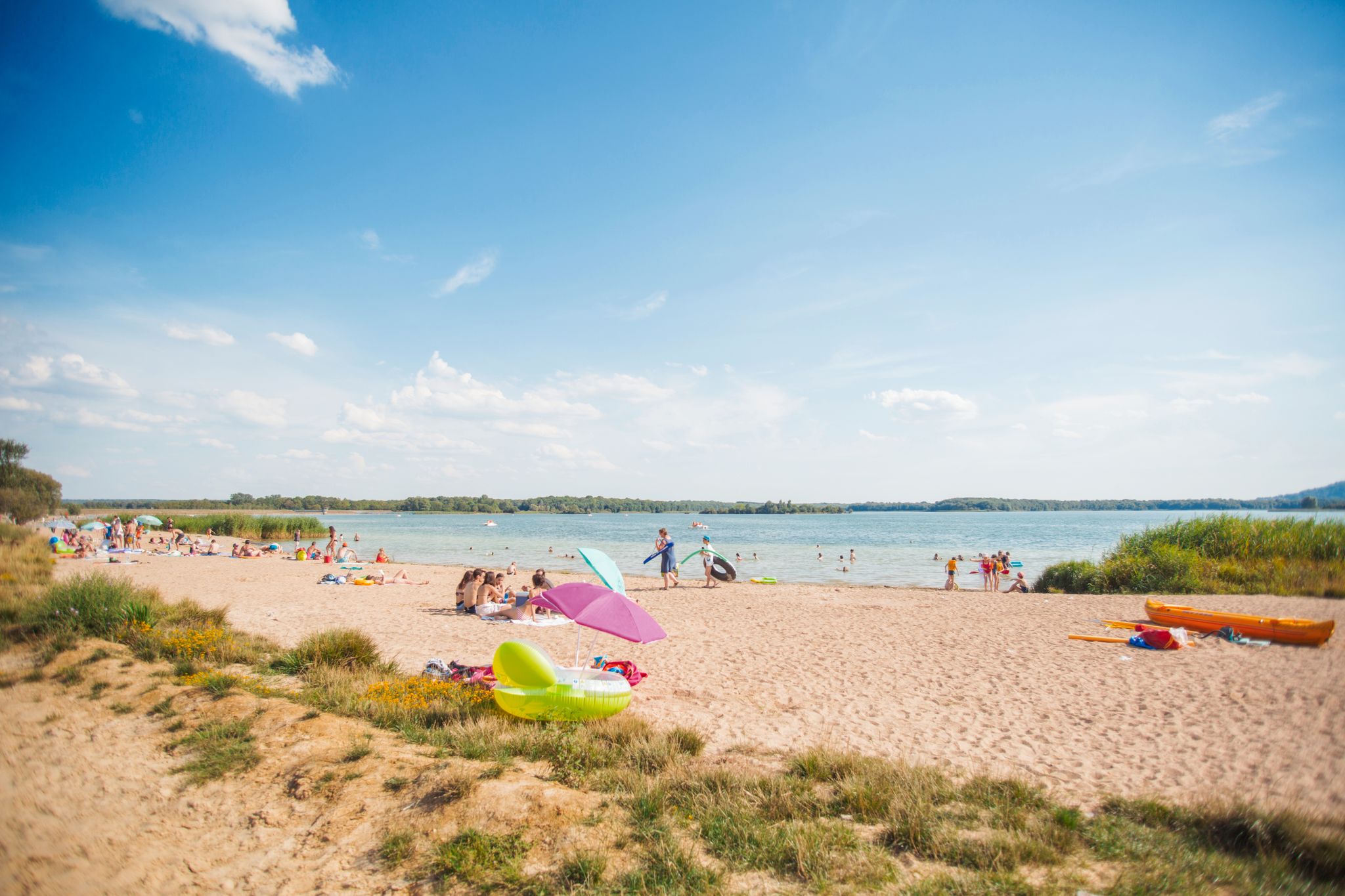
Walking in fresh air or alongside water in the Grand Est
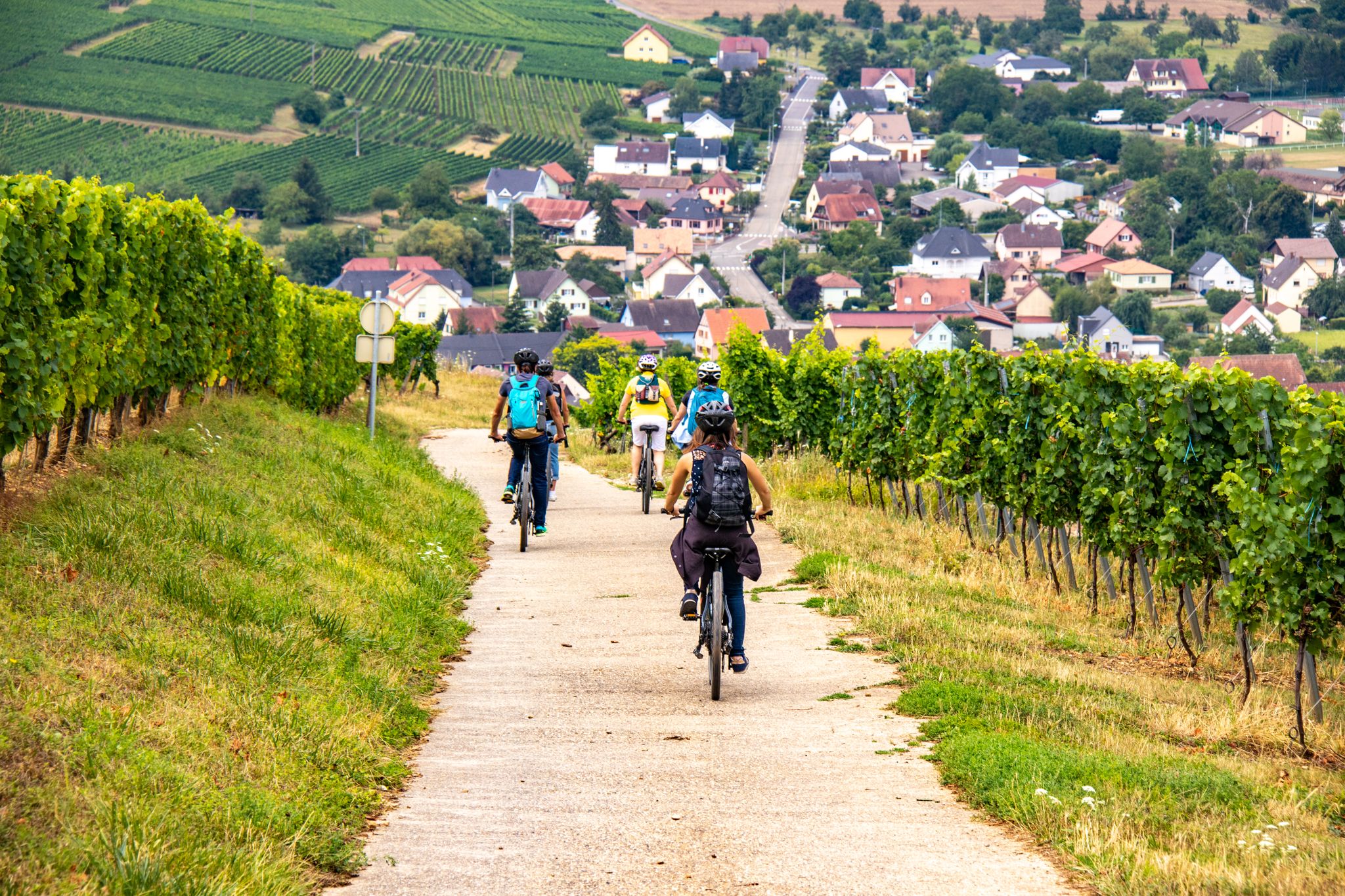
EuroVelo 5 - Via Romea (Moselle - Alsace)
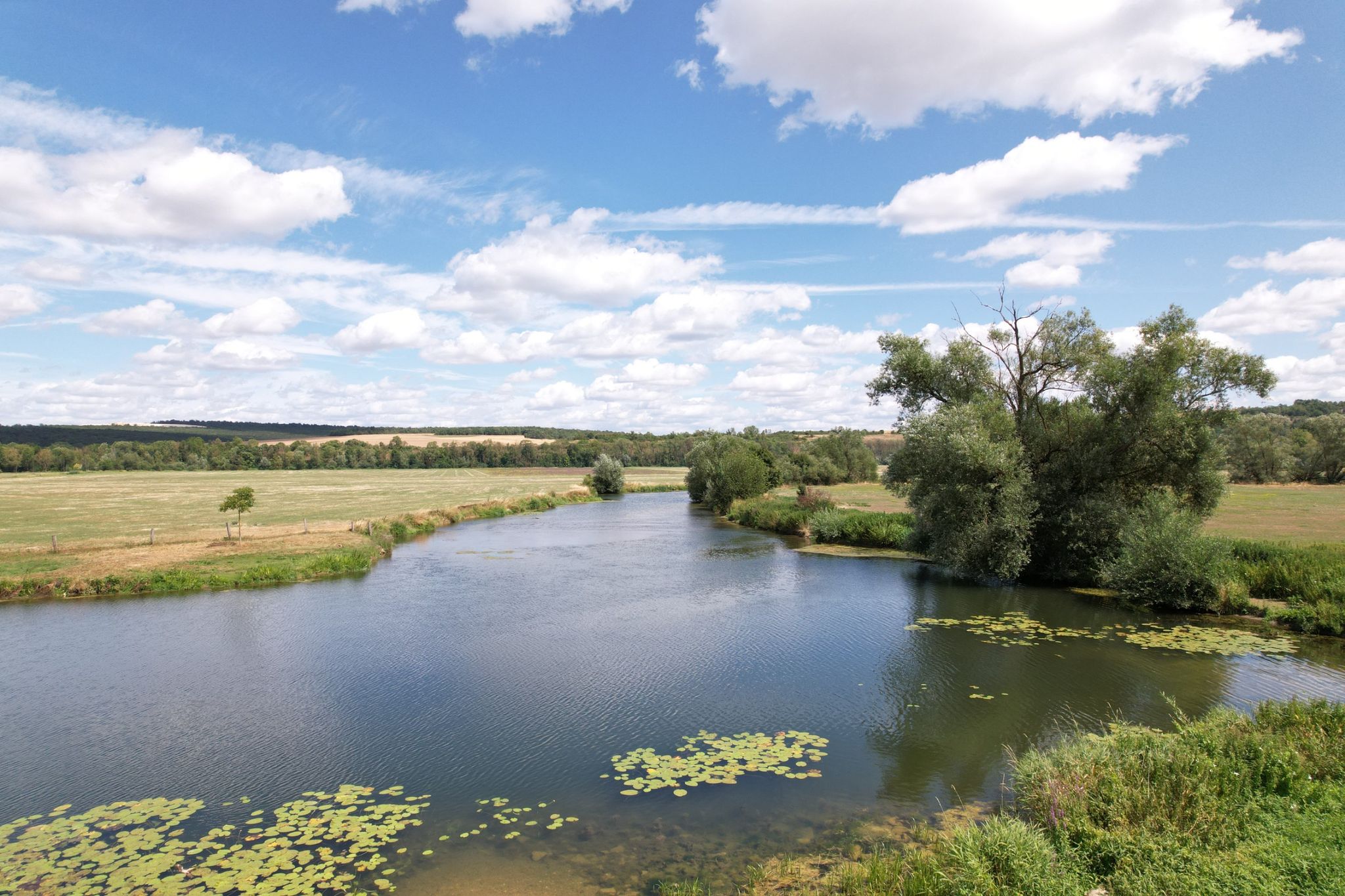
Along the Meuse River – an adventure on EuroVelo 19
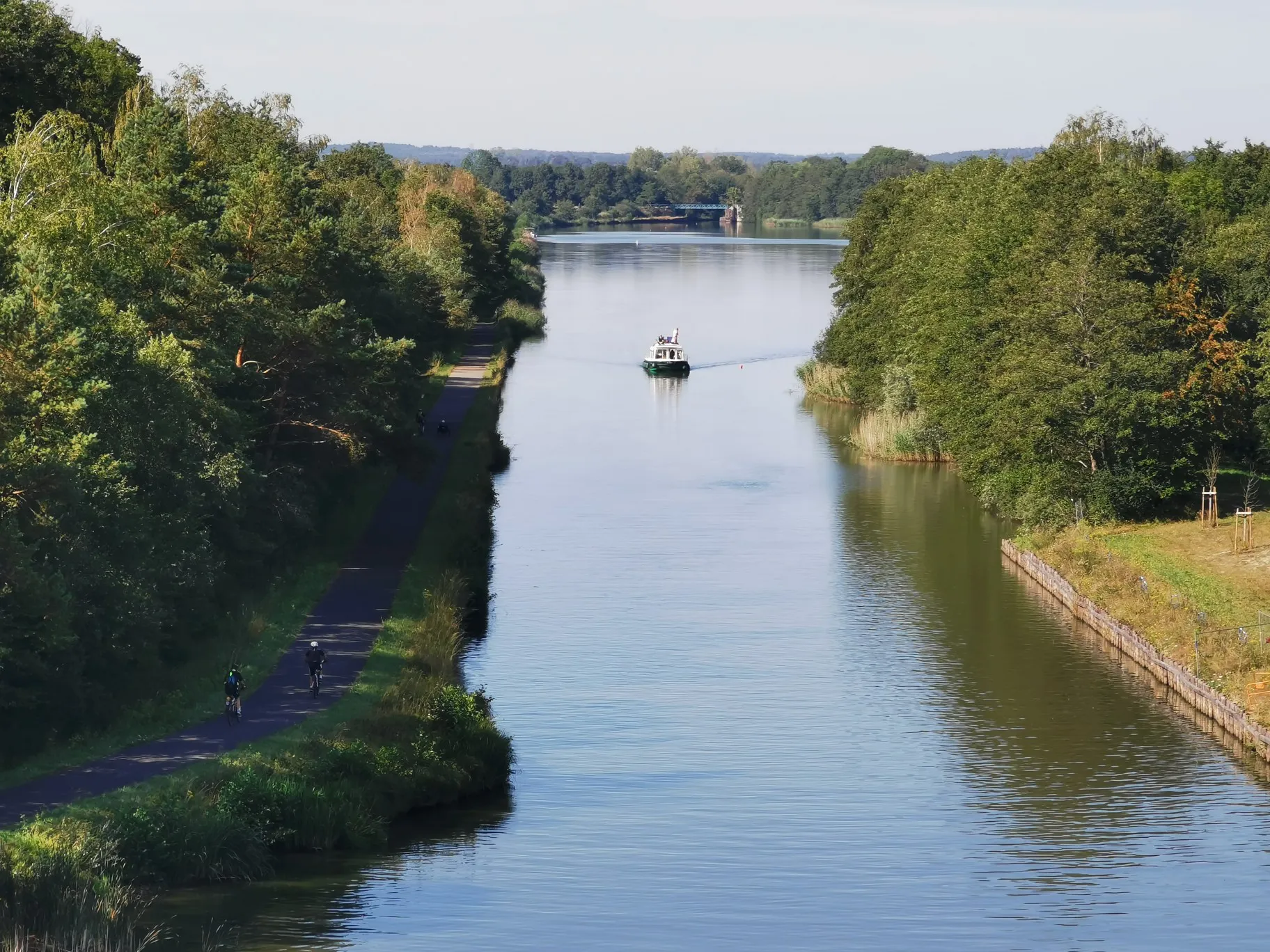
A river getaway – along the Marne-Rhine Canal
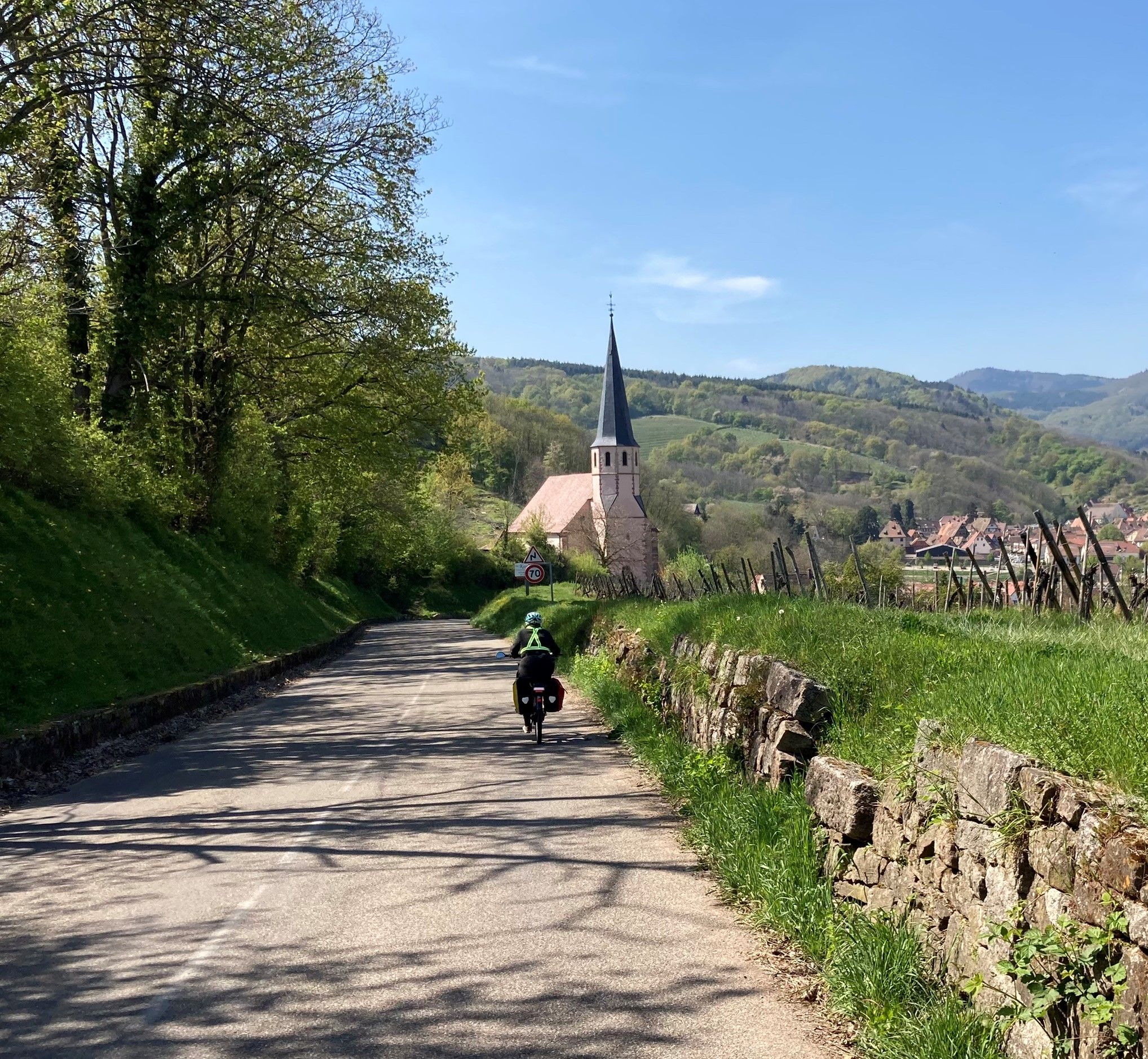
The Via Romea Francigena in Alsace-Moselle – EuroVelo 5
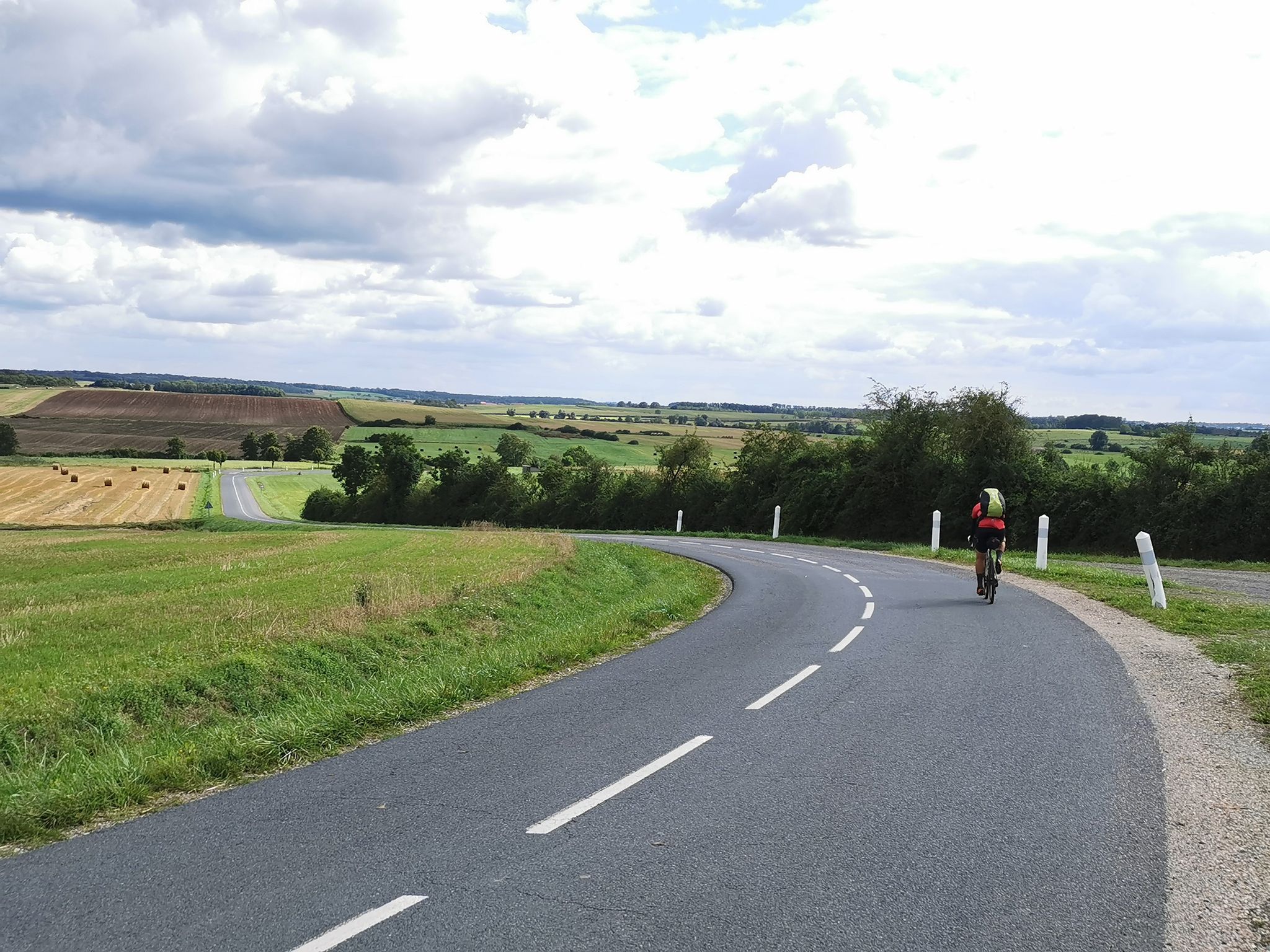
Bikepacking on the Veloroute SaarLorLux
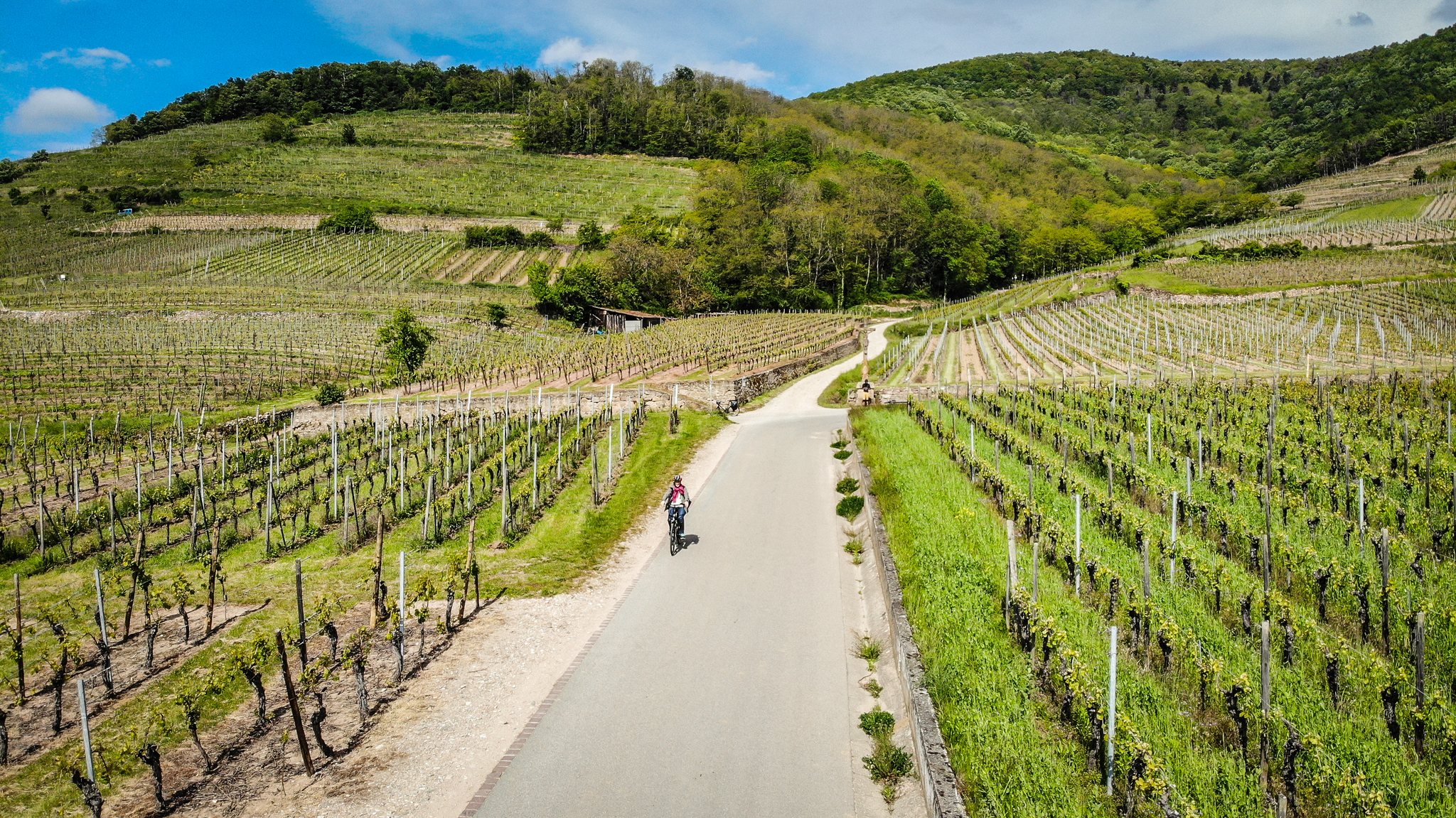
L’Alsace à Vélo - Entre canaux, vignoble et vallées vosgiennes
Hiking in Lorraine
Cycling in Lorraine
Other adventures in Lorraine


Tips from the Community

Very long front lines of trenches; today, the forest has grown back on the other side. During the war, not a single tree remained. It was very impressive how many kilometers of trenches there were in the forest, with shell holes every few meters.
2
0

1. Nice place to take a break 2. In a natural area with a view 3. Information also available in German
0
0

Be careful, in winter the paths are very muddy and even flooded.
0
0
The path runs along trenches and past the remains of fortresses.😎
2
0

This is where hemp fiber was once extracted by soaking the plants in ponds. A few information panels provide more information on this craft as well as the flora and fauna that have since settled there. Overall, this is a well-designed and informative site.
2
1

These old hemp roasts are the only ones preserved in Lorraine. The bonds between the bast and wooden parts are loosened in water with the help of various microorganisms.
1
0
It's impressive what they have created to survive, you have to imagine the whole thing without the forest.
2
0

If you are looking for a hiking destination combining nature, history and culture, the Lahaussee Regional Nature Park has everything to please you. This nature reserve, located in the Grand Est region, extends over more than 600 hectares of wetlands, forests, meadows and ponds. You will be able to discover the rich biodiversity of the site which is home to numerous species of birds, amphibians, insects and plants. You can also discover the ancient tradition of fish farming, which dates back to the 13th century and still contributes to the local economy and social inclusion. The reserve offers different trails and activities for visitors of all ages and interests. Energetic races, observation of fauna and flora, discovery of heritage, you will find what you are looking for in the Lahaussee regional nature reserve.
2
0
Frequently Asked Questions
What unique natural monuments can I explore in Lorraine?
Lorraine offers a blend of natural beauty and historical significance. For a unique experience, visit the Trench of Thirst and Ailly Wood, a historical site within a forest that bears witness to WWI, with numerous regimental monuments and trenches. Another distinctive spot is Les Roises de Lucey, where you can learn about the ancient craft of hemp fiber extraction using ponds, detailed by on-site information panels.
Are there natural monuments in Lorraine suitable for birdwatching and nature observation?
Yes, Lorraine is excellent for birdwatching, especially within the Woëvre Plain and its numerous ponds. The Lachaussée Pond, a protected nature reserve, is home to diverse fauna and offers a 12 km path around the water, reed beds, and forest, ideal for observing birds, amphibians, and insects. Étang de Lindre, recognized as a Ramsar site, is also highly recommended for exceptional birdwatching during migration seasons.
What kind of outdoor activities can I do near Lorraine's natural monuments?
The region provides diverse outdoor activities. You can find numerous routes for road cycling, mountain biking, and running. For instance, near Lac de Madine, there are routes like the 'Lac de Madine, Montsec and Saint-' for road cycling, or 'Swimming spot at Lac de Madine – Étang des Nouettes loop' for mountain biking. Runners can enjoy trails such as 'Lac de Madine — loop — running from Montsec in the Parc Naturel Régional de Lorraine'. You can explore more options on the dedicated guides for Road Cycling Routes in Lorraine, MTB Trails in Lorraine, and Running Trails in Lorraine.
Which natural monuments in Lorraine are family-friendly?
Many natural monuments in Lorraine are suitable for families. The Lachaussée Regional Nature Reserve, with its wetlands, forests, and ponds, offers various trails and activities for all ages, combining nature, history, and culture. The Moselle Waterside Rest Area is also family-friendly, providing information about local fauna and flora right on the Moselle cycle path, making it a great spot for a break.
Where can I find panoramic views of the Lorraine landscape?
For breathtaking panoramic views, head to the Butte de Montsec. This prominent hill, reaching 377 meters, offers magnificent vistas over the Woëvre plain, the Côtes de Meuse, and the expansive Madine Lake. It also features an American Memorial, adding a historical dimension to the scenic beauty.
What are the key natural features of the Lorraine Regional Natural Park?
The Lorraine Regional Natural Park is characterized by diverse ecosystems, including extensive deciduous forests (like Romersberg and Reine), numerous rivers, ponds, and wooded hills. It encompasses the Woëvre Plain, dotted with wetlands like Madine Lake and Lachaussée Pond, and the picturesque Côtes de Meuse. The park is a crucial habitat for a rich variety of flora and fauna, including deer, wild cats, and 200 bird species, serving as a significant mid-migration stopping place.
Are there any natural monuments with historical significance in Lorraine?
Beyond the Trench of Thirst and Ailly Wood, the Butte de Montsec features an American Memorial at its summit, commemorating WWI offensives. The Pays des Étangs (Country of Ponds) also holds historical significance, with many ponds created in the Middle Ages for fish farming, showcasing centuries of human interaction with nature.
What is the best time to visit the natural monuments in Lorraine?
The Lorraine Regional Natural Park and its monuments are beautiful throughout the year. Spring and autumn are particularly pleasant for hiking and nature observation, with vibrant foliage or migratory bird activity. Summer offers opportunities for water-based activities at places like Madine Lake. Winter can provide a serene experience, though some paths might be muddy or flooded, especially around ponds like Lachaussée.
Can I find places to rest or get information along the natural monuments in Lorraine?
Yes, the Moselle Waterside Rest Area is a great example, located directly on the Moselle cycle path. It provides facilities and valuable information about the local fauna and flora, making it an ideal spot for a break during your exploration.
What kind of flora and fauna can I expect to see in Lorraine's natural areas?
Lorraine's natural areas, particularly within the Lorraine Regional Natural Park, boast rich biodiversity. The forests feature beech, maple, cherry, oak, hornbeam, ash, lime, alder, and birch trees. Wildlife includes deer, wild cats, roe deer, foxes, and a wide array of bird species, with 200 species using the park as a migration stop and mating site. Wetlands like Lachaussée Pond are home to various birds, amphibians, and insects.
Are there opportunities for cycling near the natural monuments?
Absolutely. The region is well-suited for cycling, with the Moselle cycle path passing by areas like the Moselle Waterside Rest Area. You can find numerous road cycling and mountain biking routes throughout Lorraine, including those around Lac de Madine and other scenic spots. For detailed routes, refer to the Road Cycling Routes in Lorraine and MTB Trails in Lorraine guides.
Most popular routes in Lorraine
Most popular attractions in Lorraine

Get inspired with the komoot mobile app


