Top 16 Natural Monuments in Hoces Del Cabriel
Best natural monuments in Hoces Del Cabriel are found within a UNESCO Cabriel Valley Biosphere Reserve, characterized by a diverse natural landscape. The region features a unique riverine environment, steep cliffs, and dramatic gorges carved by the Cabriel River. This area is known for its significant geological formations, including impressive tufa formations and vertical limestone structures. It offers a range of natural attractions for those interested in geology and outdoor exploration.
Best natural monuments in Hoces Del Cabriel
- The most…
Last updated: June 27, 2026
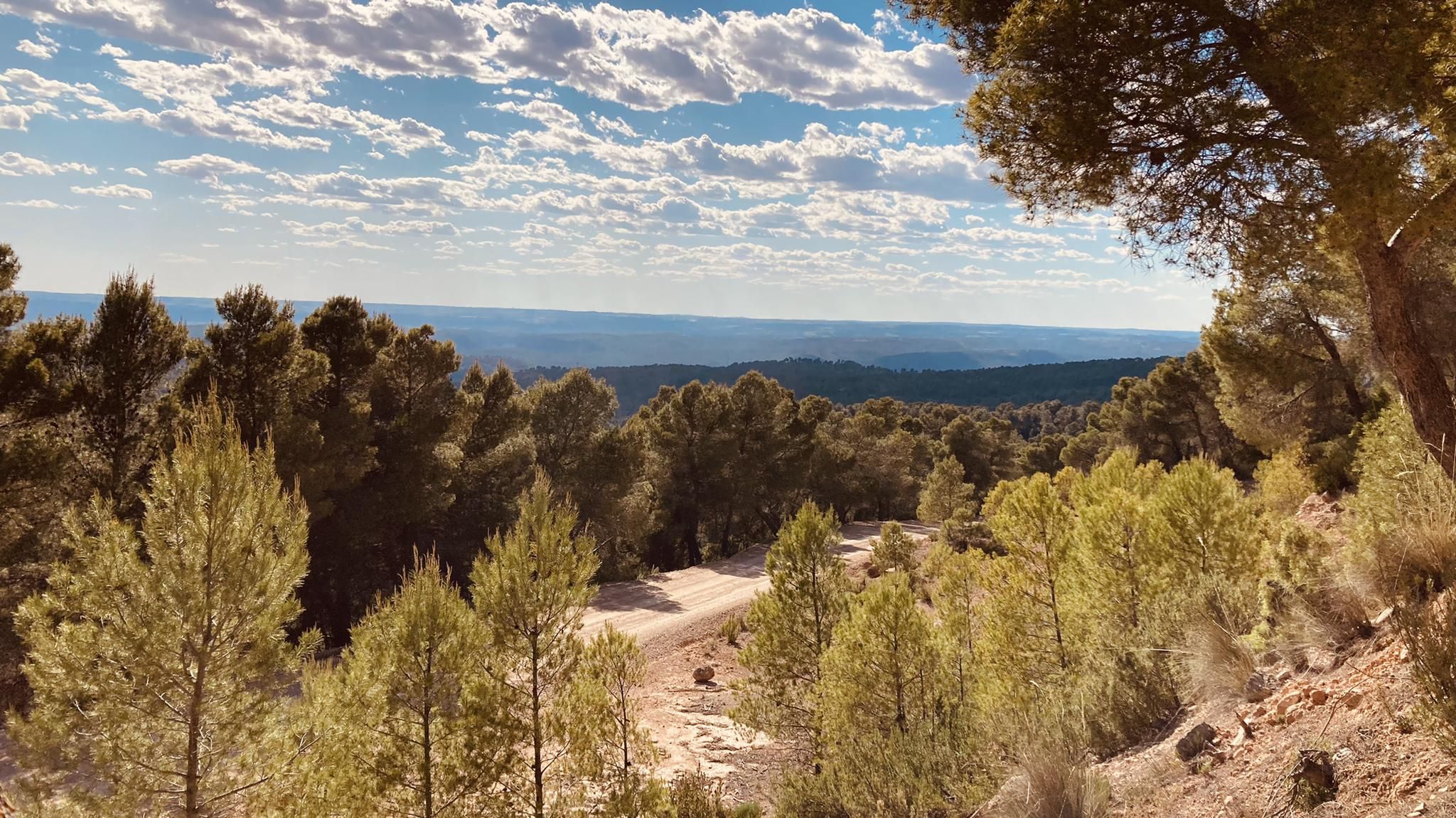
Turia-Cabriel Nature Trail (section)
Highlight (Segment) • Trail
Translated by Google •
Tip by

El Moluengo
Highlight • Summit
Translated by Google •
Tip by
Sign up now to discover places like this
Get recommendations on the best single tracks, peaks, & plenty of other exciting outdoor places.
Sign up for free
Peña Azul Viewpoint
Highlight • Viewpoint
Translated by Google •
Tip by
Hoz del Rabo de la Sartén Viewpoint
Highlight • Viewpoint
Translated by Google •
Tip by

Cabriel Valley Viewpoint
Highlight • Viewpoint
Showing Translation
Tip by

Sign up for free to discover even more natural monuments in Hoces Del Cabriel.
Sign up for free
Already have an account?
Start today with a free account
Your next adventure awaits.
Login or Signup

Other adventures in Hoces Del Cabriel

Tips from the Community

Beautiful viewpoint of the dam, the river and the factory.
11
0

It is a mountain peak located in the vicinity of the Valencian municipality of Villargordo del Cabriel, in the enclave of the Hoces del Cabriel Natural Park, a privileged natural environment that serves as a border with the neighboring region of Castilla – La Mancha. This peak has an altitude of around 1040 m and from its summit it is possible to obtain privileged views of the Sierra del Rubial to which this rocky promontory belongs. The panoramic view offered from this point allows you to see all the towns in the Requena-Utiel region in which this Natural Park is included. Likewise, from the Moluengo peak it is possible to see the depression of the Cabriel River and the neighboring plains of Cuenca. It is possible to go up to the Moluengo peak and cross the privileged natural environment that surrounds it thanks to one of the routes that cross the Hoces del Cabriel Natural Park, known as the yellow route, which starts from the town of Villargordo del Cabriel and leads the traveler to the top of Moluengo. Along this itinerary, which has an extension of 16 km, it is possible to visit places such as the town of Moluengo, the Fonseca viewpoint, the Oliva fountain or the Vadocañas bridge, over the waters of the Cabriel river and which constitutes the point at which the route ends.
0
0

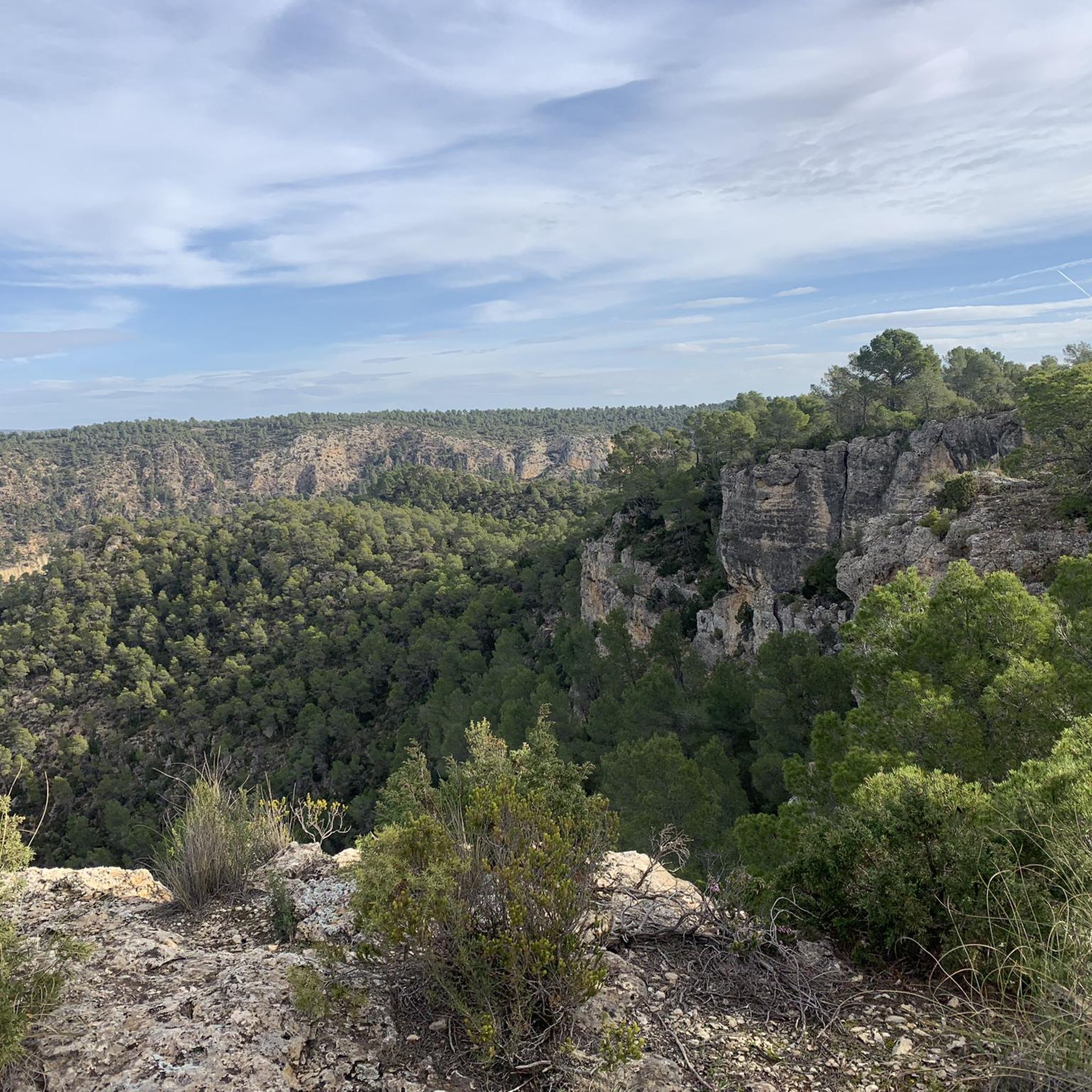
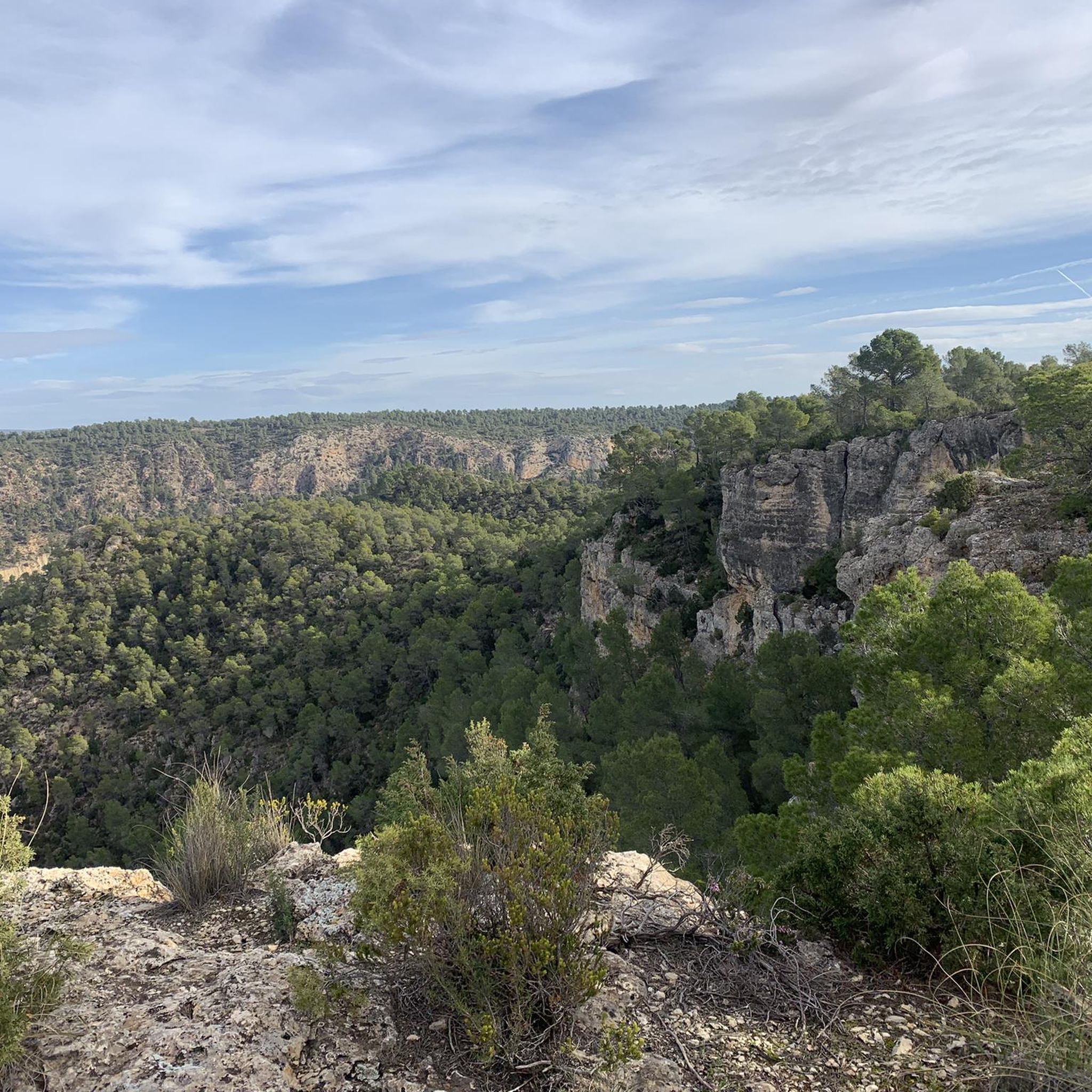
If you go around the Fuente de Oliva counterclockwise (which I recommend), this is the second viewpoint and the first where you can see the Rio Cabriel in the gorges below beautiful cliffs. Continue to the right of the first bench along the cliff, and you will find a second bench and more beautiful views.
1
0

Viewpoint of the Fuente de Oliva route (PR-CV 344) with beautiful views of the gorges of the Cabriel River and its impressive cliffs. The arrival path is completely along a forest track and is a very pleasant and pleasant route with a lot of trees.
0
0

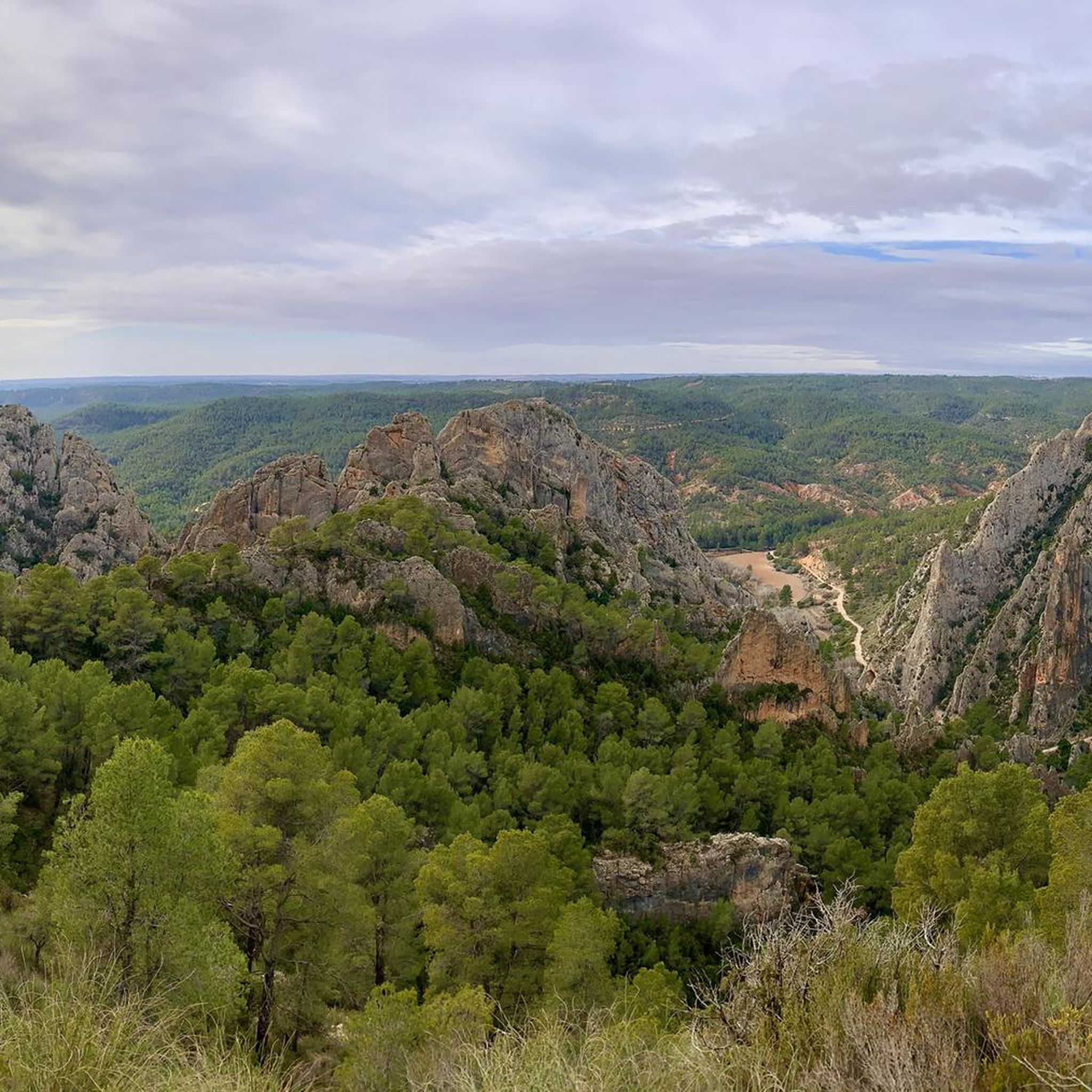
This viewpoint is located on the CV-4661 highway near the Contreras reservoir. From this point we can enjoy the views of Peñablanca (viewpoint located on a large rock) and Los Cuchillos (limestone ridges). You can also distinguish the Cabriel River and the Contreras Dam. The viewpoint has an information panel.
4
1
Top of the peak "El Moluengo" at 1023 m above sea level, highest point of the Natural Park of Las Hoces del Cabriel. It allows to appreciate beautiful views to all the valley of the Cabriel, the province of Valencia and the one of Cuenca.
4
0
Viewpoint of the Fuente de Oliva route (PR-CV 344) with beautiful views of the gorges of the Cabriel River and its impressive cliffs. The arrival path is completely along a forest track and it is a very pleasant and pleasant route with many trees.
3
0
Top of the mountain "El Moluengo" at 1023 meters above sea level with beautiful views of the entire Cabriel valley, the provinces of Valencia and Cuenca.
3
0
Frequently Asked Questions
What unique geological features can I expect to see in Hoces Del Cabriel?
Hoces Del Cabriel is renowned for its dramatic geological formations. You can explore the impressive vertical limestone formations known as Los Cuchillos de Contreras, which are spectacular ridges shaped by natural forces. Another highlight is Las Chorreras del Cabriel, where the Cabriel River has sculpted waterfalls, natural pools, and significant tufa formations, including the fourth most important fluviolacustrine Quaternary system in the Iberian Peninsula.
Are there family-friendly natural monuments or trails in Hoces Del Cabriel?
Yes, several natural monuments and trails in Hoces Del Cabriel are suitable for families. The Turia-Cabriel Nature Trail (section) offers a gravel road in excellent condition with gentle slopes, ideal for cycling or mountain biking with children. Additionally, viewpoints like Peña Azul Viewpoint and Cabriel Valley Viewpoint are accessible via well-maintained forest tracks and provide stunning views for all ages.
What are the best viewpoints to experience the natural beauty of Hoces Del Cabriel?
For breathtaking panoramic views, visit the Peña Azul Viewpoint, which offers expansive vistas of the valley. The Cabriel Valley Viewpoint near the Contreras reservoir provides views of Peñablanca and Los Cuchillos, as well as the Cabriel River and Contreras Dam. Another excellent spot is the Mirador de Peñas Blancas, situated in the Sierra del Rubial, offering grand views of the Cabriel River's deep gorges and Los Cuchillos.
What outdoor activities can I do near the natural monuments in Hoces Del Cabriel?
The Hoces Del Cabriel Natural Park offers a wide range of outdoor activities. You can enjoy hiking on trails like the Cuchillos de Contreras Trail or the Natural Park of the Hoces del Cabriel — Circular via Fuente La Oliva Trail. Cycling is also popular, with routes such as the Cuchillos de Contreras and Moluengo Peak Loop. The Cabriel River itself is perfect for active tourism like rafting, kayaking, and canyoning. For more details on routes, visit the Hiking in Hoces Del Cabriel, Cycling in Hoces Del Cabriel, and Running Trails in Hoces Del Cabriel guide pages.
What is the best time of year to visit Hoces Del Cabriel for natural monuments?
The Hoces Del Cabriel Natural Park is beautiful year-round, but spring and autumn generally offer the most pleasant weather for exploring its natural monuments and engaging in outdoor activities. Temperatures are milder, and the natural landscape is vibrant. Summer can be warm, ideal for water activities in the Cabriel River, while winter offers a quieter experience with cooler temperatures.
Are there any specific regulations or permits required for hiking or visiting natural monuments?
While general access to the natural park is usually open, certain activities or specific areas might require permits, especially for organized groups or specialized sports like rafting. It's always advisable to check with the local visitor center in Venta del Moro or the official park authorities for the most current regulations regarding hiking, camping, or other activities to ensure compliance.
Where can I find parking when visiting the natural monuments?
Parking information varies by specific natural monument or trailhead. Generally, designated parking areas are available near popular access points and viewpoints. For instance, to visit the Peña Azul Viewpoint, you can typically find parking along the forest track leading to it. It's recommended to plan your route in advance and look for specific parking instructions for your chosen destination within the park.
What kind of wildlife can be observed in Hoces Del Cabriel Natural Park?
The Hoces Del Cabriel Natural Park is a haven for diverse wildlife, especially birds. It is a designated Special Protection Area for Birds (SPA), making it an excellent location for observing raptors such as eagles and vultures soaring above Los Cuchillos de Contreras. The Cabriel River also supports a rich diversity of river fauna, including otters, thanks to its well-preserved riverside forest.
Can I swim in the natural pools or rivers within the park?
Yes, the Cabriel River and its formations offer opportunities for refreshing swims. Las Chorreras del Cabriel, in particular, features crystal-clear turquoise pools and accessible natural bathing areas, making it a popular spot for a cool dip during warmer months.
What are the difficulty levels for hiking trails around the natural monuments?
Hiking trails in Hoces Del Cabriel range from easy to difficult. For example, the Cuchillos de Contreras Trail and Los Cuchillos del Cabriel Trail are considered easy. More moderate options include the Natural Park of the Hoces del Cabriel — Circular via Fuente La Oliva Trail. There are also difficult routes like the Cuchillares de Contreras – La Fonseca Viewpoint loop. You can find detailed information on various trails and their difficulty levels on the Hiking in Hoces Del Cabriel guide page.
Are there any accommodations or restaurants near the natural monuments?
While specific accommodations directly adjacent to every natural monument might be limited, you can find hotels, rural houses, and restaurants in nearby towns such as Venta del Moro, Villargordo del Cabriel, and Requena. These towns serve as excellent bases for exploring the Hoces Del Cabriel Natural Park and its natural monuments.
What makes the Cabriel River so significant in the park?
The Cabriel River is the defining natural element of the park, responsible for carving the iconic 'hoces' (gorges) that give the area its name. It is known for its crystal-clear, often turquoise-blue waters, impressive gorges up to 100 meters high, and the best-preserved riverside forest in the region. Its ecological value, scenic beauty, and opportunities for water sports make it central to the Hoces del Cabriel experience.
Most popular routes in Hoces Del Cabriel
Most popular attractions in Hoces Del Cabriel

Get inspired with the komoot mobile app


Explore more
Extend your search for the best caves by checking out these guides of the top ones in Hoces Del Cabriel:
