Top 10 Natural Monuments in S Albufera Des Grau
Best natural monuments in S Albufera Des Grau are found within a Natural Park and the core of Menorca's Biosphere Reserve. This protected area spans over 5,000 hectares, featuring diverse landscapes including wetlands, dune systems, and coastal areas. It serves as a critical habitat for a wide array of bird species and other wildlife. The park offers numerous signposted routes for exploring its ecological significance and natural features.
Best natural monuments in S Albufera Des Grau
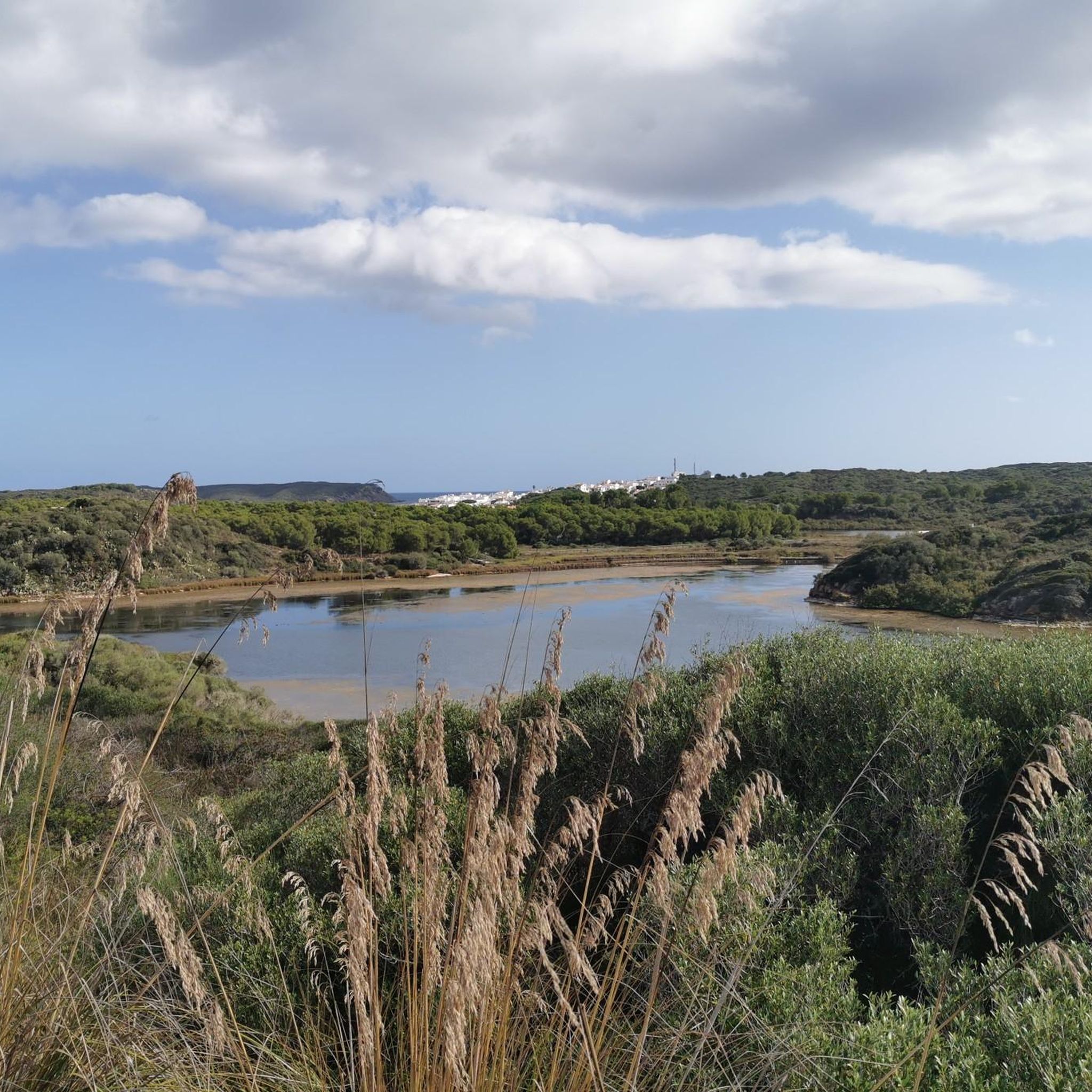
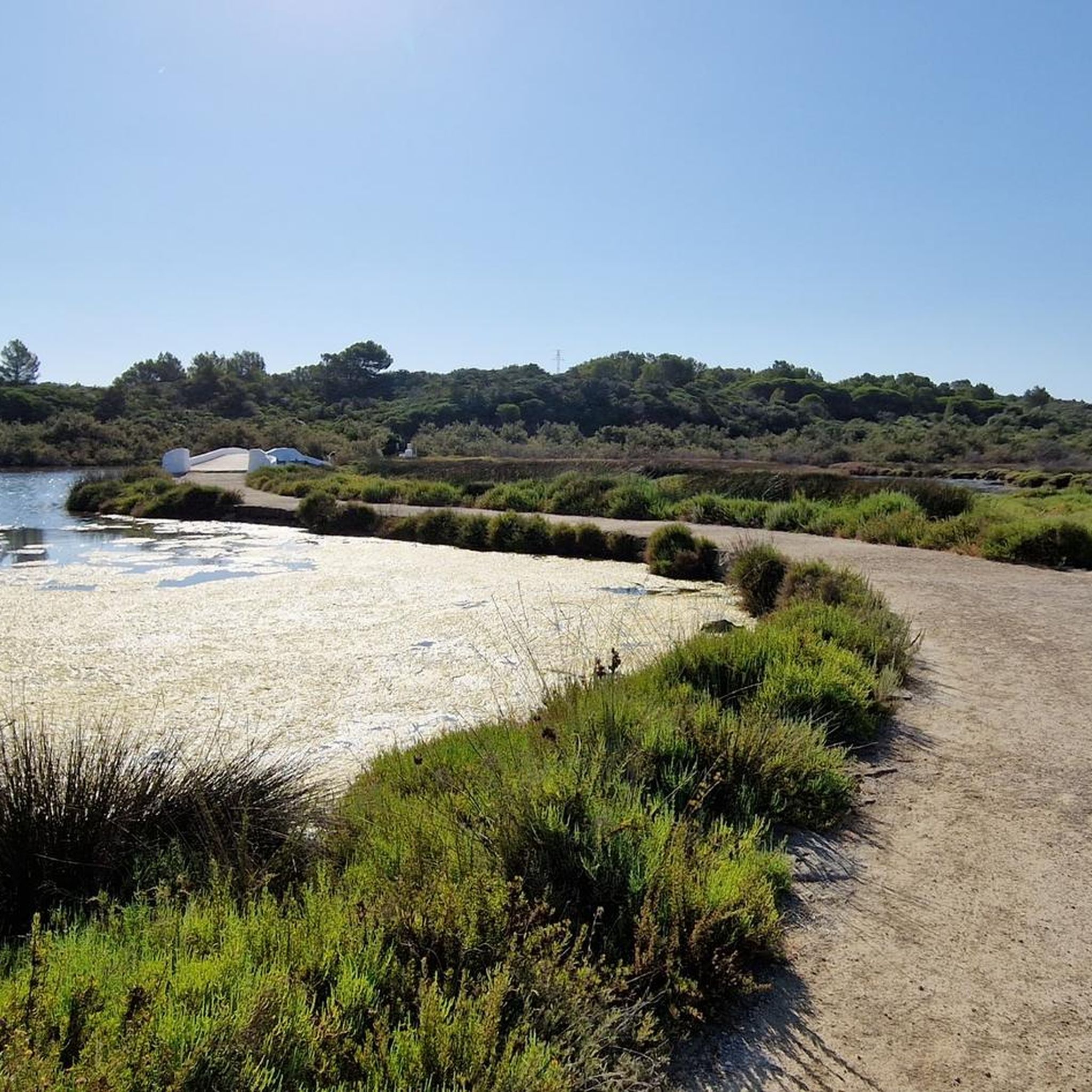
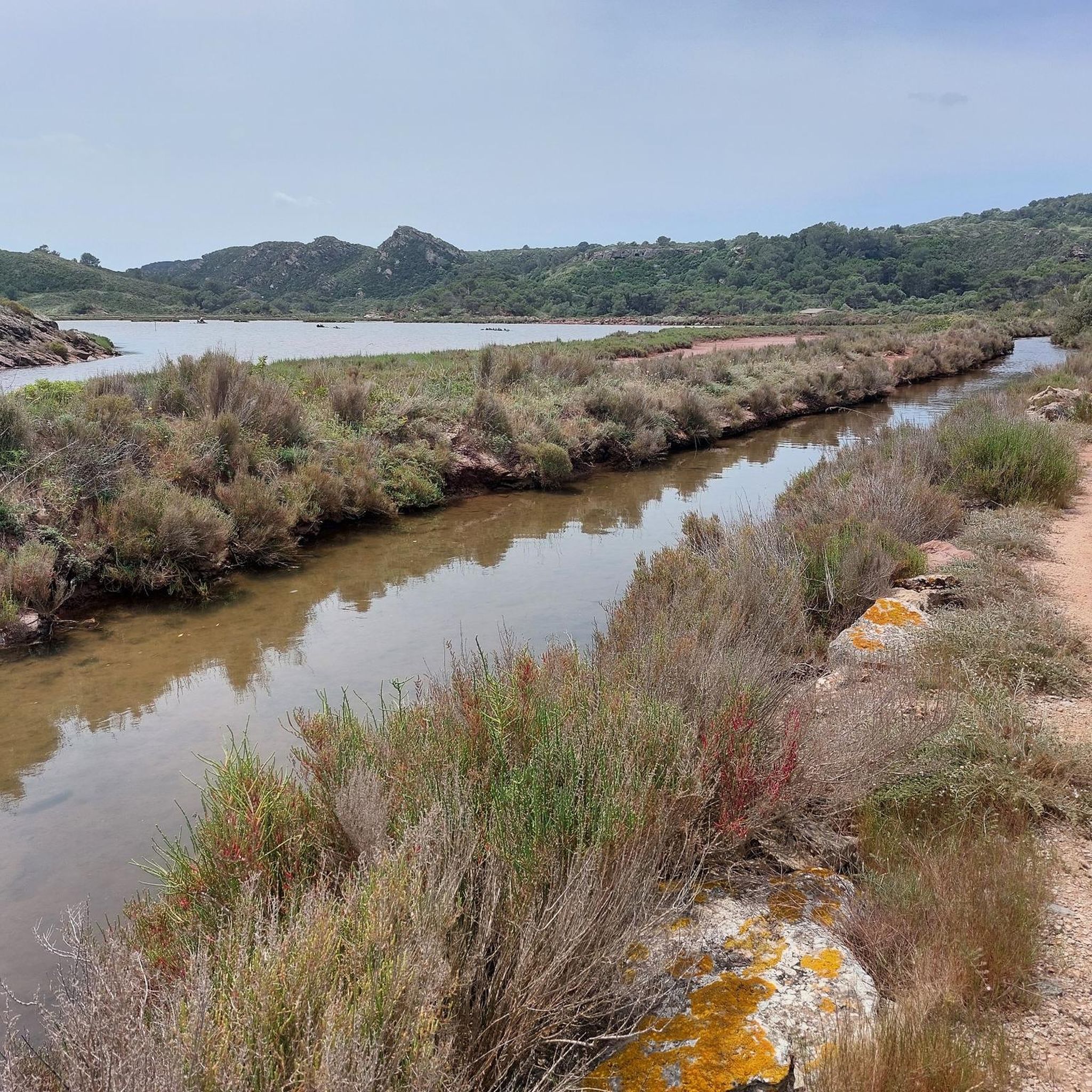
- The most popular natural monuments is s'Albufera des Grau Natural Park, a forest that offers rewarding hikes and panoramic views from its lookout hills. The entire natural park is considered a significant area to explore.
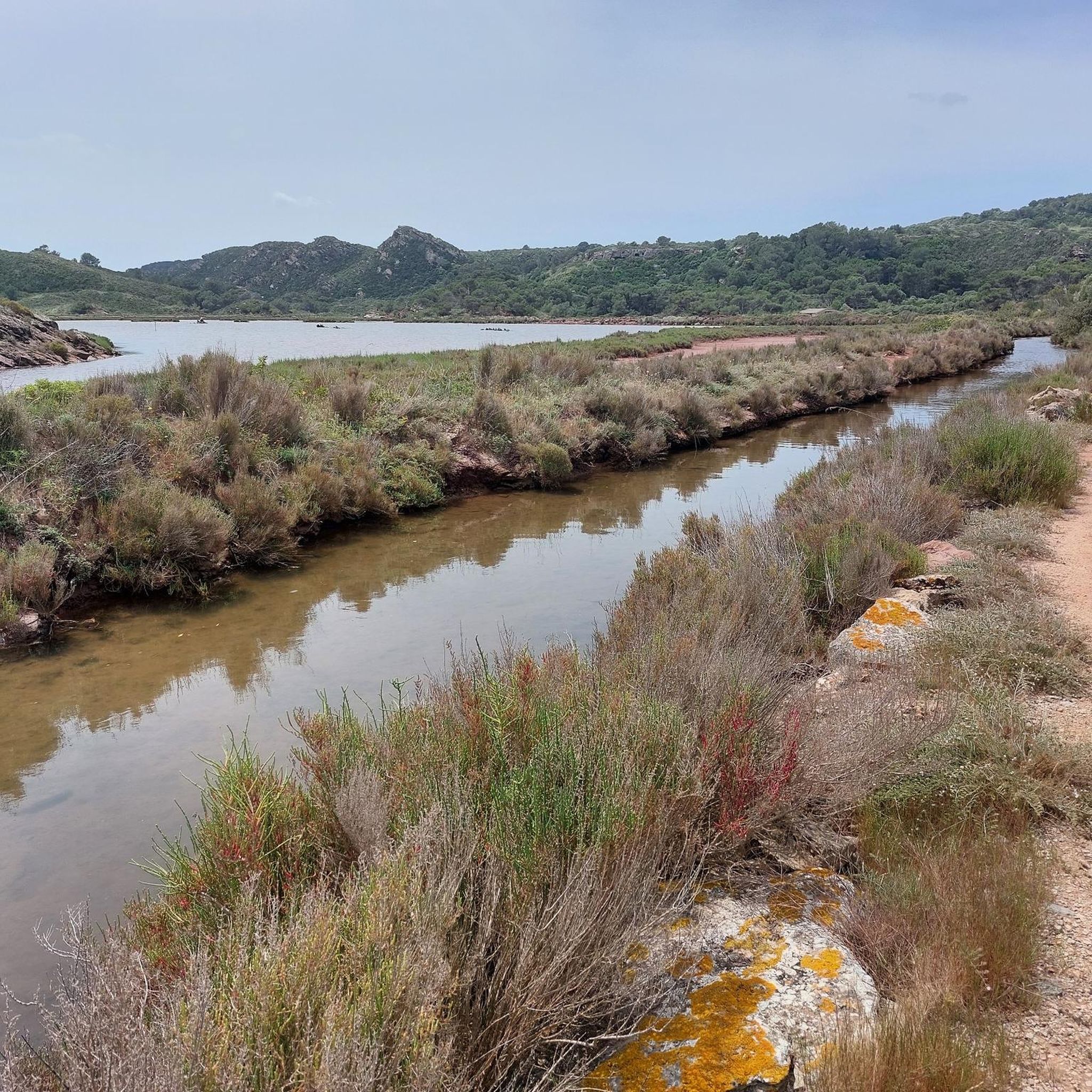
- Another must-see spot is Camí de Cavalls — Salines d'Addaia, a natural monument. This area is known as a prime location in Menorca for observing species linked to saline environments, including flamingos.
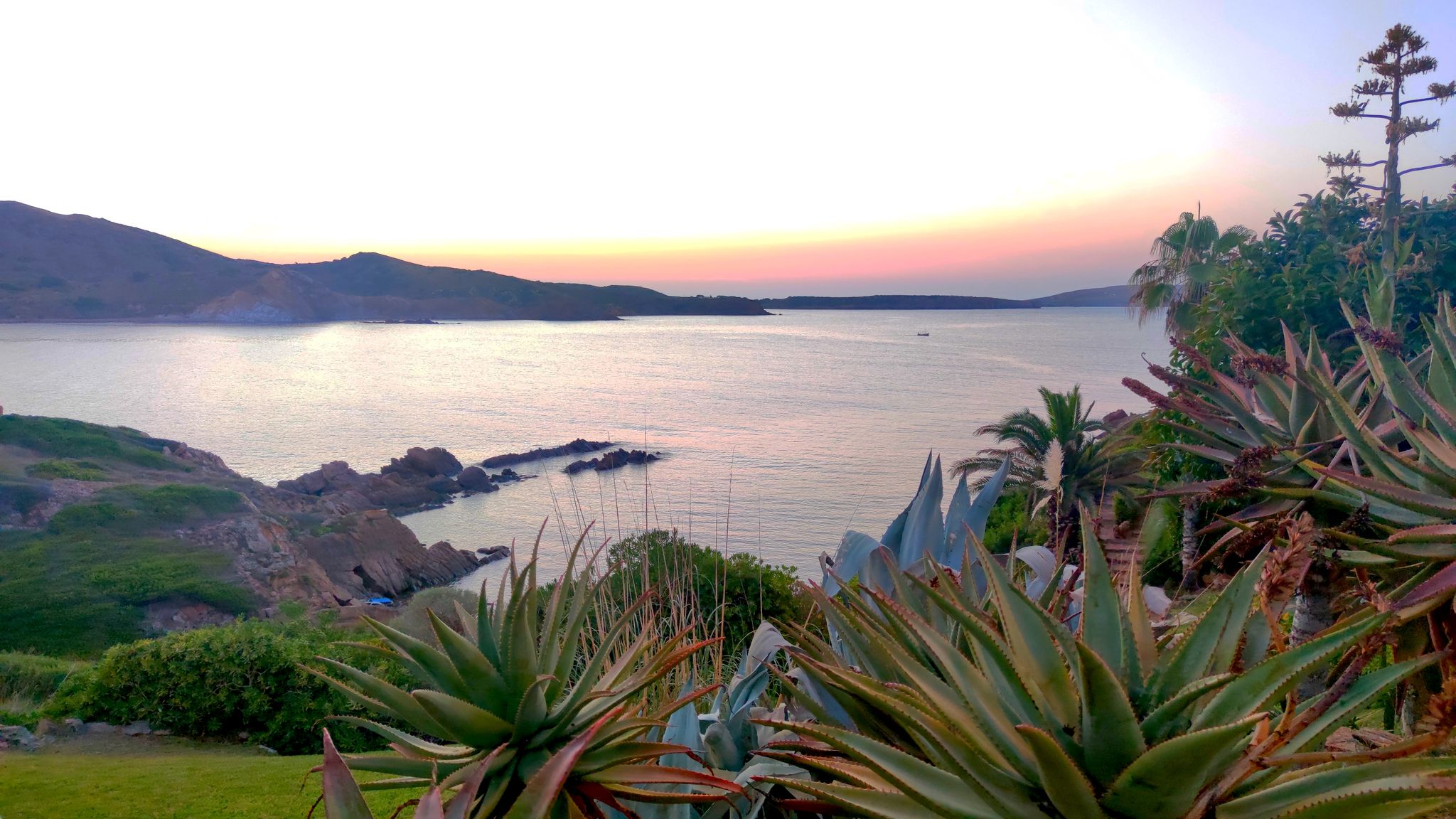
- Visitors also love Cala Rambles and Torre de Sa Torreta, a beach and natural monument. This cove is notable for its natural state and is part of a protected area within the Natural Park.
- S Albufera Des Grau is known for its diverse natural monuments, including wetlands, forests, and coastal beaches. The region offers a variety of natural monuments to see and explore, from lagoons to rugged coastlines.
- The natural monuments in S Albufera Des Grau are appreciated by the komoot community, with more than 150 upvotes and 28 photos shared by visitors.
Last updated: June 27, 2026
s'Albufera des Grau Natural Park
Highlight • Forest
Translated by Google •
Tip by

Cala Rambles and Torre de Sa Torreta
Highlight • Beach
Translated by Google •
Tip by

Sign up now to discover places like this
Get recommendations on the best single tracks, peaks, & plenty of other exciting outdoor places.
Sign up for free
Camí de Cavalls — Salines d'Addaia
Highlight (Segment) • Natural Monument
This large influx of users of the Camí de Cavalls is compromising the breeding of some species and the conservation of endemic plants.
Translated by Google •
Tip by

S'Albufera des Grau Natural Park
Highlight (Segment) • Natural Monument
Translated by Google •
Tip by

Moro de Mascar
Highlight • Natural Monument
Translated by Google •
Tip by

Sign up for free to discover even more natural monuments in S Albufera Des Grau.
Sign up for free
Already have an account?
Start today with a free account
Your next adventure awaits.
Login or Signup
Other adventures in S Albufera Des Grau

Tips from the Community

Quiet place with various bird species.
0
0

From here you have a very nice view
0
0
Very nice section here
0
1

A wonderful nature reserve that is worth a visit!
2
0

Near Sa mesquida, the only drawback is that it is always full of algae. Looking at the sea on the right hand side you have a house inhabited by a very nice girl and on the opposite side you have another one where you can bathe without algae. https://www.youtube.com/watch?v=pNt8nuDMtDQ La Cala de Sa Torreta or Cala Rambles according to the maps is a beach that even in the middle of August is quite empty, due to its difficult access and the large amount of algae in its sand. Cala Rambles is in the municipality of Maó and can only be accessed on foot (or by bike) or by sea. The beach is about 250 meters from end to end and more than 10 meters of sand that is usually covered with posidonia. This beach is in a protected area, included in the Albufera des Grau Natural Park, in the Natural Area of Special Interest Me-7 (ANEI Me-7) and in the Natura 2000 Network. As you can see, it is a very virgin.
0
0

Magnificent cove where we were alone in the world!
1
0
A really great section of the trail! Wide views, a bit of the feeling of a plateau. The slate rock, the “crumbling” mountain, is also exciting.
2
0
A natural, wonderful hiking trail!
1
1
Frequently Asked Questions
What are some of the most notable natural features to explore in S'Albufera des Grau?
S'Albufera des Grau, the heart of Menorca's Biosphere Reserve, offers a diverse array of natural features. Key highlights include the freshwater S'Albufera Lagoon, a significant wetland for bird species, and the coastal islet of Illa d'en Colom, known for its unique landscapes and Balearic lizards. You can also explore dynamic dune systems and pristine beaches like those at Es Grau, and the rugged, picturesque coastline around Cap de Favàritx with its iconic lighthouse. The entire area, including s'Albufera des Grau Natural Park, is a mosaic of wetlands, wild olive woods, and rocky shores.
Are there family-friendly natural monuments or trails in S'Albufera des Grau?
Yes, S'Albufera des Grau is very family-friendly. Many areas within s'Albufera des Grau Natural Park are suitable for families, offering easy walks and opportunities for nature observation. For instance, the Sa Gola route provides easy access to the channel, dune areas, and viewpoints. The Camí de Cavalls — Salines d'Addaia is another family-friendly natural monument where you can observe species linked to saline environments.
What kind of wildlife can I expect to see in S'Albufera des Grau?
S'Albufera des Grau is a haven for wildlife, particularly birds. The S'Albufera Lagoon is a critical habitat for over 100 bird species, including ducks, waders, raptors, and seasonal visitors like the greater flamingo. You might also spot fish eagles and Hermann's tortoises. The Camí de Cavalls — Salines d'Addaia is especially noted as a prime location to observe flamingos and other species linked to saline environments.
What are some popular hiking routes near the natural monuments?
There are several popular hiking routes that allow you to explore the natural monuments. An easy option is the "Itinerary Sa Gola and calas of s'Albufera — circular Parque Natural de s'Albufera des Grau," which is about 7.5 km long. Other easy routes include loops from Illa d'en Colom to Des Grau Beach or Sandy Beach at Es Grau. You can find more details and routes in our guide to Easy hikes in S Albufera Des Grau.
When is the best time to visit S'Albufera des Grau for nature exploration?
The best time to visit S'Albufera des Grau for nature exploration, especially birdwatching, is during spring and autumn when migratory birds are most abundant. The low season also offers tranquil exploration of beaches and dune systems without the summer crowds. Winter can be excellent for observing species like flamingos. The park's trails and viewpoints are designed to facilitate nature photography and birdwatching year-round.
Are there any hidden gems or less-known spots within S'Albufera des Grau?
While the entire park is a gem, Cala Rambles and Torre de Sa Torreta is a notable spot. This cove is often less crowded, even in peak season, due to its slightly more challenging access. It's part of a protected area within the Natural Park and offers a tranquil, natural beach experience. Another unique area is Moro de Mascar, which features a distinctive coastal landscape made of shale and offers wide views.
What kind of terrain can I expect on trails in S'Albufera des Grau?
The terrain in S'Albufera des Grau is varied, reflecting its diverse habitats. You'll encounter flat, easy paths around the wetlands and lagoons, sandy stretches near dune systems and beaches, and some rocky sections, particularly along the coast and in areas like Moro de Mascar, which features shale formations. Trails are generally well-signposted, offering a mix of easy to intermediate difficulties.
Can I bring my dog to the natural monuments in S'Albufera des Grau?
While the Natural Park is a protected area, specific regulations regarding dogs can vary by section and season. It's generally advisable to keep dogs on a leash to protect the local wildlife and ensure a pleasant experience for all visitors. Always check local signage or official park guidelines for the most current information on dog access in specific areas like beaches or birdwatching zones.
Are there opportunities for cycling near the natural monuments?
Yes, there are excellent opportunities for cycling. You can explore the region on both gravel and road bikes. For gravel biking, routes like the "S'Ullastrat – Church of Saint Cajetan loop from Llucmaçanes" offer an easy ride. Road cyclists might enjoy the "Camí de Favàritx – Favàritx Lighthouse loop from Maó." More routes can be found in our guides for Gravel biking in S Albufera Des Grau and Road Cycling Routes in S Albufera Des Grau.
What do visitors enjoy most about the natural monuments in S'Albufera des Grau?
Visitors frequently praise the stunning natural beauty and ecological diversity of the area. Many highlight the rewarding hikes and panoramic views from lookout hills within s'Albufera des Grau Natural Park. The opportunity to observe unique wildlife, especially flamingos at Camí de Cavalls — Salines d'Addaia, is also a major draw. The tranquility and untouched nature of coves like Cala Rambles are also highly appreciated.
How long does it typically take to explore some of the natural monuments?
The time required varies depending on the monument and your chosen activity. For example, an easy circular hike like the "Itinerary Sa Gola and calas of s'Albufera" can take a couple of hours. Exploring a specific area like the S'Albufera Lagoon for birdwatching might take half a day. If you plan to visit multiple sites or undertake longer hikes, you could easily spend a full day or more immersing yourself in the park's natural beauty.
Are there public transport options to reach the natural monuments?
Public transport options to S'Albufera des Grau are available, particularly to the main entrance points and nearby villages like Es Grau. From there, many natural monuments and trails are accessible on foot. However, some more remote areas might require private transport or a longer walk. It's always recommended to check local bus schedules and routes in advance, especially during off-peak seasons.
What should I wear for hiking and exploring the natural monuments?
For hiking and exploring the natural monuments in S'Albufera des Grau, comfortable walking shoes or hiking boots are essential due to varied terrain, which can include sandy paths, rocky sections, and dirt trails. Lightweight, breathable clothing is recommended, especially during warmer months. Don't forget sun protection like a hat and sunscreen, and bring plenty of water, as shade can be limited in some areas.
Most popular routes in S Albufera Des Grau
Most popular attractions in S Albufera Des Grau

Get inspired with the komoot mobile app


Explore more
Extend your search for the best caves by checking out these guides of the top ones in S Albufera Des Grau:
