Top 20 Natural Monuments in Cadí-Moixeró
Best natural monuments in Cadí-Moixeró are found within a vast protected area in the Catalan Pre-Pyrenees. This park spans over 41,000 hectares, characterized by a high-mountain environment with peaks exceeding 2,500 meters. It offers diverse landscapes, rich biodiversity, and unique geological formations, including limestone formations and karst manifestations. The region's natural features make it a significant destination for outdoor exploration.
Best natural monuments in Cadí-Moixeró
- The most popular natural monuments is Penyes Altes del Moixeró, a summit that reaches…
Last updated: June 27, 2026
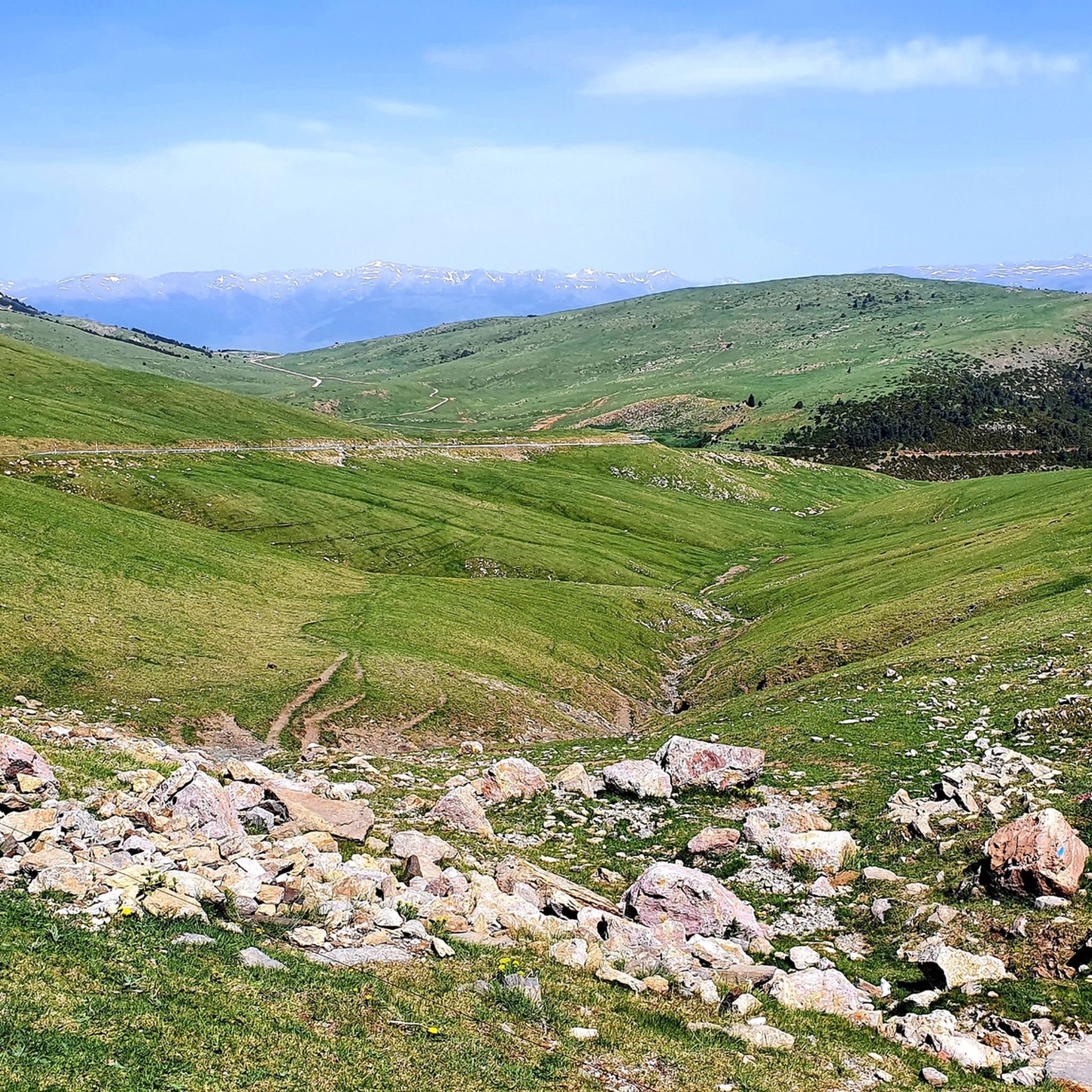
Views climbing the Coll de la Creueta
Highlight • Mountain Pass
Bordering peak between the Ripollés and Berguedá regions and dividing the waters between the Ter and Llobregat rivers.
The slope of the bergadá is included in the …
Translated by Google •
Tip by

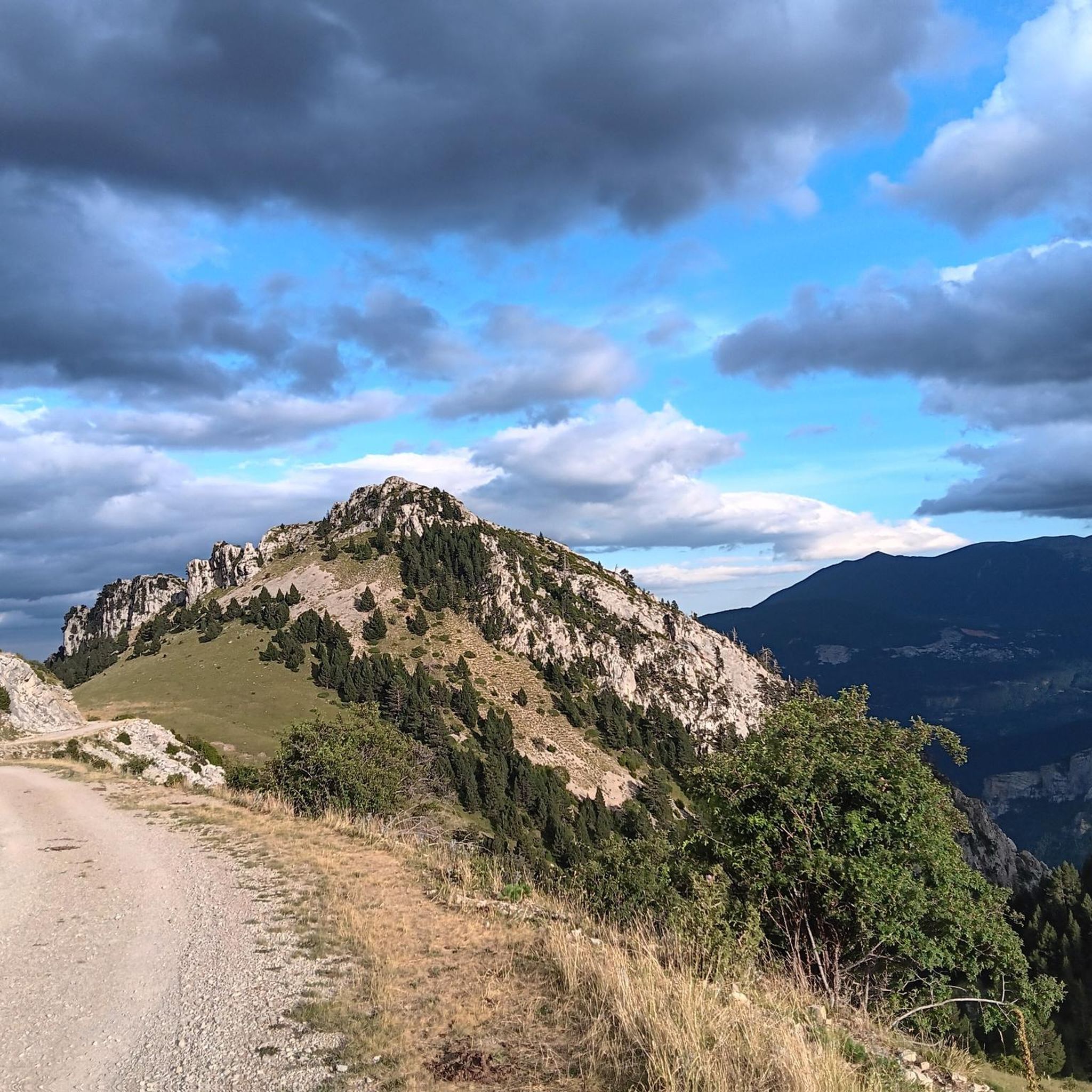
Penyes Altes del Moixeró
Highlight • Summit
Translated by Google •
Tip by

Sign up now to discover places like this
Get recommendations on the best single tracks, peaks, & plenty of other exciting outdoor places.
Sign up for free
Gosolans Pass
Highlight • Mountain Pass
Translated by Google •
Tip by

Source of the Llobregat River
Highlight • River
Translated by Google •
Tip by

Els Empedrats Waterfall and Gorge
Highlight • Gorge
Translated by Google •
Tip by

Sign up for free to discover even more natural monuments in Cadí-Moixeró.
Sign up for free
Already have an account?
Start today with a free account
Your next adventure awaits.
Login or Signup
Popular around Cadí-Moixeró
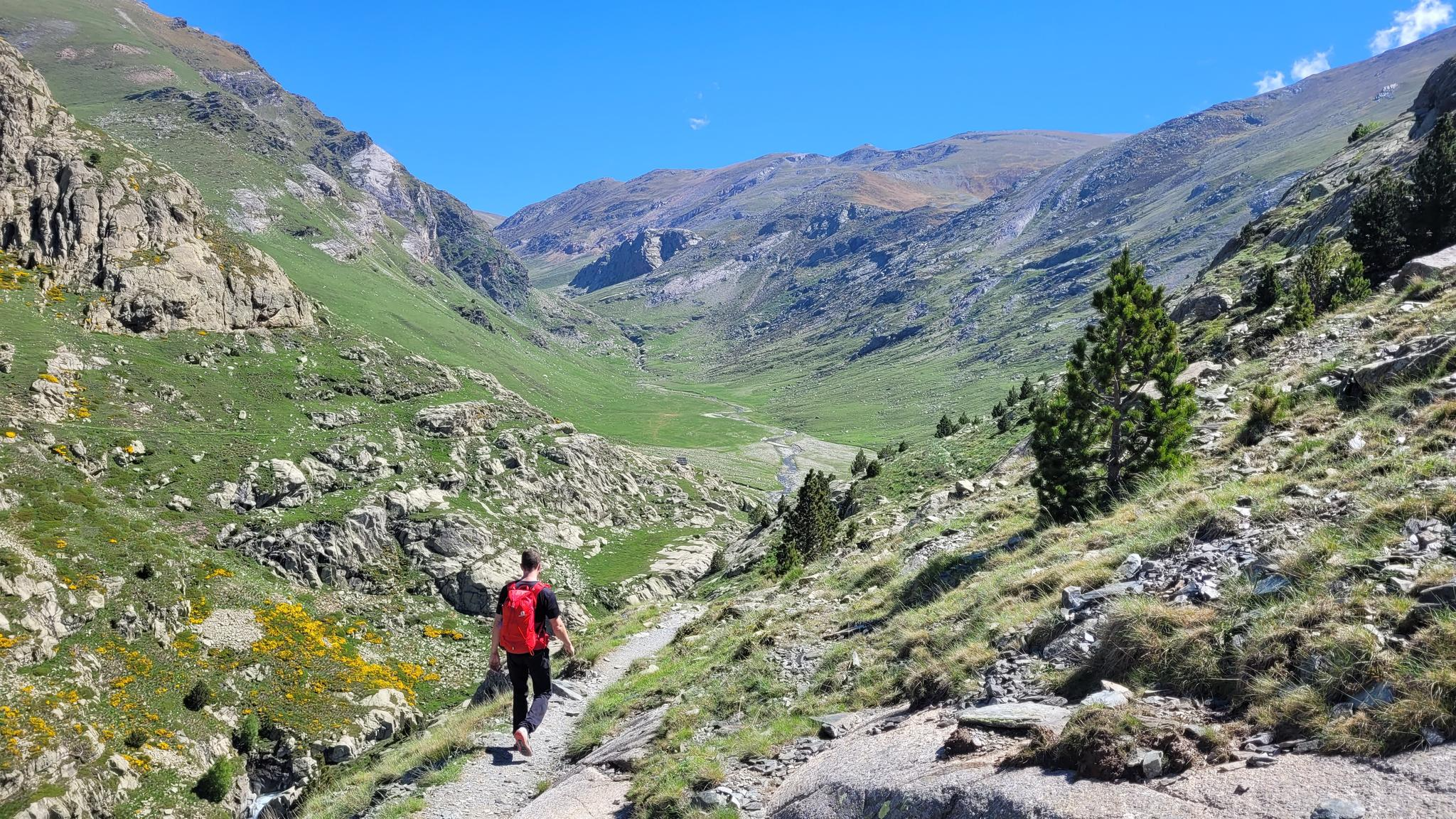
10 hikes with teenagers — Catalan paradises
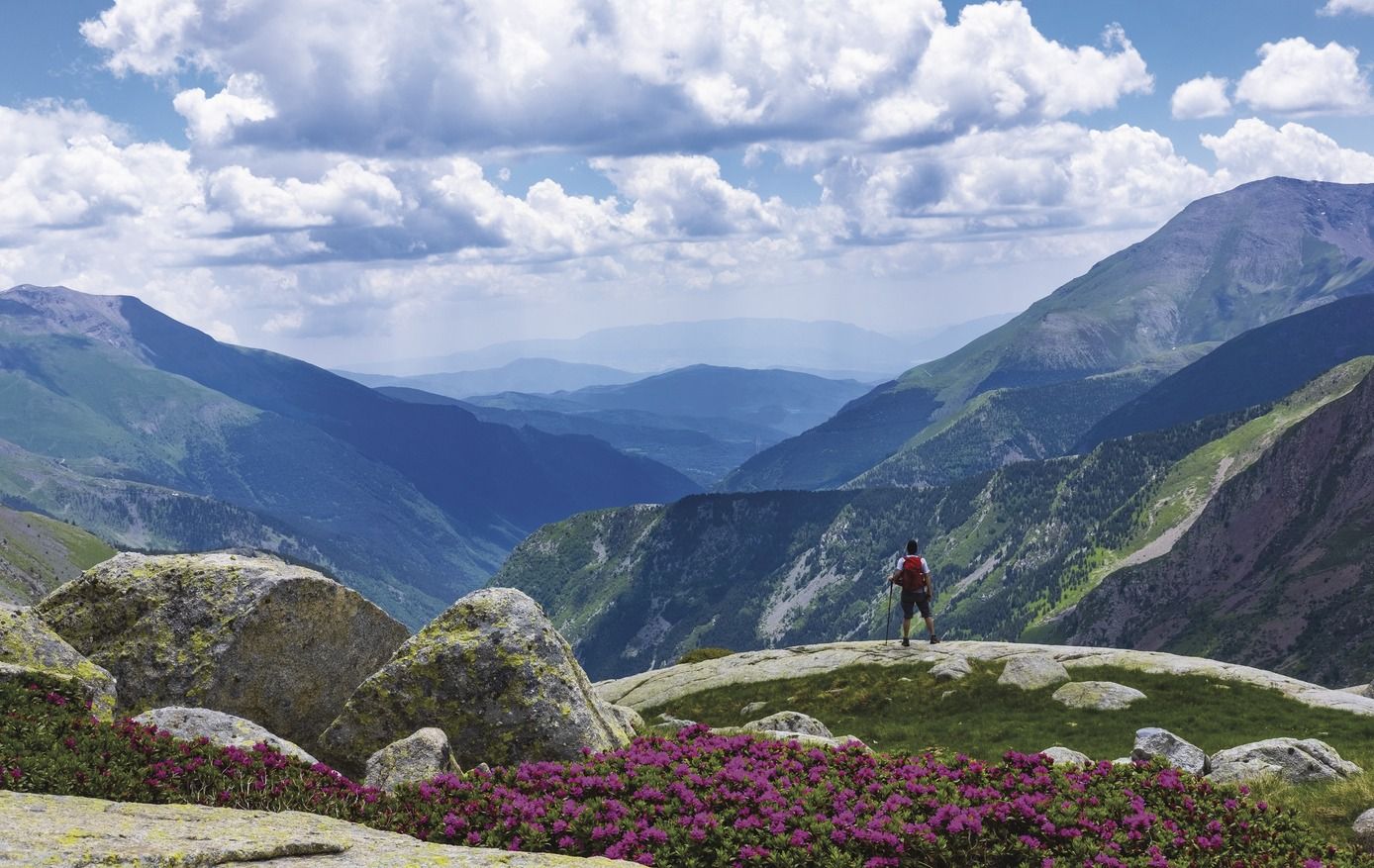
Great Hiking Routes of Catalonia
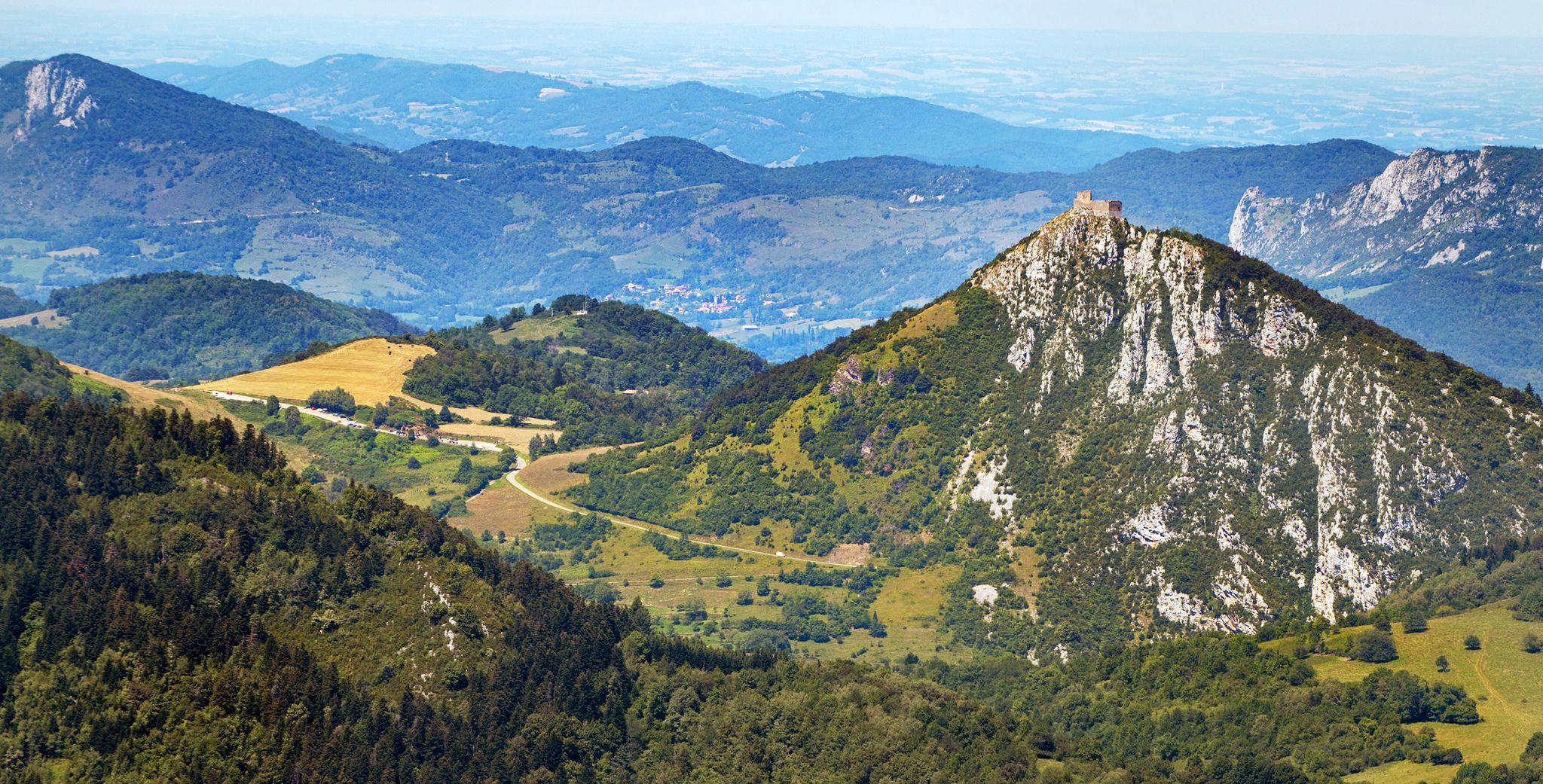
Cathar Route from Catalonia to France – Bons Homes Path (GR 107)
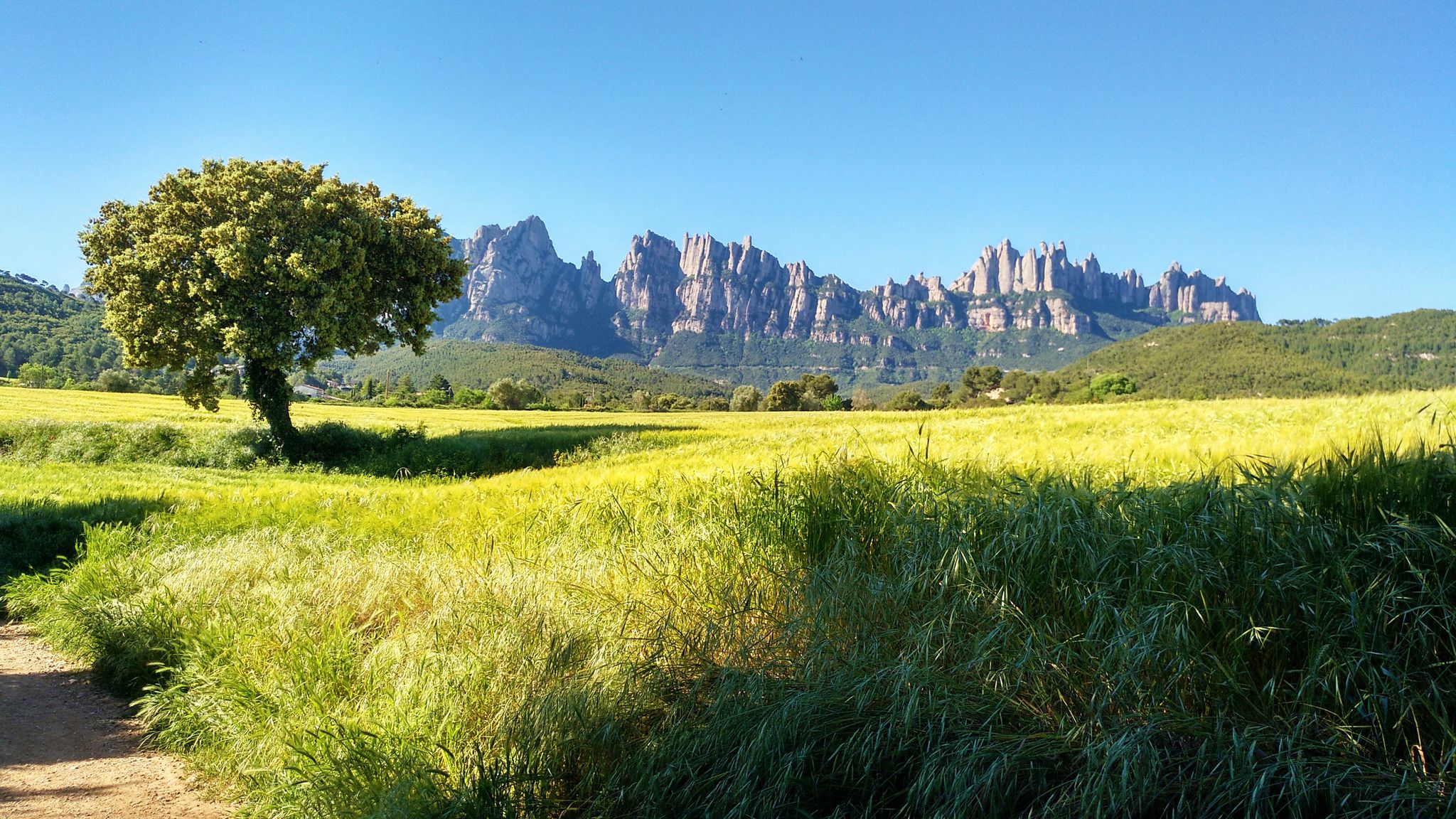
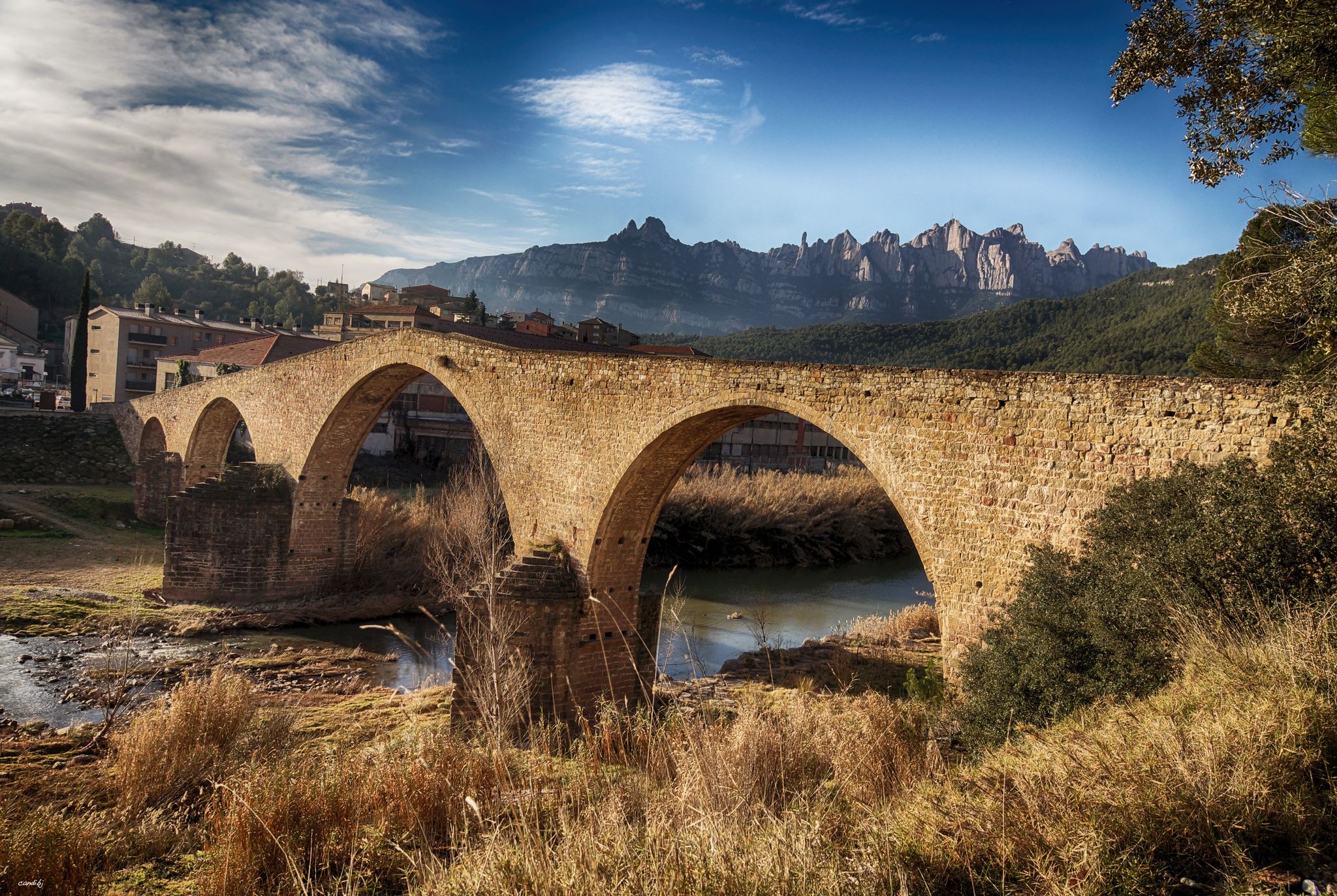
On foot from France to Montserrat – GR 4
The river of Barcelona – El Camí del Llobregat
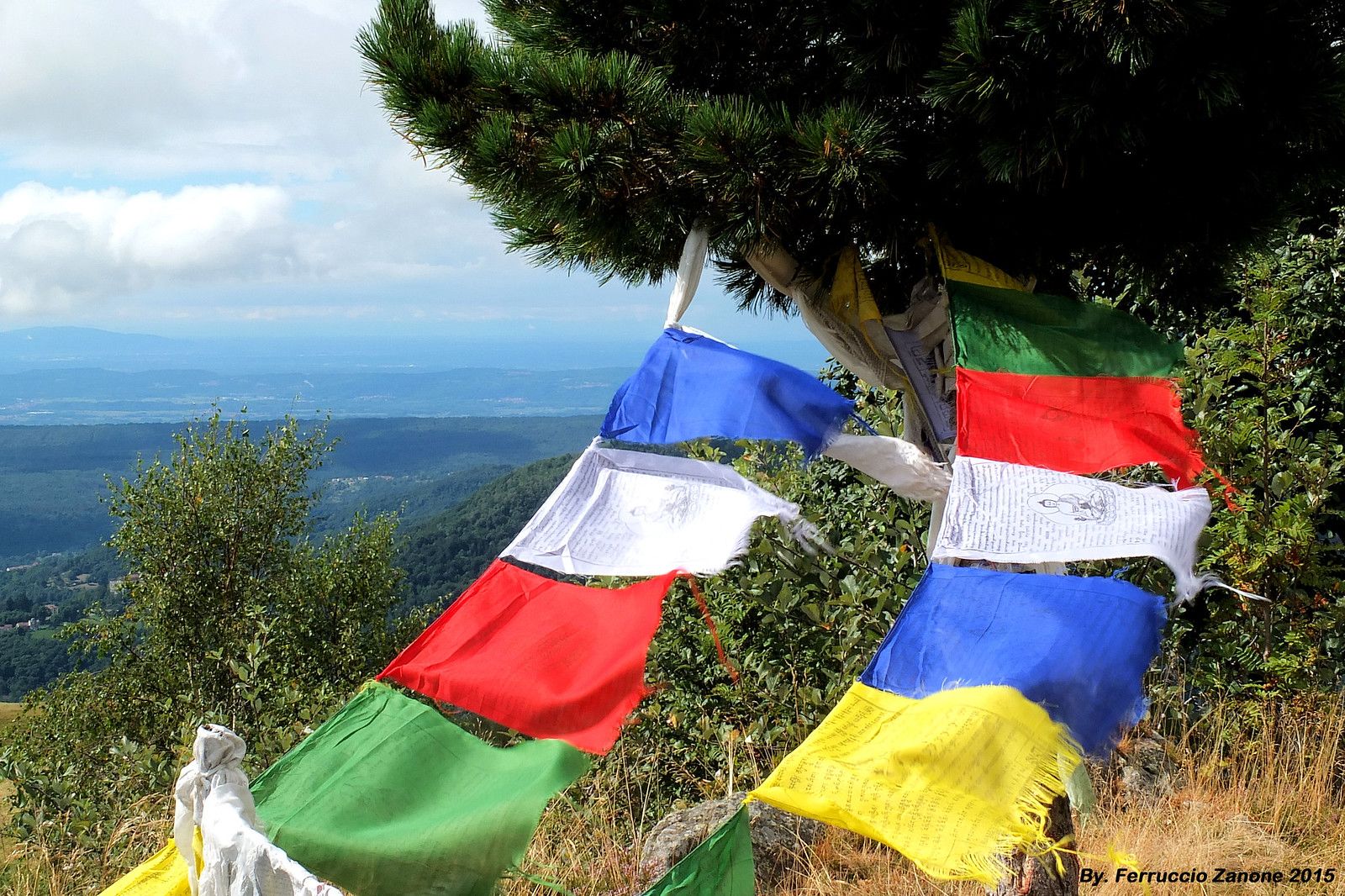
The symbol of Nepal in the Pyrenees – Cavalls del Vent
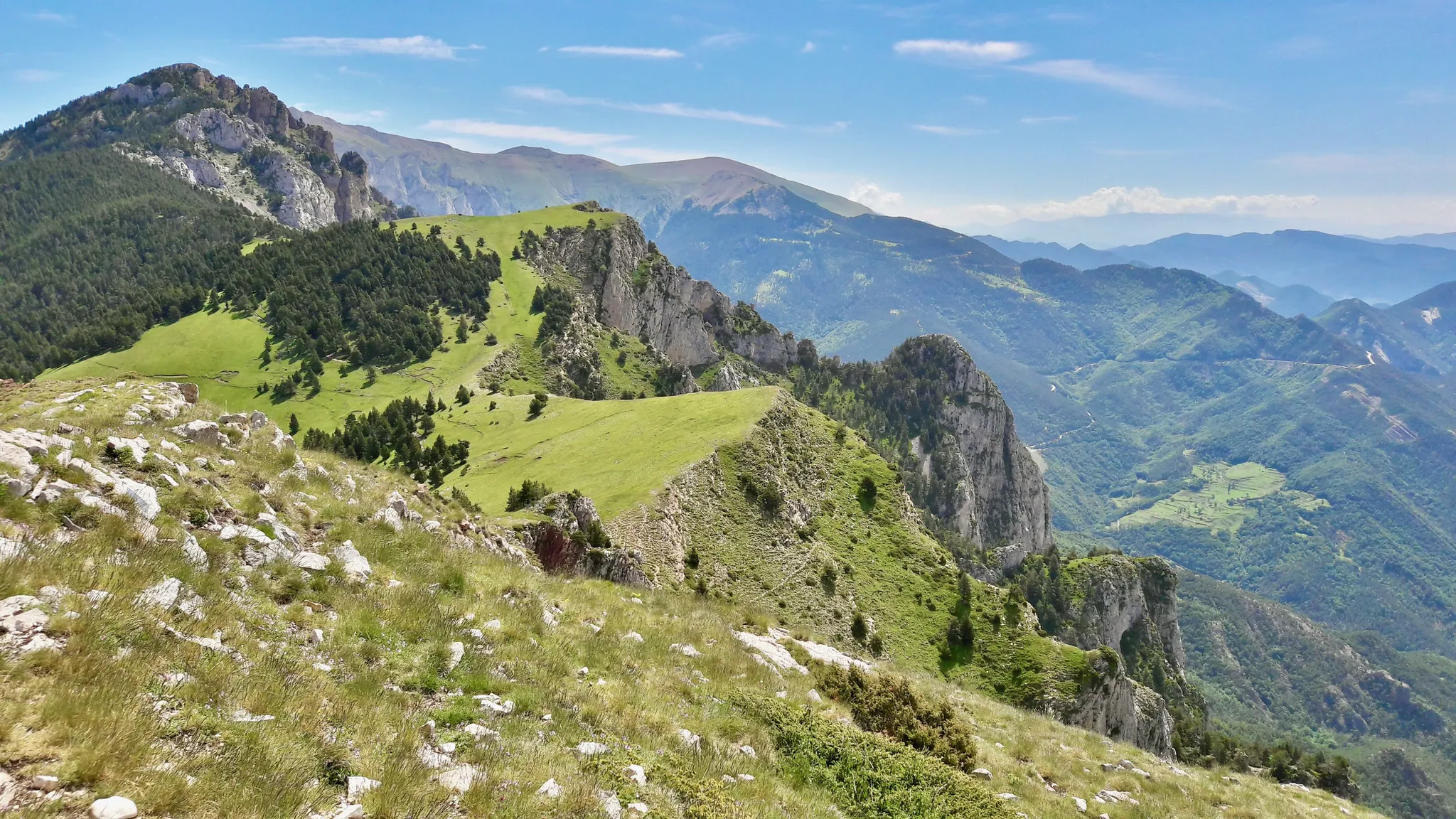
Hiking in Cavalls del Vent — Spain’s Parque Natural Cadí-Moixeró
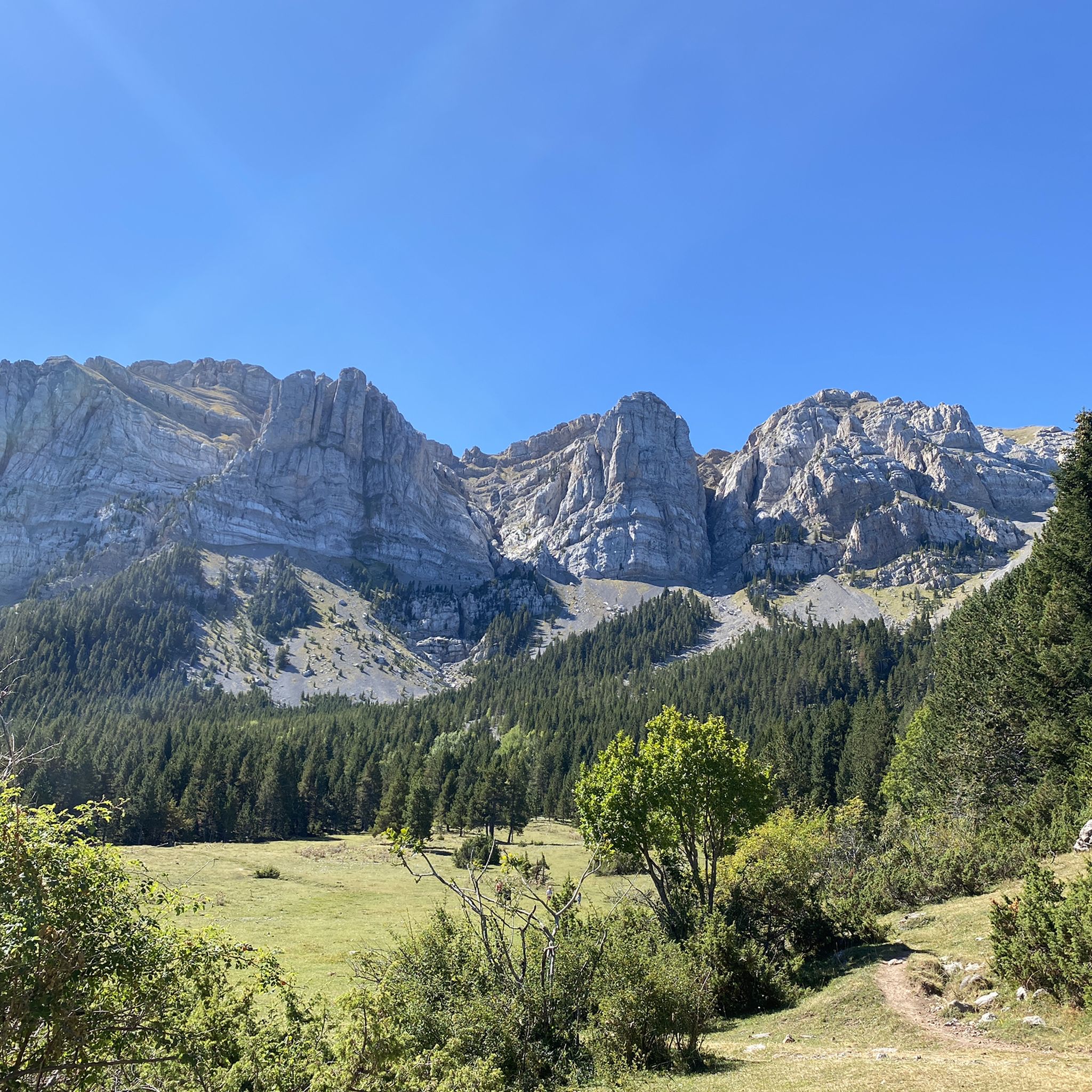
Hiking in Cadí-Moixeró
Road Cycling Routes in Cadí-Moixeró
Running Trails in Cadí-Moixeró
Other adventures in Cadí-Moixeró


Tips from the Community

Hellish climb but with spectacular views, good asphalt too
0
0

views of Tossa d'Alp, Pedraforca, Cadi and Serra Ensija
0
0

There are a couple of rope climbs just before the summit, but they are not difficult at all. My 20kg dog climbed them up and down without any problems.
0
0

Birth of the Llobregat river. Stairs and directions for a nice and easy walk (with some stairs!)
0
0

Puerto de Montaña with spectacular views, if you know it from the side of Castellar de Hug, you see Pedraforca and all the cadí, and going up through La Molina, views of Cerdanya and the French Western Pyrenees (Peric, Carlit...).
0
0

Spectacular panoramas over the alpine meadows of the Pyrenees.
0
0
Classic mountain pass of the Pyrenees, natural border between Berguedà and Cerdanya, reaches up to 1888 masl with an average slope of 5% (depends on the slope). Be careful in the summer, you won't find even a shade to take refuge in.
0
0

The best views are enjoyed in the last 2 km before reaching the south side. The best time to enjoy good views are clear days in autumn, winter and spring, when you can clearly see Montserrat, Tibidabo and Montseny.
0
0
Frequently Asked Questions
What are some of the most iconic natural monuments in Cadí-Moixeró?
The Cadí-Moixeró Natural Park is home to several iconic natural monuments. The Penyes Altes del Moixeró summit offers extensive 360º panoramic views. The Pedraforca Massif, with its distinctive forked shape, is another emblematic peak. You can also visit the spectacular Source of the Llobregat River, where water springs directly from the subsoil, forming waterfalls.
What kind of landscapes and natural features can I expect to see in Cadí-Moixeró Natural Park?
The park offers a wide array of ecosystems, from extensive forests of oak, black pine, beech, and fir, to subalpine meadows blooming with small flowers in summer. You'll encounter dramatic limestone formations like the steep cliffs of the Northern Slope of the Cadí Range, high-mountain environments with peaks exceeding 2,500 meters, and unique hydrological features such as the Sources of the Bastareny River and the Els Empedrats Waterfall and Gorge.
Are there any natural monuments suitable for families in Cadí-Moixeró?
Yes, the Els Empedrats Waterfall and Gorge is easily accessible via a well-marked footpath and features a beautiful waterfall with a small pool, making it a pleasant destination for families. The trail along the river is ideal for a refreshing walk.
What is the best time to visit the natural monuments in Cadí-Moixeró?
The best time to visit depends on your preferred activities. Summer offers pleasant weather for hiking and seeing alpine meadows in bloom. Spring and autumn showcase the diverse forests changing colors. For winter hiking, conditions can be challenging, and specific gear is required due to snow and ice at higher elevations.
What outdoor activities can I do near the natural monuments in Cadí-Moixeró?
The Cadí-Moixeró Natural Park is excellent for various outdoor activities. You can find numerous hiking trails, including routes like the 'Moixeró Summit Loop' or 'Els Empedrats and Refuge Sant Jordi'. For cycling enthusiasts, there are gravel biking and mountain biking routes available. You can explore more options on the Hiking in Cadí-Moixeró, Gravel biking in Cadí-Moixeró, and MTB Trails in Cadí-Moixeró guide pages.
Are there challenging hiking trails to reach some of the natural monuments?
Yes, many natural monuments in Cadí-Moixeró are located in high-mountain terrain and can be reached via challenging trails. For instance, reaching the Penyes Altes del Moixeró summit or traversing the Gosolans Pass often involves difficult routes. These areas are popular with experienced hikers and mountaineers, particularly the Pedraforca Massif, known as the cradle of Catalan mountaineering.
What unique geological features are present in the Cadí-Moixeró Natural Park?
The park's geology is characterized by impressive limestone formations, ancient volcanism, and karst manifestations. A prime example is the Source of the Llobregat River, where groundwater flows through fissures in calcareous rocks to emerge as waterfalls. The dramatic steep cliffs of the Cadí Range also showcase the region's rugged geological history.
Can I spot wildlife near the natural monuments in Cadí-Moixeró?
The Cadí-Moixeró Natural Park is known for its high biodiversity and offers excellent opportunities for wildlife watching. You might spot chamois, roe deer, and red deer. Bird species like the woodpecker (the park's symbol) and the impressive bearded vulture are also present, especially in the more remote areas and higher elevations.
Are there any mountain passes that are considered natural monuments in the region?
Yes, the park features significant mountain passes that are also natural monuments. The Gosolans Pass, located at about 2,400 meters in the Sierra del Cadí, is a magical place on the well-known Cavalls del Vent route. Another important one is El Collell Pass, which marks the intersection of several popular routes in the area.
What do visitors enjoy most about the natural monuments in Cadí-Moixeró?
Visitors frequently appreciate the extensive panoramic views from summits like Penyes Altes del Moixeró. The refreshing trails along rivers, such as the one leading to Els Empedrats Waterfall and Gorge, are also highly enjoyed, especially on warm days. The unique natural spectacle of the Source of the Llobregat River is another highlight for many.
Are there any former glacial features in the Cadí-Moixeró Natural Park?
Yes, the park's geological history includes evidence of glacial erosion. Prat de Cadí is a noteworthy feature that was once a glacial lake, showcasing the impact of past glaciation on the landscape.
Most popular routes in Cadí-Moixeró
Most popular attractions in Cadí-Moixeró

Get inspired with the komoot mobile app


Explore more
Extend your search for the best caves by checking out these guides of the top ones in Cadí-Moixeró:
