Top 6 Natural Monuments in Parc National De Doñana
Best natural monuments in Parc National De Doñana showcase a unique mosaic of ecosystems, making it a UNESCO World Heritage site and Biosphere Reserve. The park features vast marshlands, dynamic mobile dunes, and extensive unspoiled beaches. This diverse landscape supports exceptional biodiversity, including crucial habitats for migratory birds and endangered species. Visitors can explore these significant natural features, which contribute to the park's status as one of Europe's most important natural areas.
Best natural monuments in Parc National De Doñana
…Last updated: June 27, 2026
Charco de la Boca Trail, Doñana National Park
Highlight • Trail
Translated by Google •
Tip by

Torre Carbonero Beach
Highlight (Segment) • Beach
Translated by Google •
Tip by

Sign up now to discover places like this
Get recommendations on the best single tracks, peaks, & plenty of other exciting outdoor places.
Sign up for free
Castilla Beach (Doñana National Park)
Highlight • Beach
Translated by Google •
Tip by

Charco de la Boca
Highlight • Lake
Translated by Google •
Tip by

View of the beach in Doñana National Park
Highlight • Beach
Translated by Google •
Tip by

Sign up for free to discover even more natural monuments in Parc National De Doñana.
Sign up for free
Already have an account?
Start today with a free account
Your next adventure awaits.
Login or Signup
Popular around Parc National De Doñana
Other adventures in Parc National De Doñana

Tips from the Community

Be sure to note that the beach path is 25 km long, and the sandy ground makes very slow progress. The ferry rarely arrives at night. Otherwise, the beach is beautiful.
1
0

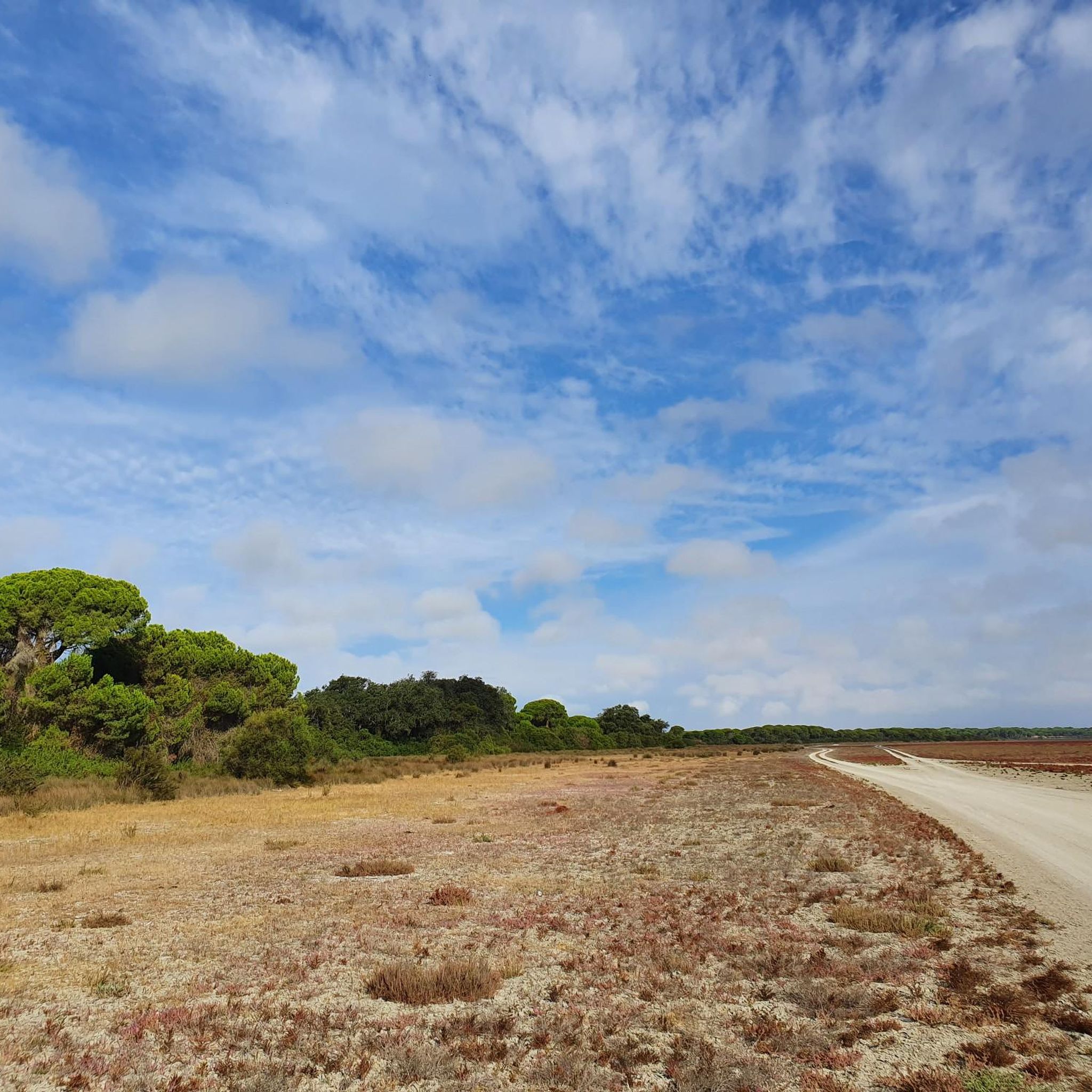
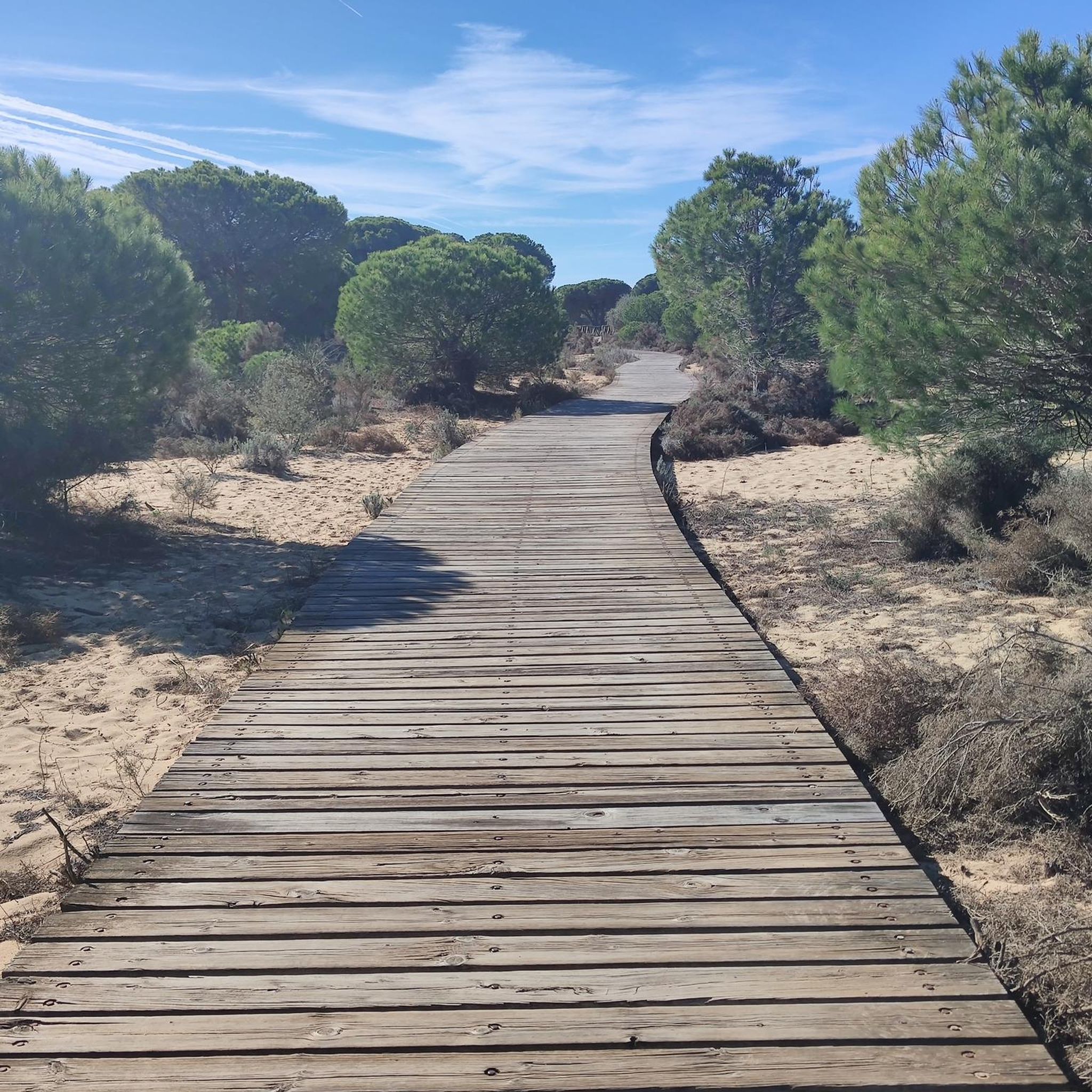
The La Rocina stream is one of the main sources of water for the marshes of the Doñana National Park and at this point it leads to an extension of the channel called Charco de la Boca. The path of the same name crosses a great biodiversity of the landscape, from a pine forest to riparian vegetation, ferns, reed beds and aromatic plants. Along the path, four observatories built as "huts" allow
7
0

Beautiful decking route with approximately 4 bird watching huts
12
1

Such a beautiful, untouched and deserted beach does not exist often
1
0
Yes, it's difficult to drive, like when you're constantly going up a 6-8% grade We also had panniers and front bags, handlebar bags. It took us 4 hours with breaks, so don't wait for the tide to go out, starting a little earlier is very good. As already written, there is no shade, no bushes and only a few shrimp fishermen were out. The experience is extraordinary and makes up for the hardship.
1
1

Very difficult but what an adventure! Probably the toughest 30km of our tour (so far). We had loaded touring bikes (with road tires, panniers and handlebar bags etc). As others have advised it made a huge difference to let out air from tires. Would advise to start cycling around 2 hours before low tide. There is no shade, are completely exposed, and so have no option but to push on! We did it in 3 hours cycling time but this included strong headwind which caught us off guard and slowed our pace. IMPORTANT: completely depends on tide times, which, to use that old nautical idiom, means you really are stuck between the devil and the deep blue sea!
1
0

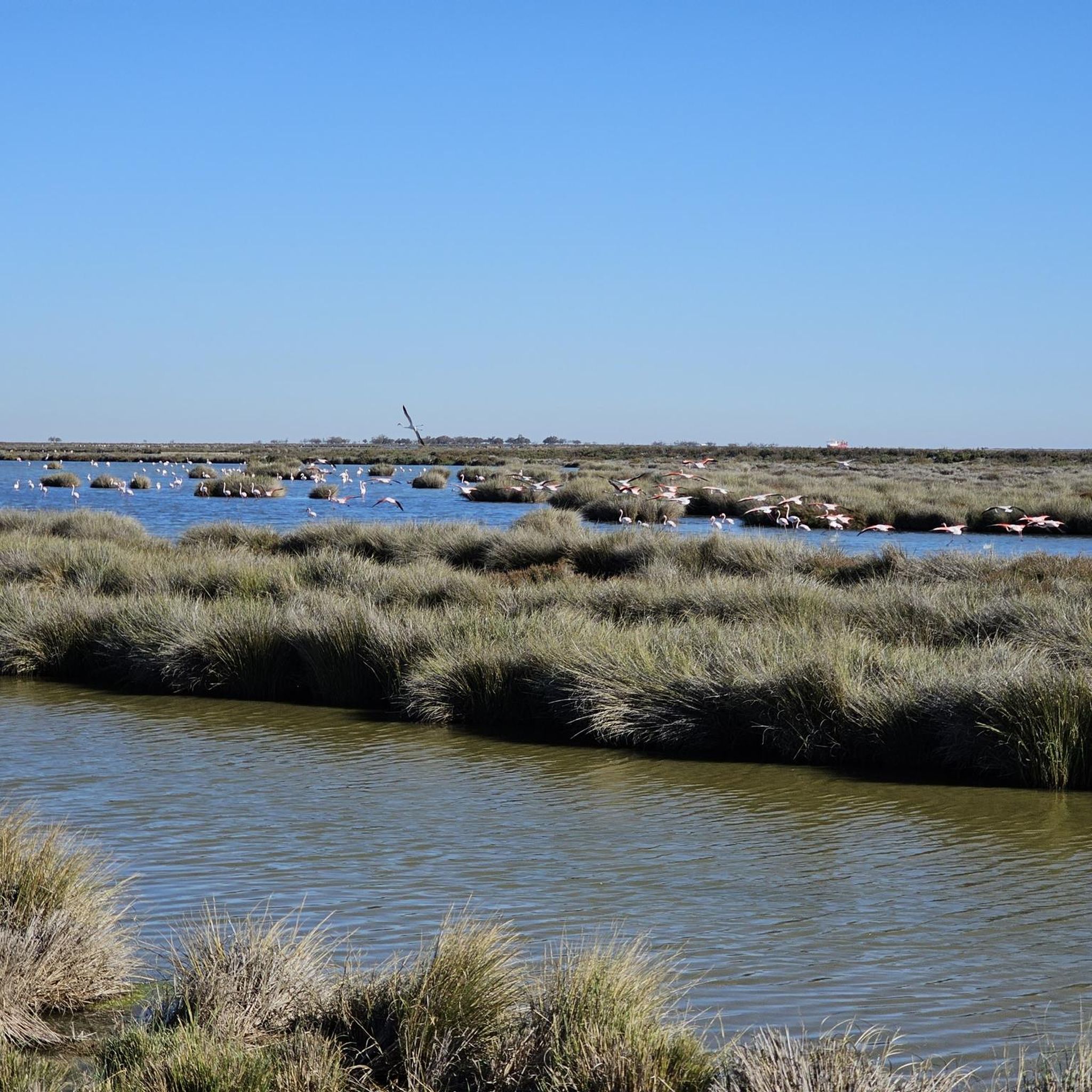
Great adventure! A western town with a lagoon and flamingos and a whole national park right there: https://youtu.be/hnqMIt_kL3o
4
0

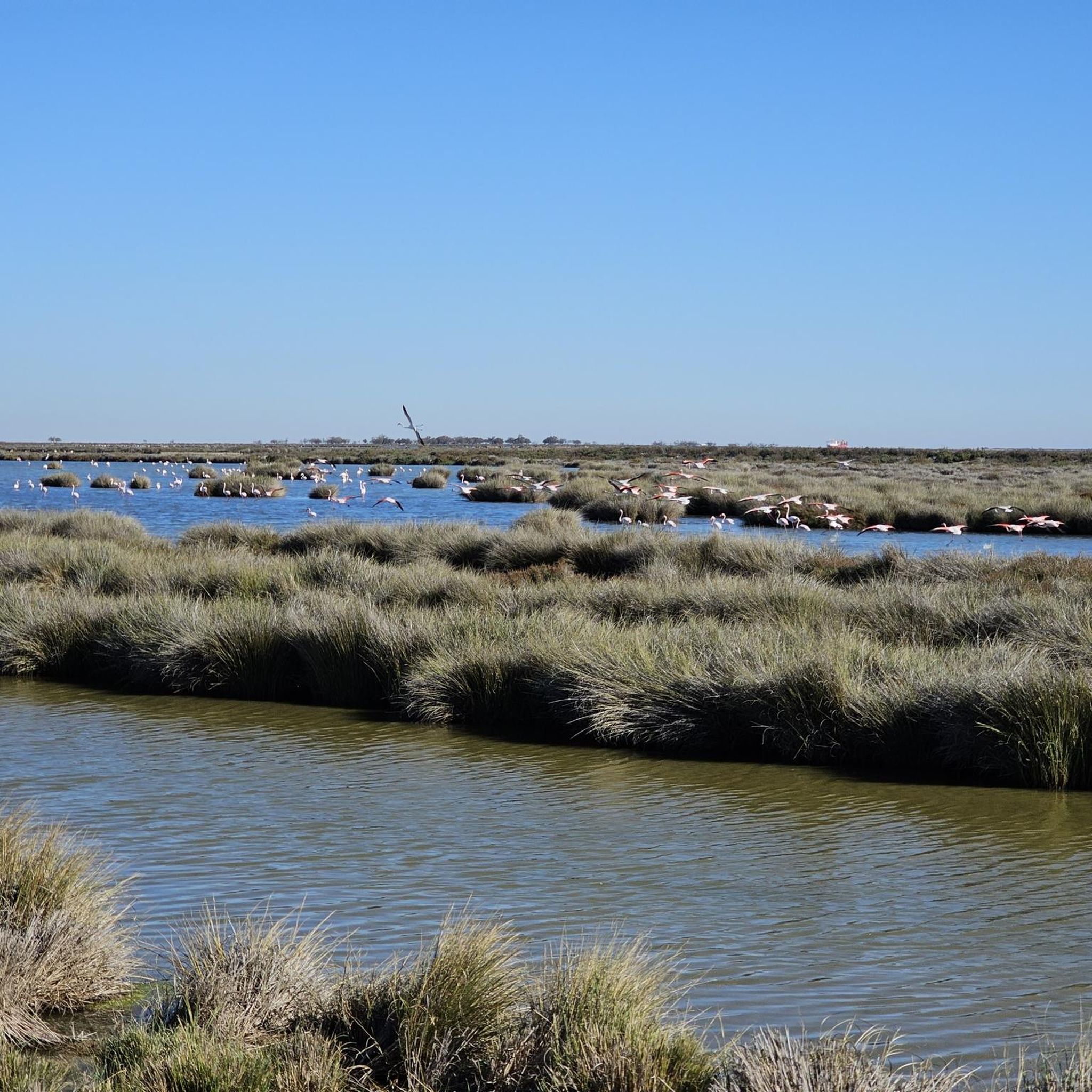
Located within the Doñana Natural Park and next to the picturesque town of El Rocío, this wonderful natural ecosystem is the ideal place for those who enjoy bird watching and this type of biosphere. It can be traveled along the Paseo Marismeño path, an entertaining walk for the whole family.
1
0
Frequently Asked Questions
What are some of the most popular natural monuments to visit in Parc National De Doñana?
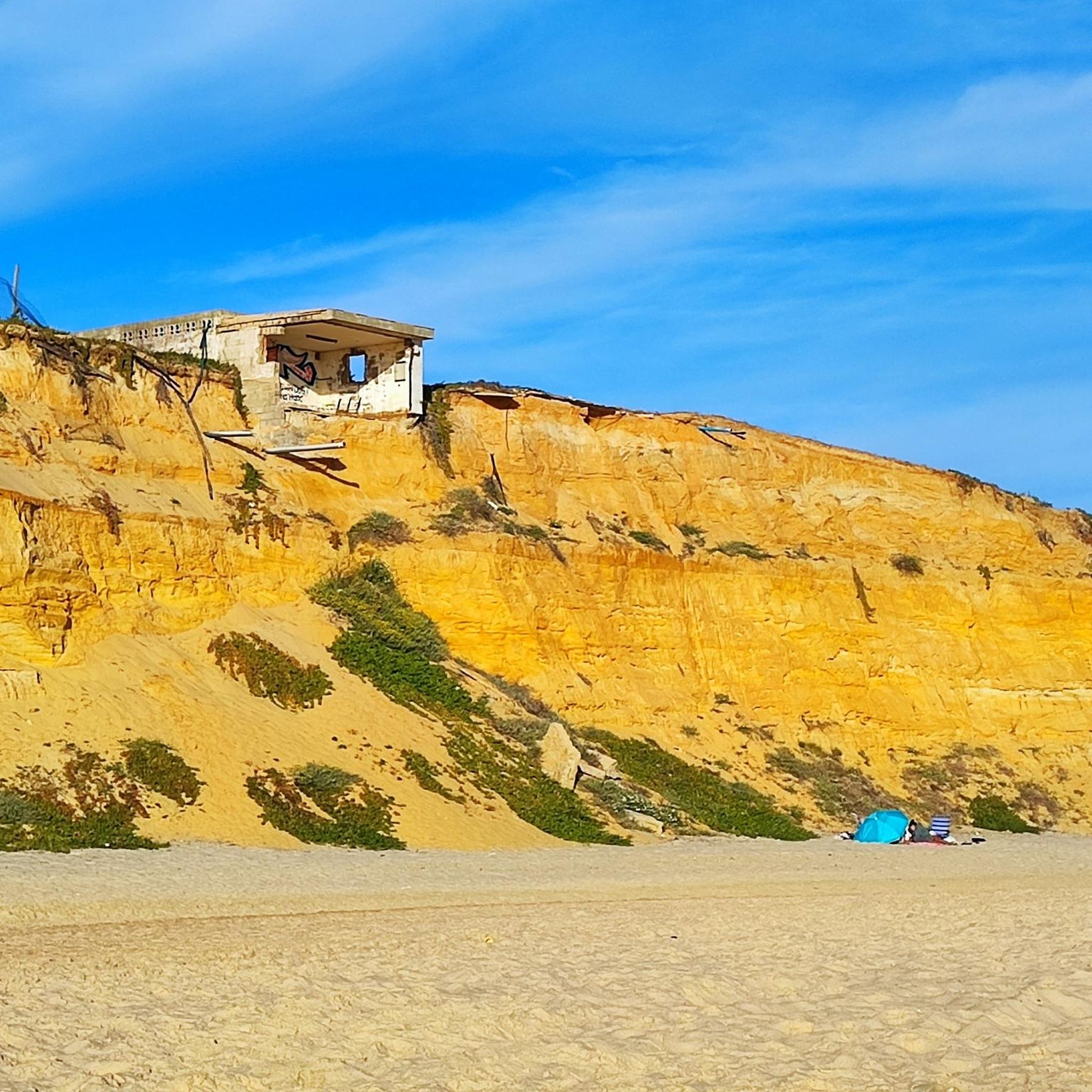
Visitors frequently enjoy the Charco de la Boca Trail, Doñana National Park, a decking route with bird watching huts, and the extensive Castilla Beach (Doñana National Park), known for its rustic beauty and steep cliffs. Another notable spot is Torre Carbonero Beach, which offers a challenging but rewarding experience at low tide.
What unique natural features can I expect to see in Parc National De Doñana?
Parc National De Doñana is a mosaic of diverse ecosystems. You can explore the vast Marshes (Las Marismas), which are crucial for migratory birds, and the impressive Asperillo Dunes, a recognized natural monument featuring fossil dunes and sandstone cliffs. The park also boasts dynamic Mobile Dunes that slowly advance, burying pine forests, and extensive unspoiled beaches.
Are there family-friendly natural monuments or activities in Parc National De Doñana?
Yes, the park offers family-friendly options. The Charco de la Boca Trail, Doñana National Park is a circular route with bird watching huts, perfect for families. Additionally, the Charco de la Boca lake area, accessible via the Paseo Marismeño path, is ideal for bird watching and an entertaining walk for all ages.
When is the best time to visit Parc National De Doñana to see its natural monuments and wildlife?
The best time to visit often depends on what you wish to see. Winter transforms the marshes into a massive lake, teeming with millions of birds, including ducks, greylag geese, and flamingos, creating a spectacular 'pink carpet' during feeding season. Spring and autumn are also excellent for birdwatching during migration periods. The dynamic dunes and beaches can be appreciated year-round, though summer can be very hot.
What kind of wildlife can be observed at the natural monuments in Doñana?
Doñana is renowned for its exceptional biodiversity. The marshlands are a vital stopover for millions of migratory birds, including flamingos, ducks, and various waders. You might also spot endangered species like the Spanish imperial eagle. The forests and scrubland provide habitat for mammals such as the endangered Iberian lynx, fallow deer, and wild boar.
Are there any challenging natural monuments or routes for experienced adventurers?
Absolutely. The Torre Carbonero Beach and Castilla Beach (Doñana National Park) offer challenging sections that can only be traversed at low tide, often requiring wide tires if cycling. These extensive beach routes provide a unique adventure for those prepared for demanding conditions.
What outdoor activities can I do near the natural monuments in Parc National De Doñana?
Beyond exploring the natural monuments themselves, you can enjoy various outdoor activities. There are numerous cycling routes, including road cycling, gravel biking, and touring bicycle options. For example, you can find routes like the 'Torre del Loro Beach and Ruins – Almonte–Matalascañas Route loop' for gravel biking or the 'Hermitage of El Rocío – Rocío loop' for touring bicycles. You can explore these and more on the dedicated cycling guides for the region. For more information, visit the Road Cycling Routes in Parc National De Doñana, Gravel biking in Parc National De Doñana, and Cycling in Parc National De Doñana guides.
Do I need a permit to visit the natural monuments in Parc National De Doñana?
While the entrance to the national park itself is generally free, access to certain areas, especially the interior of the park, is heavily regulated. Visitor numbers are limited, and you may need to join guided tours to explore specific sensitive zones or observe rare animal species. It's advisable to check with visitor centers for current regulations and permit requirements for independent visits to particular areas.
What do visitors enjoy most about the natural monuments in Parc National De Doñana?
Visitors particularly appreciate the sense of tranquility and vast natural beauty offered by the unspoiled beaches and dynamic dune landscapes. The opportunity for exceptional bird watching, especially in the marshlands, is a major draw. Many also enjoy the unique adventure of traversing challenging beach sections and the picturesque views from coastal cliffs.
Are there any specific geological formations or unique landscapes to look out for?
Yes, the Asperillo Dunes are a prime example, explicitly recognized as a natural monument for their unique geological formations. These fossil dunes and sandstone cliffs are continuously sculpted by the wind, creating ever-changing peaks. The park's Mobile Dunes, some over 30 meters high, are another impressive natural phenomenon, slowly advancing and burying pine forests in their path.
Where can I find visitor centers or starting points for exploring the natural monuments?
The La Rocina visitor center is a common starting point, particularly for the Charco de la Boca Trail, Doñana National Park. The tourist town of Matalascañas, surrounded by the National Park, also hosts several visitor centers. These centers can provide valuable information, maps, and details on guided tours.
Most popular routes in Parc National De Doñana
Most popular attractions in Parc National De Doñana

Get inspired with the komoot mobile app


Explore more
Extend your search for the best caves by checking out these guides of the top ones in Parc National De Doñana:
