Top 4 Natural Monuments in Eildon And Leaderfoot
Best natural monuments in Eildon And Leaderfoot are characterized by the distinctive triple peaks of the Eildon Hills, remnants of ancient geological activity. This area in the Scottish Borders features a landscape shaped by volcanic rock, offering diverse terrain. The region is also notable for its historical significance, including Iron Age hill forts and Roman presence. These natural features provide panoramic views and opportunities for exploration.
Best natural monuments in Eildon And Leaderfoot
- The most popular natural monuments is Eildon…
Last updated: May 15, 2026
Eildon Hill North
Highlight • Summit
Tip by

Eildon Mid Hill Summit
Highlight • Viewpoint
Tip by

Sign up now to discover places like this
Get recommendations on the best single tracks, peaks, & plenty of other exciting outdoor places.
Sign up for free
Eildon Wester Hill
Highlight • Summit
Tip by
Priorwood Orchard
Highlight • Natural
Translated by Google •
Tip by

Start today with a free account
Your next adventure awaits.
Login or Signup
Popular around Eildon And Leaderfoot
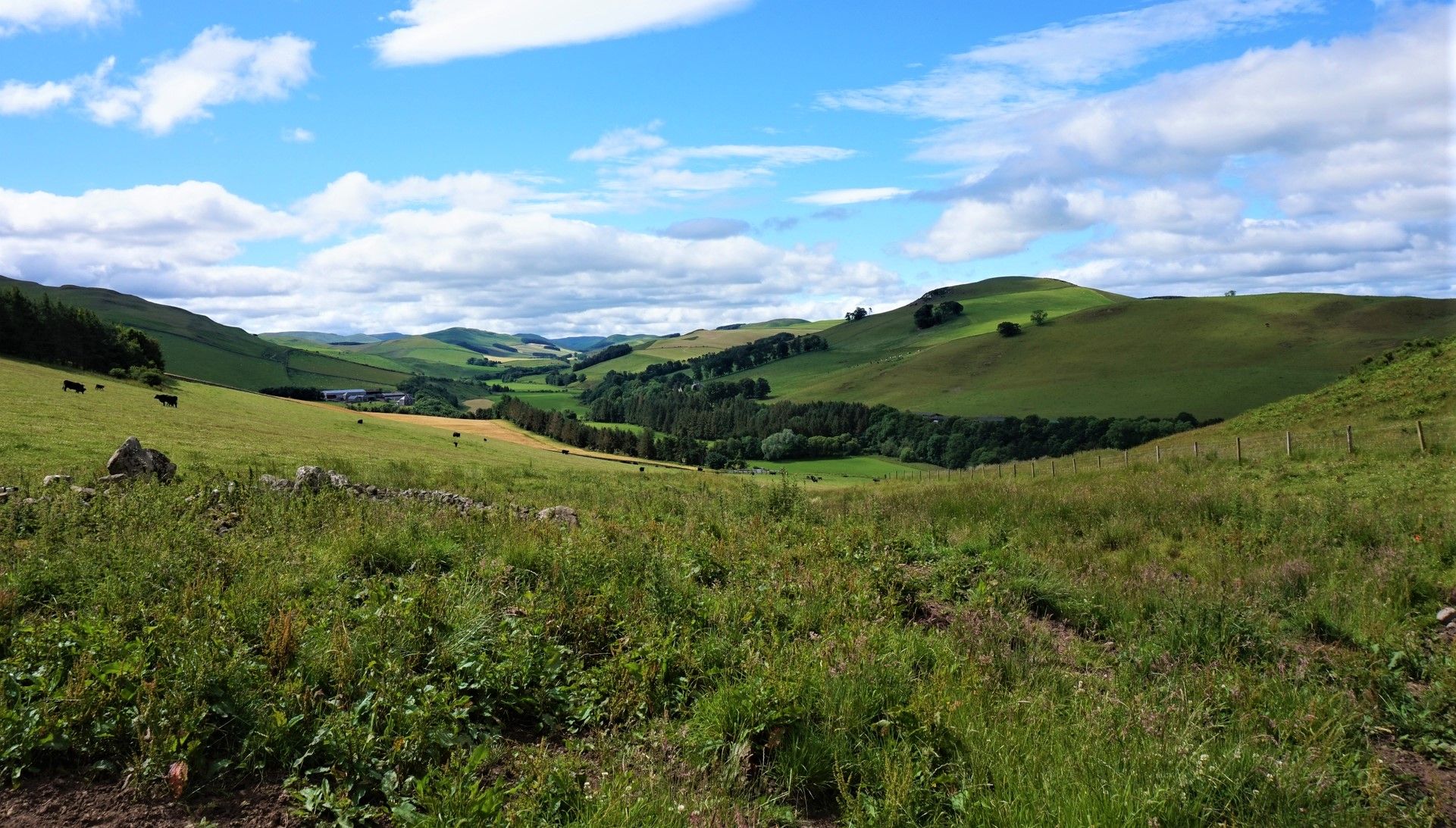
St Cuthbert's Way — Hike wild moors, historic hills and heavenly coast
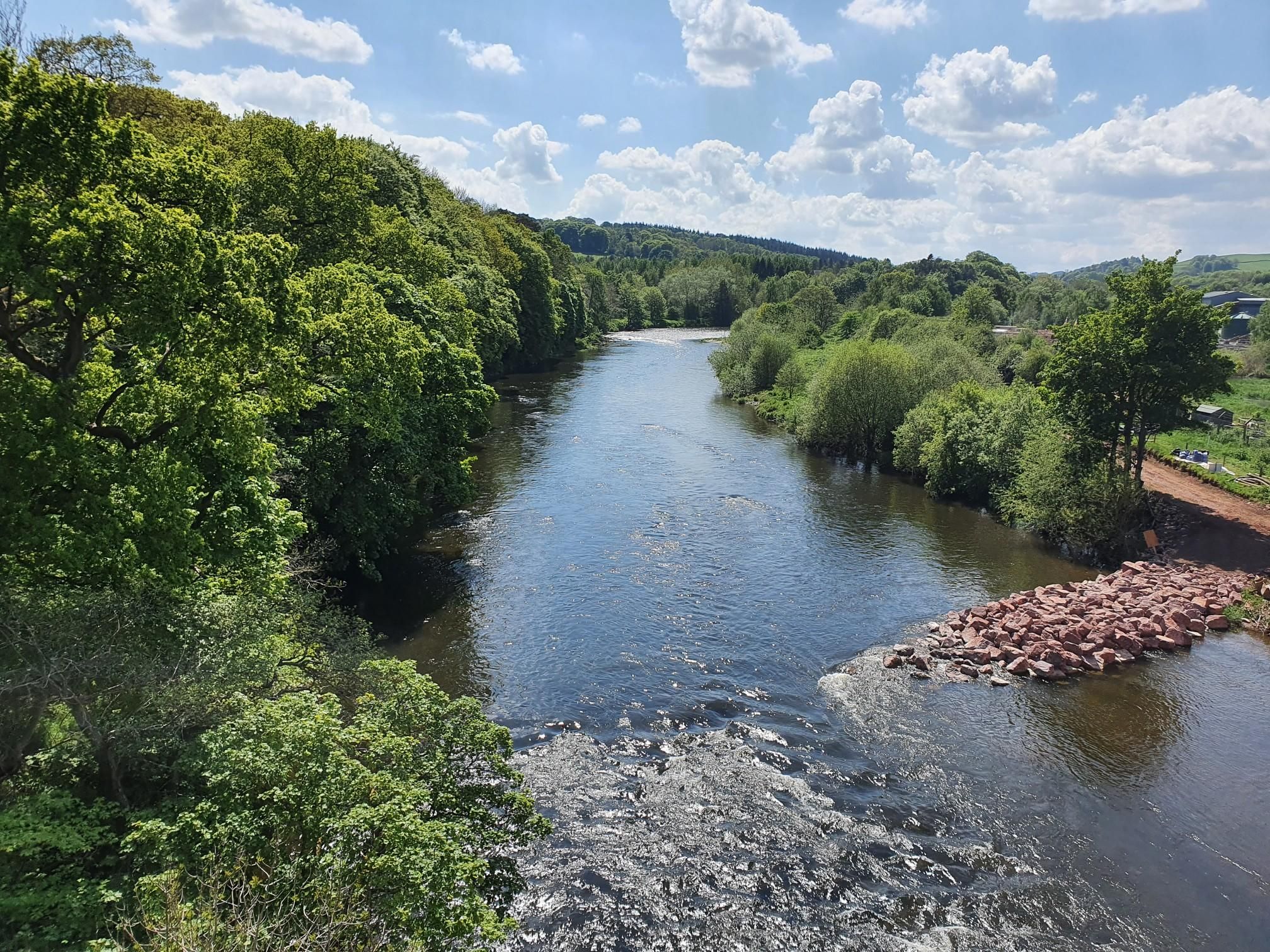
Celebrating Kirkpatrick MacMillan on the Kirkpatrick Coast to Coast
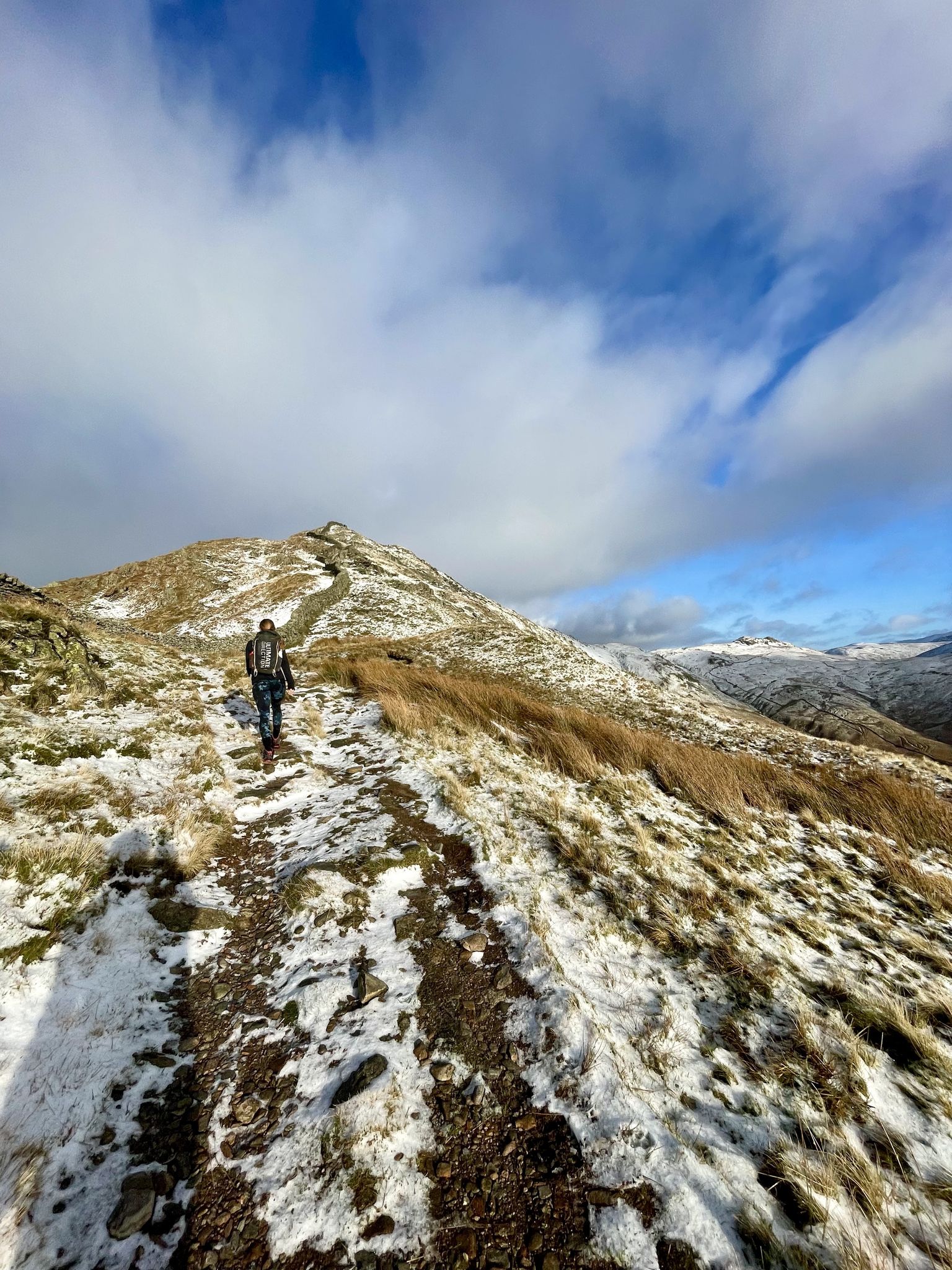
Walk Britain – 90 car-free adventures in England, Wales and Scotland
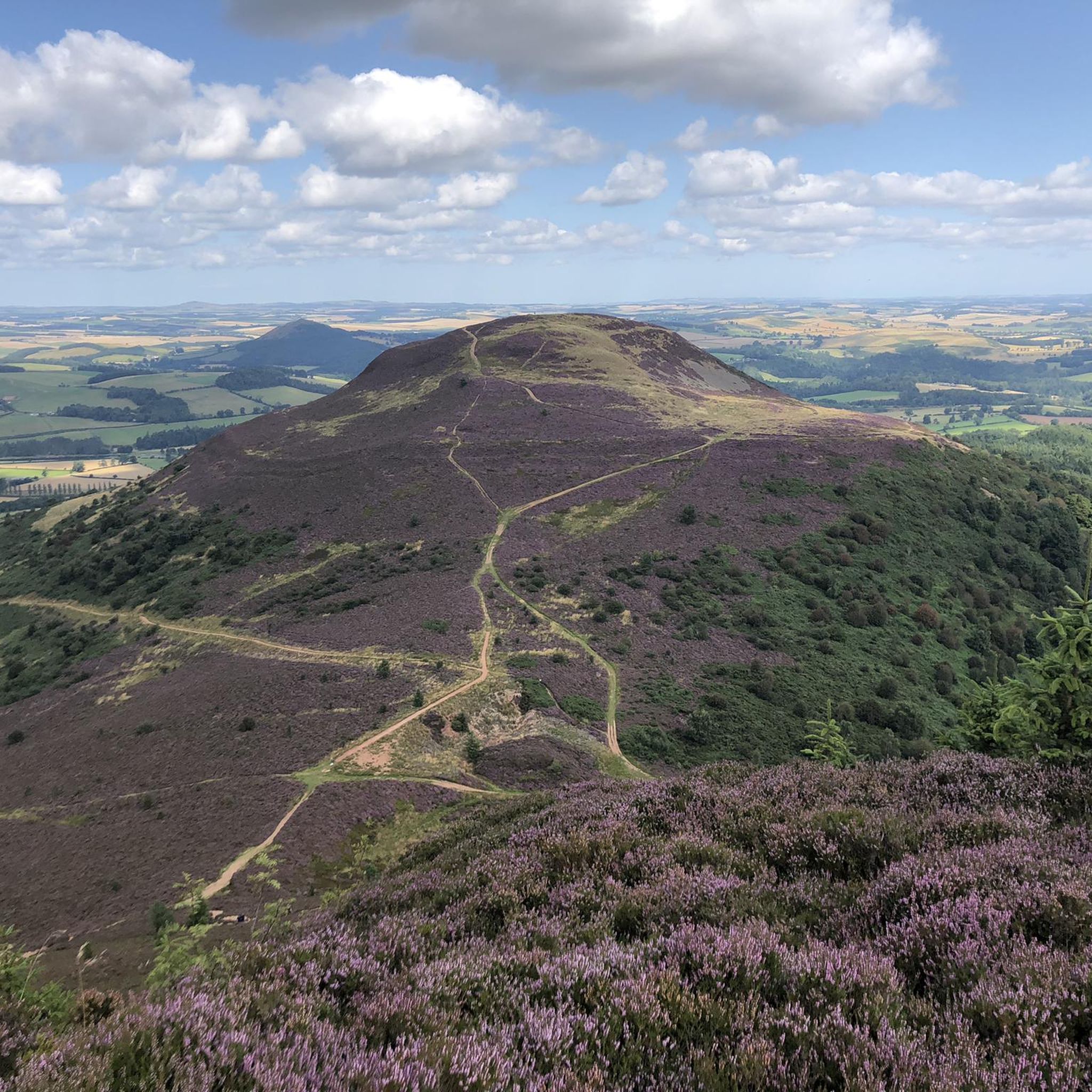
Hiking in Eildon And Leaderfoot
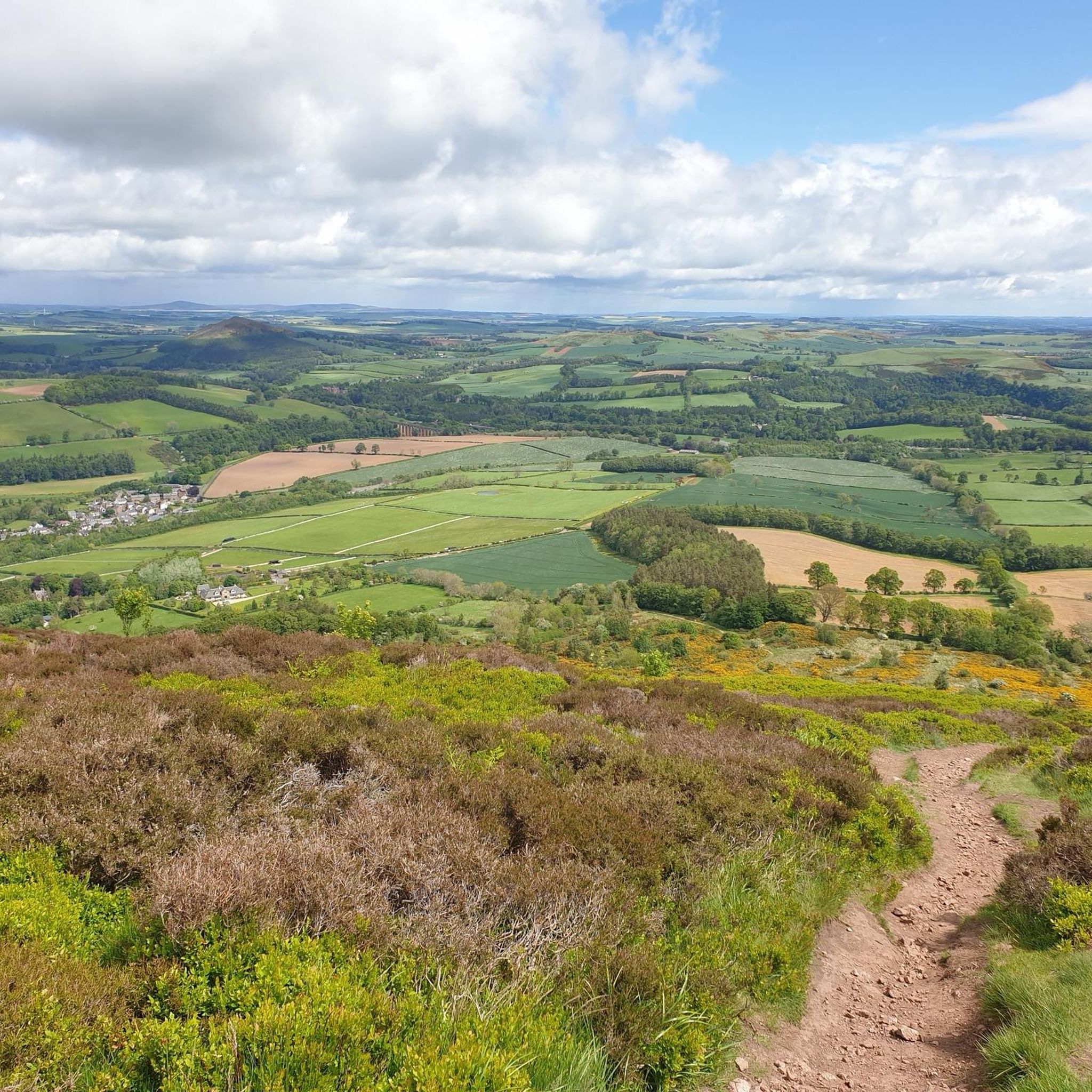
MTB Trails in Eildon And Leaderfoot
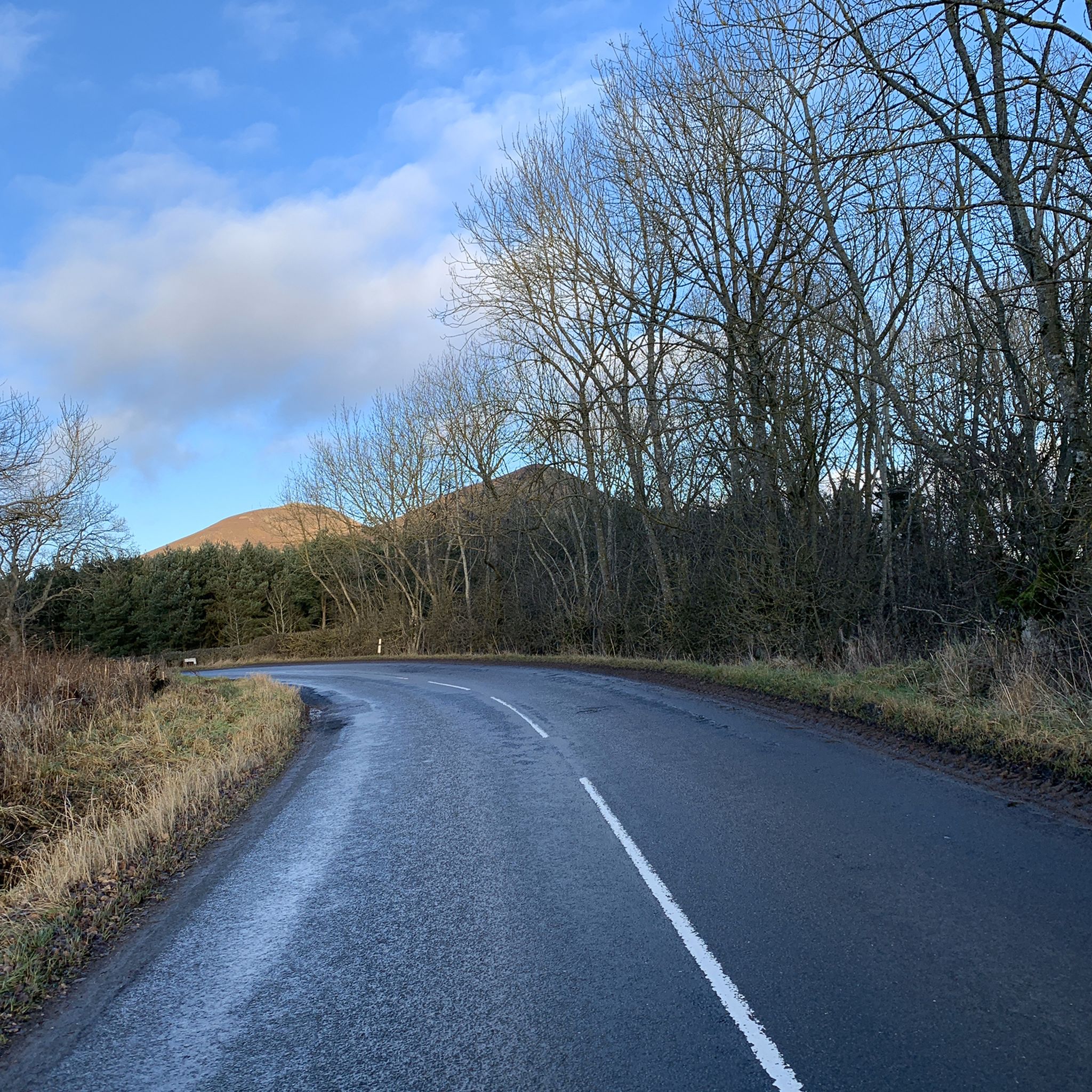
Road Cycling Routes in Eildon And Leaderfoot
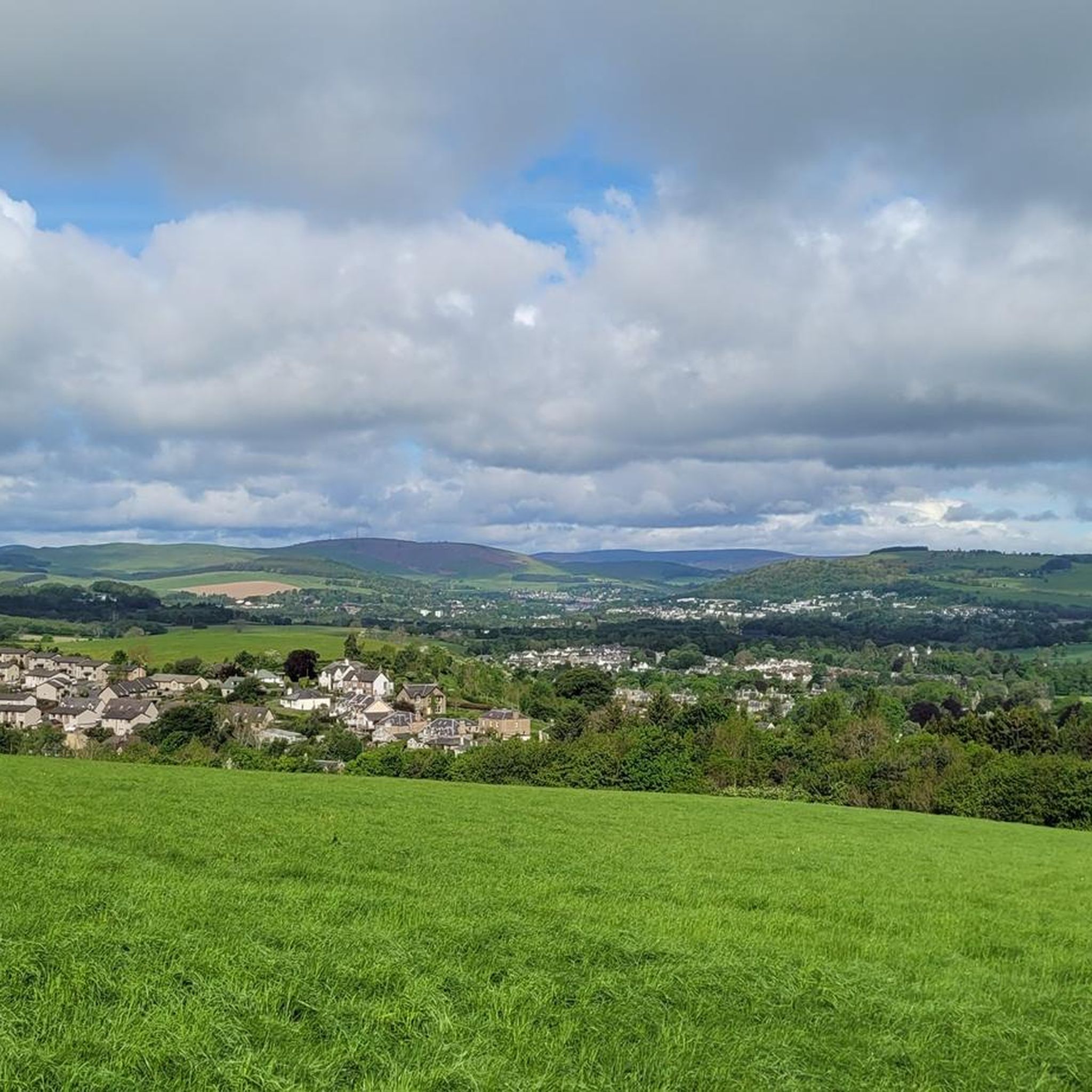
Running Trails in Eildon And Leaderfoot
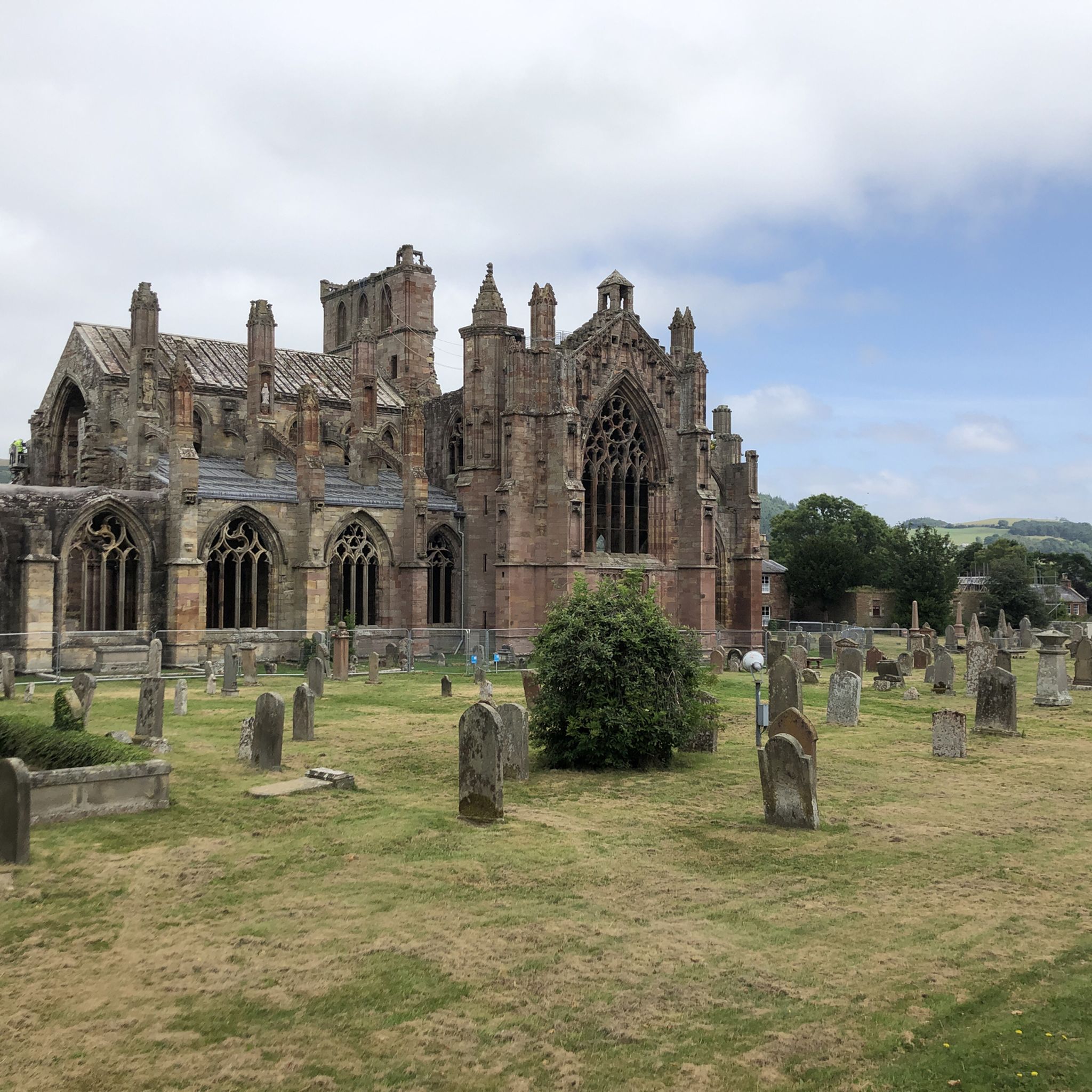
Cycling in Eildon And Leaderfoot
Gravel biking in Eildon And Leaderfoot
Other adventures in Eildon And Leaderfoot


Tips from the Community

The selection of apple trees is considerable
2
0

In the orchard of the garden you can admire numerous apple varieties, some of which are still rare today.
3
0

Eildon Hill North is an historic, photogenic and widely visible landmark in the Scottish Borders. At 1325 feet (404 m) this peak is the second highest of the three Eildon (pronounced ‘Eeldon’) Hills located just south of Melrose. The significance of Eildon Hill North was recognised by Bronze Age and Iron Age peoples and by the Romans. This peak was the site of the largest Iron Age hill fort in Scotland. Up to 2000 people are thought to have lived here at the same time. Today the pockmarks from hundreds of roundhouse platforms and nearly 1-mile of defences are still visible. When the Romans came in about 80 AD they built their mighty garrison fort called ‘Trimontium’ (named after the three Eildon peaks) immediately below Eildon Hill North and also placed a signal station on this summit. Trimontium was the largest Roman settlement north of Hadrian’s Wall. The short but steep climb up Eildon Hill North is well worth the effort! On a clear day you will be rewarded with stunning views. The popular St Cuthbert’s Way that runs from Melrose Abbey to Holy Island in Northumberland climbs over the col in the Eildon Hills and provides a pleasant way up Eildon Hill North.
2
0

The central and highest of the Eildon Hills Eildon Mid Hill stands at 422m and offers the best views. Look northeast to the Iron Age hill fort ramparts on the north hill, south over the smaller Wester Hill and north over Melrose. The three hills are a great run from Melrose, steep and punchy but not actually that high or far so perfect for a half day or pre/post work run. Great views and some good vert for the distance.
0
0
The most western and the lowest of the three Eildon Hills this is also the furthest from Melrose which is the normal starting point for this run. The Wester Hill stands at 371m and like the other two summits you still get great views.
0
0
The north summit of the Eildon Hills stands at 404m. It was the largest Iron Age hill fort in Scotland with spaces flattened for at least 300 dwellings and a set of walls and ramparts around the whole summit. Later the Romans built a signalling station here. Today it's a great running loop from Melrose taking in the three summits in a nice loop.
0
0

Great views of the surrounding area and the other Eildon HIlls. A steep mid section adds an element of toughness but the majority of the climb is pretty easy going.
0
0

At 1,217 feet (371 m), Wester Hill is the smallest of the three peaks that make up the Eildon Hills. However, it's definitely worth the trek for the views back towards lofty Mid Hill and North Hill, which was once the site of one of the largest hillforts in Scotland. Late summer, when the heather is at its most vibrant, is a glorious time to explore these hills.
2
0
Frequently Asked Questions
What makes the Eildon Hills a significant natural monument?
The Eildon Hills are an iconic part of the Scottish Borders landscape, known for their distinctive triple peaks: Eildon Hill North, Eildon Mid Hill Summit, and Eildon Wester Hill. They are the eroded remnants of ancient geological activity, formed approximately 350 million years ago from solidified magma. Beyond their natural beauty, they offer breathtaking panoramic views and are rich in history, including an Iron Age hill fort and a Roman signaling station.
What are the geological features of the Eildon Hills?
The Eildon Hills are primarily composed of igneous trachytic and rhyolitic sills. These 'mini-mountains' are the eroded remnants of magma that solidified between sedimentary layers around 350 million years ago. The landscape includes diverse terrain such as peat bogs, grassland, and acidic heath, all resting on this volcanic rock base.
What historical significance do the Eildon Hills hold?
The Eildon Hills are steeped in history. Eildon Hill North was the site of one of Scotland's largest Iron Age hill forts, with evidence of around 300 house platforms and nearly a mile of defenses still visible. A Roman army signaling station was also constructed here, overlooking the Roman garrison fort of 'Trimontium' below.
Is the Leaderfoot Viaduct considered a natural monument, and what makes it special?
While man-made, the Leaderfoot Viaduct (also known as the Drygrange Viaduct) is widely celebrated for its architectural elegance and how it harmonizes with the natural surroundings of the River Tweed. This magnificent 19th-century railway bridge features 19 high, slender arches of brick and pinkish-red sandstone, creating a powerful image against the Scottish landscape. It's a popular spot for photography and walks along the river.
Are there walking routes to explore the Eildon Hills?
Yes, the Eildon Hills offer numerous trails for hikers. A popular path leads up Eildon Hill North, providing stunning views. The St Cuthbert’s Way also climbs over the col in the Eildon Hills, offering a pleasant ascent. For more options, you can find various easy hikes in the area, such as the 'Eildon Mid Hill Summit – Eildon Hill North loop from Bowden' on the Easy hikes in Eildon And Leaderfoot guide.
What is the difficulty level for hiking the Eildon Hills?
The Eildon Hills offer routes of varying difficulty. While the climb up Eildon Hill North can be short but steep in sections, the majority of the ascent is generally considered easy to moderate. Eildon Mid Hill Summit, the highest peak, rewards efforts with sumptuous views. There are also beginner-friendly options available.
Are there easy walking trails near the Leaderfoot Viaduct?
Yes, the Leaderfoot Viaduct is easily accessible for close-up viewing from nearby vantage points, and there are popular walks along the River Tweed. These trails often offer excellent photographic opportunities of the viaduct. You can explore routes like the 'Chain Bridge on the River Tweed – River Tweed loop from Melrose' found in the Easy hikes in Eildon And Leaderfoot guide.
What outdoor activities can I do near the natural monuments in Eildon And Leaderfoot?
Besides hiking the Eildon Hills, the Eildon And Leaderfoot area is excellent for cycling. You can find various routes, including moderate cycling tours like the 'Old Tweed Bridge – Redbridge Viaduct loop from Melrose' in the Cycling in Eildon And Leaderfoot guide, or road cycling options in the Road Cycling Routes in Eildon And Leaderfoot guide.
Are there family-friendly options for visiting the natural monuments?
Yes, the area offers family-friendly natural sites. While the Eildon Hills can be a good adventure for active families, places like Priorwood Orchard are specifically noted as family-friendly. The orchard allows visitors to admire numerous apple varieties, some of which are still rare today.
Can I bring my dog on trails around the natural monuments?
Many trails in the Eildon and Leaderfoot area, including those around the Eildon Hills and along the River Tweed near Leaderfoot Viaduct, are dog-friendly. It's always recommended to keep dogs on a lead, especially near livestock or during nesting seasons, and to follow the Scottish Outdoor Access Code.
When is the best time to visit the Eildon Hills and Leaderfoot Viaduct?
The Eildon Hills are particularly glorious in late summer when the heather is in full bloom, adding vibrant color to the landscape. However, the panoramic views are stunning on any clear day. The Leaderfoot Viaduct can be visited year-round, offering excellent photographic opportunities, especially when its arches are reflected in the River Tweed.
Where can I find parking for the Eildon Hills?
Parking is generally available in and around Melrose, which serves as a common starting point for walks up the Eildon Hills. Specific car parks can be found in Melrose village, from where various paths lead towards the hills. Public transport options to Melrose are also available.
Are there viewpoints offering panoramic views of the Eildon Hills?
Yes, all three peaks of the Eildon Hills offer exceptional panoramic views. Eildon Mid Hill Summit, being the highest, provides the most extensive views of the surrounding countryside, including Teviotdale and, on a clear day, as far as the Cheviot Hills and the North Sea.
Most popular routes in Eildon And Leaderfoot
Most popular attractions in Eildon And Leaderfoot

Get inspired with the komoot mobile app


Explore more
Extend your search for the best caves by checking out these guides of the top ones in Eildon And Leaderfoot:
