Top 20 Natural Monuments around Parco Nazionale dell'Arcipelago Toscano
Best natural monuments around Parco Nazionale dell'Arcipelago Toscano encompass Europe's largest marine park, spread across seven main islands including Elba, Giglio, and Capraia. This region features diverse landscapes, unique geological formations, and rich biodiversity. The islands offer varied topography, from granite peaks and volcanic cliffs to flat limestone plains and pristine coastlines. It is a destination for observing natural features and diverse ecosystems.
Best natural monuments around Parco Nazionale dell'Arcipelago Toscano
- The most popular natural monuments is Monte Capanne Summit…
Last updated: October 1, 2026
Monte Capanne Summit
Highlight • Summit
Translated by Google •
Tip by

View of Cavoli Beach
Highlight • Viewpoint
Translated by Google •
Tip by

Sign up now to discover places like this
Get recommendations on the best single tracks, peaks, & plenty of other exciting outdoor places.
Monte Mar di Capanna Summit Cross
Highlight • Summit
Translated by Google •
Tip by

Cima del Monte
Highlight • Summit
Translated by Google •
Tip by

Percorso Enduro Miniere, Capoliveri Bike Park
Highlight (Segment) • MTB Park
Translated by Google •
Tip by

Sign up for free to discover even more natural monuments around Parco Nazionale dell'Arcipelago Toscano.
Already have an account?
Start today with a free account
Your next adventure awaits.
Popular around Parco Nazionale dell'Arcipelago Toscano
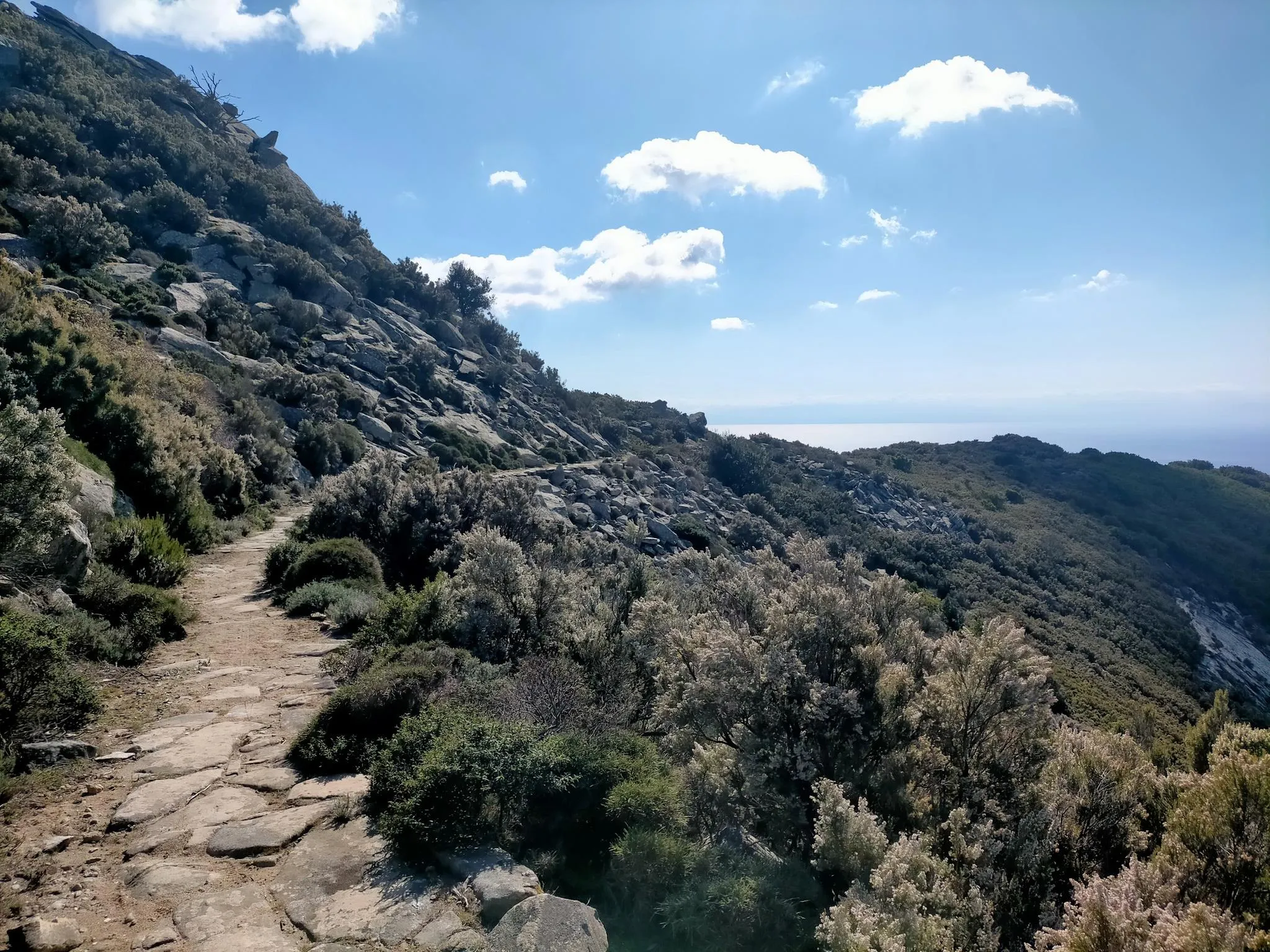
Trail running between mountain and sea – Elba Trail
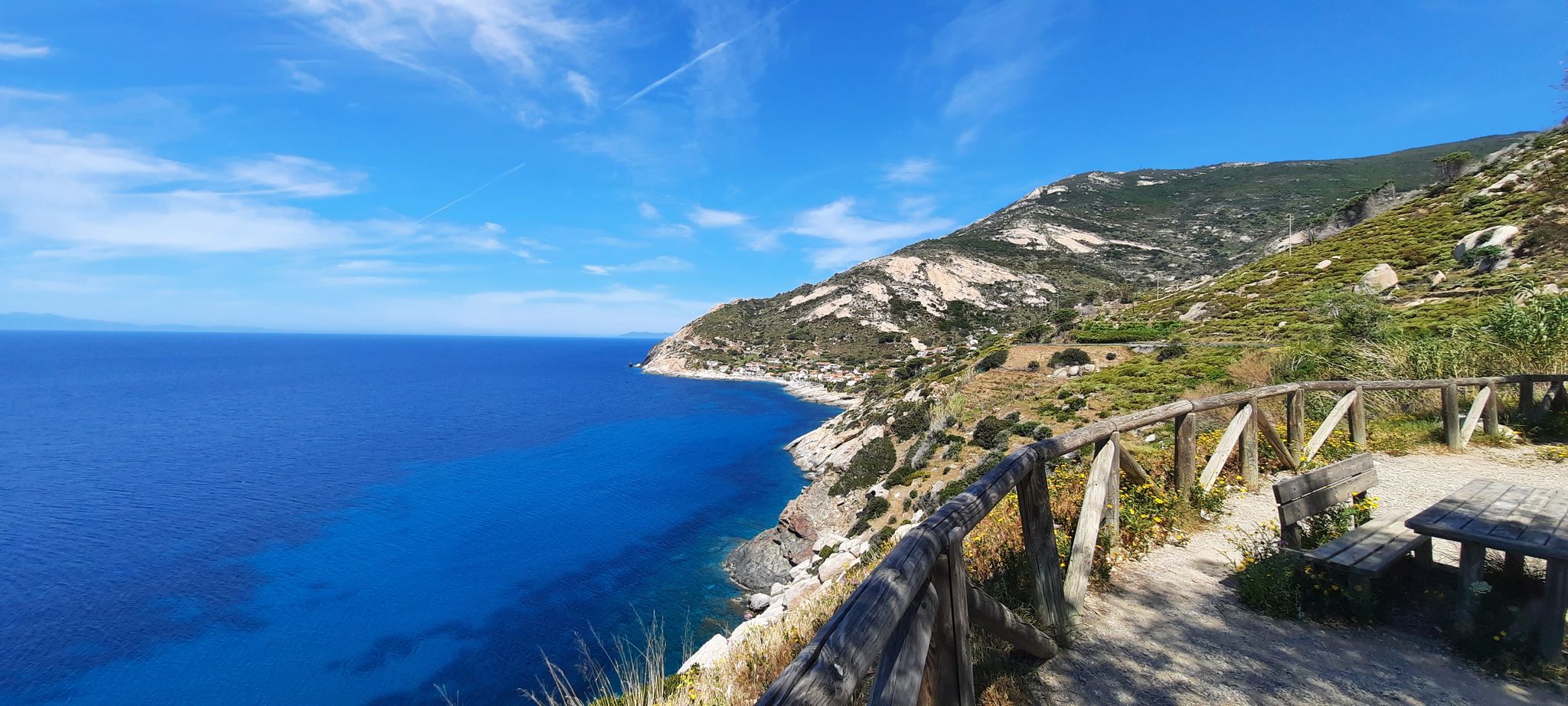
Elba by road bike – explore the island
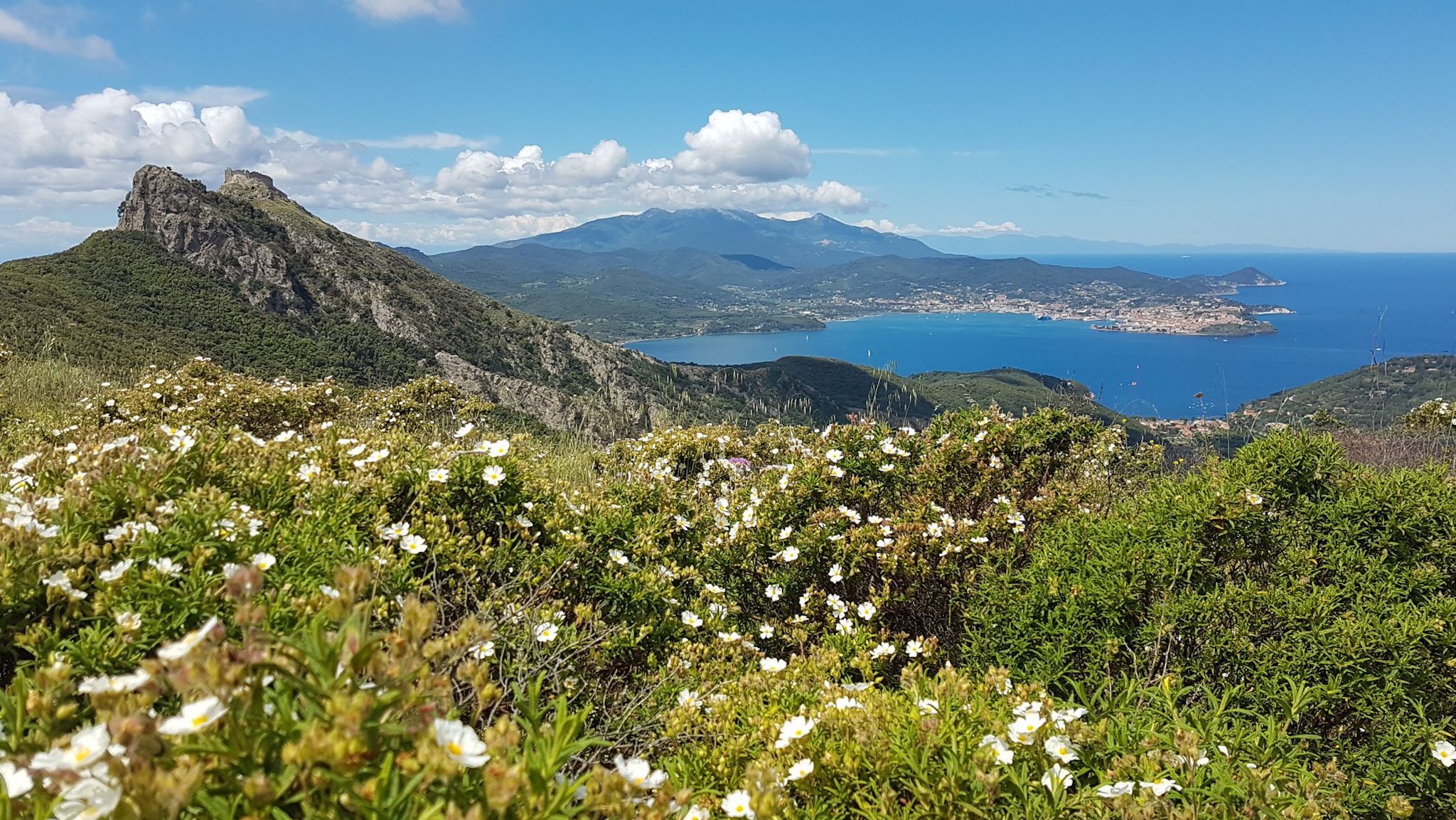
Grande Traversata Elbana — from the mountains to the sea
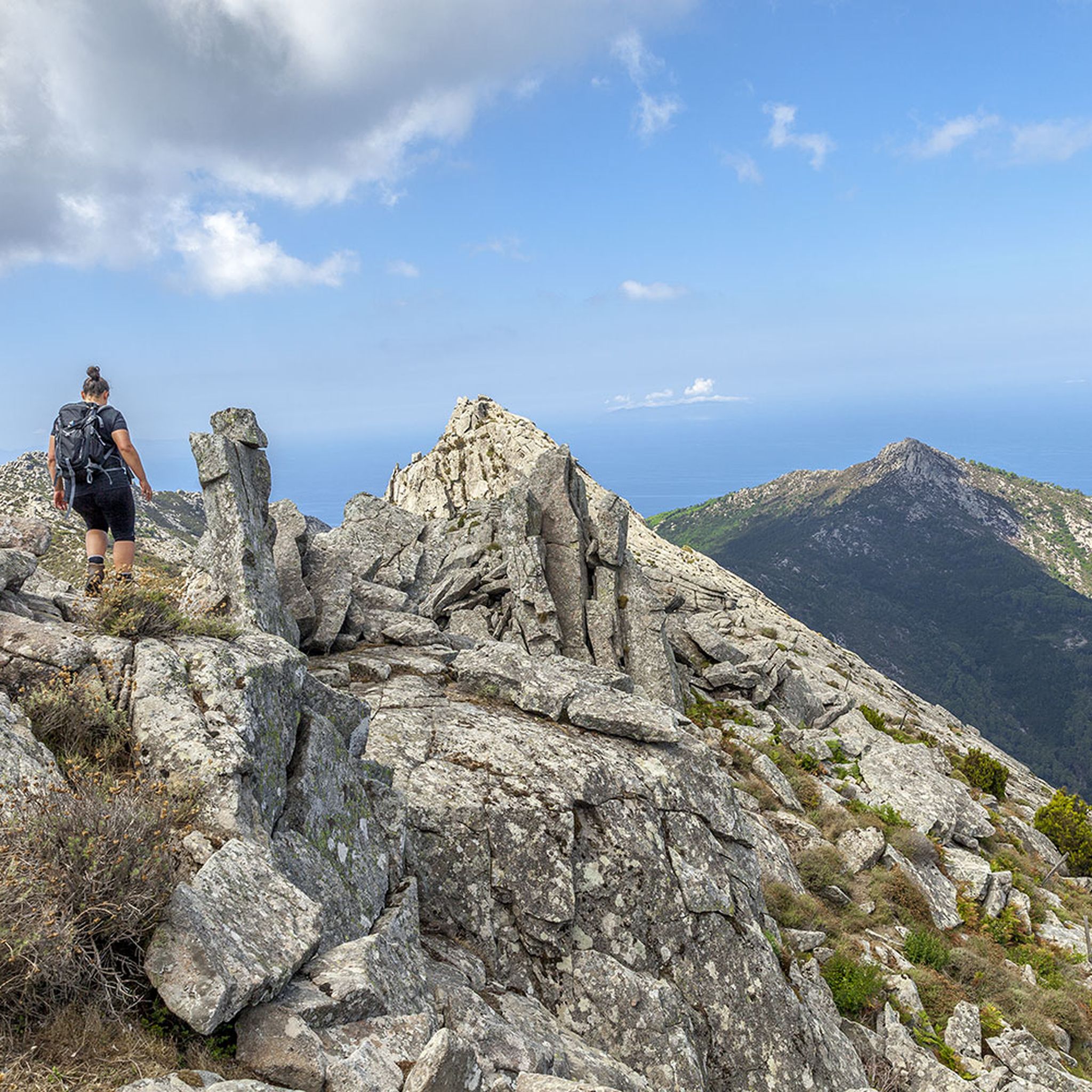
Hiking around Parco Nazionale dell'Arcipelago Toscano
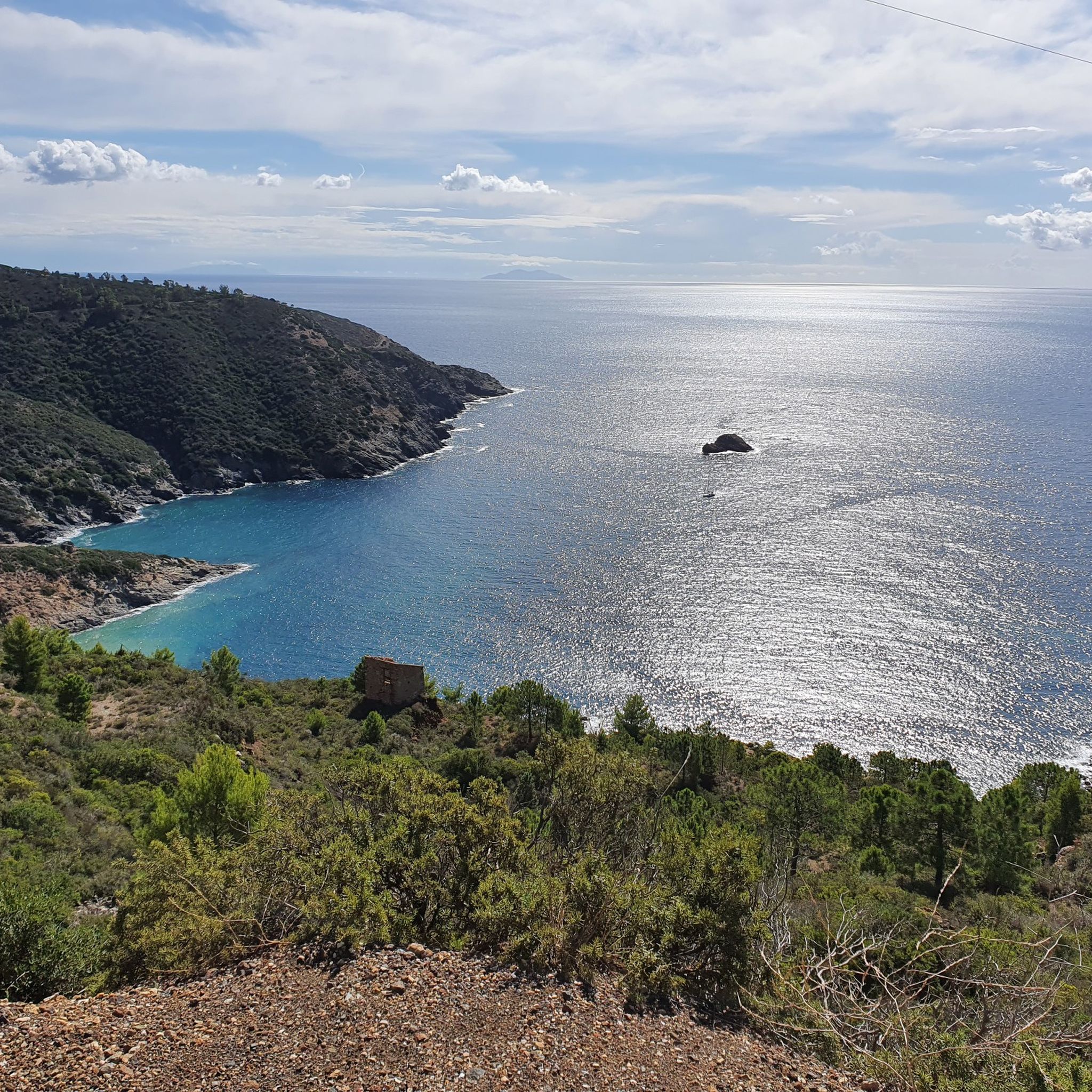
Cycling around Parco Nazionale dell'Arcipelago Toscano
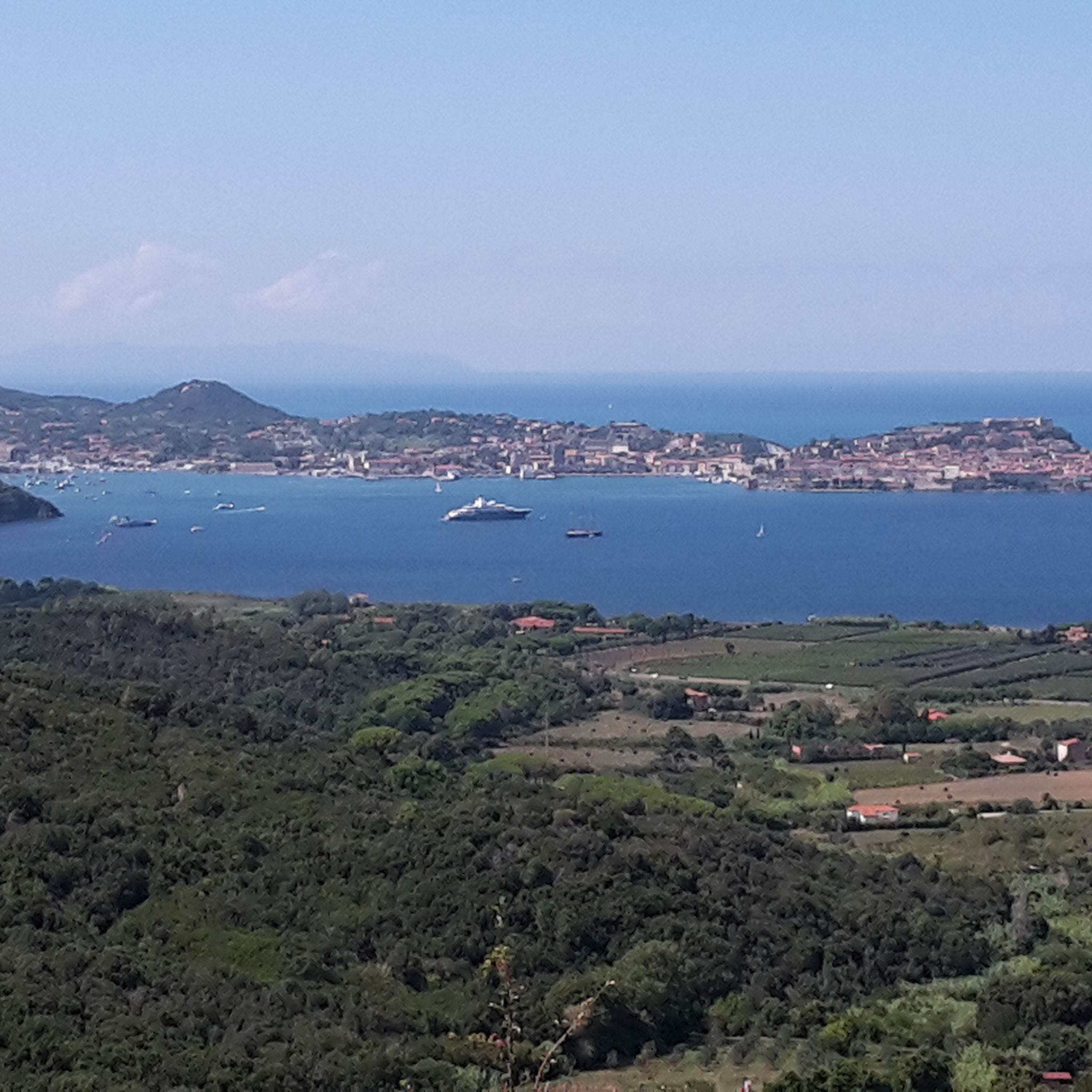
MTB Trails around Parco Nazionale dell'Arcipelago Toscano
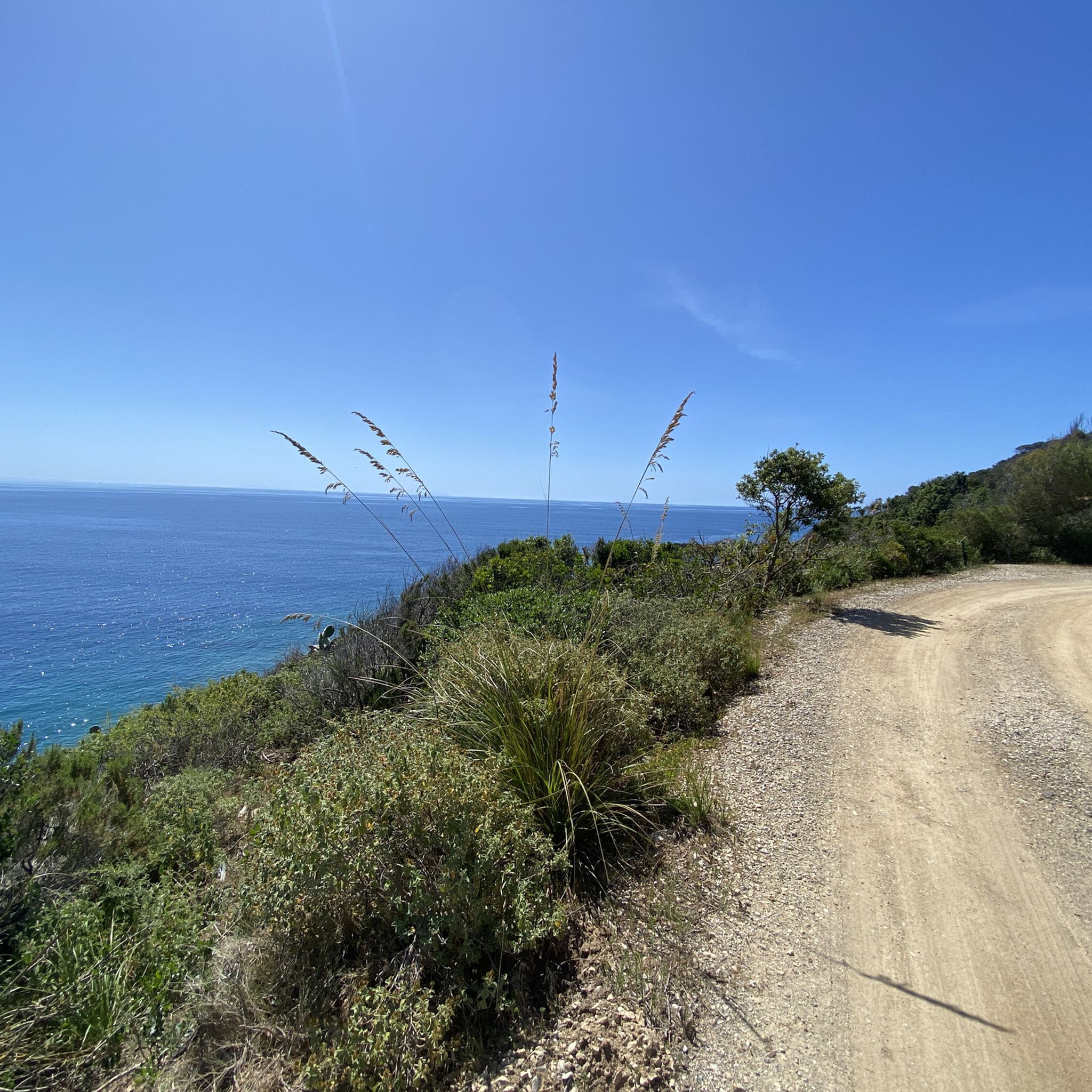
Running Trails around Parco Nazionale dell'Arcipelago Toscano
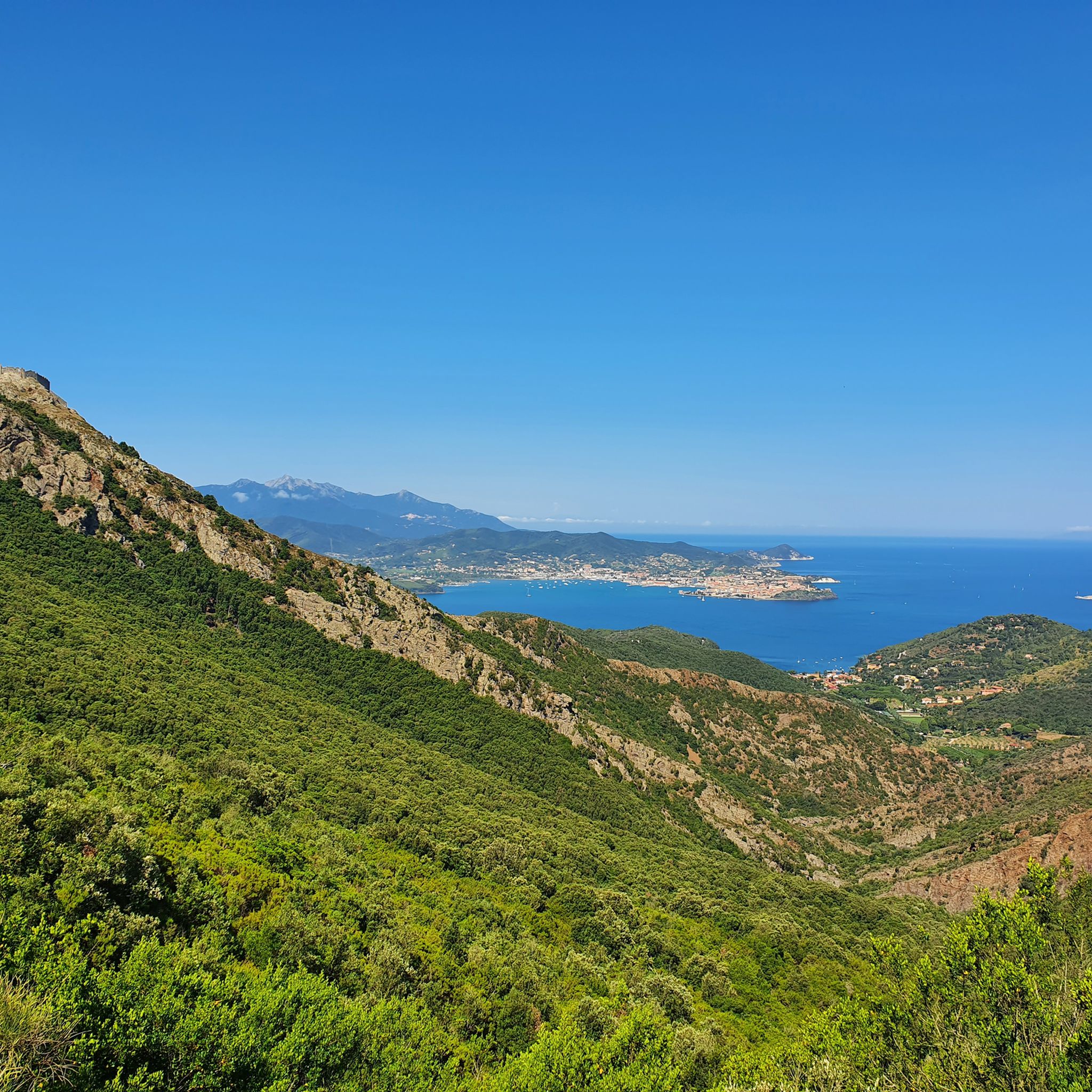
Road Cycling Routes around Parco Nazionale dell'Arcipelago Toscano

Gravel biking around Parco Nazionale dell'Arcipelago Toscano

Mountain Hikes around Parco Nazionale dell'Arcipelago Toscano
Other adventures around Parco Nazionale dell'Arcipelago Toscano


Tips from the Community

Technical ride, knee pads are recommended. Zucca trail very clean, the trails that instead descend to the goats are very eroded by the rains and force you at times to get off or at least ride challenging sections. My advice is to follow the Castagnone route which is technical but well marked. We also recommend downloading trail forks where the trails and difficulty levels are marked.
0
0

Grandiose view of Barbarossa and Porto Azzurro!
1
0

After a direct climb through the woods, you'll reach a fork in the trail. Proceeding towards the cross, it's a ten-minute walk, climbing the rocks and using your hands to help you. The view is worth the effort!
1
0

This mountain is ideal for sunrise hikes, as you can reach the summit from the nearby rest area within 30-40 minutes and thus have a very good view in the morning or during the day over Portoferraio, Rio Marina or parts of Porto Azurro
2
0

Beautiful all-round view, especially of the bay of Portoferraio and the ruins of Volterraio.
2
0

Stop to admire the beautiful beach of Cavoli
2
0

The beautiful Cavoli Beach is one of the most famous beaches on the Island of Elba, and in summer, it's one of the busiest. Cavoli owes its popularity to the clear waters, the beautiful sand, and its unique microclimate. The southern exposure, along with Mount Capanne, which protects the bay from northerly winds, promotes a mild climate, allowing for a golden tan and sea bathing even in the off-season. The beach is popular from March to the end of November.
0
0

An incredibly beautiful view in all directions from the Cima del Monte.
2
0
Frequently Asked Questions
What are some of the most popular natural monuments to visit in the Parco Nazionale dell'Arcipelago Toscano?
Among the most appreciated natural monuments, visitors frequently highlight Monte Capanne Summit on Elba Island, which offers breathtaking panoramic views. Another favorite is Cima del Monte, also on Elba, known for its extensive views of the eastern side of the island. The View of Cavoli Beach is also very popular for its splendid sandy beach and scenic outlook.
What unique geological features can I explore on the islands of the Tuscan Archipelago?
The archipelago boasts diverse geological formations. Elba Island is considered an authentic mineralogical paradise with 150 varieties of crystals. Capraia stands out as the only volcanic island, featuring dramatic volcanic cliffs and rugged coastlines with secluded coves. Pianosa is remarkably flat, composed of limestone formations, while Giannutri is a limestone crescent with high cliffs and numerous caves formed by wind and sea.
Are there family-friendly natural monuments in the Tuscan Archipelago National Park?
Yes, several spots are suitable for families. The View of Cavoli Beach on Elba is a great option, offering a beautiful sandy beach. While many natural monuments involve hiking, some viewpoints and accessible coastal areas can be enjoyed by families. For specific family-friendly activities, it's always good to check individual monument details.
What outdoor activities can I do near the natural monuments of the Tuscan Archipelago?
The region offers a wide range of outdoor activities. You can find numerous hiking opportunities, from easy strolls to challenging climbs. For example, explore easy hikes around the park, including routes like 'The Gulf of Capoliveri'. Cycling is also popular, with options for gravel biking and road cycling, particularly on Elba. The Percorso Enduro Miniere, Capoliveri Bike Park offers challenging mountain biking trails.
Which islands offer unique marine natural monuments for diving or snorkeling?
Giglio Island is renowned for its crystal-clear waters, thriving posidonia meadows, and vibrant marine life, making it a paradise for scuba divers. Capraia also boasts a rich seabed ideal for snorkeling and diving, with posidonia meadows, sea daisies, and large groupers. The pristine waters around Giannutri are also teeming with marine life.
Are there any natural monuments with restricted access or special visiting conditions?
Yes, Montecristo and Gorgona islands have highly restricted access to preserve their delicate ecosystems. Montecristo allows only a limited number of guided nature excursions each year. Gorgona, due to an active penal colony, also has extremely limited access. Pianosa offers limited guided hikes and snorkeling excursions, allowing visitors to explore its unique geology and preserved environments.
Where can I find a butterfly sanctuary in the Tuscan Archipelago?
On Elba Island, you can visit the Butterfly Sanctuary located on Mount Perone. It is a remarkable spot known for its diversity of butterflies, with over 50 species, including some rare varieties, offering a unique opportunity for entomological observation.
What makes Elba Island a 'mineralogical paradise'?
Elba is celebrated as an authentic mineralogical paradise due to the discovery of 150 varieties of crystals on the island. Many of these unique minerals are displayed in natural science museums worldwide, highlighting Elba's rich geological history and diverse mineral deposits.
What do visitors particularly enjoy about the natural monuments in the Parco Nazionale dell'Arcipelago Toscano?
Visitors frequently praise the incredible 360-degree panoramic views from summits like Monte Capanne. The diverse landscapes, from lush forests to granite cliffs and pristine coastlines, are highly appreciated. Many also enjoy the challenging yet fun trails, such as those found at Percorso Enduro Miniere, and the stunning views of beaches like Cavoli.
Which island is known for its volcanic formations?
Capraia stands out as the only volcanic island in the Tuscan Archipelago. Born from a submarine volcano nine million years ago, it features dramatic volcanic cliffs and rugged coastlines with secluded coves and sea caves, making it a fascinating destination for geological exploration.
Are there natural monuments particularly good for wildlife observation?
Montecristo Island is a haven for unique fauna, including wild goats and the rare Sardinian Discoglossus amphibian. It's also a significant passage and refuge point for migratory birds. Giannutri is a resting place for migratory birds and hosts a large colony of gulls. The rich seabeds around Capraia and Giglio are home to diverse marine life, including large groupers, amberjacks, and sometimes marine mammals like dolphins and fin whales.
What is the best time to visit the natural monuments of the Tuscan Archipelago?
The Tuscan Archipelago generally enjoys a mild Mediterranean climate. Spring (April-May) and early autumn (September-October) are often considered ideal, offering pleasant temperatures for hiking and exploring without the peak summer crowds. The waters are still warm enough for swimming and diving in early autumn. Summer can be very hot, especially for strenuous activities, but is perfect for beach-focused visits.
Most popular routes around Parco Nazionale dell'Arcipelago Toscano
Most popular attractions around Parco Nazionale dell'Arcipelago Toscano

Get inspired with the komoot mobile app


Explore more
Extend your search for the best caves by checking out these guides of the top ones around Parco Nazionale dell'Arcipelago Toscano:
