Top 20 Natural Monuments around the Natural Park Saupark
Best natural monuments around the Natural Park Saupark are found within a protected nature reserve near Springe in Lower Saxony, Germany. This area features a diverse forest landscape, supporting local flora and fauna, and is part of the Kleiner Deister mountain range. The park is notable for its significant biodiversity and ongoing ecological restoration projects. It offers varied topography and natural features for exploration.
Best natural monuments around the Natural Park Saupark
- The most popular natural monuments is St. Avold…
Last updated: June 27, 2026
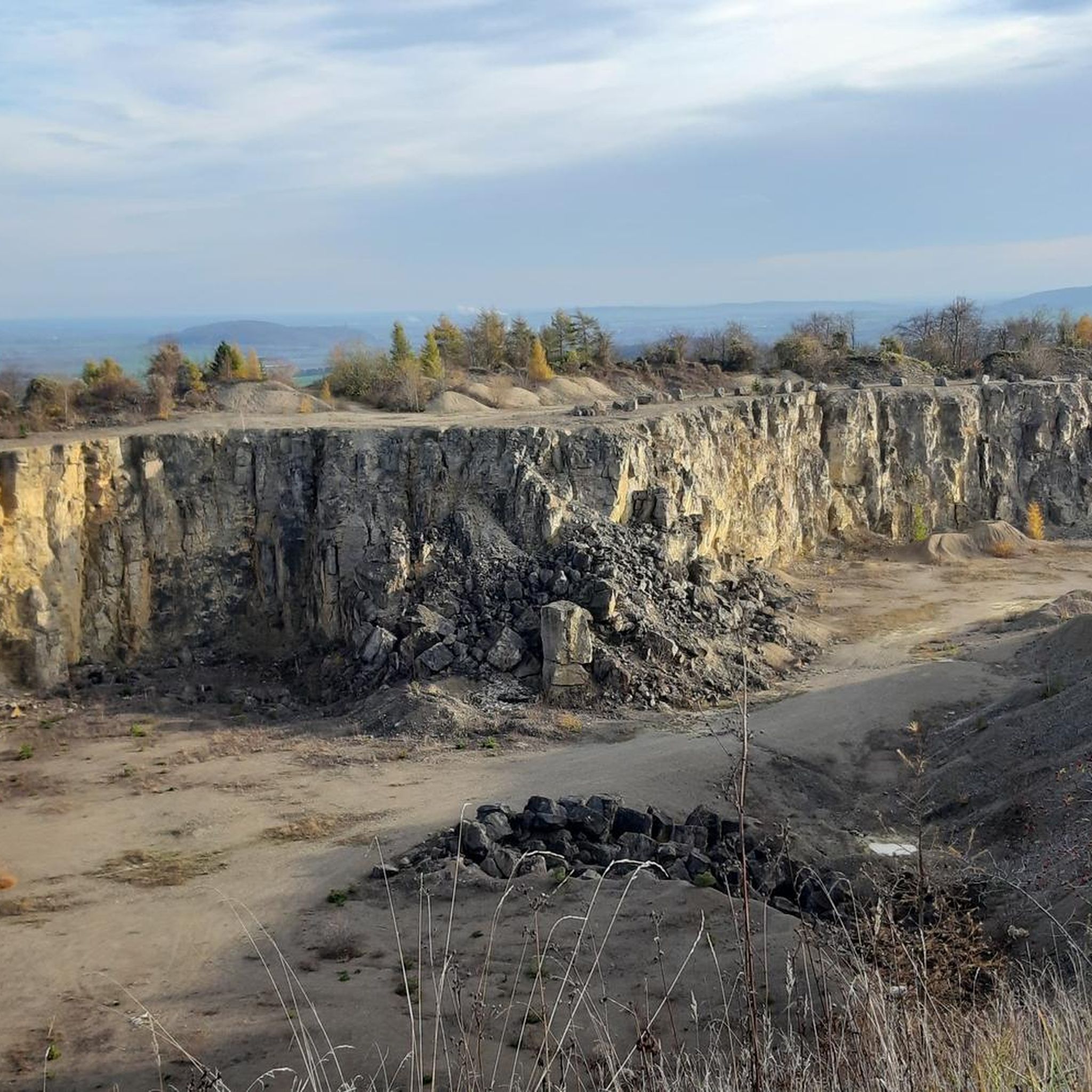
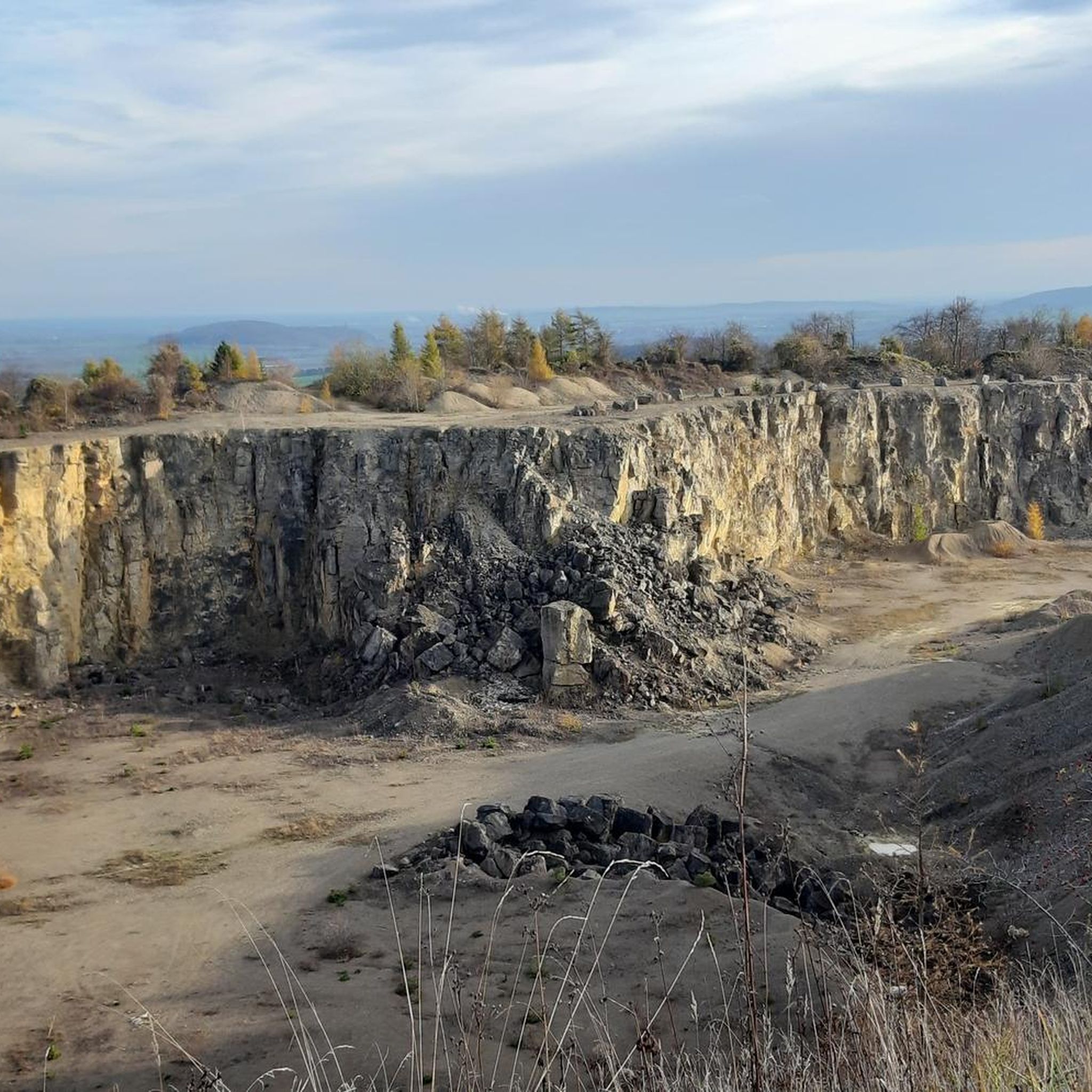
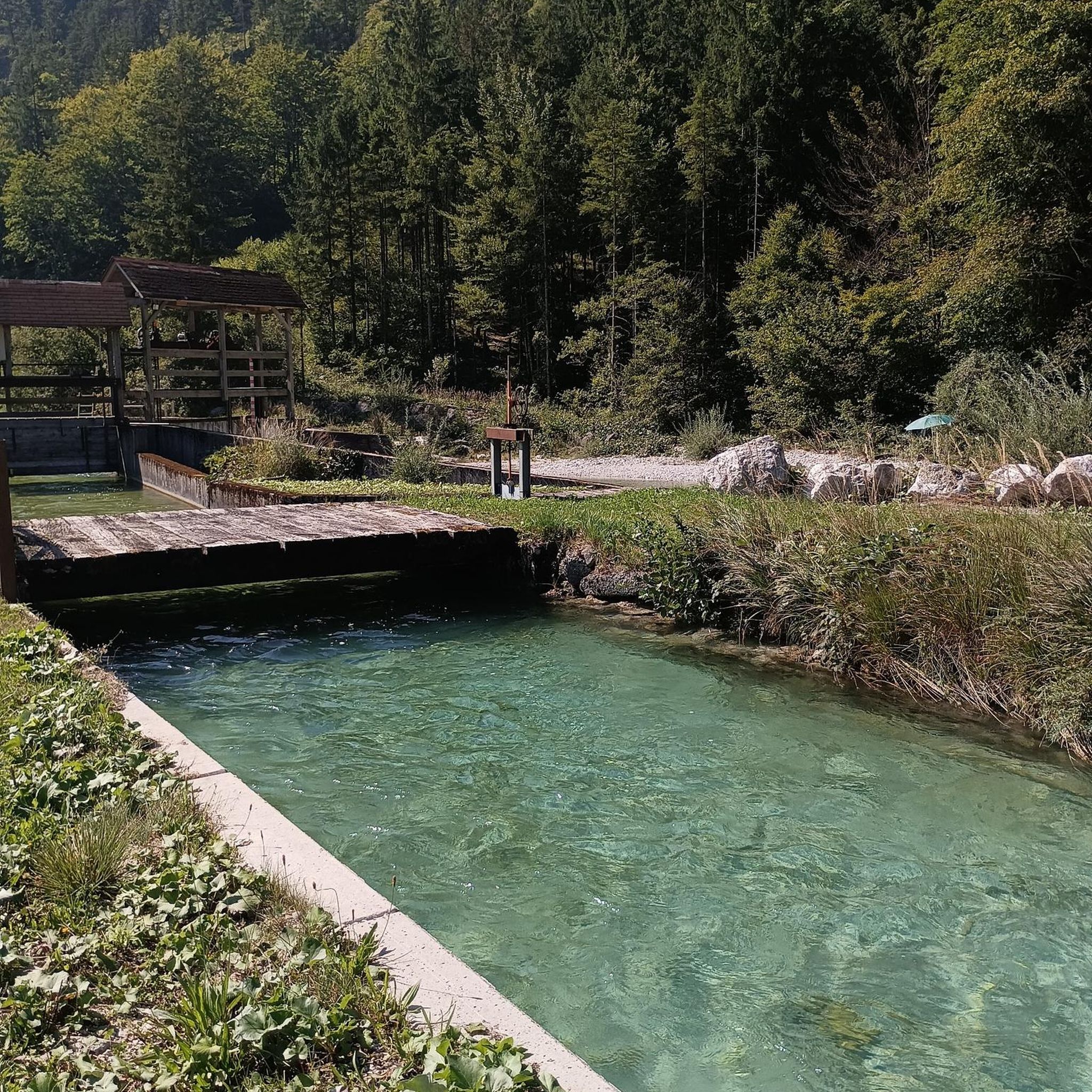
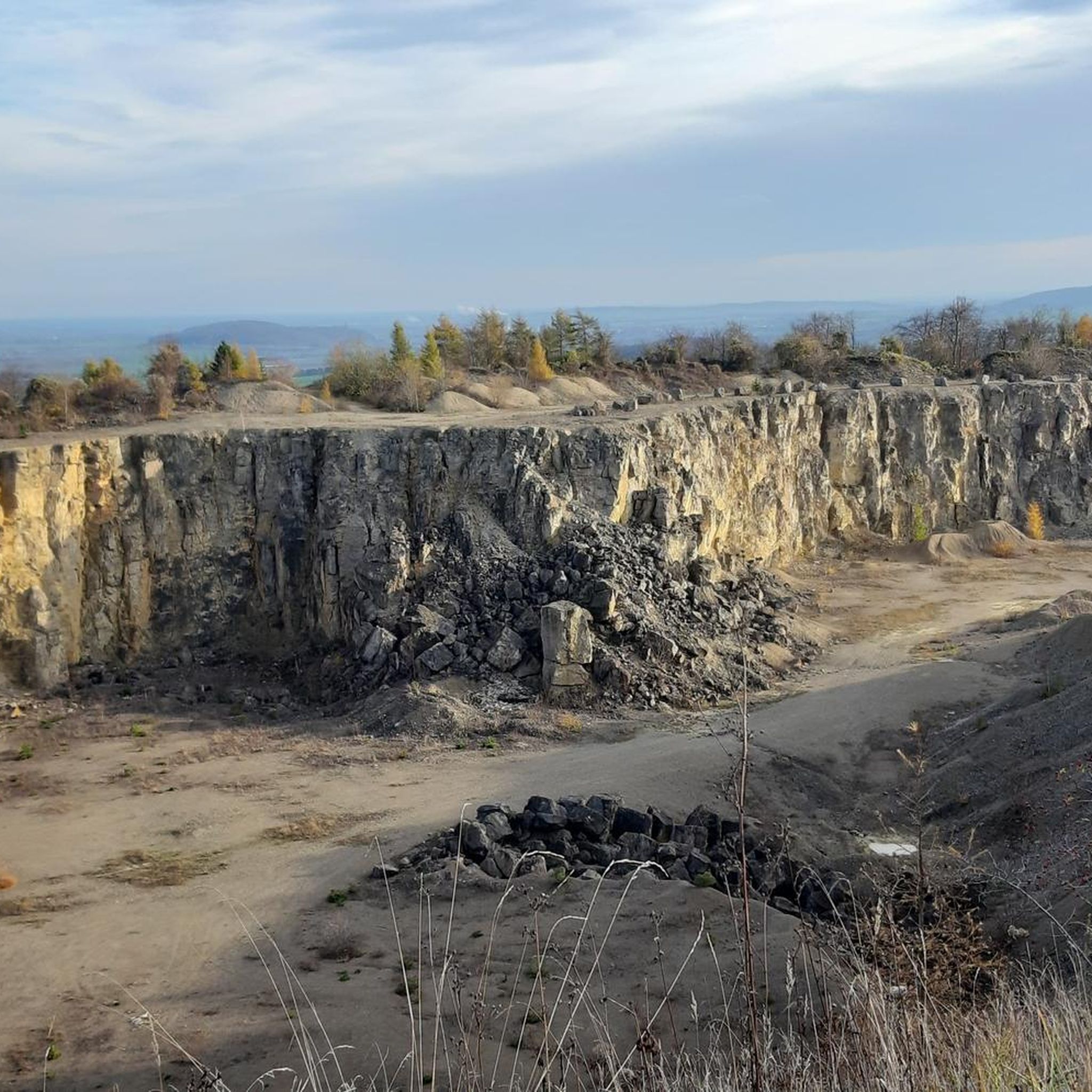
St. Avold Quarry Lake Nature Reserve
Highlight • Lake
Translated by Google •
Tip by

Ash Avenue at Wülfinghausen Monastery
Highlight • Natural Monument
Translated by Google •
Tip by
Sign up now to discover places like this
Get recommendations on the best single tracks, peaks, & plenty of other exciting outdoor places.
Sign up for free
Highest point in the Osterwald
Highlight • Summit
Translated by Google •
Tip by
Stone Heart
Highlight • Monument
Translated by Google •
Tip by
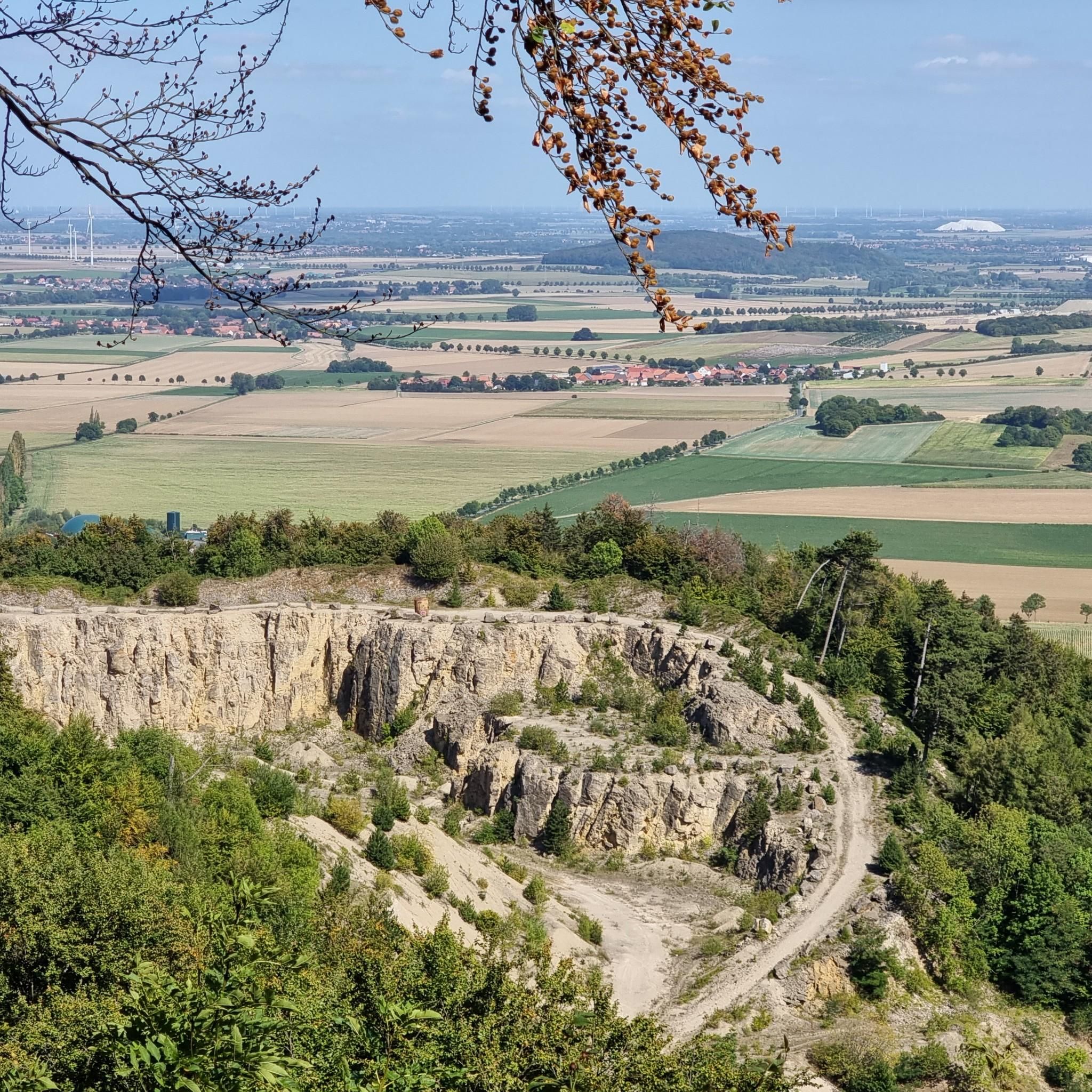
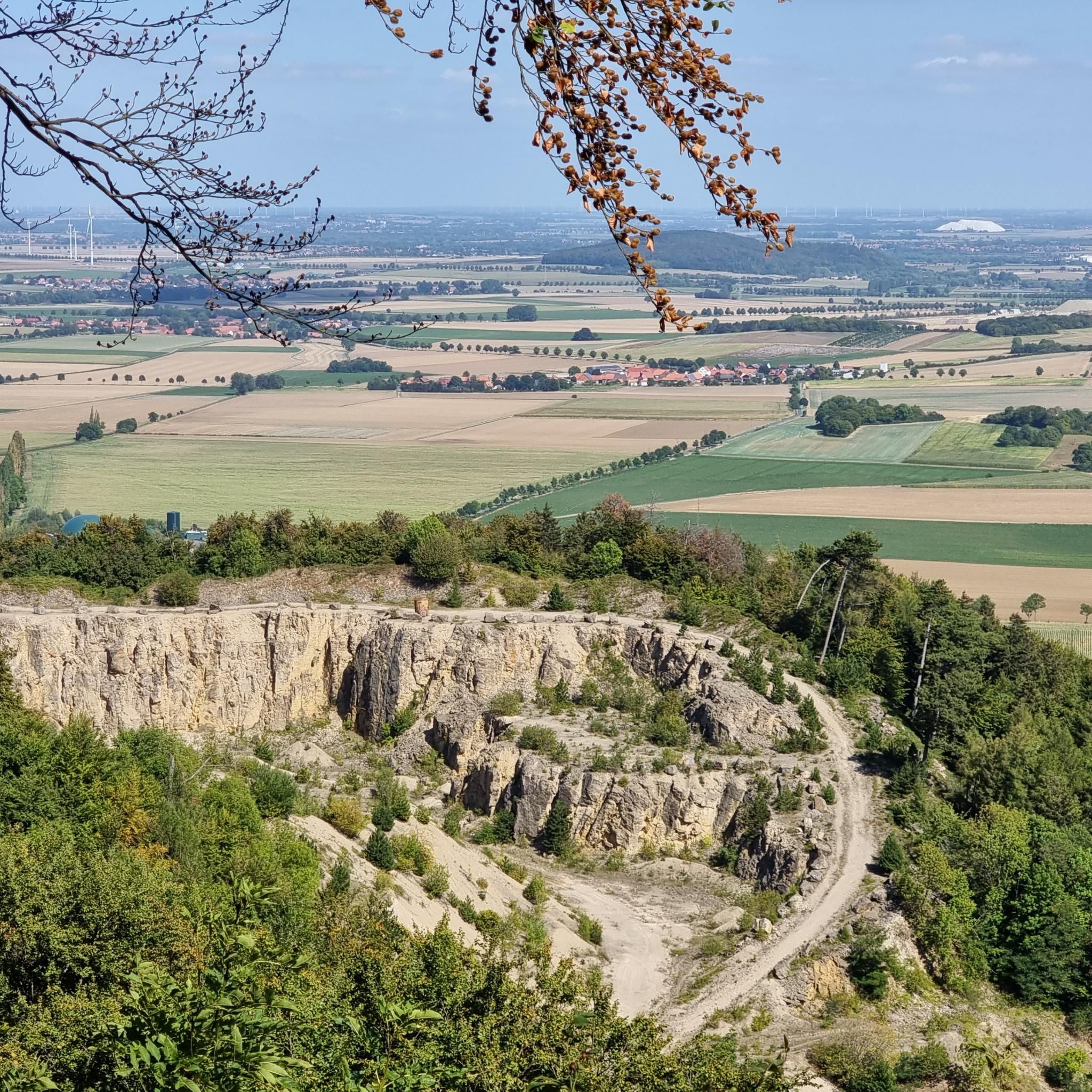
Cliffs and Bat Caves in the Kleiner Deister
Highlight • Cave
Translated by Google •
Tip by

Sign up for free to discover even more natural monuments around the Natural Park Saupark.
Sign up for free
Already have an account?
Start today with a free account
Your next adventure awaits.
Login or Signup
Tips from the Community

Great avenue the path is really nicely laid out.
2
0

There is a summit stone with information and seating for a rest.
5
0

Beautiful place with history.
4
0

An imposing summit structure - we really like that, especially since you can sit so nicely in all directions. Unfortunately, this without a view, as trees are in view all around; o). Otherwise the summit cannot really be felt. We thought it was a bit flat up here.
5
0
Exciting for us: The stones for the construction of the New Town Hall in Hanover come from this former quarry.
11
0
A beautiful, very old avenue with polluted willows. In spring they look clipped, in summer they have lush green on new shoots.
5
0

Make the goal a break because you can sit around it
5
0

Unfortunately the trees are trimmed at the moment! Looks sad!
3
0
Frequently Asked Questions
What unique natural features can I explore in the Natural Park Saupark region?
The Natural Park Saupark region offers diverse natural features. You can discover the varied topography of the Kleiner Deister mountain range, explore extensive forests undergoing ecological restoration, and find specific natural monuments like the St. Avold Quarry Lake Nature Reserve, which features a near-natural pond within a former quarry. Another notable spot is the Cliffs and Bat Caves in the Kleiner Deister, an interesting cliff formation providing habitat for bats.
Are there any significant wildlife attractions in the Natural Park Saupark?
Yes, the Wisentgehege Springe (Bison Enclosure) is a major wildlife attraction located within the Natural Park Saupark. It plays a vital role in the reintroduction of European bison and is home to a diverse array of European wild animals, including wolves, wild horses, elk, red deer, and various birds of prey, offering excellent opportunities for wildlife observation in naturalistic habitats.
What historical or cultural landmarks are intertwined with the natural landscape of the Saupark?
The most prominent historical landmark is the Saupark Wall, an impressive 18-kilometer-long limestone wall built between 1836 and 1839. It's considered the longest monument in Lower Saxony and was originally constructed to contain wildlife. Additionally, you can find the Stone Heart, a historical stone monument with an inscription dating back to 1900, located in the Osterwald.
Are there family-friendly natural monuments or activities in the Natural Park Saupark region?
Yes, several natural monuments and areas are suitable for families. The St. Avold Quarry Lake Nature Reserve is considered family-friendly, offering a pleasant environment for exploration. The Ash Avenue at Wülfinghausen Monastery provides a scenic and easy trail perfect for family walks. The Wisentgehege Springe is also an excellent family destination for observing wildlife.
What are the best hiking opportunities near the natural monuments?
The region offers various hiking opportunities. You can find trails leading to the Highest point in the Osterwald, which provides a viewpoint at 419 meters above sea level. The Ash Avenue at Wülfinghausen Monastery is a short, scenic trail. For more options, explore the dedicated guide for Waterfall hikes around the Natural Park Saupark, which includes easy routes like the 'Schützenplatz Memorial loop from Eldagsen'.
Can I go cycling near the natural monuments in the Saupark region?
Yes, the area around Natural Park Saupark is suitable for cycling. There are guides for both gravel biking and road cycling. For gravel biking, you can find routes like the 'Saupark Wall – Kaiserallee loop from Springe' in the Gravel biking around the Natural Park Saupark guide. Road cyclists can explore routes such as the 'Peters House (1619) loop from Springe' from the Road Cycling Routes around the Natural Park Saupark guide.
What do visitors enjoy most about the natural monuments in this region?
Visitors particularly appreciate the diverse natural landscapes, from the tranquil St. Avold Quarry Lake Nature Reserve to the scenic Ash Avenue at Wülfinghausen Monastery. The opportunity to observe wildlife at the Wisentgehege Springe is also a highlight. Many enjoy the blend of natural beauty with historical elements like the Saupark Wall and the Stone Heart.
When is the best time to visit the Natural Park Saupark to see its natural monuments?
The Natural Park Saupark is beautiful year-round. Spring offers lush greenery and blooming flora, while autumn provides vibrant foliage, especially in the diverse forest landscapes. Summer is ideal for longer hikes and outdoor activities. Even winter can be picturesque, with snow-covered landscapes, though some trails might be more challenging.
Are there viewpoints offering panoramic vistas of the region?
Yes, the Highest point in the Osterwald, known as The Fast, offers a significant viewpoint at 419 meters above sea level. Additionally, the Cliffs and Bat Caves in the Kleiner Deister also provide scenic views of the surrounding area.
Are dogs allowed on trails around the natural monuments?
While specific regulations for each natural monument may vary, generally, dogs are welcome on many trails within the Natural Park Saupark, often on a leash. It's always advisable to check local signage or specific attraction rules before visiting with your dog, especially in wildlife-sensitive areas like the Wisentgehege Springe.
What kind of flora and fauna can I expect to see in the Natural Park Saupark?
The Natural Park Saupark is a protected nature reserve with diverse flora and fauna. The forests are being transformed into more natural oak mixed forests and wetland forests, enhancing biodiversity. You can expect to see native species like oaks and alders, and efforts are made to attract amphibians, insects, and birds such as the black stork. The Wisentgehege Springe specifically houses European bison, wolves, elk, red deer, and other European wild animals.
Most popular routes around the Natural Park Saupark
Most popular attractions around the Natural Park Saupark

Get inspired with the komoot mobile app


Explore more
Extend your search for the best caves by checking out these guides of the top ones around the Natural Park Saupark:
