Top 3 Natural Monuments around Grafenberger Wald
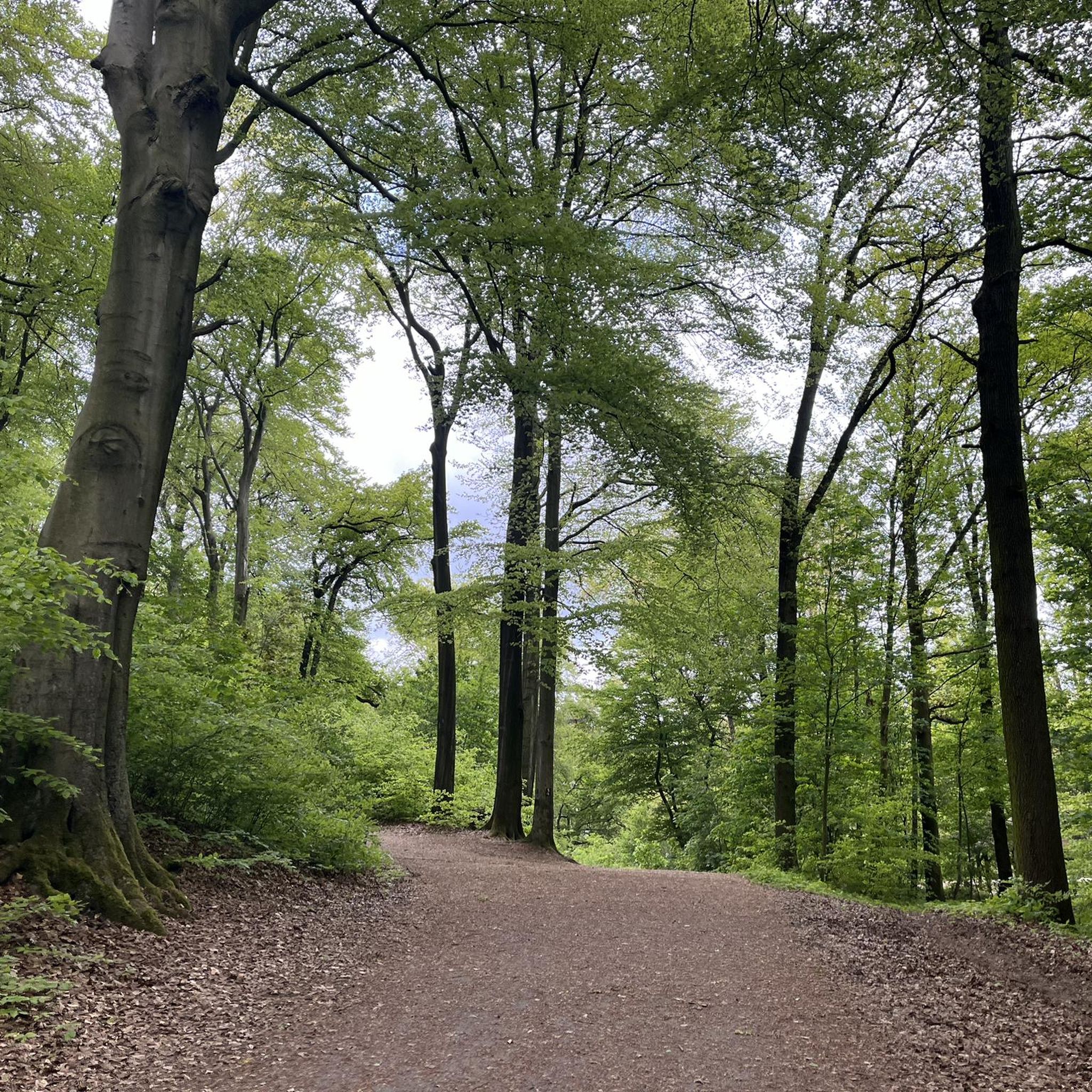
Best natural monuments around Grafenberger Wald encompass a variety of natural and historical features within this extensive forest area in Düsseldorf. The Grafenberger Wald is characterized by diverse tree species, including oak, beech, and pine, and features an extensive network of trails. Its natural beauty lies in its established forest ecosystem and the preservation of unique natural elements. This area offers opportunities to experience varied terrain, observe local wildlife, and explore significant natural landmarks.
Best natural monuments around Grafenberger Wald
- The most popular natural monuments is View of Düsseldorf skyline from Hardter Höhenweg, a viewpoint that offers expansive views of the city. This location also features two quartzite blocks with a fine-grained surface structure.
- Another must-see spot is Loess Outcrop at Am Wildpark, a historical site and natural monument. This outcrop showcases ice-age loess deposits that were mined between 1880 and 1968.
- Visitors also love Chestnut Avenue at the racecourse, a trail and natural monument. This avenue is an ancient stand of chestnuts, offering a picturesque setting.
- Grafenberger Wald is known for its diverse tree species, historical tree-lined paths, and geological formations. The area provides a variety of natural monuments to see and explore, from ancient trees to unique soil deposits.
- The natural monuments around Grafenberger Wald are appreciated by the komoot community, with 42 upvotes and 18 photos shared by visitors.
Last updated: September 30, 2026
Loess Outcrop at Am Wildpark
Highlight • Historical Site
The settlement of industries is often dependent on local raw materials. This applies in particular to the Gallberg, where between 1890 and 1930 the center of the Dusseldorf brick industry was located. Because here the brickworks found a special situation: unlike in the rest of the city, the raw material was not washed ashore by the Rhine and only existed in the area, here it went up in the air.
Ice-age winds brought so-called loess and stored it in hollows and depressions in today's Dusseldorf East. In order to increase the burning strength, he was later z. T. mixed with clay from Breitscheid. These large loess deposits led to the settlement of temporarily eight brickworks in this area.
The loess clay was mined here between 1880 and 1968 by the workers of the brickworks "slices for slices". For the ascent in the almost vertical wall one used ladders or also only in the solid loam pierced treads. From this, the worker created a narrow horizontal footprint, from which he loosened the loess with a special spade and slid over a gutter in the standing below the floor Loren (Rollochverfahren). Via field railway tracks, the raw material was then transported to the nearby brick factory for further processing.
During the final phase of mining, special excavators and conveyor belts were also used.
Where the Bergisches Landstrasse used to lead almost through a ravine, this open-pit mining left behind a plane surface on which the settlements around the ring kiln are today. For today's residents certainly unimaginable that their rooftops once represented the ground level.
Translated by Google •
Tip by

Jan Wellem Fountain
Highlight • Monument
jan-wellem-brunnen.de and here: inklupedia.de/wiki/Jan-Wellem-Brunnen
Translated by Google •
Tip by

Sign up now to discover places like this
Get recommendations on the best single tracks, peaks, & plenty of other exciting outdoor places.
Wolf's Gorge (Grafenberger Forest)
Highlight (Segment) • Gorge
duesseldorf.de/stadtgruen/landschafts-und-naturschutz/naturdenkmale/geologisches/meeressande.html
Translated by Google •
Tip by
Chestnut Avenue at the racecourse
Highlight • Trail
Translated by Google •
Tip by
View of Düsseldorf skyline from Hardter Höhenweg
Highlight (Segment) • Viewpoint
Translated by Google •
Tip by

Start today with a free account
Your next adventure awaits.

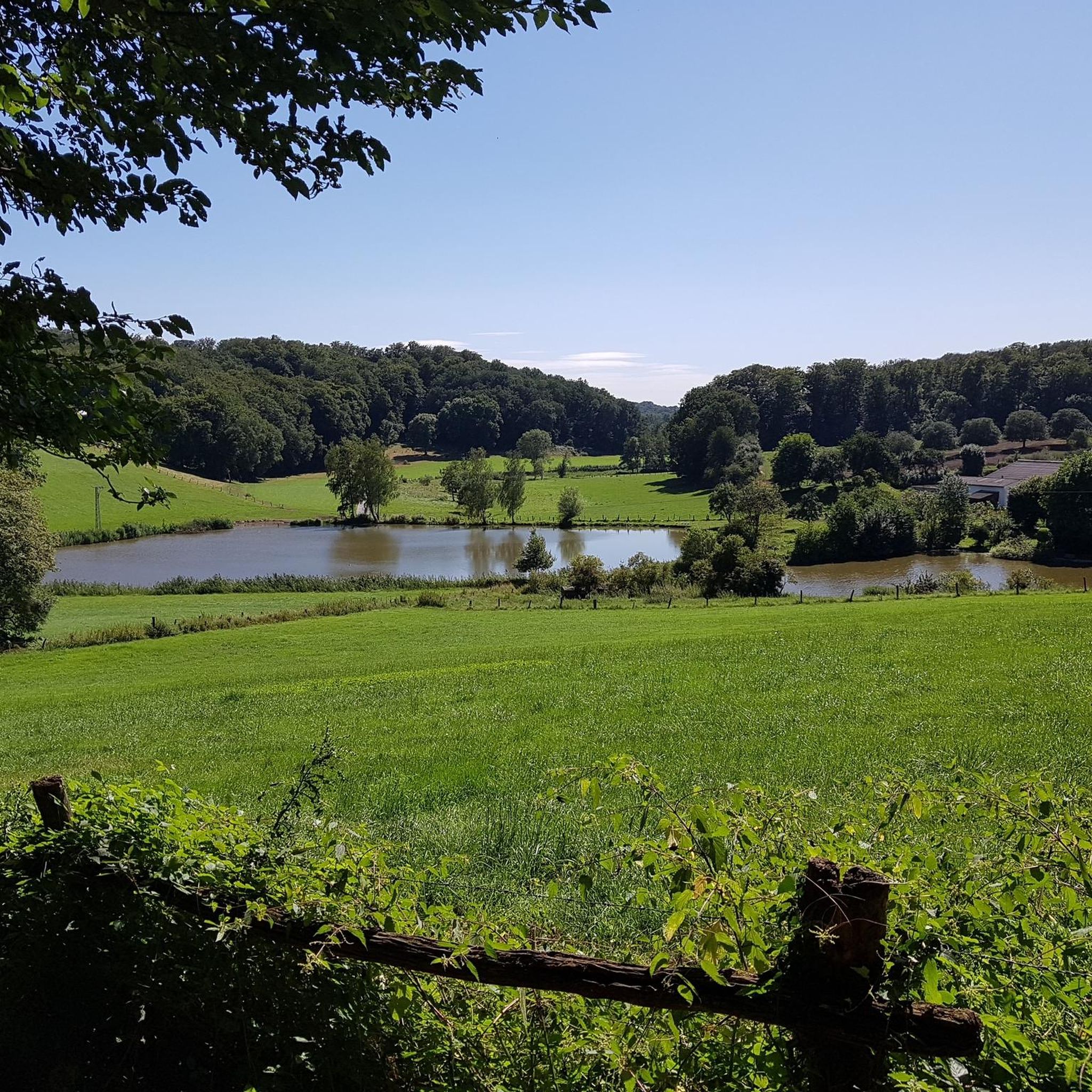
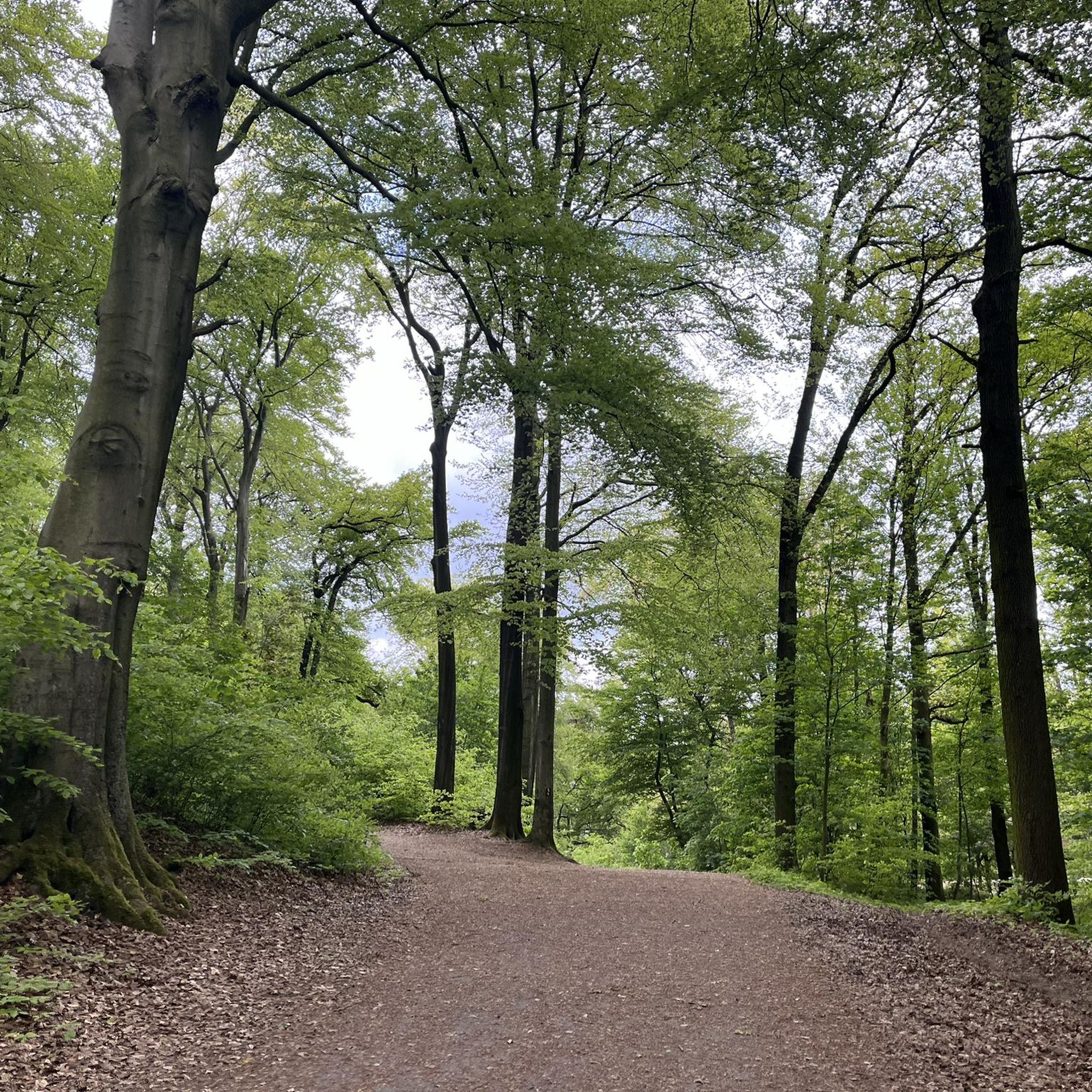
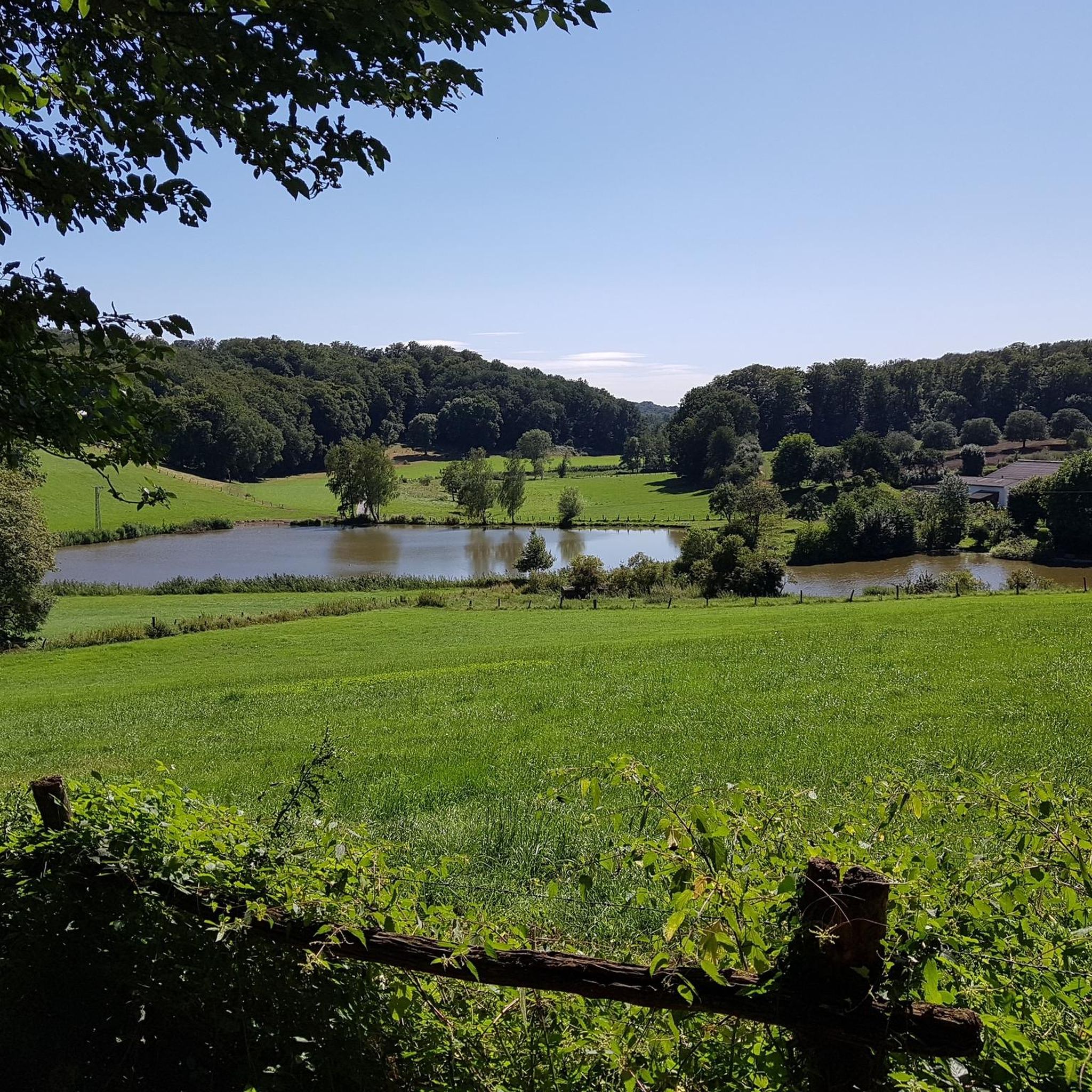
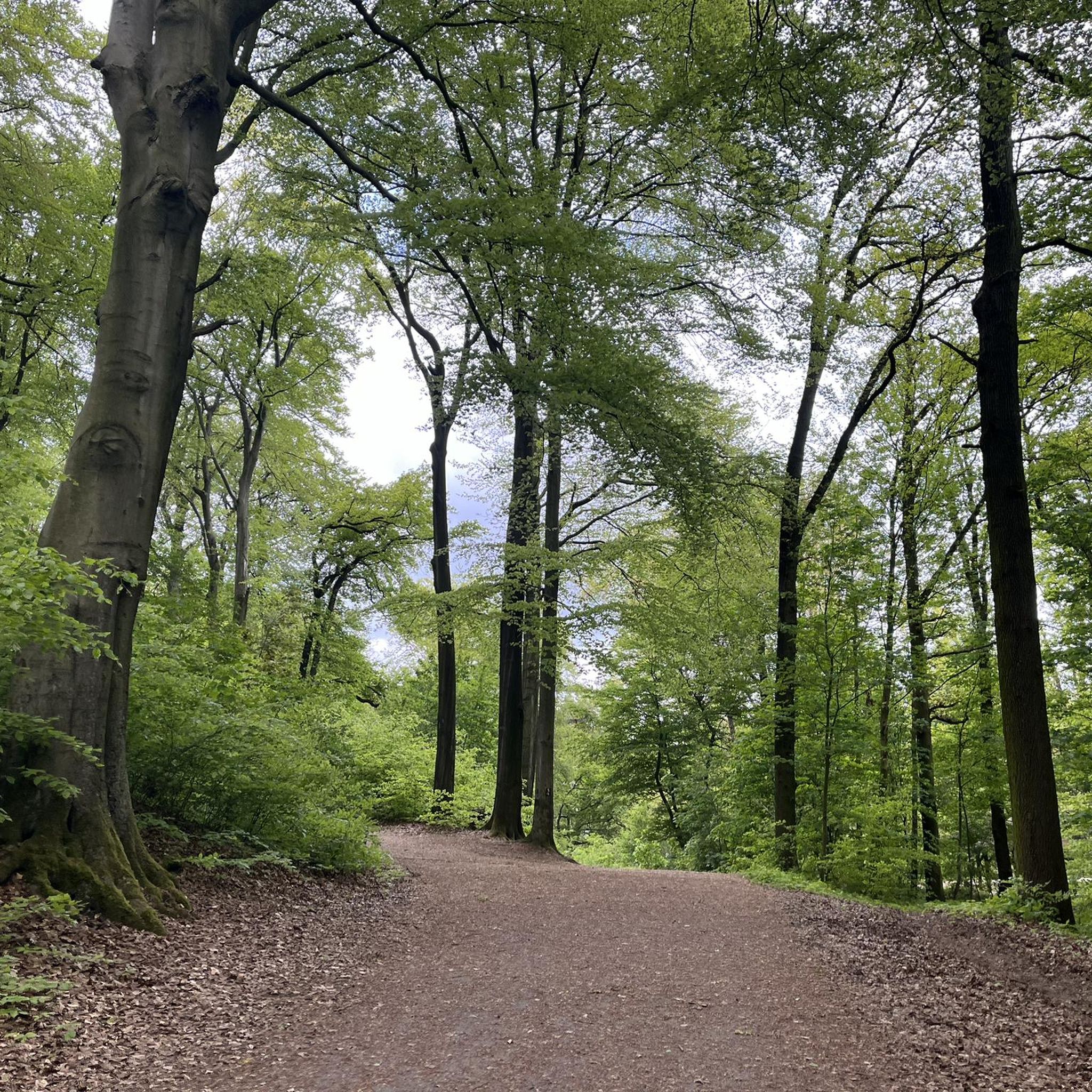

Other adventures around Grafenberger Wald

Tips from the Community

In 1702, under Jan Wellem, a spring at the foot of the Grafenberg Forest, which his father had already used, was enclosed in an octagonal fountain basin. It served to supply the court with fresh water. Since 1688, two hermits who had settled above the fountain cared for this facility. At the beginning of the 19th century, the Jan Wellem Fountain was rebuilt according to plans by Adolph von Vagedes, taking the Baroque floor plan into account. After several interim uses – the spring had dried up by then – the fountain, which had almost fallen into oblivion, was gradually restored starting in 2000.
0
0

Loess loam was mined here between 1880 and 1968.
2
0

Nice and shady path in hot summer.
1
1

From the 17th century, the Jan Wellem fountain served as a source of drinking water for the Düsseldorf princely court. Current classical design by Adolph von Vagedes. An association takes care of the maintenance of the facility on a voluntary basis. www.jan-wellem-brunnen.de
1
0

Here you can find more information about the Jan Wellem Fountain: https://www.jan-wellem-brunnen.de/ and here: https://inklupedia.de/wiki/Jan-Wellem-Brunnen
8
0

The fountain is currently in hibernation and therefore not quite as inviting.
1
0

Great, quiet gorge. Recommendable!
2
0

The Grafenberg Forest begins behind the Staufenplatz. Things are looking up. A historical insider tip can be found at the foot of the hill: the Jan Wellem fountain. The restored Jan Wellem fountain presents itself ... ... as a tranquil place in the Grafenberg Forest, ... as a cultural and historical testimony to the history of Düsseldorf ... and as a forum for small, fine events. It is said that the great Elector Jan Wellem had his drinking water brought from this spring. It contained iron and was therefore very good for the elector, who tended to eat and drink plentifully. The Grafenberger Nass was so good for him that he claimed it exclusively for himself and probably had jugs brought to him regularly - a water taxi, so to speak. So that no one else could taste it, he had the source surrounded by a curtain wall. In 1702 he placed the fountain under the supervision of a nearby hermitage.
1
0
Frequently Asked Questions
What unique natural features can I discover in Grafenberger Wald?
Grafenberger Wald is home to several interesting natural features. You can explore the ancient Chestnut Avenue at the racecourse, a protected 200-year-old tree-lined path. Another unique site is the Loess Outcrop at Am Wildpark, which reveals ice-age loess deposits that were historically mined for brick production in the area.
Are there any historical natural monuments in the area?
Yes, beyond the natural elements, you'll find sites with historical significance. The Loess Outcrop at Am Wildpark is a testament to the region's geological past and its role in the local brick industry. Additionally, the Jan Wellem Fountain, though man-made, is considered a natural monument due to its historical connection to an iron-rich spring water source favored by Elector Jan Wellem.
Is Grafenberger Wald suitable for families with children?
Absolutely! Grafenberger Wald is very family-friendly. The Chestnut Avenue at the racecourse offers a pleasant walk for all ages. The nearby Wildpark Grafenberg is a key attraction where children can observe native animals like fallow deer, wild boars, and raccoons in spacious enclosures, often with opportunities for feeding. The Jan Wellem Fountain is also noted as family-friendly.
What kind of wildlife can I expect to see?
Grafenberger Wald is a haven for various wildlife. You might spot deer, foxes, and numerous bird species throughout the forest. The adjacent Wildpark Grafenberg offers a more guaranteed encounter, housing around 100 native animal species in semi-wild environments, including fallow deer, wild boars, and raccoons.
Are there accessible paths for visitors with mobility needs?
While many trails wind through varied terrain, the Jan Wellem Fountain is specifically noted as wheelchair accessible. For other areas, it's advisable to check specific trail conditions, as the forest features both well-maintained paths and more natural, uneven routes.
What are the best ways to explore the natural monuments, like hiking or cycling?
Grafenberger Wald offers an extensive network of well-maintained trails perfect for various outdoor activities. You can enjoy walking, running, cycling, and even horseback riding. For specific routes, you can find numerous options, including easy hikes, running trails, and road cycling routes around the area.
Can I find good viewpoints of the surrounding area?
Yes, you can enjoy scenic vistas. The View of Düsseldorf skyline from Hardter Höhenweg offers a great perspective of the city. This viewpoint is also notable for its quartzite blocks, which are geological features visible along the path.
What is the best time of year to visit Grafenberger Wald's natural sites?
Grafenberger Wald is beautiful year-round. Spring brings lush greenery and blooming flora, while autumn transforms the diverse tree species into a vibrant display of colors. Weekends can be quite busy, especially at popular spots like the Chestnut Avenue, so visiting on weekdays might offer a more tranquil experience.
How can I reach the natural monuments by public transport?
Grafenberger Wald is well-connected by public transport in Düsseldorf. Various bus and tram lines serve the area, with stops conveniently located near entrances to the forest and attractions like the Wildpark Grafenberg. For specific routes and schedules, it's best to check local transport information.
Where can I park when visiting the natural monuments?
Parking is generally available around the perimeter of Grafenberger Wald, particularly near popular access points and attractions like the Wildpark Grafenberg and the racecourse. Look for designated parking areas to ensure a convenient visit.
What do visitors particularly enjoy about the natural monuments here?
Visitors often appreciate the serene escape offered by the extensive woodlands and the opportunity to connect with nature. The ancient Chestnut Avenue at the racecourse is particularly popular for its beauty, though it can be overrun on weekends. The interactive experience at the Wildpark Grafenberg and the historical context of sites like the Jan Wellem Fountain also receive positive feedback.
Most popular routes around Grafenberger Wald
Most popular attractions around Grafenberger Wald

Get inspired with the komoot mobile app


Explore more
Extend your search for the best caves by checking out these guides of the top ones around Grafenberger Wald:
