Top 6 Natural Monuments around Schneifel
Best natural monuments around Schneifel are found in a heavily wooded upland region in the western Eifel, near the German-Belgian border. This area is characterized by its unique geological history, including ancient mountains and a 15-kilometer quartzite ridge. The region is part of the Hohes Venn-Eifel Nature Park, emphasizing its natural significance. It offers diverse natural attractions, from high points and rock formations to bogs and extensive forests.
Best natural monuments around Schneifel
- The most popular natural monuments is View…
Last updated: June 27, 2026
Schwarzer Mann Summit and Wooden Statue
Highlight • Summit
Translated by Google •
Tip by

Forstmeister Jansen Stone
Highlight • Monument
Translated by Google •
Tip by

Sign up now to discover places like this
Get recommendations on the best single tracks, peaks, & plenty of other exciting outdoor places.
Sign up for free
Schneifel Trail
Highlight • Trail
eifelsteig.de/a-schneifel-pfad
>
"The Schneifel is a region in the Eifel that was constantly alternating between war and peace. In doing so, it and its inhabitants overcame many borders - …
Translated by Google •
Tip by

Schneifel Moor Trail
Highlight • Trail
Nature hiking park deluxe
Suggested directions/parking:
Parking opposite Blockhaus Zum Schwarzen Mann, L20, 54595 Prüm
50°15'53.2"N 6°22'21.4"E
"This premium trail leads over the Schneifel, a mountain range west of …
Translated by Google •
Tip by
Eschfenn
Highlight • Forest
Translated by Google •
Tip by

Sign up for free to discover even more natural monuments around Schneifel.
Sign up for free
Already have an account?
Start today with a free account
Your next adventure awaits.
Login or Signup
Popular around Schneifel
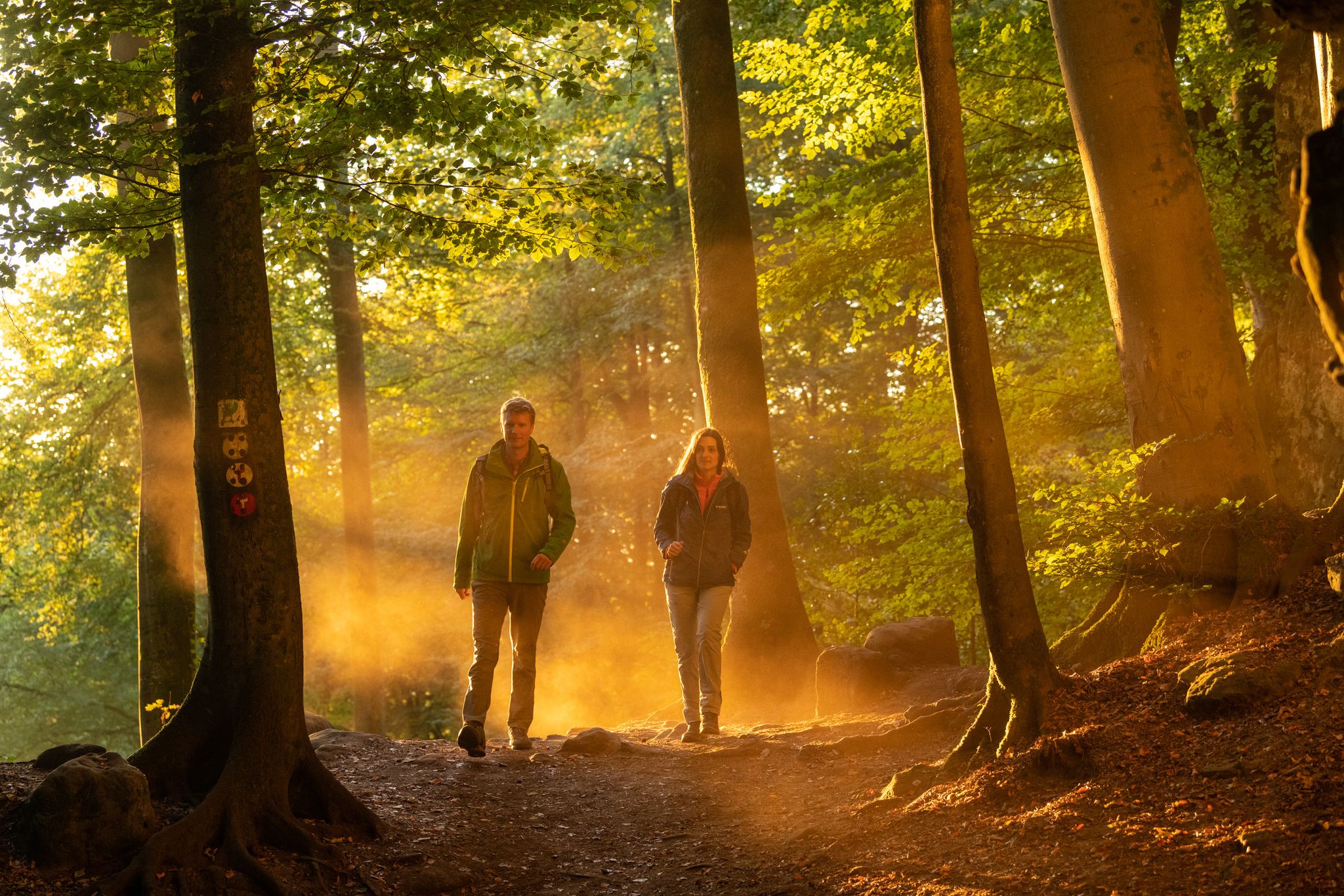
Mysterious forests and gorges — South Eifel and Luxembourg
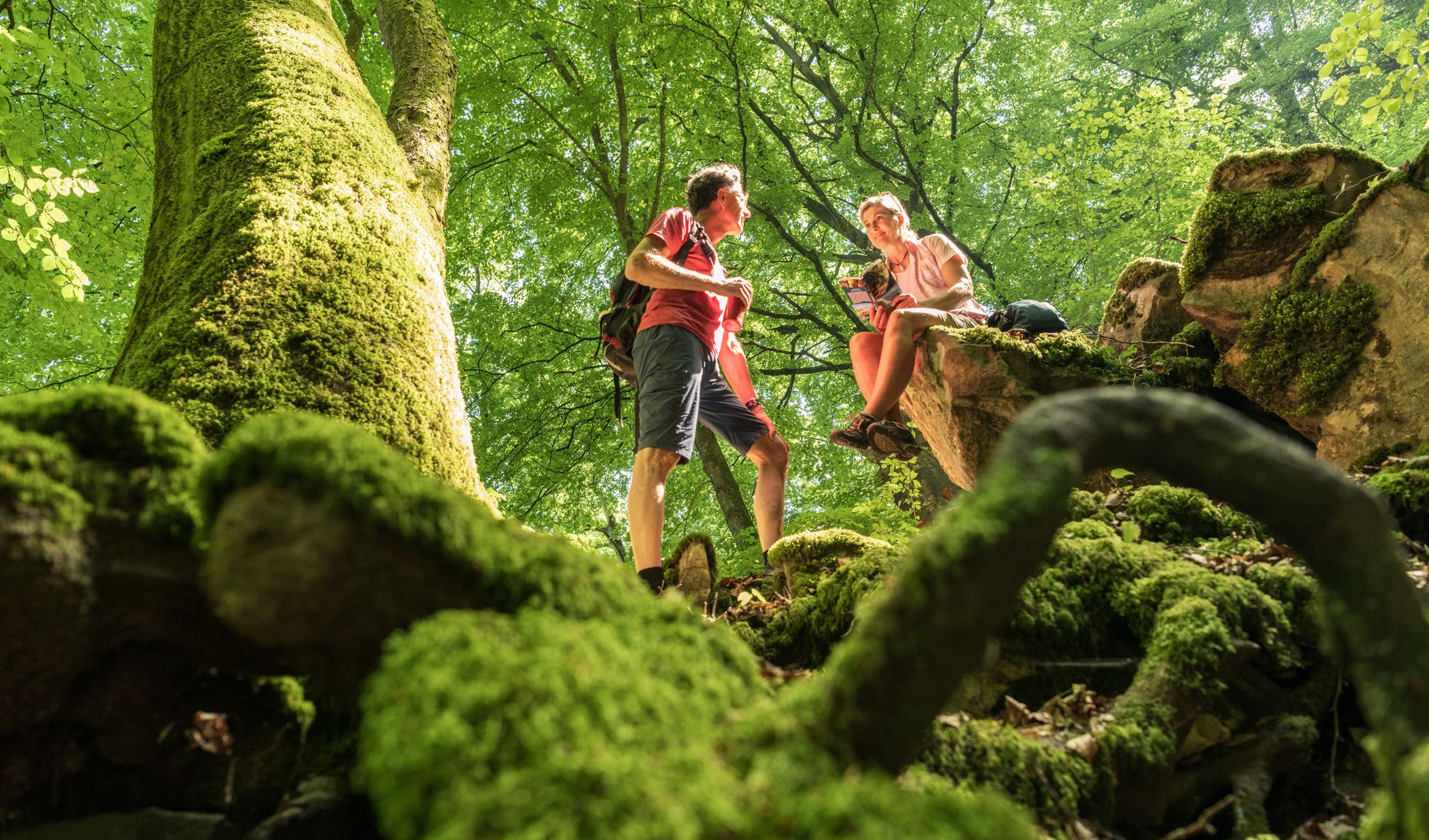
Ancient forests in the DeLux Nature Park
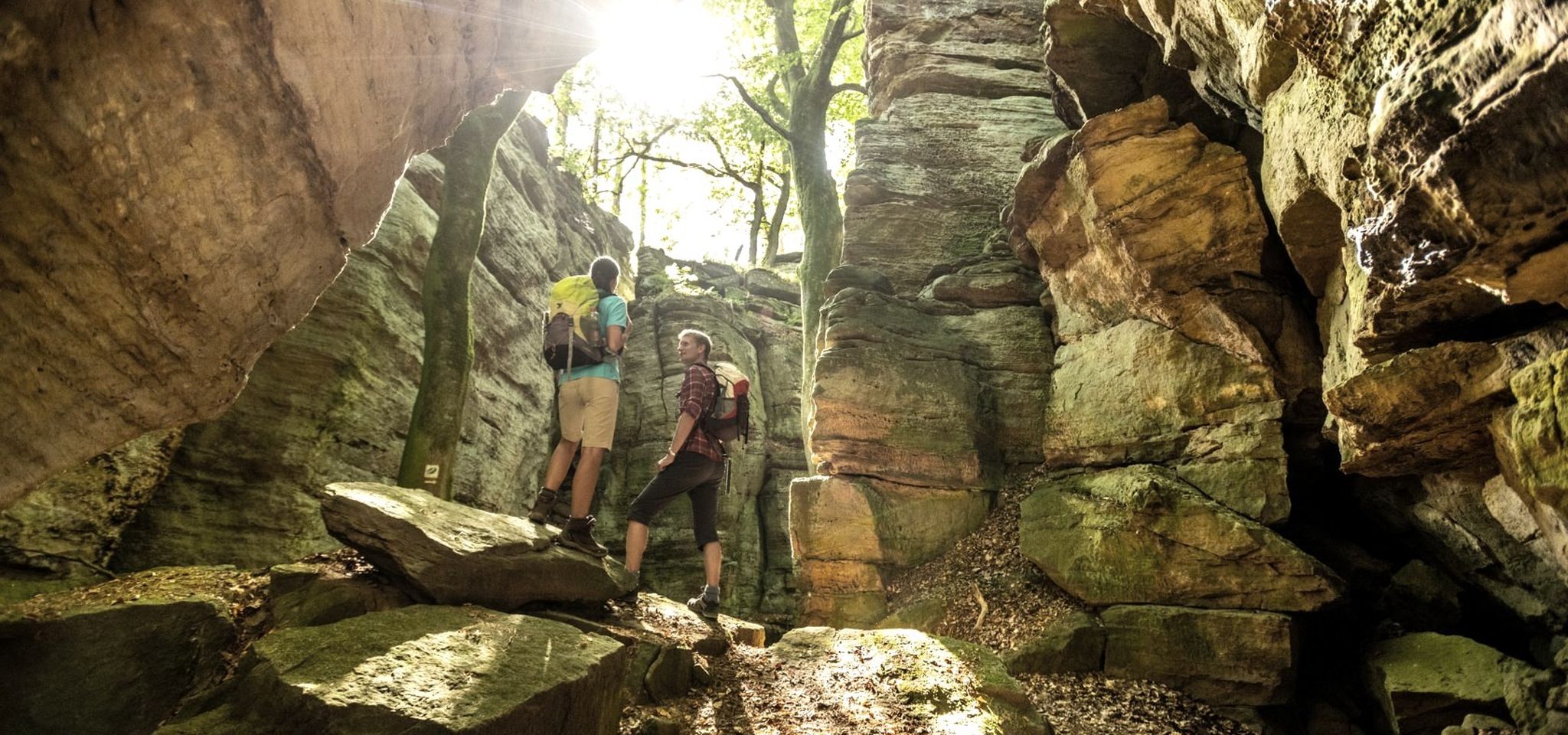
Giant trees & rocky canyons — hiking in the Southern Eifel
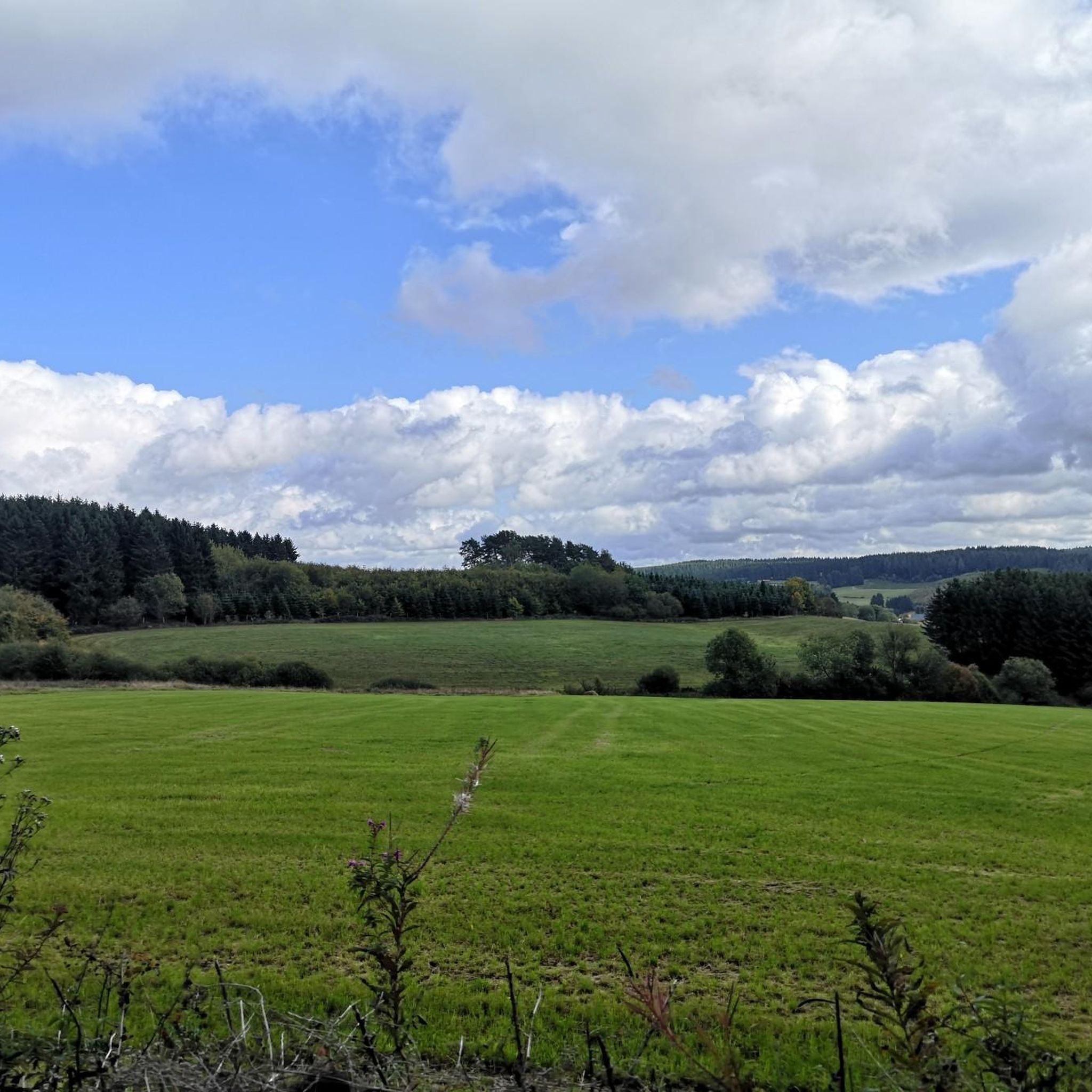
Hiking around Schneifel
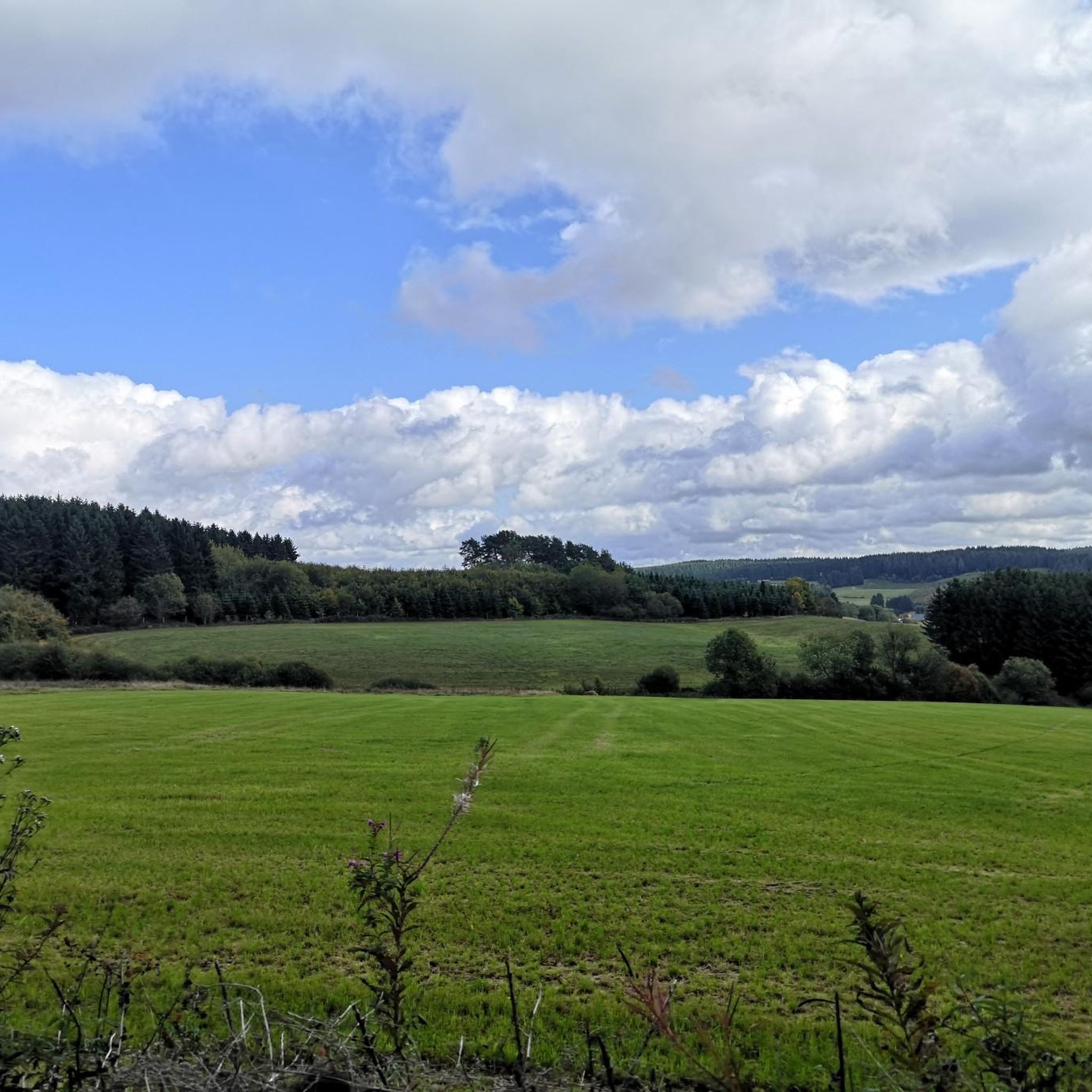
Cycling around Schneifel
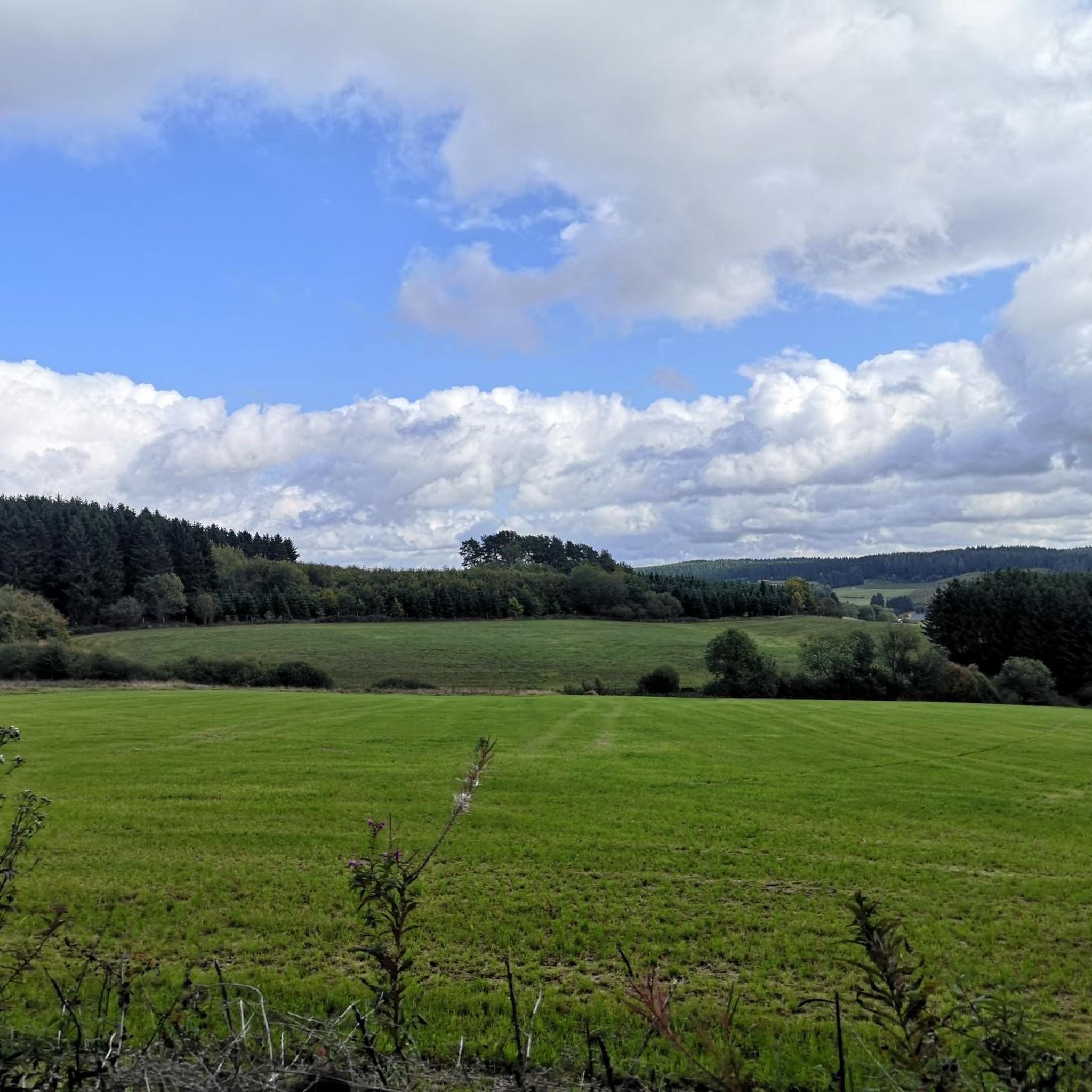
Running Trails around Schneifel
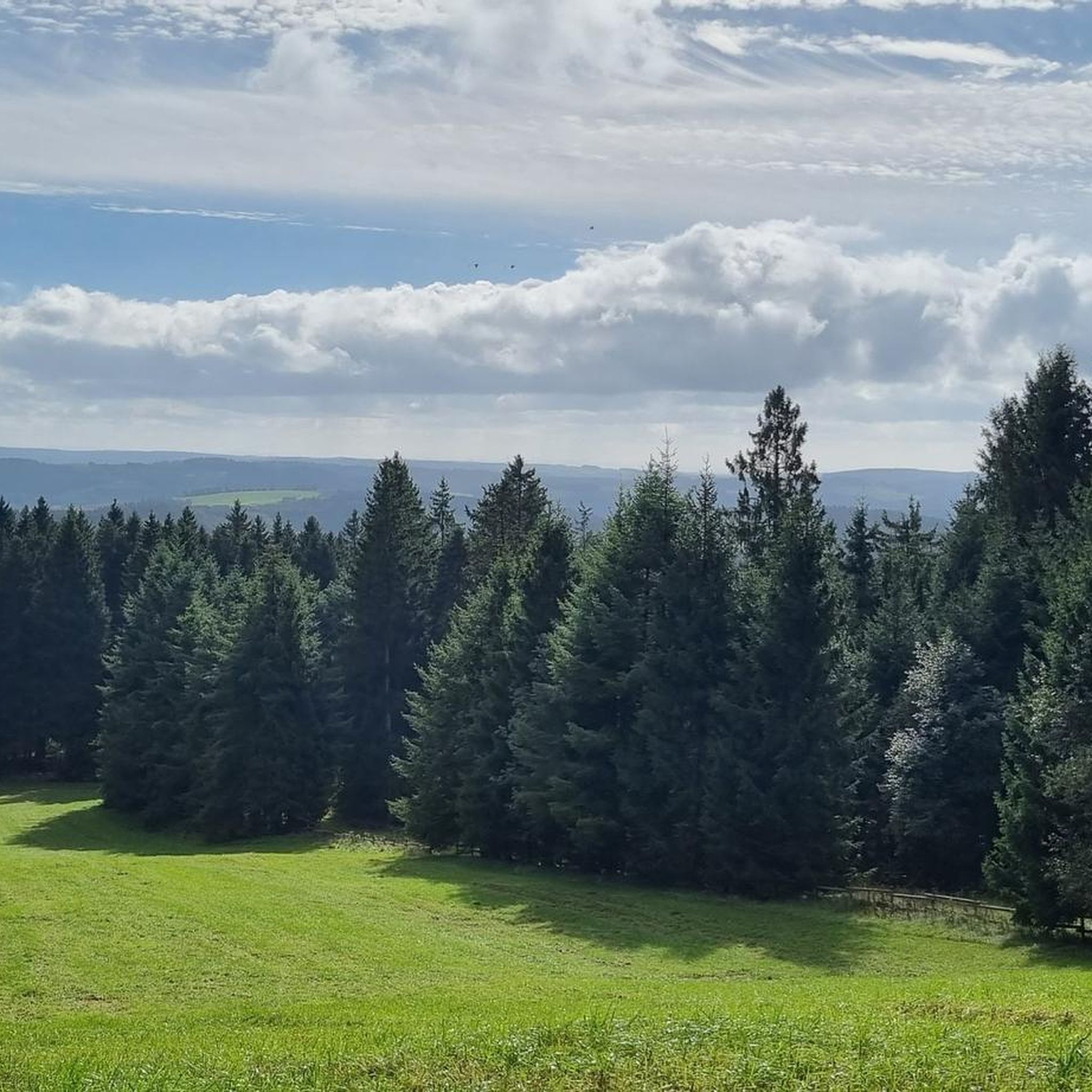
Road Cycling Routes around Schneifel
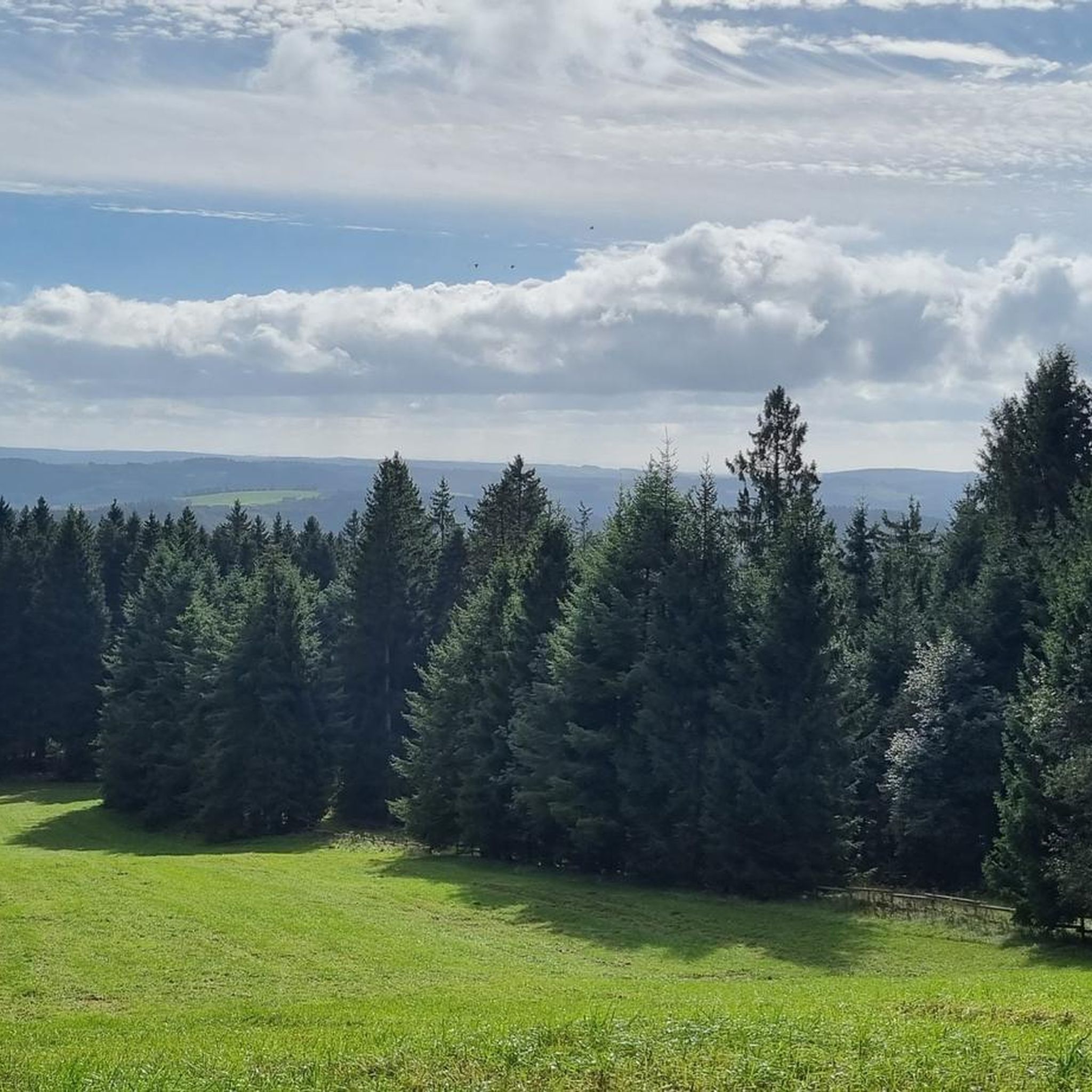
MTB Trails around Schneifel

Gravel biking around Schneifel
Other adventures around Schneifel

Tips from the Community

The Eschfenn is a moor on the Schneifel ridge in the Eifel region and forms a special natural feature of this region. The terms "fen" or "venn" are often used in the Eifel to describe a moor or swamp. The Eschfenn is a unique moorland landscape located on the northern slope of the Schneifel, below the high point of the Schwarzer Mann. The moorland of the Eschfenn is of great ecological importance, as it is the headwaters of the approximately 22-kilometer-long Alfbach stream, which later flows into the Prüm river west of Pronsfeld. The moors on the Schneifel, including the Eschfenn, were formed by the constant excess of water, which prevents the complete decomposition of plant remains and instead leads to the formation of peat. Unlike fens, the raised bogs of the Schneifel derive their water exclusively from precipitation. The Eschfenn is a central element of the Schneifel Moor Trail, which has been designated a premium hiking trail. Hikers exploring this region are guided through the damp sections of the Eschfenn along rustic wooden boardwalks. These walkways are necessary to protect the moor's fragile ecosystem while allowing visitors to safely navigate the muddy passages. The area surrounding the Eschfenn is characterized by dense forest, featuring lush vegetation with carpets of moss and blueberry and cranberry bushes, which in places exude a mystical atmosphere. The Eschfenn and the surrounding forest sections on the Schneifel are not only interesting from a nature conservation perspective but also harbor relics from the war era, as the hiking trails often lead past the remains of old defense installations, such as bunkers from the former West Wall. Access to the Moor Path and thus to the Eschfenn can be found, among other places, from the hiking car park at the Schwarzer Mann blockhouse.
0
0

The term "long stone or menhir" is also known as "Hinkelstein," at least for the generation that reads its asterisks well!
0
0

The stone was erected in 1930 below the Black Man by forest workers in memory of the forester Ivo Jansen.
0
0

Great location, definitely worth a visit. If you look closely at the stone you can still see parts of the writing that was once there. Unfortunately the writing is almost illegible due to shrapnel etc.
1
0

Der Schwarzer Mann is a statue that stands at the height of the Eiffel. And is located in the winter sports area of the Eiffel nice confirmation area for walking, with many attractions, such as a Dwarf boulder and remains of an old bunker
2
0
A striking stone near the statue Der Schwarze Mann. Is a memorial stone. https://kulturdb.de/einobjekt.php?id=7880
0
0


The name Black Man has nothing to do with the children's frightening figure The Black Man, but with the black faces of the miners when mining lead ore in the mines of Bleialf. The summit used to be called "Kerschgeroth", which probably derives from the clearing of the heavily forested area. Source: Wikipedia
0
0
Frequently Asked Questions
What are some of the most notable natural monuments to visit in Schneifel?
The Schneifel region offers several remarkable natural monuments. You can explore the highest point, Schwarzer Mann Summit and Wooden Statue, which provides panoramic views. Another interesting site is the Forstmeister Jansen Stone, a striking long stone with historical significance. Don't miss the View of Halenfeld, Oberlascheid, and the Schneifel for expansive vistas of the Eifel mountains.
What kind of natural features define the Schneifel region?
The Schneifel is characterized by its unique geological history, including ancient mountains and a prominent 15-kilometer quartzite ridge. The region features extensive forests, diverse bog landscapes like the Eschfenn, and high points such as the Schwarzer Mann. These elements showcase its geological and ecological significance within the Hohes Venn-Eifel Nature Park.
Are there any historical natural monuments in Schneifel?
Yes, the Forstmeister Jansen Stone is a notable example. This long stone is considered a natural monument and has a rich history, possibly serving as an ancient signpost or memorial stone. The area around the Schwarzer Mann also has historical ties to mining and charcoal burning, which may have influenced its name.
What do visitors particularly enjoy about the natural monuments in Schneifel?
Visitors appreciate the wide, beautiful views, especially from spots like the View of Halenfeld, Oberlascheid, and the Schneifel. The tranquility of the heavily wooded landscape, the unique geological formations, and the opportunity for relaxed walks on dirt roads are also frequently mentioned. The komoot community has shared over 100 photos and given more than 300 upvotes for the natural monuments in the region.
Are there specific hiking trails that lead to or through natural monuments in Schneifel?
Absolutely. The Schneifel Trail is a prominent route that guides you through the region's natural beauty, including the 'Hohl-Ley' Rock Formation. The Schneifel Moor Trail, which is a premium hiking trail, also leads through unique areas like the Eschfenn, featuring rustic wooden boardwalks.
Are there easy hiking trails suitable for beginners or families near Schneifel's natural monuments?
Yes, several easy trails are available. For instance, the 'Westwallweg Bunker Remains – Ruins of Westwall Bunker loop from Sender Schnee-Eifel' is an easy 6.7 km hike. Another family-friendly option is the 'Kettenkreuz Memorial – Blockhouse Schwarzer Mann loop from Sender Schnee-Eifel', which is about 4.6 km. You can find more easy hikes in the Easy hikes around Schneifel guide.
Can I go winter hiking to see natural monuments in Schneifel?
Yes, the Schneifel region, particularly around the Schwarzer Mann Summit, is known for its unusually cold and snowy winters. When snow conditions permit, groomed cross-country ski trails and cleared hiking paths are often available, offering a unique way to experience the natural monuments in a winter landscape.
What other outdoor activities can I do near the natural monuments in Schneifel?
Beyond exploring the natural monuments, the Schneifel offers various outdoor activities. You can find numerous hiking opportunities, including moderate and difficult routes, as detailed in the Hiking around Schneifel guide. For runners, there are several jogging trails, such as the 'Moor Cross at Eschfenn – Forstmeister Jansen Stone loop', which you can explore in the Running Trails around Schneifel guide.
Are the natural monuments in Schneifel suitable for families with children?
Many natural monuments and trails in Schneifel are family-friendly. For example, the Schwarzer Mann Summit and the View of Halenfeld, Oberlascheid, and the Schneifel are highlighted as suitable for families. The region also offers easy walks, perfect for younger visitors.
Can I bring my dog to the natural monuments and trails in Schneifel?
While specific rules for dogs at each natural monument are not detailed, the Schneifel region is generally welcoming to dogs on its extensive network of hiking trails. It's always advisable to keep dogs on a leash, especially in nature protection areas or near wildlife, and to respect local signage.
When is the best time of year to visit the natural monuments in Schneifel?
The Schneifel offers different experiences throughout the year. Spring and autumn are ideal for hiking, with pleasant temperatures and beautiful foliage. The region is also known for its snowy winters, making it a unique destination for winter sports and hiking, particularly around the Schwarzer Mann.
Where can I find panoramic views of the Schneifel landscape?
For breathtaking panoramic views, head to the Schwarzer Mann Summit, the highest point in the North Eifel Nature Park. Another excellent spot is the View of Halenfeld, Oberlascheid, and the Schneifel, which offers expansive vistas of the Eifel mountains from the forest edge.
What is the 'Hohl-Ley' Rock Formation and where can I find it?
The 'Hohl-Ley' Rock Formation is a distinct geological feature explicitly marked as a natural monument along the Schneifel Trail. Its unique characteristics make it a noteworthy stop for hikers exploring this route.
Are there any unique geological formations to observe in Schneifel?
The entire Schneifel ridge is a remarkable geological feature, formed from ancient mountains and characterized by a 15-kilometer long, sinewy quartzite ridge. This ridge showcases the resistance of local quartz rock to weathering, offering insights into the Earth's ancient past. The 'Hohl-Ley' Rock Formation is a specific example of these distinct geological characteristics.
Are there any bogs or unique ecosystems to explore in Schneifel?
Yes, the Schneifel's climate and topography contribute to the formation of unique bogs and heaths. The Eschfenn is a prime example, a moorland landscape of great ecological importance. Trails with boardwalks allow visitors to observe rare plants that thrive in these moist environments while protecting the sensitive habitats.
Most popular routes around Schneifel
Most popular attractions around Schneifel

Get inspired with the komoot mobile app


Explore more
Extend your search for the best caves by checking out these guides of the top ones around Schneifel:
