The best walks and hikes around Schneifel
4.5
(5221)
18,347
hikers
76
hikes
Hiking around Schneifel offers a diverse landscape characterized by heavily wooded hills, forming part of the western Eifel near the German-Belgian border. The region features a distinctive 9.3 miles (15 km) long quartzite ridge, resistant to weathering, that stands out from the surrounding plateau. Hikers will encounter varied forest types, including deciduous, mixed, and coniferous forests, alongside bogs, heaths, and narrow valleys. The Nims and Kyll rivers also meander through the landscape, contributing to its natural beauty.
Best hiking trails around Schneifel
- The most popular hiking route is Hiking loop from Sender Schnee-Eifel, a 9.4 miles (15.1 km) trail that takes 4 hours 7 minutes to complete. This moderate route explores the area around a prominent local landmark.
- Another top favourite among local hikers is Westwallweg Bunker Remains – Ruins of Westwall Bunker loop from Sender Schnee-Eifel, an easy 4.2 miles (6.8 km) path. This trail leads past historical remnants of the Siegfried Line.
- Local hikers also love the Blockhouse Schwarzer Mann – Westwallweg Bunker Remains loop from Buchet, a 6.1 miles (9.8 km) trail leading through wooded areas and past historical sites, often completed in about 2 hours 40 minutes.
- Hiking around Schneifel is defined by heavily wooded hills, a distinctive quartzite ridge, and remnants of historical fortifications. The network offers options for various ability levels, from easy walks to more challenging routes.
- The routes in Schneifel are highly rated by the komoot community with an average score of 4.5 stars from over 500 reviews. More than 2000 hikers have used komoot to explore Schneifel's varied terrain.
Last updated: June 27, 2026
4.7
(139)
485
hikers
15.1km
04:07
220m
220m
Moderate hike. Good fitness required. Easily-accessible paths. Suitable for all skill levels.
4.7
(72)
219
hikers
Easy hike. Great for any fitness level. Easily-accessible paths. Suitable for all skill levels.

Sign up for free
4.4
(20)
88
hikers
9.81km
02:40
140m
140m
Moderate hike. Good fitness required. Easily-accessible paths. Suitable for all skill levels.
4.4
(23)
59
hikers
9.97km
02:44
160m
160m
Moderate hike. Good fitness required. Easily-accessible paths. Suitable for all skill levels.
4.1
(8)
29
hikers
Hard hike. Very good fitness required. Easily-accessible paths. Suitable for all skill levels.
Get access to more routes and recommendations from other explorers.
Sign up for free
Already have an account?
Our route recommendations are based on thousands of hikes, rides, and runs completed by other people on komoot.
Start today with a free account
Your next adventure awaits.
Login or Signup
Popular around Schneifel
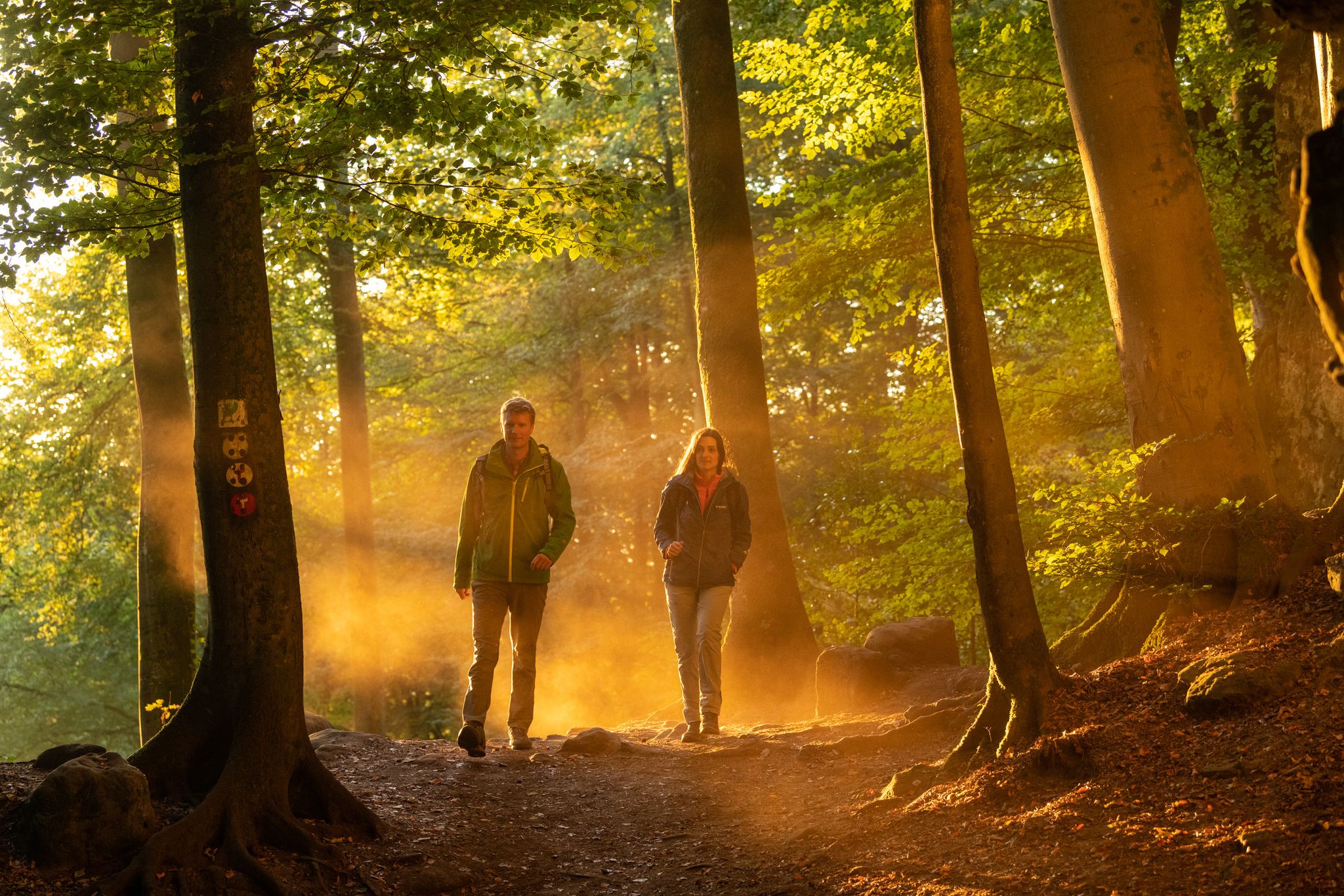
Mysterious forests and gorges — South Eifel and Luxembourg
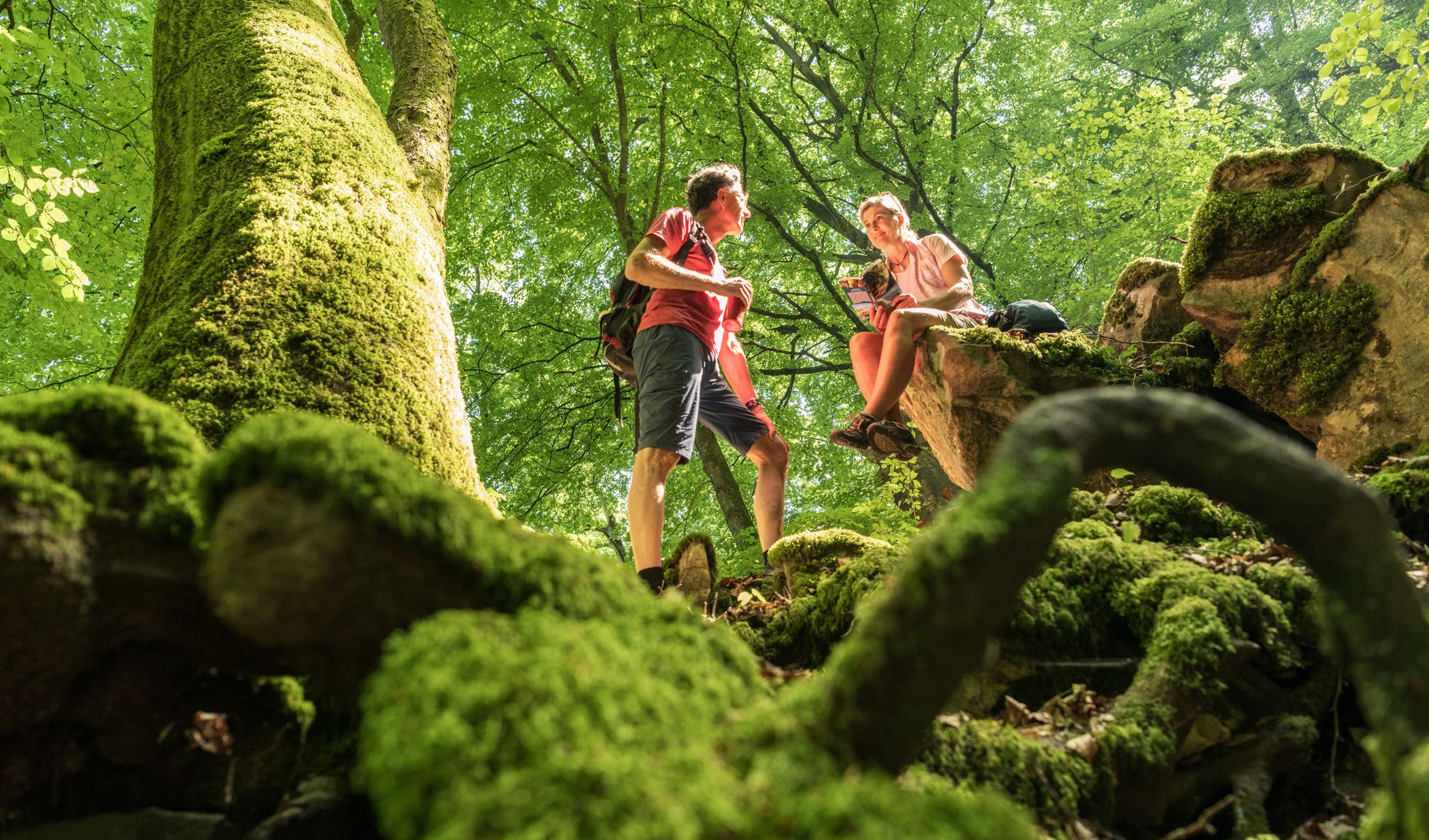
Ancient forests in the DeLux Nature Park
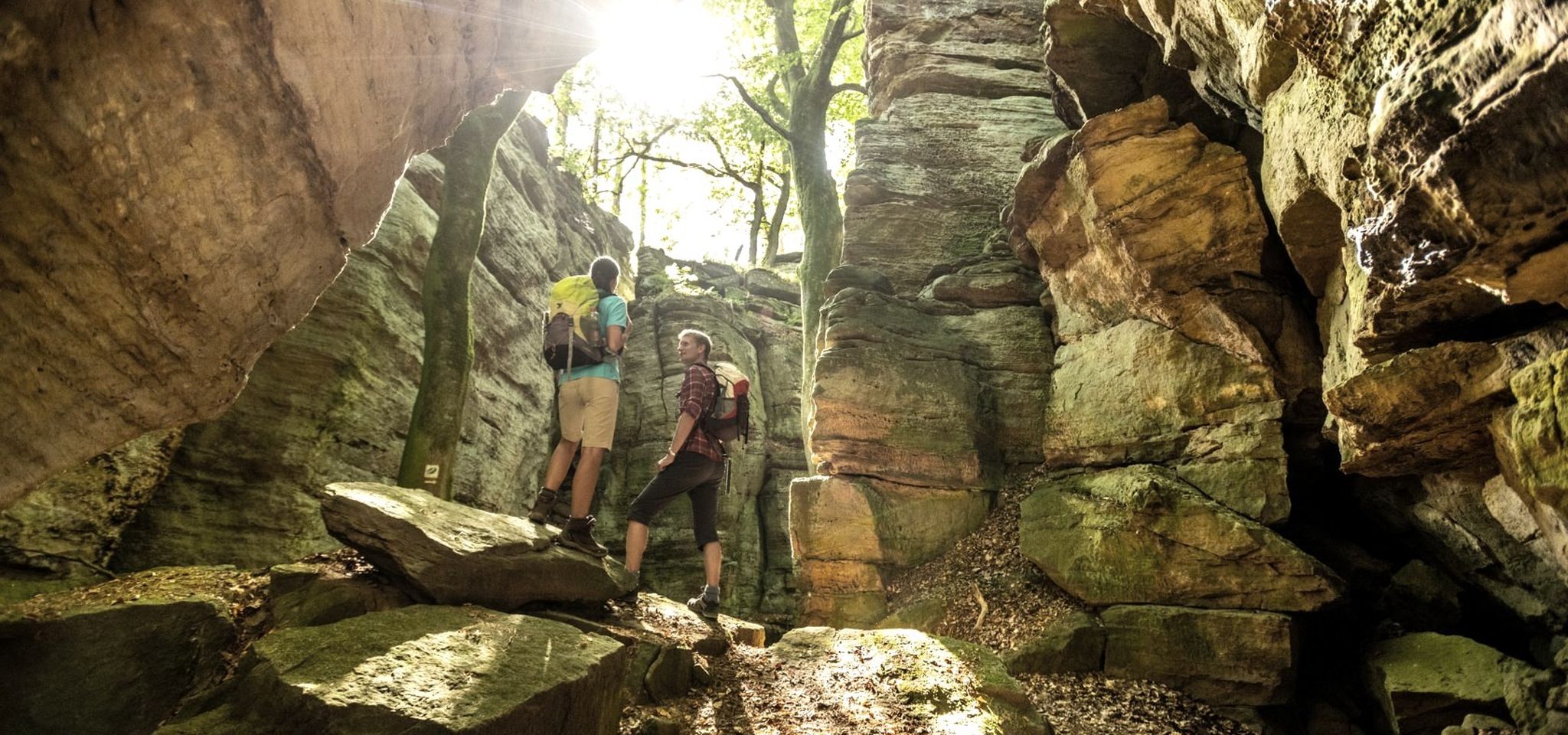
Giant trees & rocky canyons — hiking in the Southern Eifel
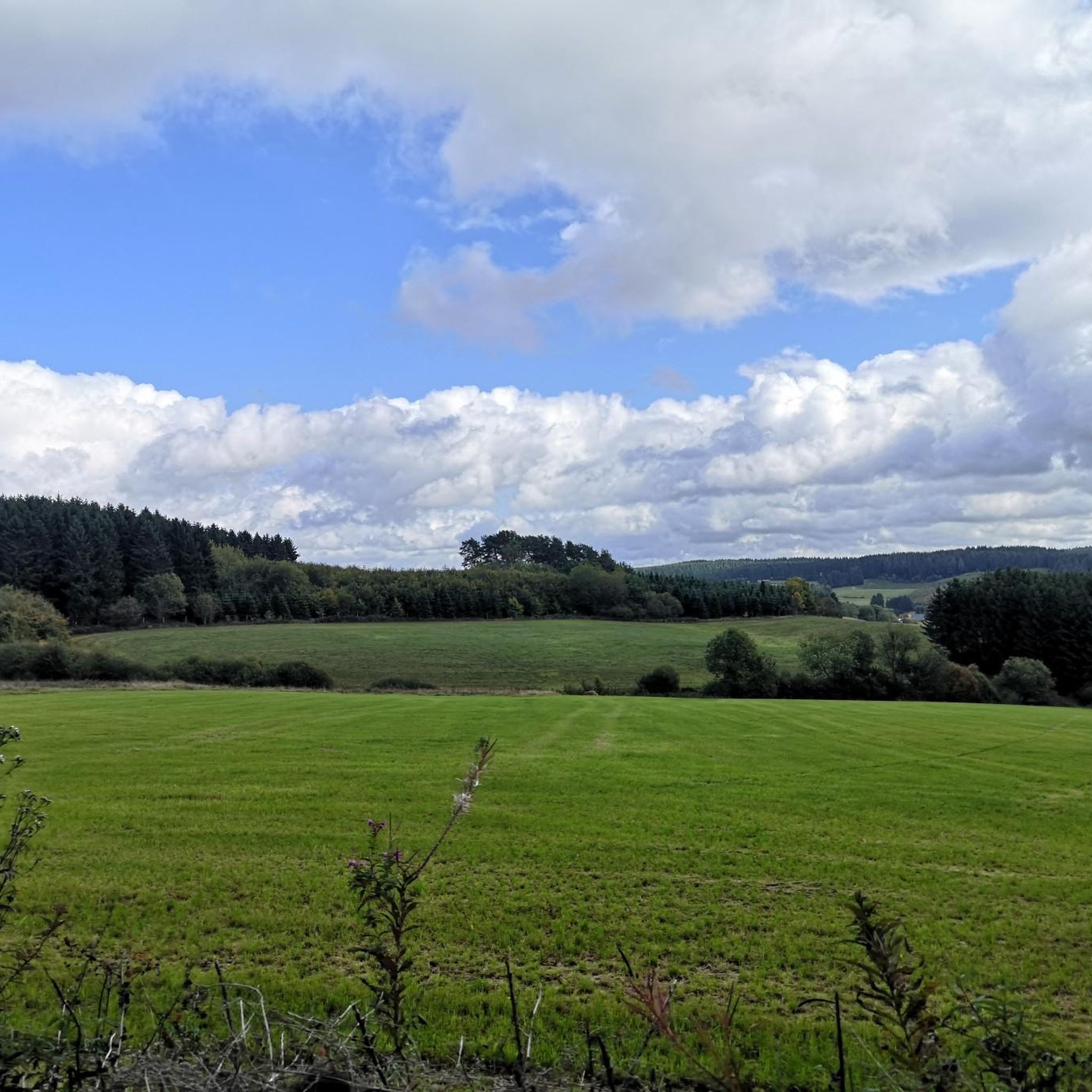
Cycling around Schneifel
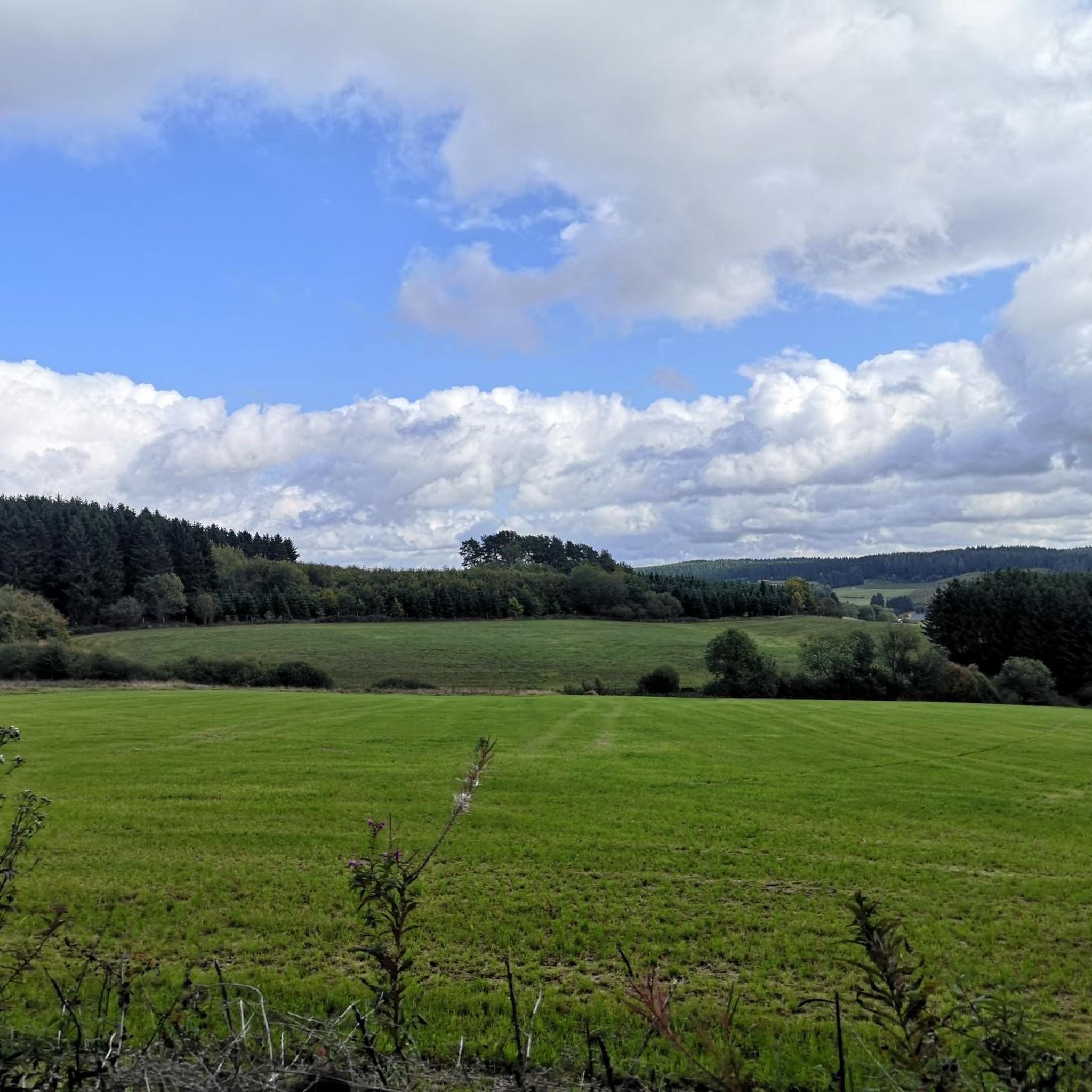
Running Trails around Schneifel
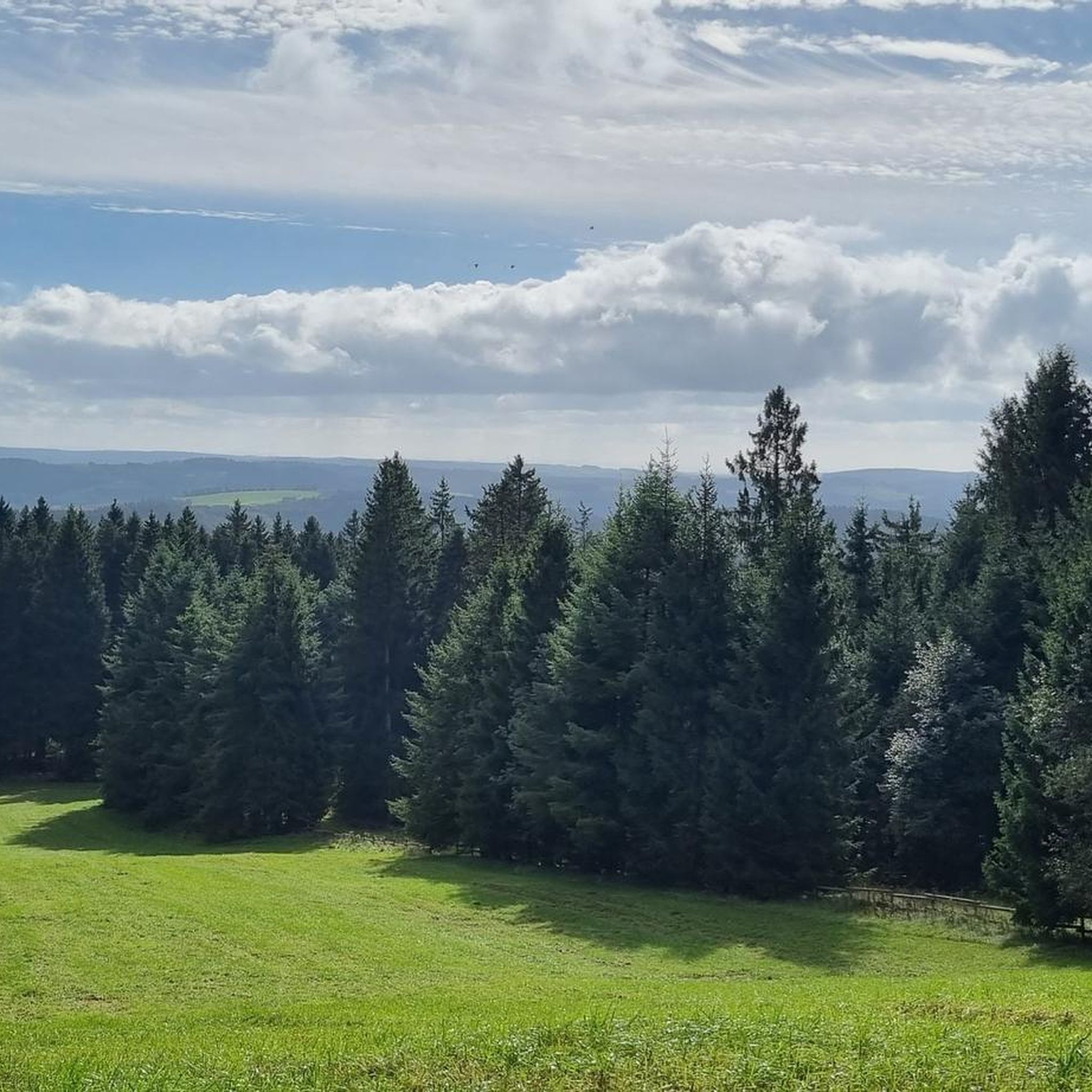
Road Cycling Routes around Schneifel
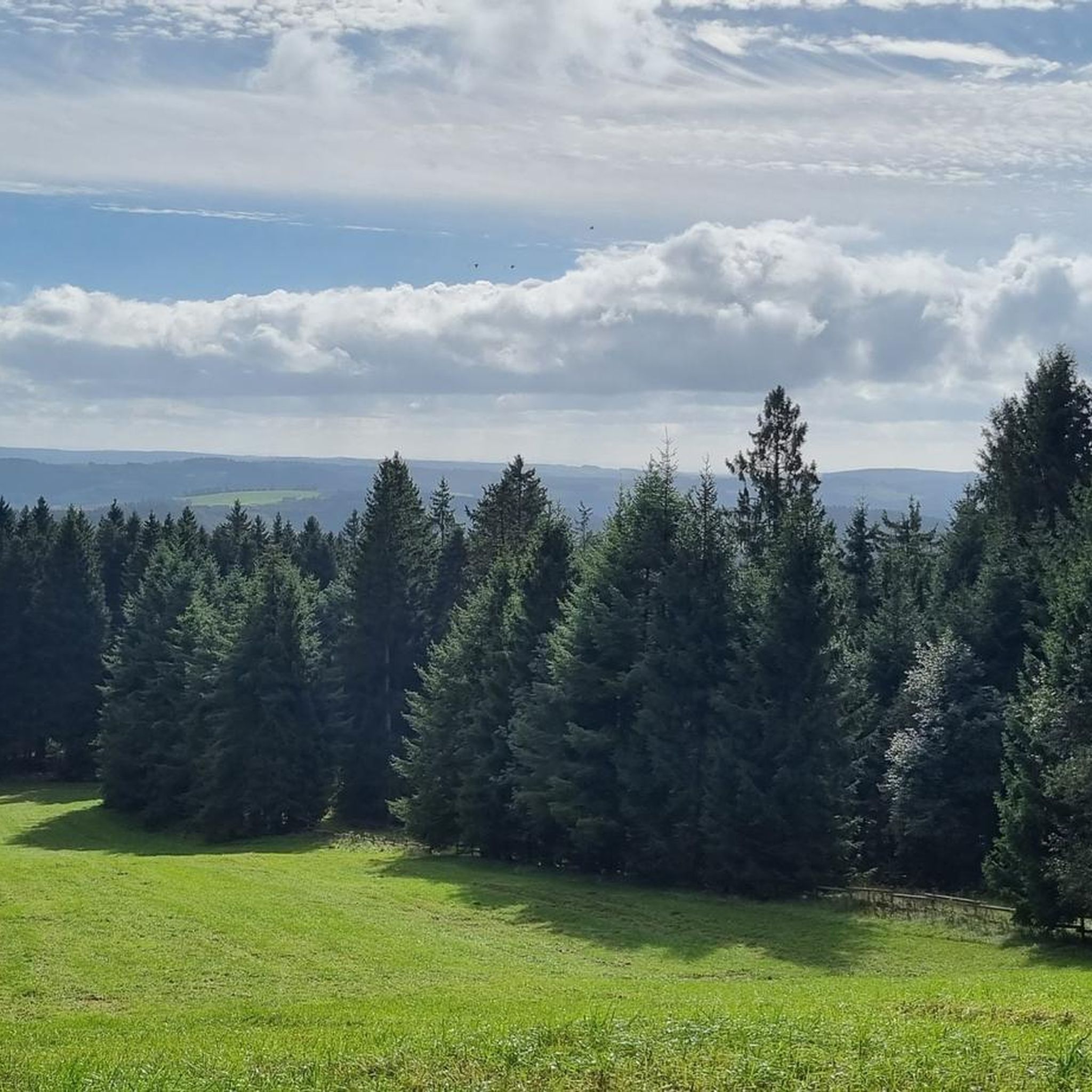
MTB Trails around Schneifel

Gravel biking around Schneifel
Other adventures around Schneifel

Tips from the Community

The term "long stone or menhir" is also known as "Hinkelstein," at least for the generation that reads its asterisks well!
0
0

The stone was erected in 1930 below the Black Man by forest workers in memory of the forester Ivo Jansen.
0
0
The bunkers were blown up after the war and are now only recognizable as rubble. Excellent biotopes for rare animals and plants have developed in the ruins. Wild cats and bats, rare mosses and lichens are conquering these moist habitats.
0
0
Attention, the hiking trail branches off behind the hut and does not continue along the edge of the forest.
0
0
This section is the shortcut for the Schneifel Moore Trail
0
0

Very nice path through the forest
0
0

It's worth coming here because you're in a quiet place. You can look at the remains of the bunkers and read the information boards. There are also many opportunities to take a break, such as the shelter or one of the many benches that the tour offers.
3
0

In bad weather, hike with caution
1
0
Frequently Asked Questions
How many hiking trails are available in Schneifel?
Schneifel offers a wide variety of hiking opportunities, with over 75 trails to explore. These routes cater to different preferences, including 41 easy, 31 moderate, and 4 difficult options, ensuring there's something for every hiker.
Are there easy hiking options in Schneifel suitable for beginners or families?
Yes, Schneifel has numerous easy hiking trails perfect for beginners and families. For instance, the Westwallweg Bunker Remains – Ruins of Westwall Bunker loop from Sender Schnee-Eifel is an easy 4.2-mile (6.8 km) path that takes you past historical remnants of the Siegfried Line. The region's diverse landscape with varied forest types and open heights also provides gentle terrain for leisurely walks.
What kind of challenging hikes can I find in Schneifel?
For those seeking a challenge, Schneifel offers several difficult routes. A notable example is the Alfbach Footbridge – Former Charcoal Burner's Site loop from Schlausenbach, a demanding 12.5-mile (20.1 km) trail with significant elevation changes, leading through wild forest areas and past historical sites. The longer sections of the Schneifel Trail also present challenging climbs and descents.
Are there circular hiking routes in Schneifel?
Many of the hiking routes in Schneifel are designed as circular loops, allowing you to start and end at the same point. A popular choice is the Hiking loop from Sender Schnee-Eifel, a moderate 9.4-mile (15.1 km) trail that explores the area around a prominent local landmark. Another option is the Blockhouse Schwarzer Mann – Westwallweg Bunker Remains loop from Buchet, which is 6.1 miles (9.8 km) long.
What are the notable natural landmarks or attractions to see while hiking in Schneifel?
Schneifel is rich in natural beauty and unique landmarks. You can visit the Schwarzer Mann Summit and Wooden Statue, the highest point in the region, offering panoramic views. The Eschfenn picnic area features boardwalks through sensitive natural areas where rare plants thrive. Don't miss the bizarre rock formations in Schönecker Schweiz or the rock formation "Hohl-Ley".
What historical sites can I discover on hikes in Schneifel?
The Schneifel region is steeped in history. Hikers can encounter remnants of the Siegfried Line, such as bunkers and "dragon's teeth," which have now become important biotopes. The Westwall bunker ruins in Naturpark Hohes Venn-Eifel are a significant historical site. You can also find traces of the region's past charcoal makers, commemorated by the wooden statue at Schwarzer Mann.
What do other hikers say about the trails in Schneifel?
The trails in Schneifel are highly regarded by the komoot community, boasting an average rating of 4.5 stars from over 500 reviews. Hikers often praise the diverse landscapes, from heavily wooded hills to open heights, and the well-maintained paths. The blend of natural beauty and historical elements, such as the Siegfried Line remnants, is frequently highlighted as a unique aspect of the hiking experience.
What is the best time of year to go hiking in Schneifel?
Schneifel offers a rewarding hiking experience throughout much of the year. Spring and autumn are particularly popular due to pleasant temperatures and vibrant foliage. The region's cool, precipitation-rich climate ensures lush greenery in summer, while winter transforms it into a snowy landscape, especially around the Schwarzer Mann, which is also a winter sports area.
Are there options for winter hiking in Schneifel?
Yes, Schneifel is known for its winter charm, particularly around the Schwarzer Mann, which serves as a winter sports area. When conditions allow, the snow-covered forests and hills provide a serene backdrop for winter hikes. It's advisable to check local weather and trail conditions before heading out during the colder months.
How can I reach the hiking trails in Schneifel by public transport?
While specific public transport connections directly to all trailheads can be limited in rural areas like Schneifel, larger towns surrounding the region, such as Prüm, often have bus connections. From these towns, you might find local services or need to arrange alternative transport to reach more remote starting points. Planning your route in advance and checking local bus schedules is recommended.
Where can I park when hiking in Schneifel?
Designated parking areas are typically available at popular trailheads and key attractions throughout Schneifel. For example, areas near the Sender Schnee-Eifel and the Schwarzer Mann often provide parking facilities. It's always a good idea to check the specific starting point of your chosen route for parking information.
Is the Schneifel Trail suitable for a day hike?
The full Schneifel Trail is a challenging 73-kilometer route, which is generally too long for a single day hike. However, it can be broken down into shorter, manageable sections. For instance, a day hike on a segment of the Schneifel Trail, such as between Prüm and Schönecken, allows you to experience its rugged beauty, quiet forests, and expansive views without committing to the entire multi-day journey. You can find more information about the trail on rlp-tourismus.com.
What kind of landscapes will I encounter while hiking in Schneifel?
Hiking in Schneifel offers a remarkably diverse landscape. You'll traverse heavily wooded hills with extensive deciduous, mixed, and coniferous forests, as well as distinctive bogs and heaths, particularly near the Schwarzer Mann. The region is characterized by its 15-kilometer long quartzite ridge, narrow valleys, and open heights, with the Nims and Kyll rivers adding to the natural beauty. You might also encounter bizarre rock formations and remnants of ancient geological history.
Most popular routes around Schneifel
Most popular attractions around Schneifel

Get inspired with the komoot mobile app


Explore more
Browse the best Hikes in other regions.
