Top 11 Natural Monuments around Rotenberg
Natural monuments around Rotenberg showcase a landscape shaped by unique geological and historical processes. The region features significant hydrogeological sites, such as springs formed by underground karst systems, and ancient cultural monuments. These natural features provide insights into the area's ecological significance and past land management practices. Visitors can explore a variety of natural attractions, from distinctive forested areas to impressive spring formations.
Best natural monuments around Rotenberg
- The most popular natural monuments is Pollarded hornbeam wood near Gieboldehausen,…
Last updated: June 27, 2026
Rhume Spring
Highlight • Natural Monument
Translated by Google •
Tip by

Pollarded hornbeam wood near Gieboldehausen
Highlight • Forest
In 1995, the Landscape Conservation …
Translated by Google •
Tip by

Sign up now to discover places like this
Get recommendations on the best single tracks, peaks, & plenty of other exciting outdoor places.
Sign up for free
Oderaue Nature Reserve near Pöhlde
Highlight • Natural
Translated by Google •
Tip by

dolomite rock
Highlight • Natural Monument
Translated by Google •
Tip by
Finnenbruch Nature Reserve
Highlight • Natural Monument
Translated by Google •
Tip by

Sign up for free to discover even more natural monuments around Rotenberg.
Sign up for free
Already have an account?
Start today with a free account
Your next adventure awaits.
Login or Signup
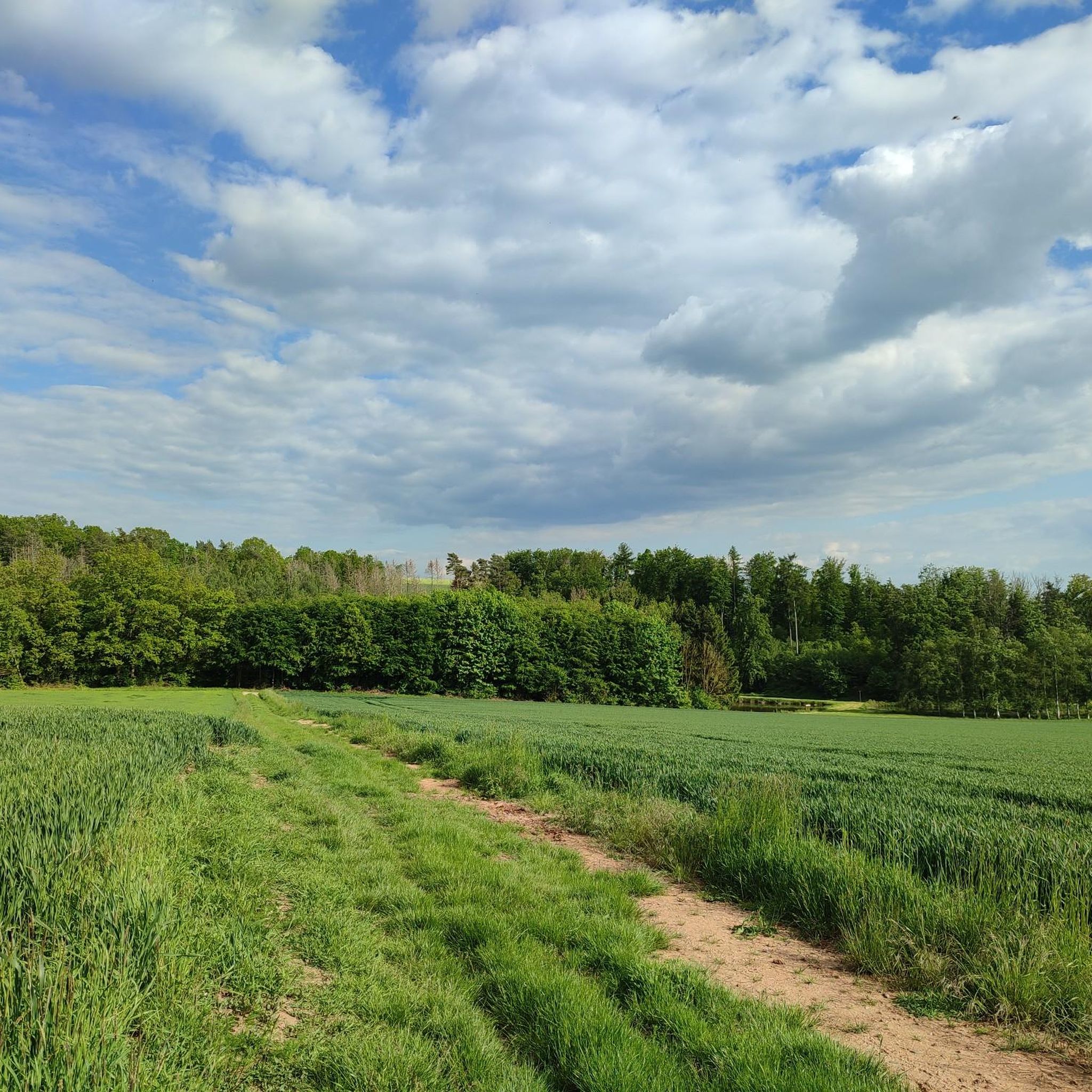
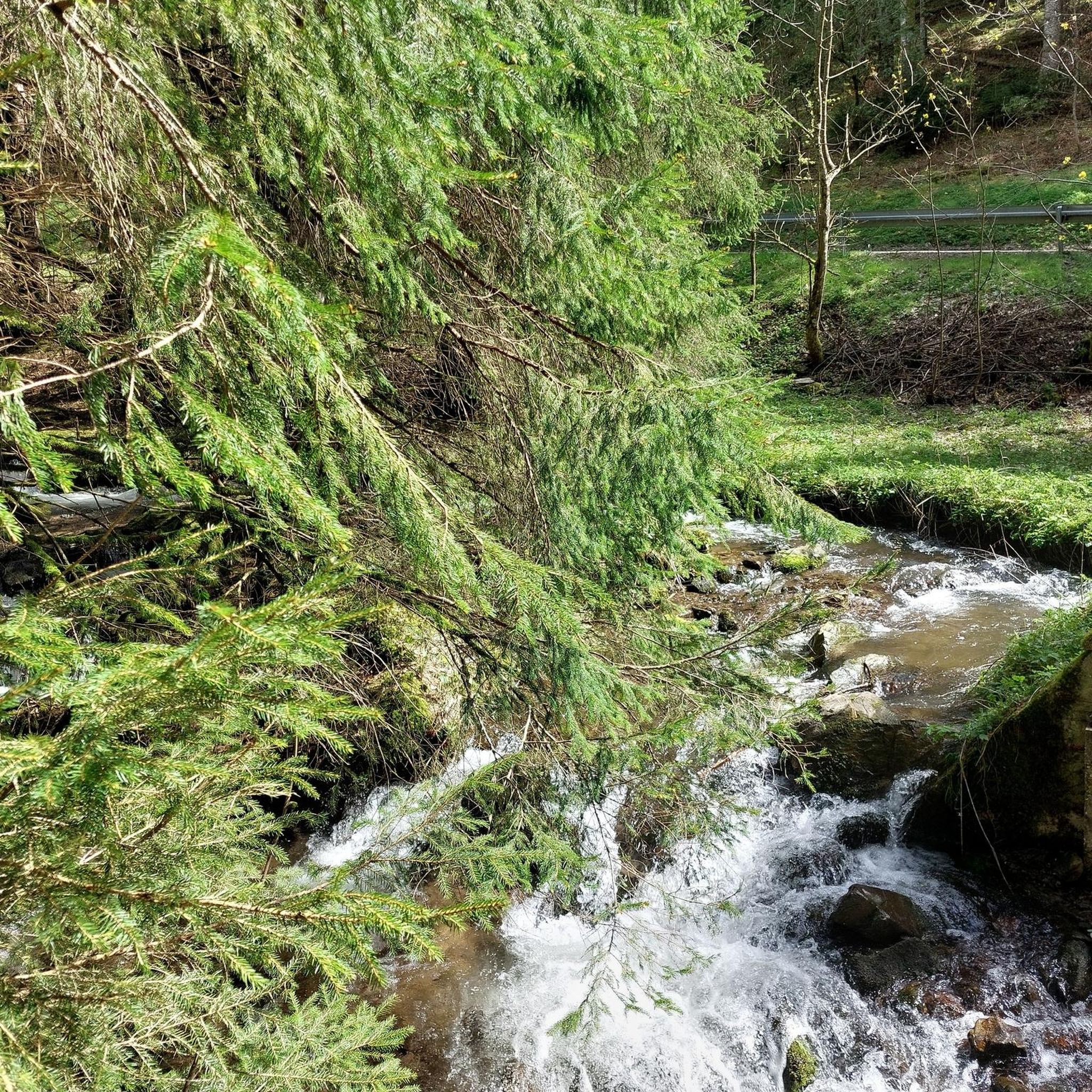
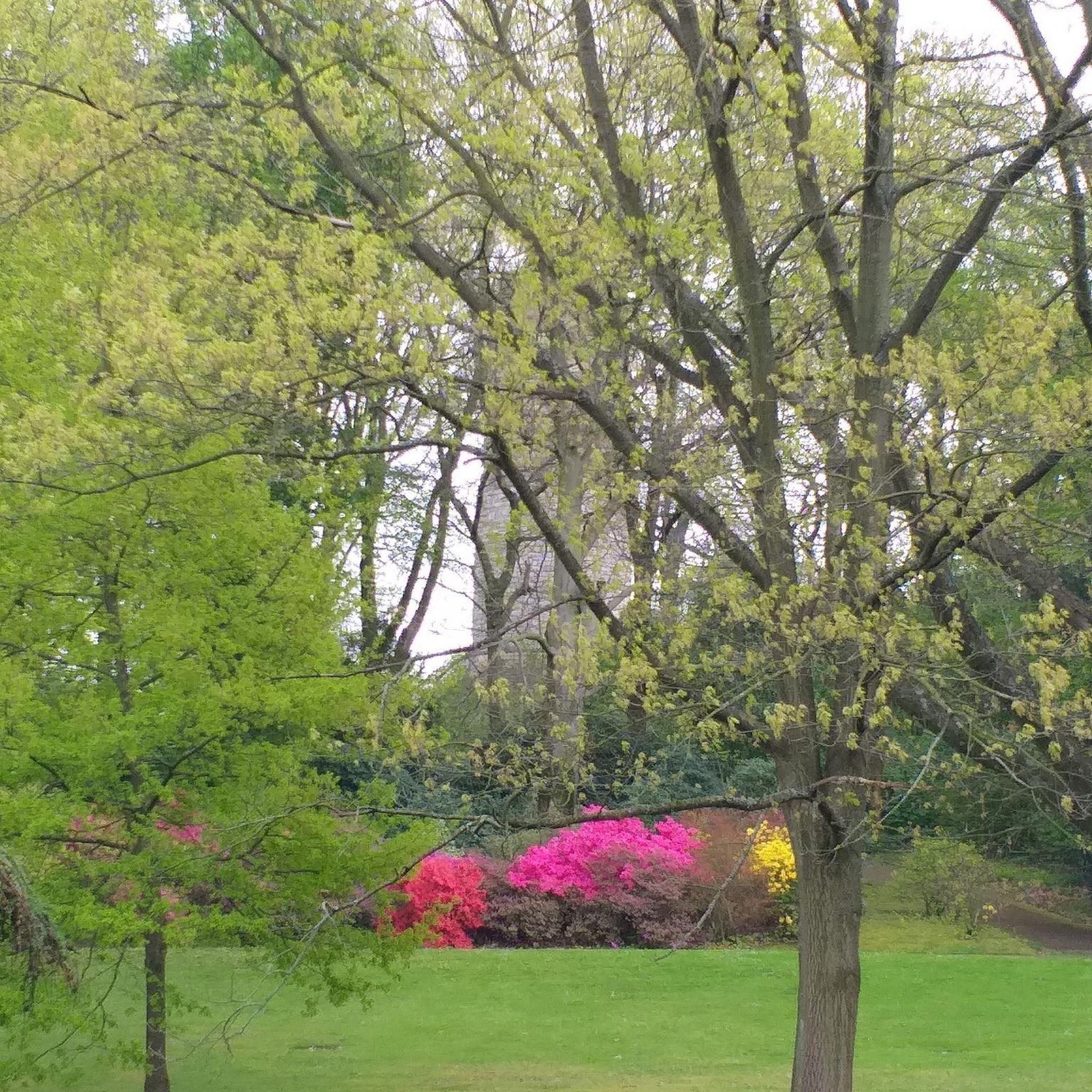
Tips from the Community


The hornbeam forest is definitely worth a visit. Good information board with the creation and use of the facility.
0
0

After all the rain, it's better to take a boat instead of a bike.
0
0

The head hornbeam forest dates from the time of the coppice economy. Back then, firewood was an important raw material. There was always a shortage of firewood, but also of grazing land for cattle. The solution was the use of head wood. The hornbeams were trimmed to a height of 2m so that cattle could graze under the trees without being able to bite the young shoots of the beeches. At the same time, there was enough firewood. The overgrown appearance was created by pruning the trees every 15-18 years.
7
0

In the last century, firewood has become less and less important. The use of the stock has therefore been almost completely abandoned in recent decades. In 1995, the Landscape Conservation Association of the Landkreis Göttingen e.V. campaigned for the preservation of the trees and leased the area on a long-term basis in order to protect it from the threatened conversion into a high beech forest. Together with the Realgemeinde of Gieboldehausen, the hornbeams are used again in the usual rotation for meter wood production for fuel purposes.
12
1

I enjoyed the peace and the beautiful forest.
17
0
A mystical place, everywhere it bubbles and the color of the water is something very special.
18
1
This route leads along the Eichsfeld hiking trail and the karst hiking trail through a beautiful mixed forest.
19
0
Frequently Asked Questions
What unique natural features can I explore among Rotenberg's natural monuments?
The Rotenberg region offers a variety of distinctive natural features. You can discover significant hydrogeological sites like the Rhume Spring, known for its impressive spring pot and unique bluish water. There are also historic forested areas such as the Pollarded hornbeam wood near Gieboldehausen, and nature reserves like Oderaue Nature Reserve near Pöhlde, which features river landscapes and trails.
Are there any natural monuments around Rotenberg with historical significance?
Yes, the Pollarded hornbeam wood near Gieboldehausen is recognized as a special historic cultural monument. This 8-hectare forest dates back to the era of coppice farming, with many of its over 1800 hornbeam trees exceeding 100 years in age. Their gnarled appearance is a result of traditional pruning methods, offering a glimpse into historical land management practices.
What makes the Rhume Spring a significant natural monument?
The Rhume Spring is a notable hydrogeological natural monument. Its impressive spring pot is formed by groundwater from the Harz slopes rushing through an underground karst cave system. This water is forced to the surface with considerable pressure, and its distinctive bluish hue is caused by light scattering off small lime particles absorbed during its journey through rock layers.
What kind of wildlife can be spotted in the natural monuments around Rotenberg?
The diverse ecosystems within Rotenberg's natural monuments provide habitats for various animals. For instance, the gnarled 'head beeches' of the Pollarded hornbeam wood near Gieboldehausen are an ideal habitat for many species. Nature reserves like Oderaue Nature Reserve near Pöhlde and Finnenbruch Nature Reserve, with their river landscapes, forests, and bogs, also support a variety of local wildlife.
What do visitors particularly enjoy about the natural monuments in Rotenberg?
Visitors appreciate the unique geological processes visible at sites like the Rhume Spring, and the historical insights offered by the Pollarded hornbeam wood near Gieboldehausen. The region's natural monuments are also valued for their scenic beauty and the opportunities they provide for exploration along trails, as evidenced by over 1200 photos shared by the komoot community.
Are there hiking opportunities near the natural monuments in Rotenberg?
Yes, many natural monuments in Rotenberg are integrated into hiking networks. For example, the Rhume Spring is located on the Karst hiking trail and the Solling-Harz Cross Trail. The Oderaue Nature Reserve near Pöhlde also offers routes along the Oder. You can find various hiking trails in the area, including easy to moderate options, by exploring the Running Trails around Rotenberg guide.
Can I go cycling near the natural monuments around Rotenberg?
Absolutely. The Rotenberg region provides several cycling routes that pass by or near natural monuments. For instance, you can find easy cycling loops like the 'Lake Seeburg – Circular Trail around Seeburg Lake loop from Gieboldehausen' or the 'Herzberger Water Wheel – Oder Bridge Near Pöhlde loop'. More options are available in the Cycling around Rotenberg guide.
Are there any mountain biking trails in the vicinity of Rotenberg's natural monuments?
Yes, mountain biking enthusiasts will find trails around Rotenberg. There are moderate routes such as the 'Grill Hut Pöhlde – View of Gieboldehausen loop' and the 'View from Großer Knollen – Great Knollen loop from Pöhlde'. For a comprehensive list of trails, refer to the MTB Trails around Rotenberg guide.
Are the natural monuments around Rotenberg suitable for families?
Many natural monuments in the Rotenberg area are family-friendly. The Rhume Spring and the Pollarded hornbeam wood near Gieboldehausen are both listed as family-friendly highlights, offering accessible and engaging experiences for all ages.
Are there dog-friendly options among Rotenberg's natural monuments?
While specific dog-friendly designations aren't always explicit for every monument, many natural areas and trails around Rotenberg are generally suitable for walks with dogs, provided they are kept on a leash and owners adhere to local regulations. Always check local signage for specific restrictions at each location.
How can I access the natural monuments around Rotenberg by public transport?
Access to natural monuments by public transport can vary. While some locations might be reachable via local bus services to nearby towns like Gieboldehausen or Pöhlde, direct access to every monument might be limited. It's advisable to research specific routes and schedules for the monument you plan to visit using local transport providers.
Is there parking available near the natural monuments?
Parking availability varies by location. For popular sites like the Rhume Spring and the Pollarded hornbeam wood near Gieboldehausen, there are often designated parking areas nearby. For smaller or more remote natural monuments, parking might be less formal or require a short walk from the nearest road. Always look for official parking signs.
When is the best time to visit the natural monuments around Rotenberg?
The best time to visit depends on your interests. Spring and autumn offer pleasant temperatures for hiking and cycling, with vibrant foliage or blooming flora. Summer is ideal for longer days and outdoor activities, though some areas might be overgrown. Winter can provide a unique, tranquil experience, especially if you enjoy crisp air and snowy landscapes, though some trails might be less accessible.
Most popular routes around Rotenberg
Most popular attractions around Rotenberg

Get inspired with the komoot mobile app


Explore more
Extend your search for the best caves by checking out these guides of the top ones around Rotenberg:
