Park Krajobrazowy Gór Słonnych
Park Krajobrazowy Gór Słonnych
Top 7 Natural Monuments around Park Krajobrazowy Gór Słonnych
Natural monuments around Park Krajobrazowy Gór Słonnych offer unique geological formations and significant botanical specimens within the Eastern Carpathians. Established in 1992, the park protects a diverse landscape characterized by mountain ranges, river networks, and extensive forests. This region is home to numerous natural monuments, including ancient trees and notable geological features. Visitors can explore these sites to experience the area's scenic beauty and geological significance.
Best natural monuments around Park Krajobrazowy Gór Słonnych
- The most popular natural monuments is…
Last updated: June 27, 2026
Viewpoint
Highlight • Viewpoint
Translated by Google •
Tip by

Eagle Rock
Highlight • Natural Monument
Translated by Google •
Tip by
Sign up now to discover places like this
Get recommendations on the best single tracks, peaks, & plenty of other exciting outdoor places.
Sign up for free
Source of the Strwiąż River
Highlight • River
Translated by Google •
Tip by
Polanki Nature Reserve
Highlight • Forest
A nature and educational trail with a length of approximately 2 kilometers …
Translated by Google •
Tip by
Góra Sobień Nature Reserve
Highlight • Historical Site
Translated by Google •
Tip by
Sign up for free to discover even more natural monuments around Park Krajobrazowy Gór Słonnych.
Sign up for free
Already have an account?
Start today with a free account
Your next adventure awaits.
Login or Signup
Popular around Park Krajobrazowy Gór Słonnych
Tips from the Community

Góra Sobień Reserve is a small but picturesque nature reserve located in the Bieszczady Mountains, known for the ruins of a medieval castle and a viewpoint over the San valley. The route leading to the top is short, but steep and rocky, so it is best to leave your road bike at the foot of the mountain. From the viewing platform you can admire a wide panorama of the surrounding hills and the river. It is a good place for a short stop and a walk with an element of history. Entry to the reserve is free.
0
0
The Polanki nature reserve was established in 1996 to protect natural forest communities of the Carpathian beech forest. A nature and educational trail with a length of approximately 2 kilometers was created within the reserve. It is located 8 km from the center of Sanok, you can get there by car or public transport. There is tourist infrastructure on the path, including a shelter with a bonfire place and 10 thematic stops. The stops present various species of trees, birds, mushrooms, monumental firs, Carpathian beech forest and rare plant species. During the hike, it is worth paying attention to the 19th-century earthworks at stop No. 2, used for primitive oil extraction. The path can be visited all year round, but it is recommended in spring due to the flowering plants.
1
0
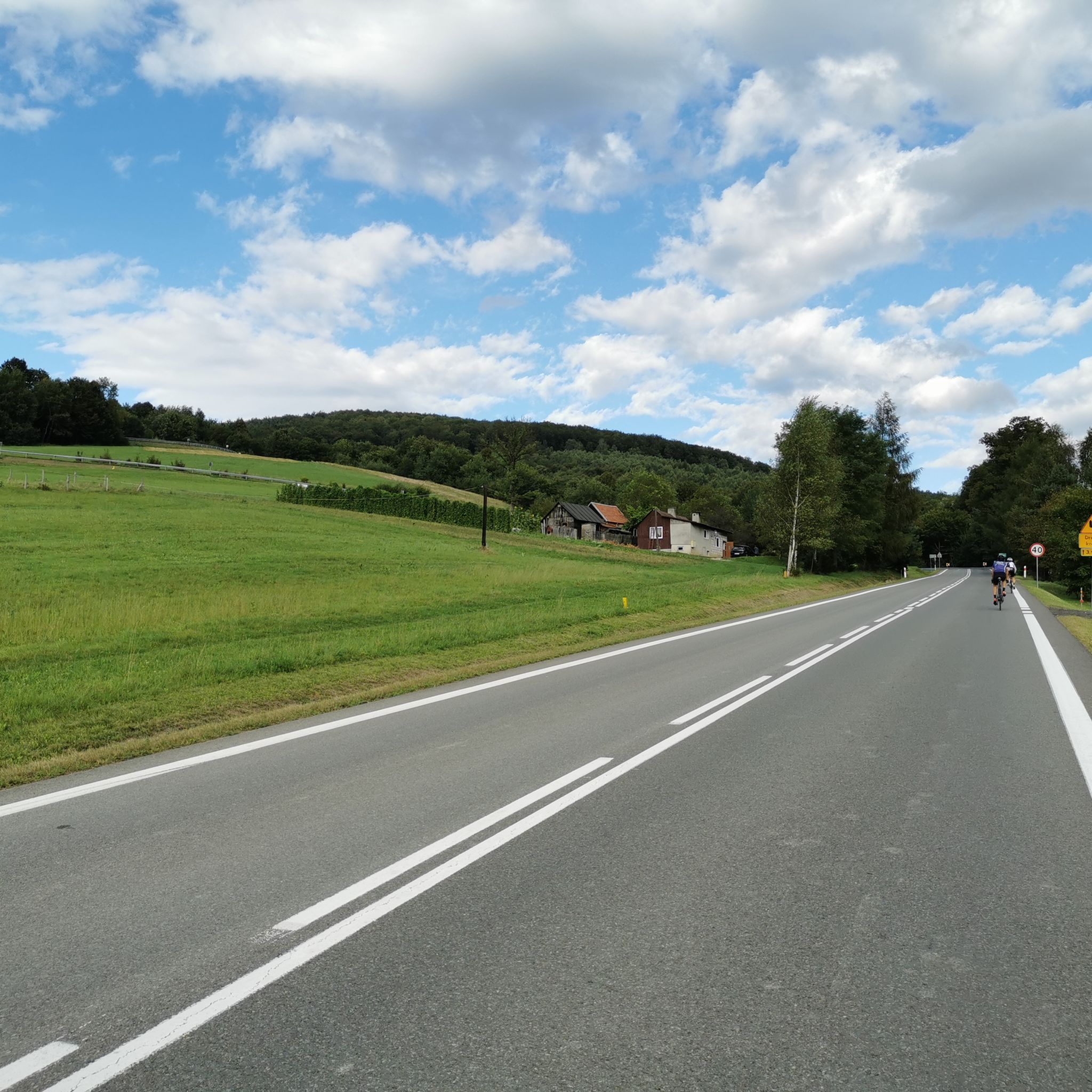
Orli Kamień (514 m) is the farthest mountain massif in the Sanocko-Turczańskie Mountains. In the surroundings we can admire inselberg rocks. Entrance from Sanok along the yellow trail (from the south) or red trail (from the west). The trails are popular with runners, cyclists and hikers.
0
0
Orli Kamień (514 m) is the farthest mountain massif in the Sanocko-Turczańskie Mountains. In the surroundings we can admire inselberg rocks. Entrance from Sanok along the yellow trail (from the south) or red trail (from the west).
2
0
One of the most spectacular places in the Słonne Mountains near Sanok. Worth a visit, especially in good weather - then we can admire a beautiful view of Sanok and the surrounding area. Between the viewpoint and the Eagle Stone there is a tourist shelter - comfortable and well-maintained.
2
0
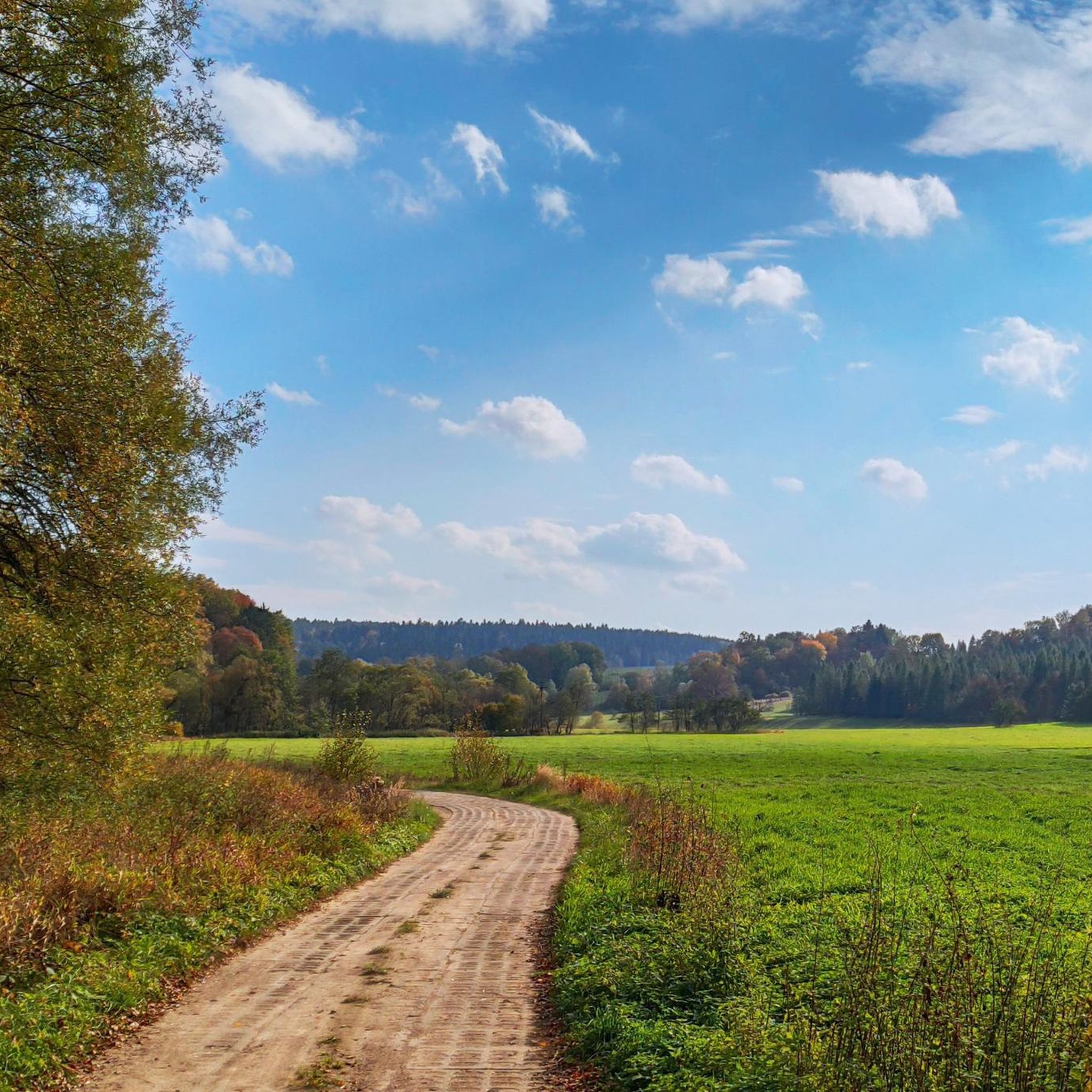
The place where the source of Strwiedź is located. We will get here via the trail marked in blue. There is a place to relax next door. You can continue the trail to the Great King (about 10 minutes) or to the Little King (about 15 minutes).
1
0
Frequently Asked Questions
What are some of the most popular natural monuments to visit in Park Krajobrazowy Gór Słonnych?
Visitors frequently enjoy the Source of the Strwiąż River, a tranquil spot and starting point for further trails. Another highly regarded site is Eagle Rock (Orli Kamień), known for its relict rock formations and panoramic views. The Polanki Nature Reserve, with its educational trail through a Carpathian beech forest, is also a favorite.
What kind of natural features can I expect to see among the monuments in the park?
The natural monuments in Park Krajobrazowy Gór Słonnych showcase a diverse range of features. You'll find significant geological formations like the relict rock outcrops at Eagle Rock, and the source of rivers such as the Strwiąż River. The park is also renowned for its living natural monuments, primarily ancient and unique trees, which contribute to the rich biodiversity of the Carpathian beech forests.
Are there family-friendly natural monuments or activities in Park Krajobrazowy Gór Słonnych?
Yes, the Polanki Nature Reserve is particularly family-friendly. It features a nature and educational trail, approximately 2 kilometers long, with 10 thematic stops that teach about various tree species, birds, and rare plants. There's also tourist infrastructure, including a shelter with a bonfire place, making it suitable for families.
When is the best time to visit the natural monuments in Park Krajobrazowy Gór Słonnych?
Many natural monuments, like the Polanki Nature Reserve, can be visited all year round. However, spring is highly recommended for Polanki due to the flowering plants. For viewpoints like Viewpoint near Eagle Rock, good weather is ideal to fully appreciate the panoramic views of Sanok and the surrounding area.
What outdoor activities can I do near these natural monuments?
The area around Park Krajobrazowy Gór Słonnych offers various outdoor activities. You can explore numerous hiking trails, including easy options like the Polanki Nature and Educational Trail. For cyclists, there are gravel biking routes and MTB trails that allow you to discover the diverse landscape.
Are there any historical sites among the natural monuments?
Yes, the Góra Sobień Nature Reserve combines natural beauty with history. It features the ruins of a medieval castle and offers a viewpoint over the San valley. While primarily a nature reserve, the historical ruins add a unique cultural dimension to the visit.
What do visitors enjoy most about the natural monuments in Park Krajobrazowy Gór Słonnych?
Visitors particularly appreciate the spectacular panoramic views from spots like Viewpoint and Eagle Rock. The opportunity to explore unique geological formations and ancient trees, combined with well-maintained trails suitable for hiking, running, and cycling, makes for a rewarding experience in nature.
Are there specific hiking trails to reach the natural monuments?
Yes, many natural monuments are accessible via marked trails. For instance, Eagle Rock can be reached from Sanok via yellow or red hiking trails. The Source of the Strwiąż River is on a blue-marked trail, which can be continued to other points of interest. The Polanki Nature Reserve has its own dedicated nature and educational trail.
Are the natural monuments accessible by public transport?
Some natural monuments, like the Polanki Nature Reserve, are accessible by public transport, being located just 8 km from the center of Sanok. For other locations, accessibility may vary, and a car or a combination of public transport and hiking might be necessary.
Are there any facilities or shelters near the natural monuments?
Yes, for example, between the Viewpoint and Eagle Rock, there is a comfortable and well-maintained tourist shelter. The Polanki Nature Reserve also provides tourist infrastructure, including a shelter with a bonfire place along its educational trail.
Are there any fees or permits required to visit the natural monuments?
Entry to the Góra Sobień Nature Reserve is free. Generally, there are no specific permits mentioned for visiting the natural monuments within Park Krajobrazowy Gór Słonnych, but it's always advisable to check local regulations for any specific site or activity.
What are the geological highlights of the natural monuments in the park?
The park's geological significance is evident in its Carpathian flysch outcrops and relict rock formations. Eagle Rock is a prime example, where visitors can admire these ancient rock structures. The inanimate natural monuments, though not all specifically named, include significant geological formations like boulders, rock outcrops, and springs, offering insights into the Earth's past.
Most popular routes around Park Krajobrazowy Gór Słonnych
Most popular attractions around Park Krajobrazowy Gór Słonnych

Get inspired with the komoot mobile app


Explore more
Extend your search for the best caves by checking out these guides of the top ones around Park Krajobrazowy Gór Słonnych:
