Paratge Natural d'Interès Nacional de l'Albera
Paratge Natural d'Interès Nacional de l'Albera
Top 20 Natural Monuments around Paratge Natural d'Interès Nacional de l'Albera
Best natural monuments around Paratge Natural d'Interès Nacional de l'Albera are located in the eastern Pyrenees, marking a transition between mountainous and Mediterranean landscapes. This region, designated a Natural Park of National Interest, protects a diverse range of ecosystems and distinctive geological formations. The area features metamorphic rocks, continuous flowing rivers, and unique flora and fauna, making it a significant natural area.
Best natural monuments around Paratge Natural d'Interès Nacional de l'Albera
- The most popular natural monuments is Puig Neulós…
Last updated: July 10, 2026
Banyuls Pass
Highlight • Mountain Pass
Translated by Google •
Tip by

Puig Neulós
Highlight • Summit
Translated by Google •
Tip by

Sign up now to discover places like this
Get recommendations on the best single tracks, peaks, & plenty of other exciting outdoor places.
Sign up for free
Garbet Beach
Highlight • Beach
Translated by Google •
Tip by

Ascent to Coll de Banyuls from Espolla
Highlight (Segment) • Mountain Pass
Translated by Google •
Tip by

Summit of Puig d'Esquers
Highlight • Summit
Translated by Google •
Tip by
Sign up for free to discover even more natural monuments around Paratge Natural d'Interès Nacional de l'Albera.
Sign up for free
Already have an account?
Start today with a free account
Your next adventure awaits.
Login or Signup
Popular around Paratge Natural d'Interès Nacional de l'Albera
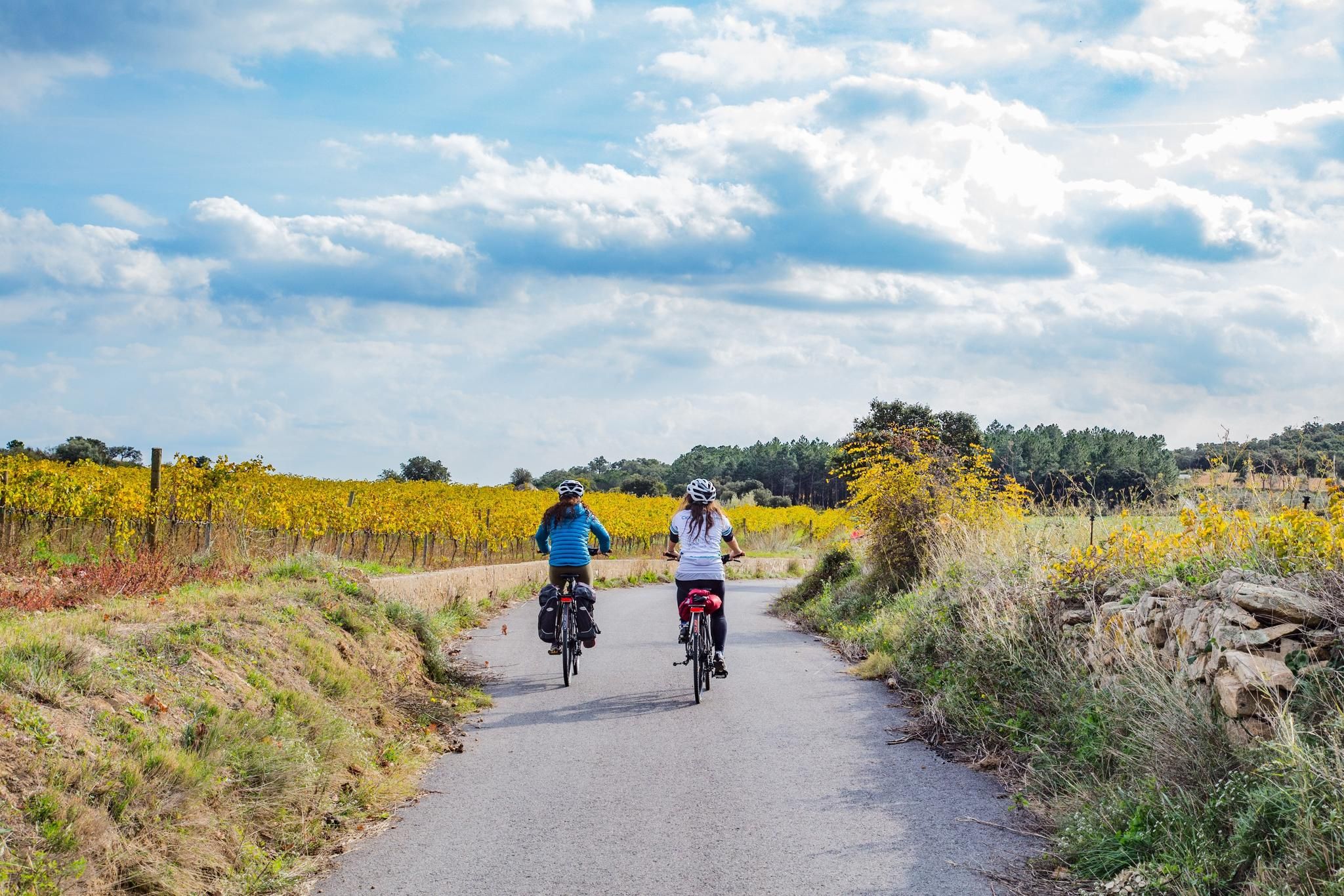
A journey from the Pyrenees to the Costa Brava – Pirinexus Route
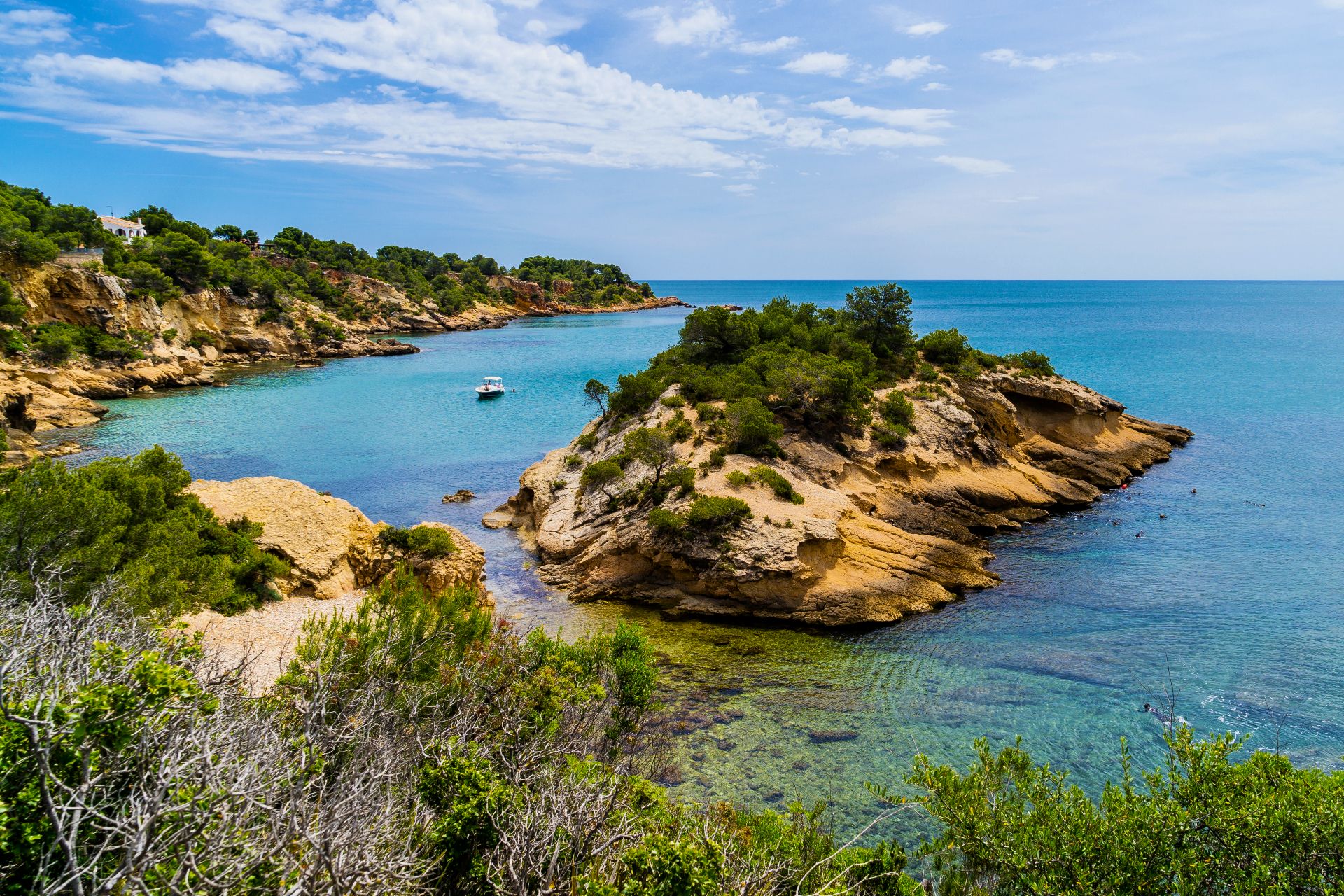
The Catalan coast on foot – Mediterranean Path (GR 92)
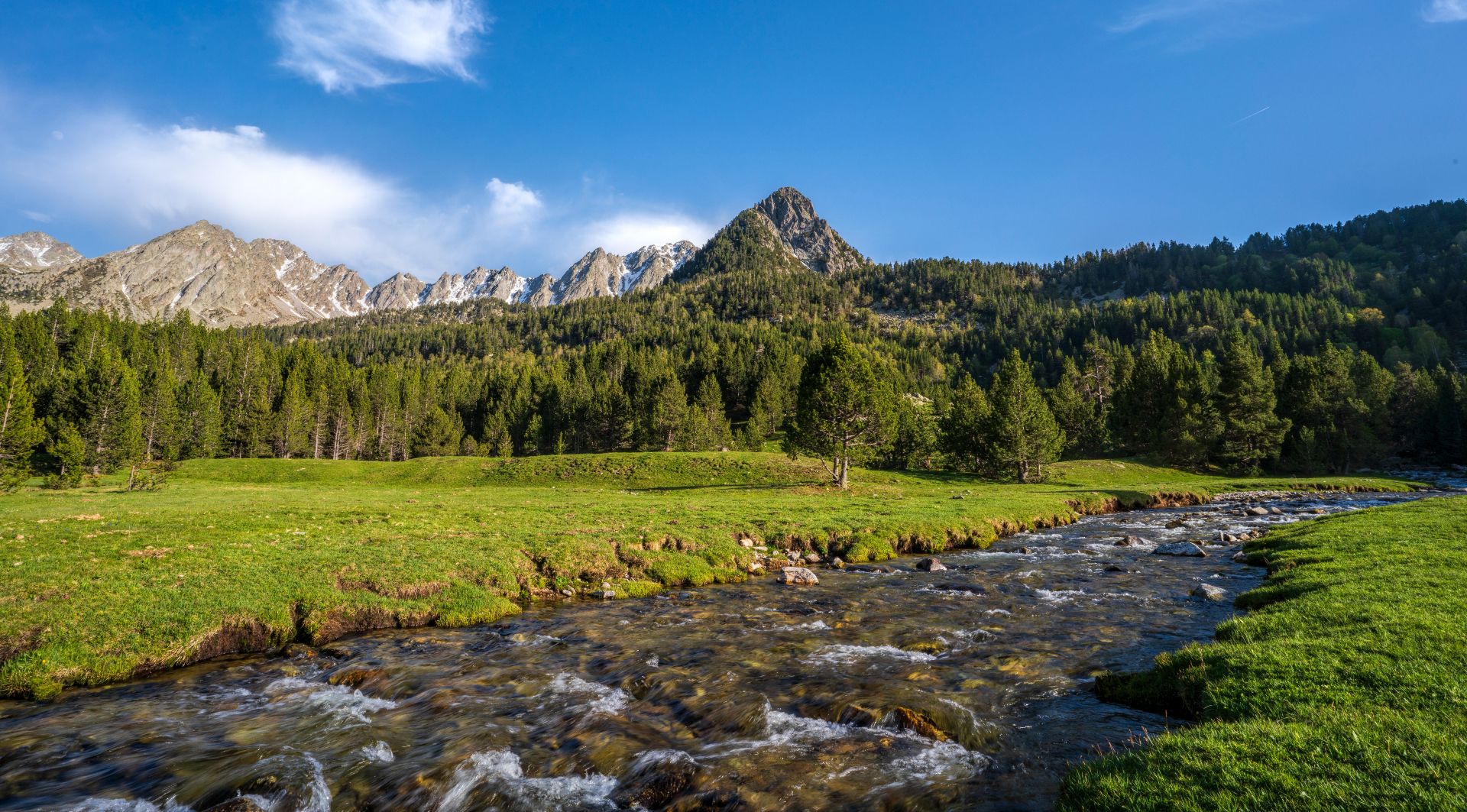
Catalonia and Andorra on the Pyrenean Trail – GR 11
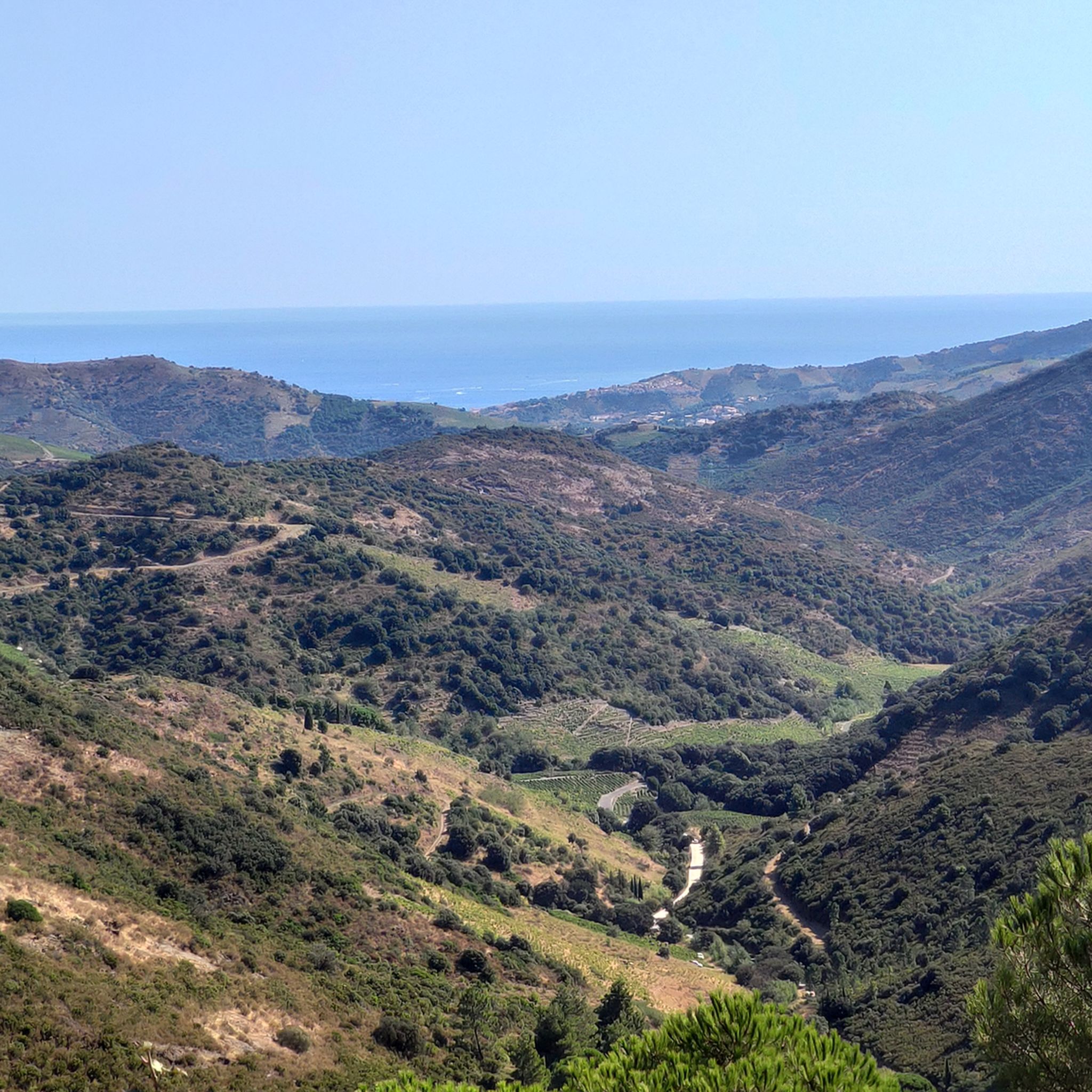
Road Cycling Routes around Paratge Natural d'Interès Nacional de l'Albera
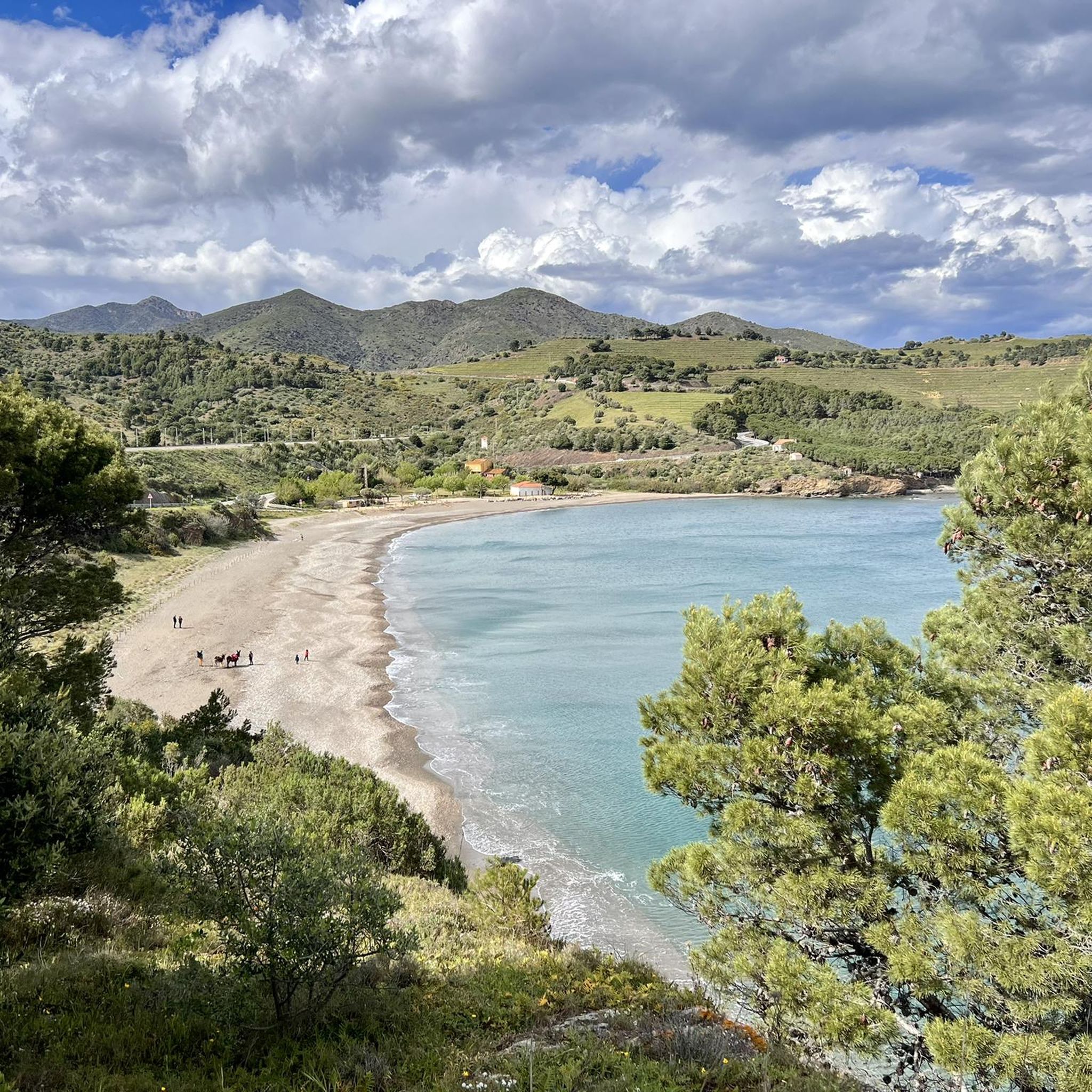
Cycling around Paratge Natural d'Interès Nacional de l'Albera
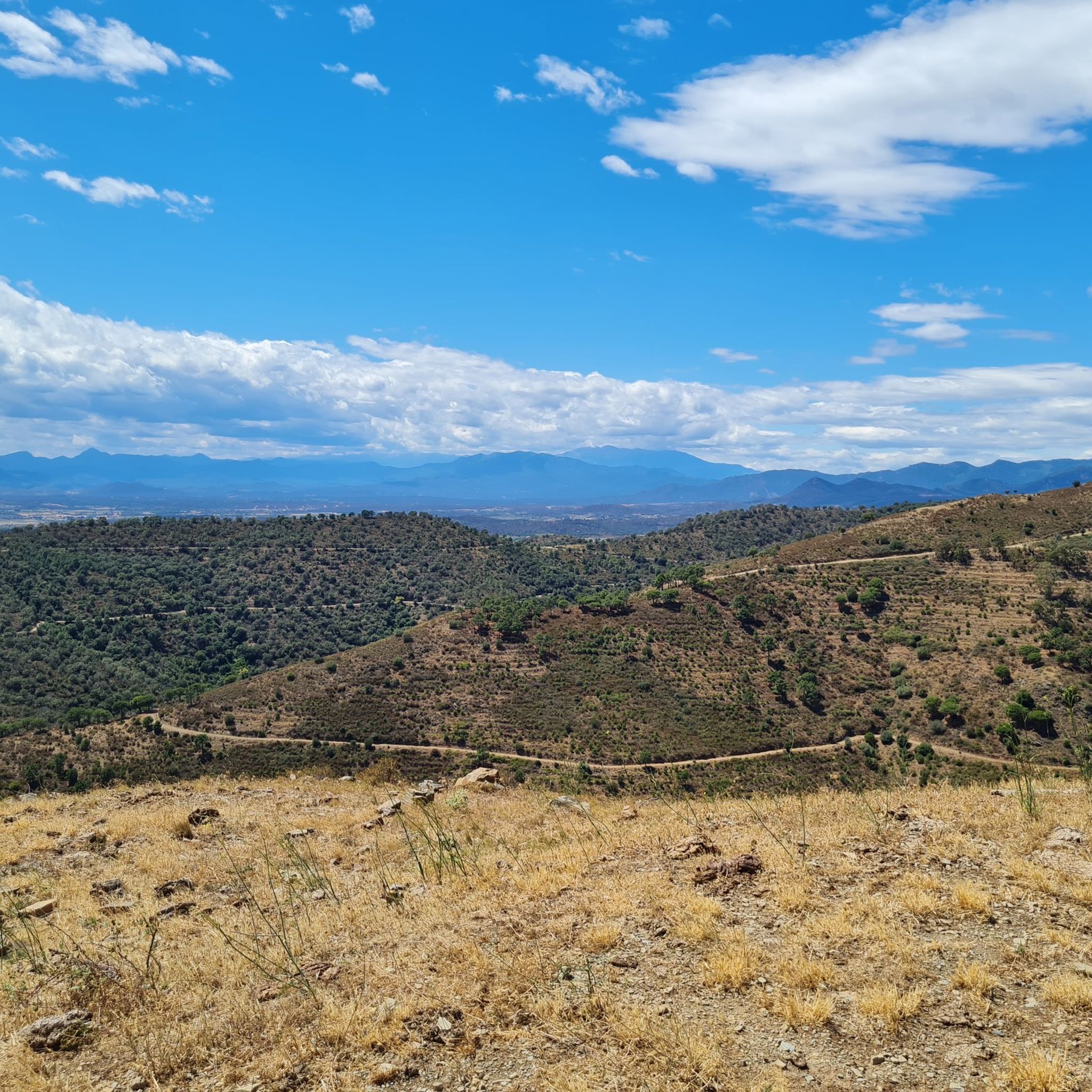
MTB Trails around Paratge Natural d'Interès Nacional de l'Albera
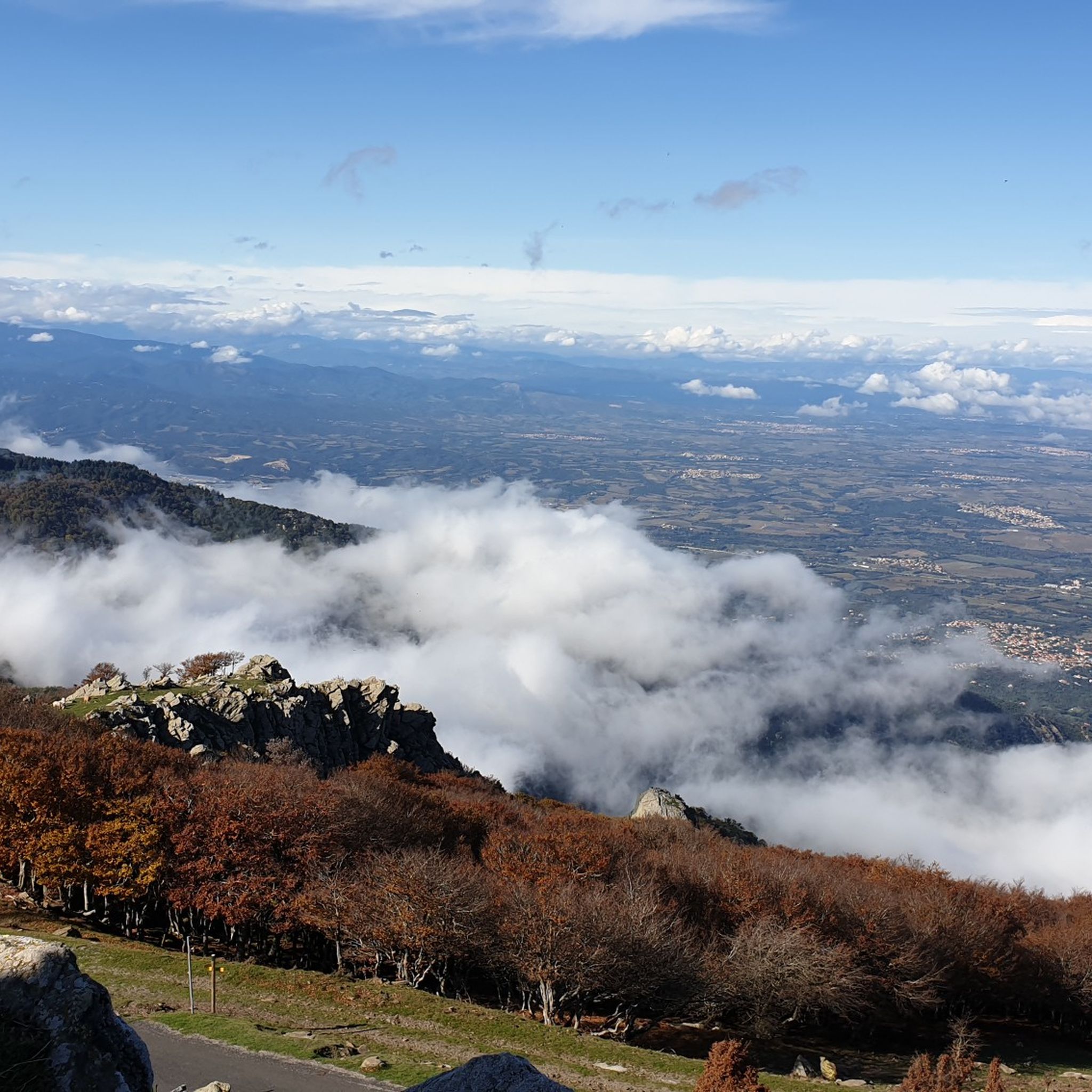
Hiking around Paratge Natural d'Interès Nacional de l'Albera
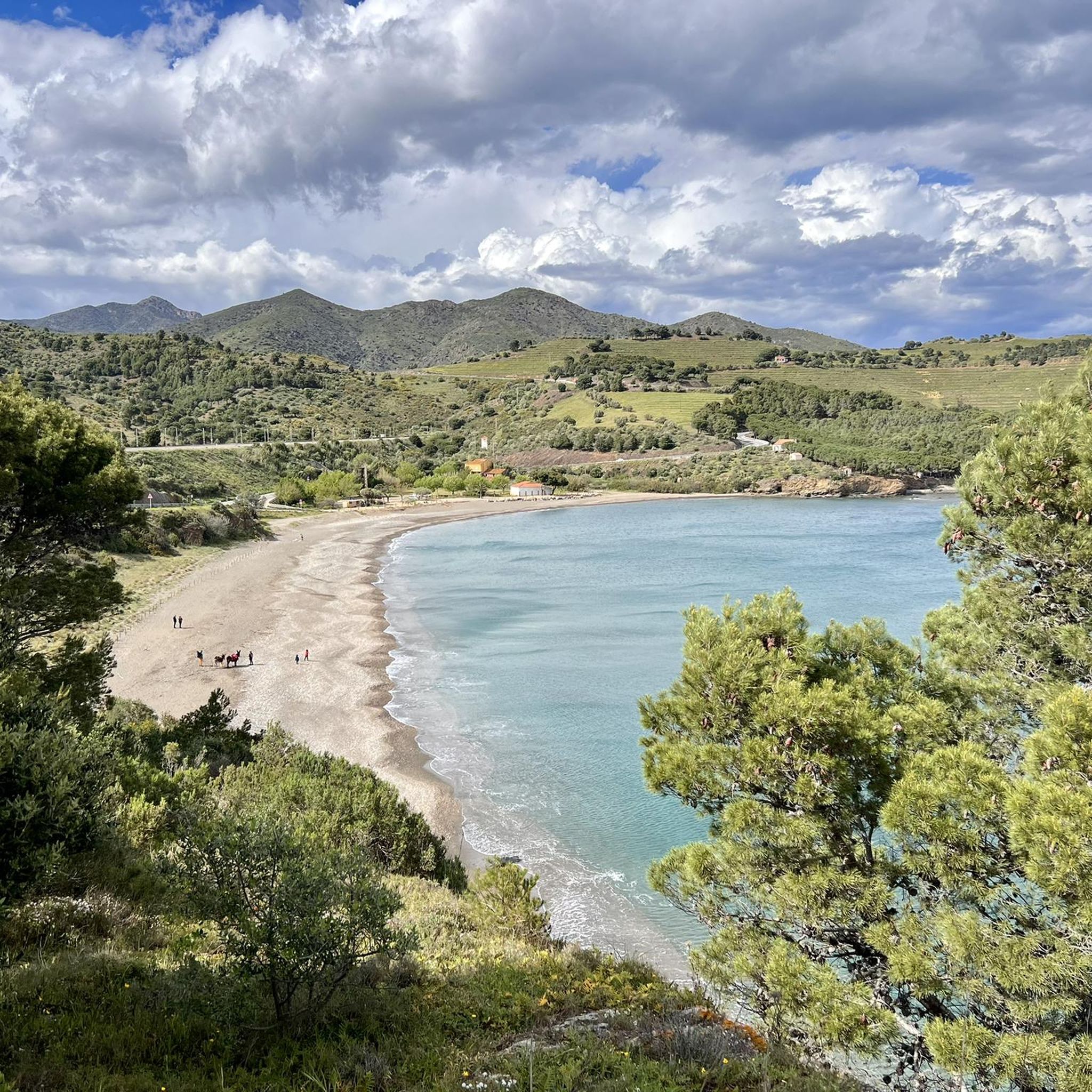
Running Trails around Paratge Natural d'Interès Nacional de l'Albera

Gravel biking around Paratge Natural d'Interès Nacional de l'Albera

Mountain Hikes around Paratge Natural d'Interès Nacional de l'Albera
Other adventures around Paratge Natural d'Interès Nacional de l'Albera


Tips from the Community

Beautiful route and a great view
0
0


The Green MEPs Jordi Solé and François Alfonsi, and the Social Democrat Éric Andrieu, launched a letter to Pedro Sánchez and Emmanuel Macron, presidents of Spain and France respectively, calling for the reopening of the crossings to be discussed at the 27th Franco-Spanish summit on 19 January in Barcelona. The letter, signed by 31 MEPs, was presented at a press conference at the European Parliament in Strasbourg. Two days later, on 20 January, residents of Espolla reopened the coll for the annual Feria de l'Oli y de l'Olivera in the village. However, on 23 January the French authorities closed the crossing again.
3
0

very nice to drive with great views
1
0

Magnificent view ! It’s worth going up there 🤩🤩
6
0

Infernal ascent, when the trees disappear and you seem to be at the top, the pit is waiting for you. Reserve your strength because the last kilometer, despite being on asphalt, is HELL!
6
0
From this viewpoint you can see at the bottom an area irrigated by the Orlina River that nourishes about 3000m2 full of centuries-old oaks, ideal for going down and regaining strength. If you look the way you came you will see the Espolla and in the opposite direction the Coll de Bañuls. One km from here you will find a Generalitat farm that is working on the implantation of an extinct species of roof rack.
2
0
Fantastic day, almost spring. But it's always cold here. if you want to go there you must bring warm clothes!
5
0
Frequently Asked Questions
What unique natural features define the Paratge Natural d'Interès Nacional de l'Albera?
The Paratge Natural d'Interès Nacional de l'Albera is characterized by its transition between mountainous and Mediterranean landscapes. You'll find diverse forest ecosystems, including dense, humid forests with beech and oak trees in the western sector, and Mediterranean cork oaks and scrubland in the eastern parts. The region also features distinctive geological formations of metamorphic rocks and continuous flowing rivers like the Orlina.
Where can I find the best panoramic views of the region?
For breathtaking panoramic views, consider visiting Puig Neulós, the highest peak in the Serra de l'Albera, offering 360º vistas over Roussillon and Alt Empordà, extending to the Mediterranean Sea. Another excellent viewpoint is the Summit of Puig d'Esquers, which provides exceptional views of the Empordà plain and the Mediterranean coast.
Are there any natural monuments suitable for families?
Yes, Garbet Beach is known for its family-friendly atmosphere. This natural beach, with dark pebbles, is situated in a mountainous environment and offers amenities like showers and a beach bar. The Summit of Puig d'Esquers is also considered family-friendly, rewarding visitors with great views.
What kind of wildlife can I expect to see in the Paratge Natural d'Interès Nacional de l'Albera?
The park is a critical sanctuary for the last remaining populations of the Mediterranean tortoise (Testudo hermanni) in the Iberian Peninsula, particularly in the Sant Quirze de Colera area. You might also encounter the Albera cattle, an important endemic species that contributes to the region's ecological balance and cultural heritage.
What are some popular hiking routes near these natural monuments?
The region offers various hiking opportunities. You can explore routes like the 'View of the Albera Massif – Salt del Fitó loop' or the 'Salt de Baoussous Waterfall loop'. For more challenging mountain hikes, consider 'Puig de l'Àliga – Dolmen du Col de la Farella loop' or 'Puig Neulós – Pic d'Orella loop'. You can find more details and routes in the Mountain Hikes and Waterfall Hikes guides.
Can I go cycling near these natural monuments?
Yes, the area is well-suited for cycling. You can find routes like 'Col de Panissar and Puig Neulos' or the 'Peralada and Albera Foothills Loop'. For more options, including longer and more challenging rides, refer to the Road Cycling Routes around Paratge Natural d'Interès Nacional de l'Albera guide.
What is the historical significance of Banyuls Pass?
The Banyuls Pass holds historical significance as a route used by many people fleeing to France from the repression of the Franco regime. Information and memorial plaques at the pass commemorate these events, including two libertarian activists arrested there in 1977.
What are the typical terrain and difficulty levels for exploring the natural monuments?
The terrain varies significantly. Ascents to peaks like Puig Neulós can be challenging in their final stretches. Mountain passes like Banyuls Pass offer routes with varying inclines, with some approaches being quite tough. Coastal areas like Garbet Beach provide easier access within a natural, mountainous setting.
What makes the forest ecosystems in the park unique?
The park's forest ecosystems are unique due to their transitional nature. The western sector, Requesens-Baussitges, features dense, humid forests with a Central European influence, including extensive beech and oak trees. Notably, the Orlina river valley hosts some of the easternmost beech populations on the Iberian Peninsula, making it a significant botanical interest.
What do visitors enjoy most about the natural monuments in this region?
Visitors frequently praise the stunning panoramic views from summits like Puig Neulós and Summit of Puig d'Esquers. The natural beauty and tranquility of places like Garbet Beach are also highly appreciated, especially its preserved nature and family atmosphere. The diverse landscapes and opportunities for outdoor activities, from challenging climbs to scenic cycling routes, are also popular.
Is there a specific area dedicated to the protection of the Mediterranean tortoise?
Yes, the Sant Quirze de Colera area within the Paratge Natural de l'Albera includes a partial natural reserve specifically for the protection of the Mediterranean tortoise. A reproduction center for these tortoises is also located at the Mare de Déu del Camp sanctuary in Garriguella, highlighting the region's commitment to their conservation.
Most popular routes around Paratge Natural d'Interès Nacional de l'Albera
Most popular attractions around Paratge Natural d'Interès Nacional de l'Albera

Get inspired with the komoot mobile app


Explore more
Extend your search for the best caves by checking out these guides of the top ones around Paratge Natural d'Interès Nacional de l'Albera:
