The best walks and hikes around Paratge Natural d'Interès Nacional de l'Albera
4.5
(6523)
45,127
hikers
47
hikes
Hiking trails around Paratge Natural d'Interès Nacional de l'Albera traverse the easternmost section of the Pyrenees, forming a natural border between France and Spain. The region features a diverse landscape, transitioning from humid Central European-type forests in its western sector to Mediterranean cork oaks and scrubland closer to the sea. This area is characterized by metamorphic rocks, prominent peaks, and river headwaters, offering varied terrain for outdoor activities.
Best hiking trails around Paratge Natural d'Interès Nacional de l'Albera
- The most popular hiking route is Puig Neulós from Requesens Castle - La Albera Massif Natural Area, a difficult 9.0 miles (14.5 km) trail that takes 5 hours 33 minutes to complete, ascending to one of the highest peaks in the range.
- Another top favourite among local hikers is Castillo de Peralada — circular by the Río Muga, a moderate 7.3 miles (11.7 km) path. This route follows the Río Muga, offering views of the historic Castillo de Peralada.
- Local hikers also love the View of Cantallops – Douglas DC-6 crash site (1986) loop from Albera Natural Site of National Interest, a 7.5 miles (12.1 km) trail leading through varied terrain and historical points of interest, often completed in about 3 hours 38 minutes.
- Hiking around Paratge Natural d'Interès Nacional de l'Albera is defined by Pyrenean foothills, diverse forests, Mediterranean scrubland, and historical sites. The network offers options for different ability levels, from easy walks to challenging mountain ascents.
- The routes in Paratge Natural d'Interès Nacional de l'Albera are highly rated by the komoot community with an average score of 4.4 stars from over 1400 reviews. More than 10000 hikers have used komoot to explore Paratge Natural d'Interès Nacional de l'Albera's varied terrain.
Last updated: July 11, 2026
4.6
(14)
81
hikers
14.5km
05:34
840m
840m
Hard hike. Very good fitness required. Mostly accessible paths. Sure-footedness required.
4.2
(6)
17
hikers
11.7km
02:58
30m
30m
Moderate hike. Good fitness required. Easily-accessible paths. Suitable for all skill levels.

Sign up for free
4.8
(11)
86
hikers
6.08km
01:37
60m
60m
Easy hike. Great for any fitness level. Easily-accessible paths. Suitable for all skill levels.
4.8
(11)
103
hikers
Moderate hike. Good fitness required. Mostly accessible paths. Sure-footedness required.
4.7
(20)
61
hikers
8.22km
02:21
180m
180m
Moderate hike. Good fitness required. Easily-accessible paths. Suitable for all skill levels.
Get access to more routes and recommendations from other explorers.
Sign up for free
Already have an account?
Our route recommendations are based on thousands of hikes, rides, and runs completed by other people on komoot.
Start today with a free account
Your next adventure awaits.
Login or Signup
Popular around Paratge Natural d'Interès Nacional de l'Albera
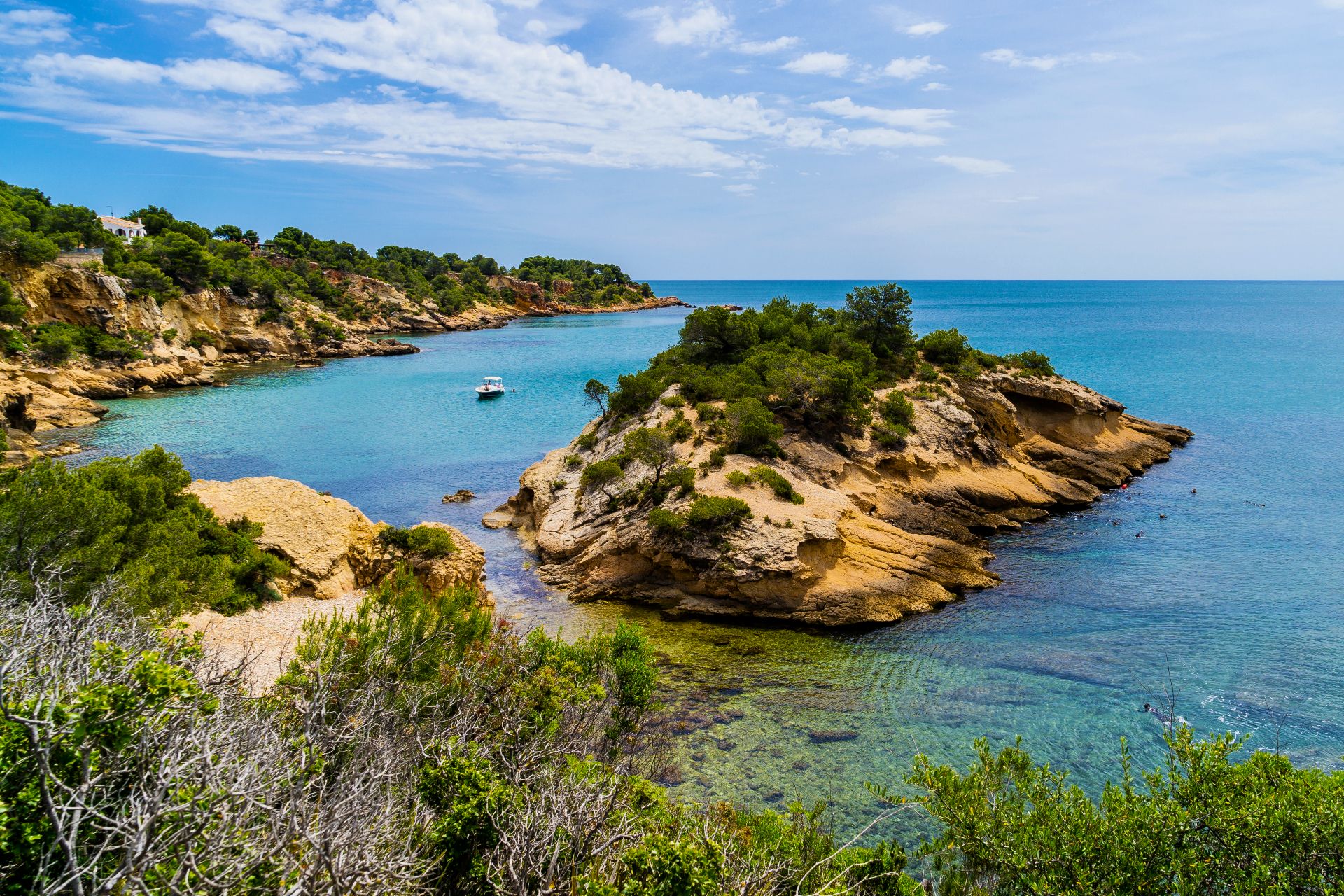
The Catalan coast on foot – Mediterranean Path (GR 92)
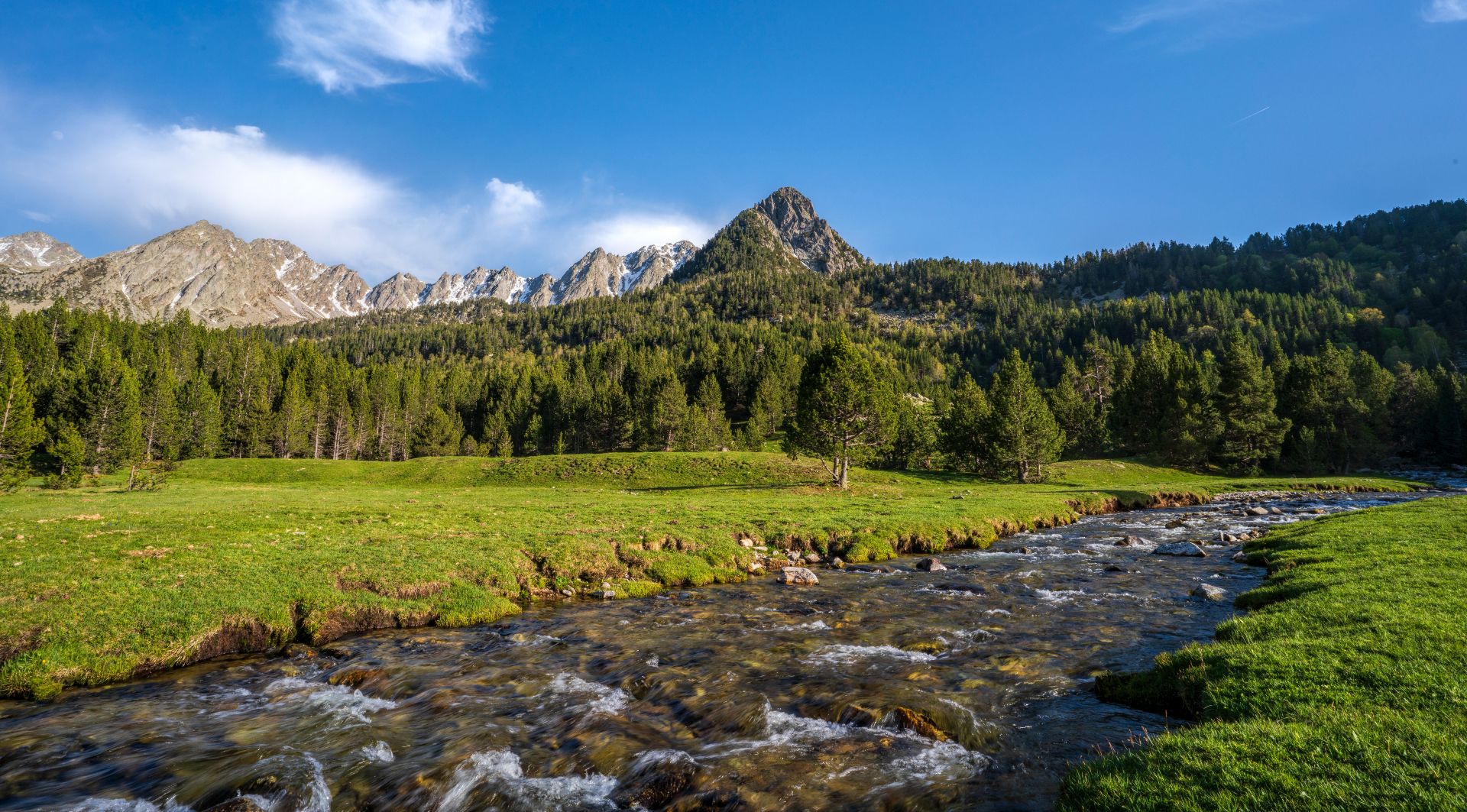
Catalonia and Andorra on the Pyrenean Trail – GR 11
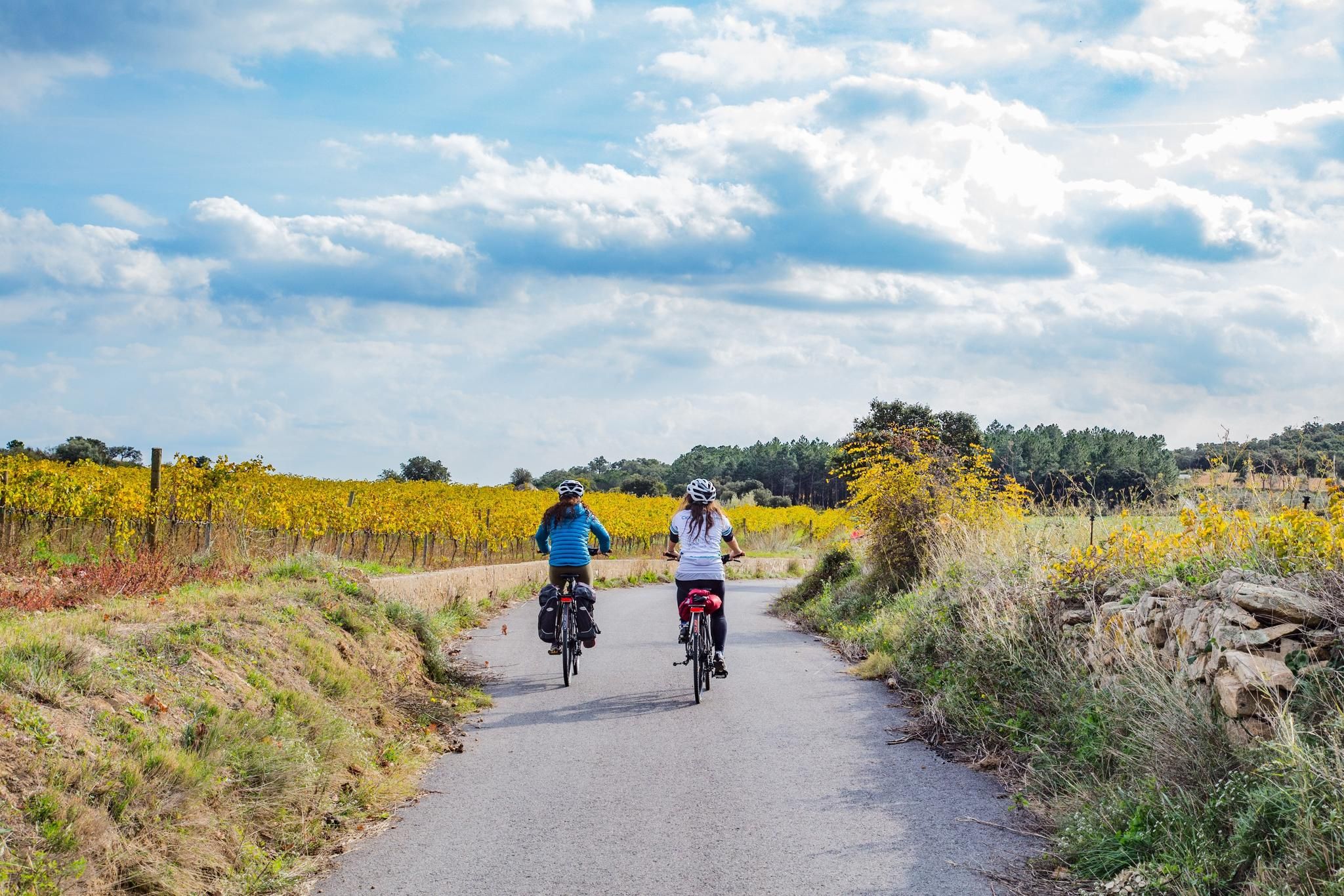
A journey from the Pyrenees to the Costa Brava – Pirinexus Route
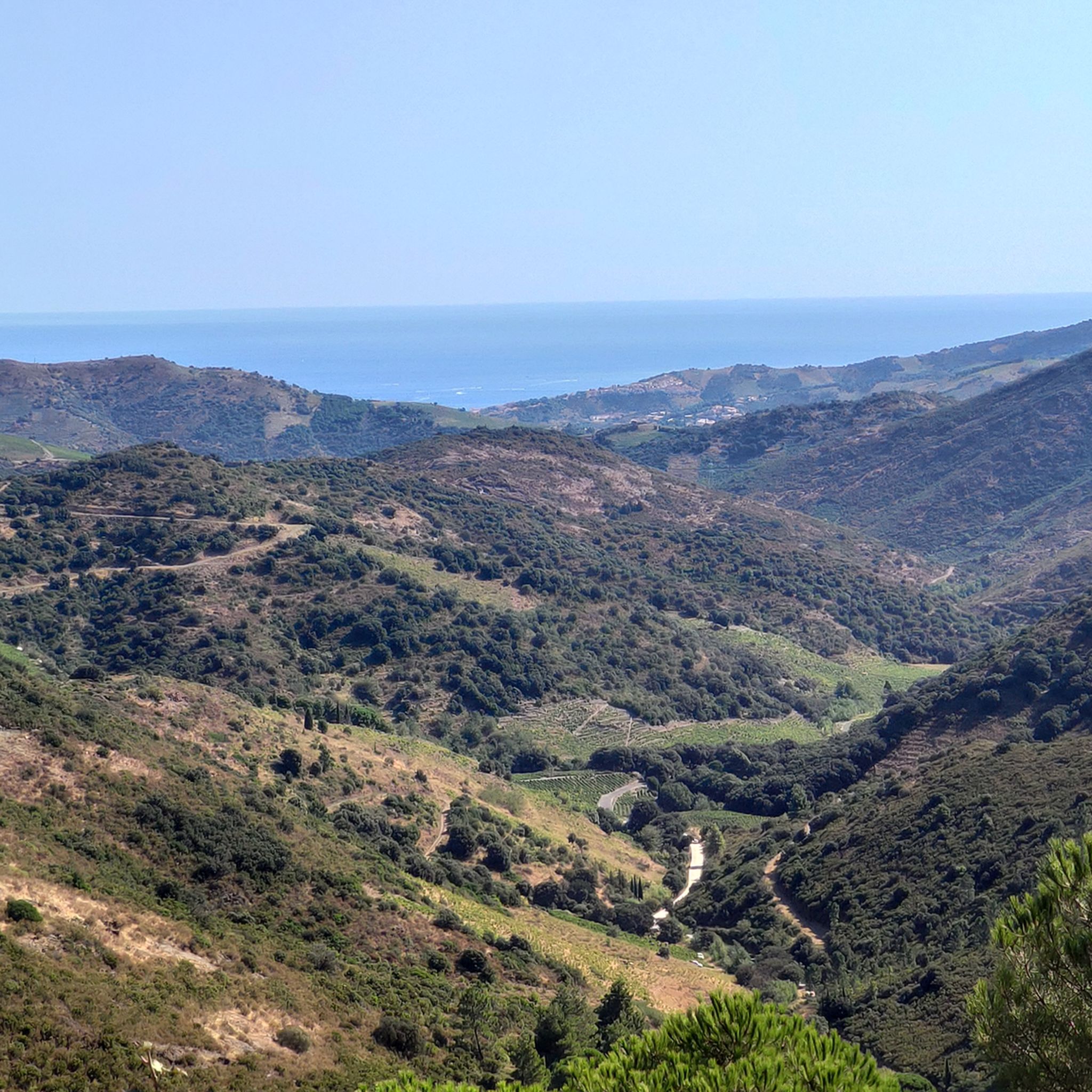
Road Cycling Routes around Paratge Natural d'Interès Nacional de l'Albera
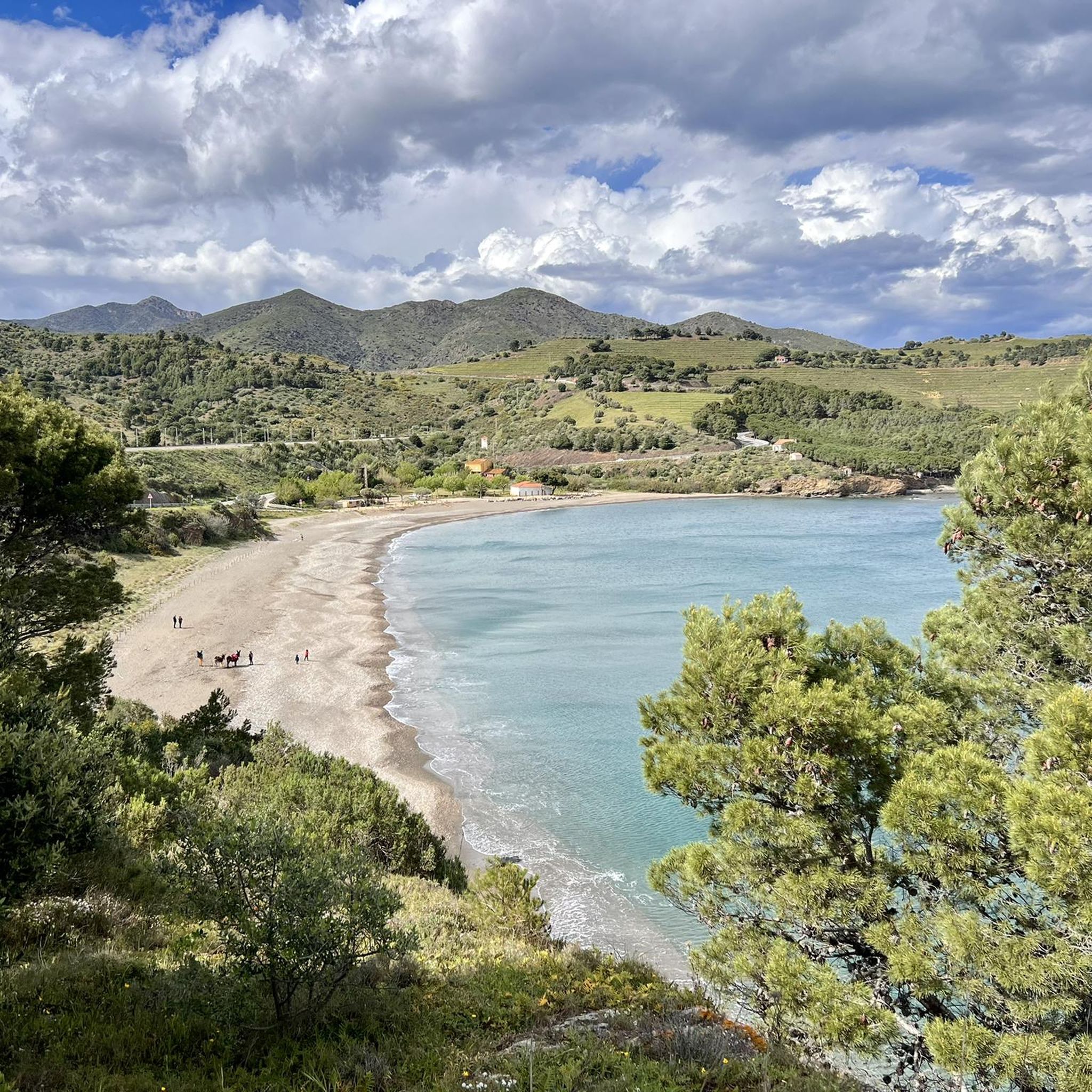
Cycling around Paratge Natural d'Interès Nacional de l'Albera
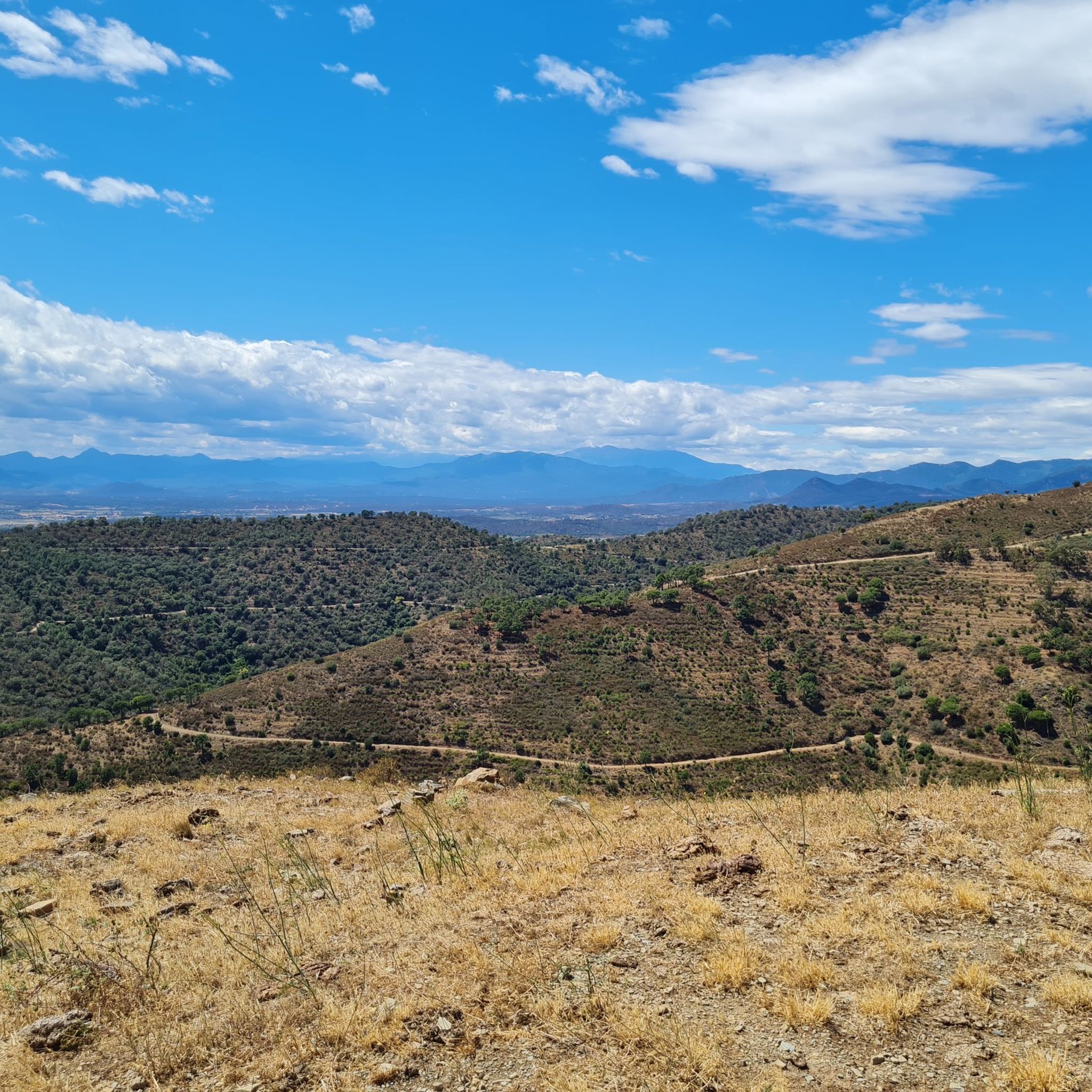
MTB Trails around Paratge Natural d'Interès Nacional de l'Albera
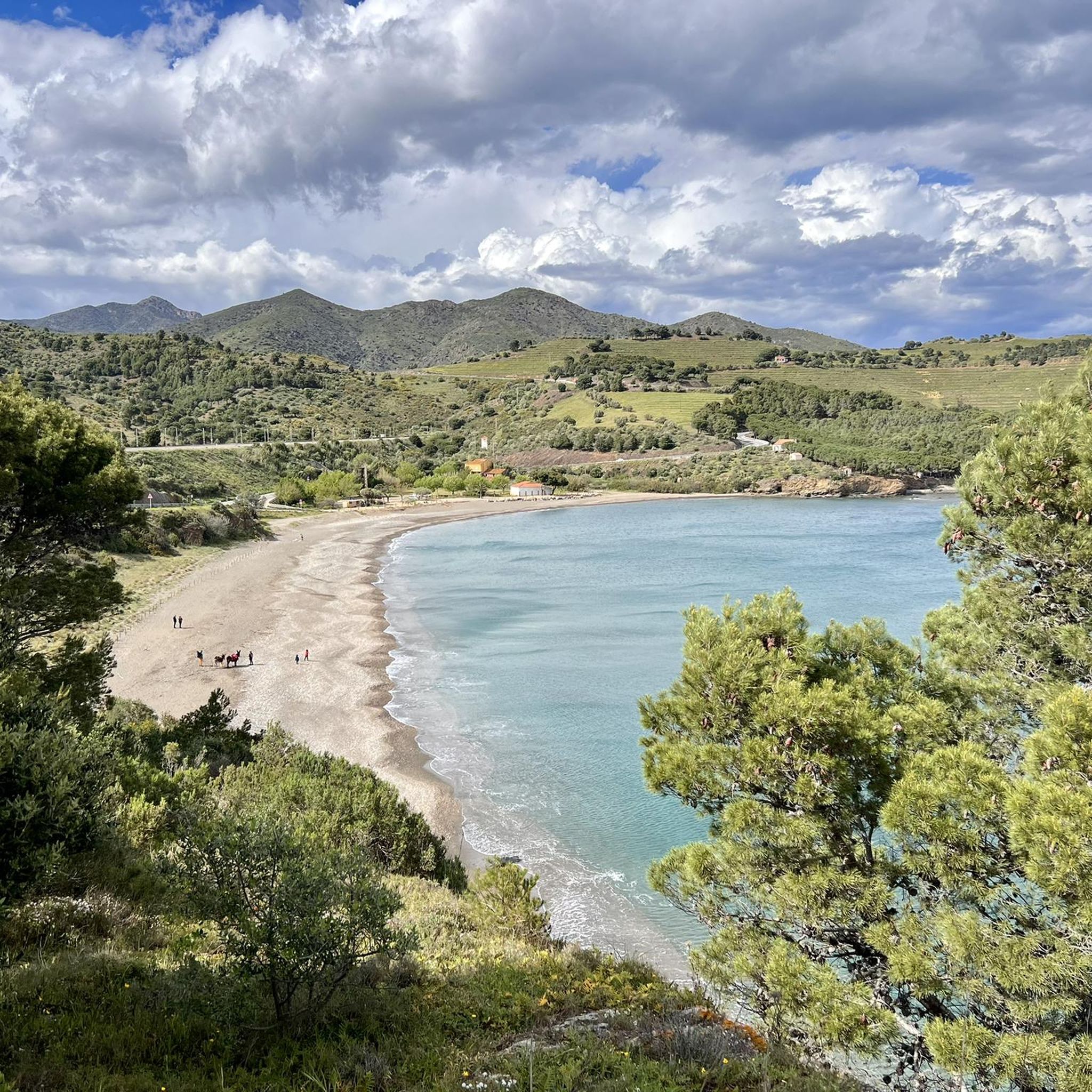
Running Trails around Paratge Natural d'Interès Nacional de l'Albera

Gravel biking around Paratge Natural d'Interès Nacional de l'Albera

Mountain Hikes around Paratge Natural d'Interès Nacional de l'Albera
Other adventures around Paratge Natural d'Interès Nacional de l'Albera


Tips from the Community


very beautiful medieval center
0
0

Information point and parking. Route to Recasens Castle
0
0
From 1920... until the 1960s... This small power station produced energy to feed the sawmill that we will find a little further down, Currently in a state of ruins.
0
0
It's funny to see how some trees turn all their branches looking for the light...
0
0
Along the way... there are stretches like this one of open countryside, which offer wide views towards Cantallops 🤩
0
0

Requesens Castle is an old fortress in this region of Alt Empordà. It is a medieval building that was built in the 11th and 12th centuries.
13
0
In a movie they always just make it to the top, how unlucky this crew was, so close to the top and just missing out.
6
0
Frequently Asked Questions
How many hiking trails are available in Paratge Natural d'Interès Nacional de l'Albera?
There are over 40 hiking trails in Paratge Natural d'Interès Nacional de l'Albera, catering to various fitness levels. These include easy walks, moderate paths, and challenging mountain ascents.
What kind of landscapes can I expect to see while hiking in the region?
The region offers a diverse range of landscapes. The western sector features humid Central European-type vegetation with beech, oak, and chestnut forests, while the eastern sector, closer to the sea, is characterized by Mediterranean cork oaks and scrubland. You'll find metamorphic rocks, prominent peaks like Puig Neulós, and river headwaters, providing varied scenery.
Are there any easy or family-friendly hiking routes?
Yes, the park offers several easy routes suitable for families. There are 6 easy trails and 21 moderate trails. An example of a moderate route is the Castillo de Peralada — circular by the Río Muga, which follows the river and offers views of the historic castle.
What historical sites or landmarks can I explore along the trails?
The park is rich in history. You can discover megalithic monuments like dolmens and menhirs, prehistoric cave engravings, the 8th-century Benedictine monastery of Sant Quirze de Colera, and the 12th-century Querroig Castle. The View of Cantallops – Douglas DC-6 crash site (1986) loop also leads through historical points of interest.
Are there any circular hiking routes in Paratge Natural d'Interès Nacional de l'Albera?
Yes, there are several circular routes available. For example, the View of Cantallops – Douglas DC-6 crash site (1986) loop offers a varied terrain experience, and the Coll de les Portes loop from Valleta is another moderate option.
What kind of wildlife might I encounter while hiking?
The park is known for its significant wildlife. It is home to the last wild population of Mediterranean tortoises on the Iberian Peninsula. You might also spot various bats, birds of prey like the golden eagle, and the endemic Albera cattle.
What is the best time of year to hike in Paratge Natural d'Interès Nacional de l'Albera?
The park offers hiking opportunities year-round. Spring and autumn are particularly pleasant for their mild temperatures and vibrant natural colors. Summer is ideal for higher altitude trails, while the western sector's humid forests provide cooler conditions. Even winter hiking is possible, especially in the lower Mediterranean areas.
Are there any trails that lead to viewpoints or significant peaks?
Absolutely. The park features prominent peaks offering magnificent panoramas. The Puig Neulós from Requesens Castle route ascends to one of the highest peaks, Puig Neulós, providing breathtaking 360º views of the Mediterranean and the Bay of Roses.
Can I find trails that lead to the coast or offer sea views?
Yes, the eastern sector of the park extends towards the Mediterranean Sea. Trails in this area, such as the Bramant Cove – Garbet Beach loop from Colera, offer coastal scenery and lead to beautiful spots like Garbet Beach.
What do other hikers say about the trails in Paratge Natural d'Interès Nacional de l'Albera?
The routes in Paratge Natural d'Interès Nacional de l'Albera are highly rated by the komoot community, with an average score of 4.4 stars from over 1400 reviews. Hikers often praise the diverse terrain, from Pyrenean foothills to Mediterranean scrubland, and the well-maintained paths that lead to both natural beauty and historical sites.
Are there options for public transport to reach trailheads?
While specific public transport options directly to all trailheads within the natural park can be limited due to its protected nature, nearby towns often have bus or train connections. It's advisable to check local transport schedules for services to villages bordering the park, from where some trailheads might be accessible on foot or via short taxi rides.
Are dogs allowed on the hiking trails?
Generally, dogs are permitted on most hiking trails in Paratge Natural d'Interès Nacional de l'Albera, but they should be kept on a leash to protect the local wildlife, especially the Mediterranean tortoises and other ground-nesting species. Always follow local signage and regulations regarding pets.
Most popular routes around Paratge Natural d'Interès Nacional de l'Albera
Most popular attractions around Paratge Natural d'Interès Nacional de l'Albera

Get inspired with the komoot mobile app


Explore more
Browse the best Hikes in other regions.
