Top 5 Natural Monuments around Macizo de Peña Cabarga
Natural monuments around Macizo de Peña Cabarga showcase a distinctive karst landscape in Cantabria, Spain. This Natural Park, spanning 2,588 hectares, features terrain shaped by millions of years of limestone erosion and historical iron extractions. The area presents a unique blend of natural and historically influenced features, offering geological formations and diverse ecosystems.
Best natural monuments around Macizo de Peña Cabarga
- The most popular natural monuments is Peñas Blancas Summit, a summit that is a 450m high mountain south…
Last updated: June 26, 2026
Peñas Blancas Summit
Highlight • Summit
Translated by Google •
Tip by

Pozo Menor de Valcaba
Highlight • Lake
Translated by Google •
Tip by

Sign up now to discover places like this
Get recommendations on the best single tracks, peaks, & plenty of other exciting outdoor places.
Sign up for free
Castro de Castilnego
Highlight • Historical Site
Translated by Google •
Tip by
La Covachona Cave and Source of the Cubón River
Highlight • Cave
Translated by Google •
Tip by
El Castaño de Rioz
Highlight • Natural Monument
Translated by Google •
Tip by
Start today with a free account
Your next adventure awaits.
Login or Signup

Tips from the Community

The skyline is certainly impressive. And I love the reproduction of the Pico LLen tower.
1
0
A joyful corner, to think, to stop.
2
0

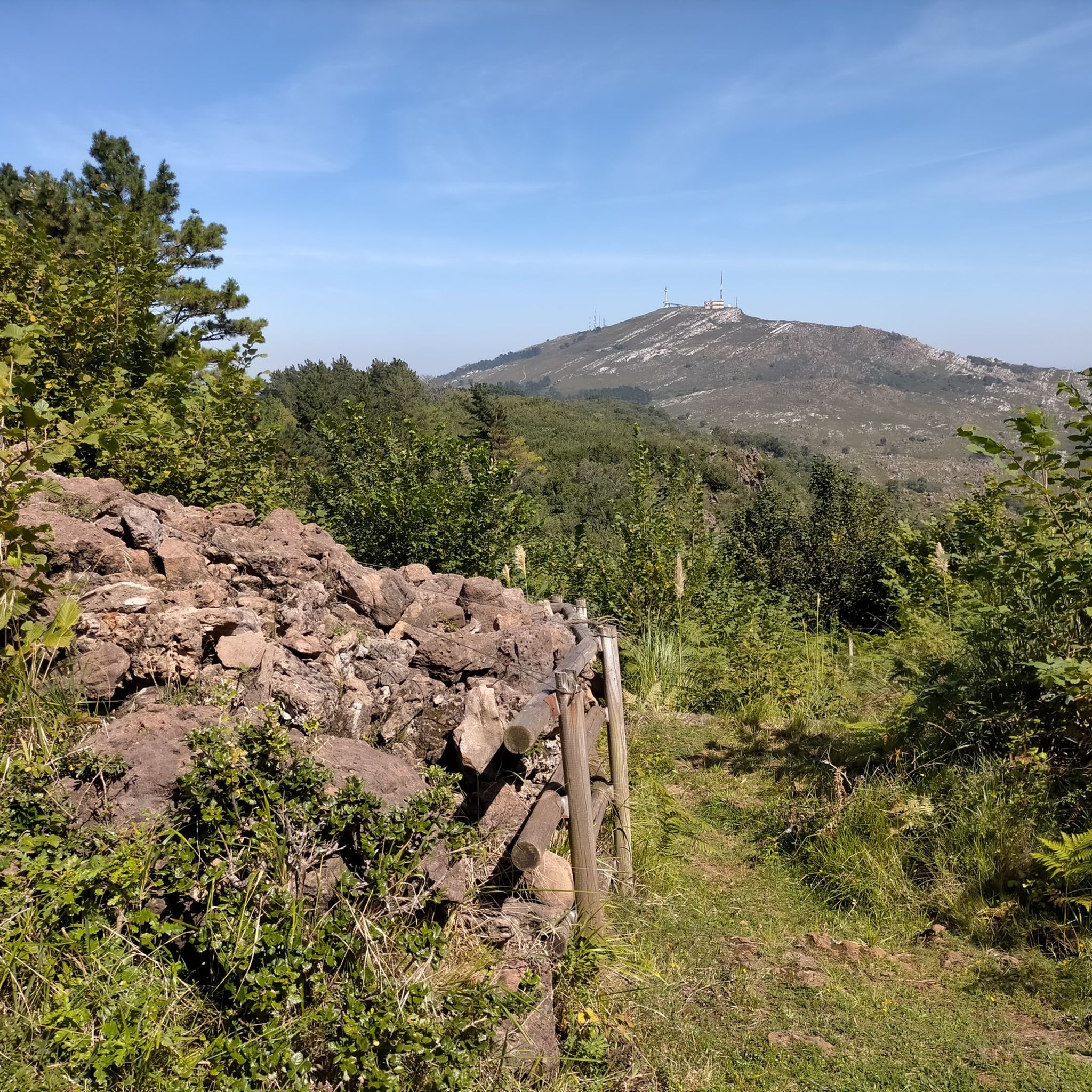
In the middle of the Peña Cabarga massif is perhaps the most popular peak in the park, Peñas Blancas offers amazing views in all directions. From its 455 masl you have no obstacles ahead, wherever you look.
1
0

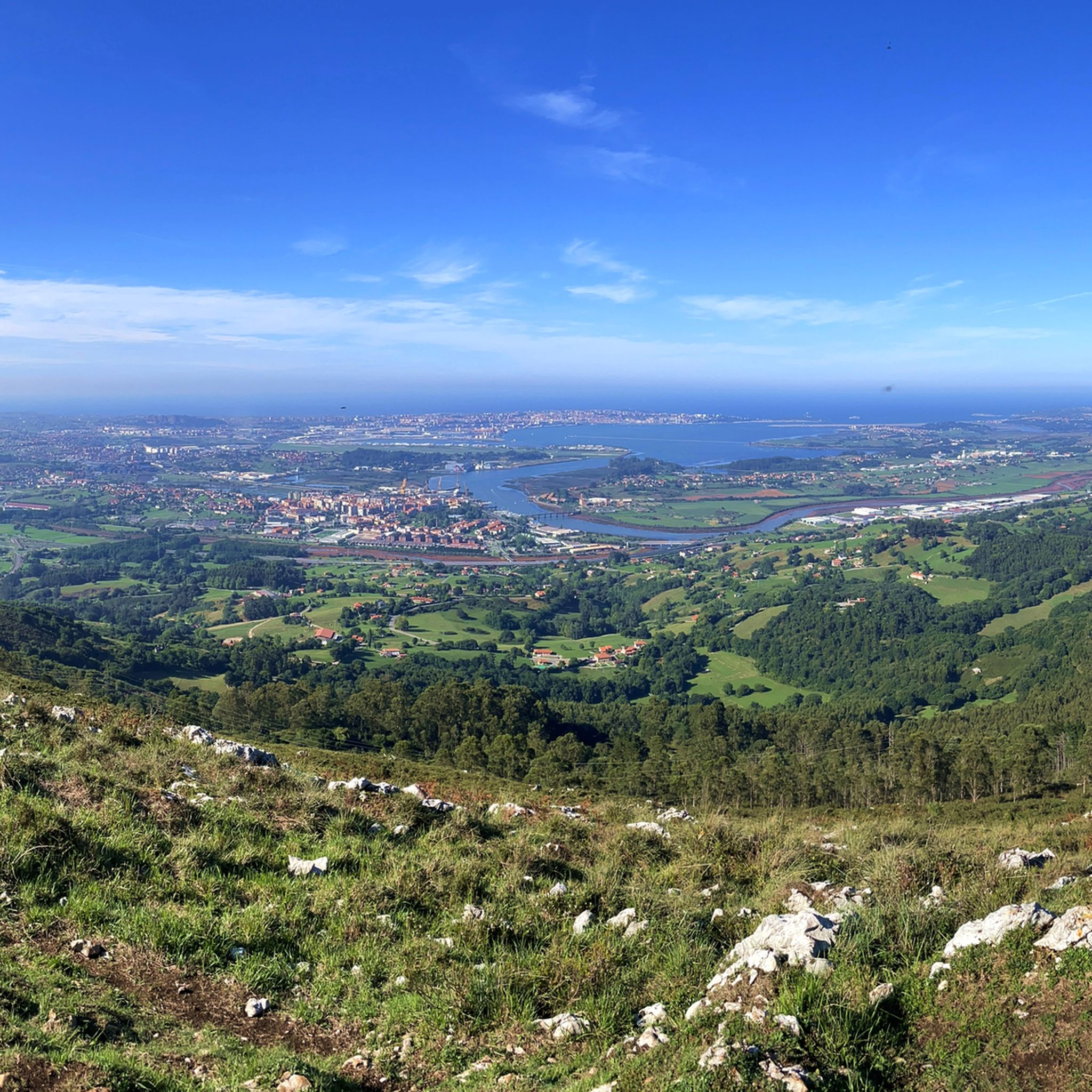
The peak of the Peñas Blancas, a 450m high mountain south of Santander, a few kilometers from the coast. Two paths lead to the summit (only one is listed in Komoot), both of which are only a bit difficult for the last few meters. The summit offers good views over the Bay of Santander, Santander itself and the Atlantic Ocean to the north, while the Cordillera Cantábrica can be seen in the other directions, and the Picos de Europa on the western horizon.
3
0

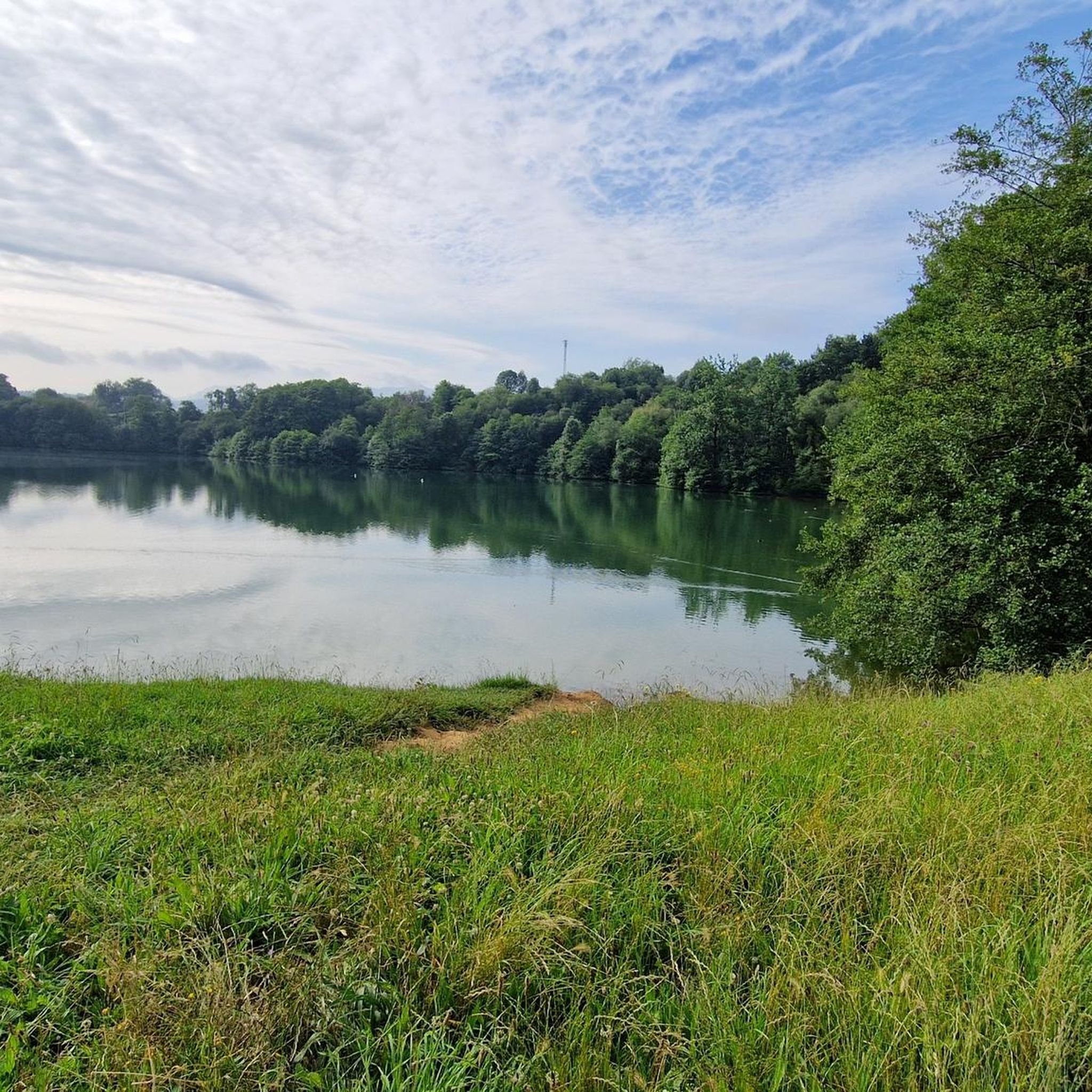
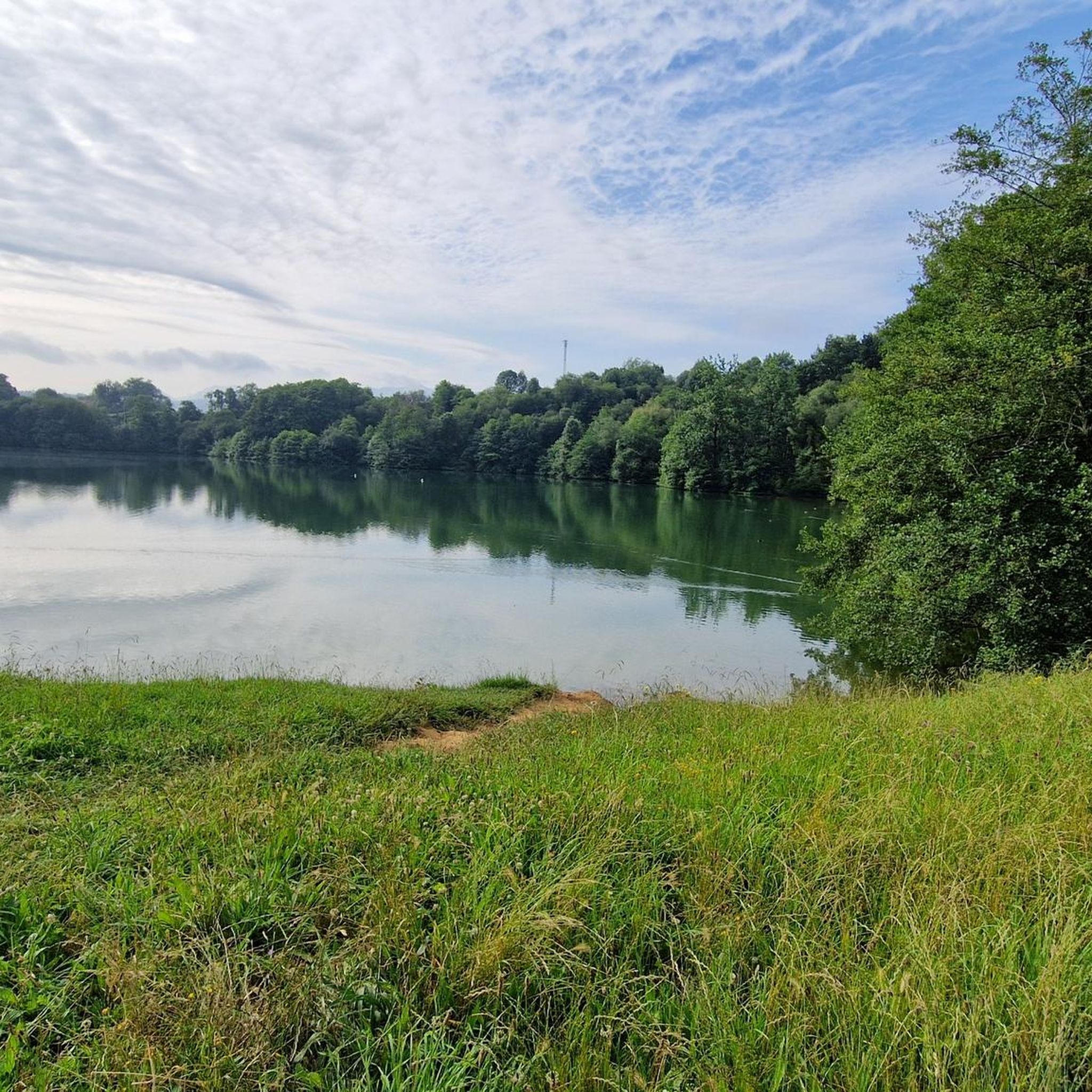
Beautiful place in an old mining operation. The wells were used to wash the iron ore, now giving rise to 2 artificial lakes, surrounded by an ideal environment for nature lovers.
1
0

In the Bº de Rioz, in Sobremazas (Medio Cudeyo), behind the public washhouse, at the bottom in the rocks is a small cave where clear and crystalline water emerges and is where the source of the Cubón river is dated. The cave also gives the name to the small park that surrounds it, which has 3 wooden tables, a fountain and a small recreational park for young children and one of the Singular Trees of Cantabria: El Castaño de Rioz.
5
0
The Castaño de Rioz is one of the unique trees of Cantabria, located in La Covachona Park in Rioz, a neighborhood of Sobremazas (Medio Cudeyo), a small and quiet park to spend time with the children.
4
0
The Wells of Valcaba are located at the foot of the southern slope of the Peña Cabarga massif and originate from mining in the area. This one in particular is the smallest and most "new" and located closest to the slope of the massif de los dos and can be accessed by a detour to the right marked by an information panel of the area with an explanation of the mining exploitation , the formation of the wells and the flora and fauna of the Peña Cabarga massif. You follow that path and you will reach the shores of the Lesser Well (today we did not reach the end because due to the floods of previous days the wells were a little overflowed).
4
0
Frequently Asked Questions
What unique geological features can I explore in Macizo de Peña Cabarga?
Macizo de Peña Cabarga is renowned for its distinctive karst landscape, shaped by millions of years of limestone erosion and historical iron extractions. You can observe various formations like dolines, lapiés, chasms, and striking 'tower karst' pinnacles. The Karst of Cabárceno is particularly notable for its reddish color, a result of iron oxide from past mining. The area also features natural upwellings like La Covachona Cave and Source of the Cubón River, highlighting the hydrological processes within the limestone.
Are there historical sites or features related to the natural monuments in the region?
Yes, the region's natural landscape is deeply intertwined with its history. The Pozo Menor de Valcaba, for instance, is an artificial lake originating from historical iron mining, used to wash iron ore. Additionally, you can find the Castro de Castilnego, an ancient six-hectare settlement located on a 457-meter peak, offering insights into pre-Roman occupation with remains of walls and archaeological material.
Where can I find the best panoramic views of Macizo de Peña Cabarga and the surrounding area?
For breathtaking panoramic views, head to Peñas Blancas Summit. Standing at 455 meters above sea level, it offers unobstructed vistas in all directions, including the Bay of Santander, the Cantabrian coast, and even the Picos de Europa on clear days. Pico Llen, the highest point of the massif at 569 meters, also provides magnificent overlooks.
Are there family-friendly natural monuments to visit in Macizo de Peña Cabarga?
Absolutely. Several natural monuments are suitable for families. The Pozo Menor de Valcaba is a scenic artificial lake with an ideal environment for nature lovers. La Covachona Cave and Source of the Cubón River is located within a small park that includes wooden tables, a fountain, and a recreational area for children. Nearby, you'll also find El Castaño de Rioz, a unique tree within a quiet park, perfect for spending time with children.
What outdoor activities can I do near these natural monuments?
The area around Macizo de Peña Cabarga offers a variety of outdoor activities. You can explore numerous hiking trails, such as the 'Peña Cabarga Circular Trail' or the 'Pico Llen loop from San Salvador'. For runners, routes like 'Pozos de Valcaba – Macizo de Peña Cabarga' are popular. Cyclists can enjoy road cycling routes like the 'Bay of Santander Green Ring Loop'. You can find more details on these activities and routes on the respective guide pages for Hiking, Running, and Road Cycling around Macizo de Peña Cabarga.
Are there specific hiking trails that lead to or pass by these natural monuments?
Yes, several hiking trails allow you to discover the natural monuments. For instance, the 'Pico Llen loop from San Salvador' is a moderate route that takes you towards the massif's highest point, offering stunning views. An easy option is the 'Remains of the Mining Bridge – Pozo Menor de Valcaba loop from Pico Llen', which passes by the historic mining wells. You can find more hiking options and details on the Hiking around Macizo de Peña Cabarga guide page.
What kind of vegetation and wildlife can I expect to see?
The Macizo de Peña Cabarga boasts diverse vegetation, including a notable coastal oak forest on its southern slope. At lower elevations, you'll find a mix of ash, oak, lime, elm, and hazel trees. This rich habitat supports various wildlife, such as foxes, weasels, shrews, Egyptian vultures, owls, and mallards, making it an excellent area for nature observation.
What is the best time of year to visit Macizo de Peña Cabarga?
The Macizo de Peña Cabarga is beautiful year-round, but spring and autumn offer particularly pleasant conditions for exploring. During these seasons, the weather is generally mild, and the landscapes are vibrant with new growth or autumnal colors. Clear days provide the best opportunities for enjoying the panoramic views from summits like Peñas Blancas and Pico Llen.
Are there any unique trees or notable plant life in the area?
Yes, the region is home to unique plant life, including El Castaño de Rioz, which is recognized as one of the singular trees of Cantabria. This ancient chestnut tree is located within La Covachona Park, offering a quiet natural setting. The massif also features significant coastal oak forests and a mix of other native tree species.
What do visitors enjoy most about the natural monuments around Macizo de Peña Cabarga?
Visitors frequently highlight the stunning panoramic views, especially from Peñas Blancas Summit, which offers unobstructed vistas of the Bay of Santander and the Cantabrian coast. The unique geological formations, such as the red-hued karst landscapes, and the historical context of the mining wells like Pozo Menor de Valcaba, are also highly appreciated. Many enjoy the peaceful and natural environments found at spots like El Castaño de Rioz and the source of the Cubón River.
Is it possible to explore the area by bike?
Yes, the region offers opportunities for cycling. You can find various road cycling routes around Macizo de Peña Cabarga, such as the 'Bay of Santander Green Ring Loop' or more challenging options like the 'Alto del Caracol and Vía Verde del Pas Loop'. These routes allow you to experience the diverse landscapes and natural monuments from a different perspective. More details are available on the Road Cycling Routes around Macizo de Peña Cabarga guide page.
Most popular routes around Macizo de Peña Cabarga
Most popular attractions around Macizo de Peña Cabarga

Get inspired with the komoot mobile app


Explore more
Extend your search for the best caves by checking out these guides of the top ones around Macizo de Peña Cabarga:
