Top 20 Natural Monuments around the Tajo
Natural monuments around the Tajo encompass a diverse range of landscapes along the Iberian Peninsula's longest river. The Tajo river carves extensive canyons and gorges, particularly within Spain's Alto Tajo Natural Park, an area recognized for its geological diversity and rich biodiversity. Further downstream in Portugal, the Tagus Estuary Natural Reserve stands as a significant wetland and a crucial stop-over for migratory birds. These areas offer varied natural features, from dramatic rock formations to vast mudflats, shaped by the river's…
Last updated: June 26, 2026
Sanctuary of the Virgin of the Hoz
Highlight • Religious Site
Translated by Google •
Tip by

The Gypsy's Leap
Highlight • Natural Monument
Translated by Google •
Tip by

Sign up now to discover places like this
Get recommendations on the best single tracks, peaks, & plenty of other exciting outdoor places.
Sign up for free
San Pedro Bridge
Highlight • Bridge
Translated by Google •
Tip by

Enebros Viewpoint
Highlight • Viewpoint
Translated by Google •
Tip by

Serrano Viewpoint
Highlight • Viewpoint
Translated by Google •
Tip by
View from Cerro Gimio
Highlight • Viewpoint
Translated by Google •
Tip by
Translated by Google •
Tip by
View of Barranco de la Hoz
Highlight • Viewpoint
Translated by Google •
Tip by
Jardín del Príncipe
Highlight • Natural Monument
Translated by Google •
Tip by
Chinescos Pond
Highlight • Lake
It is an artificial lake with three islets where …
Translated by Google •
Tip by
Sign up for free to discover even more natural monuments around the Tajo.
Sign up for free
Already have an account?
Start today with a free account
Your next adventure awaits.
Login or Signup
Popular around Tajo
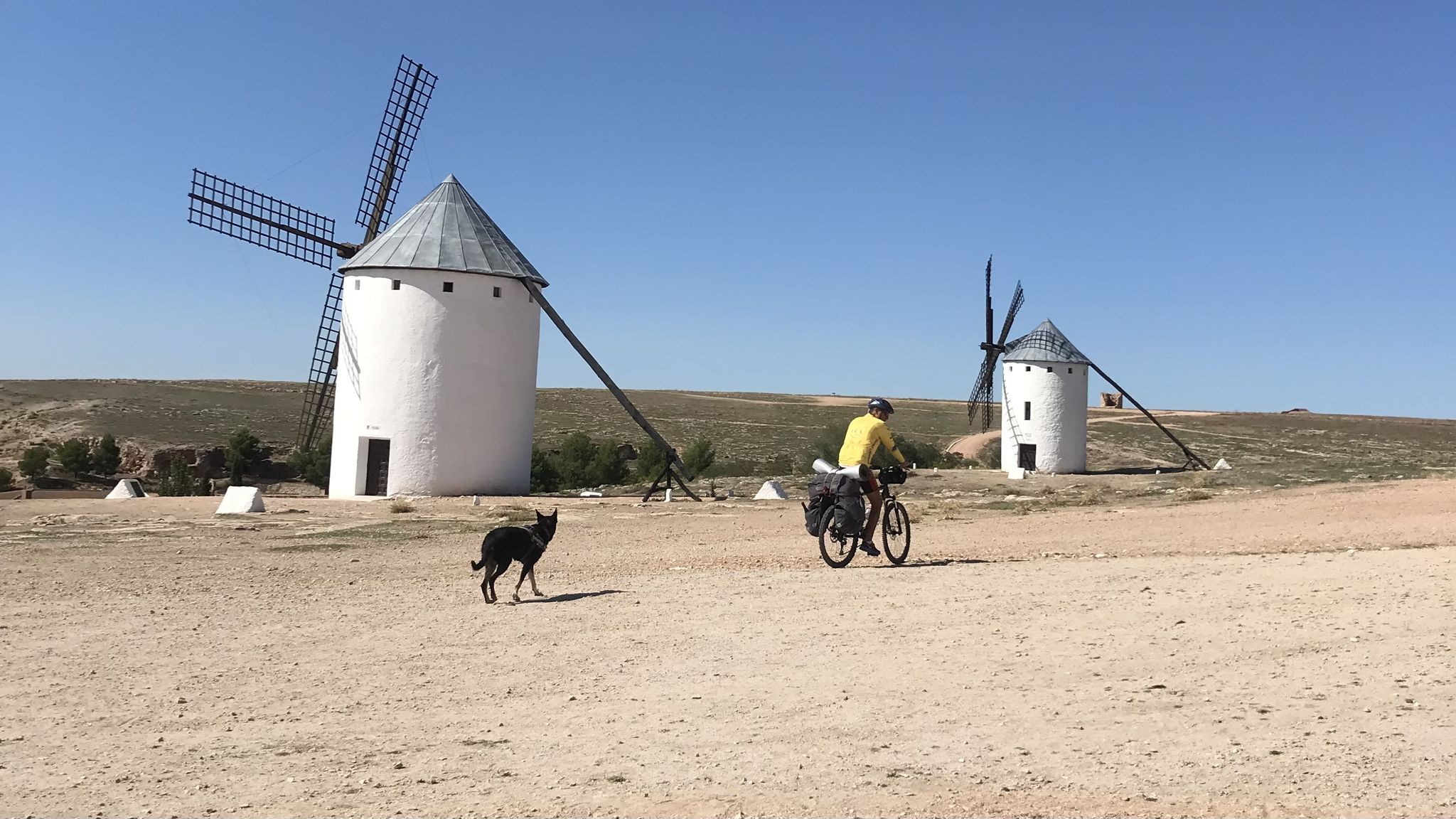
Don Quixote's route – The knight of the sorry face

Around the World in 80 Days
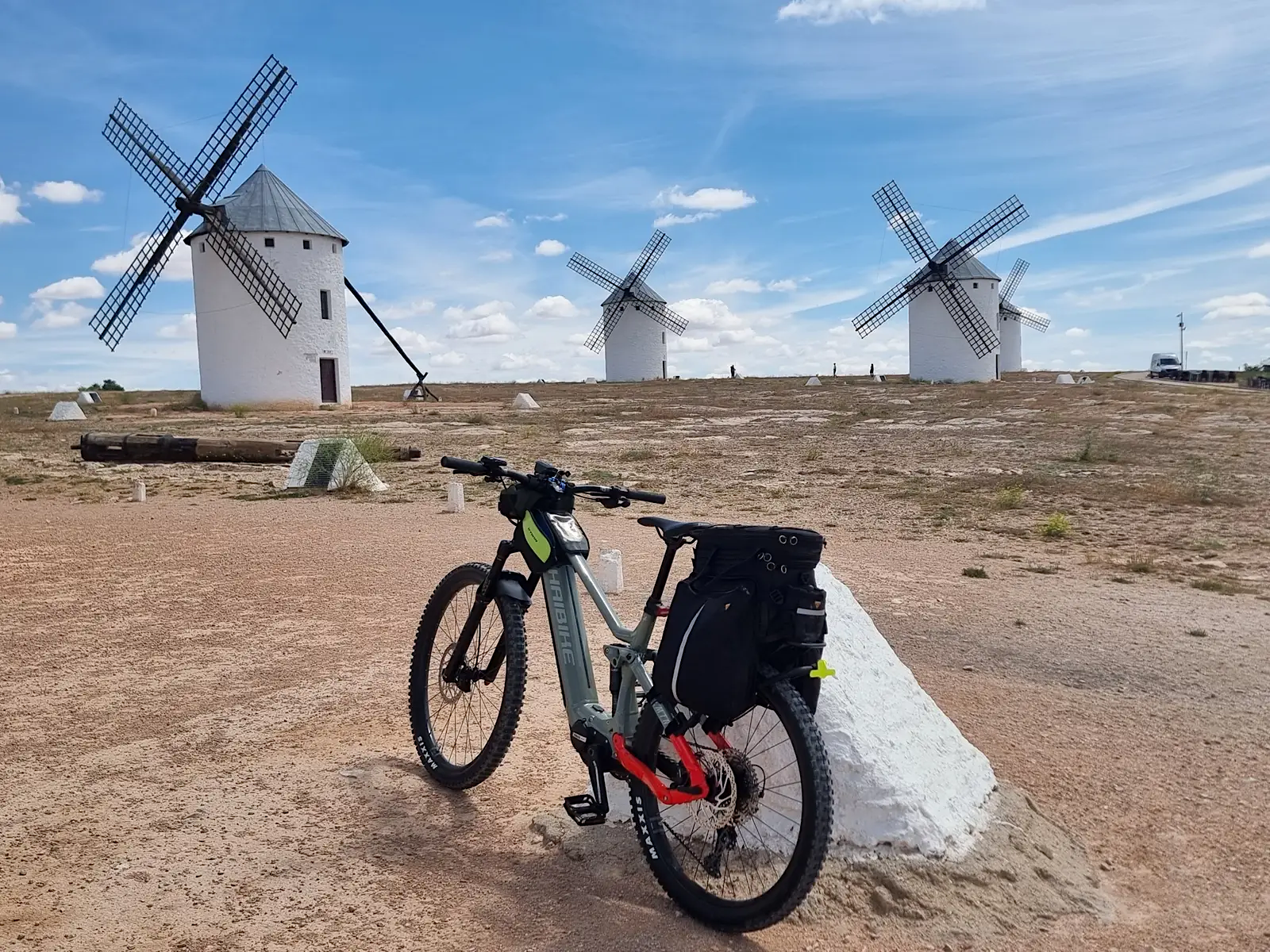
Route of Don Quixote – cycling between rivers, lagoons and hills
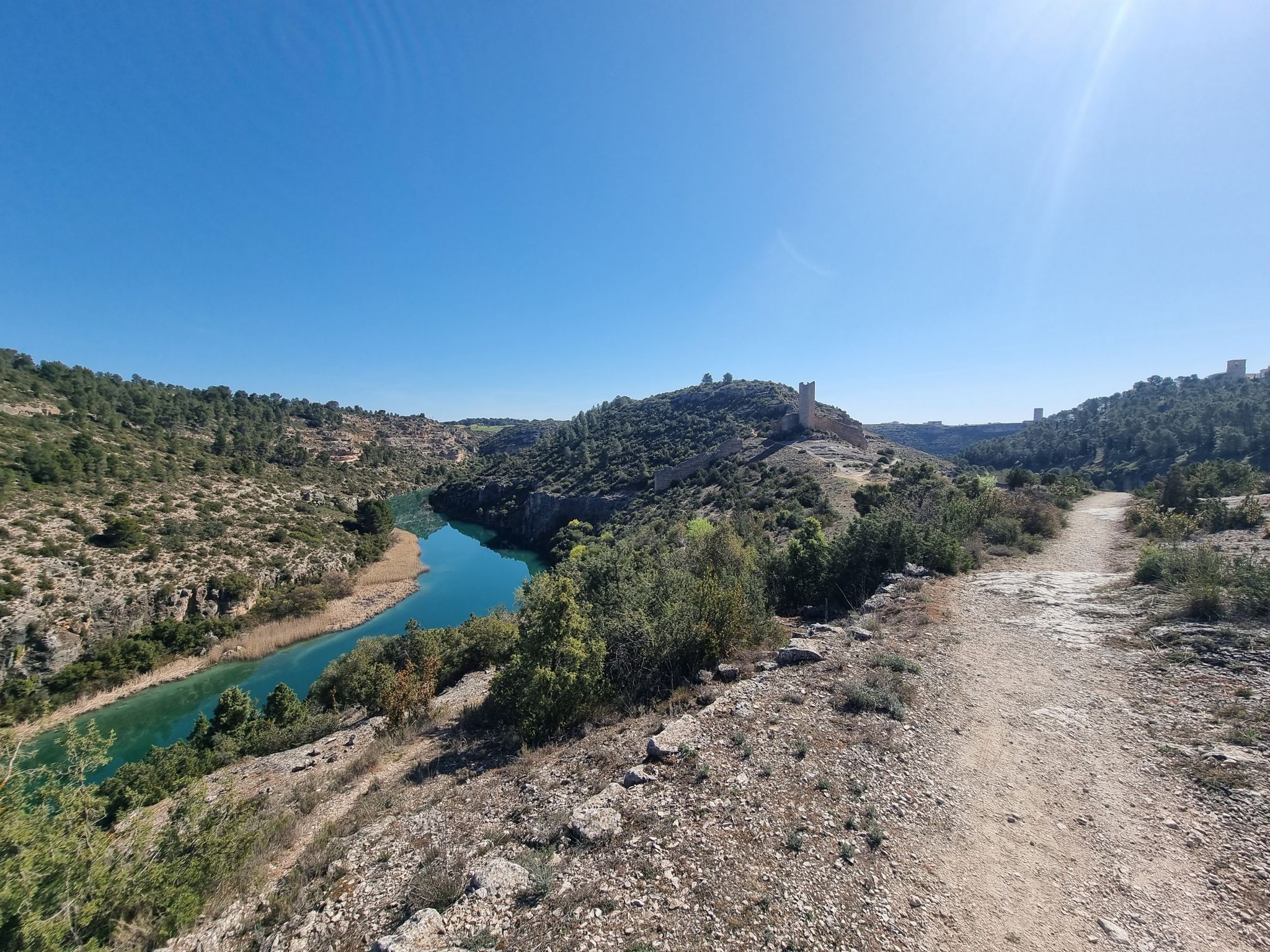
A gravel bike adventure between Madrid and Valencia
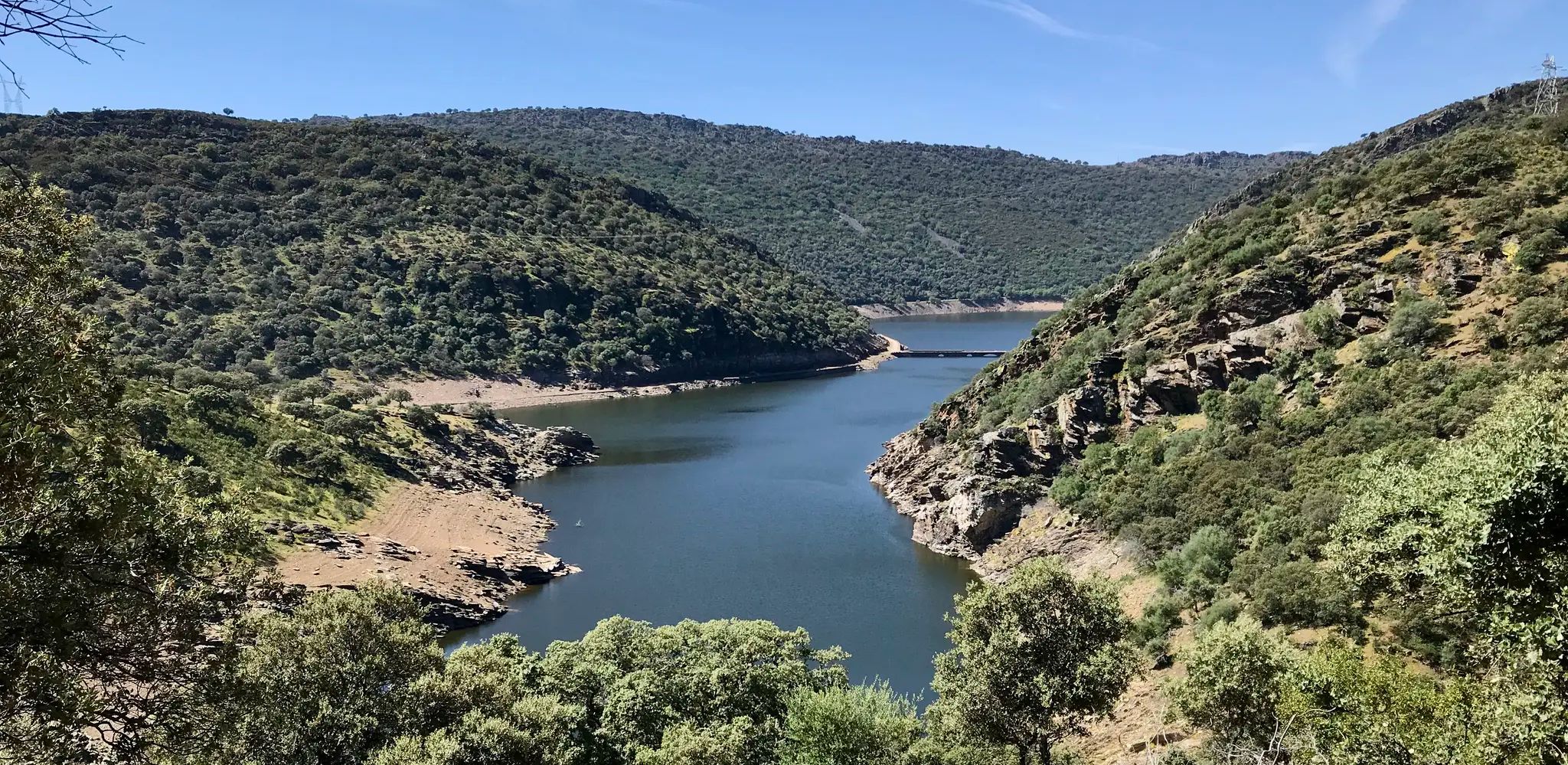
Toledo to Cedillo – Camino Natural del Tajo West

Ports, countryside and rivers – Tour of Madrid by road bike
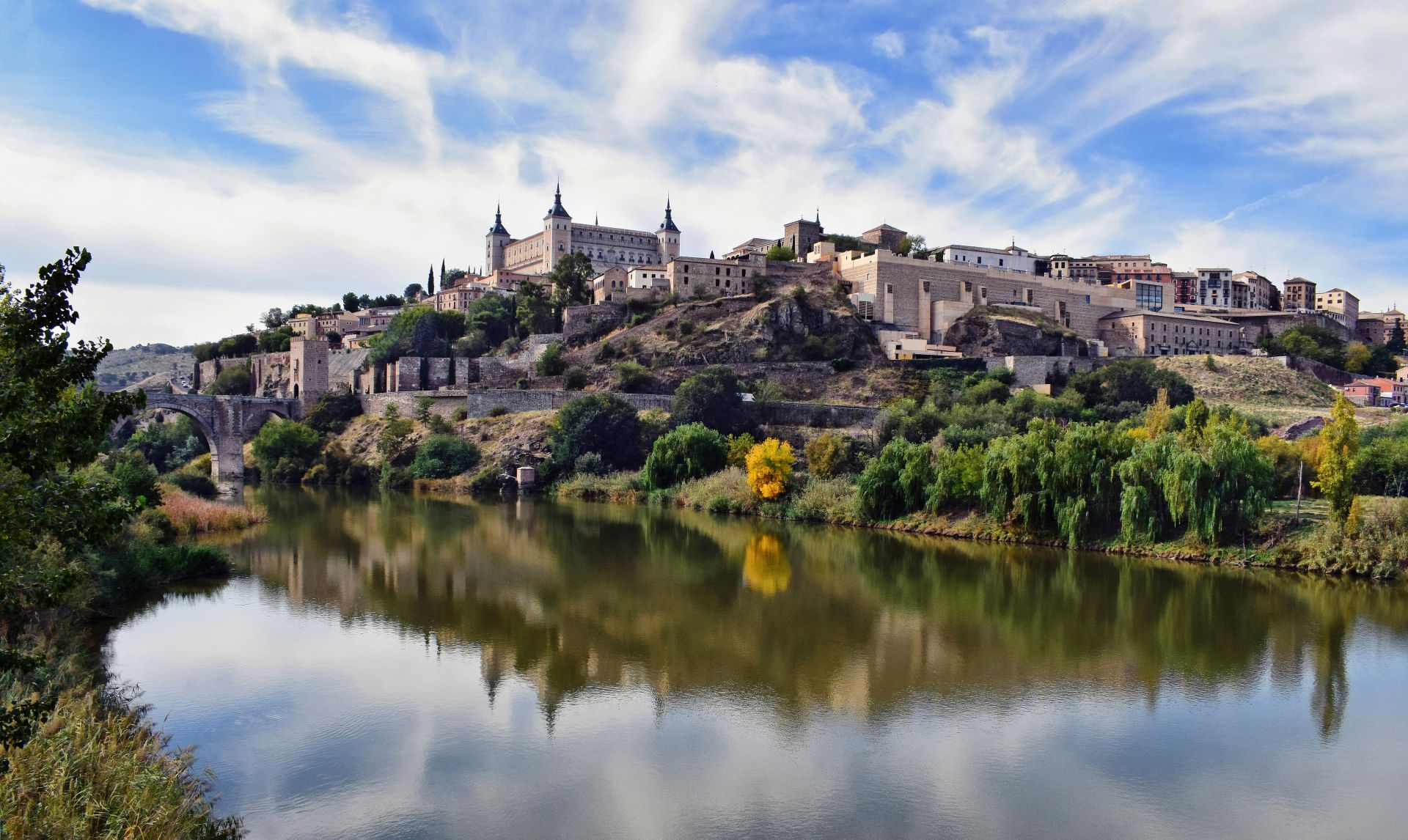
Albarracín to Toledo – Eastern Tagus Nature Trail
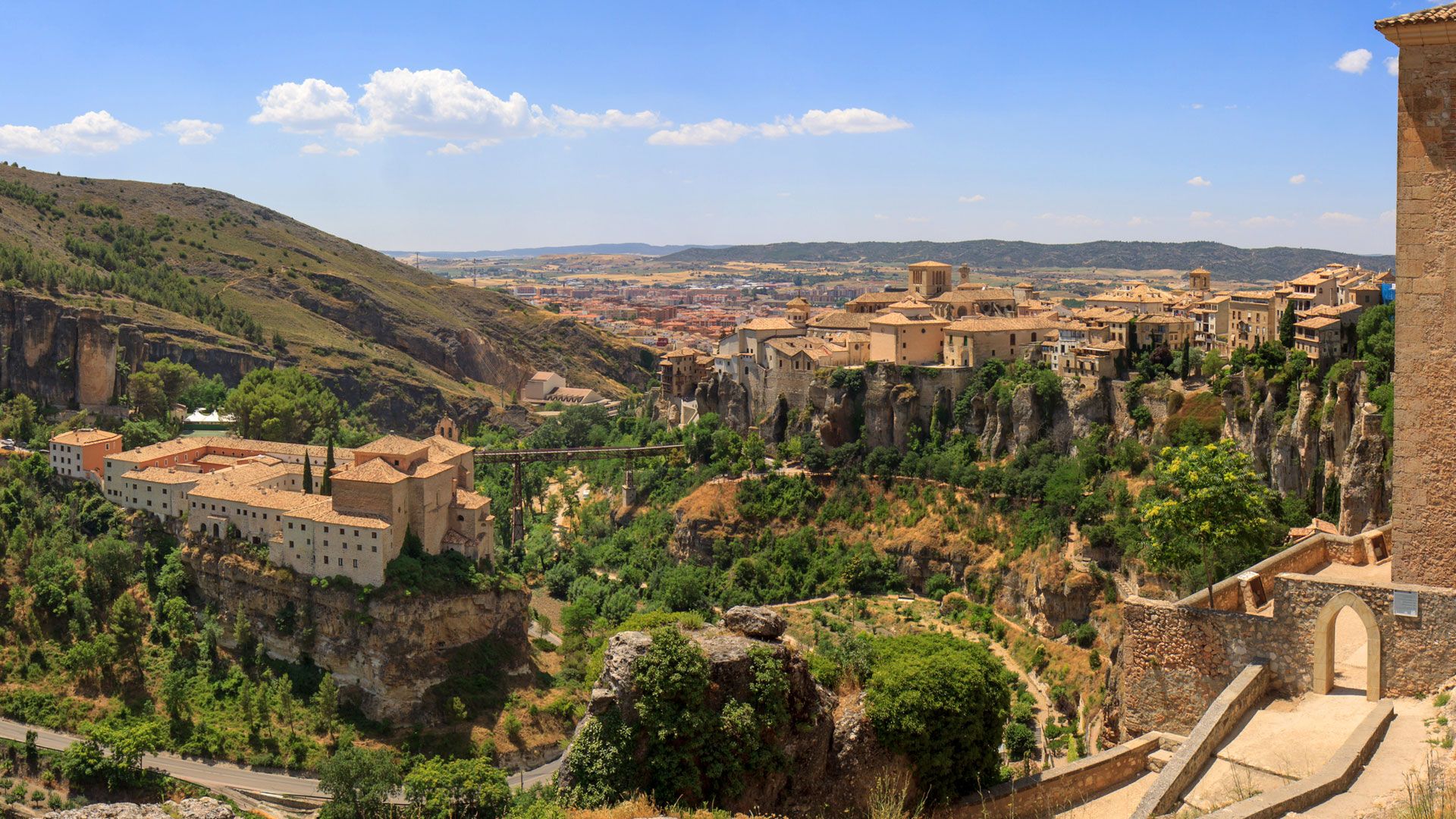
Levante to Castile – Ruta de la Lana Gravel Route
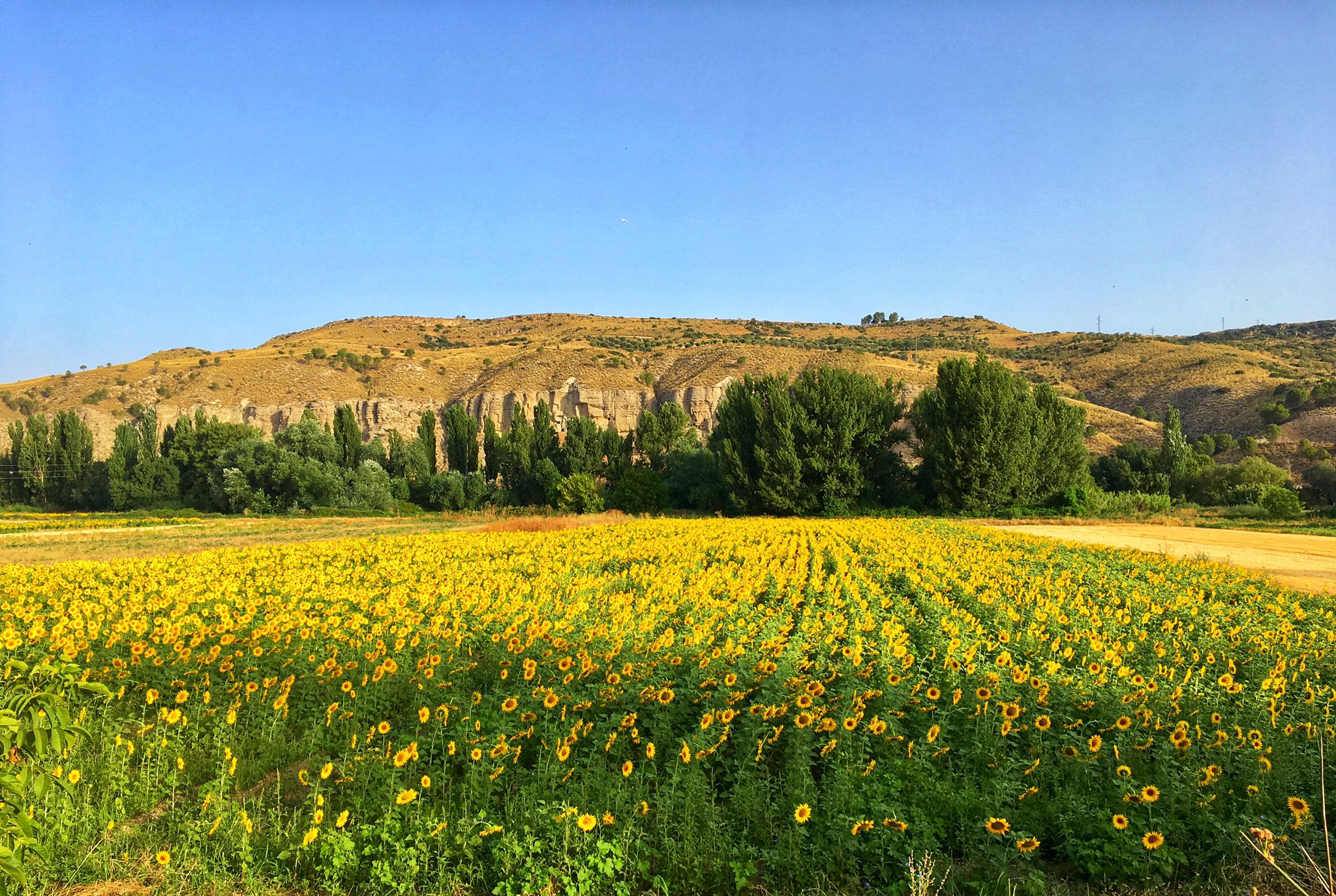
Palaces, rivers and fields — Las Vegas de Madrid gravel tour
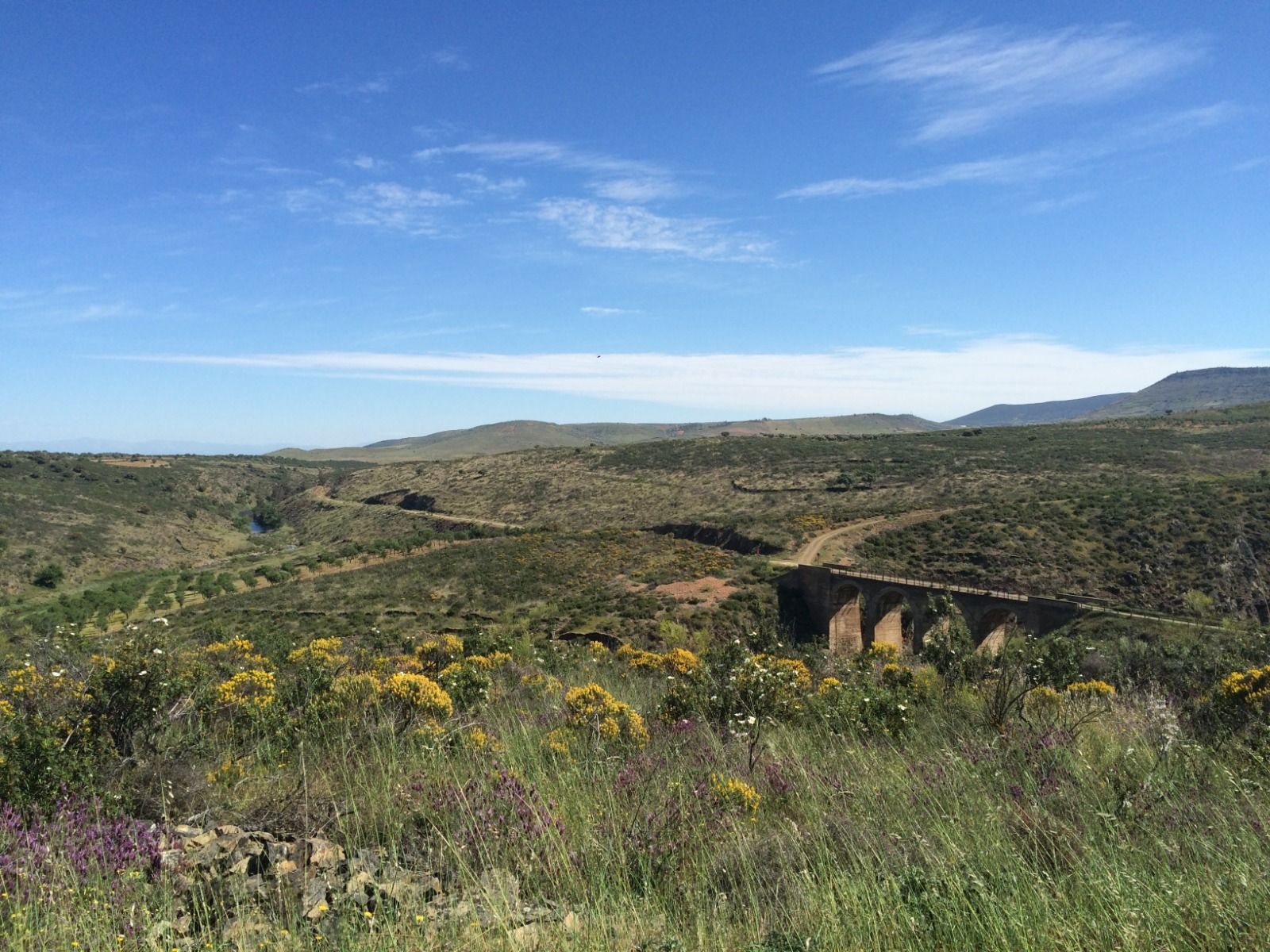
A gravel pilgrimage – Toledo to Guadalupe (GR 166)
Other adventures around the Tajo


Tips from the Community


Popular viewpoint and not for nothing, beautiful and many different birds of prey to see. From here also runs a hiking trail to Monfragüe castle.
10
1

Beautiful viewpoint and especially in the afternoon, many birds can be seen
2
1
The highlight of Monfrague and lots of birds, especially in the afternoon when the thermals are optimal.
0
0


A recommended area for walking.
0
0

Hospedería Virgen de la Hoz is a charming rural accommodation. This place offers a peaceful and natural setting, ideal for relaxing and enjoying outdoor activities such as hiking, cycling and bird watching. The inn has cosy and well-equipped rooms, a restaurant serving delicious à la carte dishes, and a terrace for relaxing. In addition, guests can enjoy Wi-Fi in public areas.
11
0

Ideal habitat and breeding ground for large birds.
1
1
Frequently Asked Questions
What are some of the most popular natural monuments around the Tajo?
Visitors frequently enjoy the View from Cerro Gimio, which offers expansive views over the Tietar's mouth into the Tagus within Monfragüe National Park. Another highly appreciated spot is the View of the Barrancas de Burujón and the Castrejón Reservoir from Mirador del Cambrón, known for its unique canyon-like formations. The The Gypsy's Leap is also popular, especially for observing one of the largest vulture colonies.
Are there family-friendly natural monuments along the Tajo?
Yes, several natural monuments are suitable for families. The Gypsy's Leap is a great option for wildlife viewing, particularly vultures. The San Pedro Bridge area offers a pleasant setting by the river, and the View of the Barrancas de Burujón and the Castrejón Reservoir from Mirador del Cambrón provides accessible viewpoints with stunning scenery. Additionally, the Jardín del Príncipe is a historical garden that offers a natural and family-friendly environment.
What kind of natural features can I expect to see along the Tajo river?
The Tajo river region is diverse. In Spain, particularly within the Alto Tajo Natural Park, you'll find extensive canyons and gorges, unique rock formations, pine forests, and riverside woodlands. Further downstream in Portugal, the Tagus Estuary Natural Reserve features vast wetlands, mudflats, and marshes. You can also discover numerous viewpoints offering panoramic vistas, such as the Enebros Viewpoint and Serrano Viewpoint.
What historical or cultural sites are located near the natural monuments?
Near some natural monuments, you can find significant historical and cultural sites. For instance, the Sanctuary of the Virgin of the Hoz is an architectural complex with a church and a 16th-century house built on 12th-century foundations, offering incredible views over the Gallo river canyon. The Jardín del Príncipe is another notable historical site with natural elements.
What wildlife can be observed in the Tajo natural monuments?
The Tajo region is rich in wildlife. The Alto Tajo Natural Park is home to diverse birds of prey, including golden eagles, Egyptian vultures, griffon vultures, and the rare Bonelli's eagle, as well as otters and various fish species. The The Gypsy's Leap is specifically known for its large vulture colonies. In Portugal, the Tagus Estuary Natural Reserve is a crucial stop-over for migratory birds, hosting thousands of flamingos and other waterfowl like common stilts and pied avocets.
What outdoor activities can I do near these natural monuments?
The Tajo region offers a variety of outdoor activities. Hiking is very popular, with options ranging from easy walks like the Barrancas de Burujón circular route to more moderate trails. You can find more details on easy hikes around the Tajo. Cycling is also a great way to explore, with routes like the Tajo Natural Trail. For those interested in waterfalls, there are specific waterfall hikes available.
Are there specific hiking trails near the natural monuments?
Yes, there are several hiking trails. Near the Barrancas de Burujón, you can enjoy an easy circular route. For those interested in the San Pedro Bridge, there's a moderate loop trail that includes the Zaorejas Viewpoint. The Alto Tajo Natural Park also features extensive trails, such as those leading to the Poveda Waterfall and Taravilla Lagoon. You can explore more hiking options through the easy hikes around the Tajo guide.
What do visitors enjoy most about the natural monuments around the Tajo?
Visitors particularly enjoy the breathtaking views from various viewpoints, such as those at Cerro Gimio and the Barrancas de Burujón. The opportunity to observe diverse wildlife, especially the large vulture colonies at The Gypsy's Leap, is also a highlight. Many appreciate the peaceful and natural settings, ideal for relaxation and outdoor activities like hiking and cycling.
What is the best time to visit the natural monuments around the Tajo?
The best time to visit depends on your interests. For birdwatching, especially at the Tagus Estuary Natural Reserve, autumn and winter are ideal for observing migratory birds and flamingos. For hiking and exploring the canyons and forests of Alto Tajo Natural Park, spring and early autumn offer pleasant temperatures and vibrant landscapes, avoiding the peak heat of summer.
Are there any less crowded natural spots along the Tajo?
While popular spots attract many, the vastness of areas like the Alto Tajo Natural Park means you can often find quieter trails and viewpoints, especially outside of peak tourist seasons. Exploring some of the less-trafficked sections of the park's extensive trail network can lead to serene experiences away from the crowds.
Can I find accommodation or facilities near these natural monuments?
Yes, some areas offer facilities. For example, near the Sanctuary of the Virgin of the Hoz, there is a charming rural accommodation called Hospedería Virgen de la Hoz, which provides a peaceful setting with a restaurant. The Jardín del Príncipe also has facilities available for visitors.
Most popular routes around the Tajo
Most popular attractions around the Tajo

Get inspired with the komoot mobile app


Explore more
Extend your search for the best caves by checking out these guides of the top ones around the Tajo:
