The best traffic-free bike rides around the Tajo
4.2
(145)
2,224
riders
129
rides
No traffic touring cycling routes around the Tajo traverse a diverse landscape shaped by the river's journey across Spain and Portugal. The region features extensive networks of canyons and gorges, dense pine forests, and riparian environments with holm oaks, cork oaks, and willows. Beyond the immediate riverbanks, the terrain transitions to steppe and savannah-like areas, offering varied cycling experiences.
Best no traffic touring cycling routes around the Tajo
- The most popular no traffic touring cycling route is Tajo Natural Trail…
Last updated: May 16, 2026
3.5
(2)
6
riders
14.7km
01:11
80m
80m
An easy 9.1-mile touring cycling route along the Tajo Natural Trail, featuring historical sites like Palacio de Galiana and the Alcántara Br
1
riders
26.4km
02:49
720m
720m
Experience a difficult 16.4-mile touring cycling route on the Tajo Natural Trail, winding through Monfragüe National Park.

Sign up for free
1
riders
43.2km
02:50
570m
570m
Hard bike ride. Very good fitness required. Mostly paved surfaces. Suitable for all skill levels.
4.0
(2)
58
riders
57.0km
04:17
450m
450m
Moderate bike ride. Good fitness required. Mostly paved surfaces. Suitable for all skill levels.
3.8
(5)
54
riders
36.9km
02:36
270m
270m
Moderate bike ride. Good fitness required. Mostly paved surfaces. Suitable for all skill levels.
Get access to more routes and recommendations from other explorers.
Sign up for free
Already have an account?
Our route recommendations are based on thousands of hikes, rides, and runs completed by other people on komoot.
Start today with a free account
Your next adventure awaits.
Login or Signup
Popular around Tajo
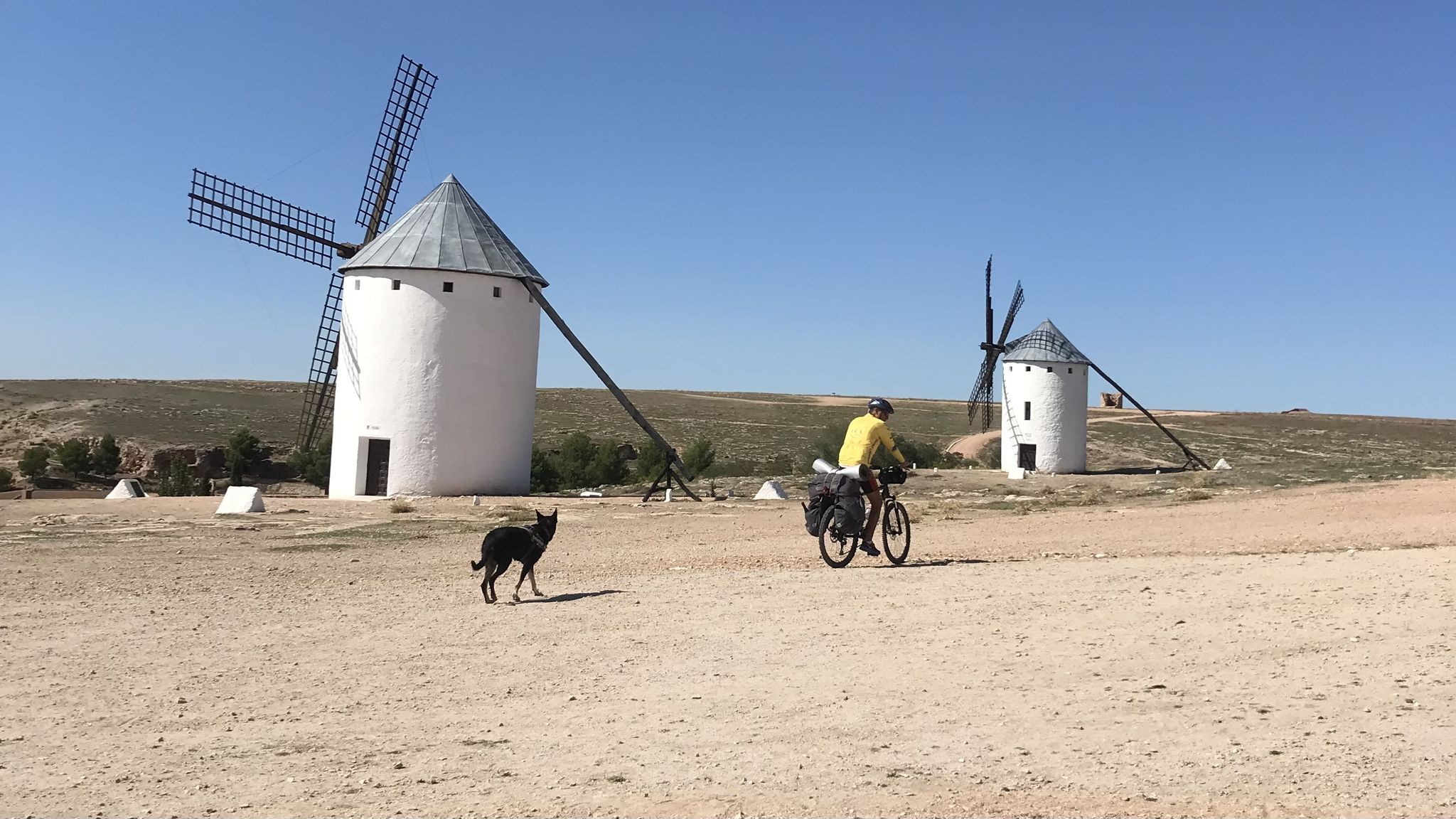
Don Quixote's route – The knight of the sorry face
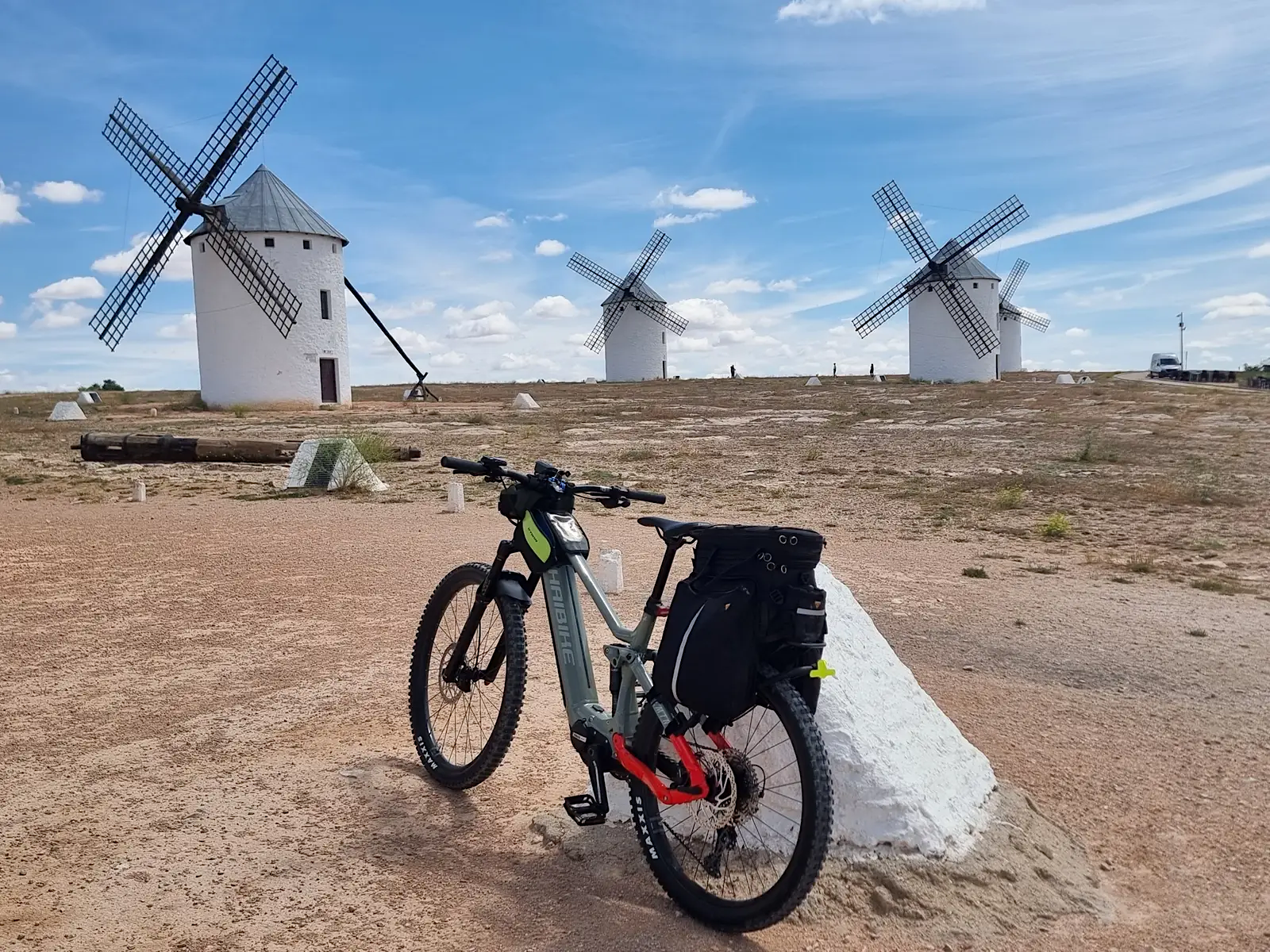
Route of Don Quixote – cycling between rivers, lagoons and hills
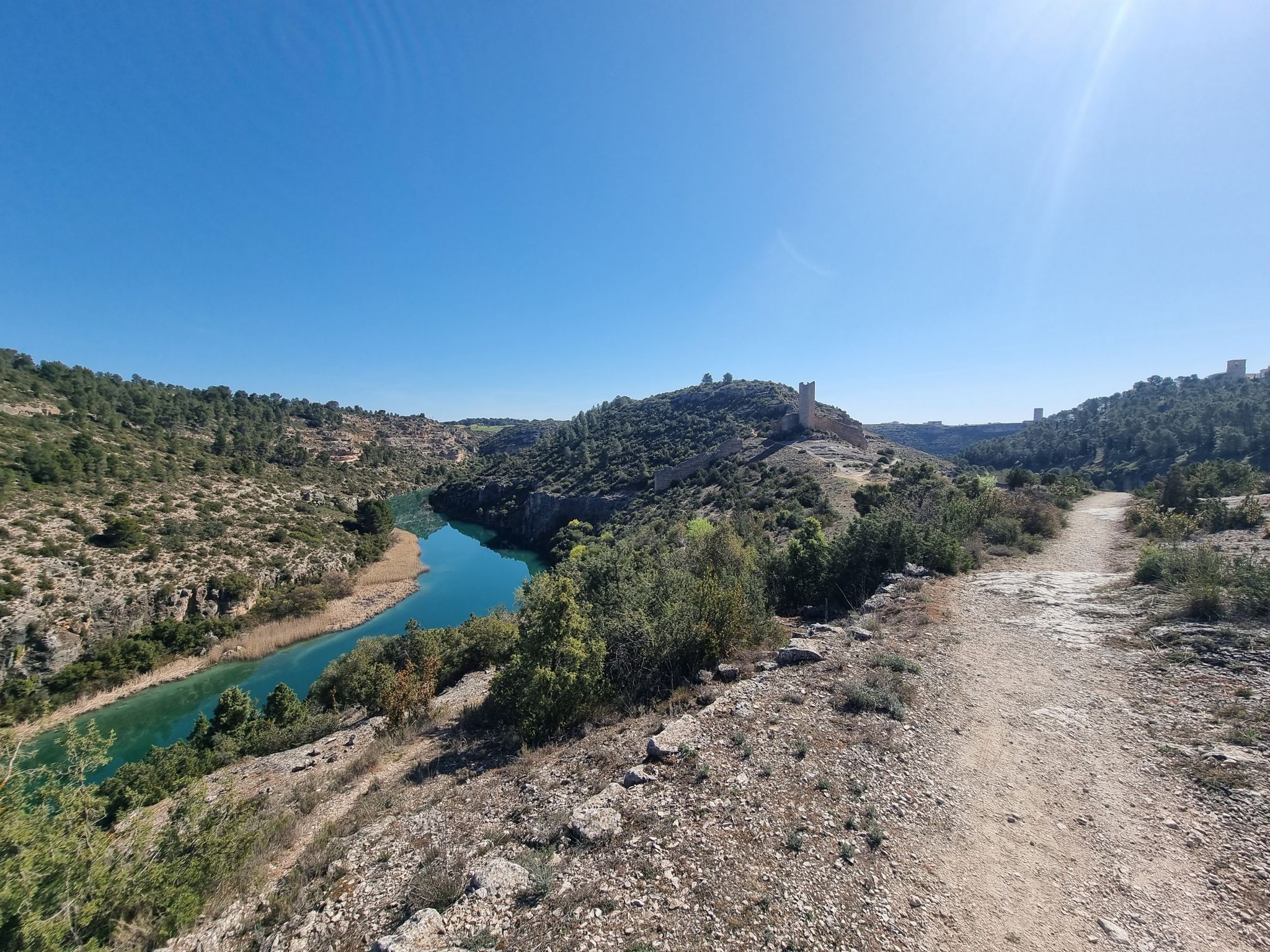
A gravel bike adventure between Madrid and Valencia
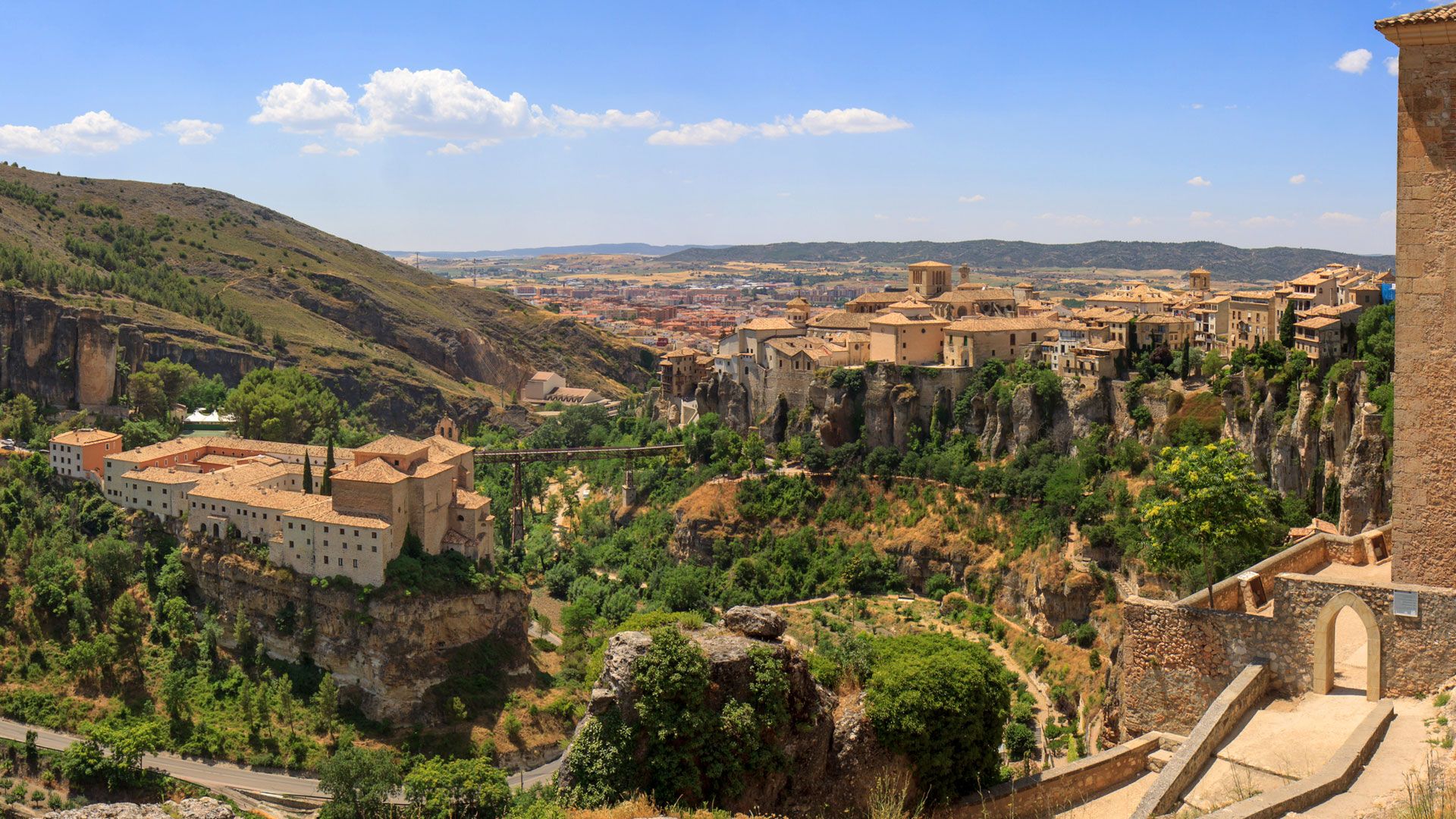
Levante to Castile – Ruta de la Lana Gravel Route
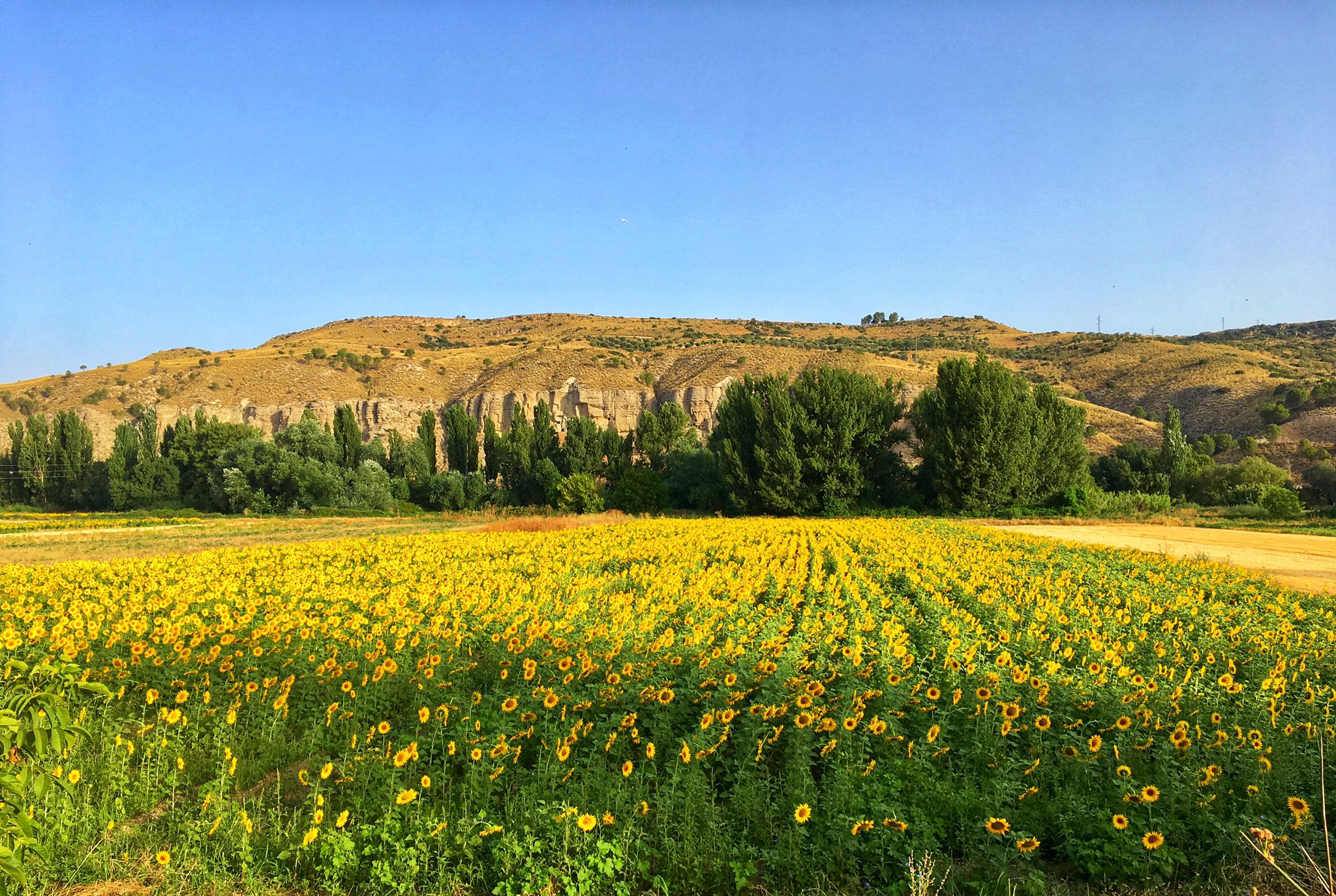
Palaces, rivers and fields — Las Vegas de Madrid gravel tour
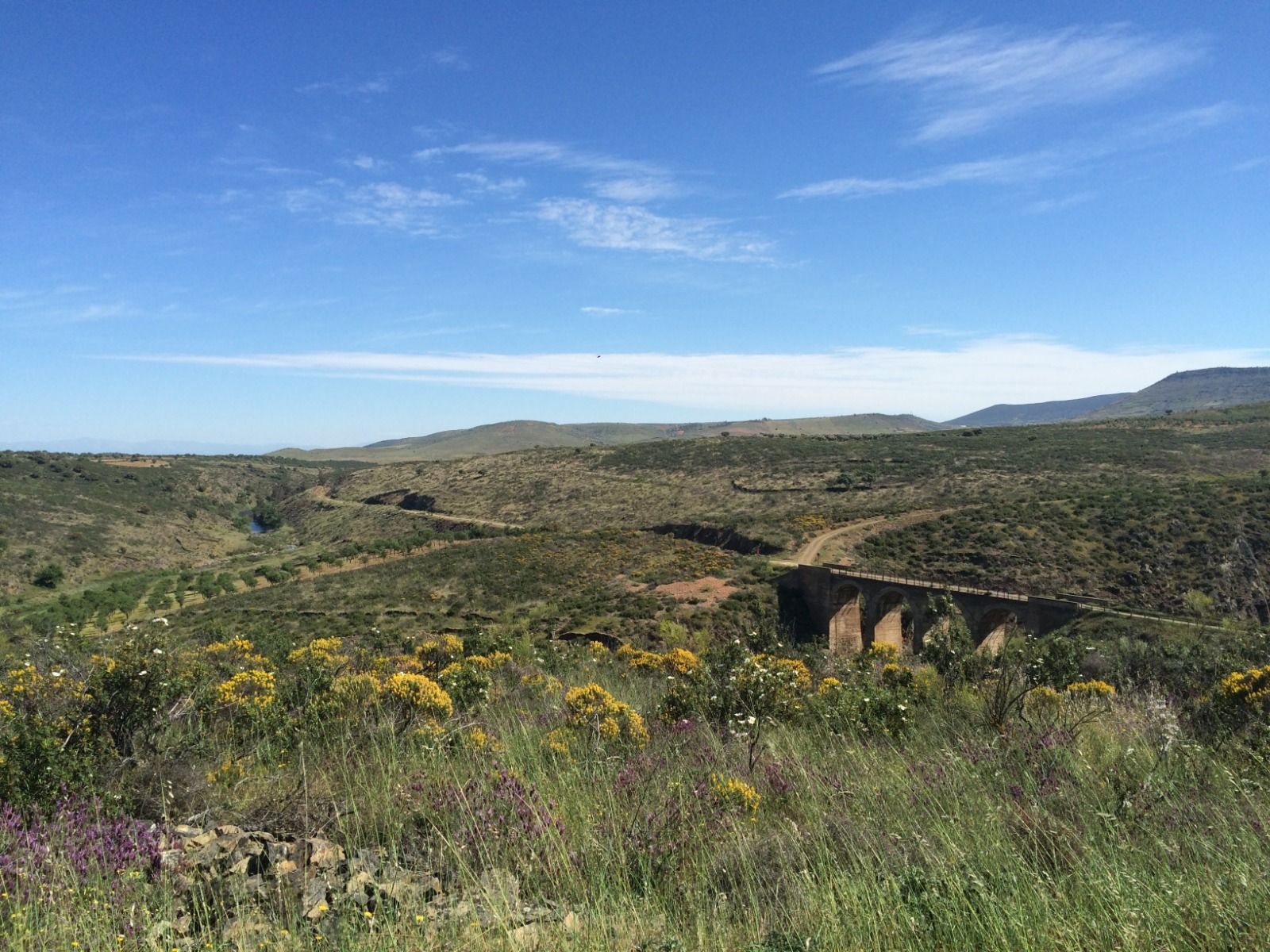
A gravel pilgrimage – Toledo to Guadalupe (GR 166)
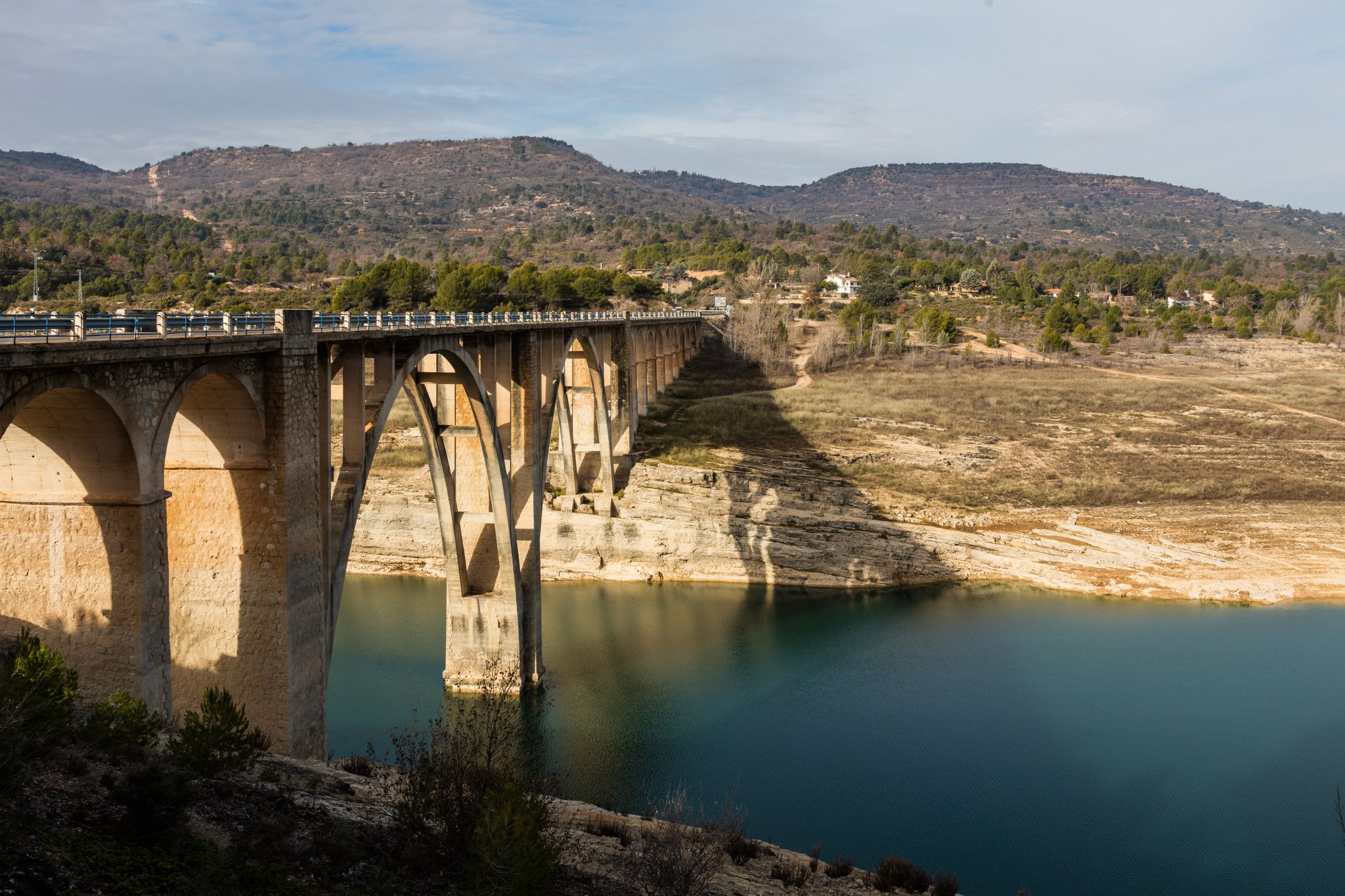
A journey on the Iberian Peninsula – Tagus Nature Trail
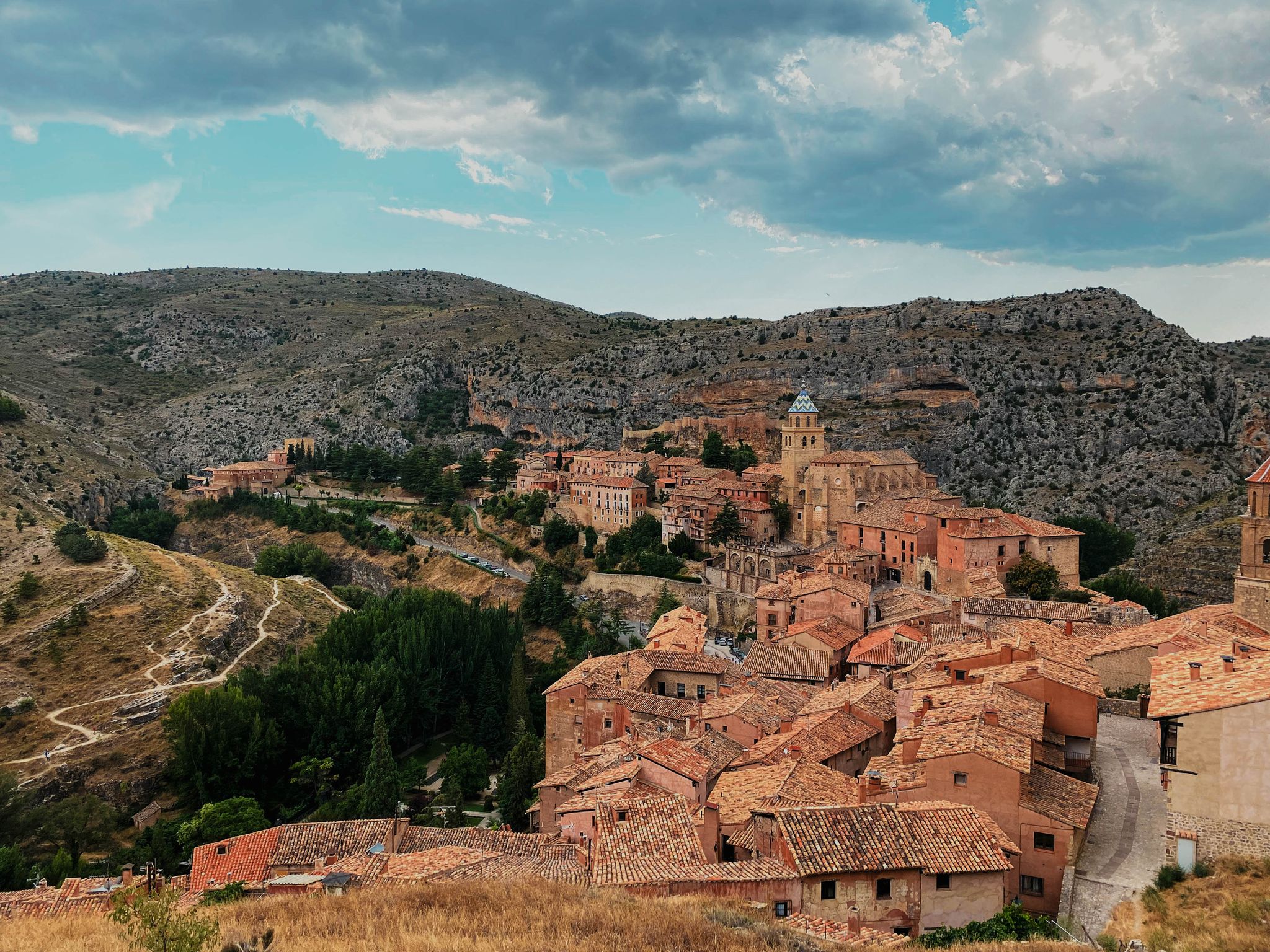
The Three Taifas by gravel bike – El Camino del Cid
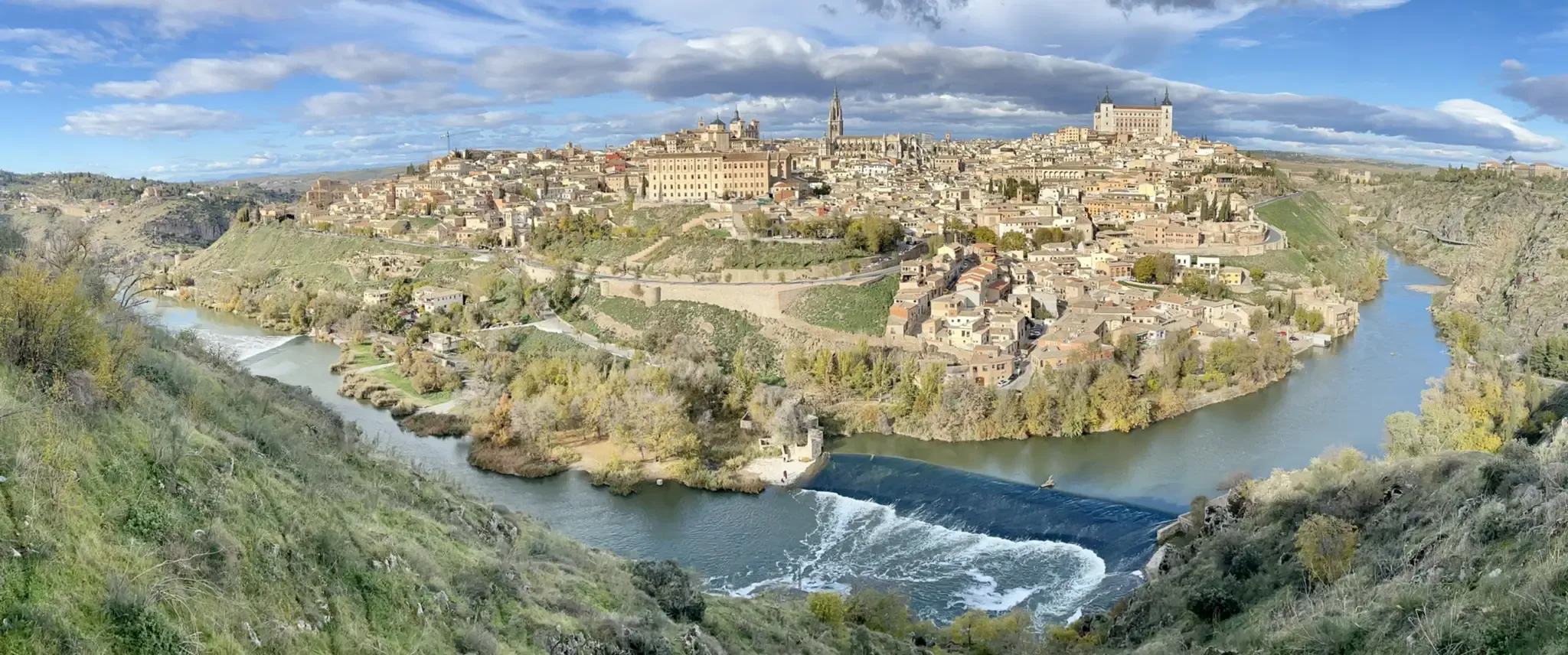
A journey to the interior of the Iberian Peninsula – Levante Way (GR 239)
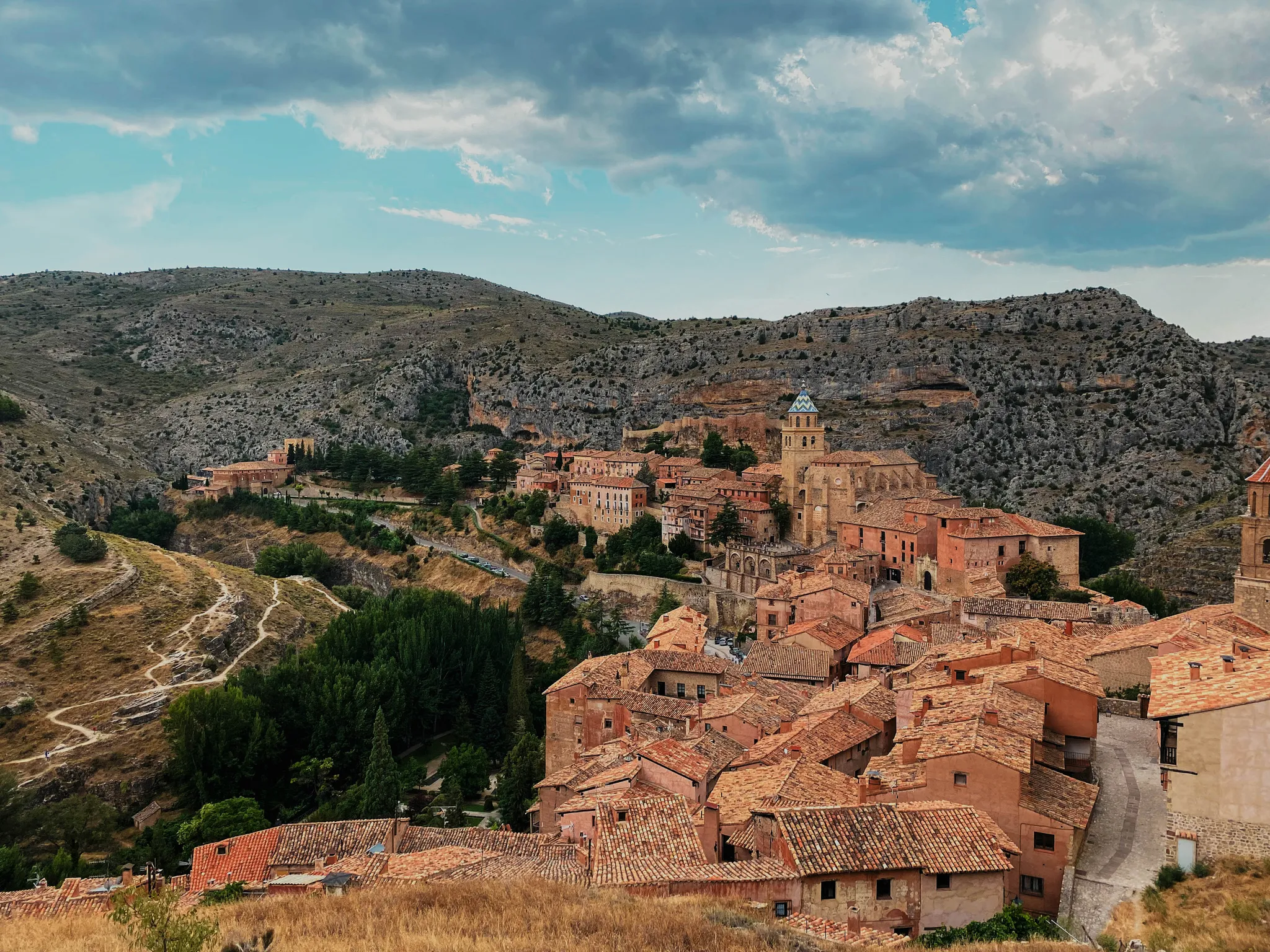
The Way of El Cid by bike – The Three Taifas
Other adventures around the Tajo


Tips from the Community

A must-see photo stop if your route takes you there...
0
1

The Safont Waterwheel is a unique landmark in Toledo, located in Safont Park, next to the Tagus Nature Trail, very close to the Azarquiel Bridge and the bus station. It's an ideal spot for strolling along the riverbank and discovering a corner steeped in history and interesting facts.
4
0
The Camino de la Pozuela is a nature trail located on the outskirts of Toledo, ideal for hiking, mountain biking, and running. Natural landscape with olive trees, holm oaks, and remains of the Roman aqueduct. Panoramic views of the city of Toledo and the Sierra de Nambroca mountains at some points.
3
0
The most iconic view of Toledo from the road in the Cabeza area is from the Mirador del Valle, located in Ronda del Valle, very close to the Hermitage of the Virgen de la Cabeza. This spot is famous for its classic panoramic view, seen on postcards and paintings, with the Alcázar, the Primate Cathedral, and the Tagus River framing the city.
3
1
The Bisagra Gate is one of Toledo's most iconic monuments and a monumental entrance to its historic center. Muslim Origin: The original gate, known as the Old Bisagra Gate or Bab al-Saqra ("Sacred Gate"), was built in the 9th century during Islamic rule. Renaissance Reconstruction: In the 16th century, under the reigns of Charles V and Philip II, the New Bisagra Gate was built, the gate that remains today. Construction began around 1540 and was completed in 1576. Notable Architects: Alonso de Covarrubias, Nicolás de Vergara the Elder, Juan de Benavides, Eugenio Sánchez, among others, participated.
10
0
The Plaza de la Concordia in Cobisa (Toledo) is a central and very active space in the municipality, ideal for strolling, enjoying local events, and exploring the surrounding area.
13
3
The Castle of San Servando is an impressive medieval fortress located in Toledo, next to the Tagus River and very close to the Alcántara Bridge. It is one of the city's most notable monuments due to its history, architecture, and strategic location. Built in 1024 as a monastery during the reign of Alfonso VI.
11
0
The Alcántara Bridge is one of Toledo's most iconic monuments, with a history dating back to Roman times and an architecture that has evolved over the centuries. Originally built by the Romans in the 3rd century AD, as part of the network of roads that connected the Empire. Its name comes from the Arabic "al-qanṭarah," meaning "the bridge," given by the Muslims after its reconstruction in the 10th century.
10
0
Frequently Asked Questions
How many no traffic touring cycling routes are available in the Tajo region?
There are over 130 dedicated no traffic touring cycling routes around the Tajo, offering a wide range of options for exploring the region's diverse landscapes. These include 19 easy routes, 56 moderate routes, and 55 difficult routes, ensuring there's something for every skill level.
What is the best time of year for touring cycling in the Tajo region?
The Tajo region, with its Mediterranean climate, is generally best for touring cycling in spring (March to May) and autumn (September to November). During these seasons, temperatures are milder, and the natural landscapes are particularly vibrant. Summer can be very hot, especially in July and August, making early morning or late afternoon rides more advisable.
Are there any historical landmarks or points of interest along the no traffic touring cycling routes in the Tajo region?
Yes, the Tajo region is rich in historical and cultural heritage. You can encounter significant landmarks such as the iconic Alcántara Bridge, a Roman engineering marvel. Other notable sites include the majestic Monfragüe Castle offering panoramic views, and the historic San Martín Bridge in Toledo. Many routes pass through or near charming towns with rich histories.
Can I see any natural features or protected areas while cycling traffic-free routes in the Tajo?
Absolutely. The Tajo region is renowned for its diverse natural beauty. Many routes traverse protected areas like the Tajo International Transboundary Biosphere Reserve, characterized by holm oaks, cork oaks, and scrub, and home to rare birds like the Iberian imperial eagle. You might also cycle through areas with dramatic canyons and gorges, especially in the vicinity of the Alto Tajo Natural Park, or along serene riverside ecosystems with abundant riparian vegetation.
Are there any waterfalls accessible from the no traffic touring cycling routes?
Yes, the Tajo region offers some beautiful waterfalls. For example, you can find the Garganta del Fraile and the Cifuentes River Waterfall. Another impressive sight is the Stone Waterfall (Cascada de Piedra) in Parque Natural del Alto Tajo, offering a refreshing stop during your ride.
Are there family-friendly no traffic touring cycling routes in the Tajo region?
Yes, the Tajo region offers several family-friendly no traffic touring cycling routes, particularly among the 19 easy routes available. These routes often feature gentler terrain and shorter distances, making them suitable for cyclists of all ages. Look for routes that follow dedicated cycle paths or quiet country roads away from main traffic.
Are there any circular no traffic touring cycling routes in the Tajo region?
Yes, there are circular routes available for no traffic touring cycling. An example is the challenging route Bohonal de Ibor from Belvís de Monroy – circular by Río Tajo, which offers a substantial loop by the river. Another option is the moderate Alcántara Bridge – Public Fountain (Parking lots) loop from Azucaica, providing a scenic circular tour.
What is the general terrain and elevation like on no traffic touring cycling routes in the Tajo?
The terrain along the Tajo's no traffic routes is quite varied. You'll find relatively flat sections, especially along the immediate riverbanks, but also areas with significant elevation changes as the river carves through canyons and gorges. Routes can range from easy, with minimal elevation gain, to difficult, featuring climbs of over 700 meters, such as parts of the Tajo Natural Trail.
What do other touring cyclists enjoy the most about touring cycling in Tajo?
The Tajo region is highly rated by the komoot community, with an average score of 4.23 stars. Reviewers often praise the region's stunning natural beauty, the tranquility of the traffic-free routes, and the rich historical context provided by ancient towns and landmarks. The diverse landscapes, from riverside paths to elevated viewpoints, are frequently highlighted as major draws.
Are there opportunities for wildlife spotting on no traffic touring cycling routes in the Tajo region?
Yes, the Tajo region is a haven for wildlife, especially in its protected areas. Cyclists often have the chance to spot various bird species, including birds of prey like the Iberian imperial eagle and black stork, particularly in the Tajo International Transboundary Biosphere Reserve and Monfragüe National Park. Riparian areas also host otters and other aquatic wildlife, making for rewarding observations.
How can I access no traffic touring cycling routes in the Tajo region using public transport?
Accessing routes via public transport can vary depending on the specific starting point. Many towns along the Tajo, such as Toledo and Aranjuez, are well-connected by train or bus from major cities. From these towns, you can often find local bus services that reach smaller villages closer to trailheads. It's advisable to check local transport schedules and bike carriage policies in advance, as services to more remote areas might be limited.
Where can I find parking for no traffic touring cycling routes if I drive to the Tajo region?
Parking is generally available in the towns and villages that serve as common starting points for routes. Larger towns like Toledo, Aranjuez, and Alcántara have designated parking areas, some of which are free. For more remote trailheads, you might find smaller parking lots or roadside parking. Always ensure you park legally and considerately, especially in natural park areas.
Most popular routes around the Tajo
Most popular attractions around the Tajo

Get inspired with the komoot mobile app


Explore more
Browse the best Cycling routes in other regions.
