Top 20 Natural Monuments around the Guadiana
Best natural monuments around the Guadiana encompass a diverse landscape, primarily within the Guadiana Valley Natural Park. This protected area features hills, plains, and deep valleys shaped by the Rio Guadiana. The region is known for its significant geological features and rich biodiversity. Visitors can explore a variety of natural and historical sites that showcase the area's unique character.
Best natural monuments around the Guadiana
- The most popular natural monuments is Alarcos Archaeological Park, a historical site and natural…
Last updated: June 26, 2026
Pulo do Lobo Waterfall
Highlight • Waterfall
Translated by Google •
Tip by

Cromlech of Xerez
Highlight • Monument
Translated by Google •
Tip by
Sign up now to discover places like this
Get recommendations on the best single tracks, peaks, & plenty of other exciting outdoor places.
Sign up for free
Alarcos Archaeological Park
Highlight • Historical Site
Translated by Google •
Tip by

Observation point
Highlight • Viewpoint
Observatories at the Permanent Lagoon: This 800-meter linear trail takes …
Translated by Google •
Tip by
La Posadilla Viewpoint
Highlight • Viewpoint
Translated by Google •
Tip by

Emperor's Baths
Highlight • Natural Monument
Translated by Google •
Tip by
Zonas húmidas de Castro Marim
Highlight • Natural Monument
Translated by Google •
Tip by

Tablas de Daimiel
Highlight • Natural Monument
Free Visit: You can explore the park's trails for free and without prior reservation. The trails are open from half an hour before sunrise until half an hour after sunset.
Translated by Google •
Tip by
Guadiana Riverside at Bombeira
Highlight • River
Tip by

Beautiful path along the Guadiana
Highlight (Segment) • Viewpoint
Translated by Google •
Tip by
Sign up for free to discover even more natural monuments around the Guadiana.
Sign up for free
Already have an account?
Start today with a free account
Your next adventure awaits.
Login or Signup
Popular around Guadiana
European Divide Trail — 7,600 km across the continent
Via Algarviana (GR 13) - hidden corners of the south
EuroVelo 1 Portugal – Cycle the Atlantic Coast

Around the World in 80 Days
The secret Algarve – Algarviana Way
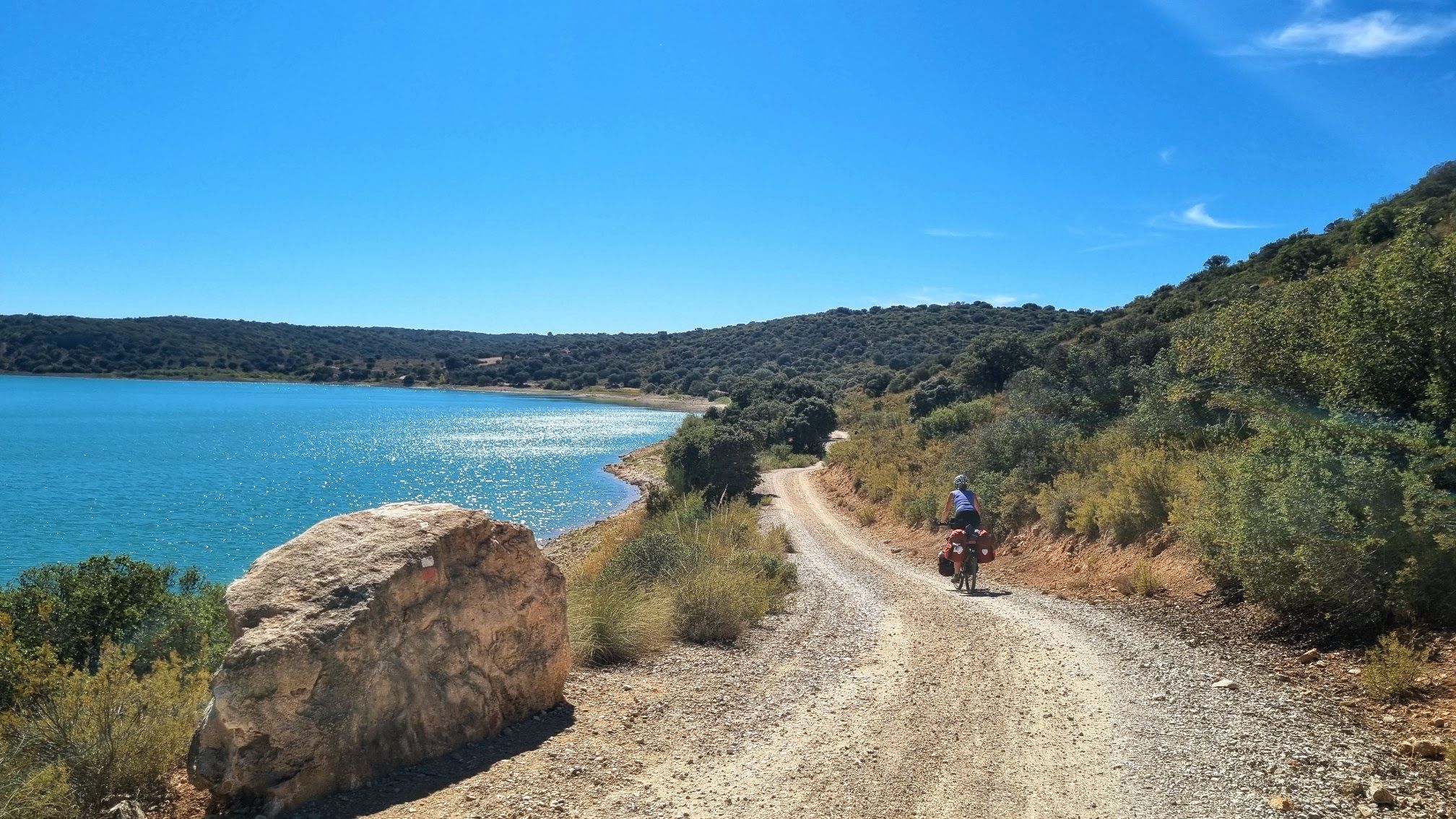
Pedalea junto al gran río — Camino Natural del Guadiana
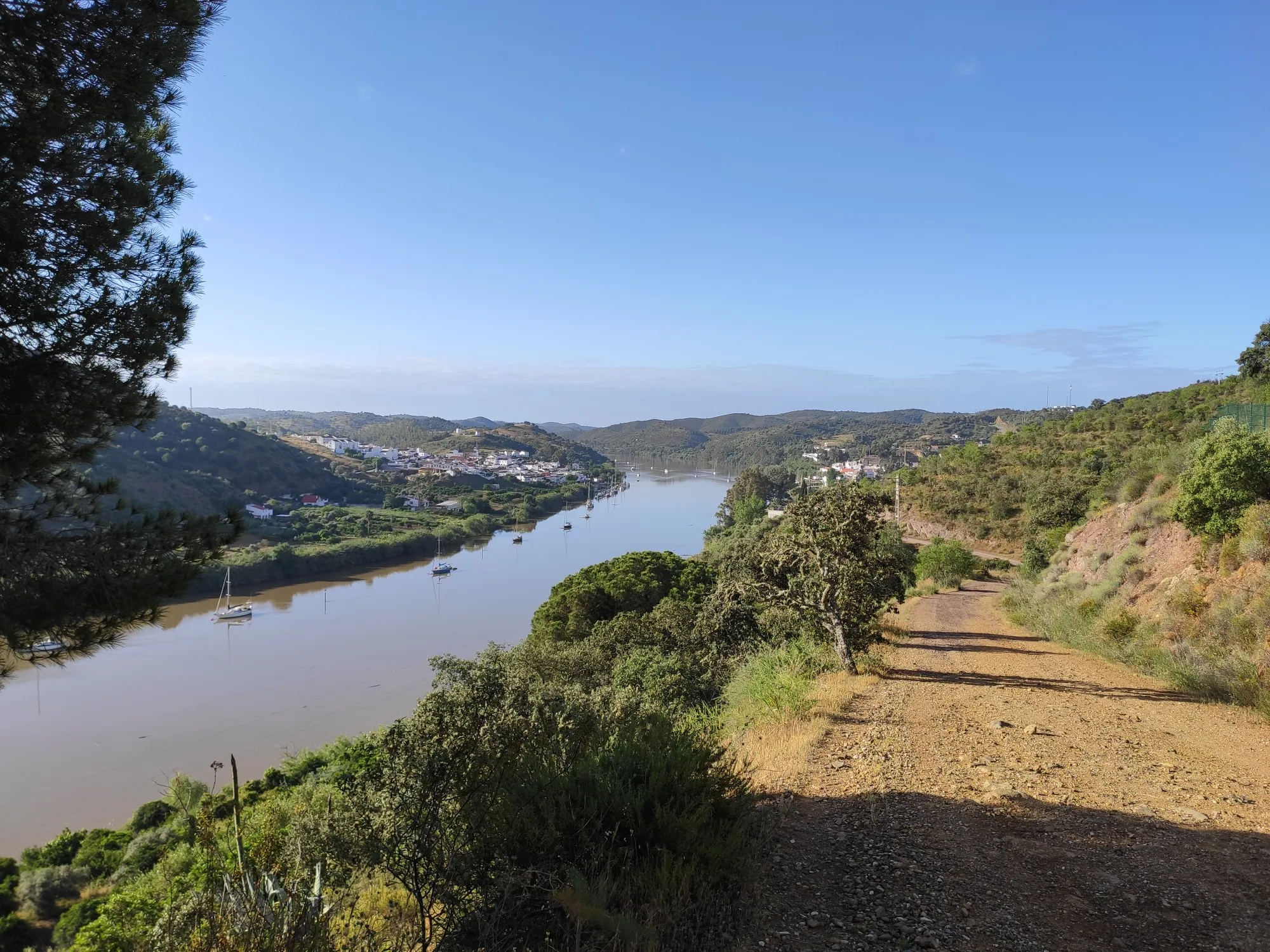
Stories of a river - Great Guadiana Route (GR 15)
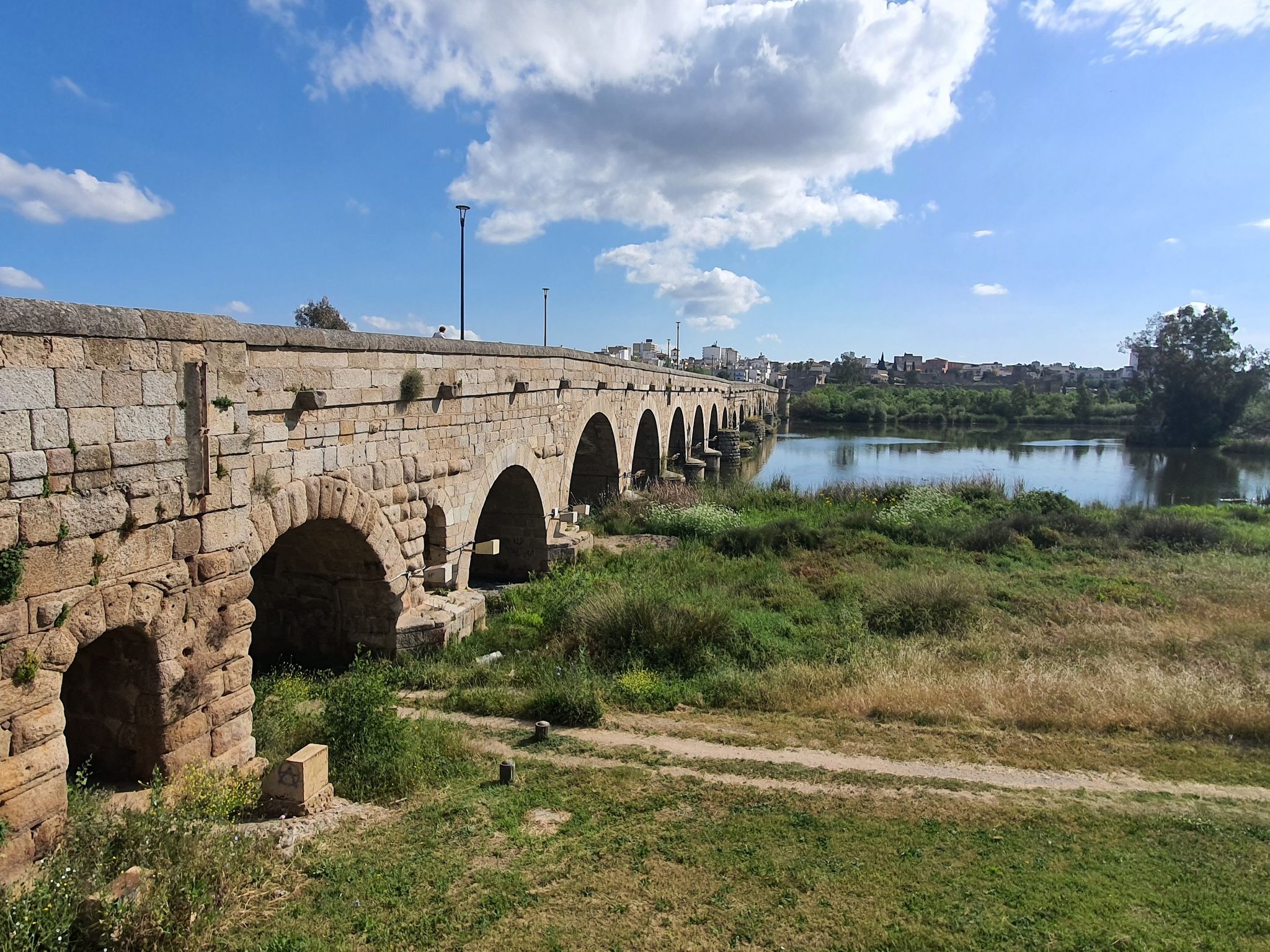
Gijón to Sevilla in Spain – Vía de la Plata (GR 100)
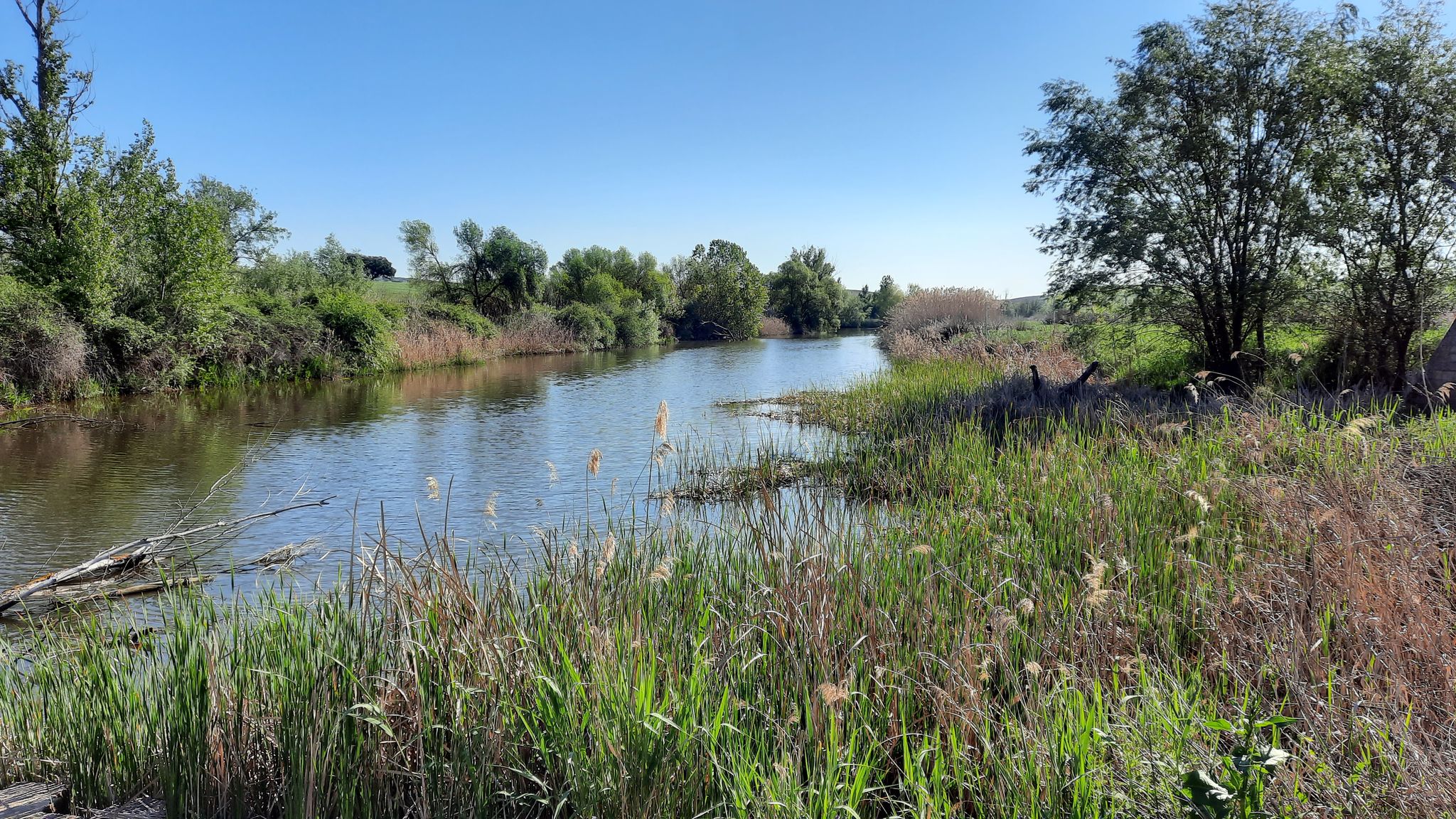
The magic of an endless river – Spain's Guadiana Natural Trail (GR 114)
A romantic journey in the footsteps of the Romans – Via de la Plata
Other adventures around the Guadiana


Tips from the Community

The Great Guadiana Route (GR15) is a long-distance linear hiking trail (approximately 65 km in the Algarve, with extensions in the Alentejo) that follows the Guadiana River, connecting the Algarve coast (Vila Real de Santo António) to the mountainous interior (Alcoutim and Mértola), crossing diverse landscapes (mountains, Barrocal, coastline), cultural and natural heritage, making it ideal for hiking and mountain biking, with connection points to other routes such as the Via Algarviana (GR13). 👍🥾🦯
0
0

Along the Guadiana, the path meanders serenely, following the river's slow rhythm between hills of olive, almond, and fig trees. A former river of fishermen and miners, the Guadiana, called the "river of ducks" by the Romans, continues to connect Alentejo with Algarve and Portugal with Spain, a tranquil mirror of southern history and life.
2
0
At the mouth of the Guadiana River lies the Castro Marim and Vila Real de Santo António Marshland Nature Reserve, the first reserve created in Portugal (1975) and one of the country's most emblematic wetlands. With 2,300 hectares of salt marshes, salt marshes, estuaries, and brackish waters, this natural refuge stretches between Castro Marim and Vila Real de Santo António, revealing a unique landscape where biodiversity, tradition, and rivers coexist in perfect harmony.
2
0

What's particularly interesting about the Xerez stone group is its square shape. The menhir is located in the center, surrounded by smaller stones. A concrete path leads from the Orada Monastery to it—is this really necessary? A regular path would certainly have sufficed. The entire area appears very neglected.
4
2
You can access Pulo do Lobo from either side of the river: from Aldeia da Amendoeira, on the Mértola-Beja road (left bank), or from Serpa, in the village of Vale de Poços, where you'll find signs indicating exactly where to turn right (right bank). Both paths are well signposted, and both have several viewpoints. The best view of the waterfall, however, is undoubtedly from the viewpoint on the right bank. Further ahead, you'll see Pego dos Sáveis, the spot where the water suddenly calms down again, forming a tranquil lake.
4
0

The Tablas de Daimiel are a fascinating place to visit! Free Visit: You can explore the park's trails for free and without prior reservation. The trails are open from half an hour before sunrise until half an hour after sunset. Guided Tour: There are several guided tour options available for booking: Guided Hiking: Ideal for exploring the park on foot with an interpreter. 4x4 Tour: Explore restricted areas of the park by all-terrain vehicle.
27
0
In Las Tablas de Daimiel National Park, there are several wildlife observatories where you can enjoy bird and animal watching. Observatories at the Permanent Lagoon: This 800-meter linear trail takes you to a lagoon from whose observatories you can see various aquatic birds depending on the season. Observatories on the Prado Ancho Tower Route: This 4-kilometer trail includes four wildlife observatories and ends at a two-story tower that offers impressive panoramic views of the wetland. Observatories on the Bread Island Route: This 2.5-kilometer circular trail is the most popular in the park and has several observatories where you can see ducks and other aquatic birds.
30
0

The Xerez Cromlech stands on open land, close to the Convent of Orada, and with a view of the walls of Monsaraz. It is the second "home" to prevent it from being submerged by the Alqueva dam. The 55 granite menhirs of the Xerez Cromlech have already been to other places because they were moved here, to the vicinity of the village of Telheiro, in 2004, to prevent submersion by the Alqueva dam. The cromlech was in front of Monte Xerez, close to a dolmen, about 5km from Monsaraz.
8
0
Frequently Asked Questions
What natural features can I expect to see in the Guadiana region?
The Guadiana region, particularly within the Guadiana Valley Natural Park, offers diverse natural features. You'll find striking river landscapes, such as the powerful Pulo do Lobo Waterfall where the Guadiana River carves through rock. The park also features hills, plains, deep valleys, and unique flora. Several natural monuments include serene lakes and wetlands, providing varied scenery.
Are there good spots for birdwatching in the Guadiana Natural Park?
Yes, the Guadiana Valley Natural Park is an excellent destination for birdwatching and wildlife enthusiasts. It's a critical habitat for various rare or endangered species, including the black stork, lesser kestrel, Bonelli's eagle, and royal owl. You can find dedicated observation points, such as those within the Tablas de Daimiel National Park, which offer great opportunities for bird and animal watching, especially around lagoons and wetlands.
Where can I find impressive viewpoints of the Guadiana landscape?
The region boasts several impressive viewpoints. The Pulo do Lobo Waterfall offers spectacular views of the river's dramatic decline. Other notable spots include the Observation point in Tablas de Daimiel National Park, which provides panoramic views of wetlands, and the La Posadilla Viewpoint, offering dreamlike views of a lagoon within a volcanic crater.
Are there historical sites integrated with the natural monuments?
Absolutely. The Guadiana region seamlessly blends natural beauty with rich history. The Alarcos Archaeological Park is a historical site and natural monument featuring archaeological remains from the Bronze Age to the High Middle Ages. The Cromlech of Xerez, a prehistoric monument of 55 granite menhirs, is another significant historical vestige set within the natural landscape. You can also find sites like the Emperor's Baths, which combine natural features with historical significance.
Are the natural monuments around the Guadiana suitable for families?
Many natural monuments in the Guadiana region are family-friendly. Sites like the Alarcos Archaeological Park and the Cromlech of Xerez are suitable for all ages. Viewpoints such as Observation point and Isla Viewpoint often have accessible paths. The Guadiana Riverside at Bombeira also offers a pleasant family experience.
How can I access Pulo do Lobo Waterfall?
Access to Pulo do Lobo Waterfall can be challenging but rewarding. You can approach from the east (a detour from the Serpa to Mértola road) or the west (a detour from the Beja to Mértola road, continuing to Amendoeira da Serra). The western access is generally considered easier, leading to Herdade de Pulo do Lobo, from where it's about 1000m on a dirt road. Be prepared for walking and exercise caution due to the rocky riverbed, especially if accessing from the east. The best view is often from the viewpoint on the right bank.
What outdoor activities can I do near these natural monuments?
The Guadiana region offers a variety of outdoor activities. You can explore numerous trails for running, hiking, and mountain biking. For example, there are several running trails around the Guadiana, including the 'Guadiana Natural Trail'. If you enjoy hiking, you'll find waterfall hikes and routes like 'El Rugidero' in the Cornalvo Natural Park. Mountain biking enthusiasts can tackle trails such as the 'Badajoz and Valdebótoa Loop via Camino Natural del Guadiana'. You can find more details on these activities in the Running Trails around the Guadiana, Waterfall hikes around the Guadiana, and MTB Trails around the Guadiana guides.
Are there hiking trails near the natural monuments in the Guadiana Valley?
Yes, the Guadiana Valley Natural Park offers excellent paths for walking and hiking. While specific trails directly to every monument vary, you can find numerous routes that allow you to explore the diverse landscapes. For instance, the 'Guadiana Natural Trail' offers various segments for different difficulty levels. For more challenging options, consider routes like 'El Rugidero' which can be found in the Waterfall hikes around the Guadiana guide.
What is the best time to visit the natural monuments around the Guadiana?
The Guadiana region is particularly beautiful in spring when wildflowers bloom, making it an ideal time for scenic walks and photography. Autumn is also recommended, especially for those interested in fungi. While the tranquility of the park is present year-round, these seasons offer unique natural spectacles. Summers can be hot, so plan activities for cooler parts of the day if visiting then.
What unique natural phenomena can be found in the Guadiana region?
Beyond the dramatic Pulo do Lobo Waterfall, the region features unique geological formations. The area around the abandoned copper mines, known as 'Lagos de cobre da mina', presents a fascinating 'lunar landscape' with copper-hued lakes, offering a strange and captivating visual experience. The Laguna de la Posadilla is also a rare maar, a lagoon formed in a hydromagmatic explosion crater.
Can I find natural monuments related to wetlands or water bodies?
Yes, the Guadiana region is rich in natural monuments related to wetlands and water bodies. The Zonas húmidas de Castro Marim are a prime example, offering important habitats for wildlife. You can also explore the Guadiana Riverside at Bombeira, which highlights the river's natural beauty. Many viewpoints, such as Observation point and La Posadilla Viewpoint, overlook significant lakes and lagoons.
Most popular routes around the Guadiana
Most popular attractions around the Guadiana

Get inspired with the komoot mobile app


Explore more
Extend your search for the best caves by checking out these guides of the top ones around the Guadiana:
