The best gravel rides around the Guadiana
4.8
(10)
250
riders
41
rides
Gravel biking around the Guadiana region offers diverse landscapes across the border between Spain and Portugal. The terrain features rolling hills, plains, and valleys, alongside extensive cork oak forests, olive groves, and vineyards. The Guadiana River is a central feature, carving through craggy ravines within the Guadiana Valley Natural Park. This area provides a network of unpaved roads, forest tracks, and dirt roads suitable for gravel cycling.
Best gravel bike trails around the Guadiana
- The most popular gravel bike trail…
Last updated: May 27, 2026
5.0
(1)
11
riders
45.9km
03:21
140m
140m
Moderate gravel ride. Good fitness required. Mostly paved surfaces. Suitable for all skill levels.
15
riders
64.7km
04:14
300m
300m
Moderate gravel ride. Good fitness required. Mostly paved surfaces. Suitable for all skill levels.

Sign up for free
4
riders
64.3km
04:27
710m
710m
Hard gravel ride. Very good fitness required. Mostly paved surfaces. Suitable for all skill levels.
5.0
(4)
21
riders
Moderate gravel ride. Good fitness required. Mostly paved surfaces. Suitable for all skill levels.
5.0
(2)
7
riders
61.9km
04:17
240m
240m
Moderate gravel ride. Good fitness required. Mostly paved surfaces. Suitable for all skill levels.
4
riders
30.1km
02:34
500m
500m
Hard gravel ride. Very good fitness required. Mostly paved surfaces. Suitable for all skill levels.
5.0
(1)
4
riders
91.4km
07:06
430m
430m
Hard gravel ride. Very good fitness required. Mostly paved surfaces. Suitable for all skill levels.
6
riders
62.3km
04:18
470m
470m
Hard gravel ride. Very good fitness required. Mostly paved surfaces. Suitable for all skill levels.
1
riders
Moderate gravel ride. Good fitness required. Mostly paved surfaces. Suitable for all skill levels.
3
riders
30.3km
02:13
250m
250m
Moderate gravel ride. Good fitness required. Mostly paved surfaces. Suitable for all skill levels.
Get access to more routes and recommendations from other explorers.
Sign up for free
Already have an account?
Our route recommendations are based on thousands of hikes, rides, and runs completed by other people on komoot.
Start today with a free account
Your next adventure awaits.
Login or Signup
Popular around Guadiana
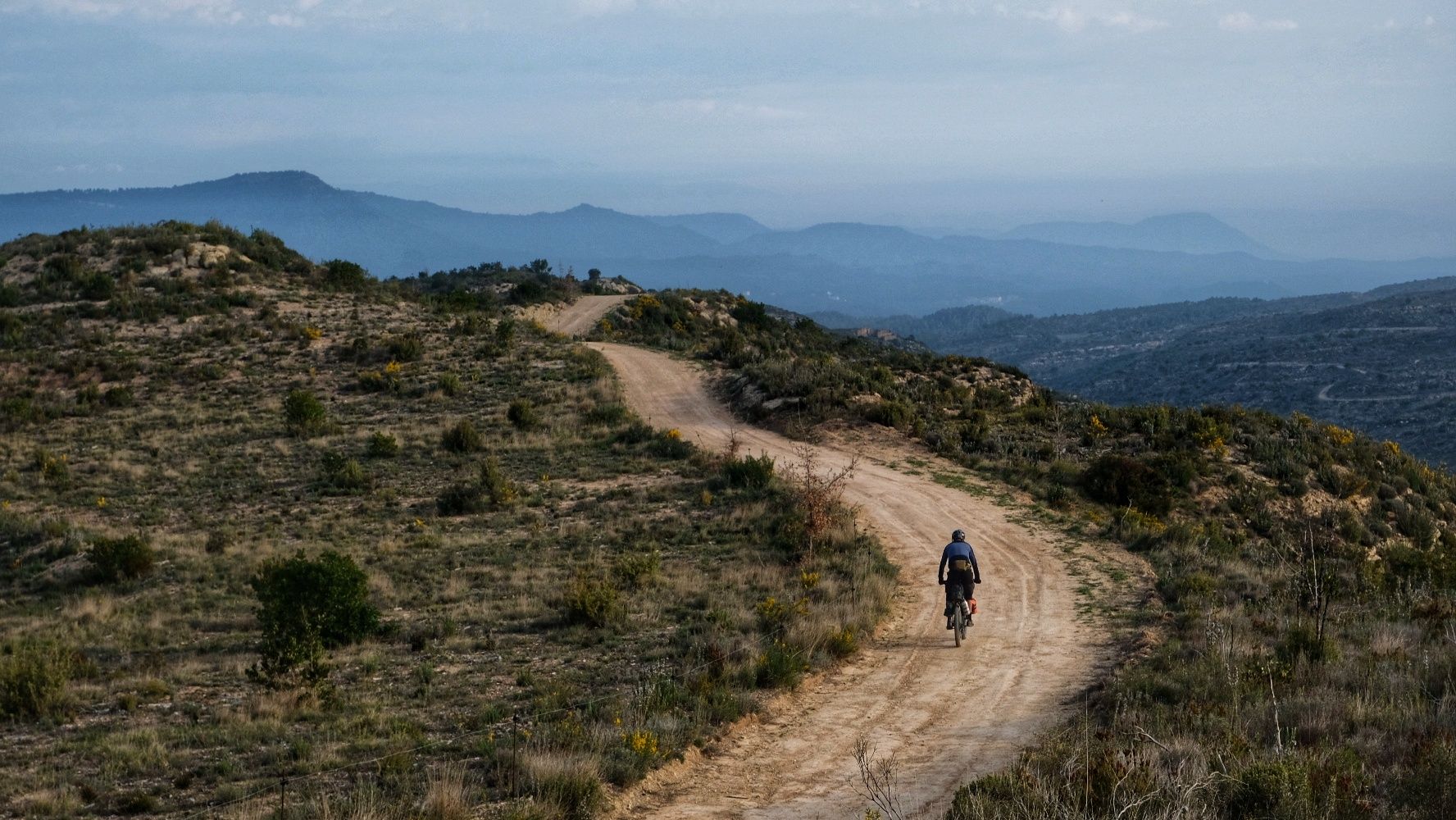
European Divide Trail — 7,600 km across the continent
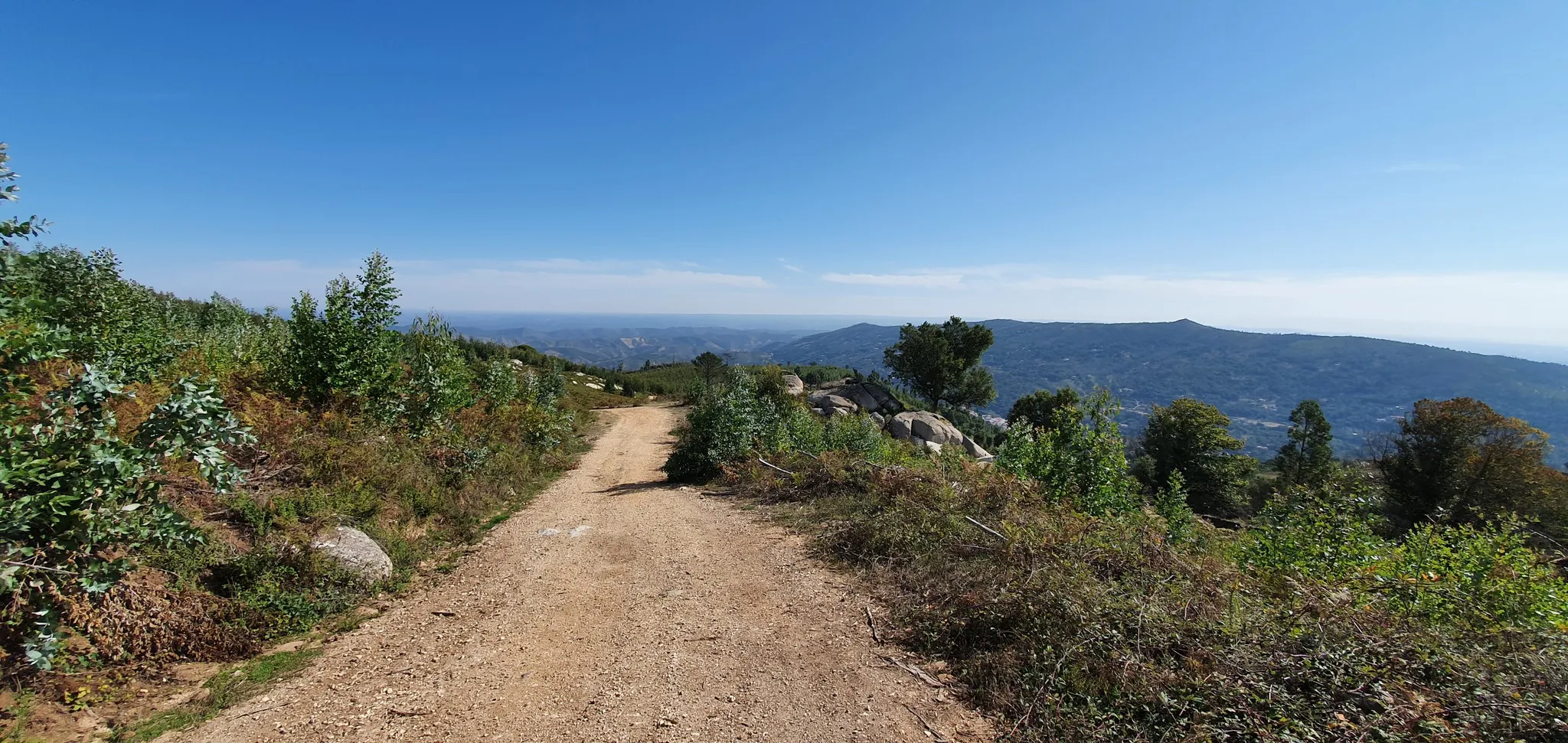
Via Algarviana (GR 13) - hidden corners of the south
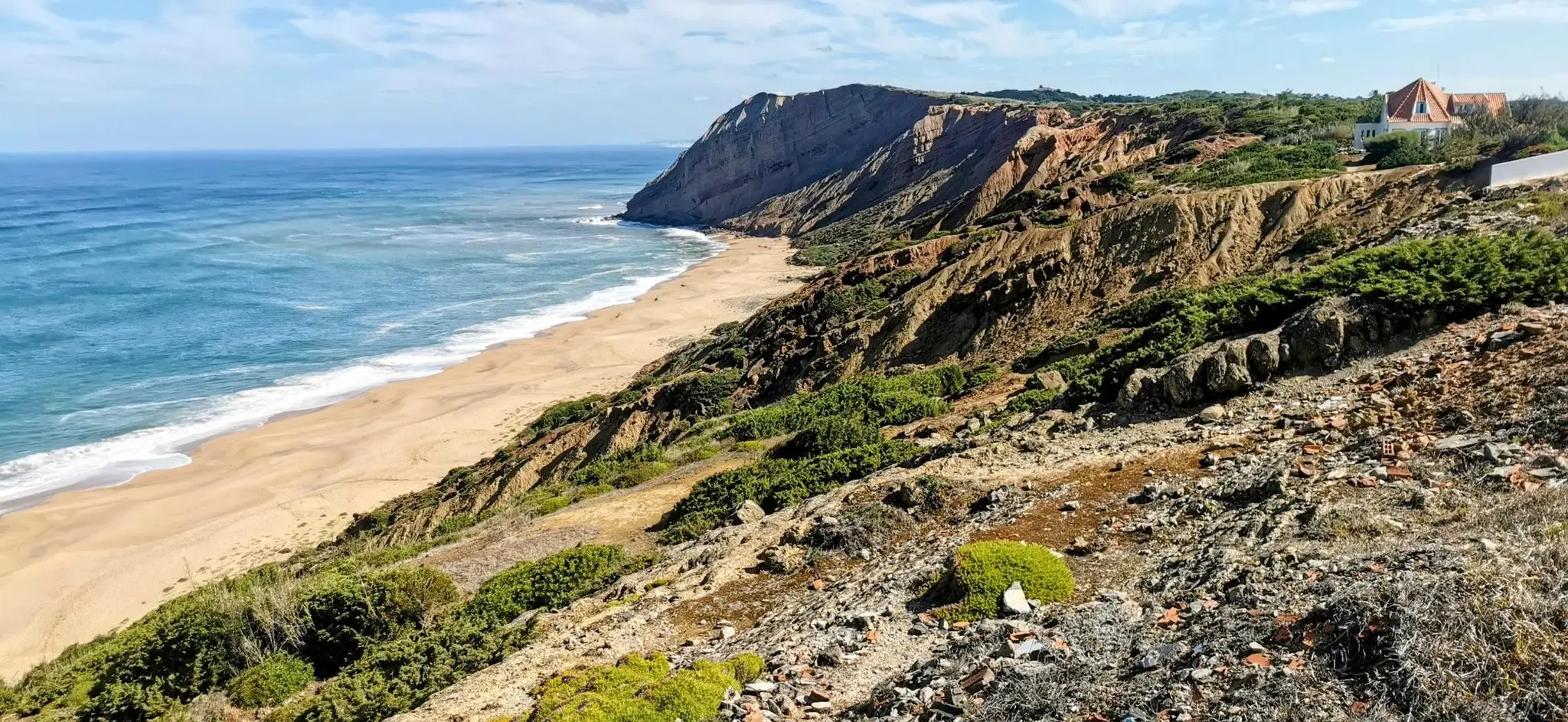
EuroVelo 1 Portugal – Cycle the Atlantic Coast
Around the World in 80 Days
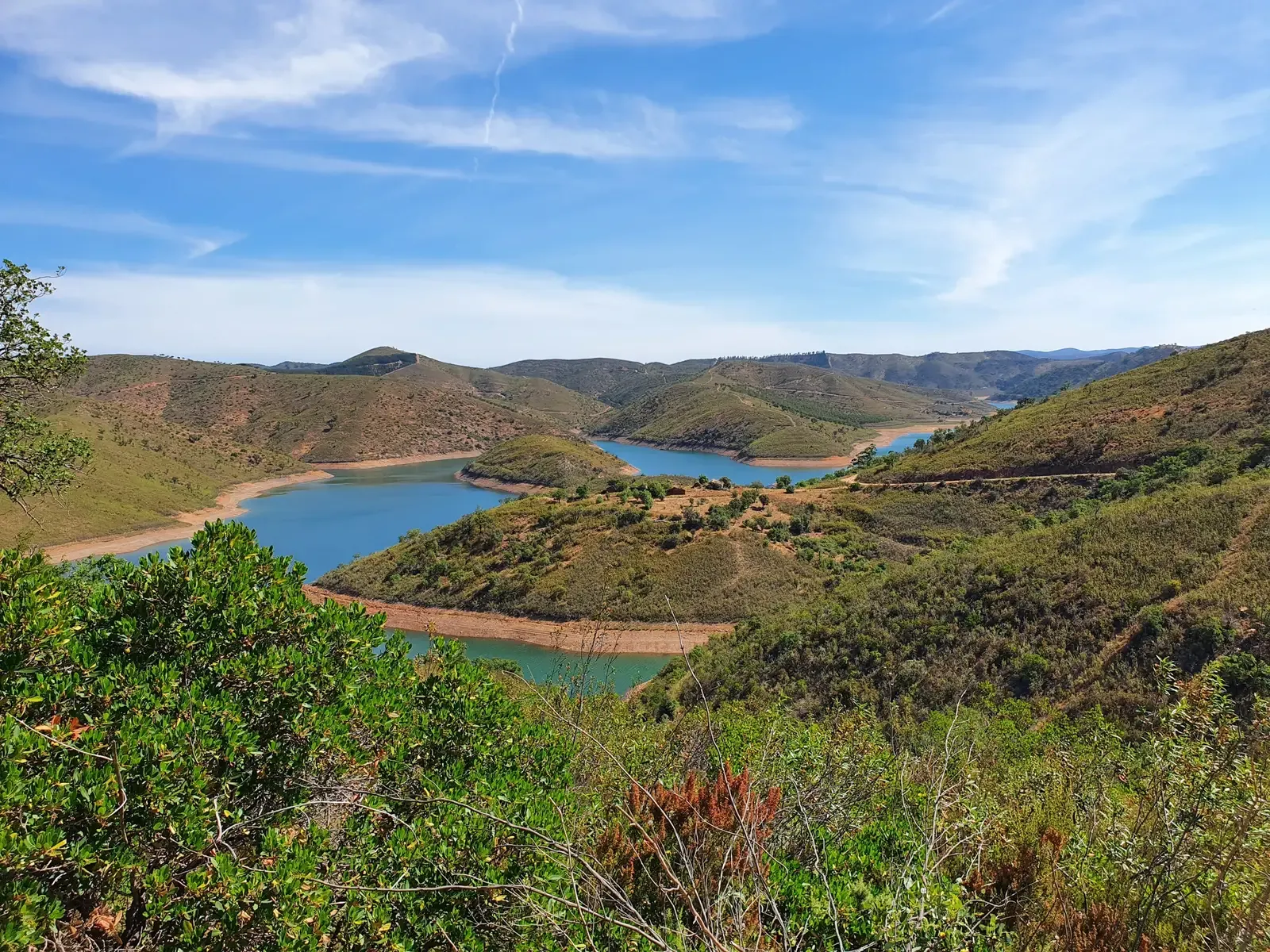
The secret Algarve – Algarviana Way
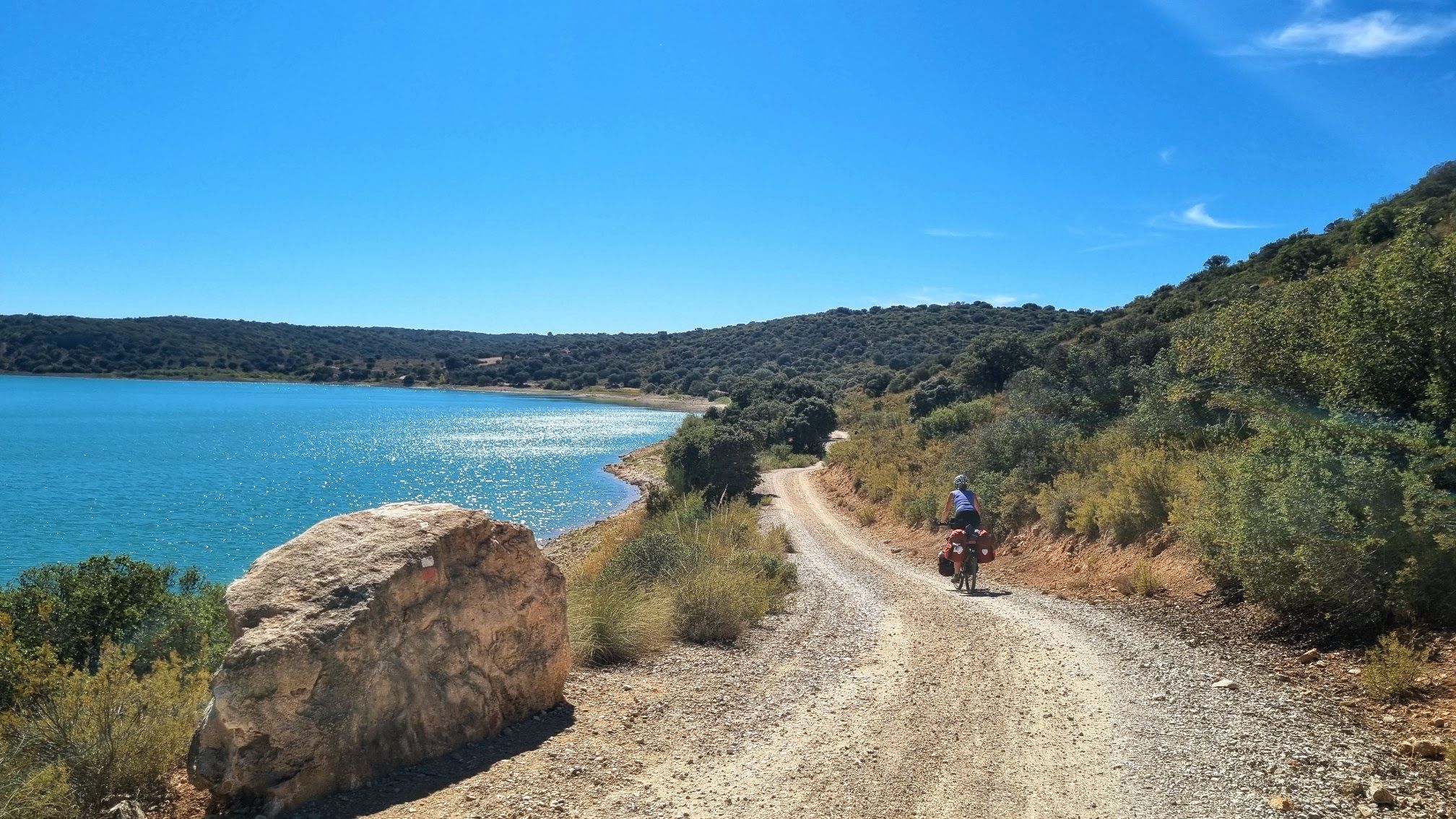
Pedalea junto al gran río — Camino Natural del Guadiana
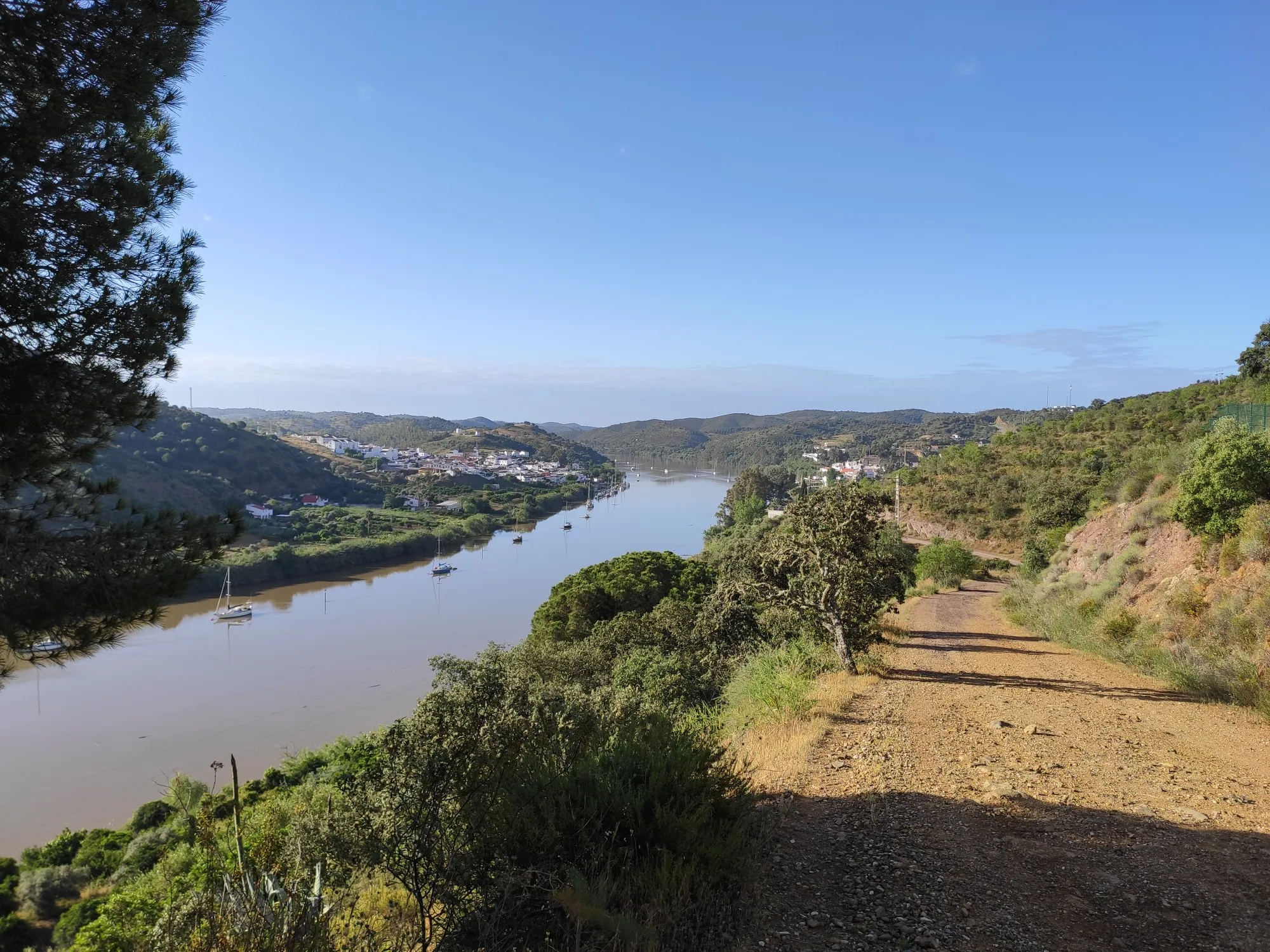
Stories of a river - Great Guadiana Route (GR 15)
Gijón to Sevilla in Spain – Vía de la Plata (GR 100)
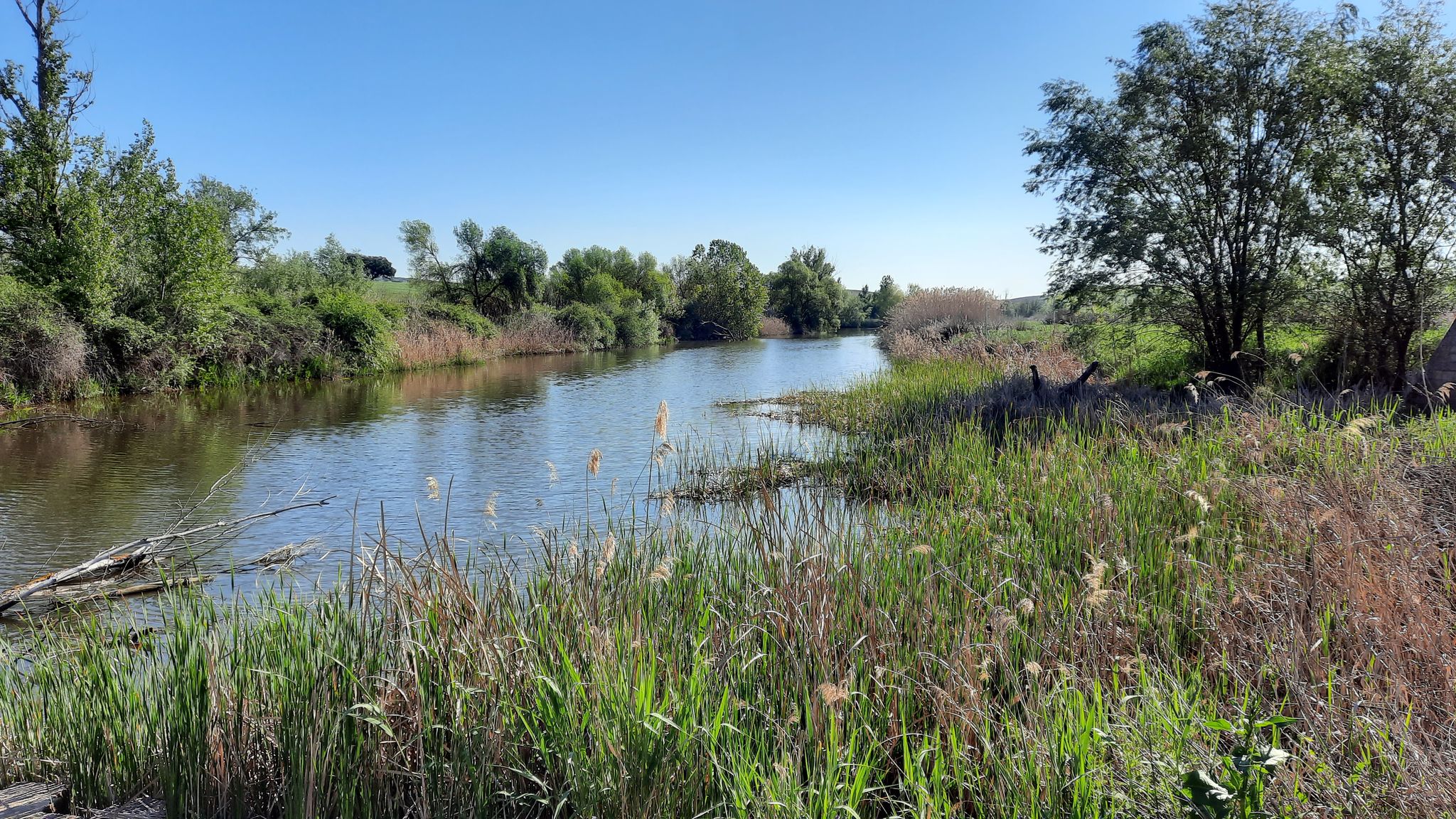
The magic of an endless river – Spain's Guadiana Natural Trail (GR 114)
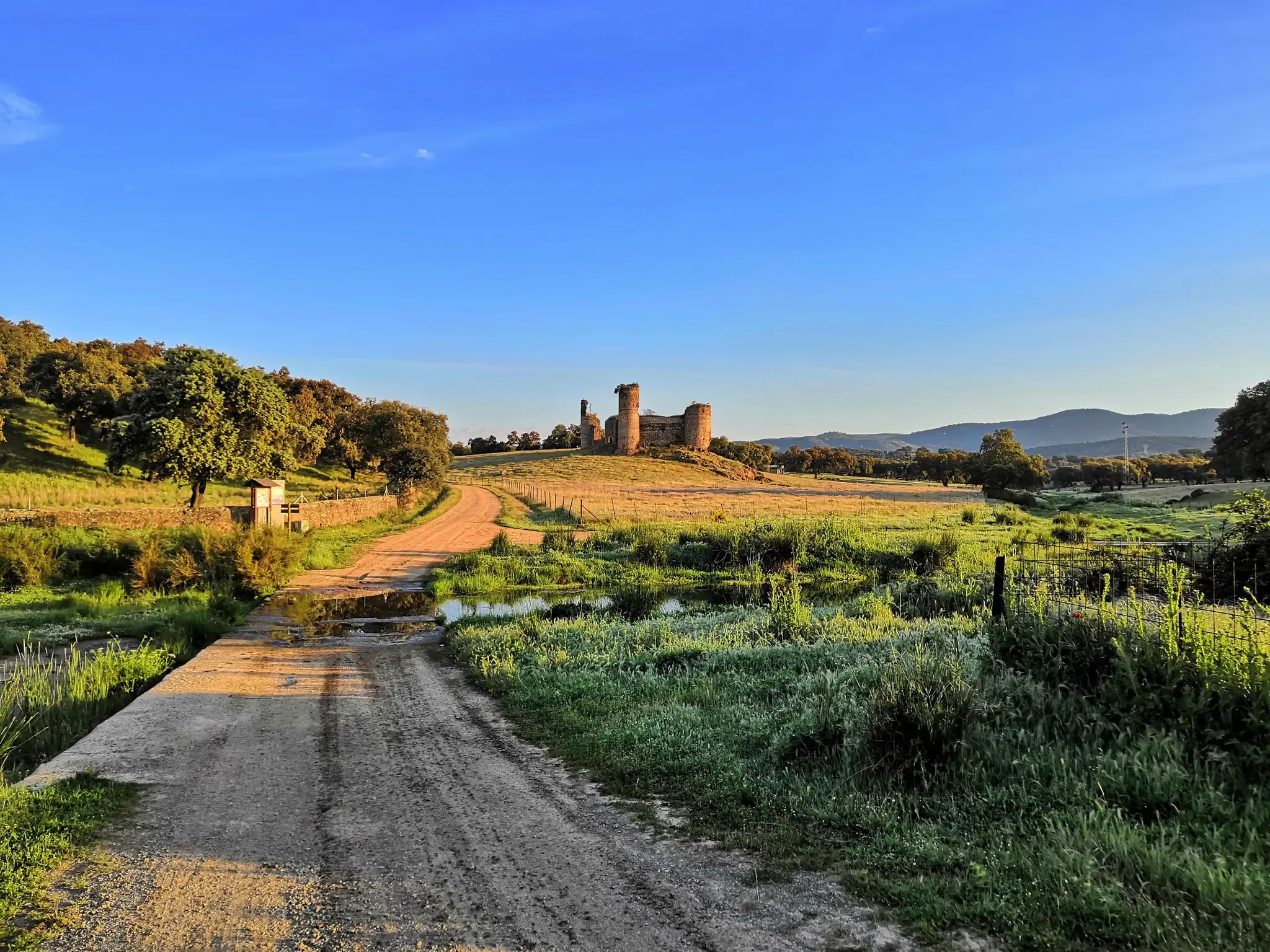
A romantic journey in the footsteps of the Romans – Via de la Plata
Other adventures around the Guadiana


Tips from the Community

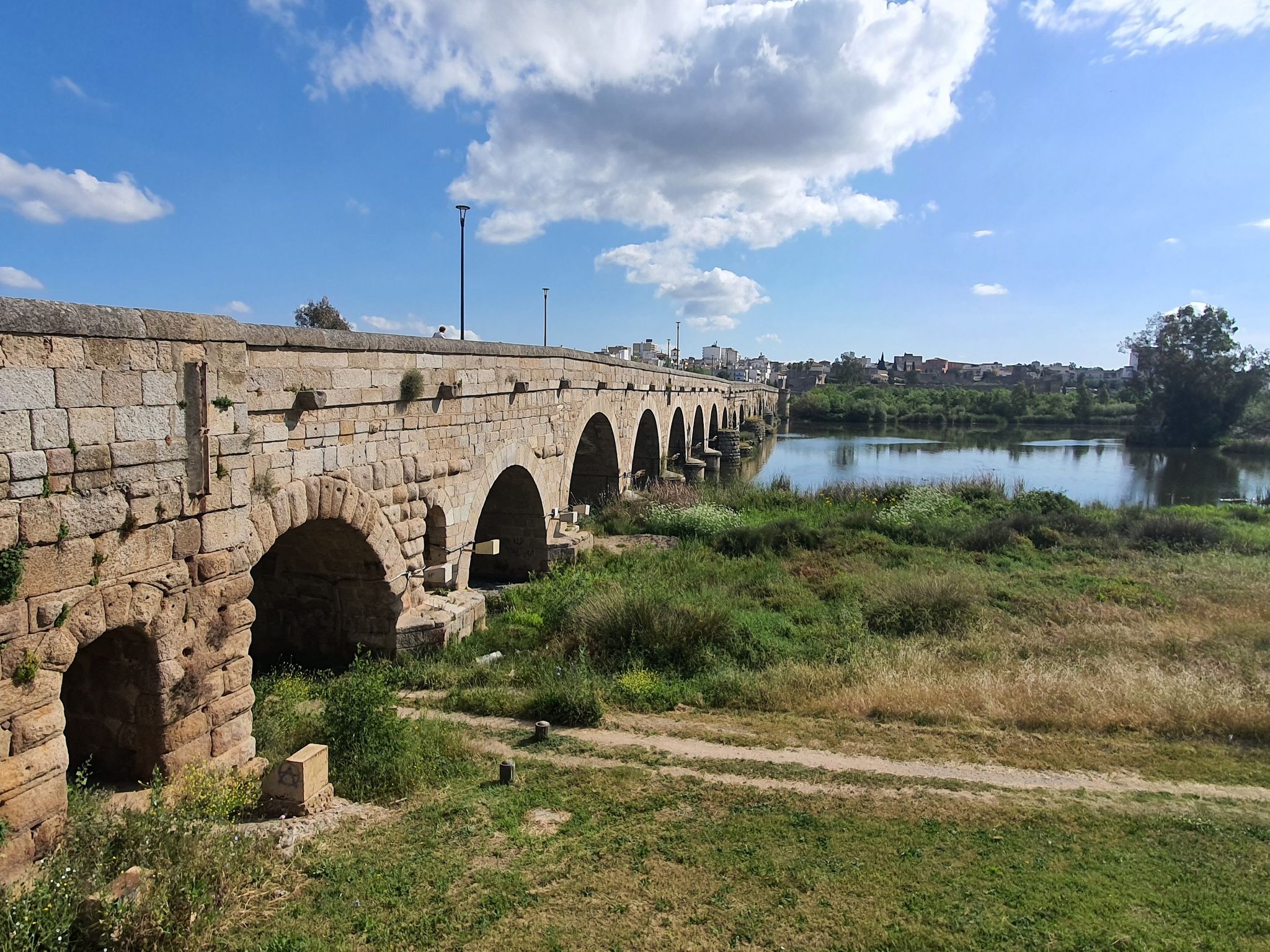
The Puente Romano crosses the Guadiana river and, with its 64 granite arches and a length of 800m, is one of the most striking remains from this period.
13
0
After Tarragona, Mérida has the most Roman remains, each one worth the effort. The city of Mérida is on the UNESCO World Heritage list.
12
0

Mértola is a historic Portuguese border village located in the district of Beja, in the Baixo Alentejo sub-region. Popularly known as a "Museum Village", the settlement rises strategically on a rocky outcrop at the confluence of the Oeiras stream with the Guadiana River. As this is the last navigable post of the river, the village has played a crucial commercial and military role for various civilizations over the centuries.👍🥾🚲
0
0

If you pass through Badajoz, you shouldn't miss visiting at least its Puerta de Palmas, its Alcazaba, and its cathedral.
1
0

I think this sculpture is so true to life, you wouldn't be surprised if it spoke to you!
0
0

The Proserpina Dam or Reservoir is one of the oldest and best-preserved Roman hydraulic works in the world. It is located about 5 km north of Mérida, in Extremadura, and forms part of the Archaeological Ensemble of Mérida, declared a World Heritage Site by UNESCO in 1993. The name “Proserpina” was adopted in the 18th century, after the discovery of an inscription dedicated to the goddess Ataecina-Proserpina.
4
0
The Proserpina Dam or Reservoir is one of the oldest and best-preserved Roman hydraulic works in the world. It is located about 5 km north of Mérida, in Extremadura, and forms part of the Archaeological Ensemble of Mérida, declared a World Heritage Site by UNESCO in 1993. The name “Proserpina” was adopted in the 18th century, after the discovery of an inscription dedicated to the goddess Ataecina-Proserpina.
4
0
The Proserpina Dam or Reservoir is one of the oldest and best-preserved Roman hydraulic works in the world. It is located about 5 km north of Mérida, in Extremadura, and forms part of the Archaeological Ensemble of Mérida, declared a World Heritage Site by UNESCO in 1993.
3
0
Frequently Asked Questions
How many gravel bike trails are available in the Guadiana region?
There are over 40 gravel bike routes documented in the Guadiana region on komoot, offering a wide range of experiences. These include 3 easy routes, 24 moderate routes, and 15 difficult routes, catering to various skill levels.
What kind of terrain can I expect on gravel bike trails in Guadiana?
The Guadiana region offers a diverse mix of terrain for gravel biking. You'll encounter rolling hills, vast plains, deep valleys, and extensive cork oak forests, olive groves, and vineyards. Many routes follow unpaved roads, forest tracks, and dirt roads, with some stretches on low-traffic paved roads. The Guadiana River itself is a central feature, often carving through craggy ravines.
Are there any family-friendly gravel bike routes in Guadiana?
Yes, the Guadiana region offers some easier options suitable for families. While many routes involve significant climbs, there are 3 routes rated as easy and 24 as moderate. For a less strenuous ride through a riverine environment, consider the Valdebotoa Bridge – Bridge over the Gévora River loop from Badajoz, which is 45.9 km with a moderate elevation gain of 140 meters.
What historical or natural landmarks can I see along the gravel bike trails?
The Guadiana region is rich in both natural beauty and historical sites. You can explore the fortified village of Mértola, often called an 'open-air museum,' which features a castle and archaeological museum. The View of Mértola – Mertola loop from Mértola leads directly through this historic village. Other notable attractions include the impressive Pulo do Lobo (Wolf's Leap) waterfall within the Guadiana Valley Natural Park, and ancient river ports like Alcoutim and Castro Marim, which also boast castles. You can find more information about specific castles like Mértola Castle or Castro Marim Castle.
Are there any circular gravel bike routes in the Guadiana area?
Yes, many of the gravel bike routes in Guadiana are designed as loops, allowing you to start and end at the same point. Examples include the challenging Puerta de Palmas – Bridge over the Guadiana River loop from Badajoz (132.7 km) or the moderate Palmas Gate – Puente Real, Badajoz loop from Badajoz (47.3 km). These circular routes make planning your ride more convenient.
What is the best time of year for gravel biking in Guadiana?
The Guadiana region is generally best for gravel biking during the cooler months, typically from autumn through spring (October to May). Summers can be very hot, making long rides challenging. Spring offers pleasant temperatures and blooming landscapes, while autumn provides comfortable riding conditions and beautiful scenery. Always check local weather forecasts before heading out.
What do other gravel bikers enjoy most about gravel biking in Guadiana?
The komoot community highly rates the gravel biking experience in Guadiana, with an average score of 4.9 stars from over 15 reviews. Riders often praise the region's diverse landscapes, from rolling hills and cork oak forests to the scenic Guadiana River. The extensive network of unpaved roads and trails provides an immersive riding experience, and many appreciate the mix of challenges available, from moderate paths to difficult routes with substantial climbs.
Are there any routes that offer good opportunities for wildlife observation?
Yes, the Guadiana Valley Natural Park, which encompasses many of the region's landscapes, is a haven for diverse flora and fauna. It's an excellent area for wildlife observation, home to rare and endangered species such as the black stork, lesser kestrel, Bonelli's eagle, and the Iberian lynx. While specific routes aren't designated for wildlife viewing, cycling through the natural park areas, such as those near Mértola, will increase your chances of spotting local wildlife.
Can I find routes that cross the border between Spain and Portugal?
Yes, the Guadiana River forms a natural border between Spain and Portugal, and many gravel routes in the region traverse both countries. The region is known for cross-border experiences, such as the LimiteZero zipline. While specific komoot routes might stay within one country, the overall network and the spirit of the region encourage exploring both sides of the river. For example, the Castelo de Alcoutim – Alcoutim loop from Sanlúcar de Guadiana starts in Spain and explores areas near the Portuguese border town of Alcoutim.
Are there any routes that pass by significant viewpoints or scenic spots?
Absolutely. The Guadiana region is known for its spectacular mountain views, particularly towards the Spanish Sierra de Aracena. Many routes follow the Guadiana River, offering picturesque riverine vistas. The View of Mértola – Mertola loop from Mértola, for instance, is named for its scenic views. You can also find specific viewpoints like Cerro de las Chocas listed as highlights in the area.
What are some of the longer, more challenging gravel routes in Guadiana?
For experienced gravel bikers seeking a challenge, the Guadiana region offers several difficult routes with significant elevation gain. The longest documented route is the Puerta de Palmas – Bridge over the Guadiana River loop from Badajoz, which spans 132.7 km and takes approximately 10 hours 48 minutes to complete. Another demanding option is the La Zaballa Picnic Area – Guadiana River loop from Vila Real de Santo António, a 62.3 km route with considerable climbing.
Are there any routes that explore the wetlands or marsh areas of the Guadiana?
Yes, closer to the river's mouth, you'll find wetlands and salt marshes. The route titled The marshes are rich in birdlife. – Ayamonte Town Center loop from Vila Real de Santo António is a moderate 35.4 km ride that specifically highlights the rich birdlife in these marsh areas, offering a unique natural experience.
Most popular routes around the Guadiana
Most popular attractions around the Guadiana

Get inspired with the komoot mobile app


Explore more
Browse the best Gravel rides in other regions.
