Top 20 Natural Monuments around Campo (Vallemaggia)
Best natural monuments around Campo (Vallemaggia) include a diverse range of geological formations, dramatic gorges, and ancient forests. This region is characterized by dense woodlands, clear mountain lakes, and impressive waterfalls, offering varied natural features for exploration. The landscape provides opportunities to discover unique geological formations and significant ecological sites. Visitors can experience a variety of natural settings, from sculpted riverbeds to deep, shadowy canyons.
Best natural monuments around Campo (Vallemaggia)
- The most popular natural monuments is Giant's Kettles of…
Last updated: June 26, 2026
Giant's Kettles of the Toce
Highlight • Natural Monument
Translated by Google •
Tip by

Uriezzo South Gorge
Highlight • Gorge
Translated by Google •
Tip by

Sign up now to discover places like this
Get recommendations on the best single tracks, peaks, & plenty of other exciting outdoor places.
Sign up for free
Splüia Bèla
Highlight • Historical Site
Translated by Google •
Tip by

Pizzo Zucchero summit
Highlight • Summit
Translated by Google •
Tip by

Craveggia Baths
Highlight • Structure
Translated by Google •
Tip by
Sign up for free to discover even more natural monuments around Campo (Vallemaggia).
Sign up for free
Already have an account?
Start today with a free account
Your next adventure awaits.
Login or Signup
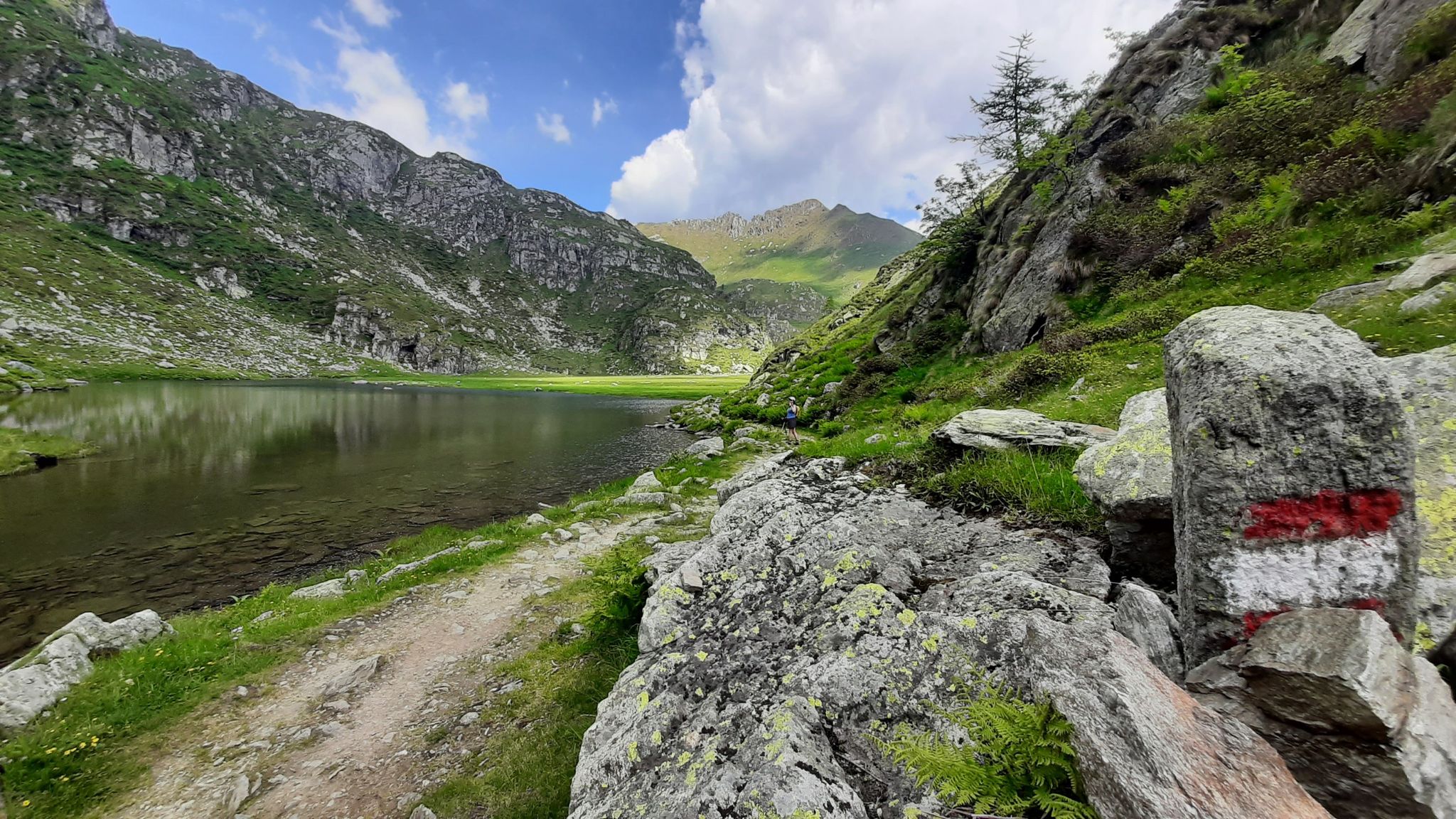
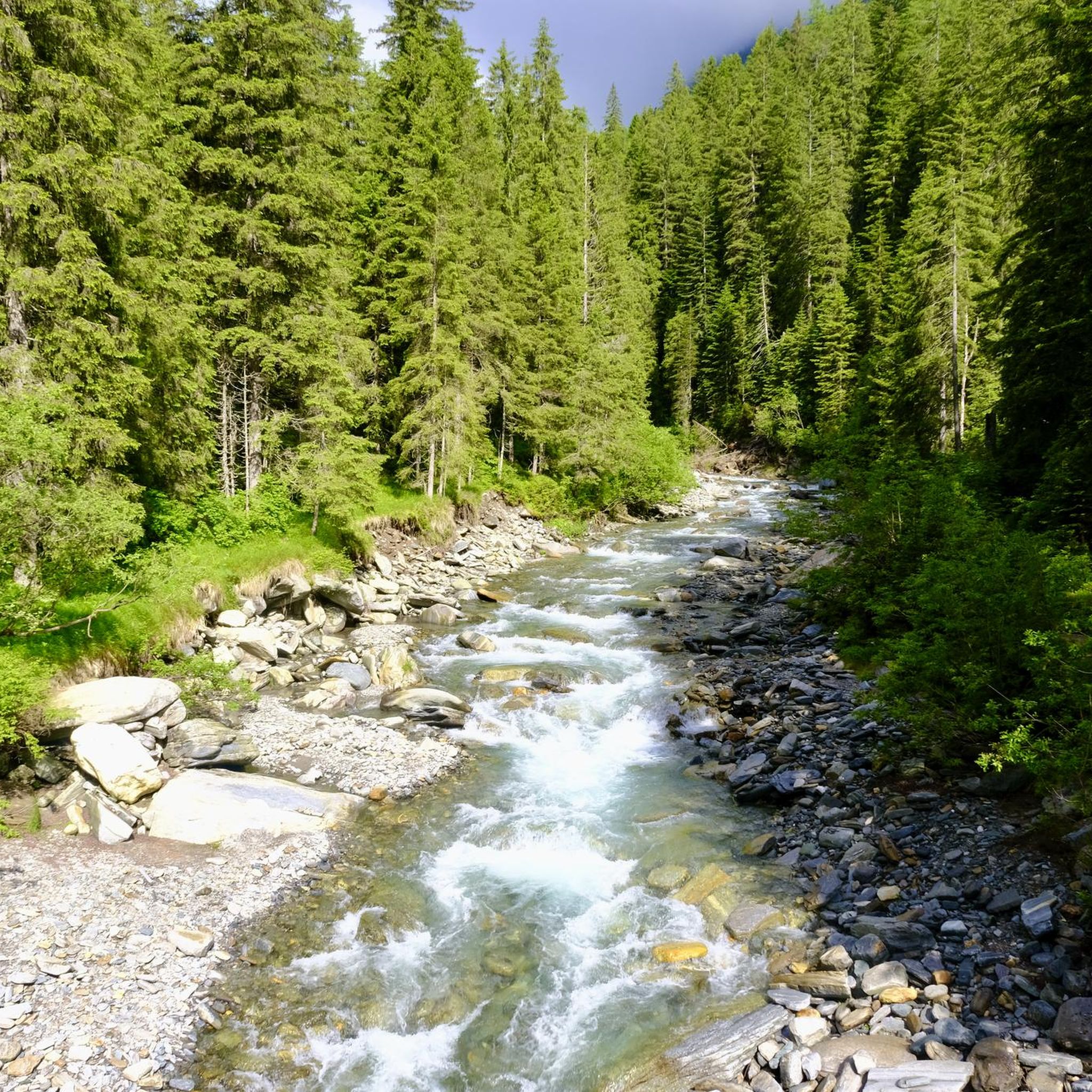
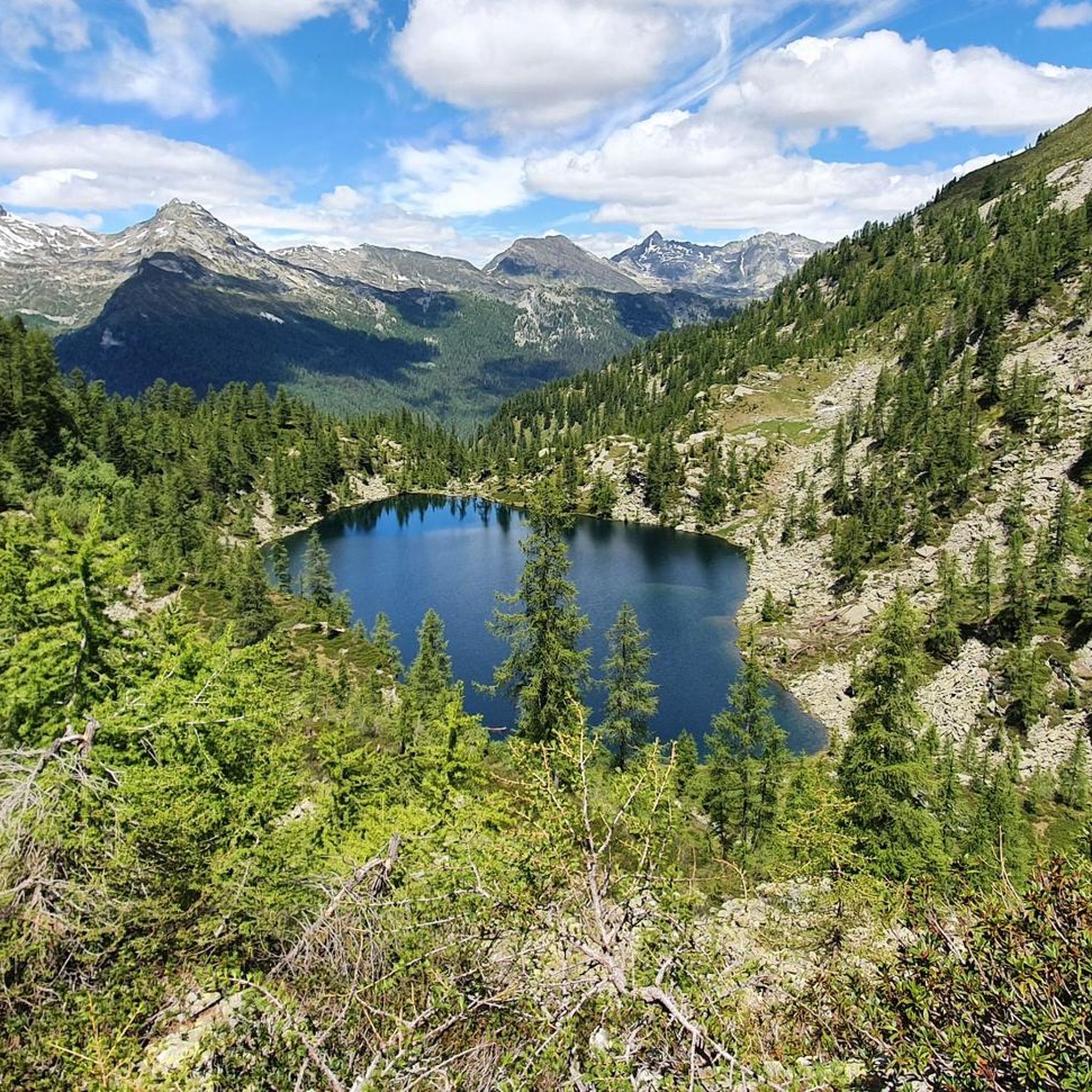
Other adventures around Campo (Vallemaggia)

Tips from the Community

The most famous rocky cliff in Val Canegia.
1
0

There is a feeling of abrupt detachment when we enter what seems to be the mysterious door to the very heart of the mountain: almost suddenly we pass from a gentle, sunny and verdant landscape to a space of shadow where rare rays of sun struggle to penetrate, grazing the walls like blades of light, we pass from the heat to the cool-humid where only mosses and lichens manage to thrive and develop. We walk easily on the flat and dry bottom, created by the deposits of the streams, large irregularly rounded cavities alternate with narrow passages and above our heads dizzying walls seem at times to almost join together leaving only narrow openings towards the sky. Some metal ladders make the climb easier.
2
0
In Maiesso (535 m) you can admire, along the course of the Toce river, the so-called 'giants' potholes': the rocky banks hit by the swirling subglacial current, have been sculpted as if they were soft clay, giving rise to semicircular, sinuous, smooth and enveloping shapes, splendid inlets where the current relaxes and the torrent widens into sparkling pools of water that invite you to take a dive and a 'vivifying' immersion. Here you can also observe the "zero unit", the oldest formation in our Alps that emerges only here in the Antigorio valley.
1
0

These thermal baths are in Valle Onsernone at 986m, on the border between Switzerland and Italy and is crossed by the Isorno stream. It owes its name to a thermal water source at 28°C, it is not very popular and is definitely worth a visit.
1
0

The so-called 'pits of the giants' are round cavities dug into the rocks by the water. The sand and pebbles that can be seen in the cavities cause an abrasive effect on the rock, creating beautiful shapes. ✨💦
1
0
Beautiful gorge to visit! 🤩 Easily accessible due to the stairs that have been constructed. No long walk required to reach the gorge! 🌿
1
0

Very suggestive and reachable with an easy walk.
1
0
Easy and panoramic excursion among the most beautiful ravines visited.
2
0
Frequently Asked Questions
What unique geological features can I explore around Campo (Vallemaggia)?
The region is renowned for its geological formations. You can visit the Giant's Kettles of the Toce, where subglacial currents have sculpted the rocky banks into semicircular, sinuous shapes, creating splendid inlets and sparkling pools. Another impressive site is the Uriezzo South Gorge, offering a dramatic walk through irregularly rounded cavities and narrow passages where dizzying walls almost converge above.
Are there any family-friendly natural monuments in the Campo (Vallemaggia) area?
Yes, several natural monuments are suitable for families. Both the Giant's Kettles of the Toce and the Uriezzo South Gorge are considered family-friendly, offering accessible paths to explore their unique geological formations. The Uriezzo South Gorge, in particular, has an easy-to-walk flat and dry bottom.
What historical natural shelters can be found in the region?
You can discover Splüia Bèla, an ancient shelter formed under huge rocks. This site testifies to the barren shepherd life of bygone eras in the remote mountain region, showcasing how people adapted to the landscape.
Where can I find spectacular viewpoints of the Vallemaggia and Lago Maggiore?
For breathtaking views, head to the Pizzo Zucchero summit. From its 1899m height, you can enjoy fantastic panoramic views into the Onserone valley and across to Lago Maggiore.
Are there any unique natural baths or thermal springs in the area?
Yes, you can visit the Craveggia Baths. This mini thermal bath is located in the middle of the mountains, on the border between Ticino and Italy, offering a magical and wild experience.
What kind of outdoor activities can I do near the natural monuments around Campo (Vallemaggia)?
The region offers a wide range of outdoor activities. You can explore numerous cycling routes, including challenging climbs like the Lago del Sambuco and Lago del Narèt, or more moderate loops such as the Roman Bridge of Maggia – Foroglio Waterfall. Mountain biking enthusiasts will find routes like 'Da Cevio a San Carlo' or 'Bosco Gurin - Grossalp Loop'. For runners, there are trails like the 'Cascata del Toce – Passo di Nefelgiú loop' or the 'Suspension bridge over the Maggia – Giumaglio Bridge loop'. You can find more details on these activities in the Cycling around Campo (Vallemaggia), MTB Trails around Campo (Vallemaggia), and Running Trails around Campo (Vallemaggia) guides.
Where can I find impressive waterfalls in the Vallemaggia region?
The Vallemaggia region is home to several impressive waterfalls. The Foroglio Waterfall in the nearby Bavona Valley is a spectacular natural cascade and a significant attraction. The Maggia River and its tributaries also create numerous waterfalls throughout the valley.
Are there any UNESCO World Heritage sites in the vicinity of Campo (Vallemaggia)?
Yes, the Valle di Lodano Beech Forests, located within the broader Vallemaggia region, are recognized as a UNESCO World Heritage site. These ancient forests are notable for their rare plants and animals, making them a significant ecological attraction.
What are the characteristics of the Maggia River and its surroundings?
The Maggia River, which gives the valley its name, features clear waters, white sand beaches, and various points ideal for swimming and enjoying the natural surroundings. It flows through the entire valley before emptying into Lake Maggiore, creating numerous waterfalls and crystal-clear mountain lakes along its course.
What is the best time to visit the natural monuments in Campo (Vallemaggia)?
The region's natural monuments, characterized by dense woodlands, clear mountain lakes, and impressive waterfalls, are generally best enjoyed during the warmer months from spring to autumn. This allows for comfortable hiking, swimming in the Maggia River, and full access to trails. Winter access to some higher-altitude or gorge areas might be limited due to snow and ice.
What do visitors enjoy most about the natural monuments around Campo (Vallemaggia)?
Visitors particularly appreciate the dramatic geological formations and the feeling of immersion in nature. The Giant's Kettles of the Toce are praised for their easy and panoramic excursions, with turquoise blue mountain water. The Uriezzo South Gorge offers a unique experience of transitioning from sunny landscapes to a cool, shadowy space, creating a mysterious environment.
Are there opportunities for wild swimming near the natural monuments?
Yes, the Maggia River, which flows through the valley, is known for its clear waters and white sand beaches, offering various points suitable for swimming. Its tributaries also create crystal-clear mountain lakes throughout the Vallemaggia area, providing excellent spots for wild swimming.
Most popular routes around Campo (Vallemaggia)
Most popular attractions around Campo (Vallemaggia)

Get inspired with the komoot mobile app


Explore more
Extend your search for the best caves by checking out these guides of the top ones around Campo (Vallemaggia):
