Top 14 Natural Monuments in the West Elk Mountains
Best natural monuments in the West Elk Mountains showcase a rugged and untamed landscape shaped by ancient volcanic activity and erosion. This region features dramatic alpine terrain and diverse geological formations, offering opportunities for outdoor exploration. Many of these natural features are located within the West Elk Wilderness, a large protected area in Colorado. The mountains are characterized by striking rock formations, prominent peaks, and secluded valleys.
Best natural monuments in the West Elk Mountains
- The most popular natural monuments…
Last updated: September 29, 2026
South Rim Visitor Center, Black Canyon of the Gunnison National Park
Highlight • Rest Area
Tip by

Green Mountain Summit
Highlight • Summit
Tip by
Sign up now to discover places like this
Get recommendations on the best single tracks, peaks, & plenty of other exciting outdoor places.
Mount Lamborn
Highlight • Summit
Tip by

Gunnison Point Overlook
Highlight • Viewpoint
Tip by
View of Black Canyon from North Vista Trail
Highlight • Viewpoint
Tip by
Exclamation Point Viewpoint
Highlight • Viewpoint
Tip by
Needle Rock
Highlight • Natural Monument
Tip by
Pulpit Rock Overlook, Black Canyon of the Gunnison National Park
Highlight • Viewpoint
Tip by
Blue Mesa Reservoir
Highlight • Lake
Tip by

Tomichi Point View of Black Canyon of the Gunnison
Highlight • Viewpoint
Tip by
Sign up for free to discover even more natural monuments in the West Elk Mountains.
Already have an account?
Start today with a free account
Your next adventure awaits.
Tips from the Community

Blue Mesa Reservoir is a beautiful spot along U.S. Hwy. 50, nestled between Montrose and Gunnison. This vast, shimmering lake is where the Gunnison River rests before flowing through the rugged walls of Black Canyon.
0
0

Needle Rock is a 7,797-foot tall rock formation in the Needle Rock Study Area just outside of Crawford, Colorado. The trail leading up the feature dead ends near the cliff walls, giving you an up close and personal feel of the outcrop. There is no safe climbing route that you can utilize, and the trail leading up to here to already steep enough.
0
0
At 11,396 feet, Mount Lamborn isn't the tallest peak in Gunnison National Forest, but it is one of the best peaks in the foothills to climb. The entire hike up is a pretty steep, sustained grade, but it doesn't take any special maneuvering or alpine experience to nab the summit. From the top, you can see into both the San Juans and the heart of the Elk ranges. Perhaps the toughest part of the hike is getting your car up the rough 4wd road to the upper trailhead; the lower trailhead is down off of L30 Drive and results in a hike of a little over 14 total miles. Be aware that this trail is a local favorite but not the most maintained trail in the National Forest. Be ready for some overgrowth on the trail and creek crossings.
0
0

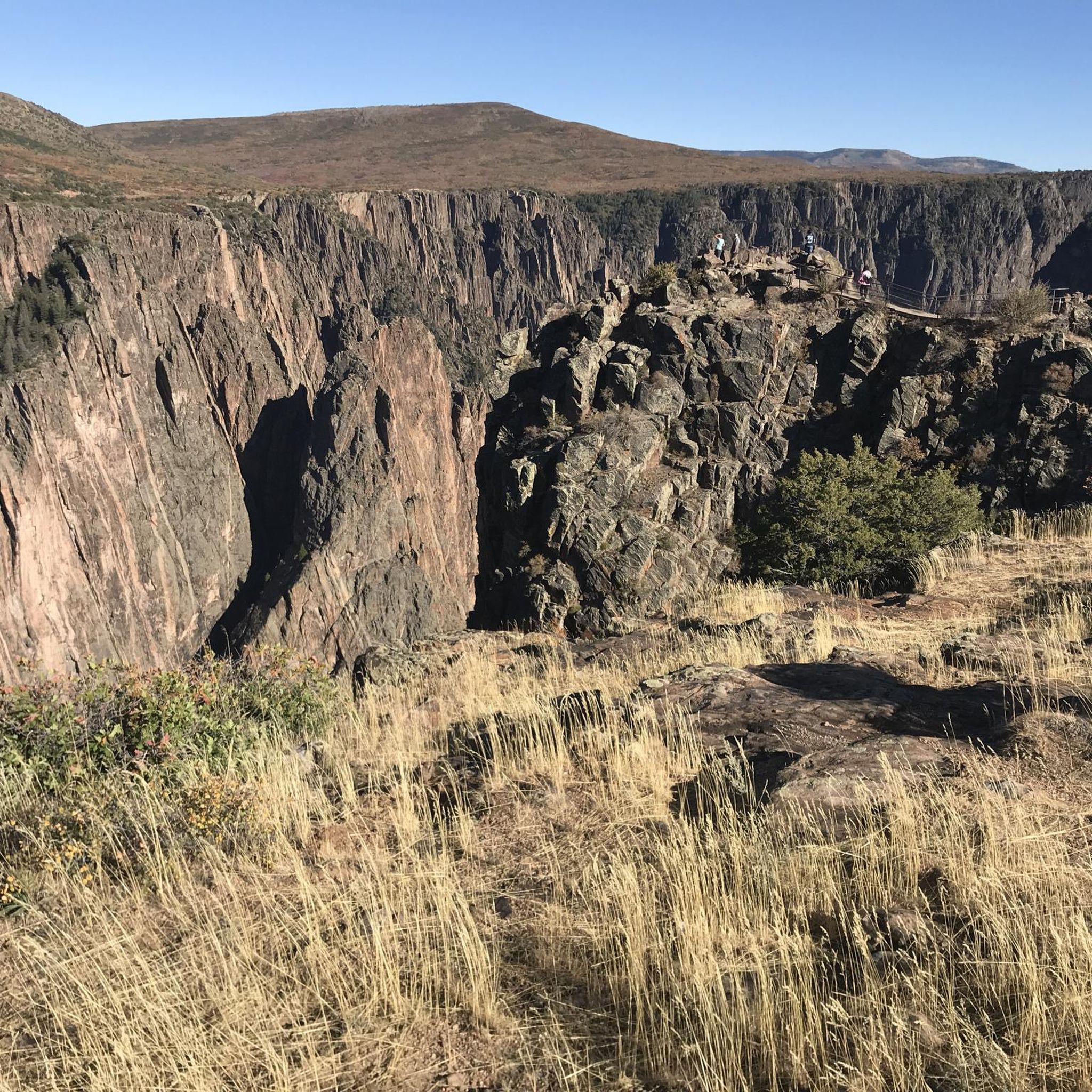
When hiking the North Vista Trail I recommend hiking this very short spur trail to this point. There are some beautiful canyon views to be enjoyed!
2
0
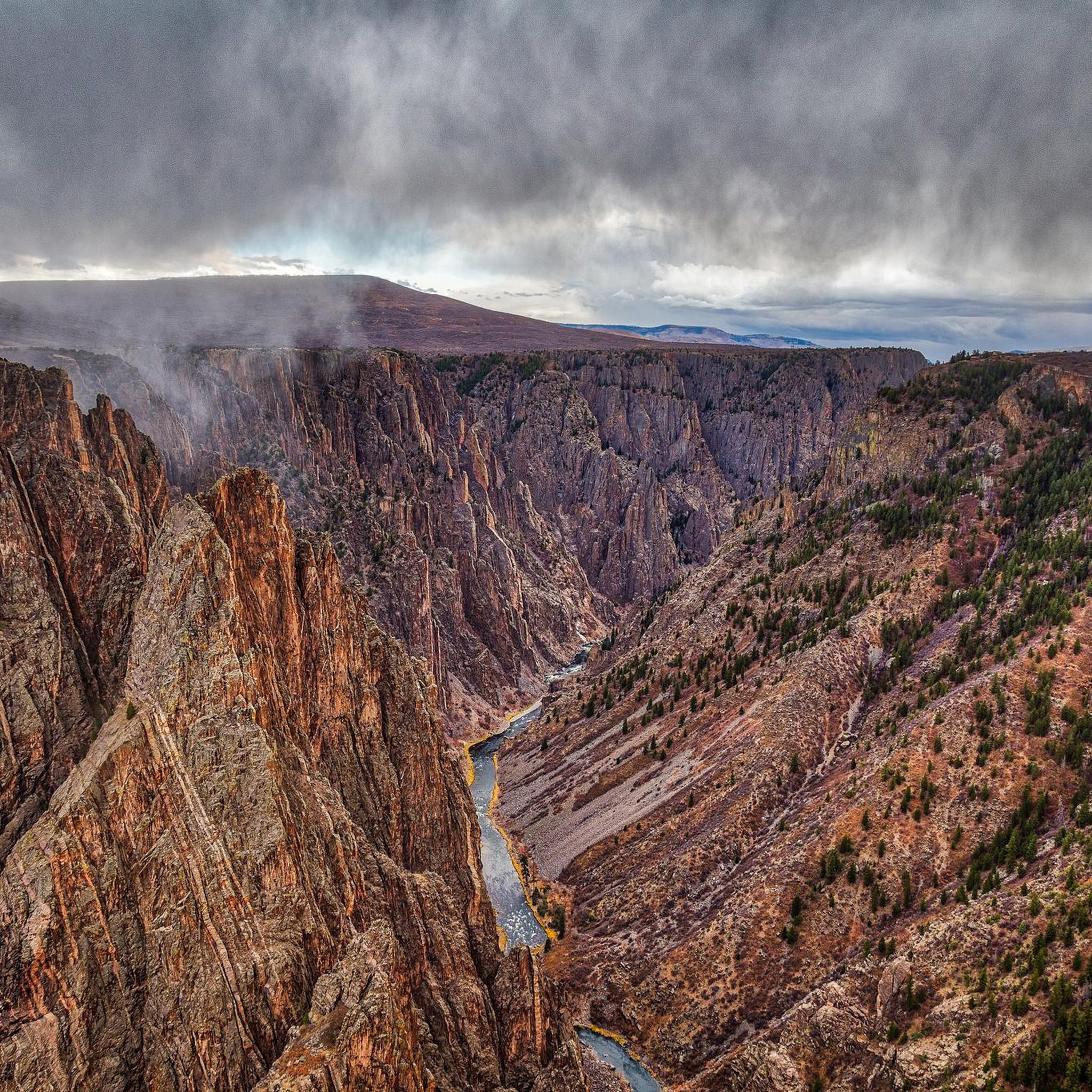
Exclamation Point is an incredible viewing point just off the North Vista Trail. This is the final destination for some hikers, but it is possible to continue toward Green Mountain to find a view from higher up.
2
1
Green Mountain is the only 'summit' hike in Black Canyon National Park which gives you a different perspective of the canyon than any other hike in the park. Views of the canyon are not as immersive as when you are up close but it does give you an opportunity to get a view of the entire park and canyon at once. On the way to Green Mountain, you'll pass Exclamation Point, which is a fantastic viewing point of the canyon up close.
1
0
Pulpit Rock is one of the many Black Canyon of the Gunnison National Park viewing points. It's a very short hike from the parking with an exciting little natural bridge (with proper safety measures) connecting the trail to the viewing point.
0
0
The Visitor Center is open year-round, but be aware that the opening times can vary by season. As with most NPS Visitor Centers, you can expect rangers, exhibits, and a bookstore. The visitor center is located near multiple hiking trails, including Gunnison Route and Tomichi Route that require Wilderness Permits which are available in limited quantities here. There is also a self-registration kiosk for this purpose in case the Visitor Center is closed. Keep in mind that during the summer the parking lot might be full.
1
0
Frequently Asked Questions
What unique geological formations can I explore in the West Elk Mountains?
The West Elk Mountains are renowned for their dramatic geological features. You can explore the striking Needle Rock, a volcanic plug, and the impressive 'Castles' formations, characterized by ridges carved into fantastic turrets and pinnacles. The Balanced Rock in the Black Canyon of the Gunnison also showcases the region's unique erosion patterns.
Are there any prominent peaks to visit in the West Elk Mountains?
Yes, the region features several significant peaks. West Elk Peak, at 13,042 feet, is the highest point in the range, offering challenging hiking and panoramic views. Another notable peak is Mount Lamborn, which, despite not being the tallest, provides a rewarding climb with views into the San Juans and Elk ranges. Green Mountain Summit also offers excellent vistas.
What are some of the most scenic viewpoints in the West Elk Mountains?
For breathtaking views, consider visiting Gunnison Point Overlook, which provides incredible vistas of the Black Canyon. Another excellent spot is the View of Black Canyon from North Vista Trail, offering beautiful canyon scenery. Further along the North Vista Trail, Exclamation Point Viewpoint offers another spectacular perspective of the gorge.
Are there family-friendly natural monuments in the West Elk Mountains?
Absolutely. The South Rim Visitor Center, Black Canyon of the Gunnison National Park, is a great starting point, offering exhibits and easy access to viewpoints like Gunnison Point Overlook, which are suitable for families. Additionally, Blue Mesa Reservoir offers a family-friendly natural setting for recreation.
What outdoor activities can I do near these natural monuments?
The West Elk Mountains offer a wide range of outdoor activities. You can find numerous MTB trails, including the moderate Signal Peak Loop. For cyclists, there are many cycling routes, such as the Almont to Jacks Cabin Cutoff Road gravel route. Road cyclists can explore challenging options like the Silver Thread Scenic Byway.
What is the best time to visit the West Elk Mountains for natural monuments?
The West Elk Mountains are beautiful year-round, but the best time depends on your interests. For hiking and exploring the high country, summer and early fall (June to September) are ideal. September is particularly stunning when the aspen groves transform into a 'fantastic and indescribable gold,' offering picturesque scenery and excellent wildlife viewing opportunities.
Are there any secluded natural areas for a true wilderness experience?
Yes, much of the West Elk Wilderness, where many of these monuments are found, is known for its minimal visitation outside of hunting season. You can find numerous mountain passes leading to secluded valleys, often featuring beaver ponds and aspen groves. These areas offer a sense of untamed wilderness and solitude, perfect for those seeking a true backcountry experience.
What kind of wildlife can I expect to see near the natural monuments?
The quiet nature of the West Elk Wilderness allows for abundant wildlife viewing. Visitors often spot elk and deer, especially in the secluded valleys and aspen groves. The diverse ecosystems support a variety of species, making it a rewarding destination for wildlife enthusiasts.
Do I need permits for hiking in the West Elk Mountains or Wilderness areas?
Some specific routes, particularly those descending into the Black Canyon of the Gunnison, like the Gunnison Route and Tomichi Route, require Wilderness Permits. These are available in limited quantities at the South Rim Visitor Center. For general hiking in the broader West Elk Wilderness, it's always wise to check with the local Forest Service office for the latest regulations, as conditions and requirements can change.
What are the Dillon Pinnacles and where can I see them?
The Dillon Pinnacles are a dramatic example of eroded volcanic strata located in the Curecanti National Recreation Area, which borders the West Elk Mountains. They are distinctive pinnacles formed by the erosion of softer rock beneath a resistant cap of welded tuff. They offer a clear visual representation of the region's geological history and are easily viewed, providing a striking natural spectacle.
What are the challenges of hiking in the West Elk Mountains?
The West Elk Mountains are rugged and remote, offering challenging hiking opportunities. Trails can be steep and sustained, as seen with Mount Lamborn. Some trails, like the Mill Castle Trail, are considered very rugged. Visitors should be prepared for remote conditions, potential overgrowth on less maintained trails, creek crossings, and proficient in backcountry navigation.
Are there any natural monuments specifically known for their volcanic origins?
Yes, many of the impressive features in the West Elk Mountains are shaped by ancient volcanic activity. The 'Castles' formations are remnants of past volcanic activity, where lava flows and breccia have been eroded. West Elk Peak itself is near the center of a large, ancient volcano. Mount Gunnison is a laccolith, formed when magma intruded into sedimentary rock.
Most popular routes in the West Elk Mountains
Most popular attractions in the West Elk Mountains

Get inspired with the komoot mobile app


Explore more
Extend your search for the best caves by checking out these guides of the top ones in the West Elk Mountains:
