Top 20 Natural Monuments in the San Gabriel Mountains
Natural monuments in the San Gabriel Mountains National Monument offer a diverse range of geological features and recreational opportunities. This protected area, encompassing approximately 350,000 acres, provides a crucial natural resource for Southern California. The region is characterized by rugged peaks, deep canyons, and unique rock formations shaped by tectonic activity. It also preserves significant biodiversity and archaeological sites, making it a valuable area for both ecological study and outdoor exploration.
Best natural monuments in the San Gabriel Mountains
- The…
Last updated: June 26, 2026
Vasquez Rocks Natural Area Park
Highlight • Natural Monument
Tip by

Mount Baldy
Highlight • Summit
Tip by

Sign up now to discover places like this
Get recommendations on the best single tracks, peaks, & plenty of other exciting outdoor places.
Sign up for free
Eaton Canyon Waterfall
Highlight • Waterfall
Tip by

Etiwanda Falls
Highlight • Waterfall
Tip by
Verdugo Peak
Highlight • Summit
Tip by

View from Mount Lukens
Highlight • Viewpoint
Tip by

Cucamonga Peak
Highlight • Summit
Tip by
Tongva Peak
Highlight • Summit
Tip by

Icehouse Saddle
Highlight • Mountain Pass
Tip by
Mount Baden-Powell
Highlight • Summit
Tip by
Sign up for free to discover even more natural monuments in the San Gabriel Mountains.
Sign up for free
Already have an account?
Start today with a free account
Your next adventure awaits.
Login or Signup
Popular around San Gabriel Mountains
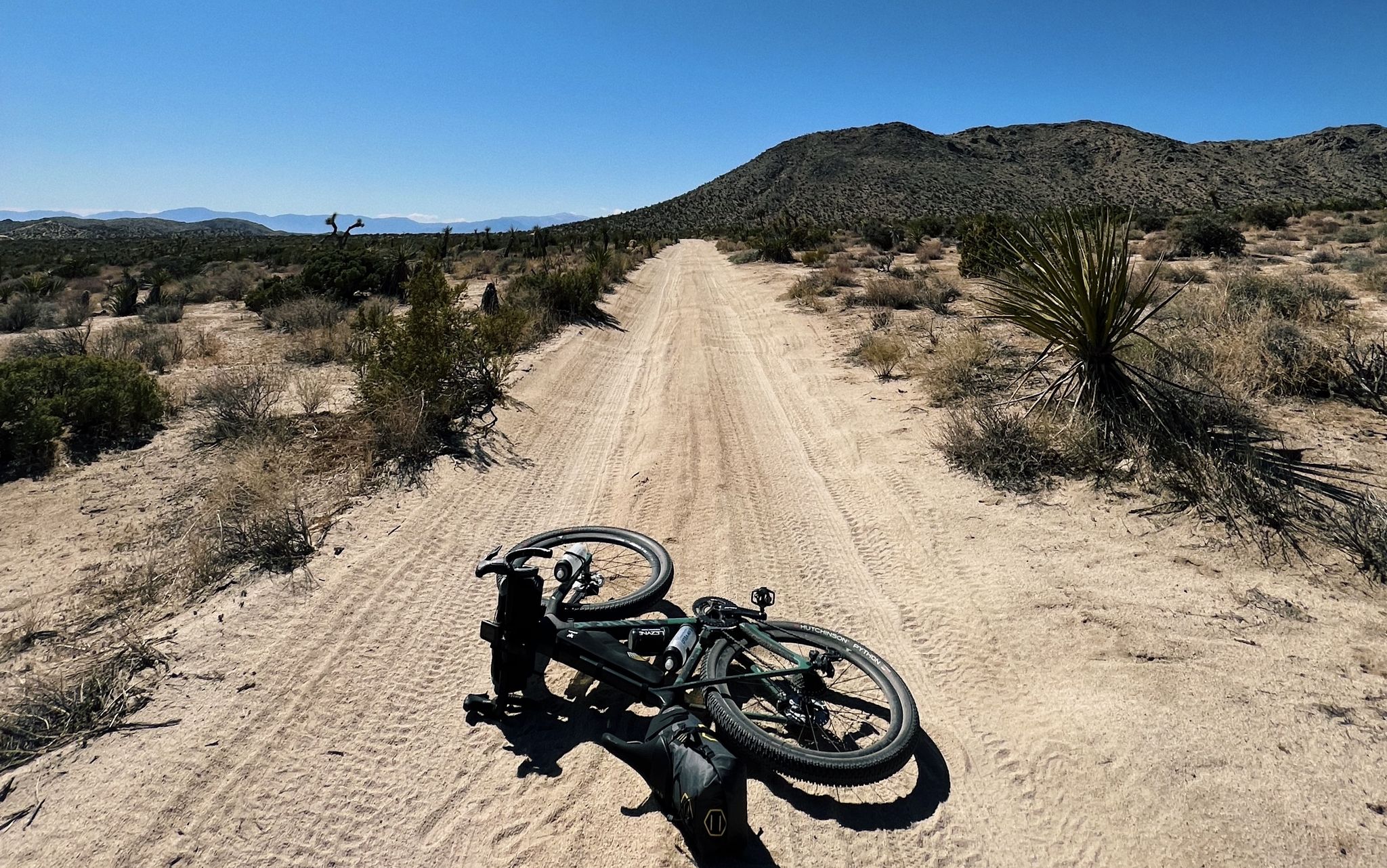
Bikepacking California — Into The Desert

Pacific Crest Trail from Mexico to Canada – 4,200 kilometres of wilderness
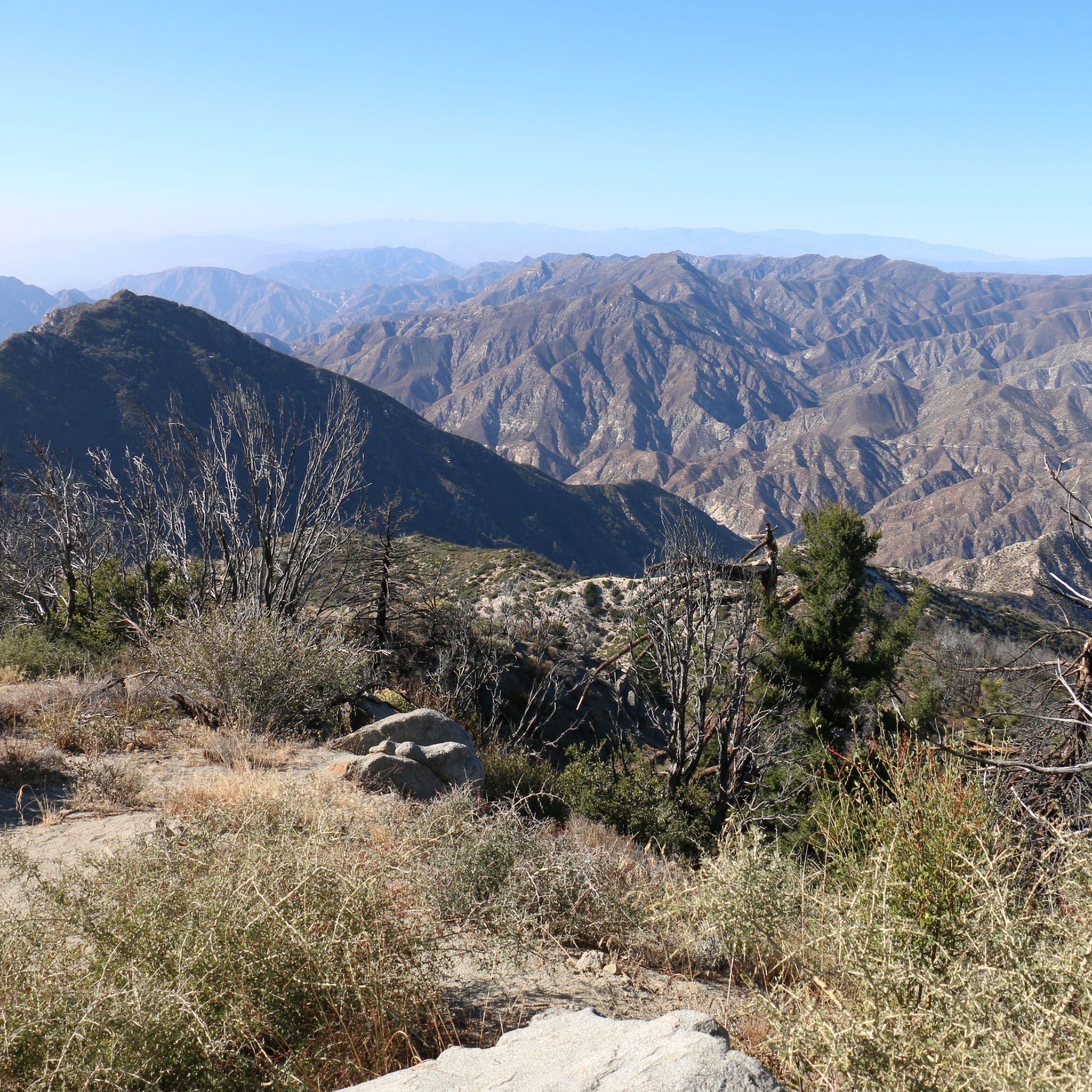
Hiking in the San Gabriel Mountains
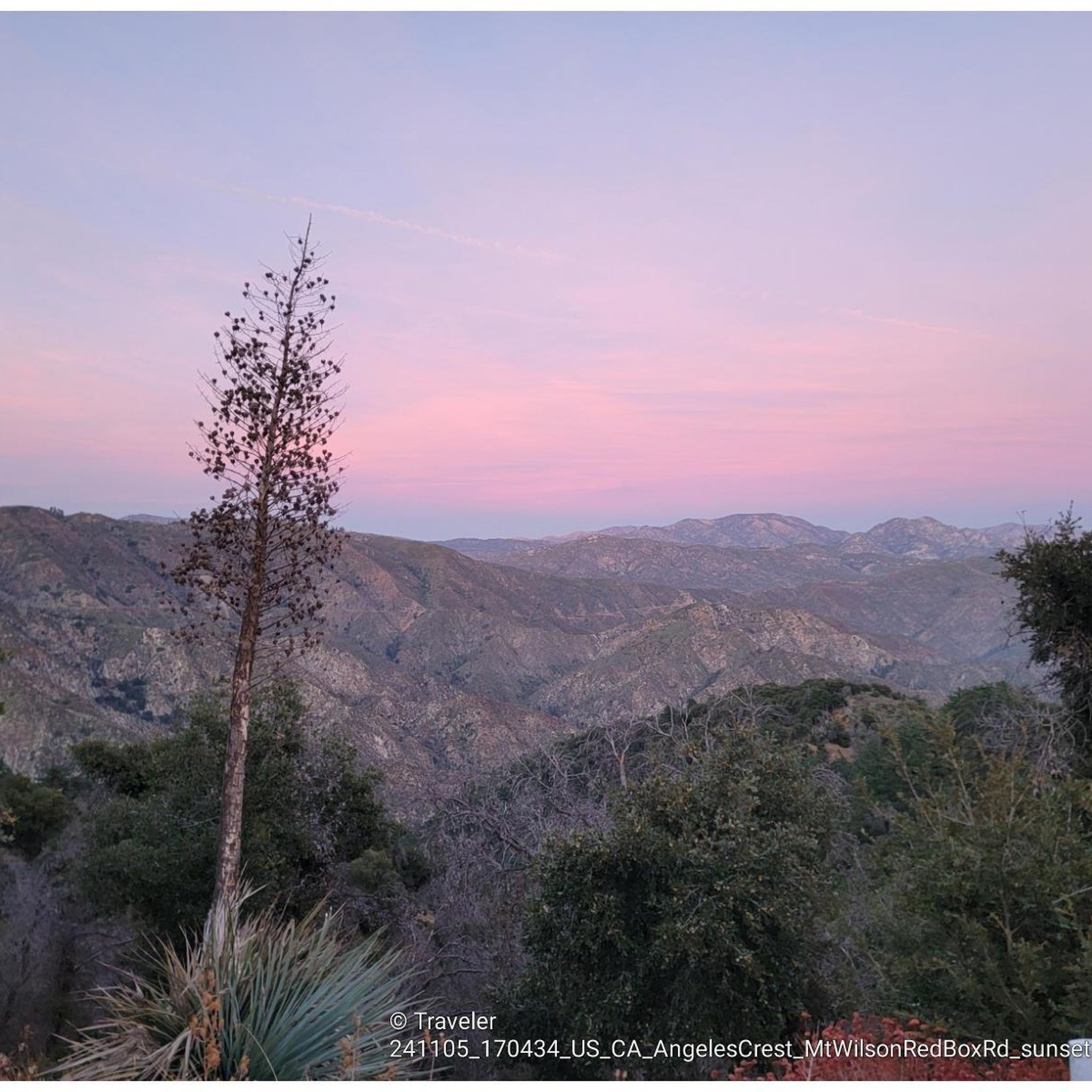
MTB Trails in the San Gabriel Mountains
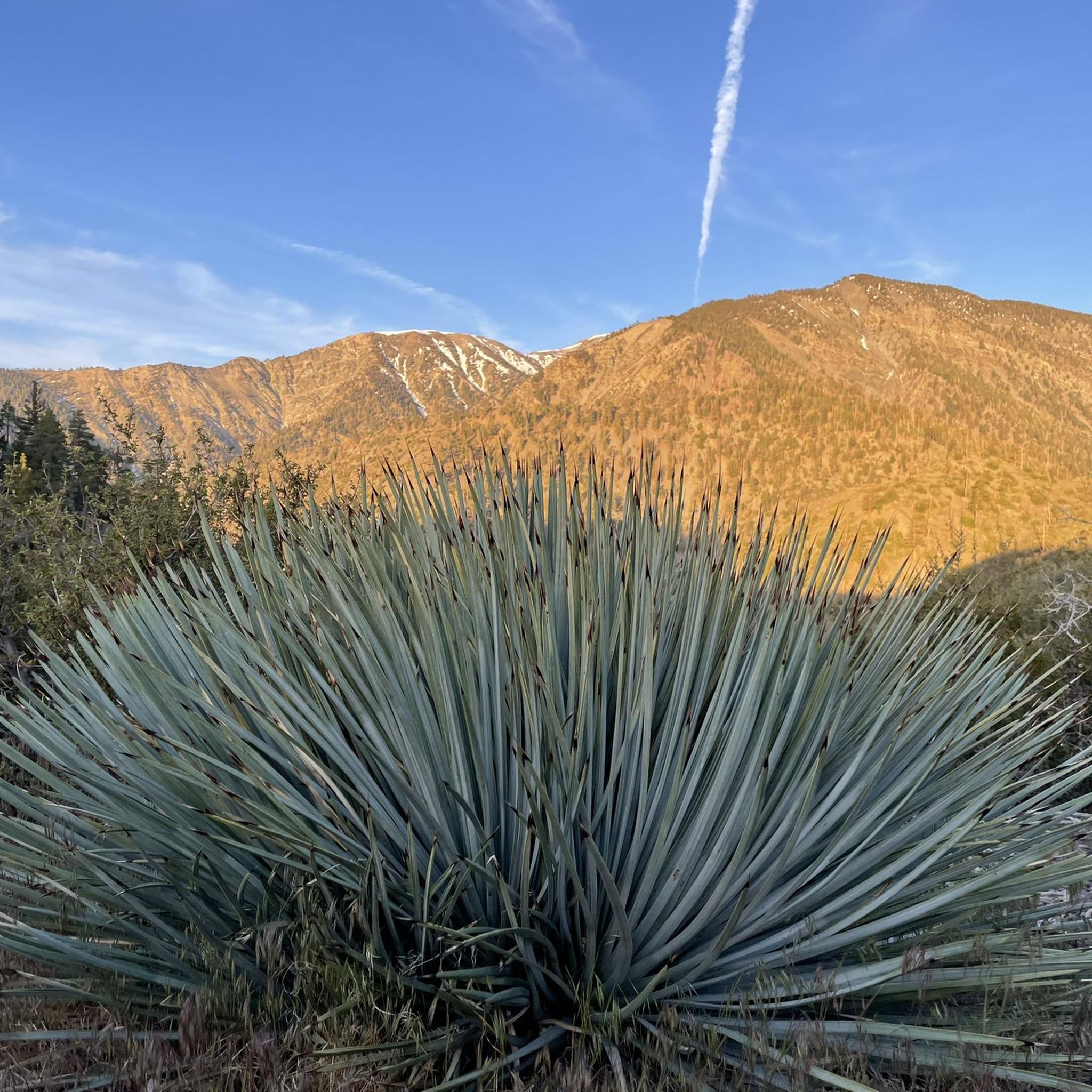
Running Trails in the San Gabriel Mountains
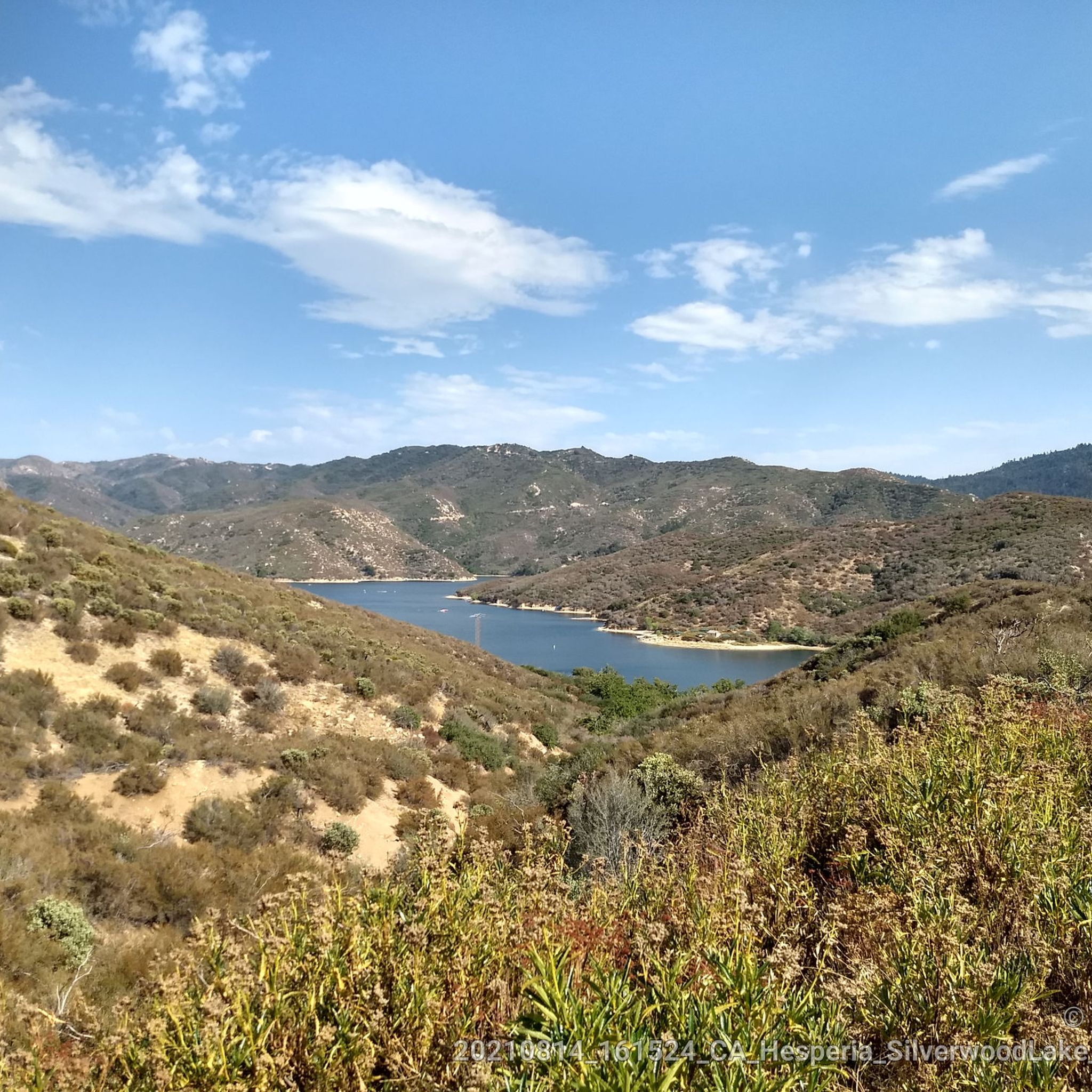
Road Cycling Routes in the San Gabriel Mountains
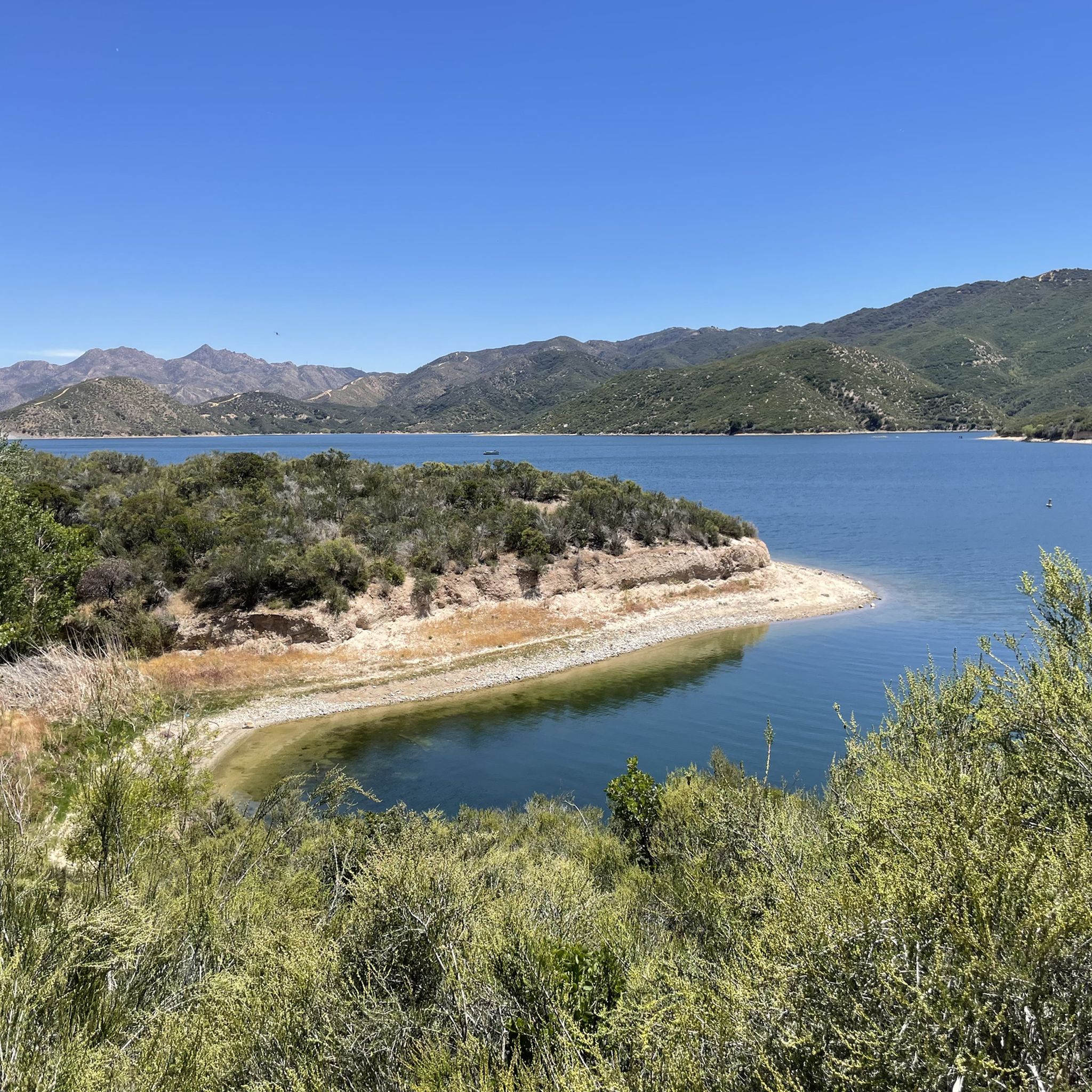
Cycling in the San Gabriel Mountains
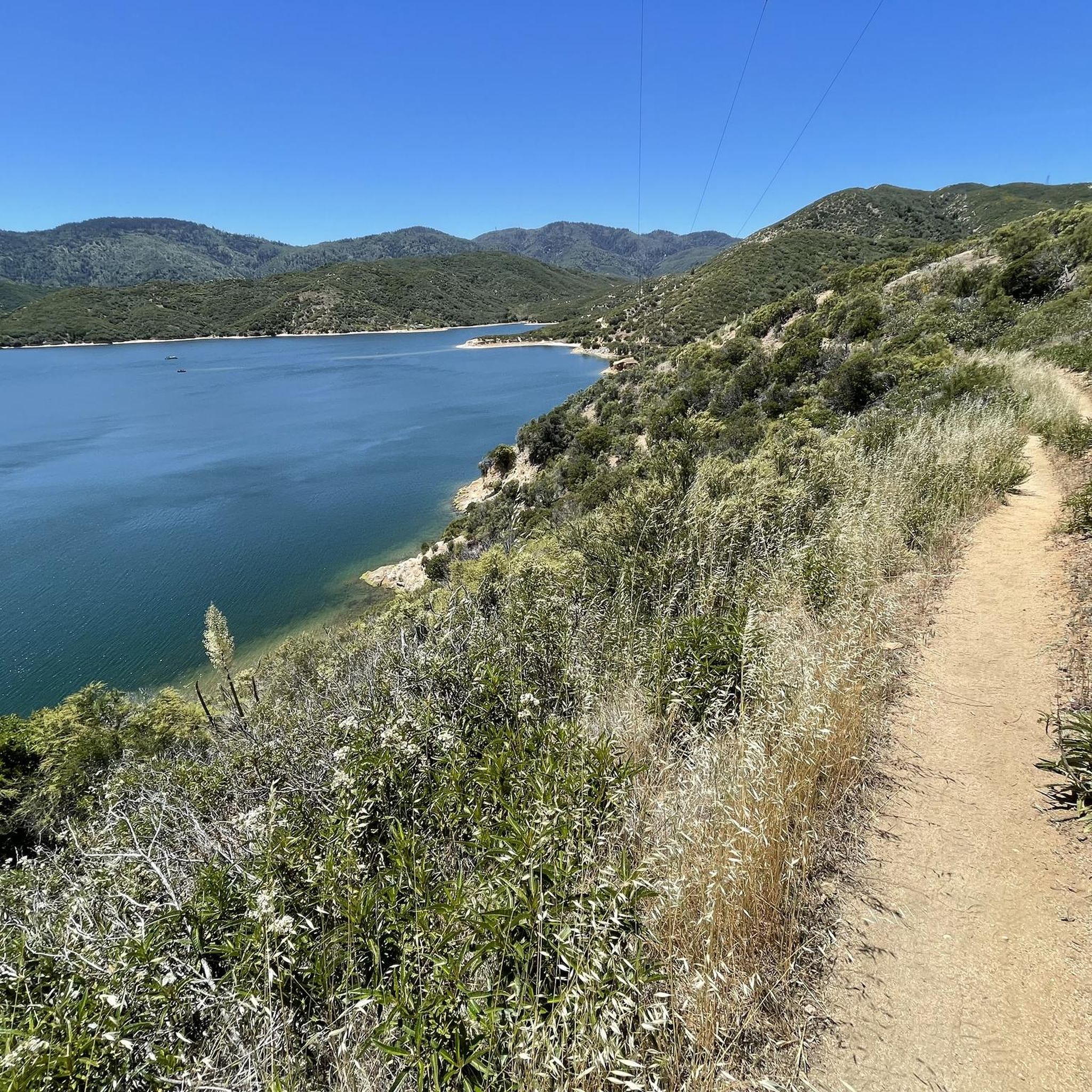
Gravel biking in the San Gabriel Mountains
Other adventures in the San Gabriel Mountains


Tips from the Community

You can approach this 3,124-foot peak from several directions, but the multi-use Verdugo Motorway is the most common uphill option.
0
0

If you come down from Pincrest Dr, cross the bridge and keep right walking a loop to get under the bridge. From here follow the creek by crossing the stream over rocks and trunks around 10 times before you reach the small lake with the waterfall. Have great fun by taking a "shower".
0
0

Mount Lukens is the highest mountain within the vicinity of Los Angeles. It has become a popular destination for experienced and less experienced outdoors enthusiasts thanks to its accessibility. If you would like to get there via a less crowded route, I would suggest to follow Haines Canyon Road.
0
0

Mt. Baldy is the highest peak in the San Gabriel Mountains and gets its nickname from the absence of trees near its summit. It is a grind to get here on your bike but you will be rewarded with gorgeous views of the surrounding mountain tops. A very popular and special place.
0
0

Cucamonga Peak rises up to 8,862 feet and is one of the most popular peaks that you can access from the Icehouse Canyon Trail. You get an awesome view of the San Gabriel range from the peak, which you should only attempt to run up in the dry season.
0
0

Verdugo Peak stands at 1835 feet and is a remote feeling summit off of the Verdugo Motorway. This sunny summit grants you fantastic views across the Verdugo Mountains and the valley below. In the spring there are often wildflowers along the motorway.
0
0
Tongva Peak stands at 2,656 feet and is a popular destination with hikers, trail runners, and mountain bikers and gravel riders. There are radio towers at the top along with a plaque on a rock, marking the summit. This is a great place to snap some photos and enjoy the views after a challenging hike!
0
0

40 foot water fall in the San Gabriel Mountains. The hike up to the falls is moderate with several stream crossings. It can get busy during peak times, but is definitely work the trek up.
1
0
Frequently Asked Questions
What are some of the most popular natural monuments in the San Gabriel Mountains?
Visitors frequently explore Vasquez Rocks Natural Area Park, known for its distinctive geological formations shaped by the San Andreas Fault. Another favorite is Mount Baldy (Mount San Antonio), the highest peak in the range, offering panoramic views. The picturesque Eaton Canyon Waterfall is also a popular destination, accessible via a moderate hike.
Are there family-friendly natural monuments or trails in the San Gabriel Mountains?
Yes, several natural monuments and trails are suitable for families. Etiwanda Falls offers a shorter, shaded hike perfect for a family stroll. The trail to Eaton Canyon Waterfall is also considered moderate and enjoyable for families, though it involves stream crossings. For easy hikes near natural monuments, you can explore options like the Eaton Canyon Trail or Etiwanda Falls Trail, found in the Easy hikes in the San Gabriel Mountains guide.
What unique geological features can I find in the San Gabriel Mountains National Monument?
The San Gabriel Mountains are characterized by rugged terrain and unique geological formations. Vasquez Rocks Natural Area Park showcases dramatic, uplifted rock formations created by rapid erosion along the San Andreas Fault. The mountains themselves are among the fastest-rising globally due to intense tectonic activity, and canyons like Icehouse Canyon feature steep walls made of diorite, an intrusive igneous rock.
What are the highest peaks to explore in the San Gabriel Mountains?
The highest peak is Mount Baldy (Mount San Antonio), reaching 10,064 feet (3,068 meters). Another significant peak is Cucamonga Peak, which offers challenging ascents and panoramic views. Verdugo Peak and Tongva Peak also provide rewarding summit experiences.
Are there any notable waterfalls in the San Gabriel Mountains?
Yes, the monument features several picturesque waterfalls. Eaton Canyon Waterfall is a 40-foot cascade accessible via a moderate trail. Other significant waterfalls include Switzer Falls, a two-tiered drop along a 5-mile trail, Cooper Canyon Falls, and Fish Canyon Falls, which is accessible via a shuttle service on Saturdays.
What kind of wildlife can be spotted in the San Gabriel Mountains National Monument?
The San Gabriel Mountains National Monument is home to rich biodiversity. Visitors may spot endangered species such as the California condor, mountain yellow-legged frog, and Nelson's bighorn sheep. The region also protects about 300 California-endemic plant species and a rare Mediterranean woodland habitat.
What historical or cultural significance do the natural monuments hold?
The region has significant historical and cultural value. Vasquez Rocks Natural Area Park is recognized for its geological and historical significance, having been a site for the Tataviam people and later used by bandit Tiburcio Vásquez. The monument also preserves over 600 archaeological sites, representing 8,000 years of human history. Additionally, Mount Wilson is home to the historic Mount Wilson Observatory, which played a role in scientific discoveries.
What are the best times to visit the natural monuments in the San Gabriel Mountains?
The best time to visit depends on your activity. Spring and fall generally offer pleasant temperatures for hiking. For snow-capped peaks and winter activities, the colder months are ideal, especially for areas like Mount San Antonio, which receives significant snowfall. Always check seasonal trail conditions before heading out.
Are there challenging hiking routes near the natural monuments?
Absolutely. The San Gabriel Mountains offer numerous challenging routes. The Icehouse Canyon Trail is a rigorous ascent to peaks like Cucamonga Peak and Ontario Peak. The Pacific Crest Trail also passes through Vincent Gap, serving as a key trailhead for reaching Mount Baden-Powell. For more difficult options, explore the Mountain Hikes in the San Gabriel Mountains guide, which includes routes like the Mount San Antonio – San Antonio Ski Hut loop.
What recreational activities are available in the San Gabriel Mountains National Monument?
The monument supports a wide array of recreational activities. Hiking is very popular, with trails ranging from easy to challenging. Other activities include camping, wildlife observation, picnicking, and various water sports. Mountain biking is also a great option, with trails like the Lower Monroe Truck Trail or the Strawberry Peak loop, detailed in the MTB Trails in the San Gabriel Mountains guide.
What is the significance of Mount Baden-Powell?
Mount Baden-Powell, standing at 9,399 feet, is a significant peak for hikers, with the Pacific Crest Trail passing through Vincent Gap, a key trailhead. The hike to its summit provides 360-degree views and allows visitors to see Wally Waldron, a limber pine estimated to be 1,500 years old, considered the oldest tree in the San Gabriel Mountains.
Are there any viewpoints offering expansive views of the region?
Many natural monuments in the San Gabriel Mountains offer stunning viewpoints. The treeless summit of Mount Baldy provides panoramic views of the surrounding landscape. Similarly, the hike to Mount Baden-Powell offers 360-degree vistas. View from Mount Lukens is another notable spot for expansive scenery.
Most popular routes in the San Gabriel Mountains
Most popular attractions in the San Gabriel Mountains

Get inspired with the komoot mobile app


Explore more
Extend your search for the best caves by checking out these guides of the top ones in the San Gabriel Mountains:
