Top 8 Natural Monuments around Mauna Kea
Natural monuments around Mauna Kea showcase a unique blend of volcanic activity and glacial history. This dormant shield volcano on the Island of Hawaiʻi is recognized as a National Natural Landmark. Its summit reaches 4,207.3 meters above sea level, making it a significant geological feature. The area offers diverse landscapes, from volcanic cinder cones to evidence of past glaciation.
Best natural monuments around Mauna Kea
- The most popular natural monument is Akaka Falls, a waterfall that is 135m high…
Last updated: July 10, 2026
Akaka Falls
Highlight • Waterfall
Translated by Google •
Tip by

Akaka Falls State Park
Highlight • Waterfall
Translated by Google •
Tip by
Sign up now to discover places like this
Get recommendations on the best single tracks, peaks, & plenty of other exciting outdoor places.
Sign up for free
Mauna Kea
Highlight • Summit
Translated by Google •
Tip by
Pu‘ukalepeamoa Lookout
Highlight • Viewpoint
Tip by

Lake Waiʻau
Highlight • Lake
Translated by Google •
Tip by

Laupāhoehoe Beach Park
Highlight • Beach
Translated by Google •
Tip by
Mauna Kea Climb
Highlight (Segment) • Climb
Leaving …
Tip by

Start today with a free account
Your next adventure awaits.
Login or Signup
Tips from the Community

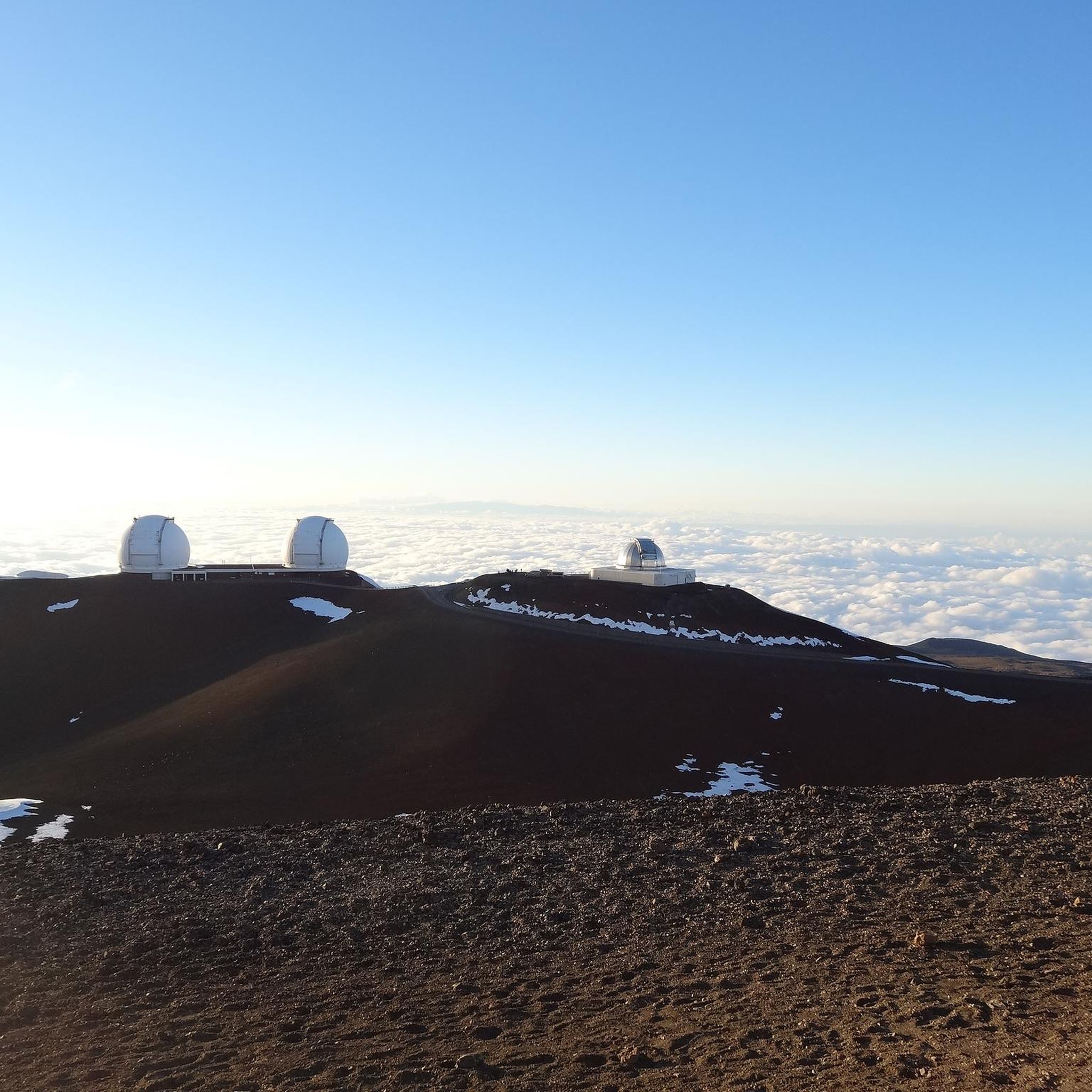
Undoubtedly one of the most beautiful and challenging experiences one can have on a bicycle and in the middle of the ocean! Setting off early in the morning from the quiet beach to reach the 4,207-meter summit of Mauna Kea is an immense satisfaction. The first part, from the city of Hilo up to a few kilometers before the Visitor Center at 2,700 meters, is relatively easy but also a bit monotonous. However, about a kilometer after taking the Mauna Kea Access Road, the gradient starts to rise steeply, often reaching double digits. Once you arrive at the Mauna Kea Visitor Information Station, after the mandatory stop at the Ranger Checkpoint, you can enjoy a well-deserved break and stock up on water before facing the toughest section of the entire climb. Immediately after the VIS begins a long stretch of unpaved road with sharp gradients and a surface that often offers little grip, putting even the strongest legs to the test. After this grueling segment, the ascent continues on asphalt again, but the slopes remain steep and the altitude begins to take its toll, making the final conquest of the summit truly a feat within a feat. Once you reach the long-awaited summit sign, you can finally take a deep breath of relief and admire—with a huge smile—the breathtaking view that awaits you. I traveled 31 hours to conquer this gem, and every bit of effort was more than worth it!
0
0

easily accessible viewpoint with super panoramic views
2
0

This legendary climb begins in the city of Hilo and ascends to the summit of Mauna Kea. It's a breathtaking 13,800-foot climb into the clouds, a challenging 42-mile undertaking. Leaving Hilo's streets, you transition onto Kumana Drive, which merges into Saddle Road, or Hawaii Route 200. This scenic highway, a twisting two-lane road connecting the east to the west, takes you through a stunning array of landscapes: verdant rainforests, lava fields, desert-like plains, rolling grasslands, and ocean views. The saddle marks the point where you rise into the clouds. The last ten miles are a moon-like terrain where you'll find telescope and viewpoints. The summit's thin air and the road's steepness create a brutal final push, demanding every last bit of your energy!
0
0

This is a phenomenal place to watch the sunrise, sunset, or to stargaze. The hike is only about a quarter mile from the visitor center, but it does get steep and good shoes are recommended for the volcanic terrain. In the daytime you can see all across the island, from Hilo to Mauna Loa and beyond. Regardless of when you go, perching on the indomitable slopes of Mauna Kea is always an awesome experience.
0
0

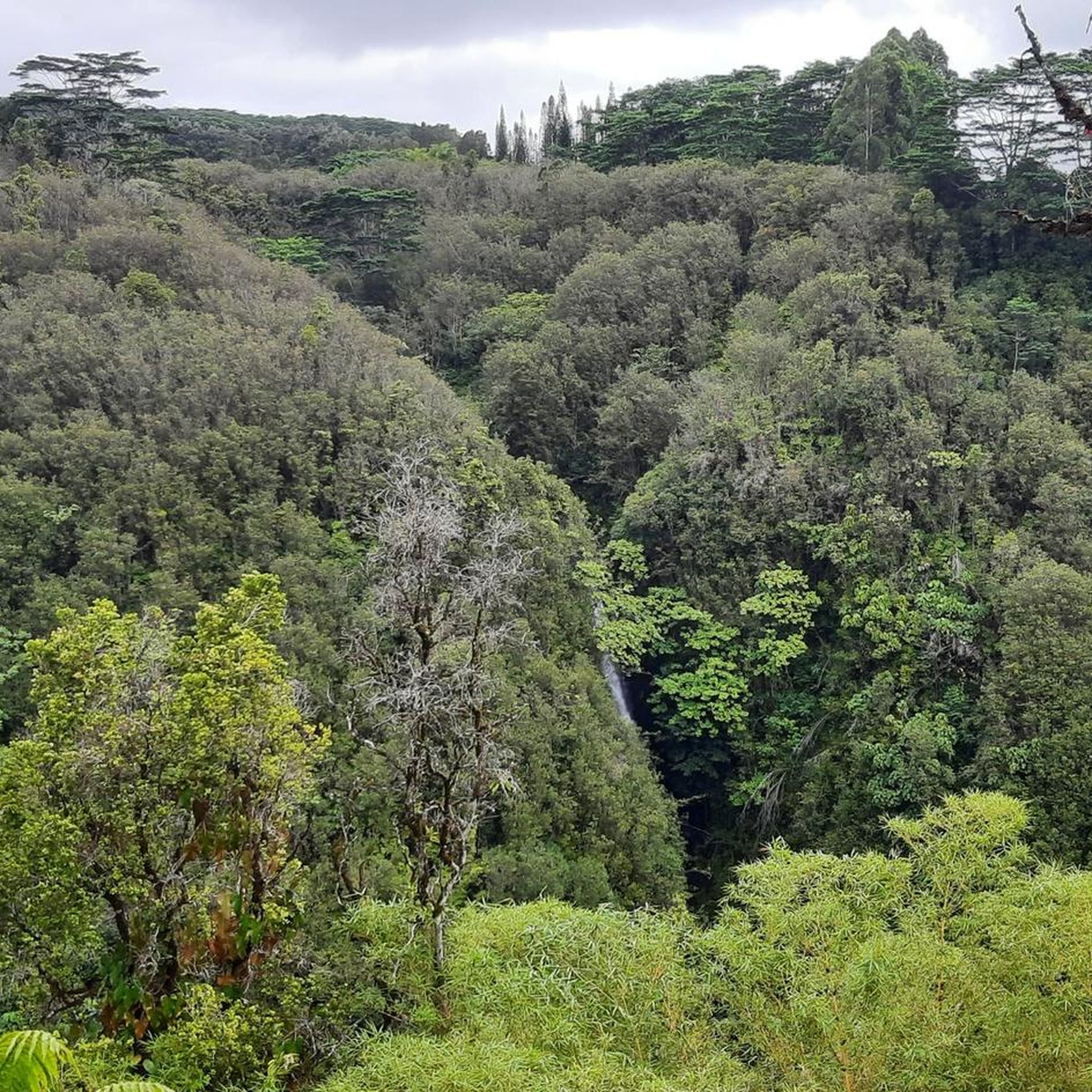
The Akaka Falls are worth seeing even when it rains.
0
0

Akaka Falls State Park is located on the northeastern Hilo Coast and features two magnificent waterfalls. The 0.6 km long, gently ascending hiking trail takes you through a lush rainforest with wild orchids, bamboo groves and hanging ferns. If you continue following the paved footpath, you will first come across the 30 m high Kahuna Falls. Behind the next bend in the circular route you can already see the towering Akaka Falls, which plunge over 135 m into a gorge. The beautiful waterfall is probably the most famous of its kind on Hawaii Island. The pleasant hike takes less than an hour. https://www.gohawaii.com/de/islands/hawaii-big-island/regions/hilo/akaka-falls-state-park
2
1

Laupāhoehoe Beach Park is on the Hamakua coastline, with Laupahoehoe Point as the main attraction. The name translates to “leaf of lava" and was formed by ancient pāhoehoe, or smooth lava, where the small town of Laupahoehoe was built. This park has ocean views, breaking surf, lava rocks, and lush plant life. On April 1st, 1946, there was an earthquake in Alaska that caused a tsunami with three tidal waves that hut here, wrecked a lot of Hilo, and killed 159 people, including 21 schoolchildren and three teachers in Laupahoehoe. Here it is. a memory for them.
0
0
Frequently Asked Questions
What unique geological features can I explore around Mauna Kea?
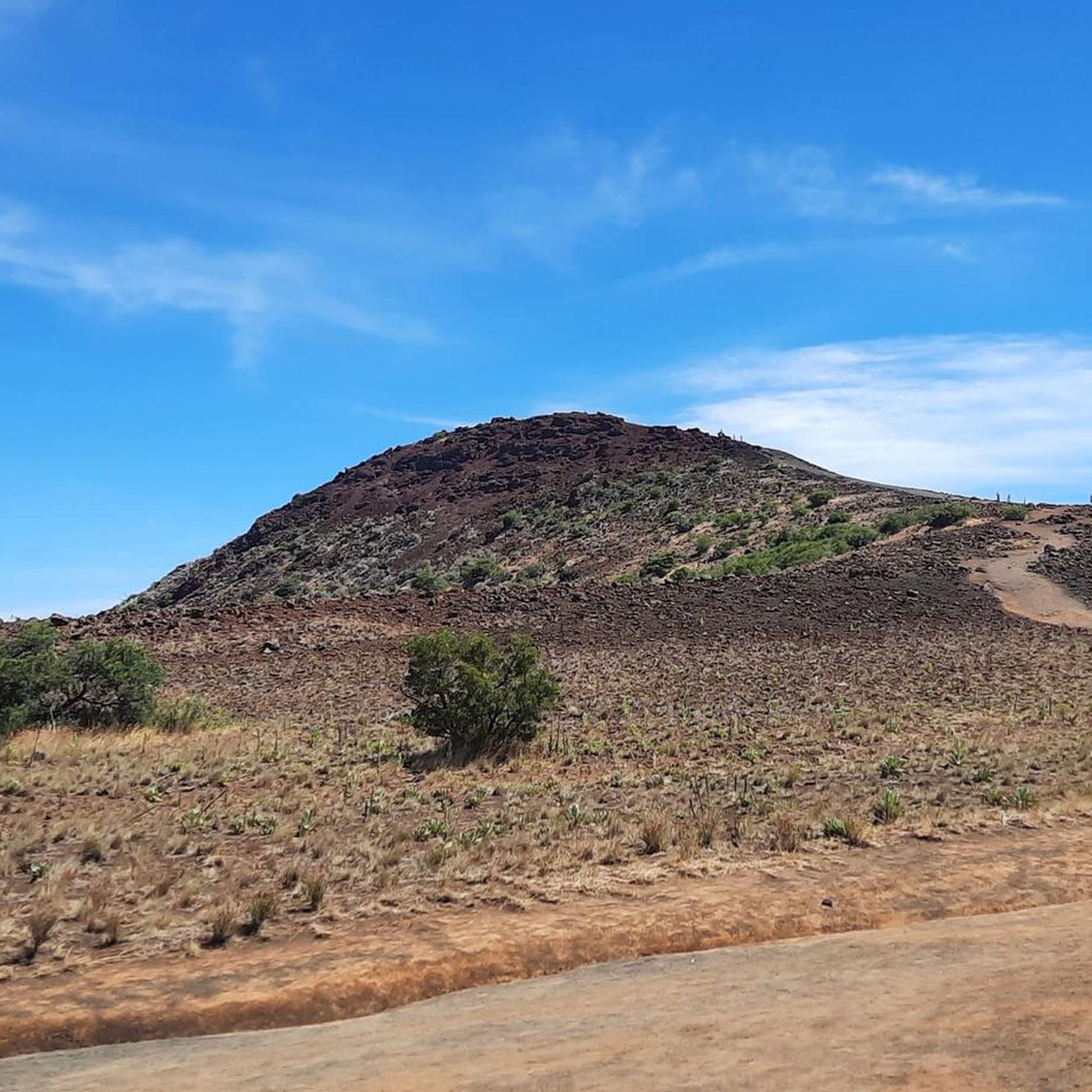
Mauna Kea offers a remarkable blend of volcanic and glacial landscapes. You can explore prominent cinder cones, known as *puʻu*, and rugged ʻaʻā lava flows, which are remnants of the Laupahoehoe Volcanics. The mountain also displays clear evidence of past glaciation, including glacial till, moraines, and glacially polished rock surfaces, a rare sight in a tropical setting.
Are there any family-friendly natural attractions near Mauna Kea?
Yes, several natural monuments are suitable for families. Akaka Falls is easily accessible after a short hike, leading to a stunning 135m high waterfall. Similarly, Akaka Falls State Park offers beautiful nature and a 132m waterfall within a short, family-friendly walk.
What is the significance of Lake Waiau?
Lake Waiʻau is one of the highest lakes in the United States and the only alpine lake in Hawaiʻi. Beyond its ecological importance, it holds deep cultural significance for Native Hawaiians, who consider it a sacred site for spiritual connection and ancestral reverence. Its hydrology is also intimately linked to the mountain's glacial past.
Where can I find the best panoramic views of Mauna Kea and the surrounding area?
For stunning panoramic views, especially at sunrise or sunset, head to the summit region of Mauna Kea itself. Another excellent spot is Pu‘ukalepeamoa Lookout, which is just a short hike from the visitor center and offers superb vistas of Mauna Kea.
What kind of hiking trails are available near Mauna Kea's natural monuments?
The region around Mauna Kea offers a variety of hiking trails. You can find easy walks like the Pu‘ukalepeamoa Lookout trail or the Akaka Falls State Park loop. For more moderate options, consider the Perimeter Horse Trail Loop or the Pu'u Ahumoa Trail.
Are there opportunities for cycling near the natural monuments?
Yes, there are several challenging cycling routes in the area. Cyclists can attempt the demanding Mauna Kea summit from Puʻu Huluhulu or the Mauna Loa Observatory from Puʻu Huluhulu. More moderate options include the Kawaiku'i Beach Park loop.
What is the best time of year to visit Mauna Kea's natural monuments?
While specific seasonal closures are not detailed, the high elevation of Mauna Kea means weather can vary significantly. The summit can experience snow even when it's warm at sea level. It's advisable to check local weather conditions before planning a visit, especially if heading to higher altitudes.
What makes Mauna Kea a significant natural landmark?
Mauna Kea is recognized as a National Natural Landmark due to its exceptional features. It's a dormant shield volcano that, when measured from its base on the ocean floor, stands as the tallest mountain in the world. Its unique blend of volcanic activity, clear evidence of past glaciation, and diverse ecosystems contribute to its geological and ecological importance.
Can I find any natural monuments with historical significance around Mauna Kea?
While many sites are primarily geological, Laupāhoehoe Beach Park is listed as having both natural monument and historical site categories. It offers a blend of natural beauty and historical context, though specific details of its historical significance are best explored on-site.
Are there any running trails near the natural monuments of Mauna Kea?
Yes, for those interested in running, options include the Perimeter Horse Trail Loop, which is a difficult route. A moderate option is the Lower Lake Waiau Trail. For a longer, challenging run, consider the Mauna Kea summit climb loop.
What do visitors enjoy most about the natural monuments around Mauna Kea?
Visitors frequently highlight the breathtaking views, especially from the summit of Mauna Kea, often noting the unique experience of finding snow at high altitudes while it's warm at sea level. The ease of access to stunning waterfalls like Akaka Falls after a short hike is also a popular draw.
Most popular attractions around Mauna Kea

Get inspired with the komoot mobile app


Explore more
Extend your search for the best caves by checking out these guides of the top ones around Mauna Kea:
