The best running trails around Mauna Kea
3.0
(1)
35
runners
8
runs
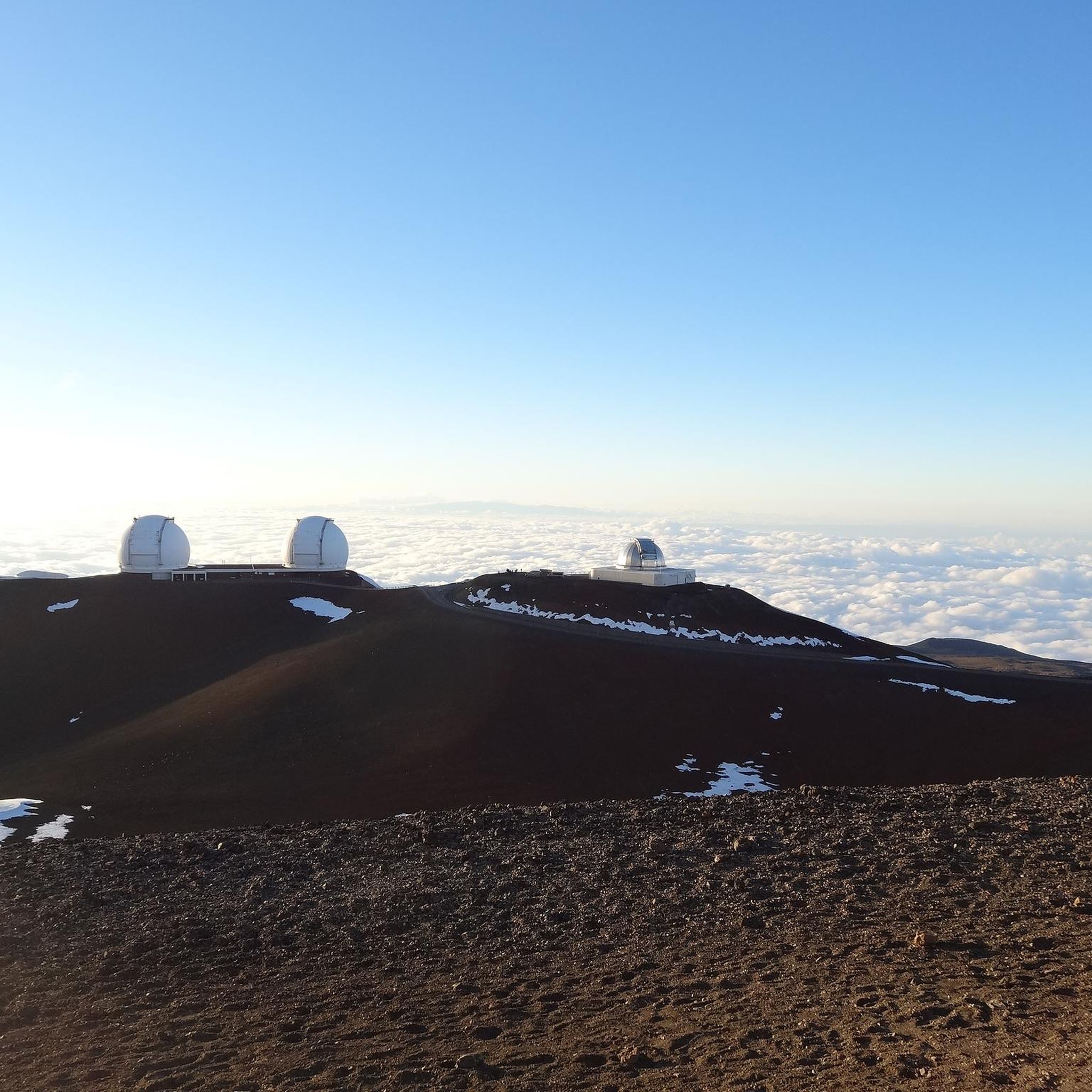
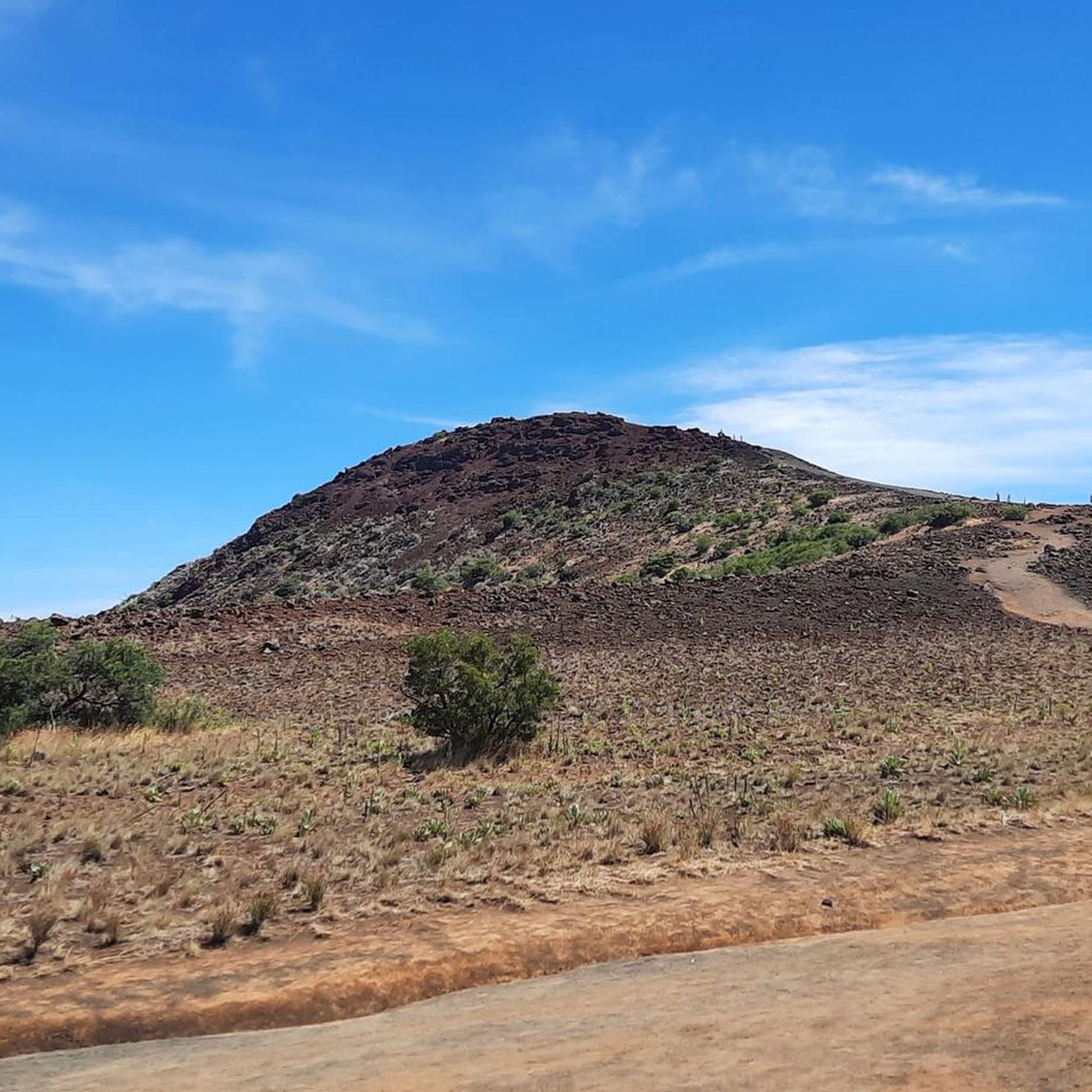
Jogging routes around Mauna Kea traverse diverse landscapes, from lower elevation trails to high-altitude alpine environments. The region is characterized by significant vertical relief, with routes ascending through multiple climate zones. Terrain includes lava rock, cinder cones, and areas above the tree line, offering varied running surfaces. The mountain's elevation provides a unique setting for runners seeking challenging ascents and expansive views.
Best jogging routes around Mauna Kea
- The most popular jogging route is Mauna Kea summit climb – Mauna Kea Summit loop from Puʻukalepeamoa, a 12.5 miles (20.1 km) trail that takes 3 hours 20 minutes to complete. This route offers a challenging ascent through high-altitude terrain towards the summit.
- Another top favourite among local runners is Perimeter Horse Trail Loop, a difficult 3.9 miles (6.2 km) path. This route features varied terrain with an elevation gain of over 590 feet (180 meters).
- Local runners also love the Lower Lake Waiau Trail, a 1.5 miles (2.4 km) trail leading through high-altitude volcanic landscapes, often completed in about 21 minutes.
- Jogging around Mauna Kea is defined by volcanic landscapes, high-altitude environments, and significant elevation changes. The network offers options for different ability levels, from moderate paths to difficult summit climbs.
- The guide includes highly-rated routes that showcase the best of the region's landscape. More than 20 runners have used komoot to explore Mauna Kea's varied terrain.
Last updated: July 7, 2026
3
runners
6.22km
00:58
180m
180m
Hard run. Good fitness required. Sure-footedness, sturdy shoes and alpine experience required.
1
runners
2.38km
00:21
100m
100m
Moderate run. Good fitness required. Mostly accessible paths. Some sure footedness required.

Sign up for free
5.22km
00:39
150m
150m
Hard run. Good fitness required. Sure-footedness, sturdy shoes and alpine experience required.
18
runners
20.1km
03:20
1,390m
1,380m
Hard run. Very good fitness required. Mostly paved surfaces. Suitable for all skill levels.
5
runners
4.17km
00:26
50m
50m
Easy run. Great for any fitness level. Mostly paved surfaces. Suitable for all skill levels.
3
runners
8.13km
00:52
100m
100m
Moderate run. Good fitness required. Mostly paved surfaces. Suitable for all skill levels.
Get access to more routes and recommendations from other explorers.
Sign up for free
Already have an account?
Our route recommendations are based on thousands of hikes, rides, and runs completed by other people on komoot.
Start today with a free account
Your next adventure awaits.
Login or Signup
Popular around Mauna Kea
Tips from the Community

Undoubtedly one of the most beautiful and challenging experiences one can have on a bicycle and in the middle of the ocean! Setting off early in the morning from the quiet beach to reach the 4,207-meter summit of Mauna Kea is an immense satisfaction. The first part, from the city of Hilo up to a few kilometers before the Visitor Center at 2,700 meters, is relatively easy but also a bit monotonous. However, about a kilometer after taking the Mauna Kea Access Road, the gradient starts to rise steeply, often reaching double digits. Once you arrive at the Mauna Kea Visitor Information Station, after the mandatory stop at the Ranger Checkpoint, you can enjoy a well-deserved break and stock up on water before facing the toughest section of the entire climb. Immediately after the VIS begins a long stretch of unpaved road with sharp gradients and a surface that often offers little grip, putting even the strongest legs to the test. After this grueling segment, the ascent continues on asphalt again, but the slopes remain steep and the altitude begins to take its toll, making the final conquest of the summit truly a feat within a feat. Once you reach the long-awaited summit sign, you can finally take a deep breath of relief and admire—with a huge smile—the breathtaking view that awaits you. I traveled 31 hours to conquer this gem, and every bit of effort was more than worth it!
0
0

Visitor center and checkpoint for car travelers. From here, further travel is only permitted with four-wheel drive.
2
0


The visitor center has restrooms, water, trail information, and a gift shop. There are plenty of short walks just out the door of the center that grant panoramic views south across the island to Mauna Loa. If you are hiking up to the summit of Mauna Kea, this is the perfect to start your adventure.
0
0

The Mauna Kea Visitor Information Station is located at 9,200 feet on Mauna Kea on Hawaii's Big Island, and serves as a crucial hub for visitors exploring this iconic mountain. There are restrooms, educational exhibits, a gift shop, and ranger-led programs, helping visitors acclimate to the high altitude and learn about the mountain's significance. Mauna Kea is sacred to Native Hawaiians, so be respectul of the area as if you were visiting a church or other religious site. There are several popular hiking trails around the visitor center including the Humuʻula Trail, which takes you to the summit of the mountain. Bikers can ride up the Mauna Kea Access Road to the summit, which is an amazing, unique experience for any cyclist. The road is a mix of paved and unpaved sections. Although it is not a technical trail, it is highly demanding, featuring steep inclines and loose gravel, making it suitable only for experienced bikers. Safety is paramount; bikers should prepare for sudden weather changes, cold temperatures, and the risk of altitude sickness by carrying adequate water, and food. You can also access the Kahinahina Road, or Mauna Kea Hunters Road, which circumnavigates the mountain, just south of the visitors center. If riding this extremely challenging road, the visitor center makes for a nice start/end point for a car shuttle.
1
0

Here in this area is the end of the pavement on Mauna Kea Access Rd. In this area, cyclists can find the Onizuka Center for International Astronomy's Mid-Level Facility, Maunakea Visitor Information Station, Mauna Kea Humu'ula Trailhead, and Halepohaku. Visitors should be careful while visiting due to the chances of getting altitude sickness due to this point being at 9,200 feet above sea level, and often visitors are coming from sea level. From here the road continues on but it is unpaved. The road is dirt and 4x4 cars are recommended. If cyclists are choosing to ride to the Mauna Kea summit, they should have a bike with the proper tires. Otherwise this is a great turn around spot, with great views!
0
0

Mauna Kea is a unworldly climb that is on the bucketlist of many cyclists and self-proclaimed explorers. Many people ride from Hilo, but you can also park at the base of the mountain to shave off a bit of the filler miles. The mid section of the climb is gravel which is more than doable on a road bike, although many people utilize gravel bikes since you also typically have lower gearing. With the summit being at just under 14,000 feet, please ensure you do your research and preperation. Going from sealevel to 14k feet can get a lot of people in trouble.
3
0
Frequently Asked Questions
How many running routes are available around Mauna Kea?
There are 6 dedicated running routes around Mauna Kea listed on komoot. These routes offer a variety of experiences, from moderate paths to challenging summit climbs, catering to different fitness levels.
What are the difficulty levels of running trails on Mauna Kea?
The running trails around Mauna Kea offer a range of difficulties. You'll find 1 easy route, 2 moderate routes, and 3 difficult routes. The challenging routes often involve significant elevation gain and high-altitude conditions.
Are there any easy running routes for beginners on Mauna Kea?
Yes, there is an easy running route available. The Running loop from Waikoloa is a good option for those looking for a less strenuous experience, covering about 2.6 miles (4.2 km) with minimal elevation gain.
What kind of terrain can I expect on Mauna Kea's running trails?
The terrain on Mauna Kea's running trails is incredibly diverse due to its varying altitudes. You can expect surfaces ranging from lava rock and cinder cones at higher elevations to more established paths at lower levels. Above the tree line, the landscape becomes stark and 'moon-like' with alpine tundra.
Are there any loop running trails around Mauna Kea?
Yes, several routes offer a loop experience. For example, the Perimeter Horse Trail Loop is a difficult 3.9-mile (6.2 km) path, and the Kalōpā Nature Trail loop is another great option for a circular run.
What unique natural features can I see along the running routes?
Mauna Kea offers breathtaking natural features. You can experience dramatic shifts in climate zones, from tropical conditions at the base to alpine environments. Highlights include the unique volcanic landscapes, and the possibility of seeing a snow-capped peak during certain times of the year. The Lake Waiʻau, the highest lake in the Pacific Basin, is also a notable landmark in the high-altitude environment.
Can I see the Mauna Kea Observatories from any running trails?
While direct access to the observatories is restricted, their presence adds a unique backdrop to the high-altitude landscape. Many trails, especially those leading towards the summit, offer panoramic views where you can see the observatories from a distance. The Pu‘ukalepeamoa Lookout is a great spot for expansive views.
What are the main challenges for runners on Mauna Kea?
Running on Mauna Kea is challenging due to significant elevation gain, often over 4,900 feet on some routes, and the effects of high altitude. Runners must be prepared for strong headwinds, especially from the Hilo side, and widely varying temperatures, from heat at the base to potentially freezing conditions at the summit. Acclimatization at the Visitor Information Station is highly recommended before ascending higher.
Is there a specific route that offers a 'sea to summit' experience?
Mauna Kea is renowned for its potential 'sea to summit' experience, allowing runners to traverse multiple climate zones. While not a single designated running route from sea level, ambitious runners can combine lower elevation starting points, such as 'Anaeho'omalu Bay, with routes like the Mauna Kea summit climb – Mauna Kea Summit loop from Puʻukalepeamoa to achieve this unique vertical challenge.
What should I know about altitude sickness when running on Mauna Kea?
Altitude sickness is a serious concern on Mauna Kea due to its extreme elevation. It's crucial to acclimatize properly, ideally by spending time at the Mauna Kea Visitor Information Station (around 9,200 feet) before attempting higher trails. Listen to your body, stay hydrated, and descend immediately if symptoms worsen.
Are there any waterfalls near the running trails?
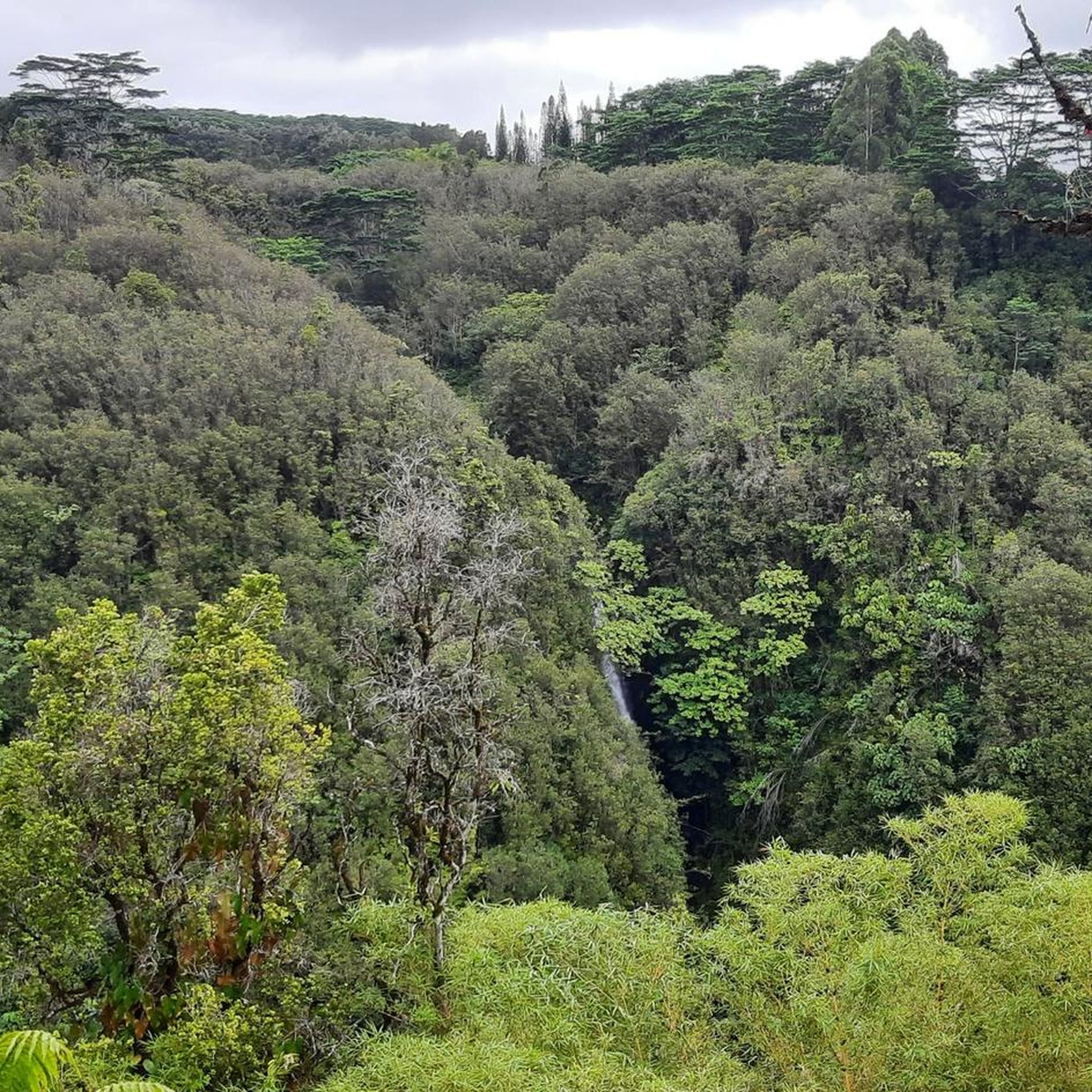
While the immediate high-altitude running trails on Mauna Kea don't feature waterfalls, the broader region of the Big Island offers stunning options. You can find beautiful waterfalls like Akaka Falls and Akaka Falls State Park in nearby areas, which make for great post-run exploration.
What is the best time of year to go running on Mauna Kea?
The best time to run on Mauna Kea depends on your preference. While lower elevations are accessible year-round, the summit can be snow-capped during parts of the year, offering a unique winter running experience. Generally, the dry season offers clearer skies, but always check weather conditions as they can change rapidly, especially at higher altitudes.
Most popular attractions around Mauna Kea

Get inspired with the komoot mobile app


Explore more
Browse the best Running Trails & Routes in other regions.
