Top 20 Natural Monuments in Hérault
Best natural monuments in Hérault showcase a diverse landscape, from dramatic cirques and gorges to unique rock formations and serene wetlands. This department in southern France is characterized by its significant geological features and rich biodiversity. Visitors can explore a variety of natural wonders, including ancient volcanic formations, river-carved canyons, and coastal reserves. These sites offer opportunities to experience the region's natural beauty and geological history.
Best natural monuments in Hérault
- The most popular natural monuments is Cirque de l'Infernet…
Last updated: October 27, 2026
Salagou Dam
Highlight • Monument
Translated by Google •
Tip by

Orientation table at Mont Caroux
Highlight • Viewpoint
Translated by Google •
Tip by

Sign up now to discover places like this
Get recommendations on the best single tracks, peaks, & plenty of other exciting outdoor places.
The Fairy Stretcher
Highlight • Natural Monument
Human imagination has given rise to a legend: fairies used to …
Translated by Google •
Tip by

Mount Saint-Loup
Highlight • Summit
Showing Translation
Tip by

Avy Spring
Highlight • Natural Monument
Translated by Google •
Tip by
Cirque de Mourèze Viewpoint
Highlight • Viewpoint
Translated by Google •
Tip by

Gouffre du Cerisier Natural Pool and Waterfall
Highlight • Waterfall
Translated by Google •
Tip by

Buèges Spring
Highlight • River
Translated by Google •
Tip by
Vissou Peak
Highlight • Summit
Translated by Google •
Tip by
La Vis Waterfall in Navacelles
Highlight • Waterfall
Translated by Google •
Tip by

Sign up for free to discover even more natural monuments in Hérault.
Already have an account?
Start today with a free account
Your next adventure awaits.
Popular around Hérault

Triathlon 360 – my journey around the world
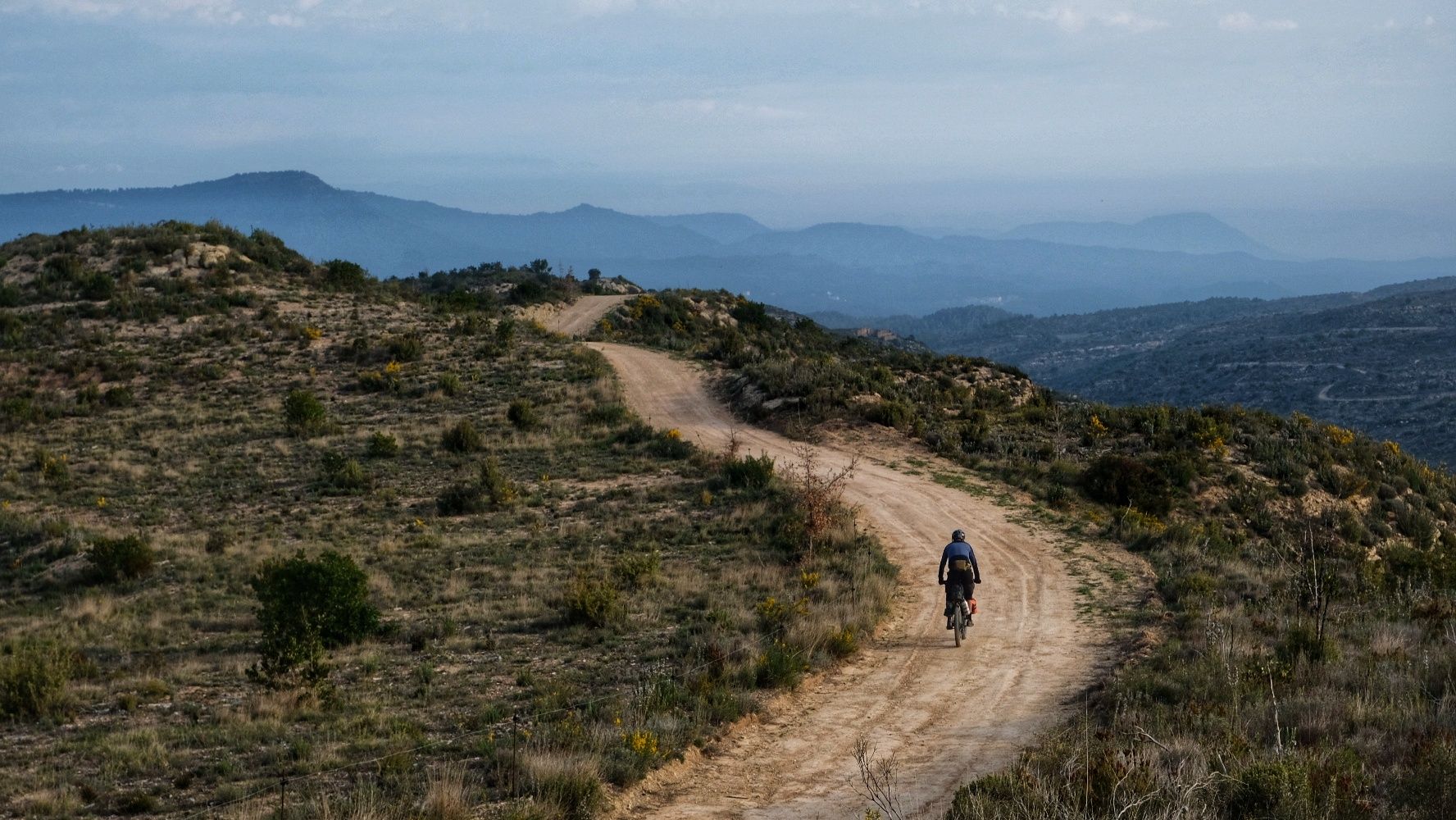
European Divide Trail — 7,600 km across the continent
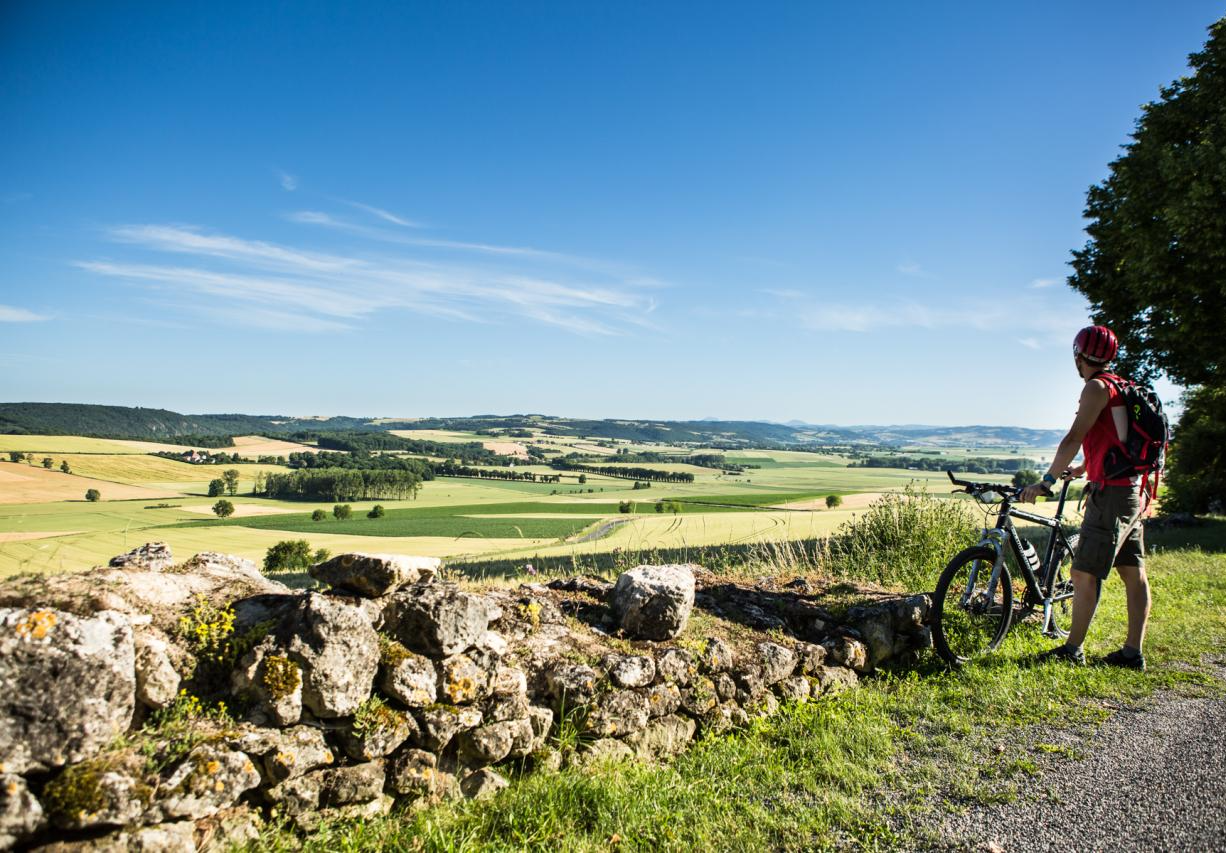
The Grande traversée du Massif Central by gravel bike
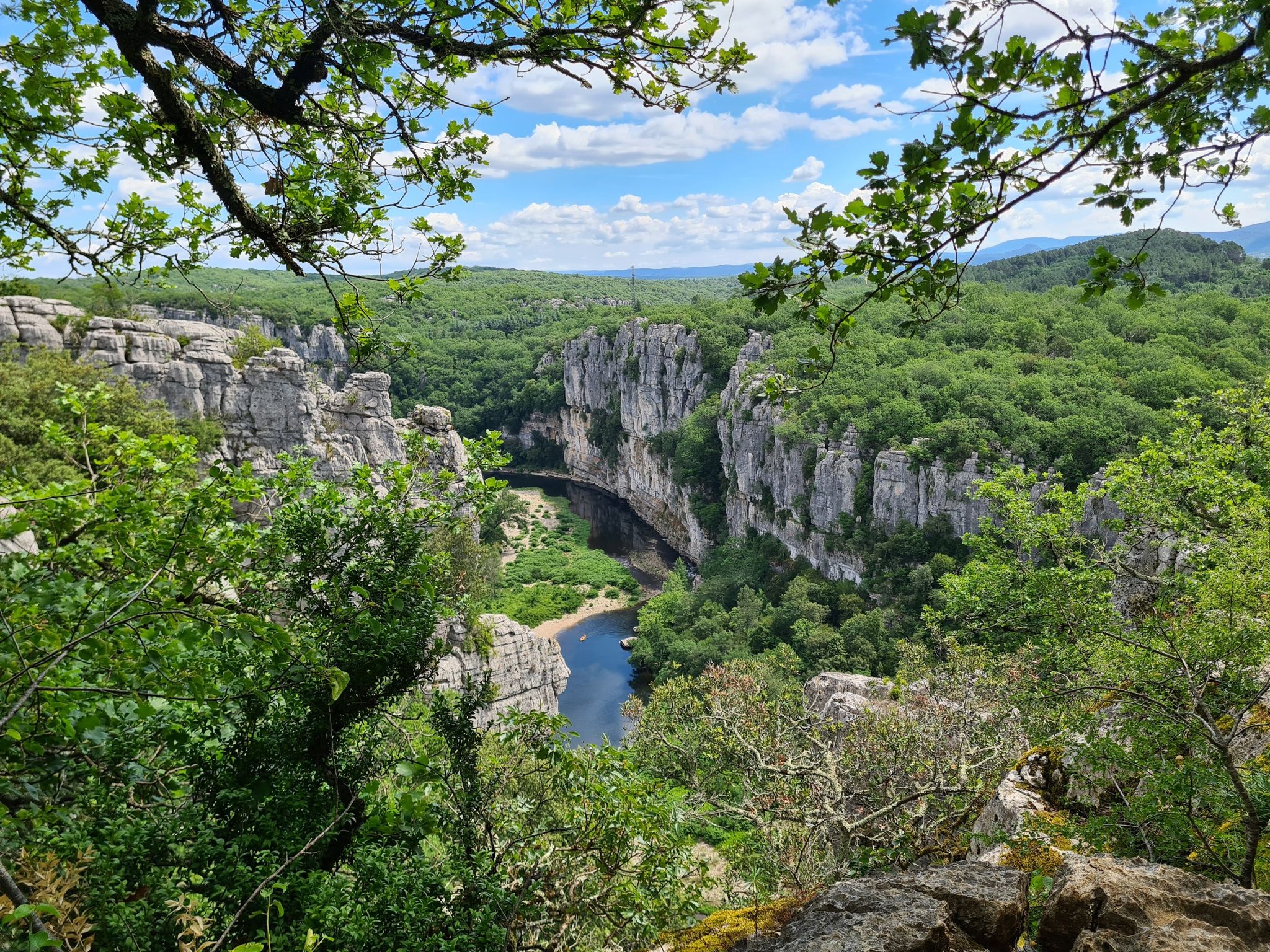
Hexatrek – The Cévennes to the Pyrenees between gorges and limestone plateau
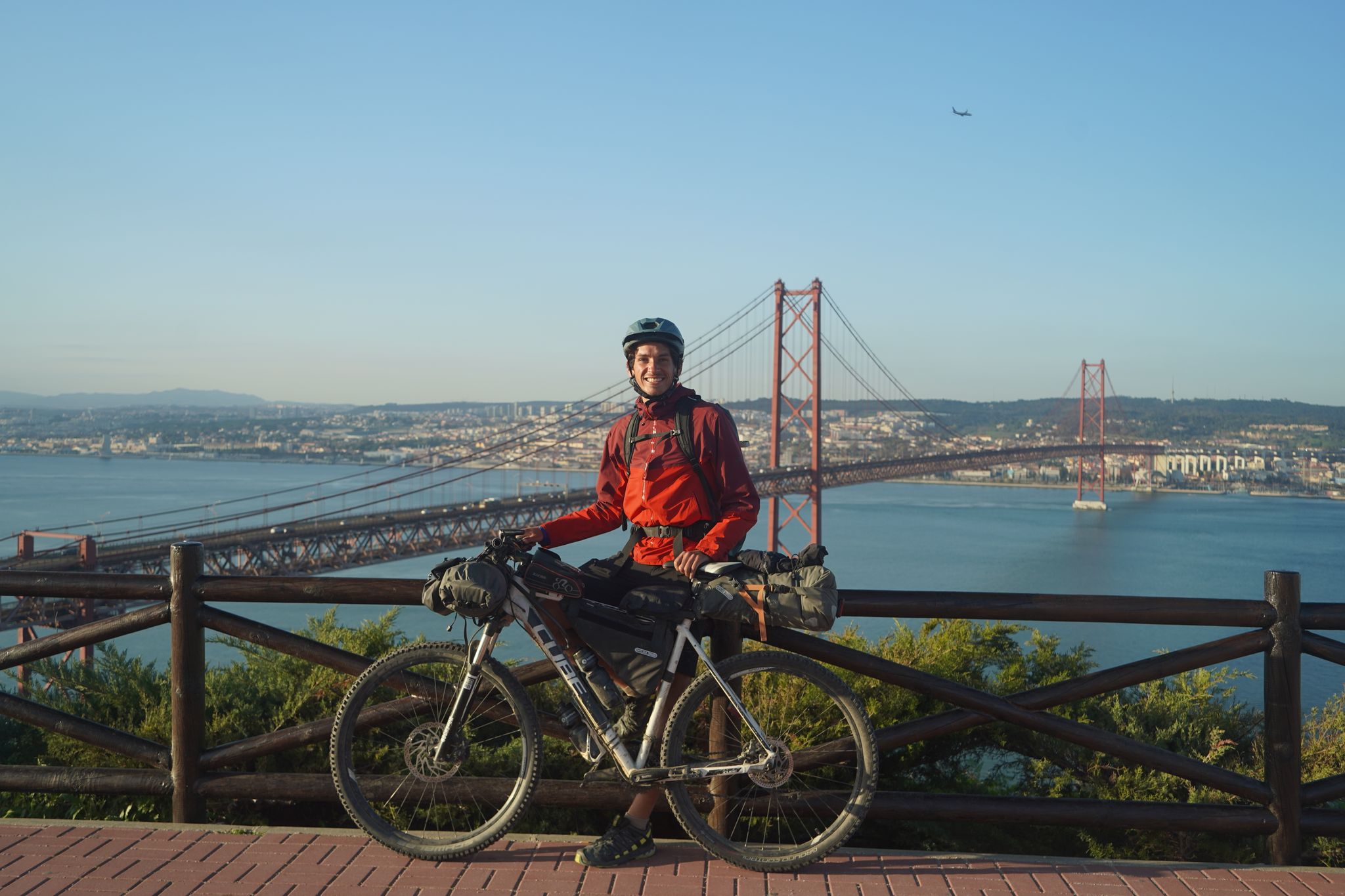
Road to Lisbon – bikepacking the Alps, Pyrenees and Picos de Europa
Follow the sun – riding from Germany to the south of France
From Marseille to Montpellier — France's south coast by bike
Via Rhôna — cycling the Rhone Valley Way from Lyon to the Mediterranean
Cap d’Agde by bike – a unique terroir and wines with character
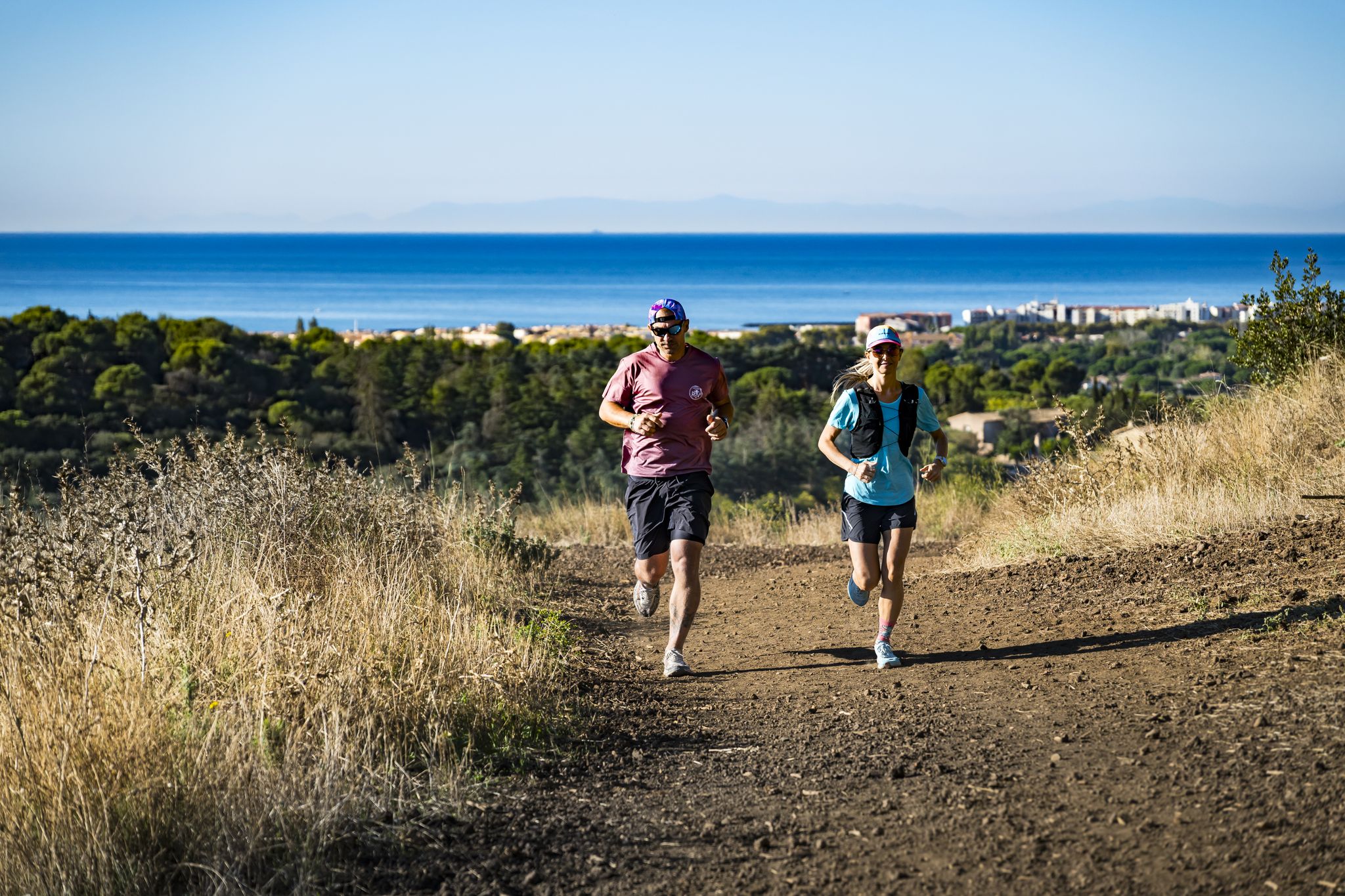
Running the trails and races of the Cap d’Agde
Other adventures in Hérault


Tips from the Community

Once at the summit, the effort is well rewarded: a magnificent 360° panorama opens up over the Cabrières mountains, the vast Languedoc plain, and the Mediterranean. In clear weather, the view extends as far as the Pyrenees and, sometimes, to Mont Ventoux. On the other side, while Mont Saint-Baudille can be seen in the distance, the relief of Liausson, the dolomitic cirque of Mourèze, the Lousses, and Mont Mars create a spectacular setting. The Pic de Vissou also tells a story: about 470 to 450 million years ago, in the Ordovician period, fine sediments were deposited in a marine environment before transforming into shales. In the Devonian period, between about 390 and 360 million years ago, the sea saw the formation of white limestones, rich in marine fossils, but also red griotte limestones, whose color is linked to iron oxides. In the Carboniferous period, about 350 to 330 million years ago, lydites, dark siliceous rocks, appeared, as well as fine sediments that would become shales. Then the formation of the Hercynian chain disrupted this whole area: the rocks were deformed and displaced. At Vissou, ancient terrains are thus found above younger terrains, testifying to a complex tectonic history. Erosion then shaped the current relief.
3
0
The panorama that unfolds before you is the legacy of intense volcanic activity. Several edifices were built in this same area: Mont Saint-Loup, to the northeast, today the highest (113 m), whose first eruptions date back to about 950,000 years ago; Mont Saint-Martin, to the south, which today culminates at 55 m; and Petit Pioch, to the east, whose cone probably reached nearly 80 m before being heavily scarred by the exploitation of pozzolana. These three reliefs correspond to three distinct Strombolian cones, and not to the eroded fragments of a single large volcano. With two other emission points, they belonged to a larger volcanic complex forming a maar. Volcanic activity continued for about 50,000 years, before ending with the last eruptions of Petit Pioch.
3
0
A remarkable geological site, worthy of the legend of the fairies! The rock that constitutes it is sandstone with a carbonate cement, but it is not limestone. Differential erosion, which wears away the less resistant parts of the rock more quickly, has gradually sculpted its surface and formed natural basins (rounded hollows in which water can accumulate). According to legend, on full moon nights, after the rain, the fairies come to wash their laundry in these small basins carved into the sandstone, before spreading it out on the rocks. In Occitan, the place is called "L’espandidou das Fadas".
3
0

Completely crazy as a place, it's worth the descent and the climb back up in the furnace!
0
0

The dinosaur egg-laying sites, the red lands, the white rocks, and the Fairy's Waslijn are among the most remarkable geological sites in the municipality. The Fairy's Waslijn is worth the detour as it is an original formation of limestone rocks, deposited at the beginning of the Tertiary era, during the foldings of the Pyrenean-Provençal chain, on a continental plain episodically crossed by rivers.
0
0

One of the most beautiful lakes in France, clearly!!
0
0
Cross the dam and climb up to admire the lake from the heights, it's magnificent !!
0
0

A magical place, ideal for taking a break by the water.
0
0
Frequently Asked Questions
What types of natural monuments can I explore in Hérault?
Hérault offers a diverse range of natural monuments, including dramatic cirques like the Cirque de Navacelles and the Cirque de Mourèze with its unique rock formations. You can also find impressive gorges such as the Hérault Gorges and Gorges d'Héric, prominent peaks like Pic Saint-Loup and Mount Saint-Loup, and serene coastal natural reserves like Bagnas and Grande Maïre.
Are there natural monuments in Hérault suitable for families?
Yes, several natural monuments in Hérault are family-friendly. The Salagou Dam and Lac du Salagou area are great for various activities. The Hérault Gorges, particularly near the Pont du Diable, offer supervised swimming beaches. Coastal reserves like Bagnas and Grande Maïre are also suitable for tranquil exploration and wildlife observation. Additionally, the paths around Mount Saint-Loup are easy to walk.
What are some popular hiking opportunities around Hérault's natural monuments?
Hérault is excellent for hiking. You can explore the Cirque de l'Infernet and Les Fenestrelles, Saint-Guilhem Trail, known for its beautiful landscape and rocky terrain. The Caroux Massif and Gorges d'Héric offer trails for nature enthusiasts, and a roughly one-hour walk to the summit of Pic Saint-Loup provides breathtaking vistas. For more options, consider exploring the routes in our Hiking in Hérault guide.
Where can I find natural pools or waterfalls for swimming in Hérault?
The Hérault Gorges are ideal for wild swimming, with numerous spots along the Hérault River, including a supervised beach near the Pont du Diable. The Gorges d'Héric, within the Caroux Massif, feature natural rock pools perfect for refreshing dips. The Gouffre du Cerisier Natural Pool and Waterfall is a well-appointed rock pool with clear waters, though it can get crowded on sunny days. You can find more waterfall hikes in our Waterfall hikes in Hérault guide.
What geological features are prominent in Hérault's natural monuments?
Hérault is rich in geological wonders. The Cirque de Navacelles is a colossal natural amphitheater carved by the Vis River. The Lac du Salagou area is famous for its striking red earth (ruffes) landscape, while the Cirque de Mourèze features fantastical dolomite rock columns sculpted by millions of years of erosion. You can also find ancient volcanic formations like Mount Saint-Loup, and impressive limestone cliffs in the Hérault Gorges.
What is the best time of year to visit the natural monuments in Hérault?
The spring and autumn months are generally ideal for visiting Hérault's natural monuments. The weather is pleasant for hiking and outdoor activities, and the landscapes are vibrant. Summer can be very warm, making water-based activities in the gorges and lakes particularly appealing. Some sites, like the Ravin des Arcs, are best visited outside of summer when the stream bed is less likely to be dry.
Are there any natural monuments in Hérault that offer panoramic views?
Absolutely. Pic Saint-Loup, at 658 meters, offers expansive panoramic views of the Cévennes, the Mediterranean Sea, and even distant views of Canigou and Mont Ventoux. The Orientation table at Mont Caroux provides wonderful distant views from about 1100 meters altitude. The Cirque de Mourèze Viewpoint offers a magnificent panorama over the entire cirque, and Mount Saint-Loup provides a spectacular panorama of the coastline and hinterland.
Can I find easy walking trails among the natural monuments?
Yes, there are several easy walking trails. The paths around Mount Saint-Loup are considered easy to walk and offer magnificent views. Many areas around the lakes and coastal reserves also provide gentle routes suitable for leisurely strolls. For more options, you can consult our Easy hikes in Hérault guide.
What do visitors particularly enjoy about the natural monuments in Hérault?
Visitors frequently praise the stunning landscapes and unique geological formations. The Cirque de l'Infernet and Les Fenestrelles, Saint-Guilhem Trail is noted for its wonderful landscape and beautiful hiking. The Cirque de Mourèze Viewpoint is admired for its impressive rock formations and spectacular views. Many also appreciate the clear waters and splendid settings of natural pools like the Gouffre du Cerisier.
Are there any coastal natural reserves to visit in Hérault?
Yes, Hérault features significant coastal natural reserves. The Bagnas National Nature Reserve near Agde, a former salt marsh, is a haven for unique fauna and flora, including lagoons and reed beds. Grande Maïre in Portiragnes is another preserved ecosystem with dunes, ponds, and salt marshes, known for the rare Spanish Iris. These sites are perfect for observing diverse wildlife in protected natural landscapes.
How long should I plan for a visit to the Cirque de Navacelles?
To fully appreciate the Cirque de Navacelles, plan for at least half a day to a full day. This allows time to take in the views from the belvederes, hike down to the picturesque village of Navacelles at its heart, and explore along the Vis River. There are various hiking trails, including longer routes that can take several hours.
Are there any natural monuments with historical significance in Hérault?
Yes, some natural monuments are intertwined with historical sites. The Hérault Gorges are home to the Pont du Diable (Devil's Bridge), an 11th-century structure and UNESCO World Heritage site. The nearby medieval village of Saint-Guilhem-le-Désert also adds a historical dimension to the natural beauty of the gorges. Additionally, the Salines de Villeneuve Nature Reserve has historical significance as a former salt marsh.
Most popular routes in Hérault
Most popular attractions in Hérault

Get inspired with the komoot mobile app


Didn’t find what you were looking for?
Find even more amazing natural monuments in Hérault by checking out the top Highlights region by region:
Explore more
Extend your search for the best caves by checking out these guides of the top ones in Hérault:
