The best running trails in Hérault
4.4
(2735)
118,684
runners
4,804
runs
Jogging in Hérault offers a diverse range of natural landscapes, from Mediterranean coastlines and wetlands to scrublands, vineyards, and medium-sized mountains. The region features distinctive red earth landscapes around lakes, limestone gorges, and varied terrain suitable for different fitness levels. Runners can explore trails winding through holm oak forests, past unique geological formations, and along sandy beaches. This variety provides extensive options for running routes and trail running experiences.
Best jogging routes in Hérault
- The most popular jogging route is…
Last updated: October 24, 2026
4.4
(8)
598
runners
24.0km
02:48
300m
300m
Hard run. Very good fitness required. Mostly paved surfaces.
4.3
(4)
546
runners
5.62km
00:52
310m
310m
Hard run. Very good fitness required. Mostly paved surfaces.

4.8
(5)
402
runners
21.1km
02:56
820m
820m
Hard run. Very good fitness required. Mostly paved surfaces.
4.3
(3)
150
runners
10.4km
01:27
380m
380m
Hard run. Very good fitness required. Mostly paved surfaces.
4.5
(4)
123
runners
8.93km
00:59
130m
130m
Moderate run. Good fitness required. Mostly runnable paths. Some sure-footedness required.
3.0
(1)
98
runners
10.6km
01:26
300m
290m
Moderate run. Good fitness required. Mostly paved surfaces.
4.7
(3)
67
runners
16.0km
01:46
50m
50m
Hard run. Very good fitness required. Mostly runnable paths. Some sure-footedness required.
4.4
(7)
45
runners
8.01km
00:55
100m
100m
Moderate run. Good fitness required. Mostly paved surfaces.
5.0
(5)
56
runners
Moderate run. Good fitness required. Mostly paved surfaces.
66
runners
11.3km
01:35
550m
560m
Hard run. Very good fitness required. Mostly paved surfaces.
Get access to more routes and recommendations from other explorers.
Already have an account?
Our route recommendations are based on thousands of hikes, rides, and runs completed by other people on komoot.
Start today with a free account
Your next adventure awaits.
Popular around Hérault

Running Trails in Haut-Languedoc
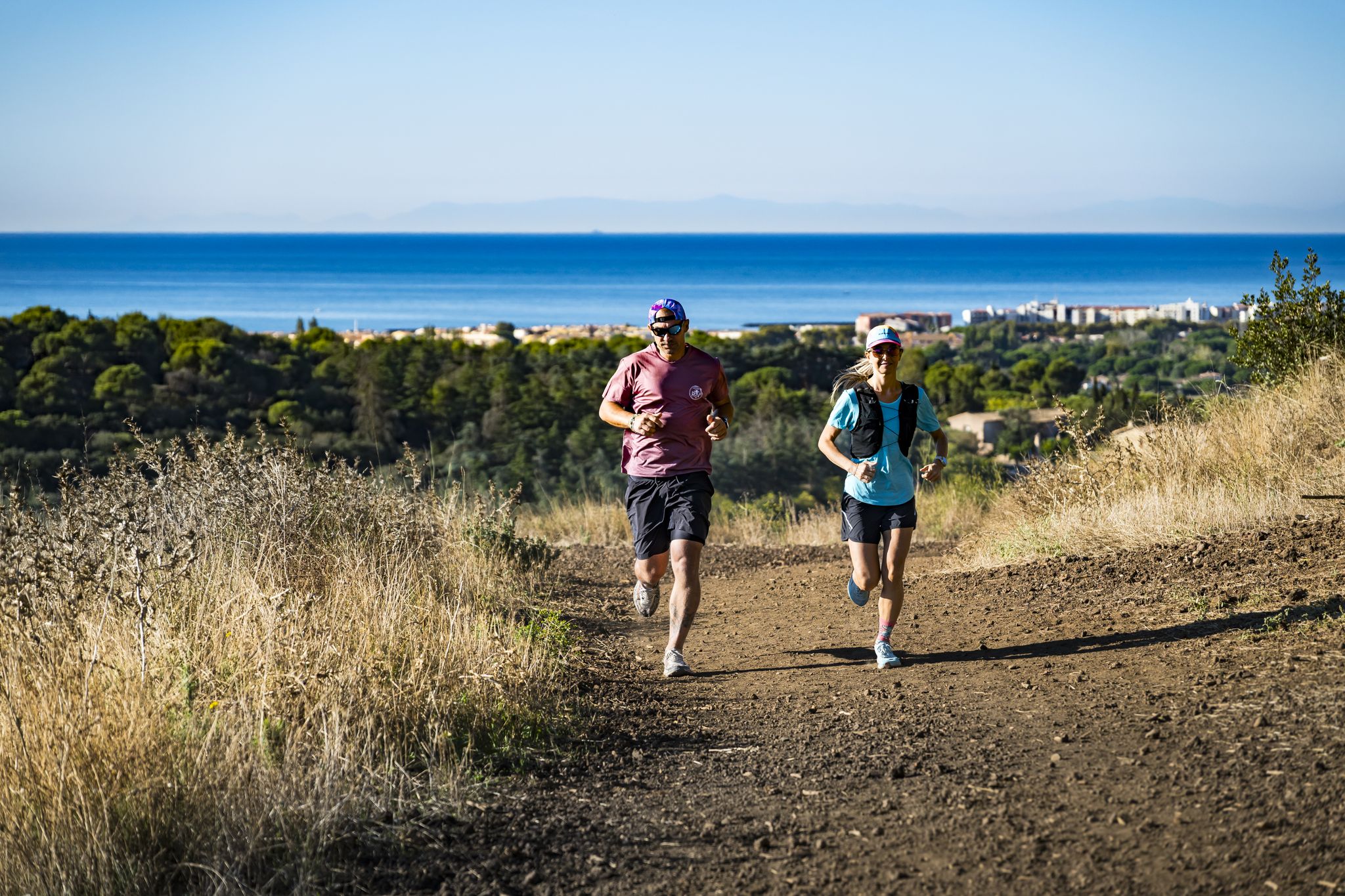
Running the trails and races of the Cap d’Agde
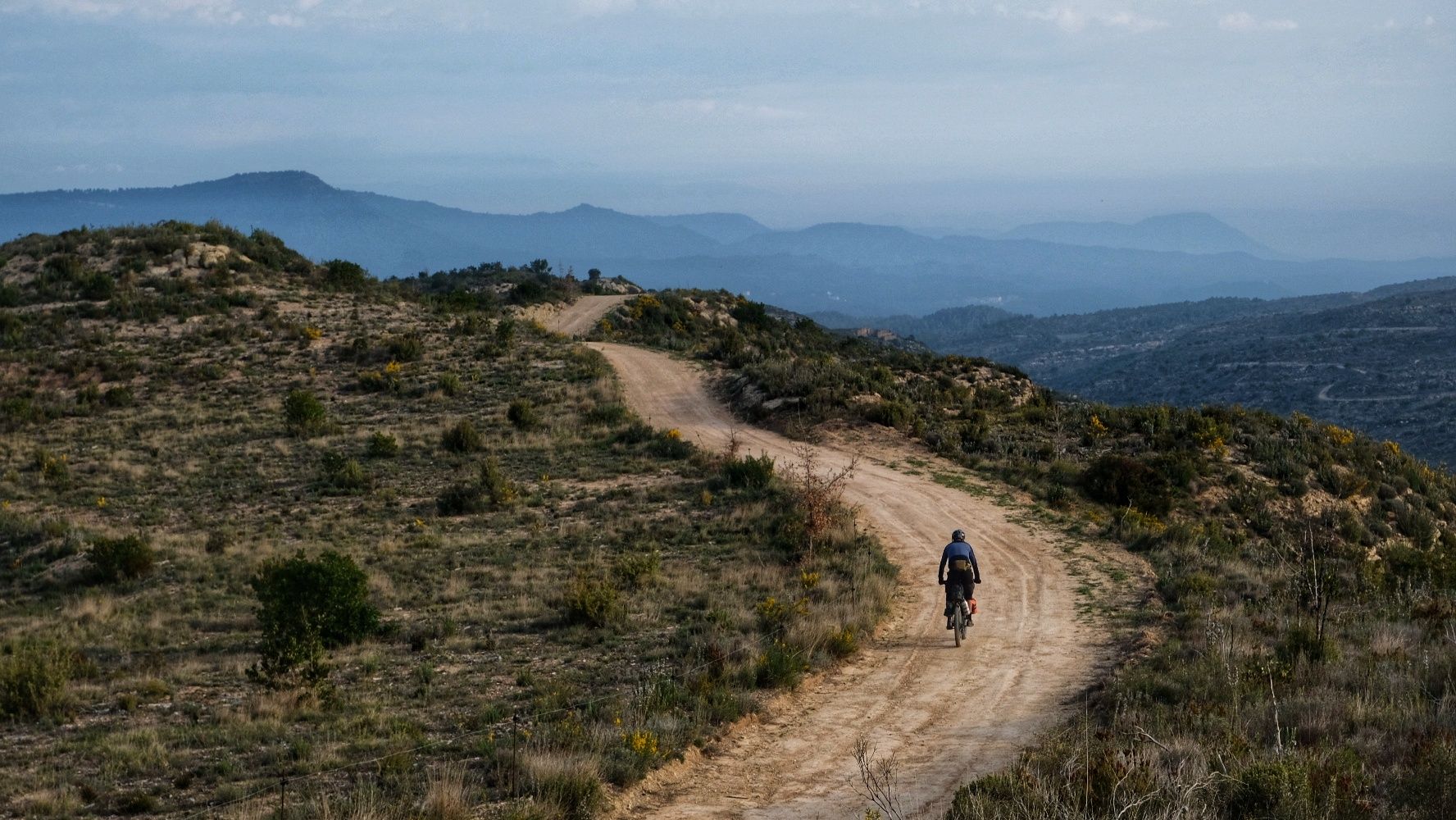
European Divide Trail — 7,600 km across the continent
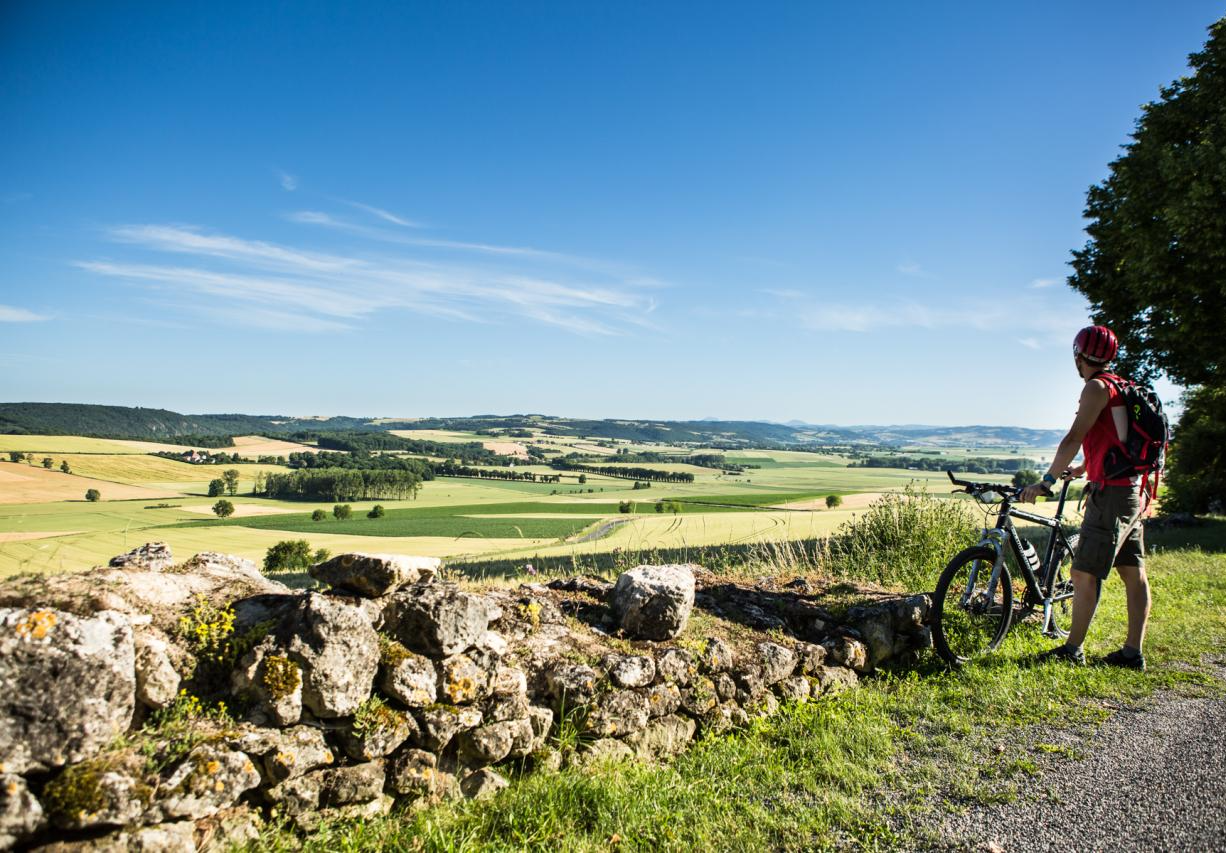
The Grande traversée du Massif Central by gravel bike
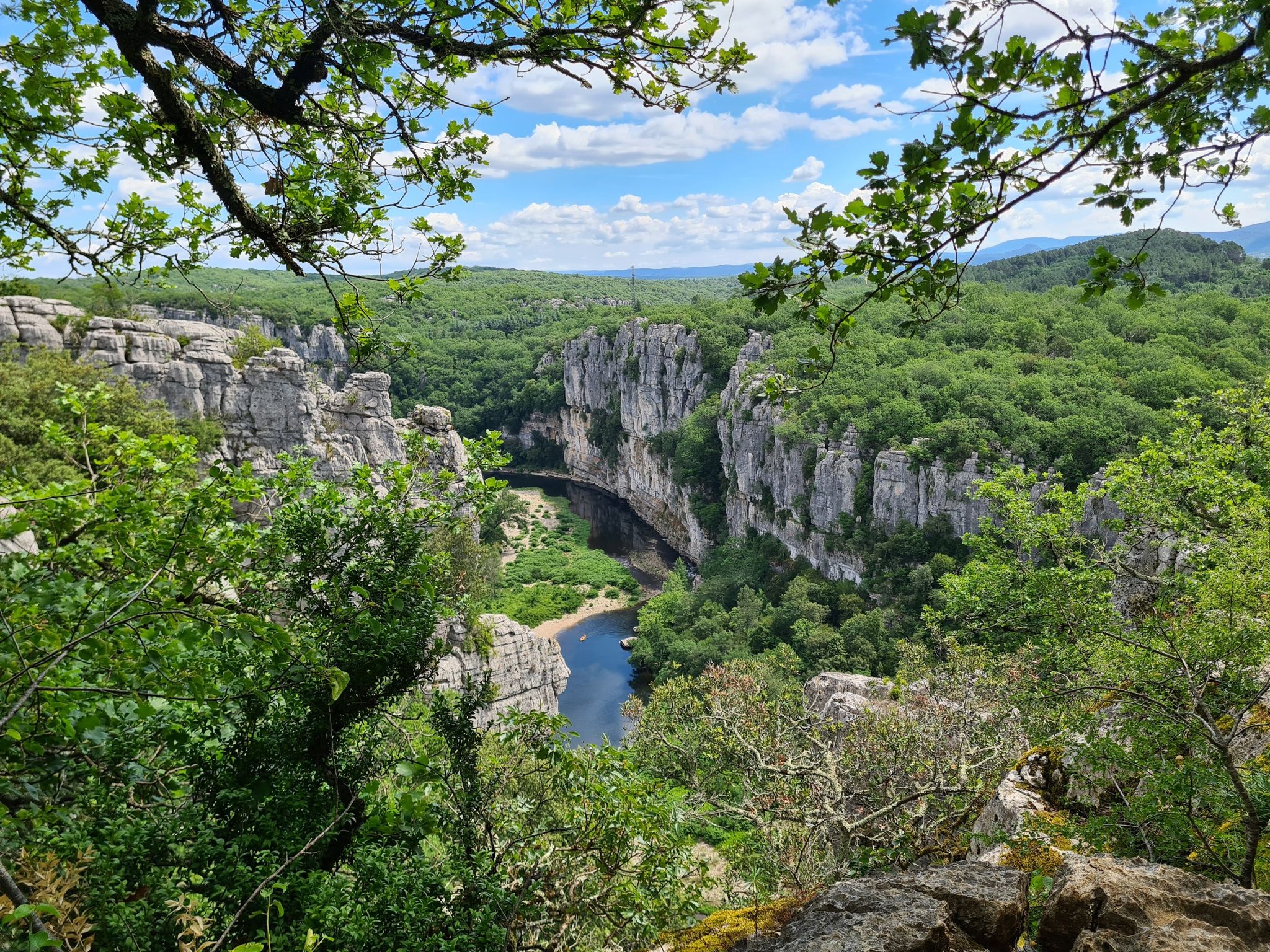
Hexatrek – The Cévennes to the Pyrenees between gorges and limestone plateau
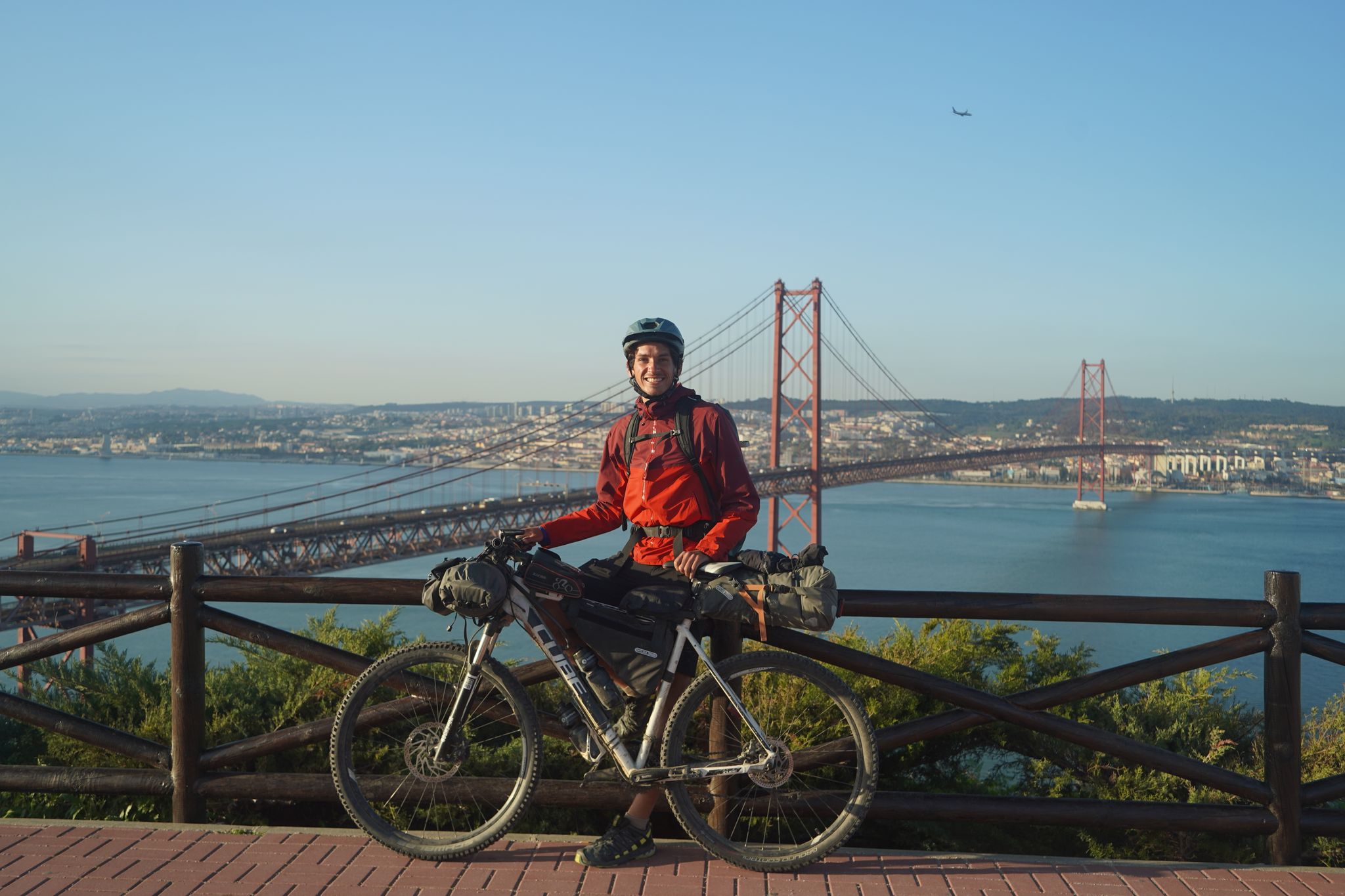
Road to Lisbon – bikepacking the Alps, Pyrenees and Picos de Europa
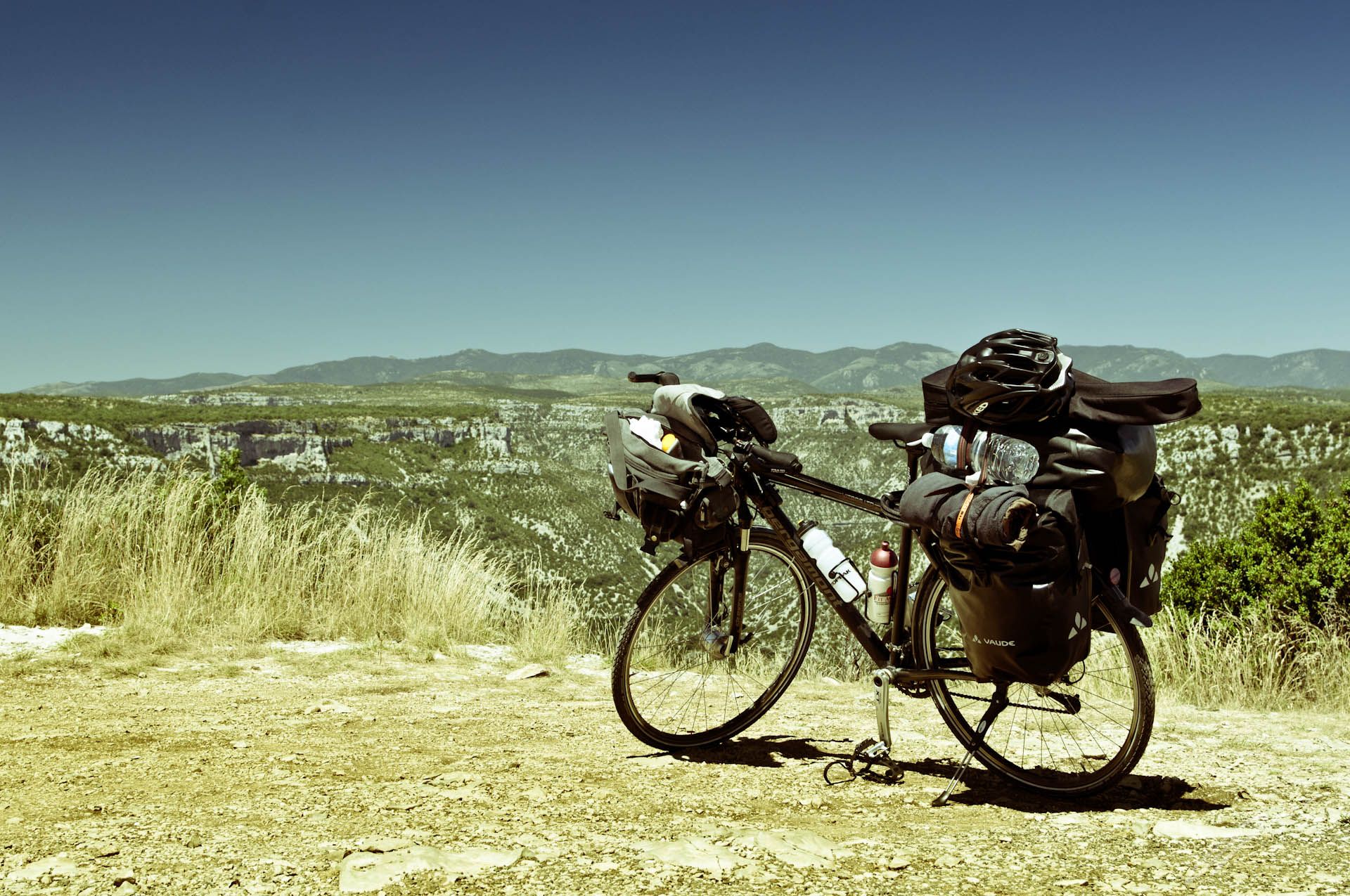
Follow the sun – riding from Germany to the south of France
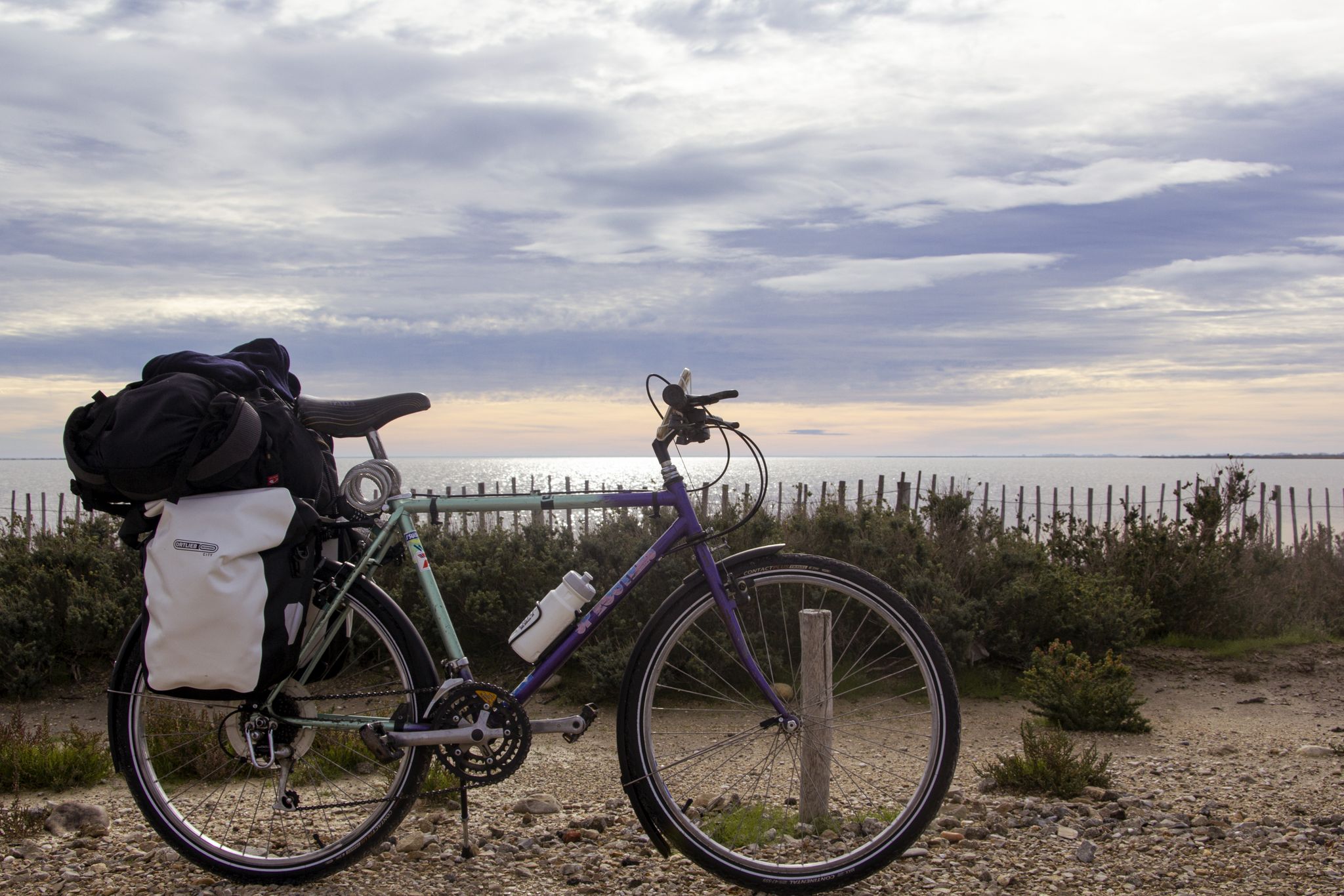
From Marseille to Montpellier — France's south coast by bike
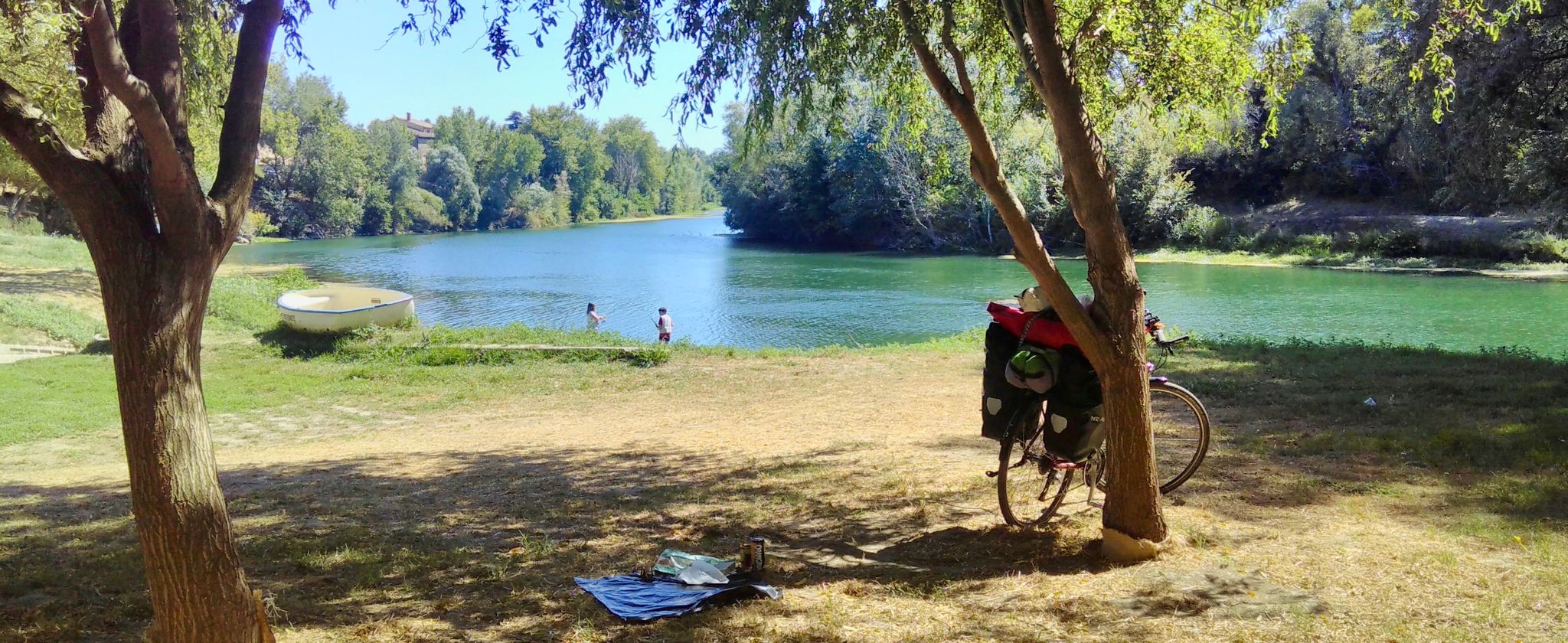
Via Rhôna — cycling the Rhone Valley Way from Lyon to the Mediterranean
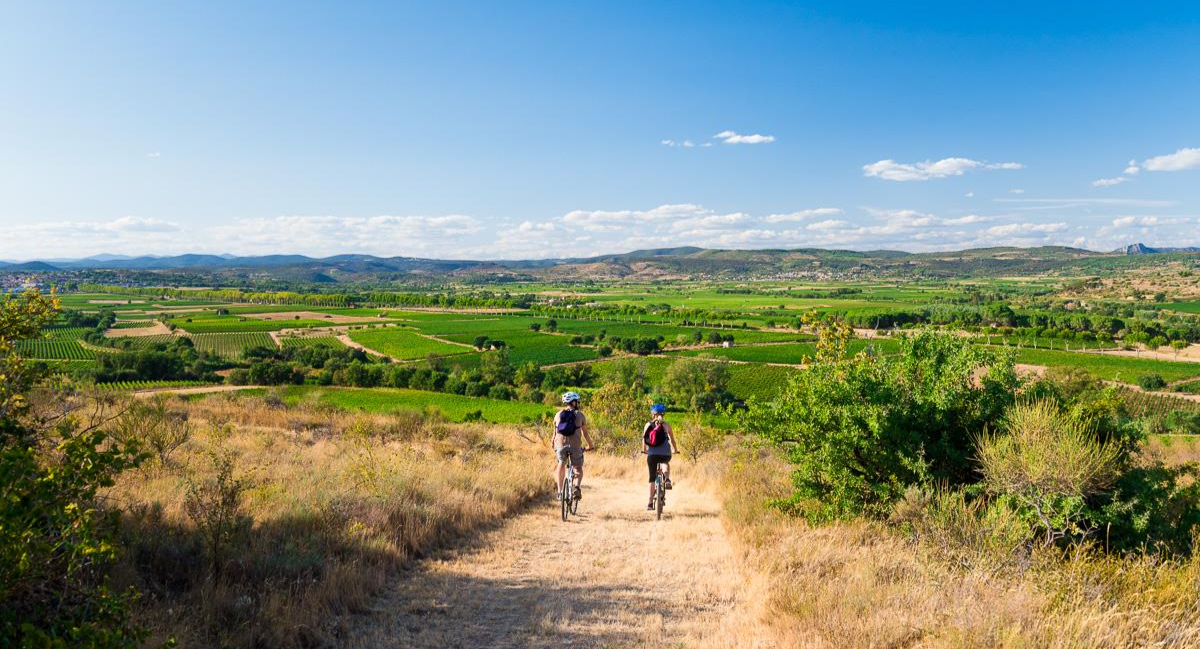
Cap d’Agde by bike – a unique terroir and wines with character
Other adventures in Hérault


Tips from the Community

Once at the summit, the effort is well rewarded: a magnificent 360° panorama opens up over the Cabrières mountains, the vast Languedoc plain, and the Mediterranean. In clear weather, the view extends as far as the Pyrenees and, sometimes, to Mont Ventoux. On the other side, while Mont Saint-Baudille can be seen in the distance, the relief of Liausson, the dolomitic cirque of Mourèze, the Lousses, and Mont Mars create a spectacular setting. The Pic de Vissou also tells a story: about 470 to 450 million years ago, in the Ordovician period, fine sediments were deposited in a marine environment before transforming into shales. In the Devonian period, between about 390 and 360 million years ago, the sea saw the formation of white limestones, rich in marine fossils, but also red griotte limestones, whose color is linked to iron oxides. In the Carboniferous period, about 350 to 330 million years ago, lydites, dark siliceous rocks, appeared, as well as fine sediments that would become shales. Then the formation of the Hercynian chain disrupted this whole area: the rocks were deformed and displaced. At Vissou, ancient terrains are thus found above younger terrains, testifying to a complex tectonic history. Erosion then shaped the current relief.
3
0
The panorama that unfolds before you is the legacy of intense volcanic activity. Several edifices were built in this same area: Mont Saint-Loup, to the northeast, today the highest (113 m), whose first eruptions date back to about 950,000 years ago; Mont Saint-Martin, to the south, which today culminates at 55 m; and Petit Pioch, to the east, whose cone probably reached nearly 80 m before being heavily scarred by the exploitation of pozzolana. These three reliefs correspond to three distinct Strombolian cones, and not to the eroded fragments of a single large volcano. With two other emission points, they belonged to a larger volcanic complex forming a maar. Volcanic activity continued for about 50,000 years, before ending with the last eruptions of Petit Pioch.
3
0

One of the most beautiful lakes in France, clearly!!
0
0
Cross the dam and climb up to admire the lake from the heights, it's magnificent !!
0
0


Beautiful aqueduct built to supply the park and gardens with water.
0
0

Everyone knows the Pont du Gard, but the Castries aqueduct, much less well-known, is definitely worth the detour (to say the least). A very beautiful hike (possibly parking nearby) done in bright sunshine in the early afternoon, which allowed us to be in a solitary and dry landscape, but where the impressive arches of the aqueduct unfold majestically. An appreciable tranquility in the middle of the past. Superb photos are possible, and the loop allows you to see the covered conduit bringing the water. Sometimes at ground level and sometimes on the arches (there it is no longer covered), it is obviously no longer supplied. The interest is to stroll afterwards (or before) in the village in order to see the "urban" part of the aqueduct.
0
0
Frequently Asked Questions
How many running routes are available in Hérault?
Hérault offers a vast network of trails for runners. You can find over 4600 running routes documented on komoot, catering to various preferences and fitness levels.
What do other runners enjoy most about the trails in Hérault?
The running routes in Hérault are highly rated by the komoot community, with an average score of 4.3 stars from over 2000 reviews. Runners frequently praise the diverse landscapes, from coastal paths to challenging mountain trails, and the unique natural beauty of the region.
Are there running routes suitable for beginners in Hérault?
Yes, Hérault provides options for all abilities. There are over 470 easy running routes, perfect for beginners or those looking for a relaxed jog. These often include flat paths along the coast or through pine forests.
What kind of terrain can I expect on running trails in Hérault?
Hérault boasts incredibly diverse terrain. You can run along Mediterranean coastlines, through distinctive red earth landscapes around lakes like Lac du Salagou, or explore limestone gorges and medium-sized mountains. The region also features scrublands, vineyards, and holm oak forests, offering a varied experience for every run.
Can I find running routes near water features like lakes or gorges?
Absolutely. Hérault is rich in water features. You can run around the stunning Lac du Salagou with its red earth backdrop, or explore trails winding through the spectacular Hérault Gorges, including the iconic Pont du Diable. The wild Héric Gorges in the Haut-Languedoc Regional Natural Park also offer beautiful trails with waterfalls and rivers.
Are there running trails that offer panoramic views in Hérault?
Yes, many routes provide breathtaking vistas. For challenging trails with rewarding views, consider Le Pic Saint-Loup, which offers panoramic views of the surrounding region. Other areas like Mont Baudille and the Crêtes du Vissou also provide remarkable panoramas stretching from vineyards to the sea and mountains.
Are there family-friendly running routes in Hérault?
While specific 'family-friendly' routes aren't always explicitly marked, many of the easy and moderate trails are suitable for families. Look for routes with minimal elevation gain and shorter distances, such as those found along the coast or in urban parks like the Zoo du Lunaret in Montpellier, which offers an 80-hectare pine forest for relaxed runs.
Are dogs allowed on the running trails in Hérault?
Generally, dogs are welcome on many outdoor trails in Hérault, especially in natural areas. However, it's always best to keep them on a leash, particularly in protected natural parks or areas with livestock. Some specific routes or nature reserves might have restrictions, so checking local signage is advisable.
Can I find circular running routes in Hérault?
Yes, Hérault offers numerous circular running routes, perfect for exploring without retracing your steps. Examples include The tour of the Lac du Salagou, Roc de la Vigne - Cirque de l'Infernet, and Les Salines, which provide scenic loops through diverse landscapes.
What are some unique natural landmarks I can discover while running in Hérault?
Hérault is home to several unique geological sites. You can run near the UNESCO World Heritage site of the Cirque de Navacelles, a vast natural amphitheater, or explore the Cirque of Mourèze with its distinctive dolomite rock formations. The Ravin des Arcs near Pic Saint-Loup also features unique rimstones and rocky arches.
Are there running routes near Montpellier or Cap d'Agde?
Yes, both areas offer great running opportunities. Near Montpellier, the Zoo du Lunaret provides an ideal urban escape with an 80-hectare pine forest. For Cap d'Agde, you can explore routes around Le Mont Saint-Loup, an ancient volcano, offering interesting paths with coastal views.
What is the best time of year to go running in Hérault?
Hérault's Mediterranean climate makes outdoor activities enjoyable year-round. Spring and autumn offer pleasant temperatures for running, while summer mornings and evenings are ideal to avoid the midday heat. Even in winter, the mild climate allows for comfortable runs, especially along the coast or in lower elevations.
Are there any running trails that pass through historical or cultural sites?
While many routes focus on natural beauty, some trails, particularly those around villages like Saint-Guilhem-le-Désert, offer glimpses of historical architecture. The Hérault Gorges area, for instance, is close to the medieval village of Saint-Guilhem-le-Désert, a popular starting point for runs, and features the ancient Pont du Diable. For more information on the Hérault Gorges, you can visit visit-occitanie.com.
Most popular routes in Hérault
Most popular attractions in Hérault

Get inspired with the komoot mobile app


Didn’t find what you were looking for?
Check out more Running Trails & Routes throughout Hérault below and find the perfect route in your destination.
Explore more
Browse the best Running Trails & Routes in other regions.
