Top 20 Natural Monuments in Viterbo
Best natural monuments in Viterbo are found in a region shaped by its volcanic past, offering diverse natural landscapes. Viterbo, located in the Lazio region of Italy, features serene lakes, therapeutic hot springs, and verdant mountains. These sites provide opportunities to explore geological formations and rich ecosystems. The area's natural features include volcanic lakes and ancient forests.
Best natural monuments in Viterbo
- The most popular natural monuments is Lake Bolsena, a lake that is the largest volcanic lake in…
Last updated: August 20, 2026
Lake Bolsena
Highlight • Lake
Translated by Google •
Tip by

Devil’s Well Cave (Monte Venere)
Highlight • Cave
It is a mountain of volcanic origin that reaches a height of 835 m asl.
Translated by Google •
Tip by

Sign up now to discover places like this
Get recommendations on the best single tracks, peaks, & plenty of other exciting outdoor places.
Sign up for free
Etruscan Pyramid of Bomarzo
Highlight • Historical Site
Translated by Google •
Tip by

Corchiano Historic Village and Gorges
Highlight • Settlement
Translated by Google •
Tip by

Orlando Towers and Roman Tombs of Vico Matrino
Highlight • Historical Site
Translated by Google •
Tip by

Strada di Mezzo Trail, Lake Vico Nature Reserve
Highlight • Trail
Tip by

Bagnaccio Thermal Park
Highlight • Natural Monument
Translated by Google •
Tip by

Church of Madonna del Parto (Mithraeum of Sutri)
Highlight • Religious Site
Translated by Google •
Tip by

Vie Cave of Corchiano
Highlight • Natural Monument
Translated by Google •
Tip by
Ancient Stone Bridge in Parco Marturanum
Highlight • Bridge
Translated by Google •
Tip by

Sign up for free to discover even more natural monuments in Viterbo.
Sign up for free
Already have an account?
Start today with a free account
Your next adventure awaits.
Login or Signup
Popular around Viterbo
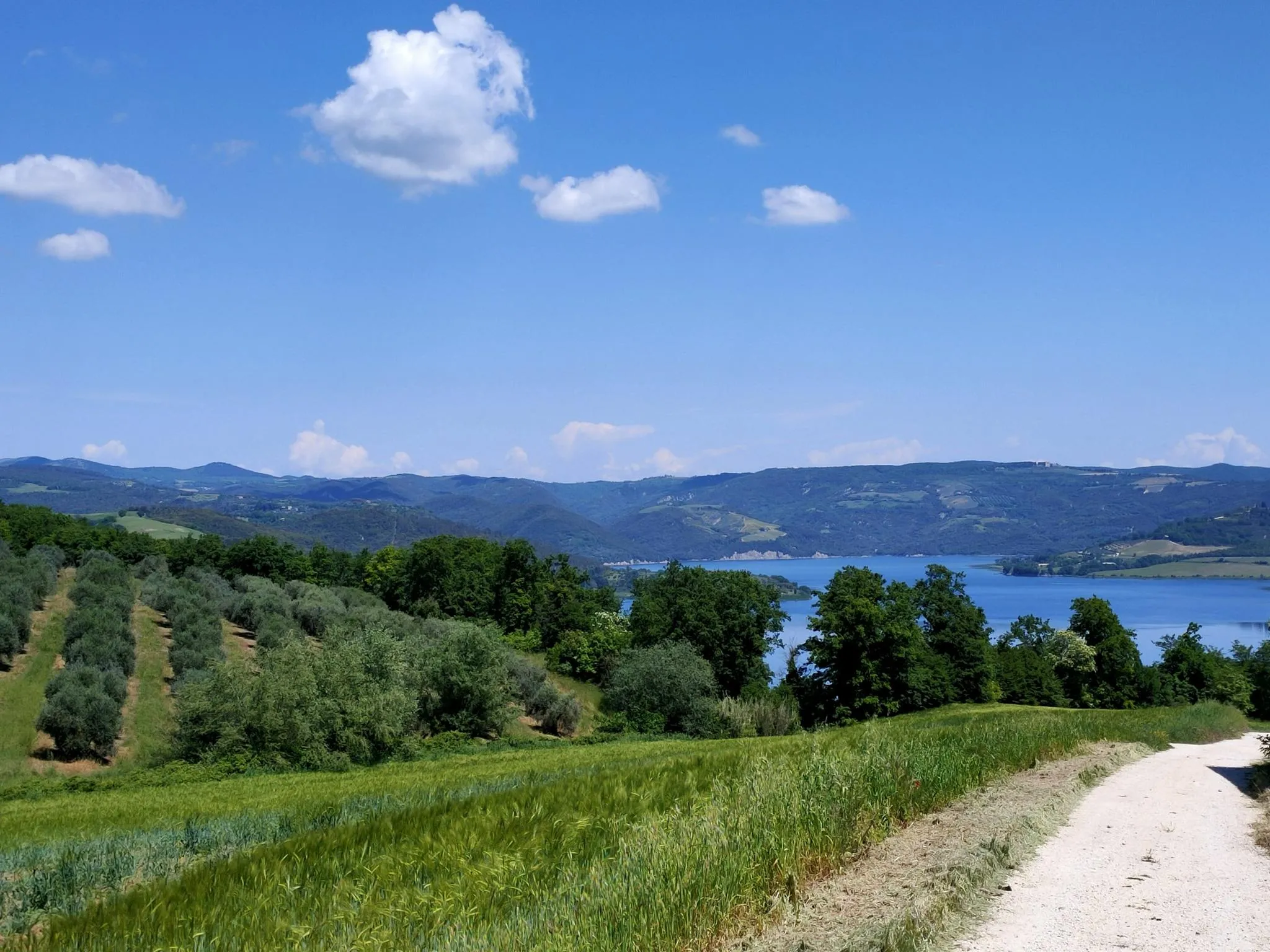
Italian Coast2Coast – From Portonovo to Orbetello
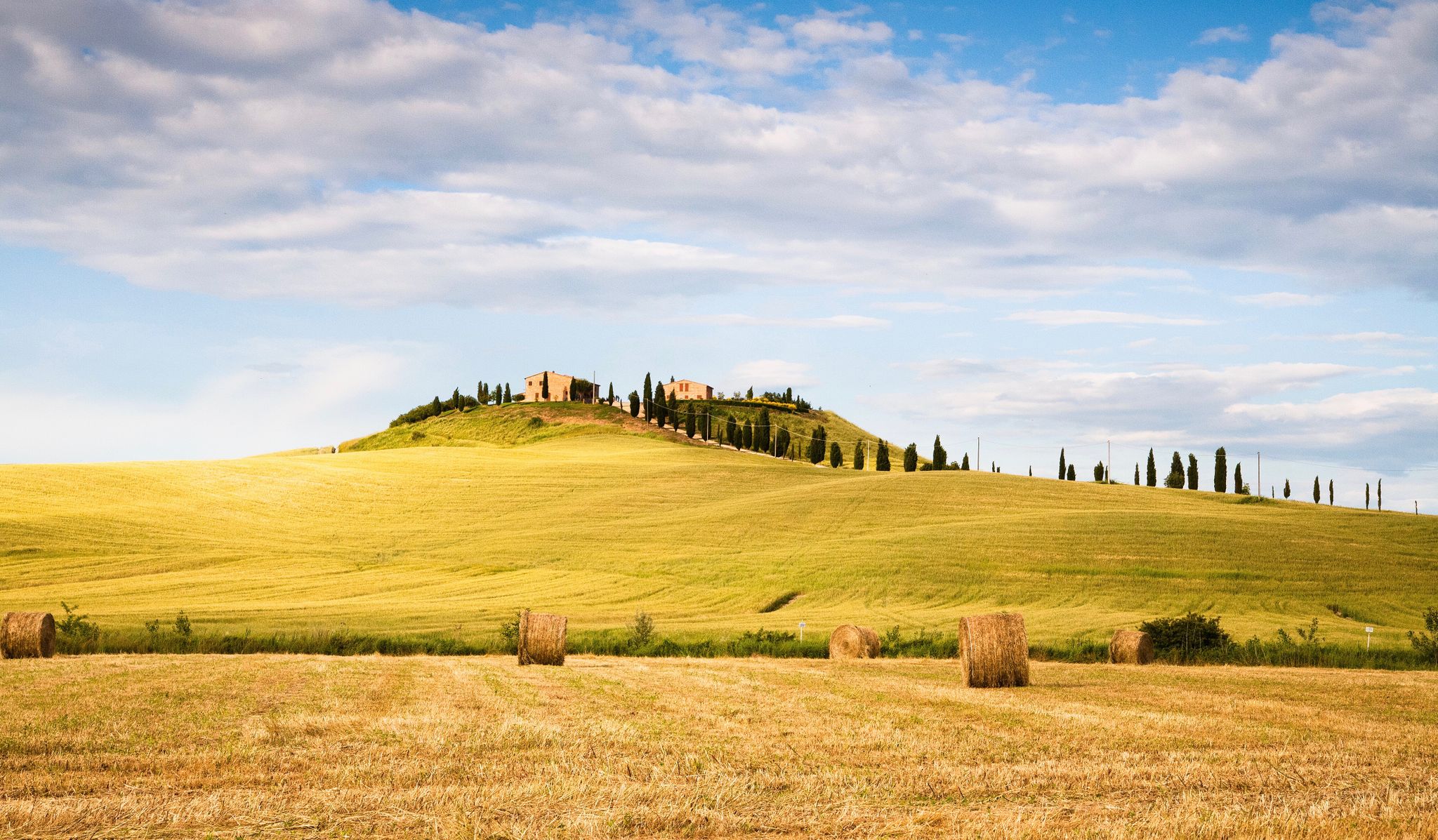
Via Francigena South — Siena to Rome
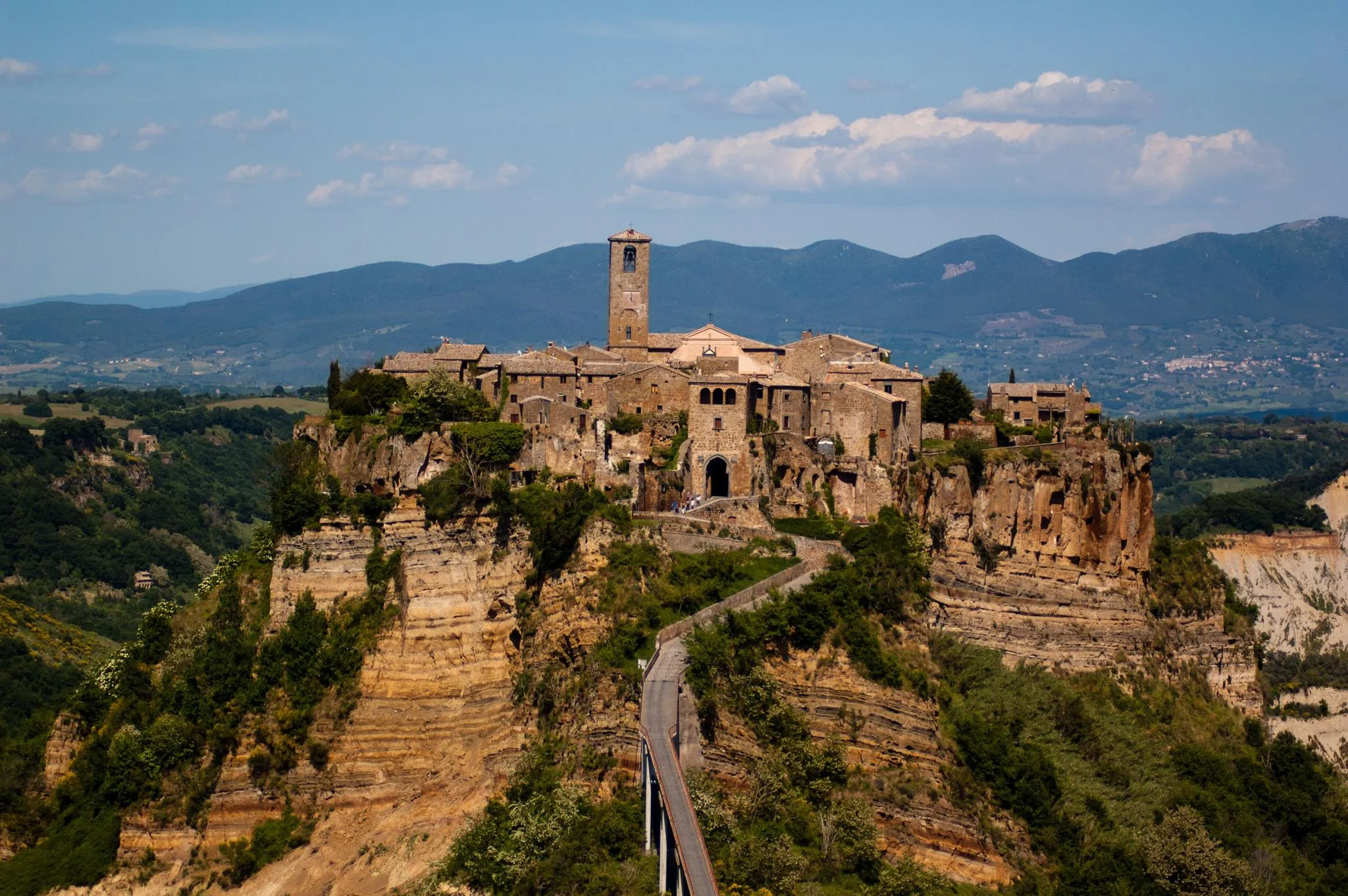
Lazio by bike – suspended villages, turquoise waters and natural parks
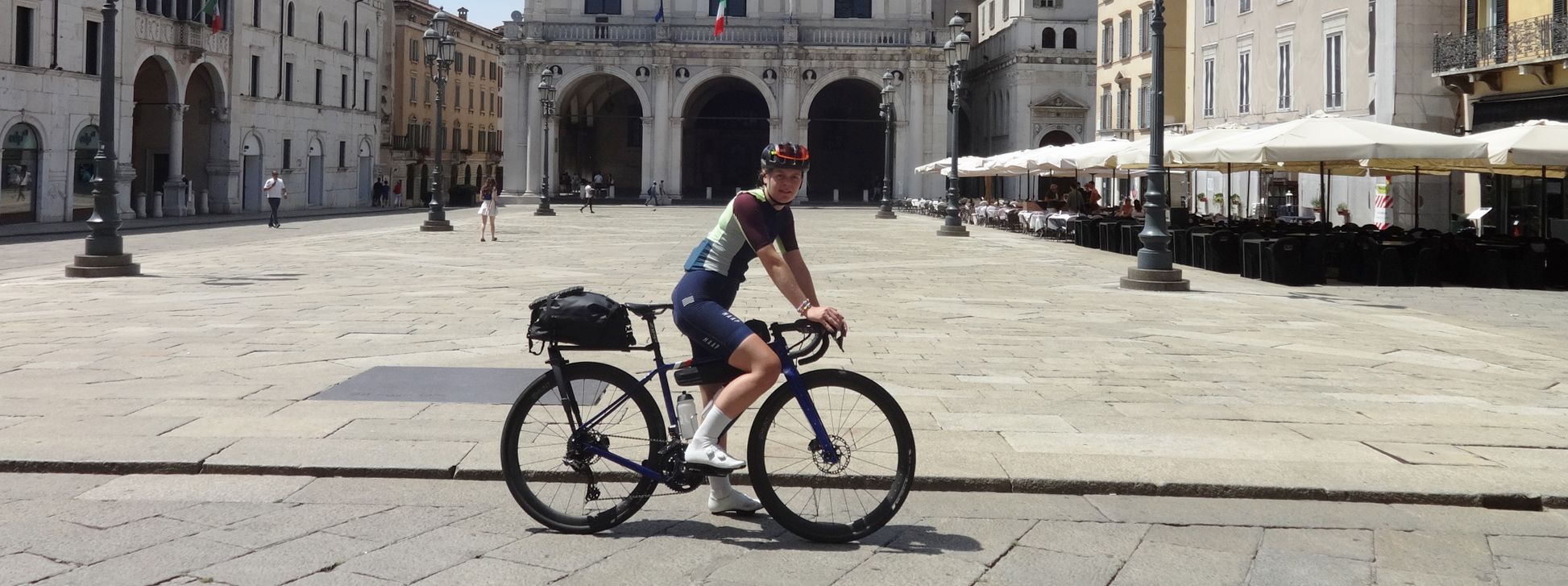
The Pizza Pilgrimage – Milan to Naples, fuelled by pizza
A Grand Tour of Italy – Rome to Milan by bike
Ancient paths and necropolises – the Via Clodia by bike
Cycling from the source to the mouth of the Tiber — the Regina Ciclarum
A cycling pilgrimage — history and nature on Italy’s Via Francigena
Italy’s Coast to Coast – pedalling from the Adriatic to Tyrrhenian Sea
Hiking in Viterbo
Other adventures in Viterbo


Tips from the Community

Okay, the Parco Thermale di Bagnaccio is once again open daily. In winter from 8am to 8pm, in Summer open until 23pm or even midnight! Entry is 5€ for pilgrims with credential (or if you are lucky like me, also without). Else it is 10€. There are three simple changing rooms, some toilets, a snack automat and coffee maschine and, sometimes just outside, a mobile little restaurant selling hot meals.
0
0

About halfway (when you're on the plain near the houses after the woods), be careful not to turn into the tall grass where the app tells you to go, but continue along the road alongside the houses. I encountered a Maremma Sheepdog that came toward me barking. Fortunately, when I calmly turned back, it stopped. Also be careful on the long stretch of dirt road immediately afterward; there are cattle and sheep, along with many dogs. Luckily, the shepherd was there to keep them in check.
0
0
Following this path, just before reaching the devil's well, it is not clear where to go, the path disappears and also the white and red signs. We had to go a bit by intuition and take a very steep climb in the woods to get there. Once we reach the well, the path continues easily until the end.
0
1

Be careful not to lean out!
0
0

Walking along via S. Egidio, you will find the beginning of this short but very suggestive path inside a "via cava" (roads dug through the tuff that connected the bottom of the valley with the territories above and, in other areas, were also used to drain excess water from agricultural land). This via cava is full of caves dug directly into the tuff, probably used as stables or cellars to store wine or food.
0
0
Corchiano is a small town in the province of Viterbo, apparently similar to many others, a little modest... and yet, it has become famous for some events, such as the infiorata, which is held at the end of May and sees the entire town involved in decorating a good part of the streets of the town with flower petals, colored sawdust, coffee grounds and in general any material that can be colored and applied in designs of great beauty. Then, in December, the living nativity scene takes place in a natural setting of great suggestion, finally, the exploration on foot of the ravines should not be overlooked, a true natural monument and archaeological site of great interest... in short, a place that is worth visiting. The difficulty in walking the paths, all equipped, is generally T (tourist) and suitable for all age levels.
1
0

It is a large boulder of shaped and carved peperino stone, located in a forest between Bomarzo and Chia; It was rediscovered in 2001 by the Archeotuscia association and the archaeological company Pro-Ferento. The structure has 26 steps carved into the volcanic rock, with a height of 8 meters in the upstream part and 16 meters in the downstream part. It is believed to have been an Etruscan rock altar, probably dating back to the 6th-7th century BC, although some hypotheses suggest even older origins.
0
0

My husband and I did this trail and a few others for a 13.5 km walk up and down Monte Venere. It was great. Watch out for pozzo del diavolo. My husband fell in, and now I'm looking for a new husband.
0
0
Frequently Asked Questions
What are some of the most popular natural monuments in Viterbo?
Viterbo boasts a variety of popular natural monuments. Among the most cherished are Lake Bolsena, Europe's largest volcanic lake, known for its clear waters and volcanic sand beaches. Another significant site is the Devil’s Well Cave (Monte Venere), located on a volcanic mountain. Visitors also frequently explore the enigmatic Etruscan Pyramid of Bomarzo, an ancient carved rock formation.
Are there natural monuments suitable for families in Viterbo?
Yes, several natural monuments in Viterbo are family-friendly. Lake Bolsena offers ample opportunities for swimming, boating, and picnicking. The Corchiano Historic Village and Gorges provide accessible paths for exploring ravines. Additionally, the Strada di Mezzo Trail in the Lake Vico Nature Reserve is a great option for family walks through the forest.
Where can I experience Viterbo's volcanic lakes?
Viterbo is renowned for its volcanic lakes. You can visit Lake Bolsena, the largest volcanic lake in Europe, perfect for swimming and enjoying its clear waters and black sand beaches. Another significant volcanic lake is Lake Vico, surrounded by a natural reserve, offering serene landscapes and opportunities for birdwatching and tranquil walks.
Are there any thermal springs or wellness-focused natural sites in Viterbo?
Absolutely. The Viterbo area is rich in thermal springs of volcanic origin, known for their therapeutic properties. The Bagnaccio Thermal Park is one such site where you can enjoy relaxing in natural, open-air thermal pools. The famous Bulicame hot springs also offer hyperthermal waters, believed to be beneficial for various conditions.
What kind of historical or archaeological natural monuments can I explore?
Viterbo offers a unique blend of natural beauty and ancient history. The Etruscan Pyramid of Bomarzo is an intriguing carved rock formation with historical significance. The Corchiano Historic Village and Gorges combine a natural ravine system with an archaeological site. You can also find sites like the Church of Madonna del Parto (Mithraeum of Sutri), which is a religious building within a cave, showcasing historical and natural elements.
Can I find hiking trails near Viterbo's natural monuments?
Yes, the region around Viterbo offers numerous hiking opportunities near its natural monuments. For example, the Monti Cimini, including Monte Venere and Monte Fogliano, feature dense forests with trails like the Cima Coppi of Monte Fogliano, which offers panoramic views. You can find more detailed routes and guides for hiking in the area, including waterfall hikes, on komoot.
What is the best time of year to visit Viterbo's natural monuments?
The best time to visit Viterbo's natural monuments largely depends on your preferred activities. Spring (April-May) and autumn (September-October) offer pleasant temperatures for hiking and exploring the forests and lakes. Summer is ideal for swimming in Lake Bolsena or Lake Vico and enjoying the thermal springs. Winter can be quieter, with some sites offering a unique, serene atmosphere, though certain trails might be less accessible.
Are there opportunities for wildlife spotting in Viterbo's natural areas?
Yes, Viterbo's natural monuments are rich in biodiversity. The Lake Vico Natural Reserve, with its marshes and reed beds, is a haven for water birds, including eagles. The Monti Cimini forests are home to captivating fauna, such as wild boars. Birdwatching is also a popular activity along the pristine shores of Lake Bolsena.
Which natural monuments offer panoramic views?
For breathtaking panoramic views, consider hiking to the Cima Coppi of Monte Fogliano in the Monti Cimini range. This summit provides expansive vistas of the surrounding volcanic landscape. Additionally, many spots around Lake Bolsena offer stunning views of the lake and the Monti Volsini.
What are the options for outdoor activities like cycling near Viterbo's natural monuments?
Beyond hiking, Viterbo offers excellent opportunities for cycling. You can find various routes for gravel biking and mountain biking that traverse the diverse landscapes near the natural monuments. These routes often pass by lakes, through forests, and offer a different perspective on the region's natural beauty.
Are dogs allowed at the natural monuments in Viterbo?
Many natural areas and trails in Viterbo are dog-friendly, especially those in open spaces like around Lake Bolsena or within the Monti Cimini forests. However, it's always advisable to keep dogs on a leash and check specific regulations for protected areas like the Lake Vico Natural Reserve to ensure compliance and respect for wildlife.
What makes the Monti Cimini area a significant natural monument?
The Monti Cimini mountain range, including Monte Venere and Monte Fogliano, is a significant natural monument due to its volcanic origins and dense, ancient forests of beeches, oaks, and chestnuts. It offers a pristine natural environment for hiking, wildlife observation, and enjoying panoramic views, showcasing the region's geological history and ecological diversity.
What should I bring when visiting natural monuments in Viterbo?
When visiting Viterbo's natural monuments, it's recommended to bring appropriate footwear for hiking or walking, especially if exploring trails or gorges. Sun protection, water, and snacks are essential. If planning to swim in the lakes or visit thermal springs, bring swimwear and a towel. For wildlife spotting, binoculars can enhance your experience.
Most popular routes in Viterbo
Most popular attractions in Viterbo

Get inspired with the komoot mobile app


Didn’t find what you were looking for?
Find even more amazing natural monuments in Viterbo by checking out the top Highlights region by region:
Explore more
Extend your search for the best caves by checking out these guides of the top ones in Viterbo:
