The best city hikes and walks in Viterbo
4.4
(4730)
22,485
hikers
54
hikes
Urban hiking trails in Viterbo traverse a landscape shaped by volcanic activity and rich history, offering a unique blend of natural and architectural exploration. The city's terrain features ancient streets, historic centers, and remnants of Etruscan paths. These routes often incorporate views of medieval architecture and provide insights into the region's past. The area's volcanic origins contribute to its distinct topography, even within the urban environment.
Best urban hiking trails in Viterbo
- The most popular urban hiking route is Walk…
Last updated: August 17, 2026
3.8
(5)
10
hikers
6.54km
01:42
50m
50m
Easy hike. Great for any fitness level. Easily-accessible paths. Suitable for all skill levels.
4.8
(28)
389
hikers
4.99km
01:28
130m
130m
Easy hike. Great for any fitness level. Easily-accessible paths. Suitable for all skill levels.

Sign up for free
5.0
(9)
147
hikers
3.26km
00:53
50m
50m
Easy hike. Great for any fitness level. Easily-accessible paths. Suitable for all skill levels.
4.4
(5)
67
hikers
7.91km
02:12
140m
140m
Moderate hike. Good fitness required. Easily-accessible paths. Suitable for all skill levels.
4.8
(5)
66
hikers
4.41km
01:15
90m
90m
Easy hike. Great for any fitness level. Easily-accessible paths. Suitable for all skill levels.
Get access to more routes and recommendations from other explorers.
Sign up for free
Already have an account?
Our route recommendations are based on thousands of hikes, rides, and runs completed by other people on komoot.
Start today with a free account
Your next adventure awaits.
Login or Signup
Popular around Viterbo

City hikes in Zsc Monte Fogliano

City hikes around Zona Speciale di Conservazione Monte Cimino

City hikes around Riserva Naturale Regionale Lago di Vico

City hikes in Riserva Naturale Regionale Valle Dell'Arcionello

City hikes in Sic Fiume Marta (Alto Corso)

City hikes in Sic Monte Romano

City hikes in Riserva Naturale Provinciale Tuscania

City hikes in Macchia Della Riserva
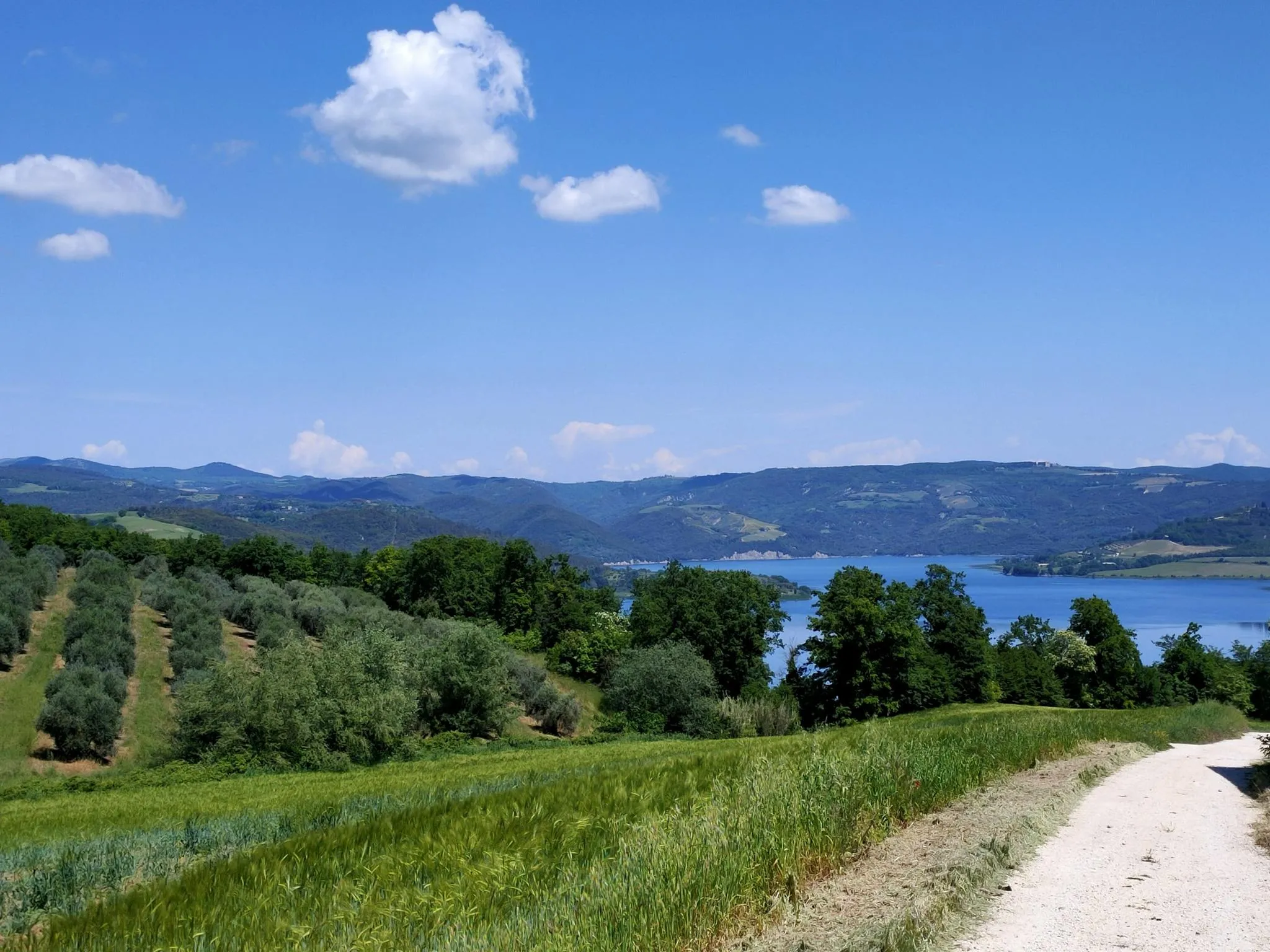
Italian Coast2Coast – From Portonovo to Orbetello
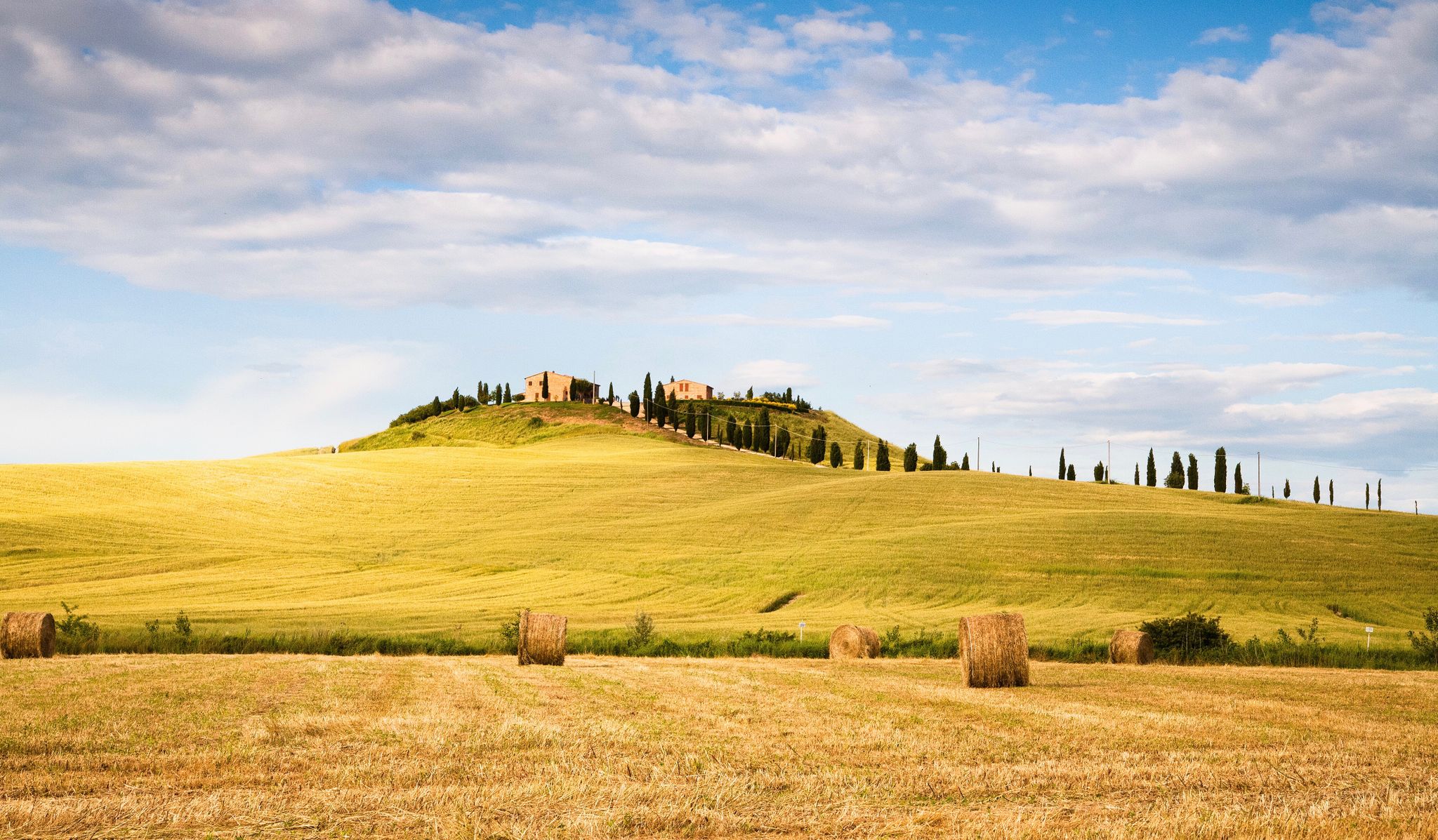
Via Francigena South — Siena to Rome
Other adventures in Viterbo


Tips from the Community

Viterbo lived its period of major splendor and power in the 13th century when it was chosen as the seat of the papacy instead of Rome, where powerful warring families made life too dangerous. Eight different popes lived in Viterbo making it is similar to Vatican City and Avignon in France. The longest papal conclave in history happened here from 1 December 1268 to 1 September 1271. Following Pope Clement IV's death, infighting between cardinals and political pressure led to a 34-month deadlock. The cardinals were locked up cum clave (hence the word conclave) inside the palace’s large Conclave Hall. In desperation the town’s population, who were feeding them and their entourages, eventually reduced the cardinals’ food and wine supplies, trying to speed up the election. Time wore on and they finally decided to remove the roof of the palace: in order to help the Holy Spirit come down and illuminate them, it was quipped. That worked.
0
0

The funerary monument of Pope Adrian V, in the Basilica of San Francesco in Viterbo, houses the remains of the pontiff, who died in 1276 after a very short pontificate. The work, traditionally attributed to Arnolfo di Cambio, reflects the Gothic style and Cosmatesque tradition of the era, with an elegant structure and finely decorated columns. The statue of the pope lies in pontifical robes on a richly carved base, lending the tomb a solemn and meditative tone. The monument testifies to the importance of Viterbo as a papal seat and artistic center in the 13th century.
1
0

A beautiful park located right next to St. Patrick's Well, offering a stunning view. Just before the entrance, on the right, there's also a beautiful War Memorial.
0
0

The beating heart of the city, Piazza della Repubblica is today the meeting place of Orvieto's residents. Once the site of public events and papal ceremonies, it houses the Church of Sant'Andrea and the Town Hall.
0
0
The medieval quarter of Orvieto, located on the western slope of the cliff, represents the oldest and most original part of the city. Characterized by narrow streets, tuff houses, and picturesque views, it includes the historic Via della Cava, an ancient access route to the city, with the Porta Maggiore and the remains of Etruscan walls. Here are also the Pozzo della Cava, the small church of the Madonna della Cava, and two imposing "fortress-churches": San Giovenale and San Giovanni Evangelista, built in strategic positions to control the territory. Panoramic routes such as the one along Ripa Medici or between the two churches offer evocative views of the medieval urban settlement.
0
0

The main gate and most important entrance to the city in Etruscan and medieval times. For a long time the gate remained the only major access road to Orvieto. Today, as in the past, Porta Maggiore is located at the end of the ancient Via della Cava (a road so called because in ancient times there was a quarry of tuff and pozzolana, materials used for the construction of many buildings in the city) and is a road still traveled, although no longer as an access, but as a one-way exit road. Historically, the gate was also often used as the main entry point for the arrival of the Popes in the city. Above the gate, a niche hosted the statue of Pope Boniface VIII. (c) https://www.orvietoviva.com/porte-di-orvieto/
0
0
Piazza della Repubblica is one of Orvieto's most famous city squares. Located at the western end of Corso Cavour, the historic square is home to a number of beautiful buildings. Visitors can walk west from Piazza della Repubblica along Corso Cavour to the far side of town. (c) https://orvieto.ca/attractions/piazza-della-repubblica.html
0
0

Frequently Asked Questions
How many urban hiking trails are available in Viterbo?
Viterbo offers a good selection of urban hiking trails, with over 20 routes available for you to explore the city and its immediate surroundings. These trails range from easy strolls through historic centers to slightly more challenging walks.
What makes urban hiking in Viterbo unique?
Urban hiking in Viterbo offers a fascinating blend of history, culture, and unique volcanic landscapes. You'll walk through ancient Etruscan areas, explore medieval city centers, and discover the geological features that shaped the region, including its famous thermal springs. The city's rich past is palpable on every street.
Are there easy urban walks suitable for beginners or families in Viterbo?
Yes, Viterbo is very welcoming for beginners and families. The majority of urban trails, 18 out of 20, are rated as easy. These routes typically feature minimal elevation changes and well-maintained paths, perfect for a relaxed exploration of the city's charm. Consider the Viterbo Papal Palace – Piazza del Gesù loop from Viterbo for a pleasant and accessible experience.
What do other hikers enjoy most about urban trails in Viterbo?
The komoot community highly rates Viterbo's urban trails, with an average score of 4.4 stars from over 3,100 ratings. Hikers often praise the immersive historical experience, the well-preserved medieval architecture, and the opportunity to discover hidden corners of the city. The blend of cultural sights and accessible walking paths is a recurring highlight.
Are there any urban loop trails in Viterbo?
Yes, many of Viterbo's urban trails are designed as convenient loops, allowing you to start and end your journey in the same location without retracing your steps. An excellent example is the Walk through the streets of Viterbo - Loop tour, which guides you through the city's captivating streets.
What kind of landmarks and attractions can I see along Viterbo's urban hiking trails?
Viterbo's urban trails are rich with historical and cultural landmarks. You can expect to see medieval palaces, charming piazzas, and ancient city walls. Notable attractions include the Papal Palace, the historic Piazza del Gesù, and various churches. While not directly on urban trails, the region's volcanic past also means you're close to natural wonders like the Devil’s Well Cave (Monte Venere) or the Walk in the Beech Forest on nearby Monte Venere.
Are there any urban hikes that offer viewpoints or scenic overlooks?
While Viterbo's urban trails primarily focus on historical immersion within the city, some routes may offer glimpses of the surrounding Lazio countryside from the city walls or elevated points. For more expansive panoramic views, you might consider extending your exploration to nearby peaks like Monte Palanzana Summit and Viewpoint, which is a short distance from the city.
Can I find urban trails that are dog-friendly in Viterbo?
Most urban trails in Viterbo are generally dog-friendly, especially if your dog is well-behaved and kept on a leash. Many parks and public spaces within the city welcome dogs. Always carry water for your pet and be mindful of local regulations, especially when passing through crowded areas or near historical sites. The Viterbo Papal Palace – Piazza del Gesù loop from Viterbo Porta Romana is a good option for a walk with your canine companion.
What is the typical duration and distance of urban walks in Viterbo?
Urban walks in Viterbo vary in length, but many are designed to be completed within a few hours. For instance, the Piazza del Gesù – Viterbo Papal Palace loop from Viterbo is about 3.8 km and takes around an hour. Longer routes, like the Walk through the streets of Viterbo - Loop tour, can be up to 6.5 km and take closer to two hours, offering a more extensive exploration.
Are there any urban trails that lead to or pass by cafes and restaurants?
Absolutely! Viterbo's urban trails are perfect for combining a walk with culinary delights. As you explore the city's historic center, you'll find numerous cafes, trattorias, and restaurants where you can stop for a coffee, a traditional Italian meal, or a refreshing gelato. Many routes, by their very nature of being urban, will take you through areas with plenty of dining options.
What is the best time of year for urban hiking in Viterbo?
Spring (April-May) and autumn (September-October) are ideal for urban hiking in Viterbo. The weather is pleasantly mild, perfect for walking, and the city is less crowded than in peak summer. Summer can be quite hot, so if you visit then, it's best to hike in the early morning or late afternoon to avoid the midday heat. Winter offers a quieter experience, though some days can be chilly.
Most popular routes in Viterbo
Most popular attractions in Viterbo

Get inspired with the komoot mobile app


Didn’t find what you were looking for?
Check out more Hikes throughout Viterbo below and find the perfect route in your destination.
