Top 20 Natural Monuments in Burgos
Best natural monuments in Burgos showcase a diverse landscape in northern Spain. The region features unique geological formations, extensive cave systems, and significant waterfalls. These areas provide opportunities to explore subterranean worlds, dramatic landscapes, and varied ecosystems. Burgos's natural heritage includes karstic complexes, deep gorges, and glacial lakes.
Best natural monuments in Burgos
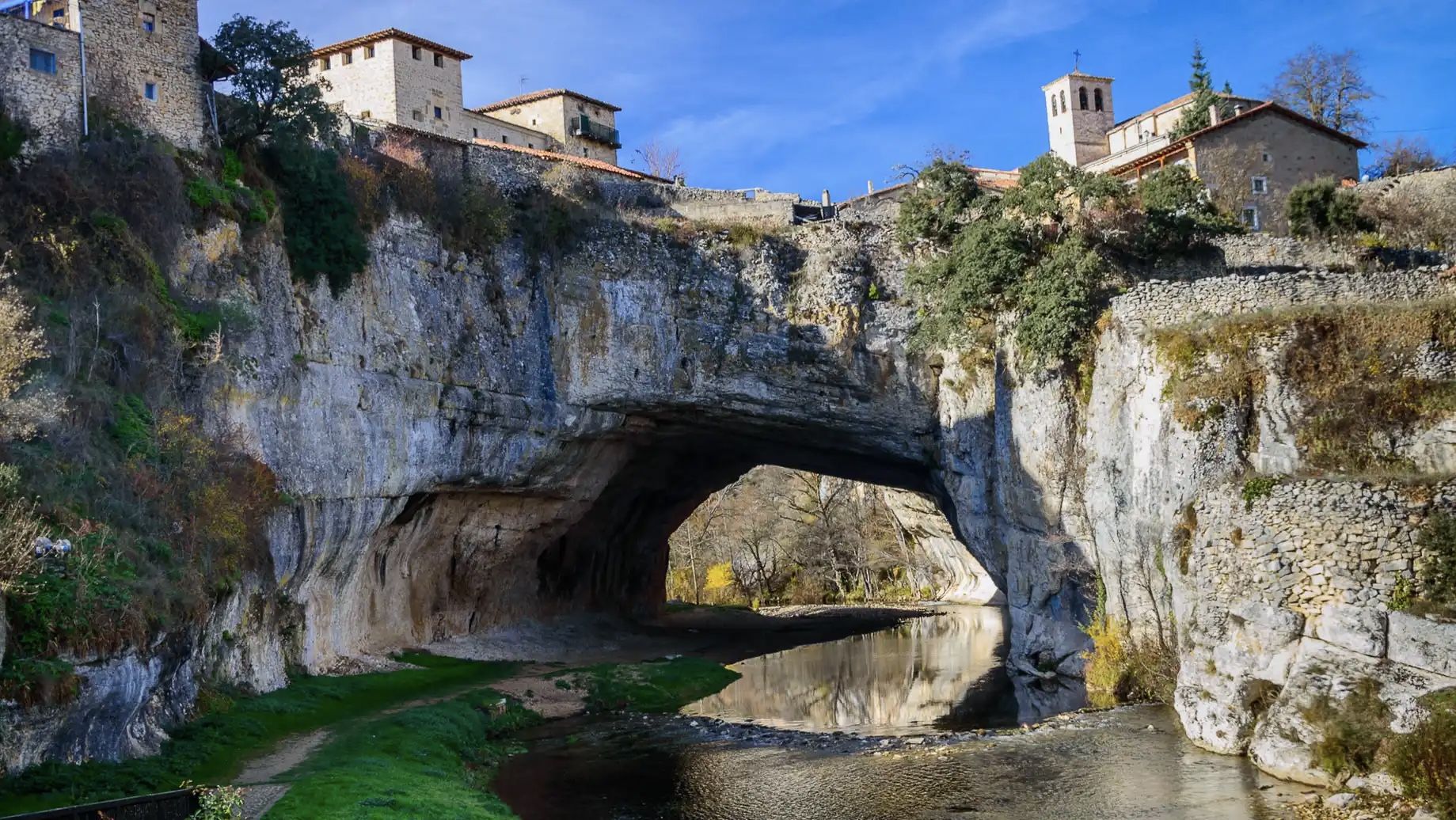
- The most popular natural monuments is Natural Rock Arch of Puentedey, a natural_monument where houses are built above a natural cave formed by the Río Nela.…
Last updated: August 20, 2026
Natural Rock Arch of Puentedey
Highlight • Natural Monument
Translated by Google •
Tip by

Viewpoint over the Yecla Gorge
Highlight • Gorge
Translated by Google •
Tip by

Sign up now to discover places like this
Get recommendations on the best single tracks, peaks, & plenty of other exciting outdoor places.
Sign up for free
Turquoise Pools and Waterfalls of Orbaneja del Castillo
Highlight • Waterfall
Translated by Google •
Tip by

Puentedey
Highlight • Natural Monument
Translated by Google •
Tip by
Hermitage of Saint Mary of La Hoz
Highlight • Religious Site
Translated by Google •
Tip by
Views of Pico del Fraile
Highlight • Summit
Translated by Google •
Tip by

Hermitage of San Bernabé of Ojo Guareña
Highlight • Religious Site
Translated by Google •
Tip by

Atapuerca Archaeological Site
Highlight • Historical Site
Translated by Google •
Tip by
Trespaderne
Highlight • Trail
74.5 kilometers. 480 positive meters.
The third day of the gravel adventure has little description and no possibility of confusion, it follows the same section of the …
Translated by Google •
Tip by

Poza de la Sal Salt Flats and Old Railway Station
Highlight • Historical Site
74.5 kilometers. 480 positive meters.
The third day of the gravel adventure has little description and no possibility of confusion, it follows the same section of the …
Translated by Google •
Tip by

Sign up for free to discover even more natural monuments in Burgos.
Sign up for free
Already have an account?
Start today with a free account
Your next adventure awaits.
Login or Signup
Popular around Burgos
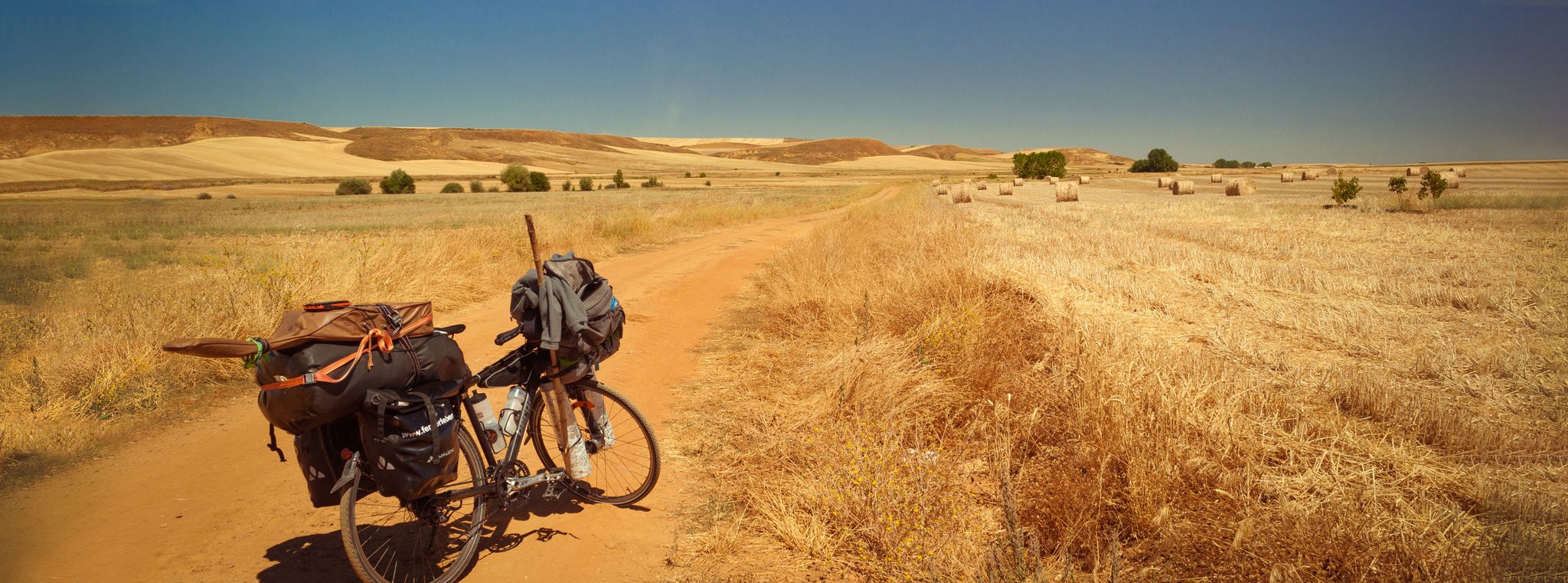
Camino Francés and Camino Finisterre – Cycling pilgrimages in Spain
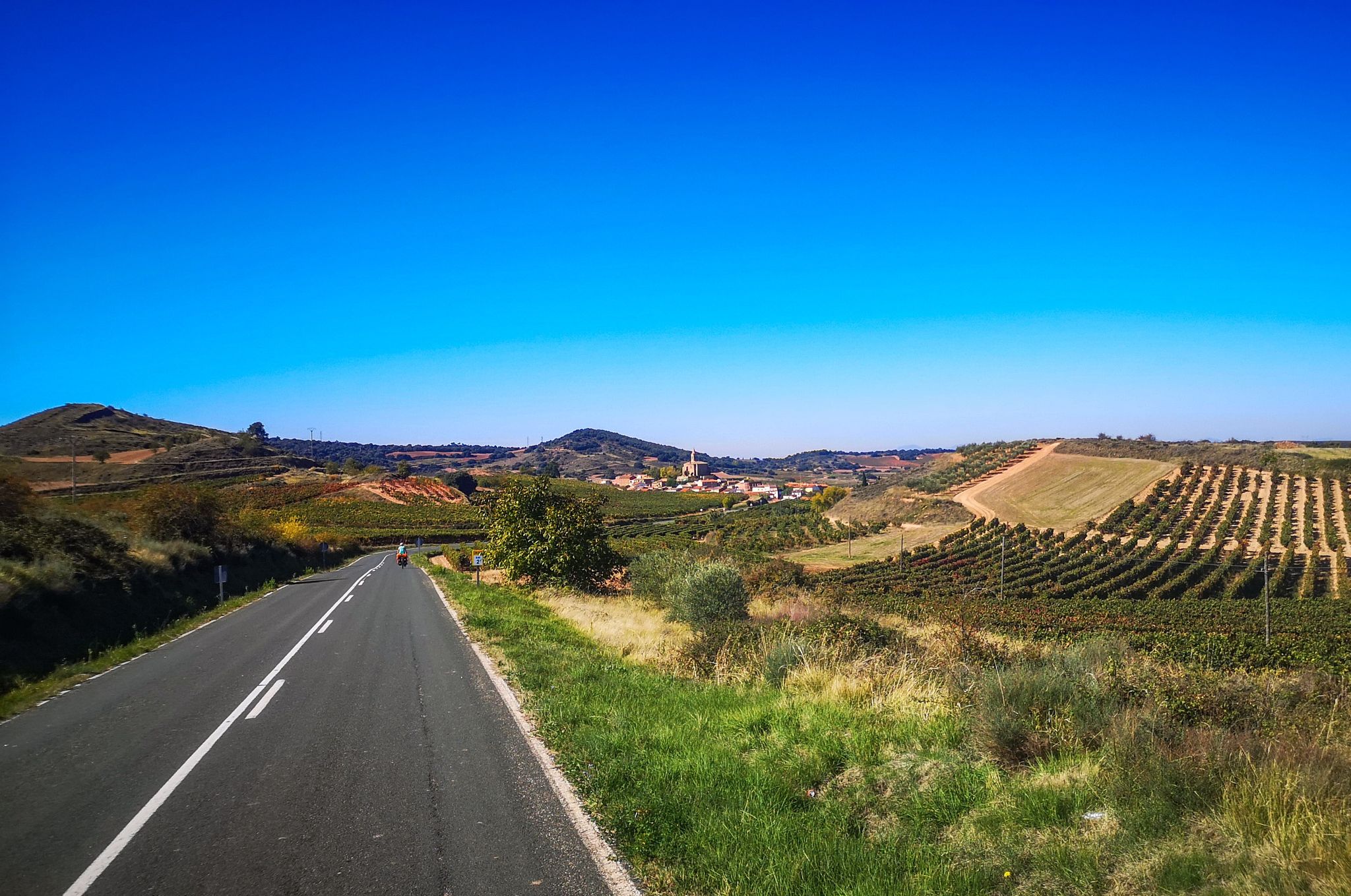
Santiago de Compostela – A journey through northern Spain (10 days)
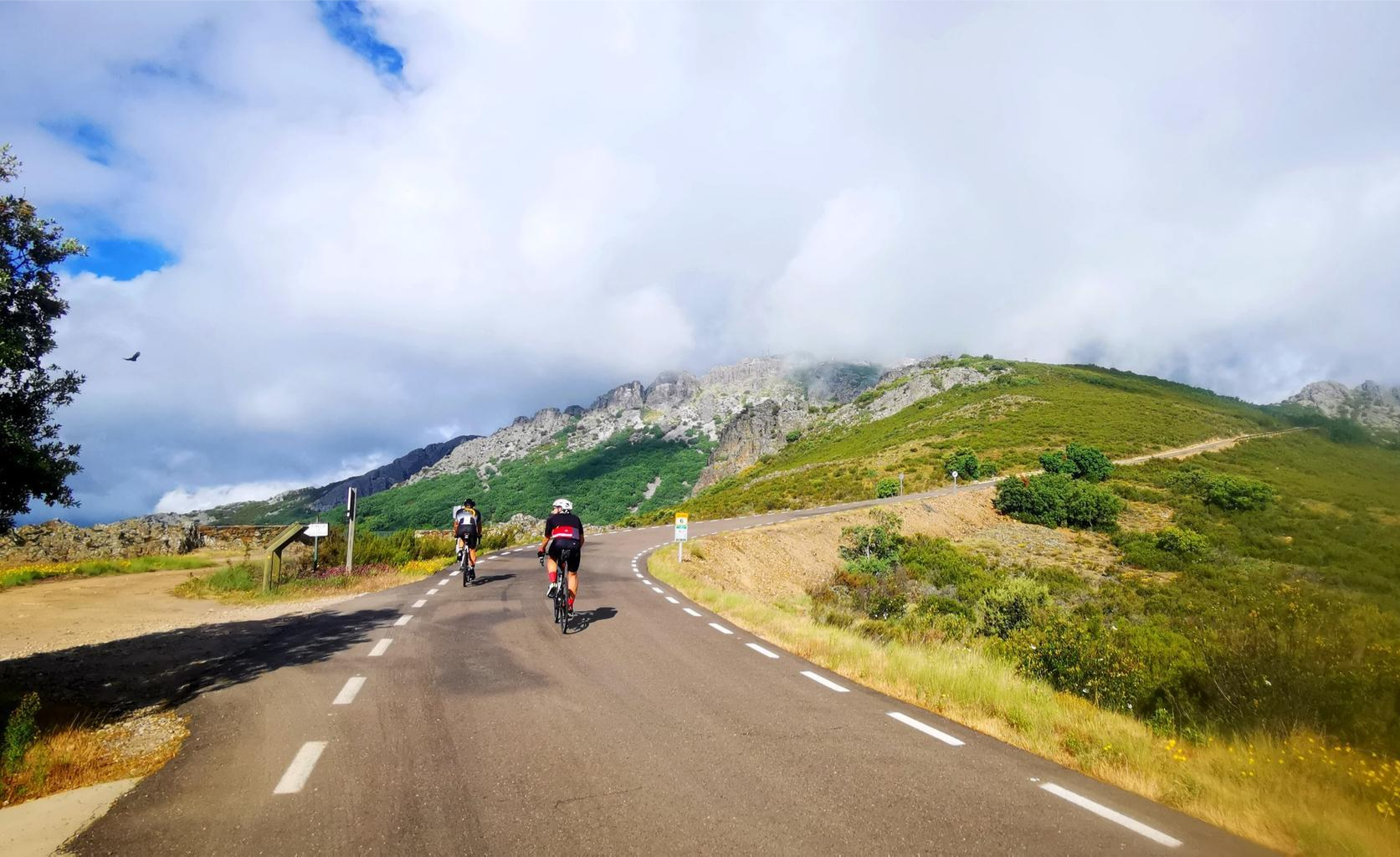
Legendary climbs - Ports of La Vuelta a España
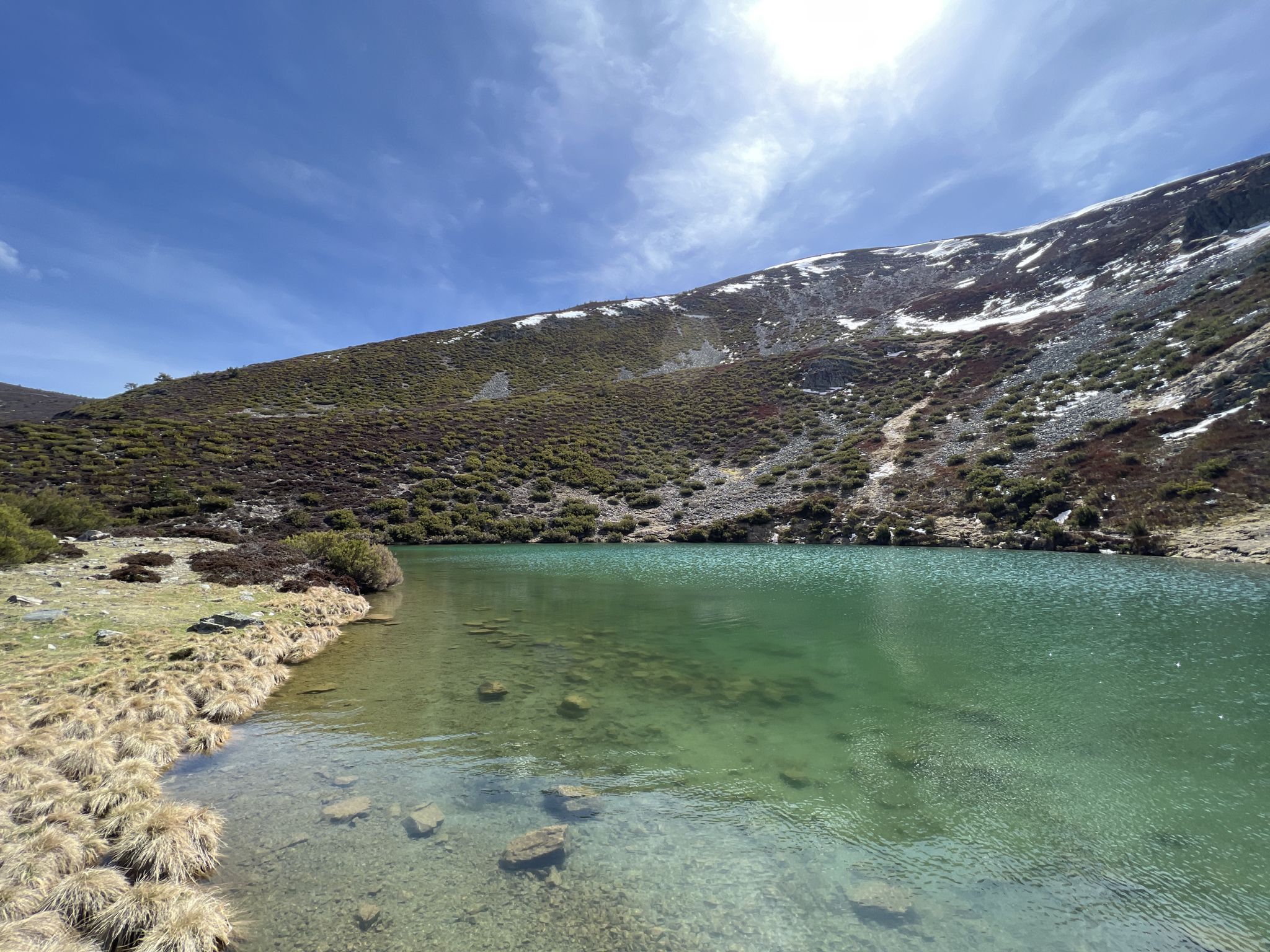
Discover the unknown Burgos - Dos Aguas Trail (GR 290)
10 gravel routes to discover hidden gems in Spain
A journey through mediaeval Spain – El Camino del Cid (GR 160)
An Iberian pilgrimage – French Way of Saint James
Endless valleys and historic villages – Route of the Senses (GR 85)
A river getaway – Ebro Natural Trail (GR 99)
An epic getaway – Santander-Mediterráneo Nature Trail
Other adventures in Burgos


Tips from the Community

It is worth visiting the hermitage of Santa María de la Hoz, in the town of Tobera. To do this, we will cross a medieval bridge of Roman origin that spans the Molinar riverbed. The temple, almost embedded in a large rock, dates from the 13th century, features both Romanesque and Gothic elements, and has a portico with arches that offers good views of the surroundings. At its feet stands a second, tiny hermitage from a later date – the 17th century – which houses an altar dedicated to the Cristo de los Remedios.
2
0

Authentic place of pilgrimage, a beautiful hermitage and surroundings.
2
0

The waterfall springs from the Cueva del Agua from a height of over 20 meters, at the base of the rocky cirque that embraces the village, originating from an aquifer located in the subsoil of the Páramo de Bricia, and it leaps everywhere, dividing the village into two halves, the Villa and the Puebla, and descends among the stone houses, creating a most photogenic scene.
2
0

A spectacular area for hiking trails
0
0

The Hermitage of Our Lady of the Sickle is nestled beneath the cliff, reached by crossing the small bridge over the Molinar River. Dating from the 13th century, it features both Romanesque and Gothic elements and has an arched portico offering fine views of the surrounding area. At its base stands a second, much smaller hermitage, dating from the 17th century, which houses an altar dedicated to Christ of the Remedies.
4
0

Next to the greenway, a good place to rest and get supplies in town.
0
0
Ideal for taking a dip on hot days!
1
0
Frequently Asked Questions
What unique geological formations can I explore in Burgos?
Burgos is home to diverse geological wonders. You can visit the Natural Rock Arch of Puentedey, where a village is built atop a natural stone bridge carved by the Río Nela. Another spectacular site is the Desfiladero de La Yecla, a narrow gorge with towering limestone crags and the Arlanza River flowing through it, offering impressive rock formations and waterfalls.
Are there any family-friendly natural monuments in Burgos?
Yes, several natural monuments are suitable for families. The village of Puentedey, with its natural rock arch, is considered very family-friendly. The walkways through the Desfiladero de La Yecla also offer an accessible and engaging experience for all ages to admire the gorge.
Where can I see impressive waterfalls in Burgos?
For stunning waterfalls, head to the Turquoise Pools and Waterfalls of Orbaneja del Castillo, where a waterfall dramatically crosses the town itself. Another must-see is the Salto del Nervión at Monte Santiago, one of Spain's highest waterfalls, particularly spectacular after heavy rains or snowmelt.
What historical or archaeological sites are integrated with Burgos's natural monuments?
The Atapuerca Archaeological Site is a significant historical location, recognized for its importance in human evolution, and is considered a natural monument. Additionally, within the vast Ojo Guareña karstic complex, you can find the Cueva-Ermita de San Bernabé, a cave hermitage with deep historical and cultural roots.
What is the best time to visit the natural monuments in Burgos?
The best time to visit depends on the specific monument and activity. For waterfalls like Salto del Nervión, spring (after snowmelt) or autumn (after heavy rains) offers the most dramatic views. Summer is ideal for exploring caves like Ojo Guareña, while spring and autumn provide pleasant temperatures for hiking in areas like Montes Obarenes-San Zadornil or around the glacial lakes of Neila.
Can I explore caves or subterranean systems in Burgos?
Absolutely. The Natural Monument of Ojo Guareña is one of the largest karstic complexes globally, featuring over 110 kilometers of underground galleries and caves. You can explore parts of this vast subterranean world, including the historical Hermitage of San Bernabé of Ojo Guareña located within a cave.
Are there opportunities for hiking or other outdoor activities near these natural monuments?
Yes, Burgos offers numerous outdoor activities. The Lagunas Glaciares de Neila provide excellent high-mountain hiking opportunities around its glacial lakes. The Montes Obarenes-San Zadornil Natural Park also has many trails for exploring its diverse ecosystems. For more specific routes, you can find MTB Trails in Burgos, Running Trails in Burgos, and Gravel biking in Burgos.
What kind of wildlife can I expect to see in Burgos's natural areas?
Burgos's diverse natural monuments are home to various wildlife. In Monte Santiago, you might spot wild cats, otters, and various birds of prey. The Desfiladero de La Yecla is a crucial habitat for griffon vultures. The Montes Obarenes-San Zadornil Natural Park is particularly rich in biodiversity, providing a home for species like the European mink and bearded vulture.
Are there any natural monuments with impressive viewpoints?
Yes, several sites offer breathtaking views. The Views of Pico del Fraile provides expansive panoramas from its rocky summit. Monte Santiago also features stunning viewpoints overlooking the dramatic Salto del Nervión waterfall and the surrounding landscapes.
What is special about the Lagunas Glaciares de Neila?
The Lagunas Glaciares de Neila, located in the Sierra de la Demanda, are unique for their glacial origins. This high-mountain area features several beautiful lakes, such as Laguna Negra and Laguna Larga, nestled between 1,700 and 1,900 meters of altitude, surrounded by mountains over 2,000 meters. It's an ideal spot for high-altitude hiking.
Can I find natural monuments that combine natural beauty with cultural heritage?
Certainly. The Hermitage of Saint Mary of La Hoz, nestled in the Montes Obarenes-San Zadornil Natural Park, is a prime example. This hermitage is built into a rocky cut carved by the Molinar River, offering a stunning blend of natural scenery and historical architecture.
What makes the Montes Obarenes-San Zadornil Natural Park a significant natural monument?
This natural park is significant for its role as a link between the Cantabrian Mountains and the Pyrenees, resulting in a rich diversity of geological formations and ecosystems. It features river canyons, gorges, and a mix of Atlantic forests (oak, beech) and Mediterranean species (holm oaks, junipers), making it a haven for biodiversity and geological exploration.
Most popular routes in Burgos
Most popular attractions in Burgos

Get inspired with the komoot mobile app


Didn’t find what you were looking for?
Find even more amazing natural monuments in Burgos by checking out the top Highlights region by region:
Explore more
Extend your search for the best caves by checking out these guides of the top ones in Burgos:
