Top 5 Natural Monuments around Stoke-on-Trent
Best natural monuments around Stoke-on-Trent include diverse natural areas and geological formations. The region, while known for its industrial past, also features significant natural sites. These locations provide insights into the area's geological history, such as sandstone canyons and ancient woodlands. They also serve as important habitats for various wildlife and offer opportunities for outdoor exploration.
Best natural monuments around Stoke-on-Trent
- The most popular natural monuments is Hem Heath Woods Nature Reserve, a forest that is the largest woodland…
Last updated: September 29, 2026
Ford Green Reed Bed
Highlight • Natural Monument
It has been designated because large numbers of …
Tip by

Hem Heath Woods Nature Reserve
Highlight • Forest
Tip by
Sign up now to discover places like this
Get recommendations on the best single tracks, peaks, & plenty of other exciting outdoor places.
Park Hall SAGA Award Pillar
Highlight • Monument
Beautiful views over Stoke on Trent and seating is provided …
Tip by
The Oaks Ancient Woodland
Highlight • Natural Monument
Tip by
Black Rock at Cockster Brook
Highlight • Structure
Tip by
Start today with a free account
Your next adventure awaits.
Tips from the Community

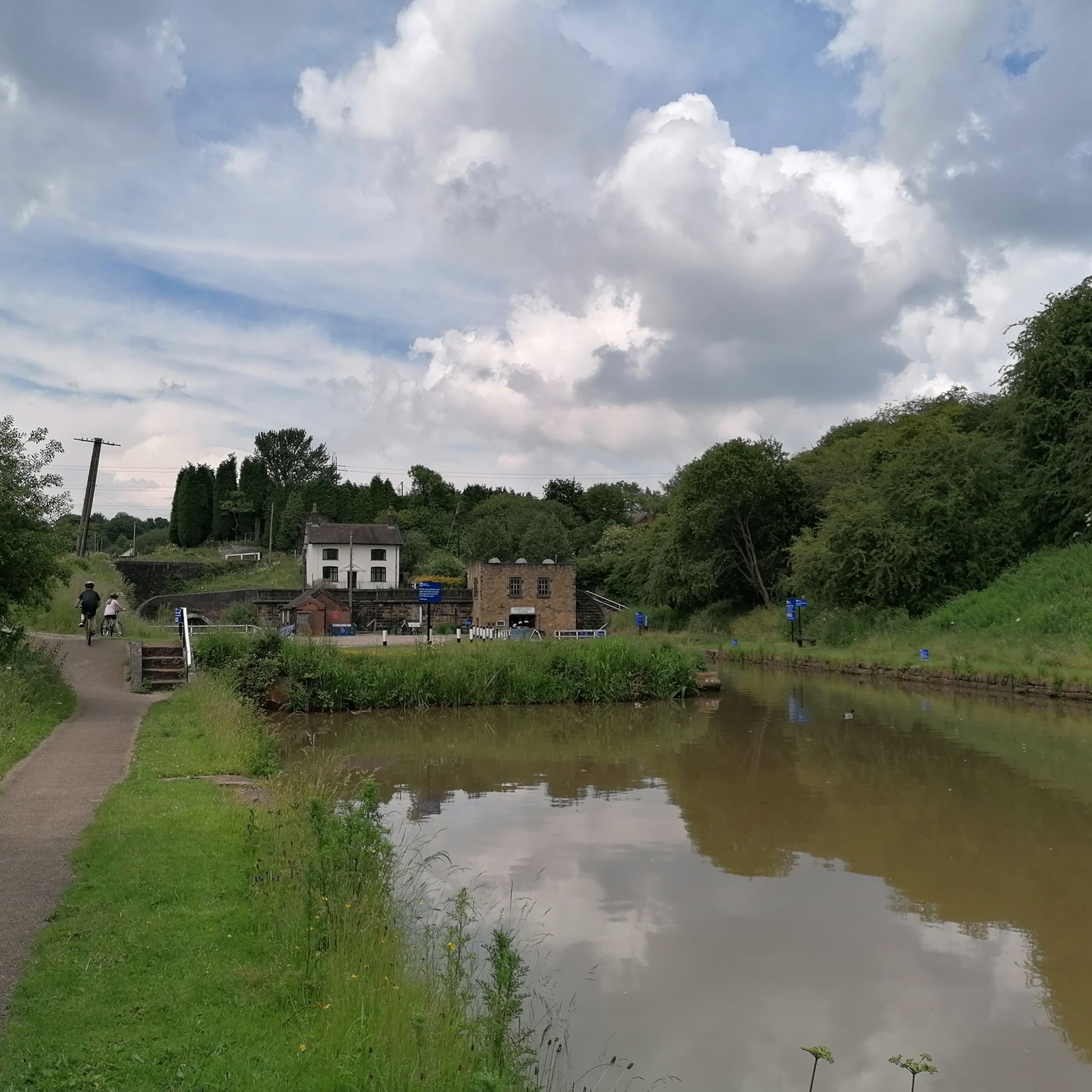
The Ford Green Reed Bed is a Site of Special Scientific Interest, designated because of the large numbers of swallows that gather there before migrating at the end of the summer.
1
0


The Ford Green Reed Bed at the south end of the site is one of Stoke-on-Trent's two Sites of Special Scientific Interest. It has been designated because large numbers of swallows gather there before leaving the country at the end of the summer.
9
0
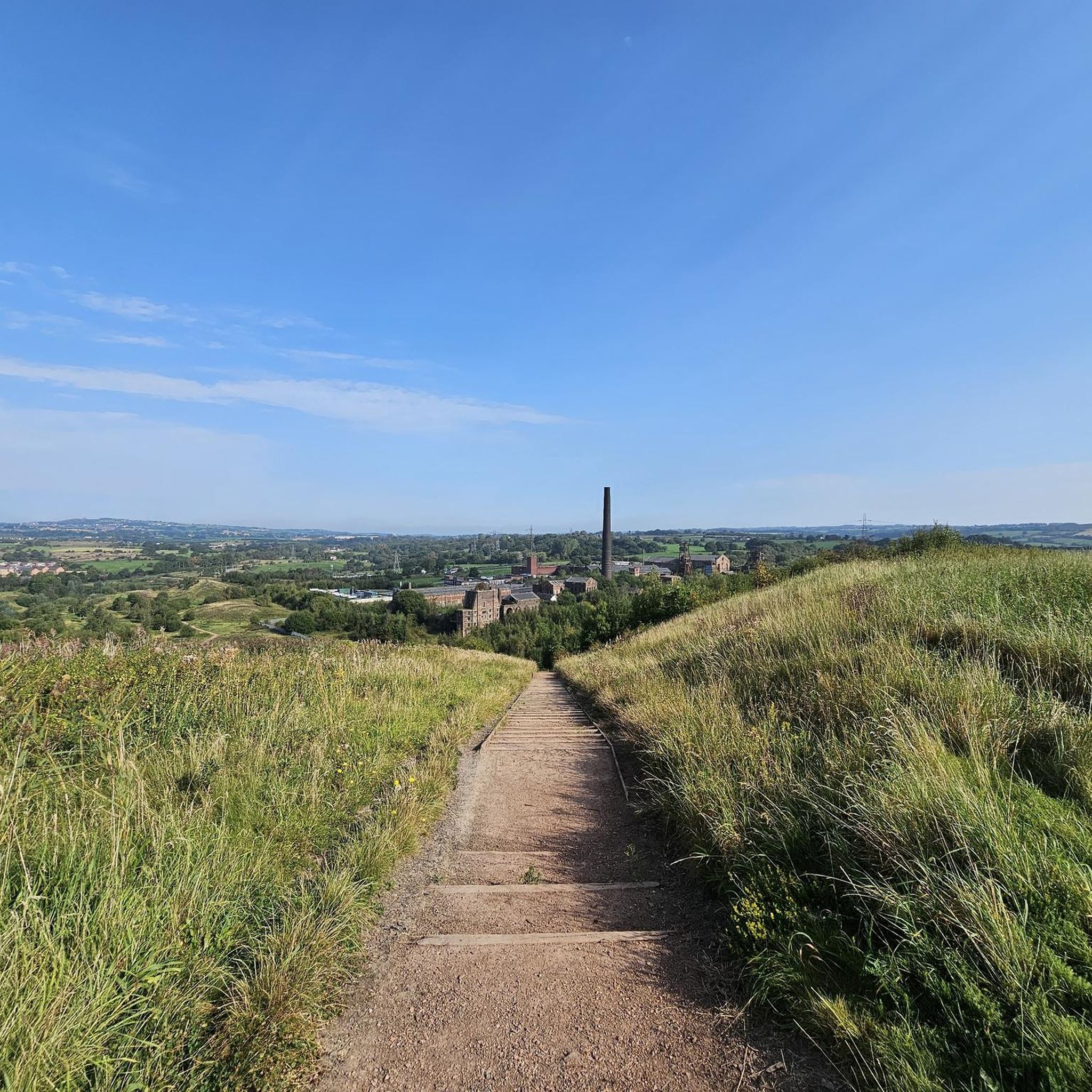
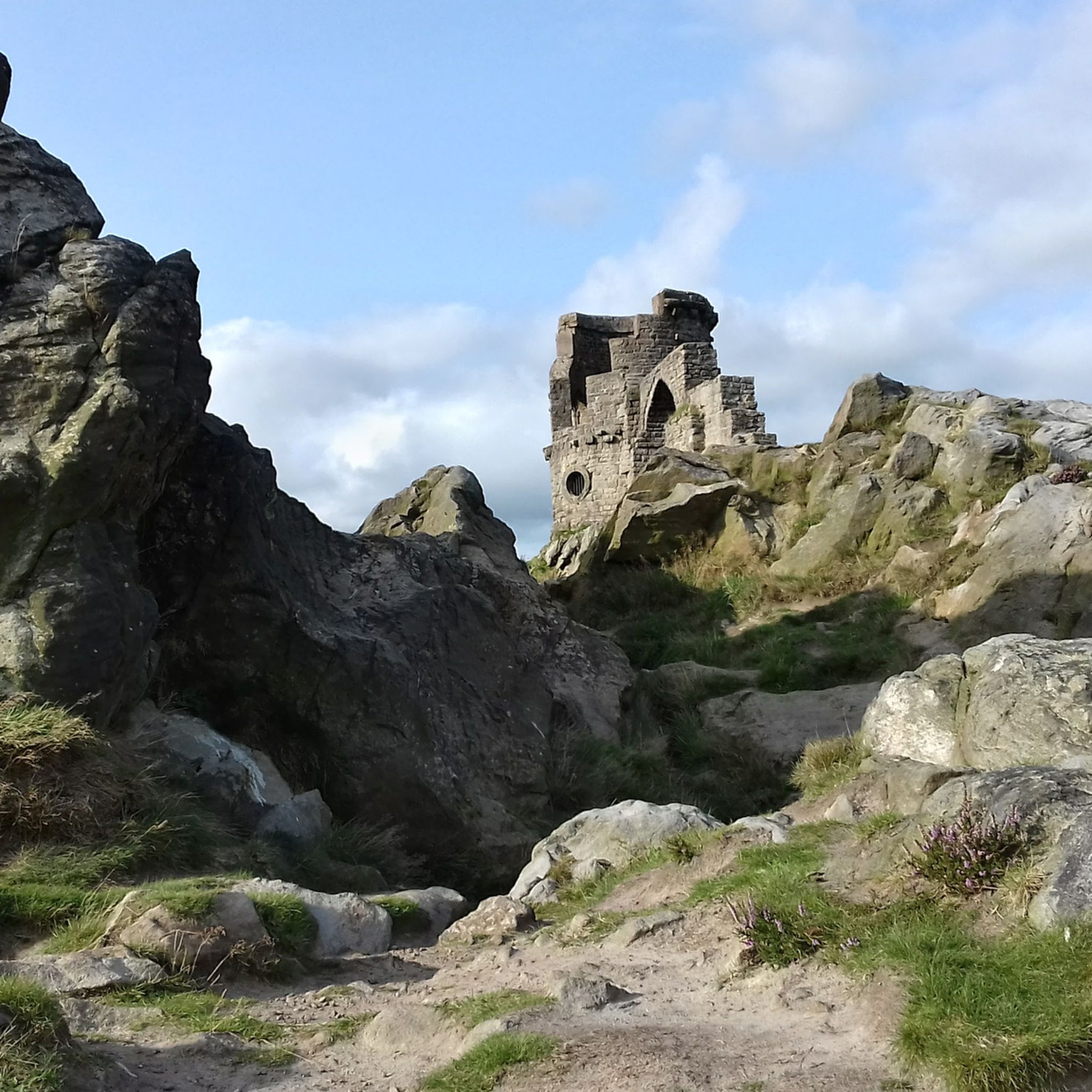
The Black Rock was formed when a blast furnace was situated in the area. The hills are known as the Camels Humps and are shraff mounds from the former pottery industry.
7
0
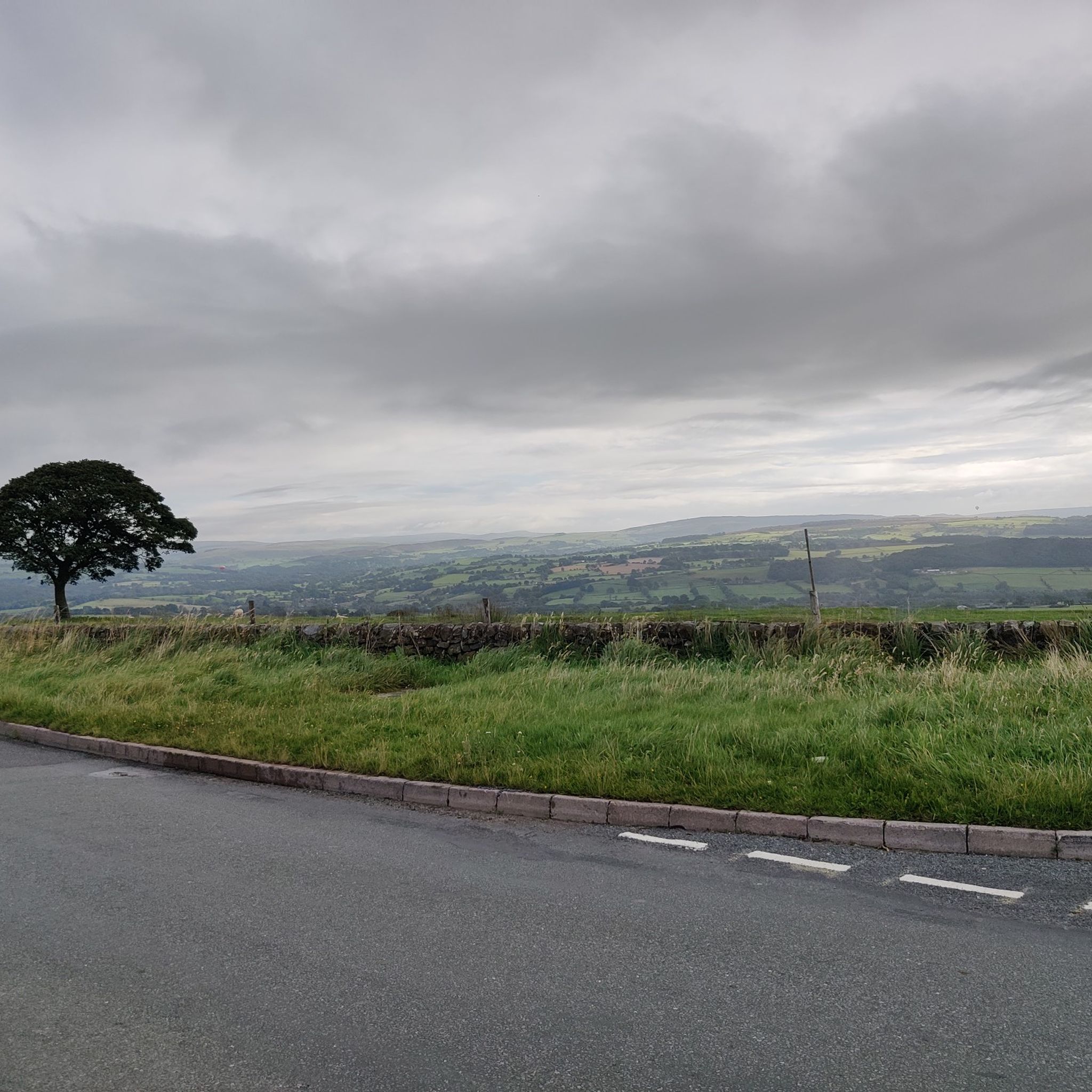
I strongly feel that this was originally a toposcope pillar as it definitely seems that a disc has been removed. Beautiful views over Stoke on Trent and seating is provided for sunset views. The white pillar shows a 'SAGA' (Sand And Gravel Association) award emblem. I suspect it is awarded because Park Hall used to quarry these very materials but now it is an area restored for the public's enjoyment.
10
0
The Oaks, at the southernmost tip of the reserve is an ancient woodland site. Records show that this part of the site has been woodland for over 400 years, although in the 19th century many of the mature trees were felled and replanted.
13
0
This is the largest woodland area in Stoke on Trent but it is a hidden gem.
26
0
A free car park with no curfew. If this car park is full, just go a bit further up to the Toby Carvery. It also has lots of free parking.
21
0
Frequently Asked Questions
What unique geological features can I explore around Stoke-on-Trent?
The region offers fascinating geological insights. You can visit Park Hall SAGA Award Pillar within Park Hall Country Park, which features a unique sandstone canyon with nationally important geological formations from the Triassic period. Further afield, The Roaches, on the edge of the Peak District, showcases rugged Millstone Grit outcrops, while the Manifold Valley is known for its picturesque limestone cliffs and features like Thor's Cave.
Are there natural monuments suitable for family outings?
Yes, several natural monuments are great for families. Hem Heath Woods Nature Reserve is the largest woodland area in Stoke-on-Trent and is family-friendly. Westport Lake offers flat, accessible paths ideal for walks and wildlife observation. Park Hall Country Park, where the Park Hall SAGA Award Pillar is located, also provides ample space for family activities amidst diverse habitats.
Where can I go for birdwatching or wildlife spotting?
For birdwatching and wildlife, Ford Green Reed Bed, a Site of Special Scientific Interest within Whitfield Valley Local Nature Reserve, is famous for large numbers of swallows gathering before migration. Whitfield Valley also hosts the largest known colony of dingy skipper butterflies in the West Midlands. Westport Lake is a crucial haven for various bird species and wildlife, including bats and kingfishers. Consall Woods and Hawksmoor in the Churnet Valley are excellent for observing woodland and wetland birds like woodpeckers, flycatchers, and dippers.
What are some good options for hiking and cycling near these natural monuments?
Many natural monuments offer excellent trails. Park Hall Country Park has various paths for walks. The Manifold Valley features the 9-mile Manifold Way, a trail suitable for hiking and cycling along a disused railway line. The Churnet Valley also provides a variety of trails, including parts of the Staffordshire Way. For more specific routes, you can explore guides like Easy hikes around Stoke-on-Trent or Road Cycling Routes around Stoke-on-Trent.
Are there any ancient woodlands to explore?
Yes, the region is home to ancient woodlands. The Oaks Ancient Woodland, at the southernmost tip of a local reserve, has been woodland for over 400 years. Hawksmoor, located in the Churnet Valley, is another significant ancient woodland, perfect for experiencing diverse birdlife and nature photography.
Which natural monuments offer the best panoramic views?
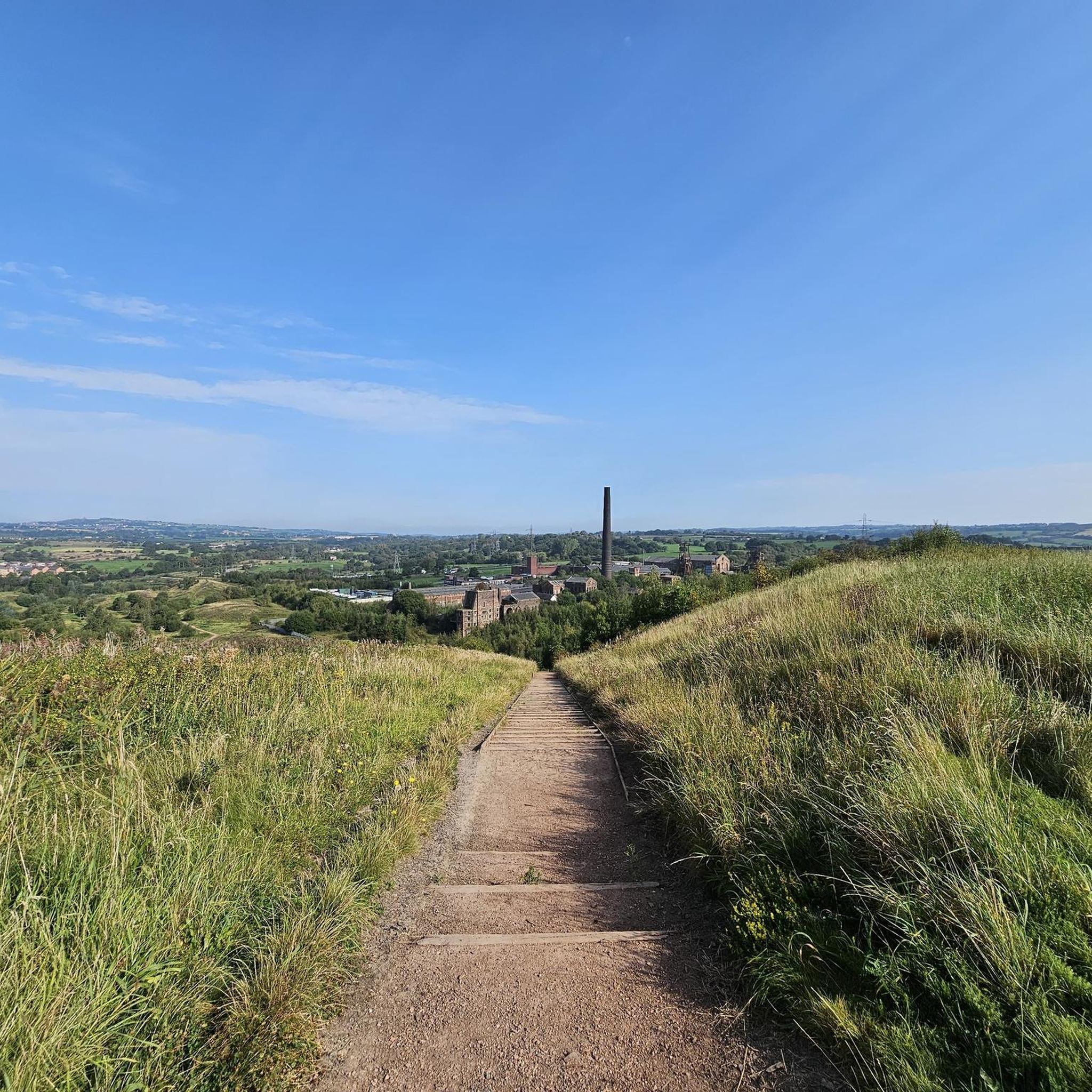
For expansive views, the Wedgwood Monument on Bignall Hill is a prominent natural high point offering vistas across the Cheshire Plains and even North Wales on clear days. The Roaches also provide breathtaking panoramic views of the Staffordshire Moorlands from its rugged, rocky terrain. The former colliery spoil heap at the northern end of Whitfield Valley Local Nature Reserve also offers great views.
Can I find natural monuments with historical or industrial significance?
Certainly. The Black Rock at Cockster Brook was formed when a blast furnace was in the area, and the nearby 'Camels Humps' are shraff mounds from the pottery industry, offering a unique blend of natural and industrial history. The Wedgwood Monument on Bignall Hill, while man-made, sits on a natural high point and tells a story of the region's industrial past intertwined with its landscape.
What is the best time of year to visit the natural monuments around Stoke-on-Trent?
Spring and summer are ideal for enjoying the lush greenery, wildflowers, and active wildlife, especially for birdwatching at sites like Ford Green Reed Bed or spotting butterflies at Whitfield Valley. Autumn offers beautiful foliage, particularly in woodlands like Hem Heath Woods Nature Reserve and the Churnet Valley. Winter walks can be serene, especially in areas like The Roaches, offering crisp views, though some paths might be challenging.
Are there natural monuments that are easily accessible by public transport?
Many of Stoke-on-Trent's natural monuments are within or close to the city, making them relatively accessible. Westport Lake, for instance, is well-connected. For detailed public transport information to specific reserves, it's advisable to check local council websites like Stoke-on-Trent City Council for Whitfield Valley Local Nature Reserve, which includes the Ford Green Reed Bed.
Where can I find more information about the natural areas and outdoor activities in Stoke-on-Trent?
For more comprehensive information on the natural areas and outdoor activities, you can visit the official tourism website for the area. Resources like Visit Stoke's outdoors section or their countryside page provide additional details and inspiration for exploring the region's natural beauty.
What makes Park Hall Country Park a significant natural monument?
Park Hall Country Park is significant due to its expansive size (over 300 acres) and its unique sandstone canyon, which features nationally important geological formations dating back 230 million years to the Triassic period. It's recognized as both a Local and National Nature Reserve, offering diverse habitats including grassland, woodland, heathland, and wetland areas, making it a key site for nature observation and geological study.
Most popular routes around Stoke-on-Trent
Most popular attractions around Stoke-on-Trent

Get inspired with the komoot mobile app


Explore more
Extend your search for the best caves by checking out these guides of the top ones around Stoke-on-Trent:
