Top 20 Natural Monuments in Norfolk
Best natural monuments in Norfolk include diverse landscapes such as unique wetlands, ancient coastlines, and rare chalk rivers. This East Anglian county features significant geological formations and varied ecosystems. The region's natural sites highlight its rich geological history and importance as a habitat for diverse flora and fauna. Visitors can explore a range of environments, from coastal dunes to inland forests and river systems.
Best natural monuments in Norfolk
- The most popular natural monuments is Thompson Water, a lake…
Last updated: June 26, 2026
Horsey Beach Seal Colony
Highlight • Beach
Tip by

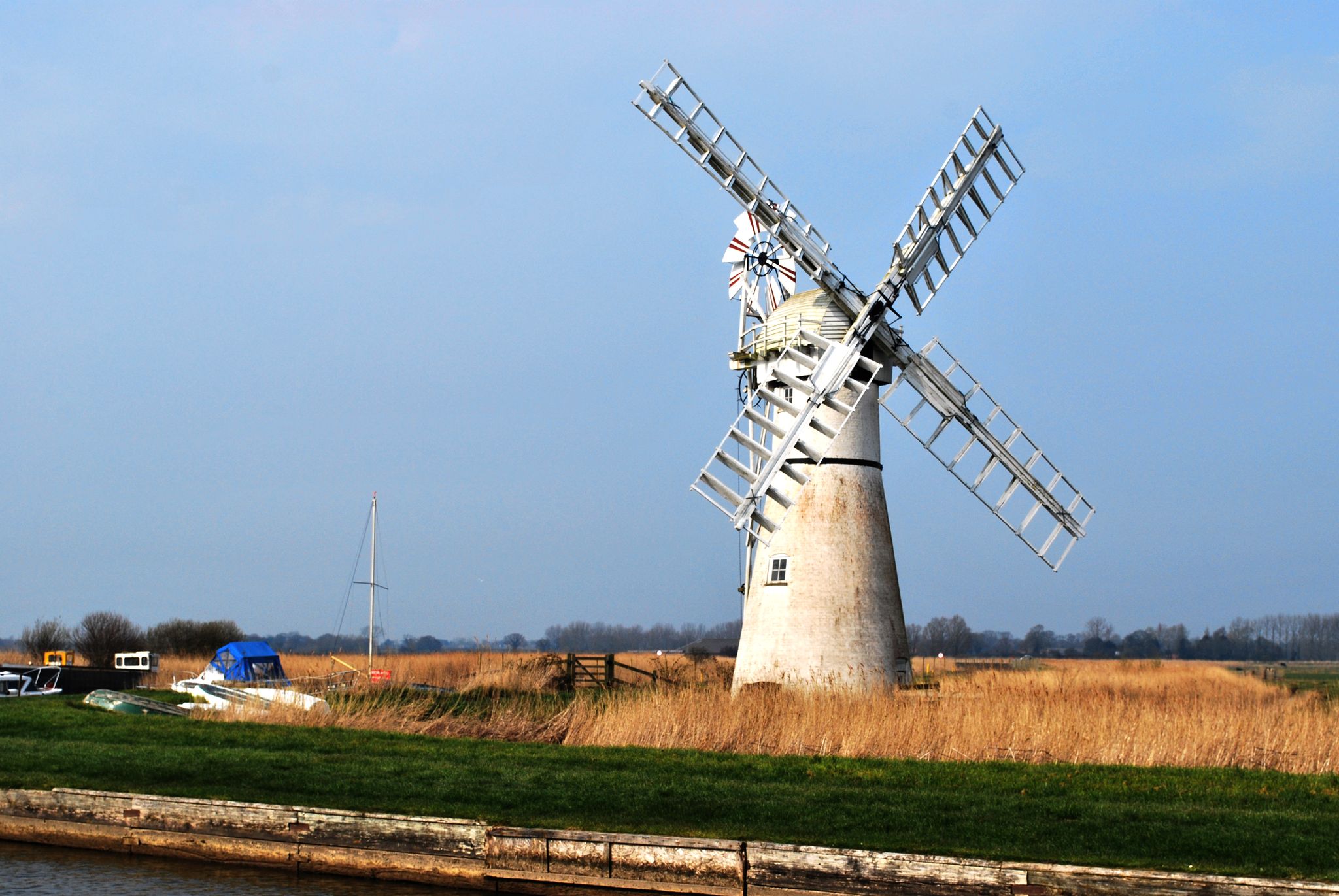
Thompson Water
Highlight • Lake
Tip by
Sign up now to discover places like this
Get recommendations on the best single tracks, peaks, & plenty of other exciting outdoor places.
Sign up for free
Sheringham Park Rhododendron and Azalea Gardens
Highlight • Forest
Tip by
Warham Camp Iron Age Fort
Highlight • Viewpoint
Tip by

Breydon Water Nature Reserve
Highlight • Natural
Tip by
Thorpe Marshes Nature Reserve
Highlight • Lake
Close to the River Yare, the area …
Tip by

Bronze Age Barrows on Harpley Common
Highlight • Historical Site
Local …
Tip by
Horsey Mere
Highlight • Natural Monument
Tip by
Upton Dyke
Highlight • Natural
Tip by
West Runton Beach
Highlight • Viewpoint
Tip by

Sign up for free to discover even more natural monuments in Norfolk.
Sign up for free
Already have an account?
Start today with a free account
Your next adventure awaits.
Login or Signup
Popular around Norfolk
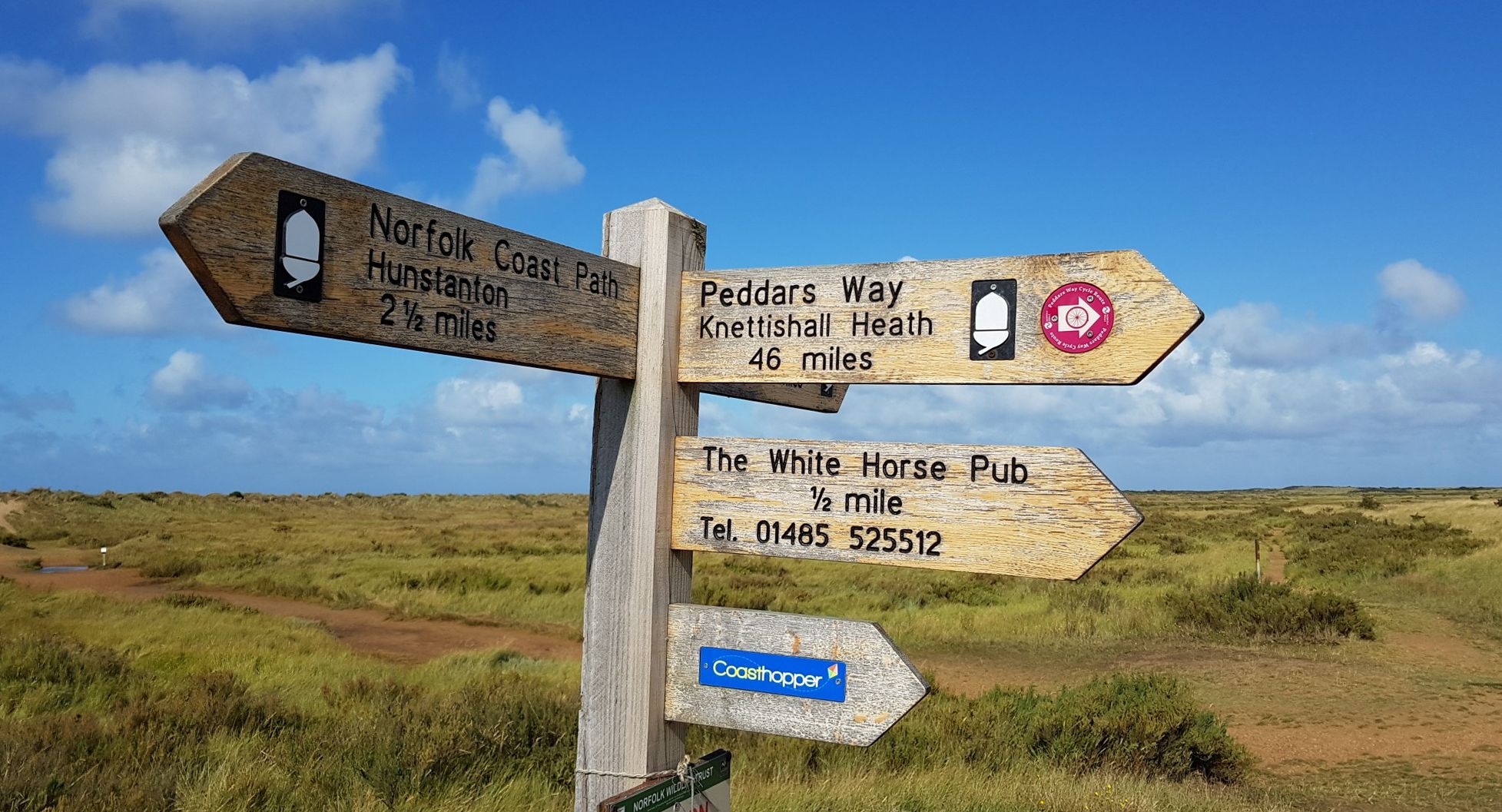
Norfolk Coast Path (National Trail)
Norfolk Trails – long-distance walks
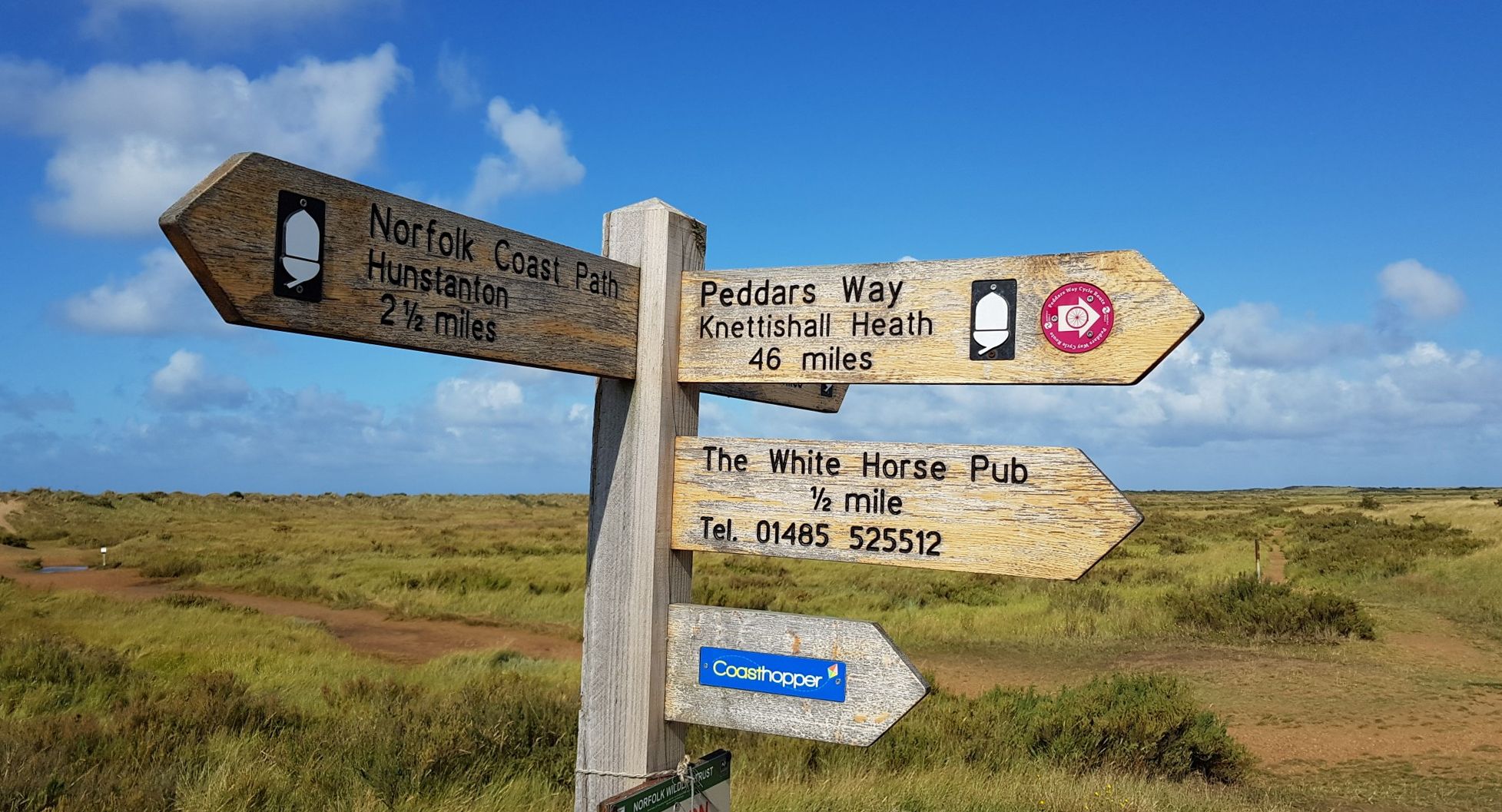
Peddars Way (National Trail)
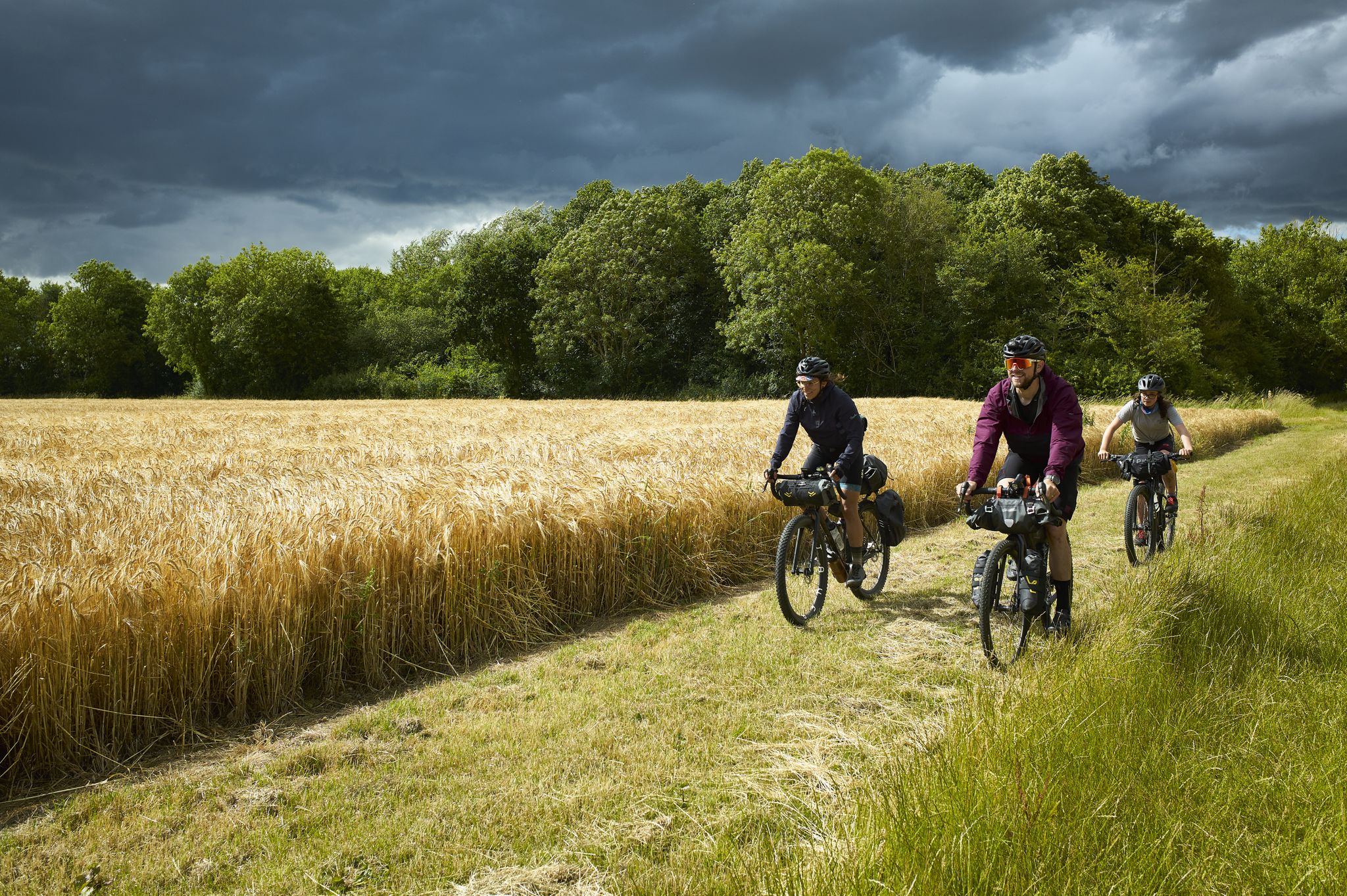
The Rebellion Way — all ability bikepacking in Norfolk
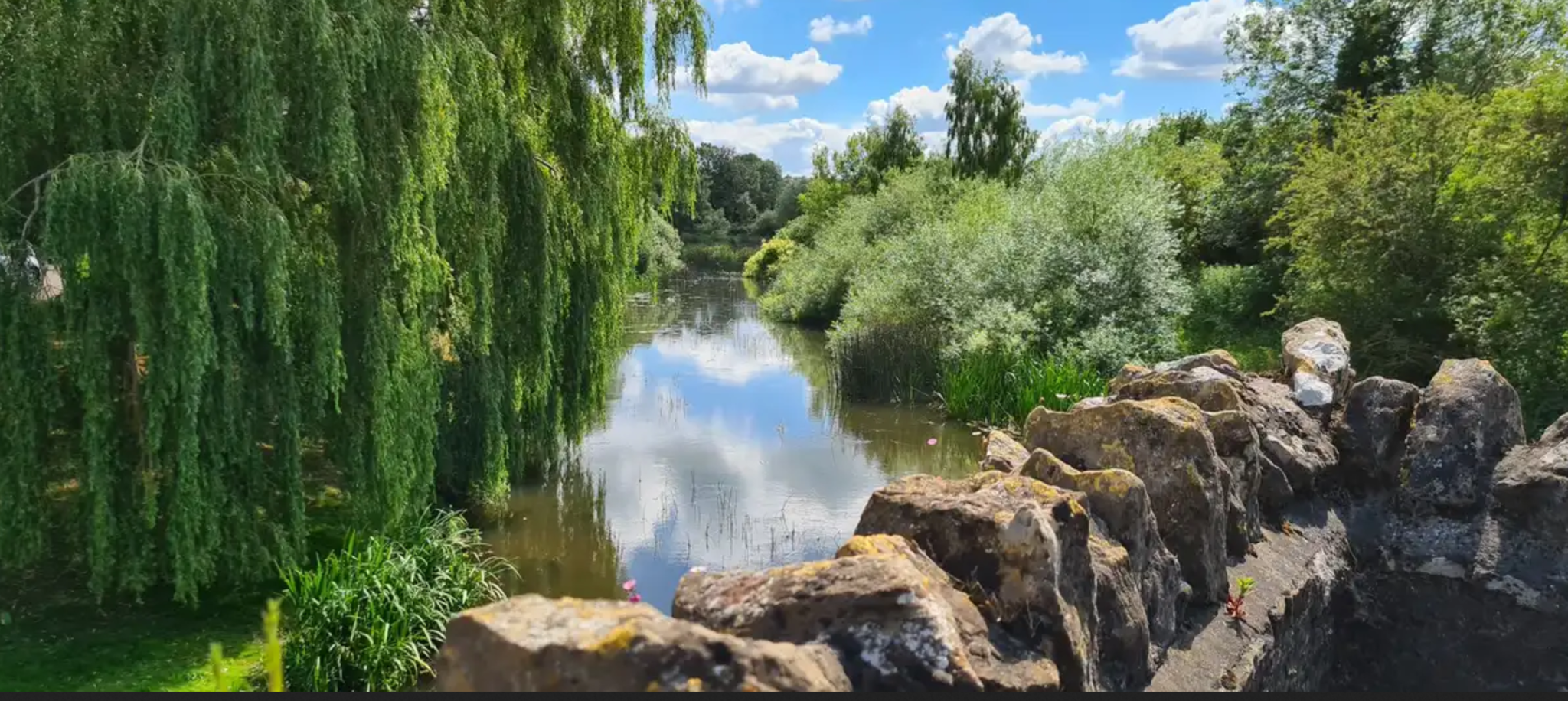
Ouse Valley Way — A winding hike alongside one of England's greatest rivers
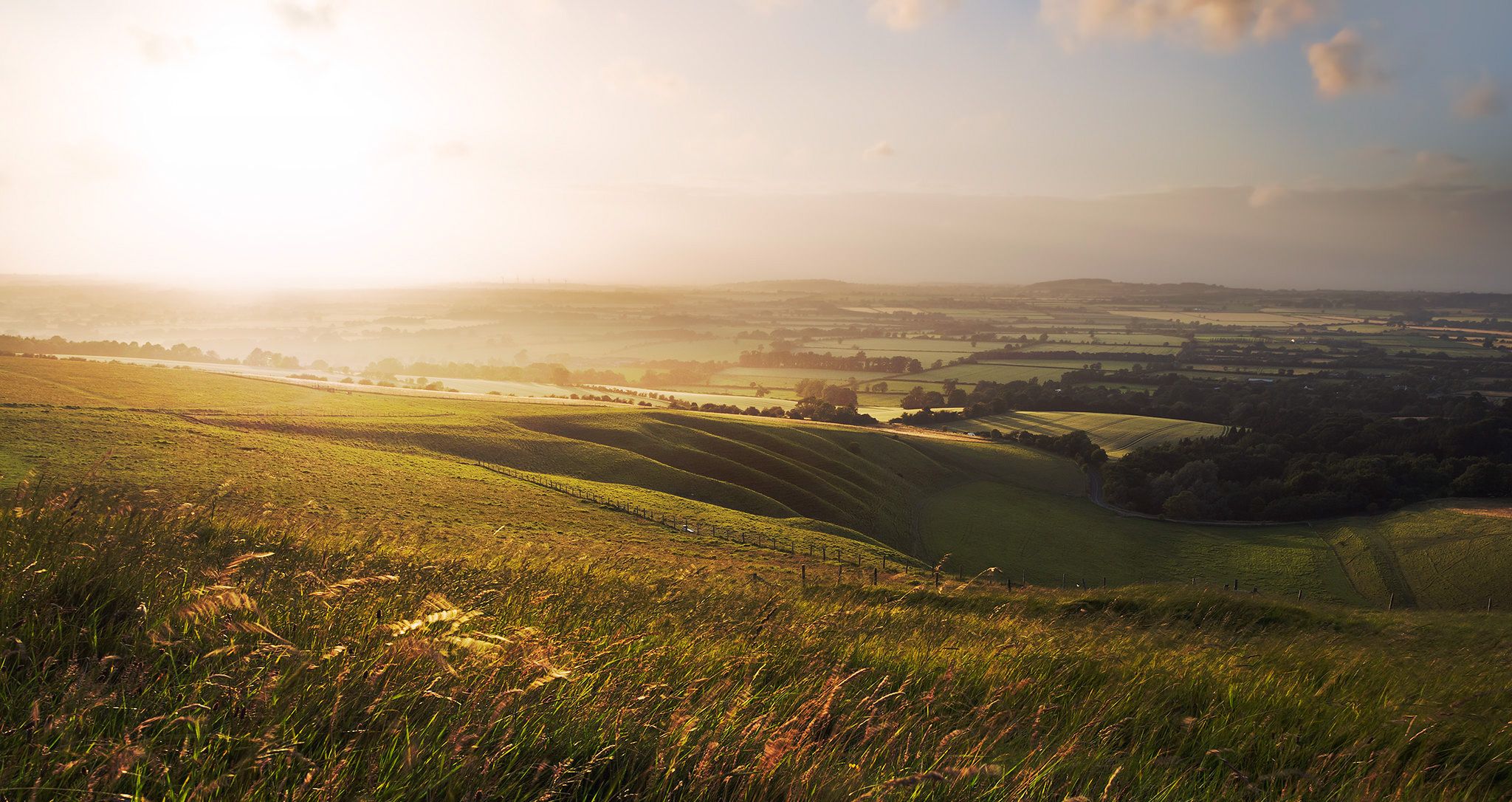
Hiking the Greater Ridgeway — Following Roman roads across England
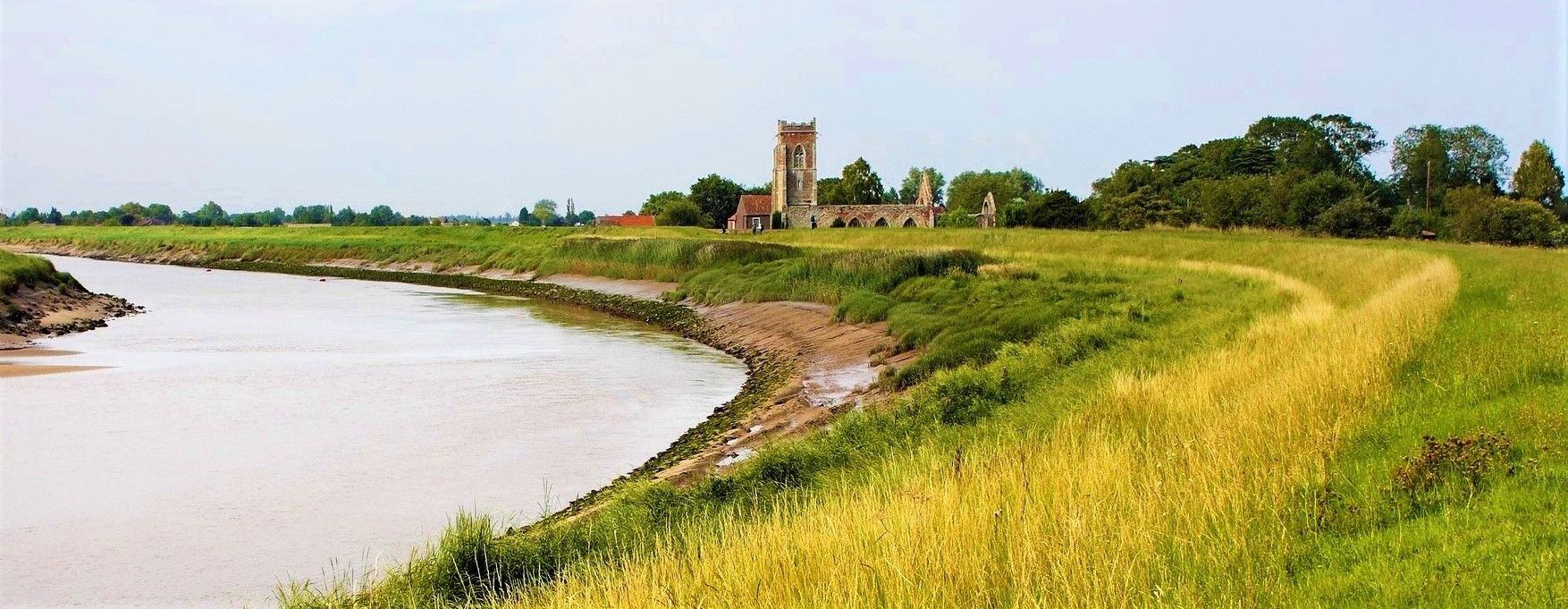
Fen Rivers Way — A riverside hike through enchanting East Anglia
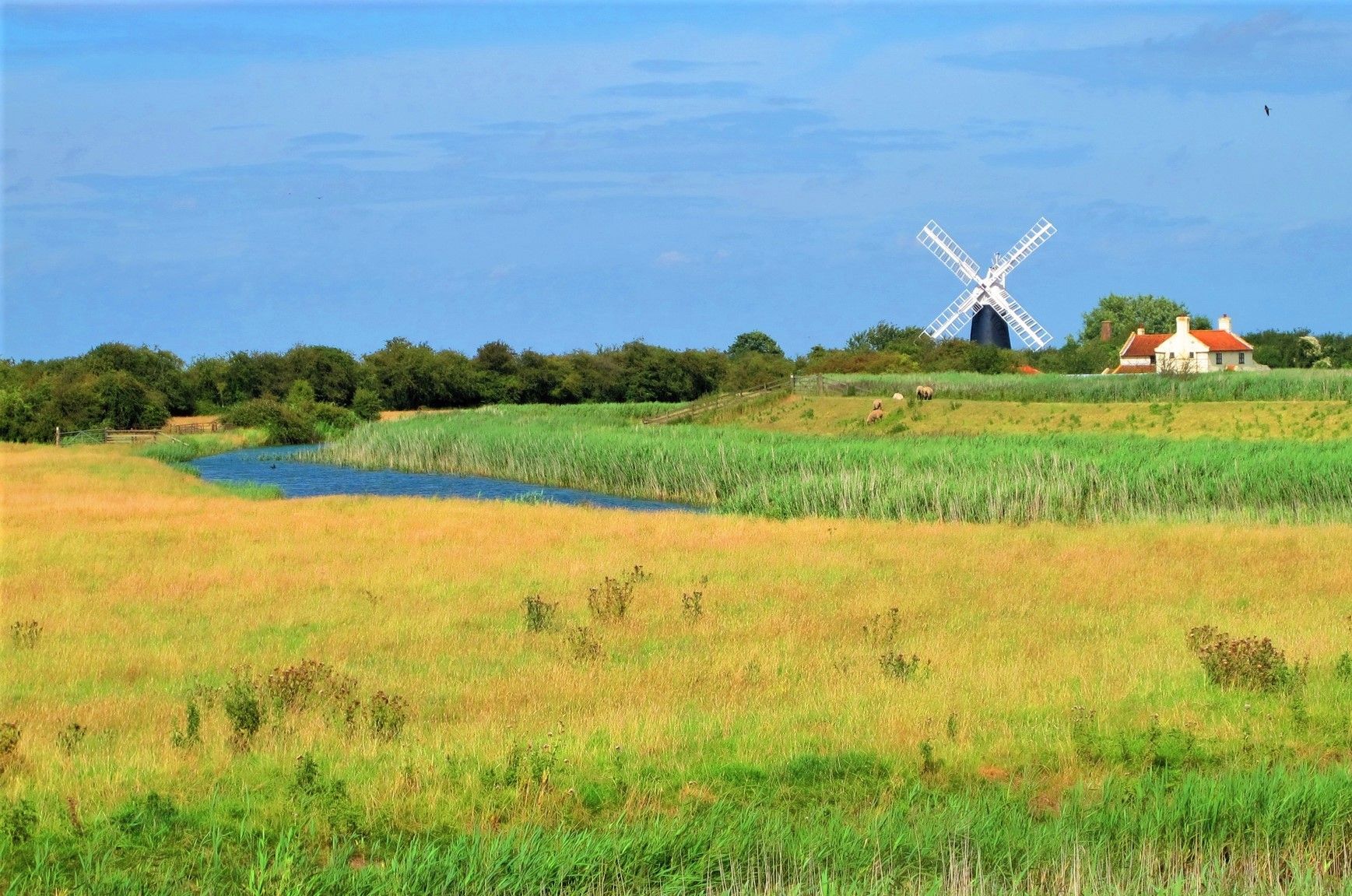
Wherryman's Way — Wildlife and windmills on waterside hike
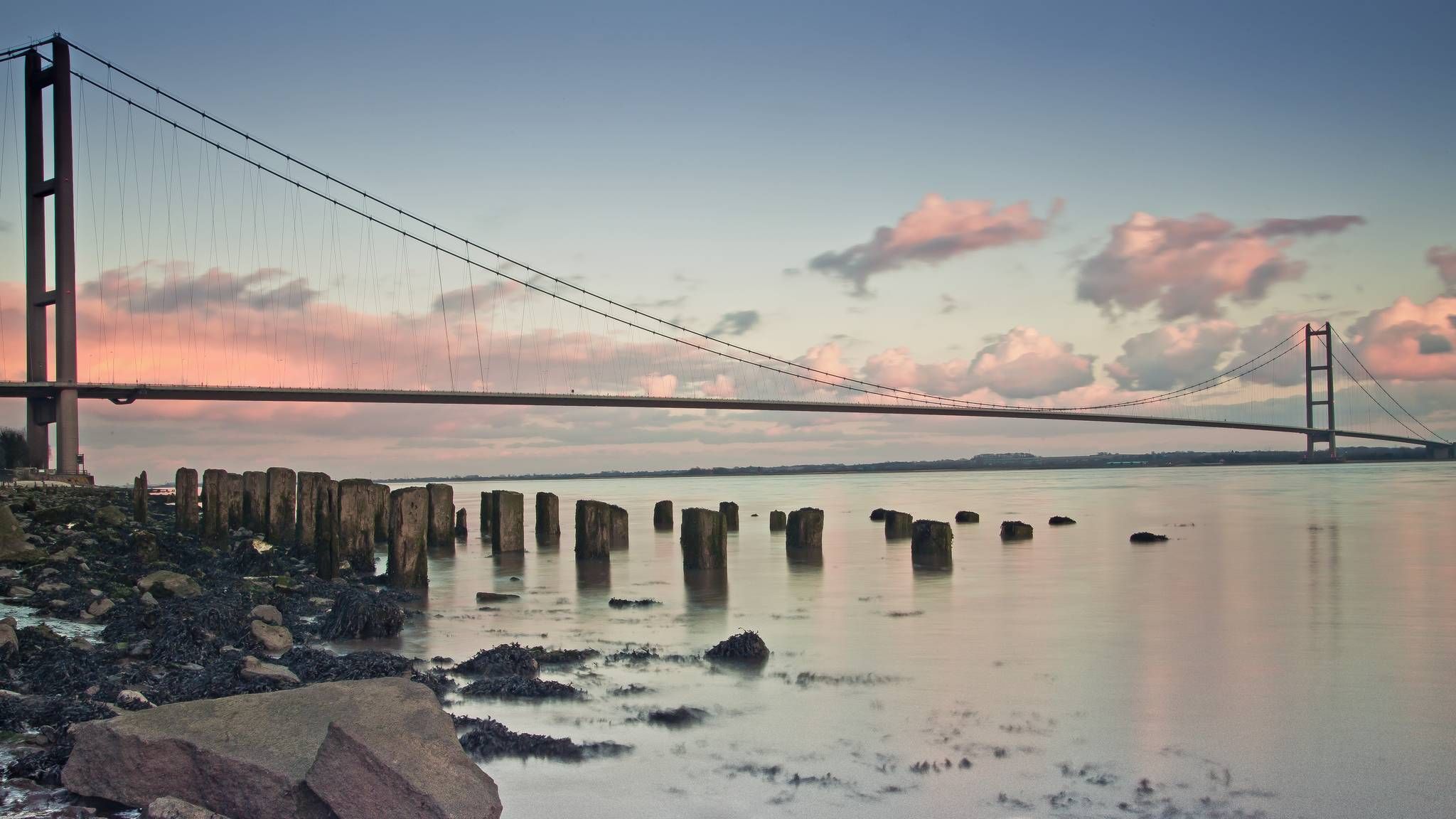
Cycling from Hull to Fakenham – The Lincolnshire Wolds to the Norfolk Coast
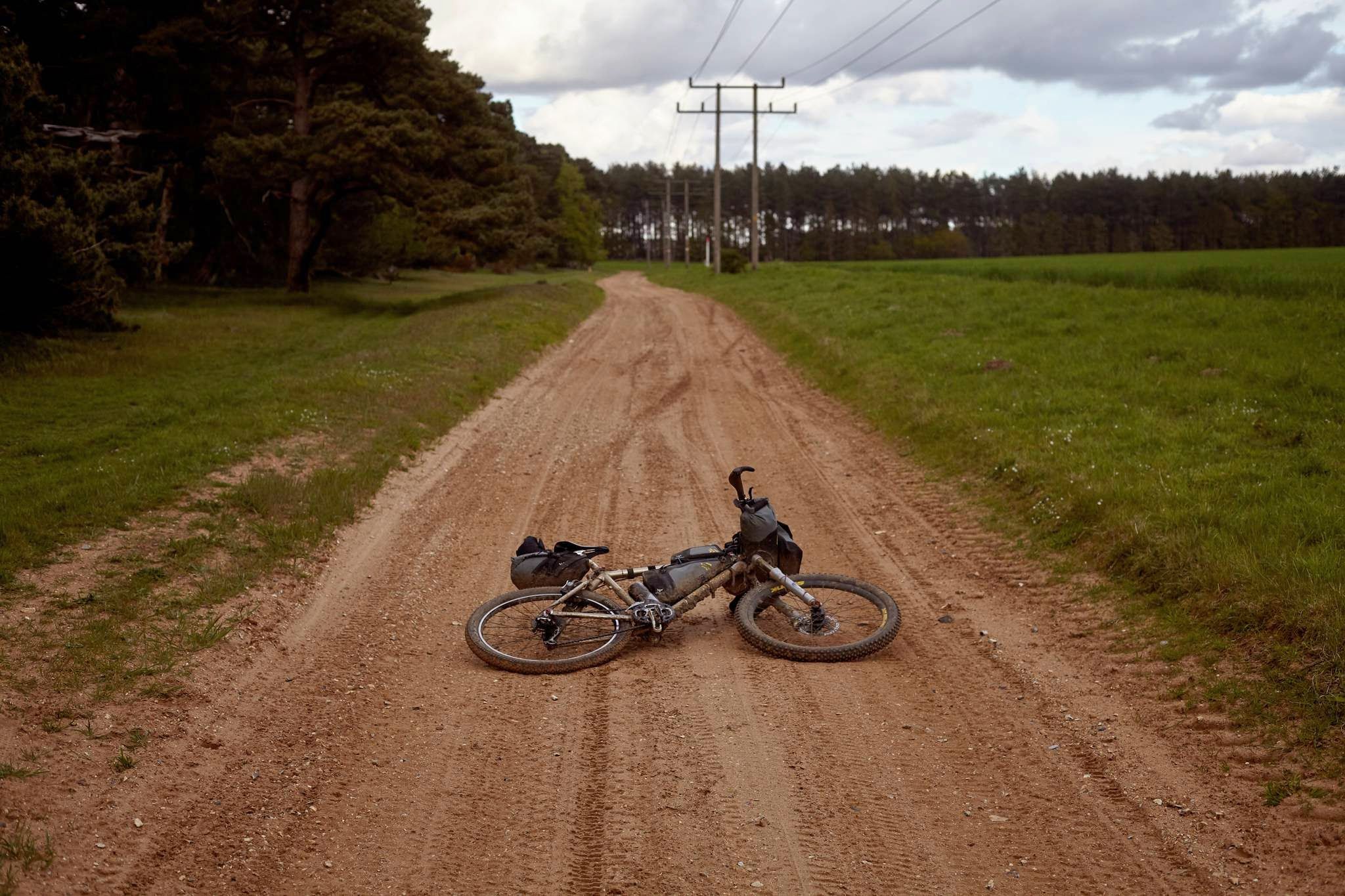
Cycle the Greater Ridgeway Trail — English Channel to North Sea
Other adventures in Norfolk


Tips from the Community

Sheringham Park was designed by the 19th-century landscaper Humphry Repton and his son John Adey Repton.
0
0

Great little viewing area with a couple of benches and a great view over the Mere.
1
0

Take time to go off the trail to the bird hides and vantage points around the water. The route is best in spring before the nettles take over the path in summer!
0
0

Beautiful examples of Barrow's that have survived quite well mainly due to how flat the landscape is here. They stand proud of the landscape and are particularaly atmospheric at dusk.
0
0

Sitting near the route of the old Peddars Way trackway. Amazing to think that these barrows have seen the Romans, Angles, Vikings and Normans all go by, standing inviolable and immutable.
0
0
Nice view down the wide, sandy beach but the last part of the approach is very steep and there's no barrier at the bottom so caution needed.
0
0
You can't see that much of the marshes from the road but the woods are very pleasant.
0
0

Warham Camp is a large and very well-preserved Iron Age fort sitting within agricultural land, and is a scheduled monument. It is arguably the best earthwork of this period in the region. It has been repeatedly surveyed by aerial photography, and is a circular structure with an overall diameter of 212m. The course of a channel of the River Stiffkey cuts across the south western edge of the earthworks, but this is an 18th century alteration and the original river ran in a curve to the west. There are outer and inner ditches and banks, and excavation in 1914 and 1959 produced evidence for a timber palisade and platform at the rear and timber revetment on the inner face. Iron Age and Roman pottery sherds have been recovered, including a greyware sherd, as stray finds between 2009 and 2014 (https://www.heritage.norfolk.gov.uk/record-details?MNF1828-Warham-Camp-Iron-Age-Fort&Index=1656&RecordCount=56542)
0
0
Frequently Asked Questions
Where can I see significant wildlife at Norfolk's natural monuments?
Norfolk offers several excellent locations for wildlife viewing. The Horsey Beach Seal Colony is famous for its grey seal breeding, particularly between November and February when pups are born. Blakeney Point, mentioned in regional research, also hosts England's largest grey seal colony. For birdwatching, Horsey Mere and Breydon Water Nature Reserve are internationally important habitats for various bird species. Thompson Water is notable for its dragonflies, damselflies, butterflies, and beetles.
What unique geological features can I explore in Norfolk?
Norfolk's natural monuments showcase a rich geological history. The Deep History Coast, stretching from Weybourne to Kessingland, is renowned for prehistoric fossils and archaeological finds, including mammoth remains and ancient human footprints. The multi-coloured cliffs at Hunstanton reveal geological formations over 140 million years old. You can also explore the unique post-glacial depressions known as pingos at Thompson Water and within The Brecks, which also features the Cromer Ridge, formed during the last Ice Age.
Are there family-friendly natural monuments in Norfolk?
Yes, many of Norfolk's natural monuments are suitable for families. Observing the grey seals at Horsey Beach Seal Colony is a memorable experience for all ages. Thompson Water and Horsey Mere offer opportunities to see diverse plant and insect life. Sheringham Park Rhododendron and Azalea Gardens provide beautiful landscapes for walks, and West Runton Beach is popular for fossil hunting.
What historical sites are integrated with Norfolk's natural landscapes?
Norfolk's natural monuments often intertwine with significant historical sites. The Deep History Coast is a prime example, offering a tangible connection to Britain's ancient past through fossil discoveries and early human evidence. You can also visit Warham Camp Iron Age Fort, an ancient defensive structure. The Brecks region features signs of Neolithic flint mining and Norman-era rabbit warrens, while Holme Dunes holds remnants of a WWII artillery training site and was the site where 'Seahenge,' a Bronze Age timber circle, was uncovered.
What are the best times to visit Norfolk's natural monuments?
The best time to visit depends on what you wish to see. For observing grey seal pups, November to February is ideal at Horsey Beach Seal Colony and Blakeney Point. The rhododendrons and azaleas at Sheringham Park are spectacular in late spring and early summer. Generally, spring and autumn offer pleasant weather for walking and exploring, with fewer crowds. The Brecks region boasts the warmest and driest climate in the country, making it appealing year-round.
Are there opportunities for cycling near Norfolk's natural monuments?
Yes, Norfolk provides excellent cycling opportunities. You can find various routes, including the Marriott's Way and Bure Valley Path Loop, which are popular for touring bicycles. For gravel biking, routes like the Marriott's Way loops and trails in Thetford Forest (part of The Brecks) are available. You can explore more options in the Cycling in Norfolk guide or the Gravel biking in Norfolk guide.
What kind of walking and running trails are available?
Norfolk offers a diverse range of walking and running trails. The Cromer Ridge is ideal for walking, providing unrivalled views along the coast. You can find trails like the Wherryman's Way and Whitlingham Broad Loop, or coastal routes such as the Blakeney & Cley running loop. The Great Eastern Pingo Trail offers a unique experience through the pingo landscape. Discover more trails in the Running Trails in Norfolk guide.
What are the most unique natural habitats in Norfolk?
Norfolk is home to several unique natural habitats. The Wash is one of Europe's most vital wetlands for wildlife. The River Wensum is the longest, largest, and most protected chalk river in Europe, supporting a rare ecosystem. Holme Dunes features diverse coastal habitats including salt marshes, mudflats, freshwater pools, and dunes, making it a haven for various species. The Brecks offers a distinctive landscape with prehistoric Pingos and Scots pines, while the Great Chalk Reef off Cromer and Sheringham is the longest chalk reef in the world, providing a unique marine environment.
Can I find ancient burial sites or historical earthworks among the natural monuments?
Yes, you can. Bronze Age Barrows on Harpley Common are ancient burial mounds that blend into the natural landscape. Additionally, Warham Camp Iron Age Fort is a significant historical earthwork. These sites offer a glimpse into the ancient human history of the region, often found within or adjacent to areas of natural beauty.
What do visitors enjoy most about Norfolk's natural monuments?
Visitors frequently highlight the diverse outdoor experiences and the chance to connect with nature. Many appreciate the opportunity to see British wildlife up close, especially the seals at Horsey Beach. The unique geological formations, such as the pingos at Thompson Water, and the historical significance of sites like the Deep History Coast, also draw considerable interest. The peaceful riverside walks along places like Upton Dyke and the stunning coastal views are also highly valued.
Are there any natural monuments that are particularly good for birdwatching?
Absolutely. Horsey Mere is an internationally important habitat for birds, including wigeon, teal, and bitterns. Breydon Water Nature Reserve is another significant site for birdlife. Holme Dunes, with its diverse coastal habitats, is also a prime location for spotting various bird species, butterflies, and other wildlife.
Where can I experience a rare chalk river ecosystem?
The River Wensum is the place to experience a rare chalk river ecosystem. It is the longest, largest, and most significant of the UK's 160 chalk rivers and is considered the most protected river in Europe. It offers opportunities for paddleboarding and peaceful riverside walks, allowing you to appreciate this unique natural environment.
What is the highest point in East Anglia and where can I find it?
The highest point in all of East Anglia is at Beacon Hill, located behind West Runton. It is part of the Cromer Ridge, an almost 9-mile-long stretch of upland formed during the last Ice Age. This area is excellent for walking and cycling, offering expansive views.
Most popular routes in Norfolk
Most popular attractions in Norfolk

Get inspired with the komoot mobile app


Didn’t find what you were looking for?
Find even more amazing natural monuments in Norfolk by checking out the top Highlights region by region:
Explore more
Extend your search for the best caves by checking out these guides of the top ones in Norfolk:
