Top 7 Mountain Passes in Sant Julià de Lòria
Mountain passes in Sant Julià de Lòria are situated in the south of Andorra, providing access to the Pyrenees. This region features challenging ascents and panoramic views of the surrounding landscape. The area is known for its natural features and viewpoints, including valleys and traditional mountain buildings. It offers diverse terrain for outdoor activities.
Best mountain passes in Sant Julià de Lòria
- The most popular mountain passes is Coll de la Gallina, a challenging mountain pass that reaches 1910…
Last updated: June 26, 2026
Coll de la Gallina
Highlight • Mountain Pass
Translated by Google •
Tip by

Coll de la Peguera
Highlight • Mountain Pass
Translated by Google •
Tip by

Sign up now to discover places like this
Get recommendations on the best single tracks, peaks, & plenty of other exciting outdoor places.
Sign up for free
Port de la Rabassa / Puerto de la Rabassa
Highlight • Mountain Pass
Translated by Google •
Tip by
Coll de la Gallina – Fontaneda Ascent
Highlight (Segment) • Mountain Pass
Translated by Google •
Tip by

View of Bony de la Pica from the Canòlich Trail
Highlight (Segment) • Viewpoint
Translated by Google •
Tip by
Start today with a free account
Your next adventure awaits.
Login or Signup
Popular around Sant Julià de Lòria
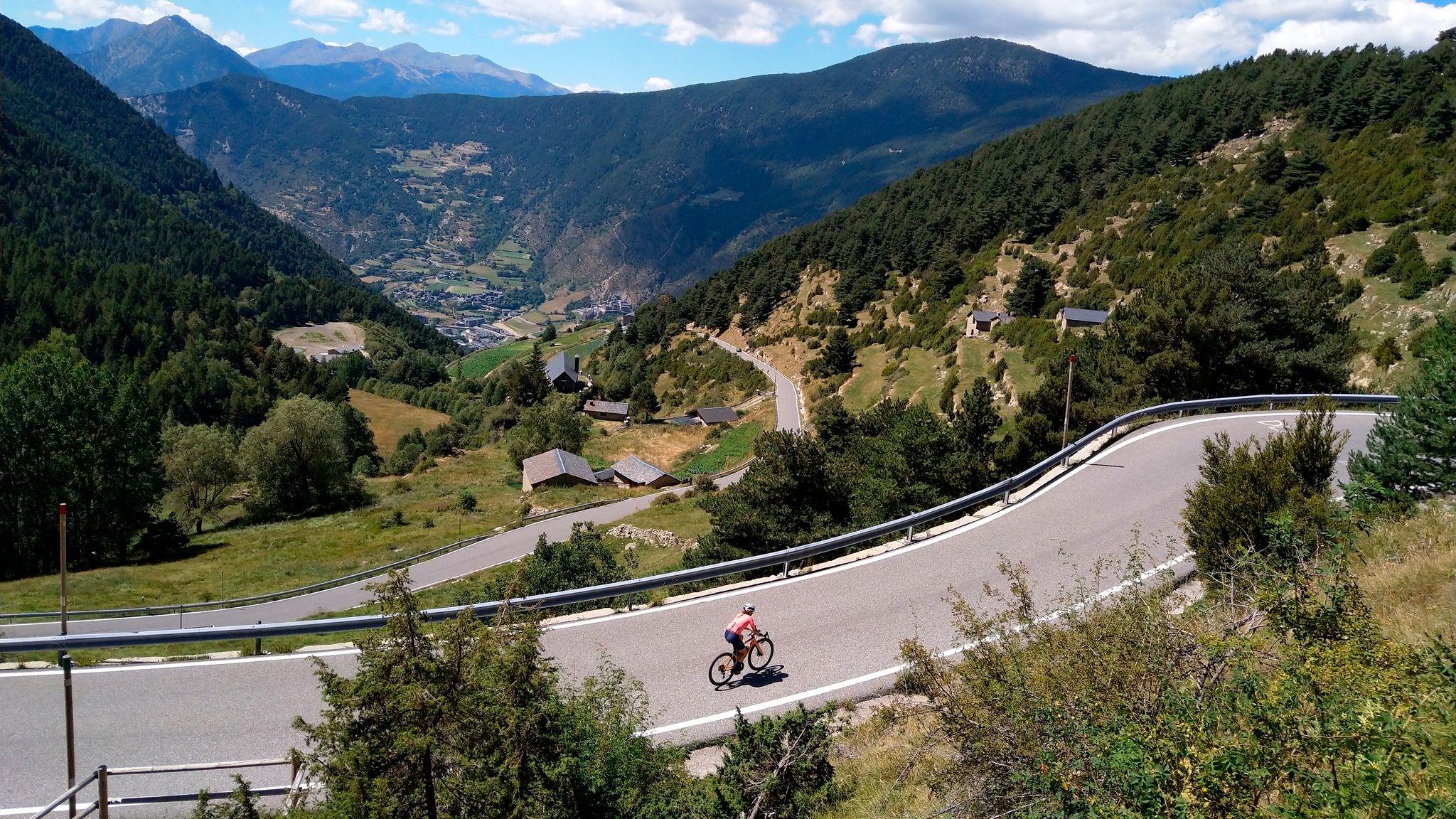
From the valley to the summit: the mythical road passes of Andorra
Hiking in Sant Julià de Lòria
Cycling in Sant Julià de Lòria
MTB Trails in Sant Julià de Lòria
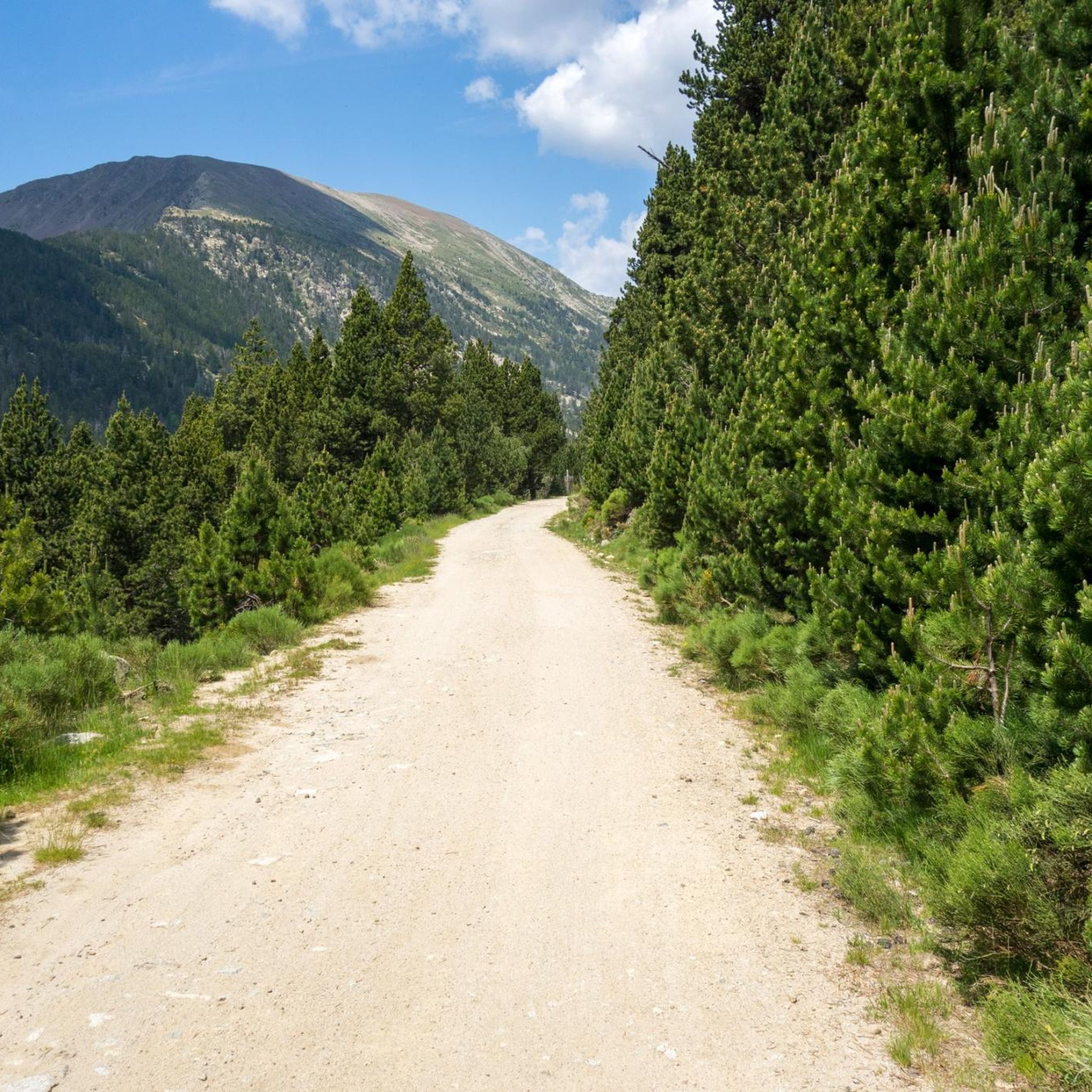
Running Trails in Sant Julià de Lòria
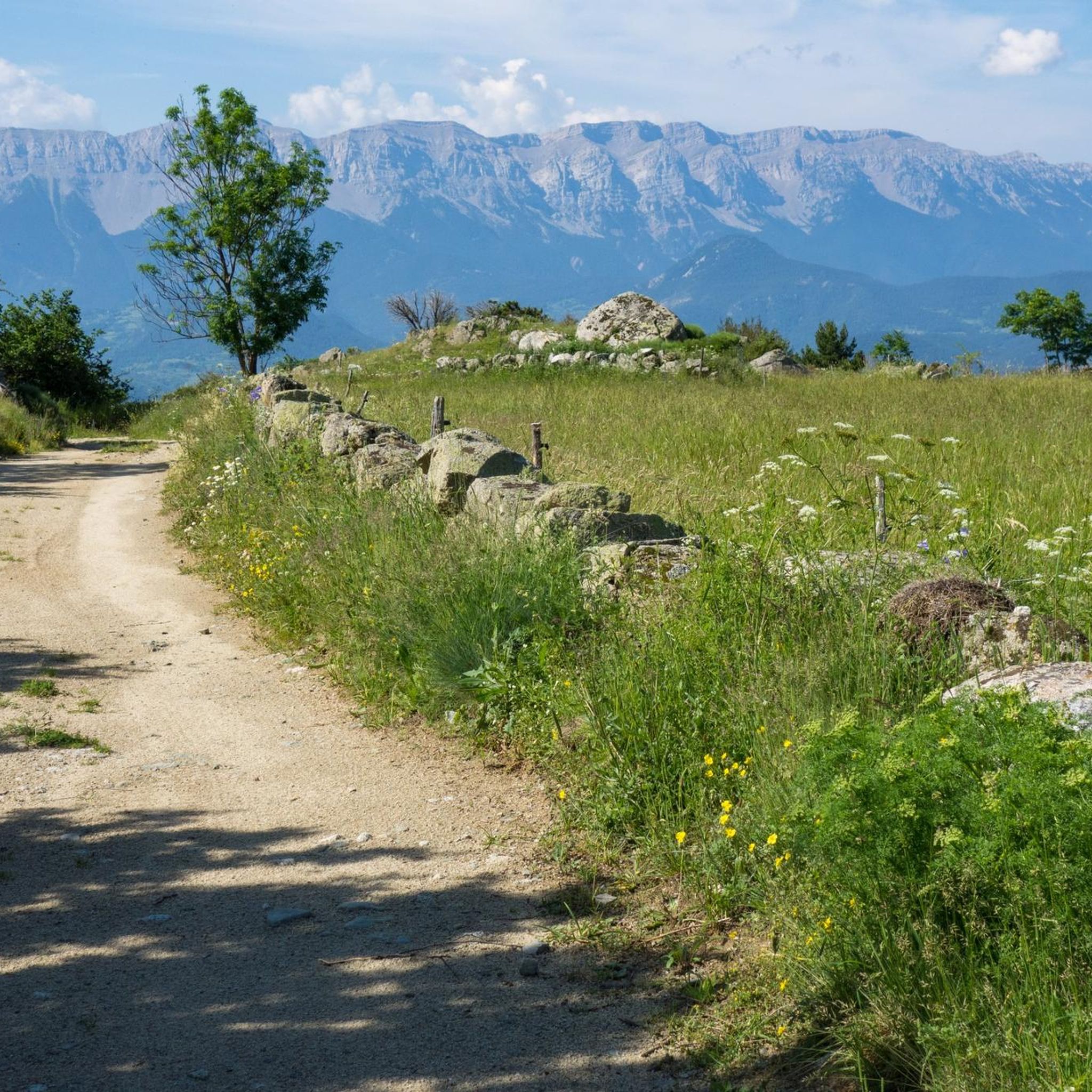
Road Cycling Routes in Sant Julià de Lòria
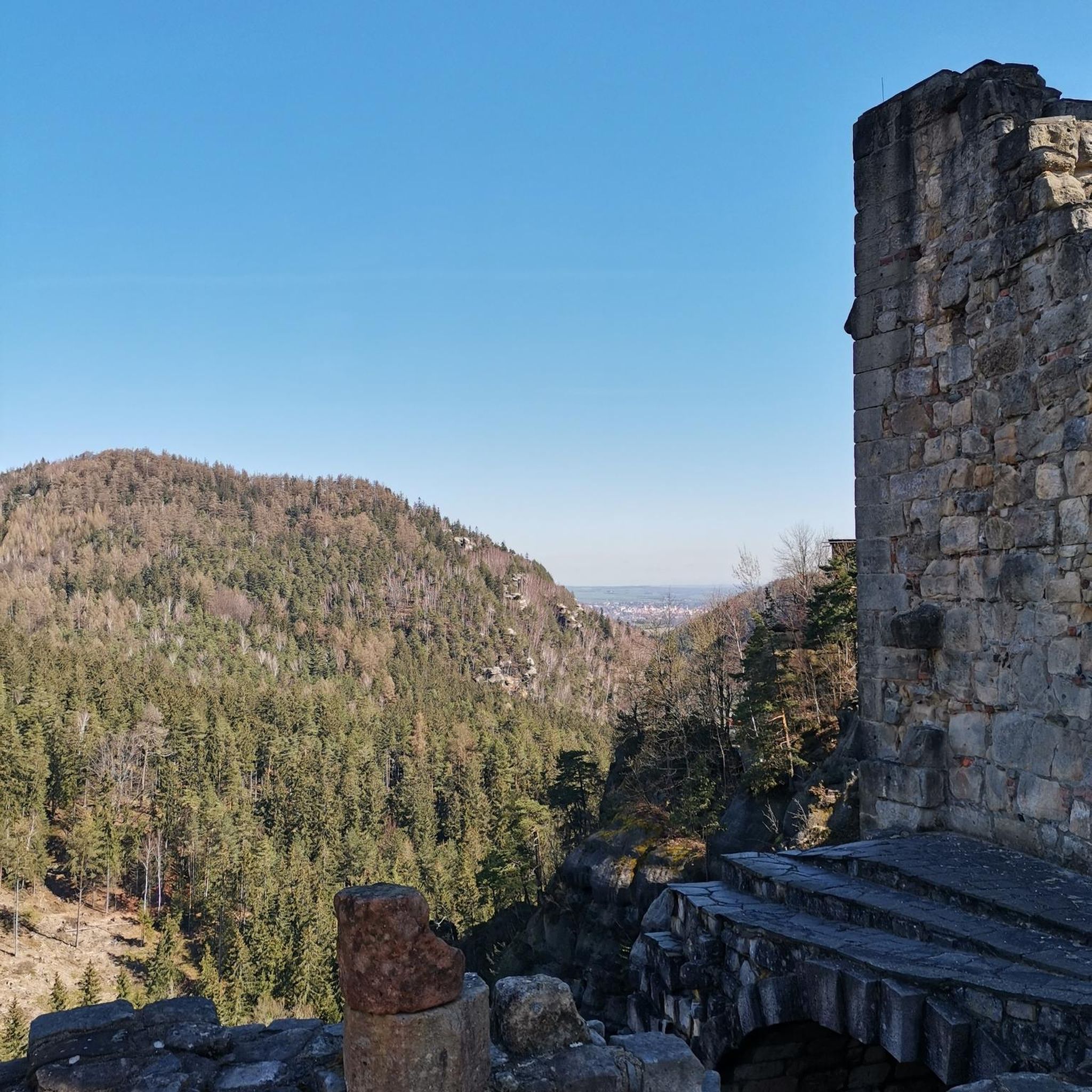
Gravel biking in Sant Julià de Lòria

Mountain Hikes in Sant Julià de Lòria
Other adventures in Sant Julià de Lòria

Tips from the Community

Attention, it is a one-way street and can only be ridden uphill.
0
0

The southern slope of the Coll de la Gallina is the one that begins in the parish of Sant Julià de Lòria and passes through the town of Fontaneda. It is 12.1 km with an average slope of 8.4% and a gradient of 1,048 meters. There is a small descent between kilometers 3 and 4 of the climb. The last 4 km, once you have passed Mas d'Alins, are the hardest, with 1 entire kilometer at 12%. The road becomes very narrow in this section as it is an old paved mountain road. It is spectacular.
0
0
The Coll de Peguera is also known as Coll de la Rabassa. In fact, on the official Andorra tourism website, the name "Alt de la Rabassa" is used. And on many altimetry websites, it is also known as "Alt de la Rabassa". The two slopes are quite similar in length and hardness, differing only slightly in the steep descent of the northernmost slope that passes through Aixirivall. When you reach the top of the mountain pass, you can take a road that goes higher towards the Naturlandia mountain activities park, which is highly recommended by the way. Another curiosity is that from Naturlandia, you continue going up an unpaved road to the border with Spain, where the views are wonderful. I leave you the link to access the altimetries of @cyclingcols (the best) --> http://www.cyclingcols.com/col/Rabassa
1
0
The Coll de la Gallina is the hardest pass in the Principality of Andorra. Its two aspects are simply spectacular. It is worth climbing both slopes. Personally, I like the Fontaneda slope a little more, which is the one you climb on the "La Purito" march. I leave you the detail of the altimetry of both slopes that is published on the best website for these purposes by @cyclingcols --> http://www.cyclingcols.com/col/Gallina
0
0

We could certainly say that it is one of the most well-known mountain passes in the south of the Andorran country, along with Rabassa. The paved road does not exist historically, but was built not many years ago and helps to connect the towns of Fontaneda and Bixessarri.
0
0
One of the most well-known passes in Andorra is Port de la Rabassa and this is the first big slope before reaching the top. Despite not being at the top of the mountain, the port and the road itself offer very good views in the middle of pine forests.
0
0

A challenging climb that winds through the pine forest until you reach the mountain pass. Magnificent views of the Volire Valley below.
0
1
An ancient mountain pass links the communities of this mountainous region. At 1910 meters above sea level, the pass offers spectacular views of the surrounding landscape and the valley.
1
0
Frequently Asked Questions
What makes the mountain passes in Sant Julià de Lòria unique for cyclists?
The mountain passes in Sant Julià de Lòria are renowned for their challenging ascents and scenic beauty, making them a significant draw for endurance cyclists. Passes like Coll de la Gallina and Coll de la Peguera have even been featured in major cycling races like the Vuelta a España, highlighting their demanding nature and spectacular routes.
Which mountain pass in Sant Julià de Lòria is considered the most challenging?
Coll de la Gallina is widely considered the hardest pass in Andorra. It features two spectacular ascents with steep average gradients, reaching sections with maximum slopes of 18-20%. It stands at an altitude of 1,910 meters above sea level.
Are there family-friendly activities available near the mountain passes?
Yes, near Port de la Rabassa, you'll find Naturlandia, an eco-theme park in the Pyrenees. It offers a variety of adventure activities, including the Tobotronc, which is the world's longest alpine toboggan run, along with trekking trails and ropeways, making it a great option for families.
What kind of views can I expect from the mountain passes in Sant Julià de Lòria?
The mountain passes offer extensive panoramic views of the Pyrenees mountain range and the Sant Julià de Lòria valley. From passes like Port de la Rabassa and Coll de la Gallina, you can enjoy breathtaking vistas of the surrounding landscape, especially the verdant valleys in spring and summer.
Can I find historical or cultural sites near the mountain passes?
Yes, some routes that incorporate the mountain passes also lead to cultural and historical points of interest. For example, a route involving Coll de la Plana allows visitors to explore the old town of Auvinyà and the hermitage of Sant Cristòfol. Additionally, along the route to Coll de la Peguera, you can observe traditional 'bordas,' small mountain buildings, some of which have been converted into mountain restaurants.
What outdoor activities can I do near these mountain passes?
Beyond cycling, the area offers diverse terrain for various outdoor activities. You can find mountain biking opportunities, especially at Port de la Rabassa with its Naturland Bike Center. There are also numerous hiking trails, including challenging mountain hikes and waterfall hikes. For more details on routes, you can explore guides like Gravel biking in Sant Julià de Lòria, Mountain Hikes in Sant Julià de Lòria, and Waterfall hikes in Sant Julià de Lòria.
What is the best time to visit the mountain passes in Sant Julià de Lòria?
The spring and summer months are ideal for visiting, as the weather is generally favorable for outdoor activities like cycling and hiking. During these seasons, the valleys are verdant, and the panoramic views are particularly spectacular. While winter offers opportunities for snow activities, road conditions on the passes can be more challenging.
Are there any easy or beginner-friendly mountain passes in Sant Julià de Lòria?
While many passes in Sant Julià de Lòria are known for their challenging nature, some routes offer impressive views without extreme difficulty. For example, the area around Coll de la Plana is part of a route that highlights cultural aspects and offers great views, which might be more accessible for those seeking a less strenuous experience. Always check specific route details for elevation and distance.
Where can I find parking when visiting the mountain passes?
Many of the popular mountain passes, such as Port de la Rabassa, offer ample parking facilities, especially at higher altitude tourist spots like Naturlandia. It's advisable to check specific access points for each pass for detailed parking information.
What do visitors enjoy most about the mountain passes in Sant Julià de Lòria?
Visitors frequently highlight the spectacular views of the surrounding landscape and valleys, the challenging climbs that make for rewarding cycling experiences, and the diverse opportunities for outdoor adventure. The combination of natural beauty and physical challenge is a major draw, as well as the unique cultural insights found along some routes.
Can I combine a visit to a mountain pass with a forest trail?
Yes, many areas around the mountain passes feature beautiful forest tracks. For instance, the Canòlich path, which runs between Aixovall and Coll de la Gallina, is a scenic forest track offering views of the Bony de la Pica. These trails provide a different perspective of the region's natural beauty.
Most popular routes in Sant Julià de Lòria
Most popular attractions in Sant Julià de Lòria

Get inspired with the komoot mobile app


Explore more
See even more epic mountain passes by checking out these guides in Sant Julià de Lòria:
