Top 20 Natural Monuments in Connacht
Natural monuments in Connacht, Ireland's western province, feature a diverse landscape of mountains, bogs, coastlines, and unique geological formations. The region offers a variety of outdoor experiences, from challenging mountain climbs to scenic coastal drives and tranquil waterfall visits. Connacht's natural beauty is characterized by its rugged terrain and distinctive natural landmarks. These sites provide opportunities for hiking, exploration, and appreciating the region's varied ecosystems.
Best natural monuments in Connacht
- The most popular natural monuments is Diamond Hill Summit, a summit that offers well-maintained paths and panoramic views. Its moderate size makes it a popular peak for visitors seeking views of the Twelve Bens and western Connemara.
- Another must-see spot is Croagh Patrick summit, a challenging summit with significant historical and religious importance. This site is known for its demanding scree fields and offers expansive views, though conditions can be very windy.
- Visitors also love Dog's Bay Beach, a beach with a unique horseshoe shape and white sand composed of seashell fragments. Its protected location makes it suitable for swimming and various water sports.
- Connacht is known for its diverse natural monuments, including summits, beaches, and waterfalls. Visitors can explore a variety of natural features, from dramatic sea cliffs to ancient historical sites integrated into the landscape.
- The natural monuments in Connacht are appreciated by the komoot community, with over 180 upvotes and 120 photos shared across more than 100 highlights.
Last updated: September 29, 2026
Diamond Hill Summit
Highlight • Summit
connemaranationalpark.ie
Translated by Google •
Tip by

Croagh Patrick summit
Highlight • Summit
Translated by Google •
Tip by

Sign up now to discover places like this
Get recommendations on the best single tracks, peaks, & plenty of other exciting outdoor places.
Queen Maeve's Grave (Knocknarea Cairn)
Highlight • Historical Site
Translated by Google •
Tip by

Croaghaun
Highlight • Summit
Tip by

View of Diamond Hill from the Stone Junction
Highlight • Viewpoint
Translated by Google •
Tip by

Monks' Fishing House on the River Cong
Highlight • Historical Site
Incidentally, the small bridge behind the abbey also gives free access to the grounds of Ashford Castle.
Translated by Google •
Tip by

Cong Abbey
Highlight • Historical Site
Entry is free. Parking is available directly at the Abbey.
megalithicireland.com/Cong%20Abbey,%20Mayo.html
Translated by Google •
Tip by
Dun Aonghasa
Highlight • Historical Site
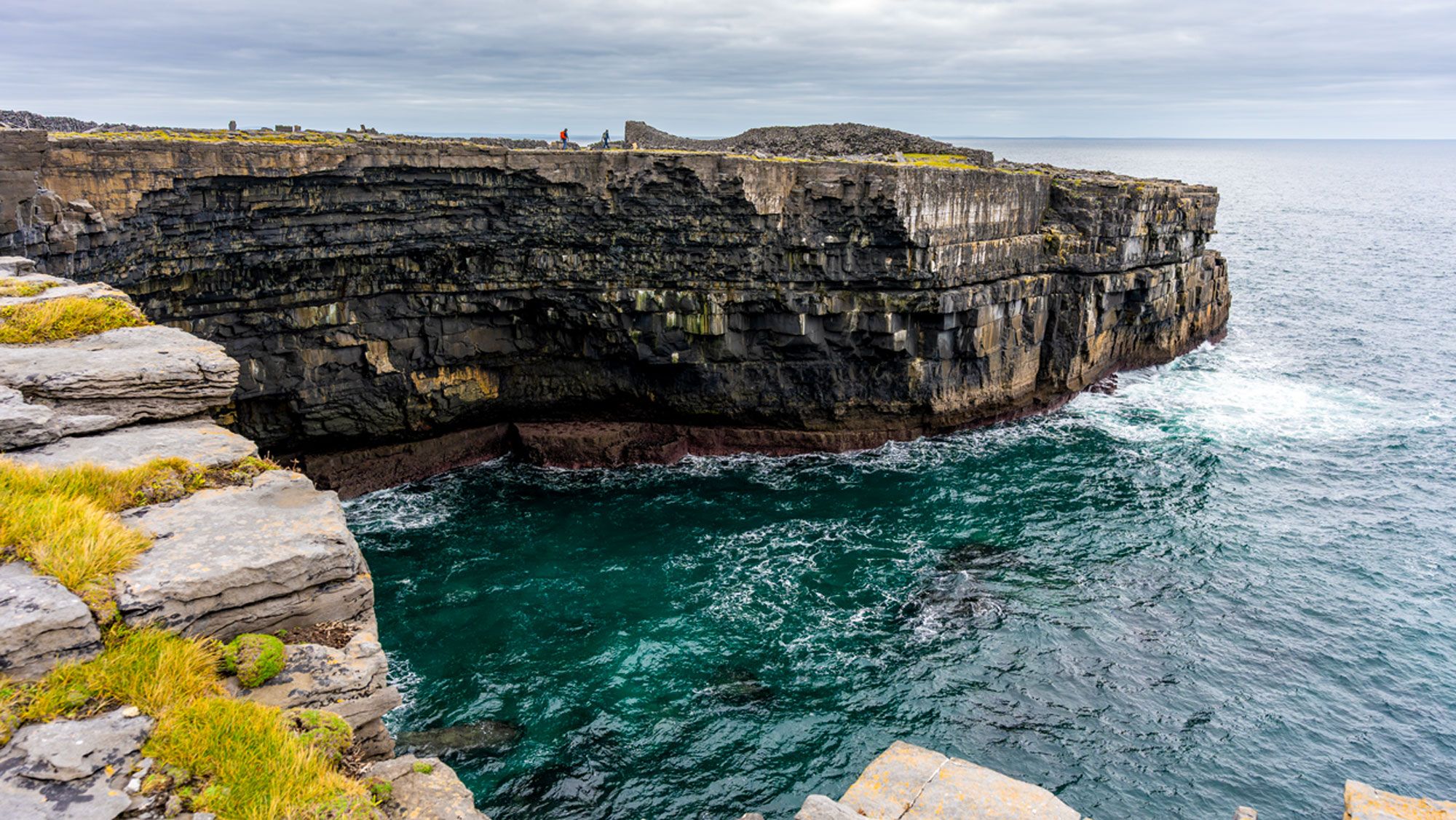
We have selected Inishmore Island to feature in our beautiful photo book "Around the World in 80 Islands". It is from this point of view that the selected photo was taken, which highlights the mineral side of the landscape.
Translated by Google •
Tip by

Dog's Bay Beach
Highlight • Beach
Translated by Google •
Tip by

Aasleagh Falls
Highlight • Waterfall
Showing Translation
Tip by

Sign up for free to discover even more natural monuments in Connacht.
Already have an account?
Start today with a free account
Your next adventure awaits.
Popular around Connacht
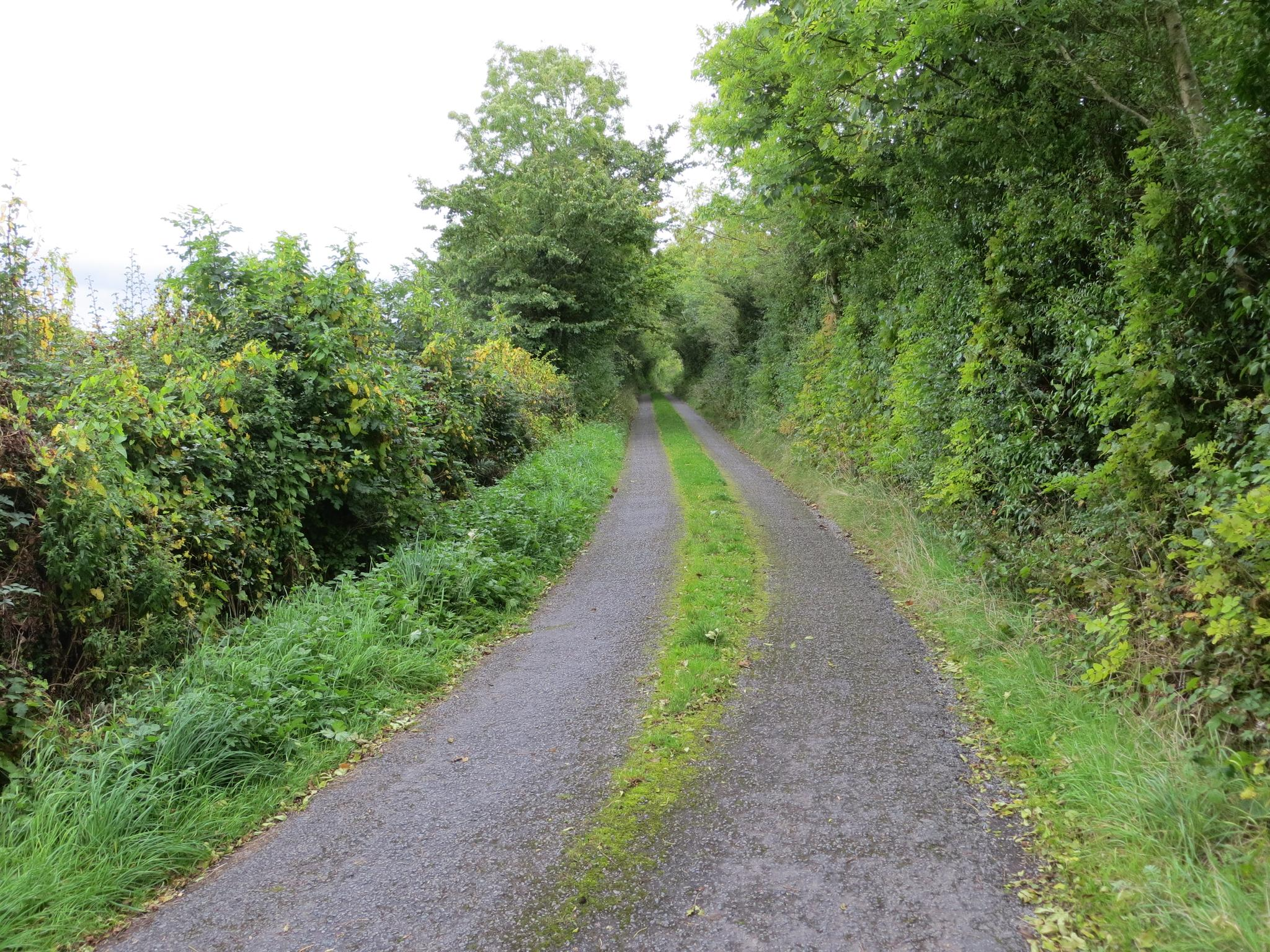
Suck Valley Way — Castles, Rivers & Rural Ireland
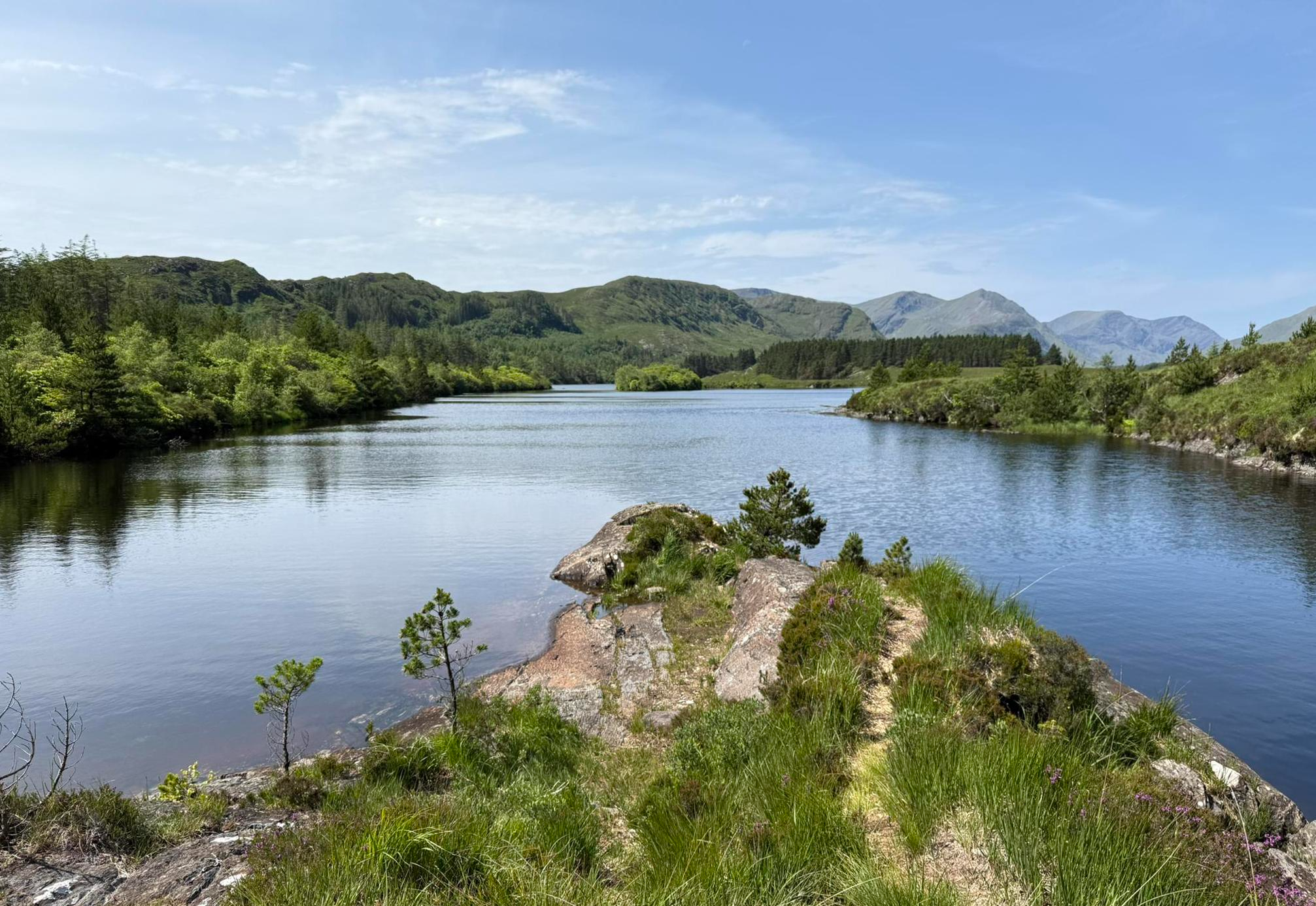
Western Way – Rugged mountains, remote hills and scenic splendour
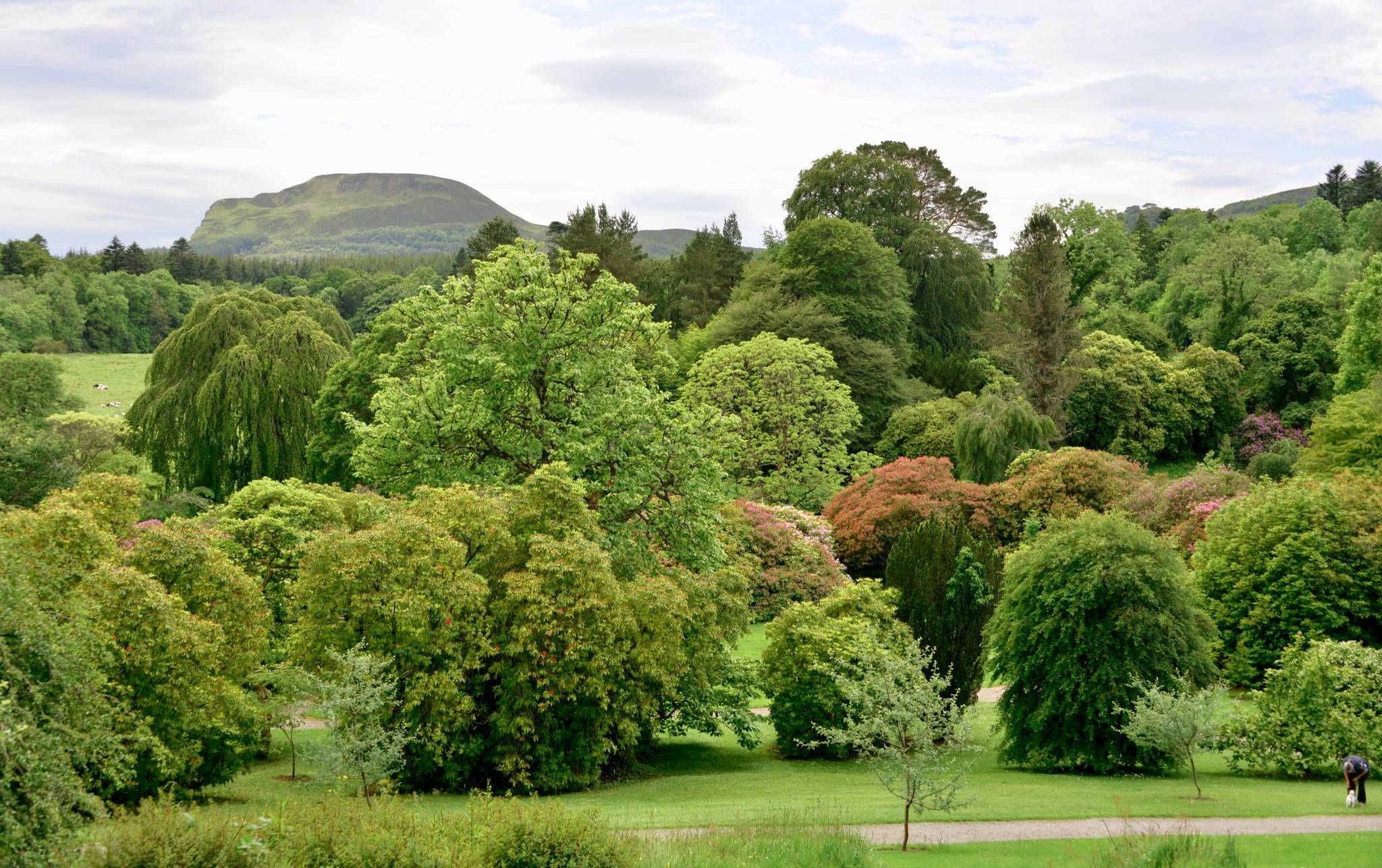
Kingfisher Trail – Explore Ireland's diverse history and nature by bike
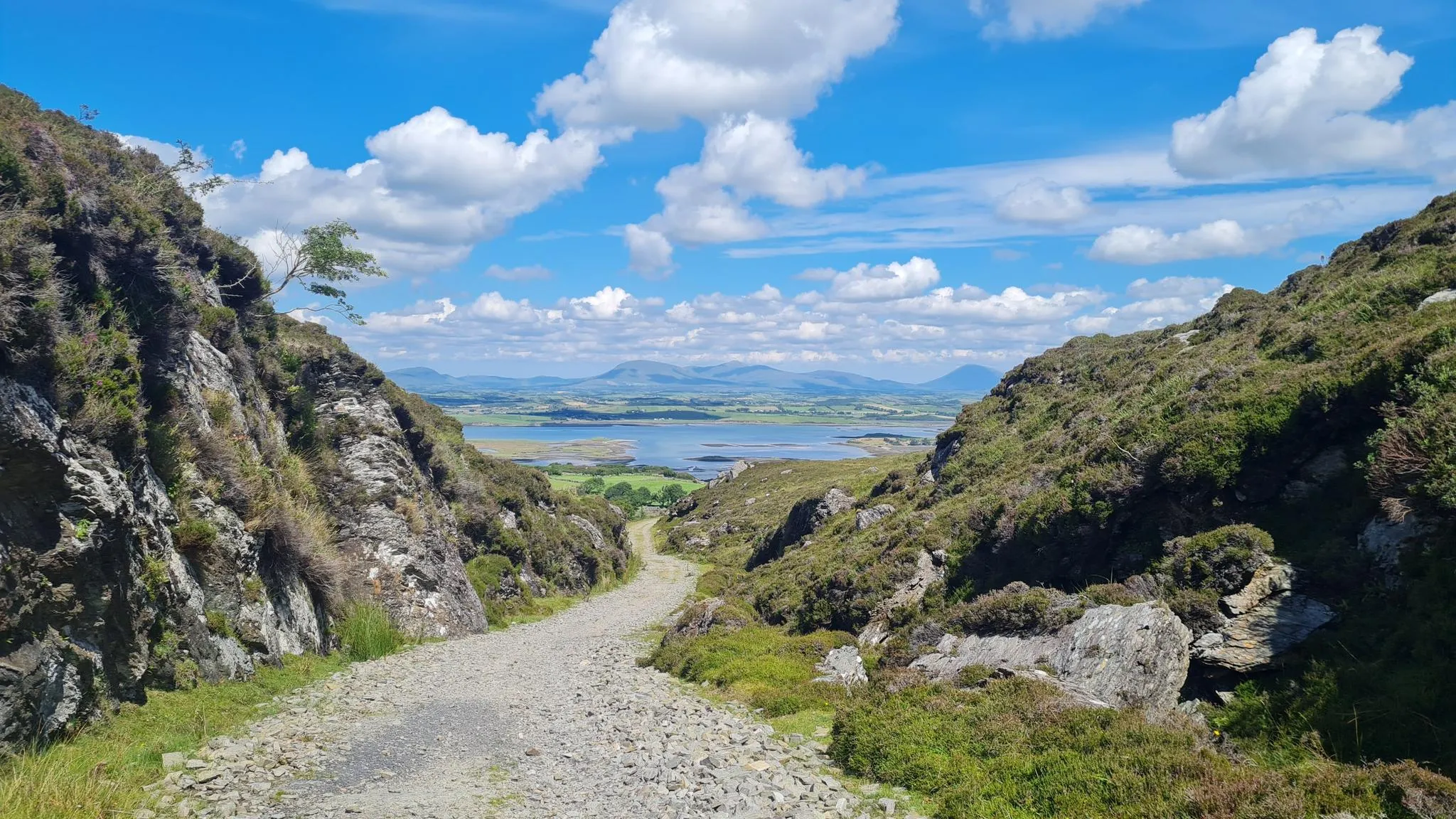
Croagh Patrick Heritage Trail – hike to Ireland’s holiest mountain
Aran Islands
Sligo Way – Hiking through Yeats Country
Rugged Rides of Ireland — Wild Nephin Way
Discover beautiful Ireland – cycle end-to-end from Mizen to Malin
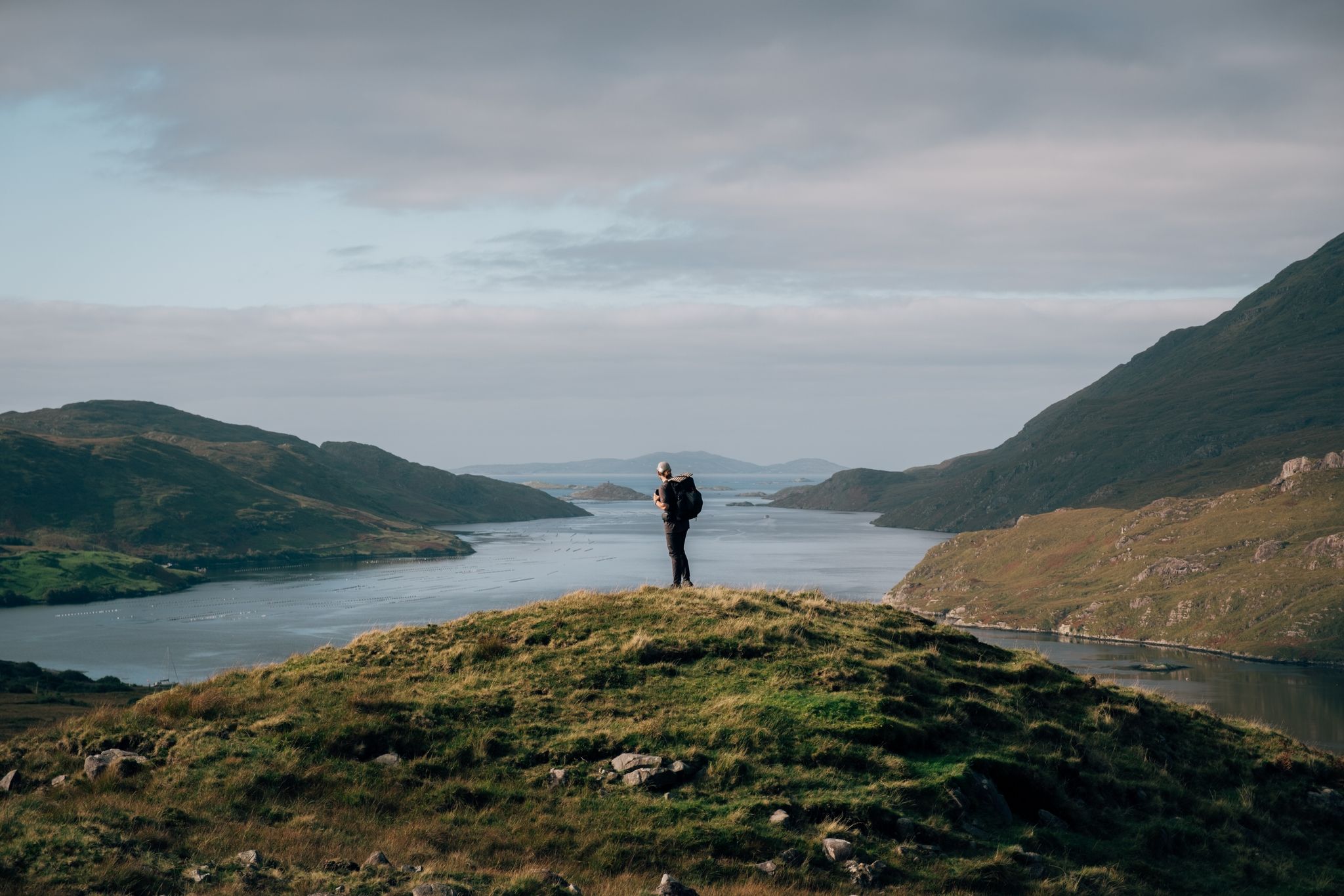
Wild and pristine – hiking along western Ireland’s cliffs & islands
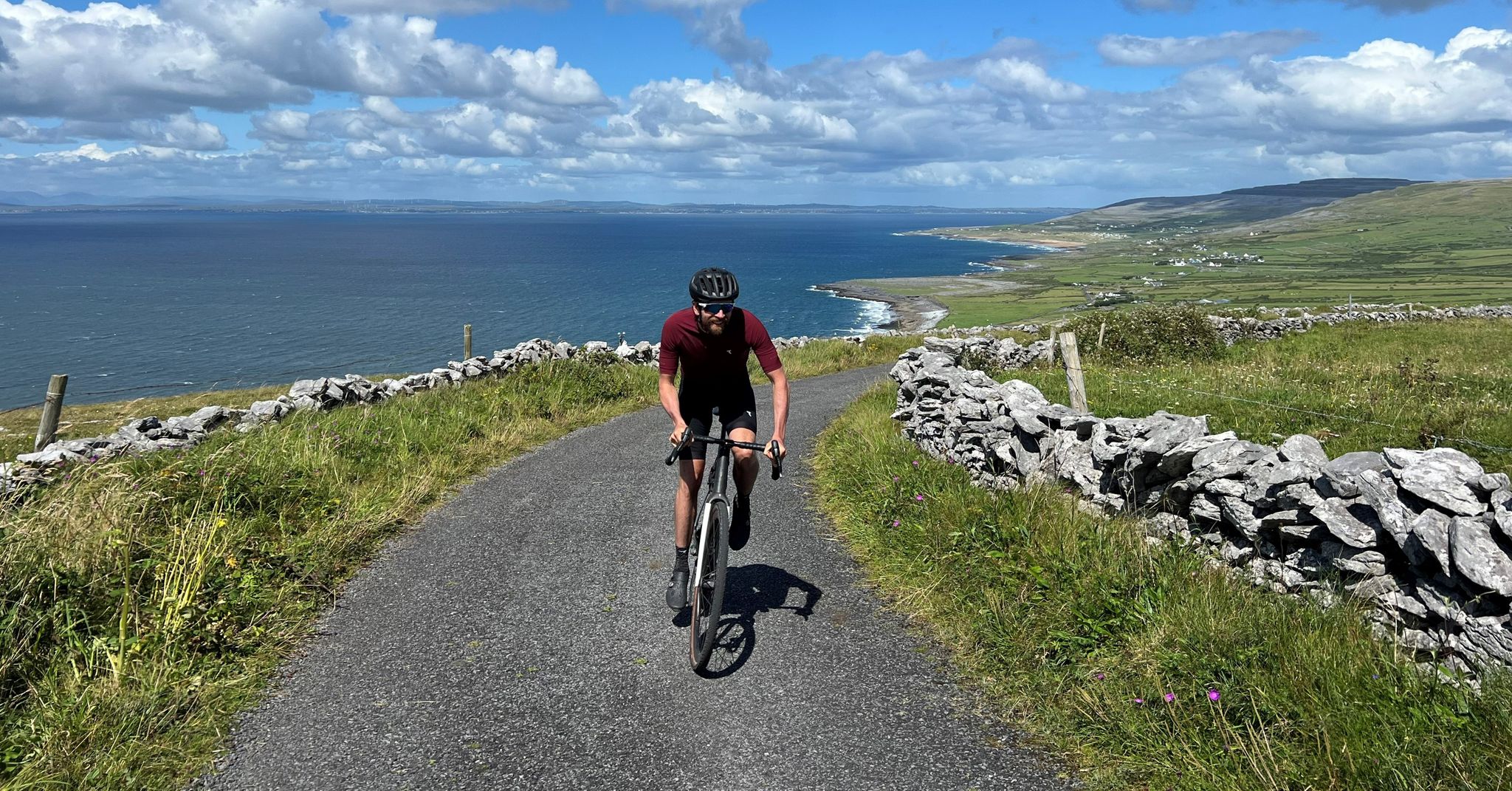
Road cycling on Ireland's west coast – four Tours with Jonas Deichmann
Other adventures in Connacht


Tips from the Community

The fortress is particularly worth seeing for the great view.
0
0

An absolute must-see on the border of Galway and Mayo. Here the river Erriff thunders over wide rock plateaus into the fjord. Whether you come for the film history of The Field, the chance to see salmon leaping, or simply for the dramatic view of the Connemara mountains: this stop never disappoints. Particularly impressive after a hearty Irish downpour!
6
0

The summit is relatively easy to climb, but don't be fooled into thinking you can find a way up from the valley floor. The path disappears as soon as you start the ascent. Good mobility is essential to get up there, as there are several small scree sections along the way. The descent, on the other hand, is disastrous. There's no path at all, and you have to traverse a very unpleasant, steep slope through moss and bushes. It's recommended to split the hike if you only want to reach the summit. Start from the car park at Lough Accorymore and don't attempt the circular route to the top. I really advise against doing the circular route; you won't enjoy the hike otherwise, but the view is still worth it. Just follow the route marked at the car park by the lake.
3
0

Aasleagh Falls is a pretty waterfall not far from Leenaun. It's set in a typically beautiful and mountainous Connemara landscape, where the Erriff River empties into the Killary Fjord. The intriguingly named Devilsmother rises to the east, while Ben Gorm rises to the west. This part of the Western Way can be prone to flooding. If the trail is impassable, the N59 can be used instead.
2
0

Wonderful view over the bays and lakes of Conemara
1
0

Just walk a little further and you will find a small, beautiful, secluded beach
1
0

The Monks Fishing House on the Cong River is a fascinating historical landmark that was used by monks for fishing in centuries past. The inventive design, which included a hole in the ground through which the net was lowered, reflects the ingenuity of the time. When enough fish were caught in the net, a bell connected to the net signaled the cook in the monastery that it was time to collect the fish. Surrounded by scenic countryside and the flowing Cong River, known for its salmon run, this idyllic cottage offers visitors a glimpse into the monks' way of life and use of natural resources. It's worth not only looking at the fisherman's house itself, but also looking into the water under the bridge, where, with a bit of luck, salmon can be observed in their natural habitat. Access to the grounds of nearby Ashford Castle via the small bridge behind the abbey is another insider tip for visitors. Although the direct route to the castle may now be partially restricted, the walk along the river is still very worthwhile and leads through impressive landscapes. For hiking enthusiasts, there are several circular hiking trails in the area that start from this historic point and lead through the breathtaking nature of Connemara. A visit to the Monk Fisherman's House and its surroundings is therefore not only a cultural experience, but also an opportunity to explore the beauty of the Irish countryside on foot.
1
0
Frequently Asked Questions
What are some of the most unique natural monuments in Connacht?
Connacht boasts several unique natural monuments. For instance, Dog's Bay Beach in County Galway is famous for its horseshoe shape and sand made entirely of seashell fragments. In County Sligo, Queen Maeve's Grave (Knocknarea Cairn) is a large prehistoric burial mound atop Knocknarea mountain, offering historical intrigue and panoramic views. Additionally, Ben Bulben, with its distinctive table-mountain-like shape, is a geological marvel in 'Yeats Country'.
Which natural monuments in Connacht offer the best panoramic views?
For breathtaking panoramic views, consider climbing Diamond Hill Summit in Connemara National Park, which provides vistas of the Twelve Bens and western Connemara. Croagh Patrick summit in County Mayo also offers expansive views, though it's a more challenging ascent. The Sky Road in Clifden, County Galway, is a scenic drive with numerous vantage points overlooking Clifden Bay and its islands. From Croaghaun on Achill Island, you can witness Ireland's highest sea cliffs and incredible ocean views.
Are there family-friendly natural monuments in Connacht?
Yes, several natural monuments in Connacht are suitable for families. Diamond Hill Summit in Connemara National Park has well-maintained trails accessible for families. Dog's Bay Beach is protected and safe for swimming, making it ideal for a family day out. Aasleagh Falls and Glencar Waterfall offer scenic, easy walks to view the cascades. The Monks' Fishing House on the River Cong and Cong Abbey are also family-friendly historical sites integrated with natural beauty.
What kind of natural features can I expect to see in Connacht?
Connacht's natural monuments showcase a diverse range of features. You'll find dramatic mountains like Croaghaun with its towering sea cliffs, picturesque waterfalls such as Aasleagh Falls and Glencar Waterfall, and unique beaches like Dog's Bay with its shell-sand. The region also features expansive boglands in areas like Doo Lough Pass, rugged coastlines at Downpatrick Head, and distinctive geological formations like Ben Bulben.
What outdoor activities can I do near Connacht's natural monuments?
The natural monuments in Connacht are excellent starting points for various outdoor activities. You can find numerous hiking trails, including the popular Diamond Hill Loop and the challenging Croagh Patrick Pilgrim Path. For mountain biking, explore routes like the Ashford Castle to Lough Mask and Cong Wood loop. Running enthusiasts can enjoy trails such as the Diamond Hill Circular. Many coastal areas also offer opportunities for water sports like windsurfing and kitesurfing.
Are there any historical or cultural sites integrated with Connacht's natural monuments?
Yes, Connacht's landscape is rich with historical and cultural sites. Croagh Patrick summit is a site of significant religious and historical importance. Queen Maeve's Grave (Knocknarea Cairn) is an ancient burial mound. The Monks' Fishing House on the River Cong and Cong Abbey offer glimpses into medieval life and architecture amidst beautiful natural surroundings. Downpatrick Head also features historical elements alongside its dramatic coastal scenery.
What is the best time of year to visit natural monuments in Connacht?
The best time to visit Connacht's natural monuments is generally during the spring (April-May) and summer (June-August) months. During these periods, the weather is milder, days are longer, and the landscapes are vibrant. This makes it ideal for hiking, exploring coastal areas, and enjoying outdoor activities. However, some sites like Glencar Waterfall are particularly impressive after rainfall, which can occur year-round.
Where can I find dramatic coastal scenery in Connacht?
For dramatic coastal scenery, head to Downpatrick Head in County Mayo, known for its stunning sea views and the iconic sea stack, Dun Briste. The Sky Road in Clifden, County Galway, offers one of the most impressive coastal drives with panoramic views of Clifden Bay. Achill Island's Croaghaun features the highest sea cliffs in Ireland, providing a truly spectacular coastal experience.
Are there any natural monuments in Connacht suitable for swimming or water sports?
Absolutely. Dog's Bay Beach near Roundstone, County Galway, is naturally protected, making it safe for swimming and ideal for various water sports like windsurfing and kitesurfing. Glencar Waterfall in County Leitrim is also one of the few waterfalls in Ireland where swimming is possible, offering a refreshing experience in a beautiful setting.
What do visitors particularly enjoy about the natural monuments in Connacht?
Visitors frequently praise the stunning panoramic views from summits like Diamond Hill and Croagh Patrick. The unique natural beauty of places like Dog's Bay Beach and the dramatic landscapes of Doo Lough Pass are also highly appreciated. Many enjoy the well-maintained paths and the sense of isolation and tranquility found in areas like Connemara National Park, despite their popularity. The blend of natural beauty with historical significance, such as at Monks' Fishing House, also leaves a lasting impression.
Which natural monuments in Connacht are known for their waterfalls?
Connacht features a couple of beautiful waterfalls. Aasleagh Falls, located on the River Erriff near the Galway/Mayo border, offers scenic views and is a popular spot for salmon fishing. Glencar Waterfall in County Leitrim, near Glencar Lake, is particularly impressive after rainfall and gained fame through the poetry of W.B. Yeats, offering a lovely wooded walk.
Are there any easy-to-visit natural monuments in Connacht for those with limited mobility?
While many natural monuments involve some walking, some offer easier access. Glencar Waterfall has a lovely wooded walk that provides easy access to view the falls. Diamond Hill Summit, within Connemara National Park, features well-maintained trails and boardwalks, making parts of it more accessible for less experienced hikers or those seeking a gentler experience. The Sky Road in Clifden is a scenic drive, allowing visitors to experience coastal beauty from their vehicle.
Most popular routes in Connacht
Most popular attractions in Connacht

Get inspired with the komoot mobile app


Explore more
Extend your search for the best caves by checking out these guides of the top ones in Connacht:
