Top 20 Natural Monuments in Zwettl
Best natural monuments in Zwettl are found within the Waldviertel region of Lower Austria, offering diverse natural landscapes. The area features a variety of sites, including cascading waterfalls, unique rock formations, and serene valleys. These natural features contribute to the region's character and provide opportunities for outdoor exploration. Zwettl's natural environment is characterized by its forests, rivers, and geological formations.
Best natural monuments in Zwettl
- The most popular natural monuments is Lohnbach Waterfall, a waterfall that cascades down an…
Last updated: July 9, 2026
Lohnbach Waterfall
Highlight • Waterfall
Between Pretrobruck and Grub in the valley, the Lohnbach overcomes …
Translated by Google •
Tip by

Burg Rappottenstein
Highlight • Castle
Rapottenstein Castle tells of …
Translated by Google •
Tip by

Sign up now to discover places like this
Get recommendations on the best single tracks, peaks, & plenty of other exciting outdoor places.
Sign up for free
Waldviertel Stone Pyramid
Highlight • Monument
Translated by Google •
Tip by

Schlesingerteich
Highlight • Lake
Translated by Google •
Tip by

Arbesbach Castle Ruins
Highlight • Castle
Translated by Google •
Tip by

Bründlkirche and Lourdes Grotto
Highlight • Religious Site
Translated by Google •
Tip by

Lohnbachfall – Steinerne Stube
Highlight • Waterfall
Translated by Google •
Tip by
Franzosenstein
Highlight • Natural Monument
Translated by Google •
Tip by
Thaya Spring
Highlight • River
Translated by Google •
Tip by
Labyrinth at the Place of Power Weyerbusch
Highlight • Structure
Translated by Google •
Tip by
Sign up for free to discover even more natural monuments in Zwettl.
Sign up for free
Already have an account?
Start today with a free account
Your next adventure awaits.
Login or Signup
Popular around Zwettl
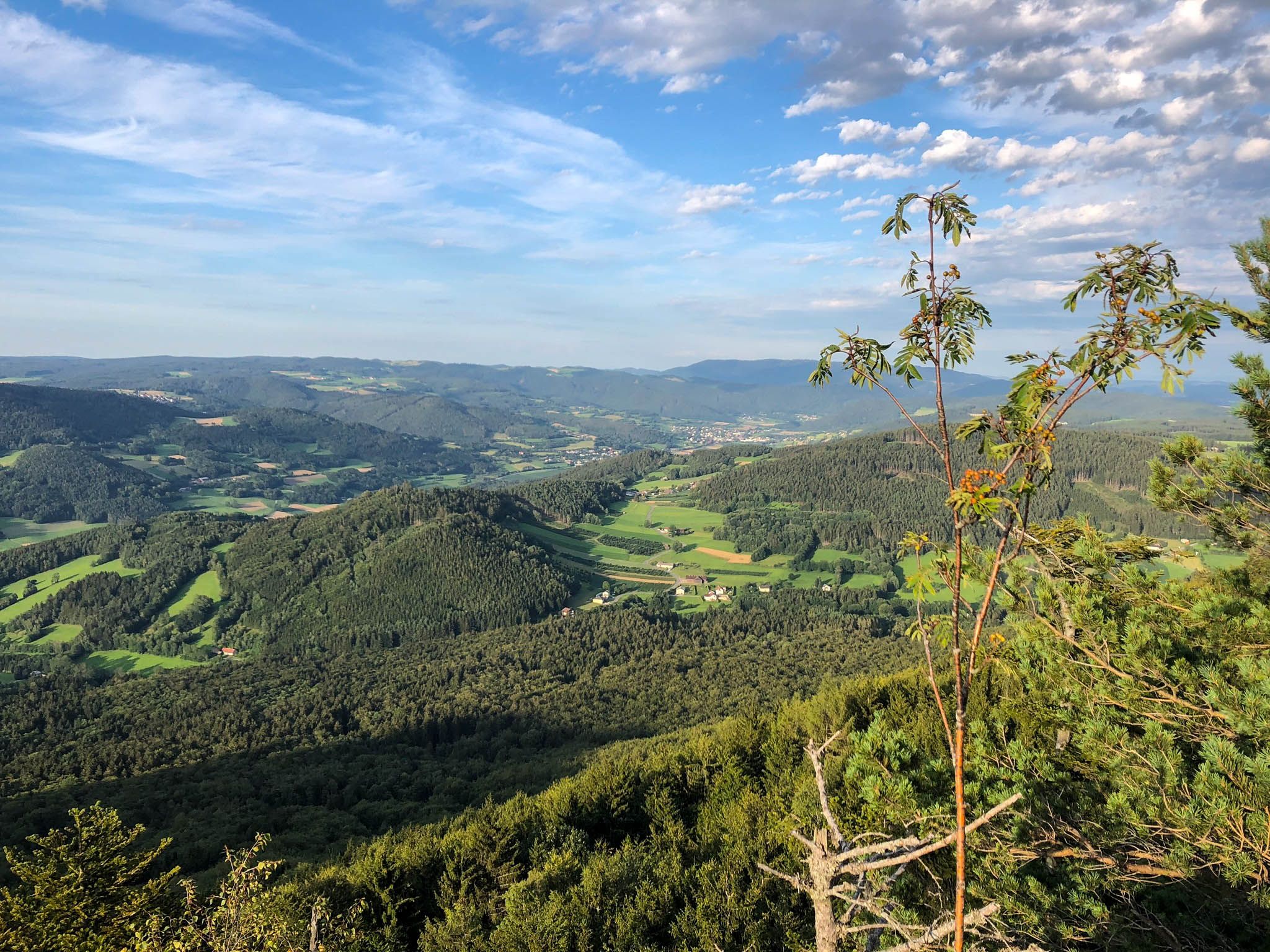
Ysper-Weitental circular hiking trail – Unwind in Austria
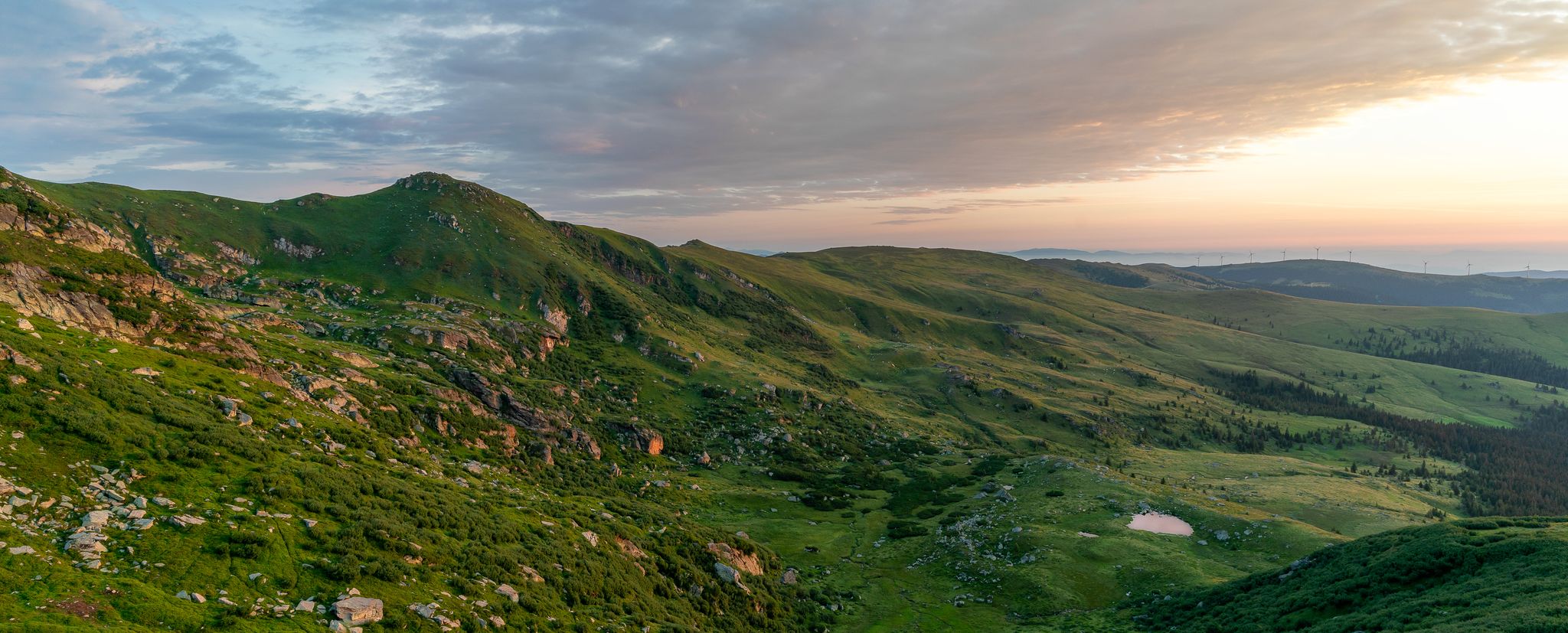
North-South Trail through Austria – Small country, big paths!
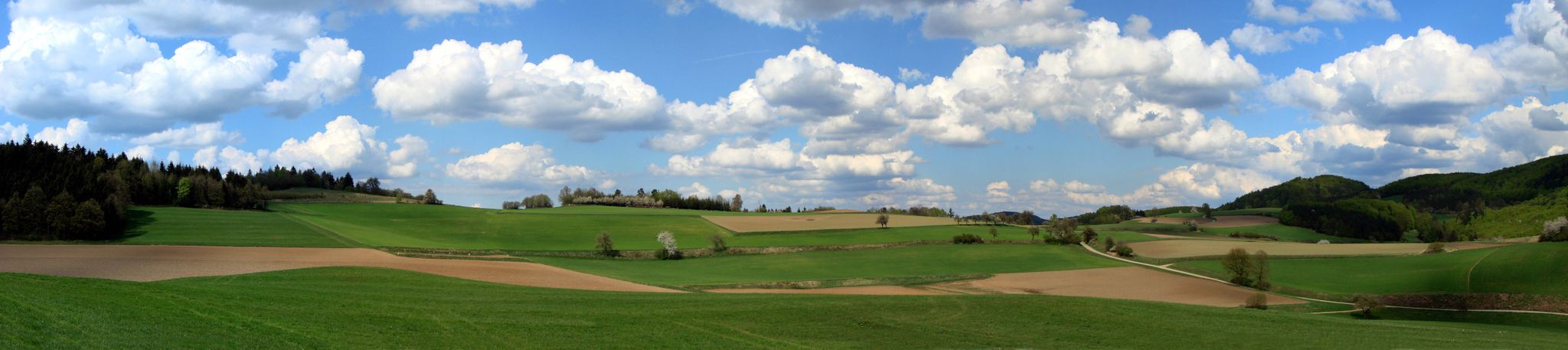
The Path of Life — A (spiritual) hike through northeastern Austria
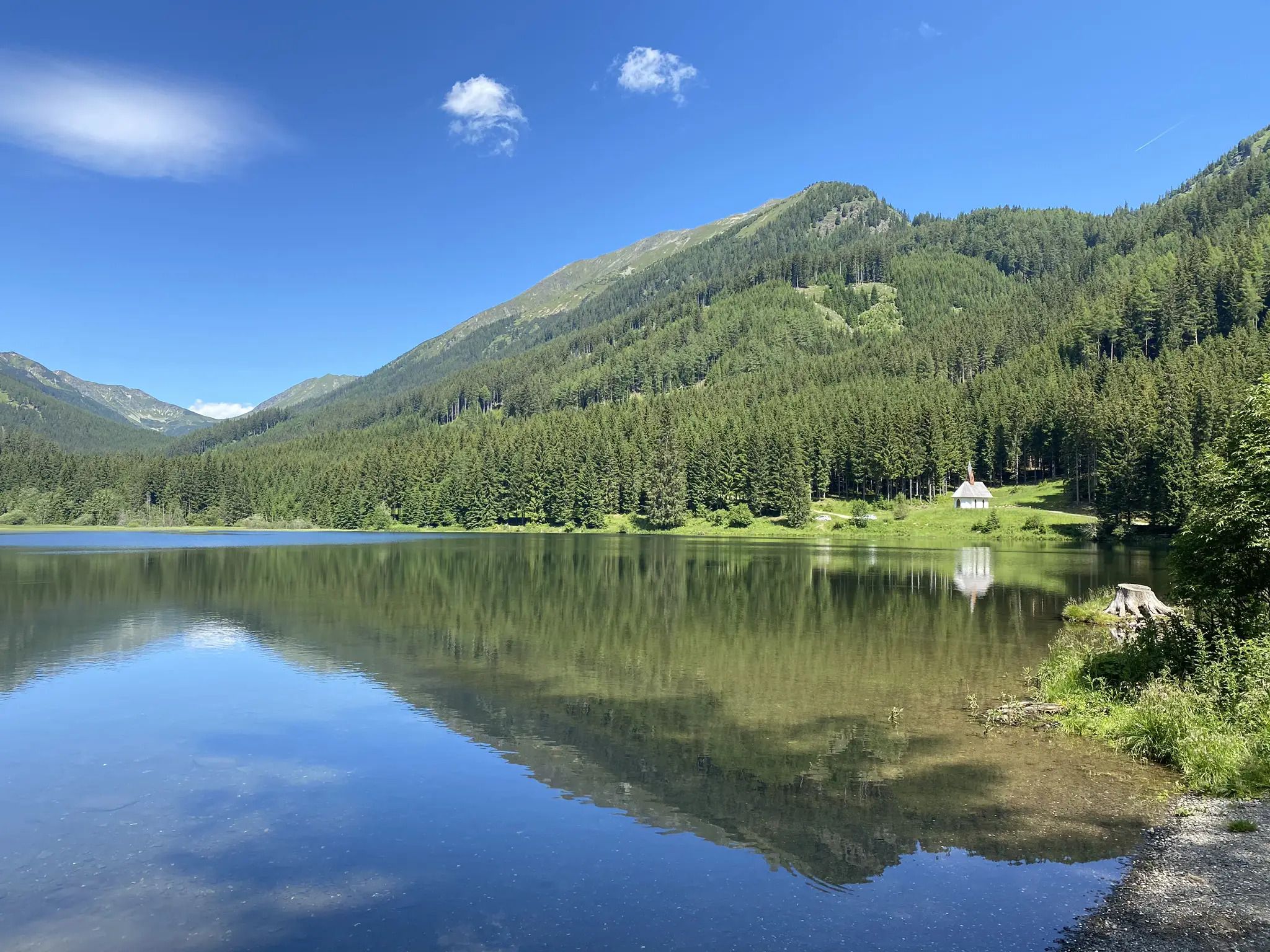
Eisenwurzen Trail – Hiking through Austria from north to south
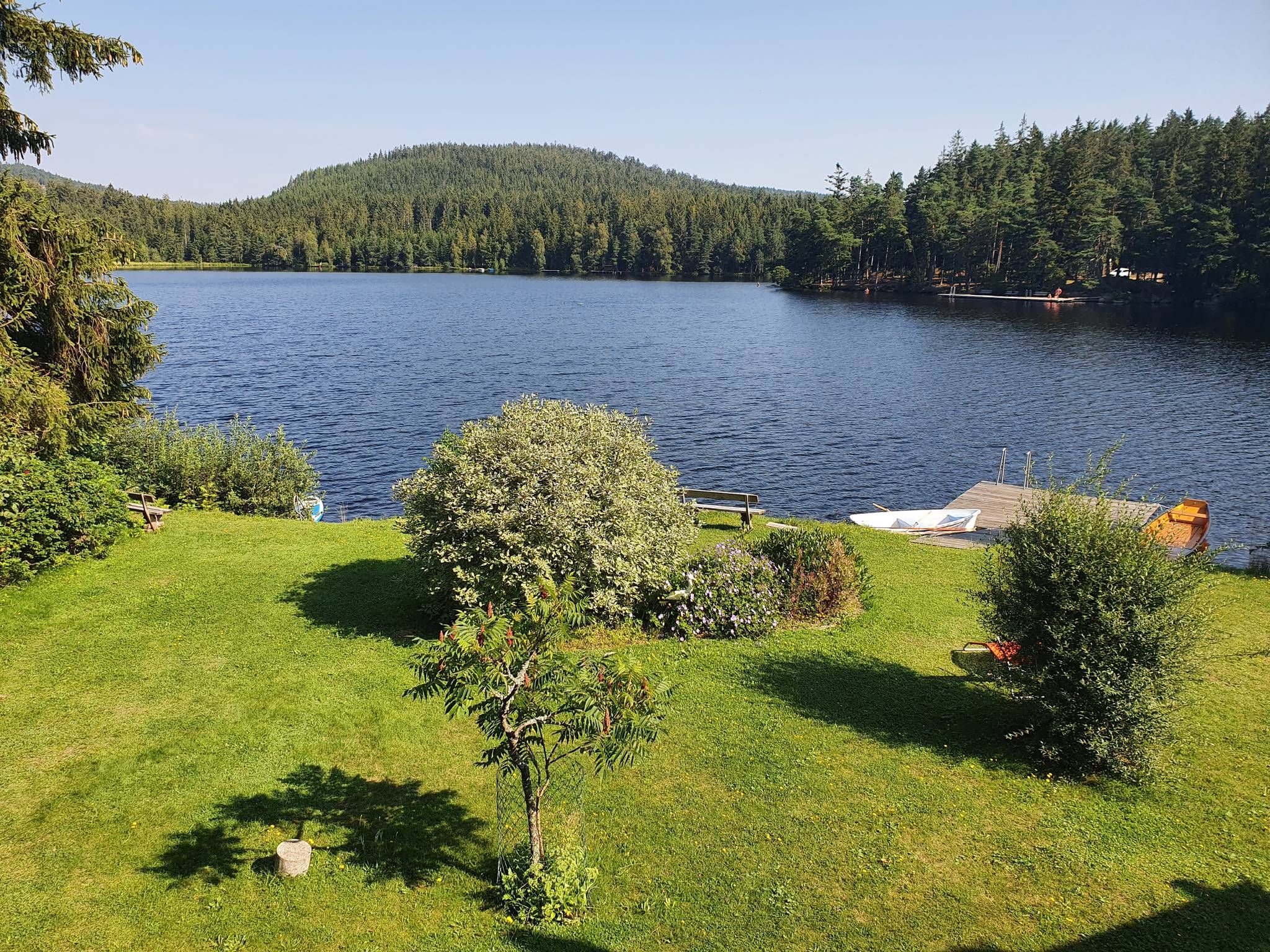
Kremstal Trail — Hiking along rivers through Lower Austria
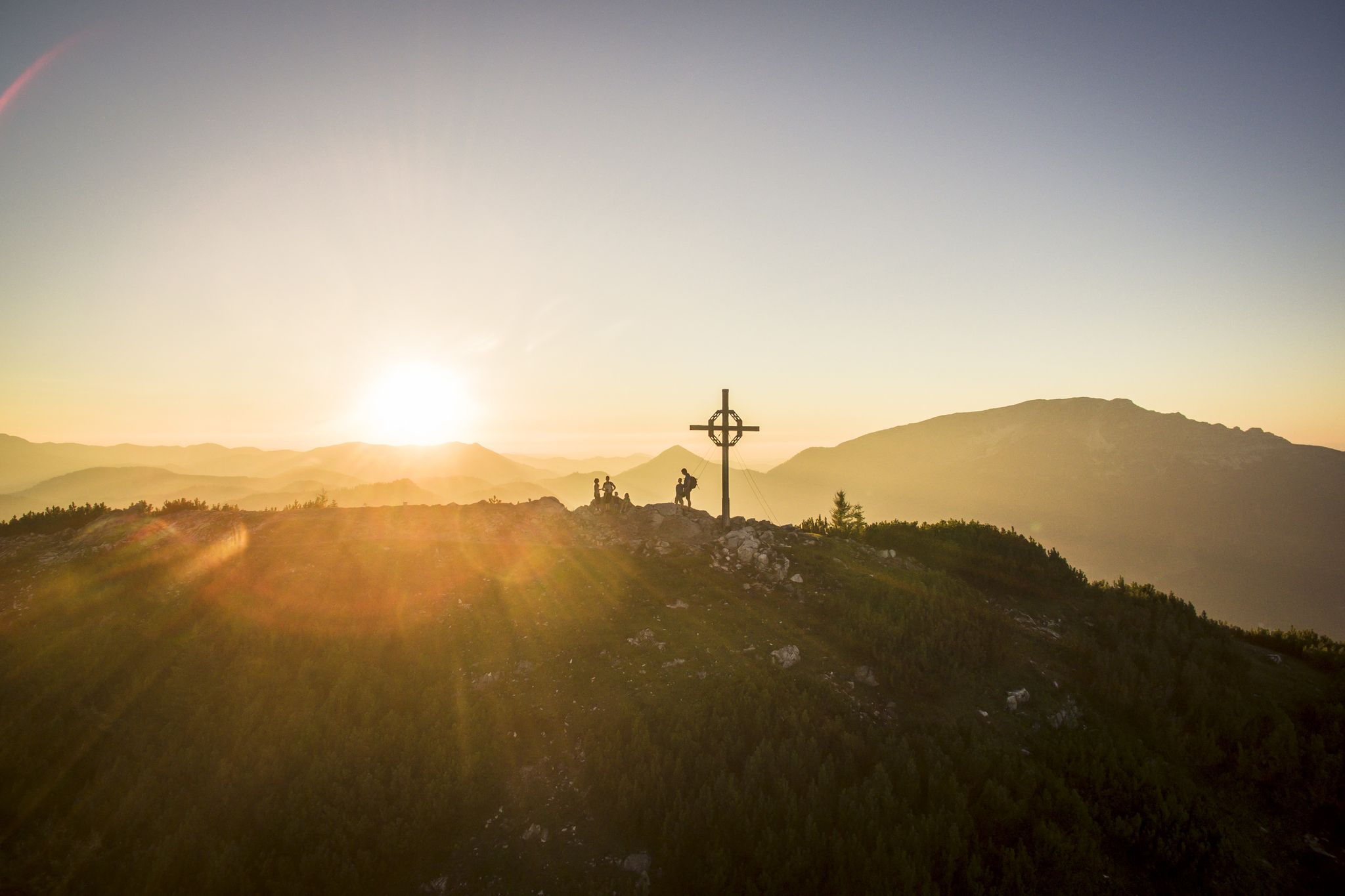
Hiking with a view – certified hiking villages in Lower Austria
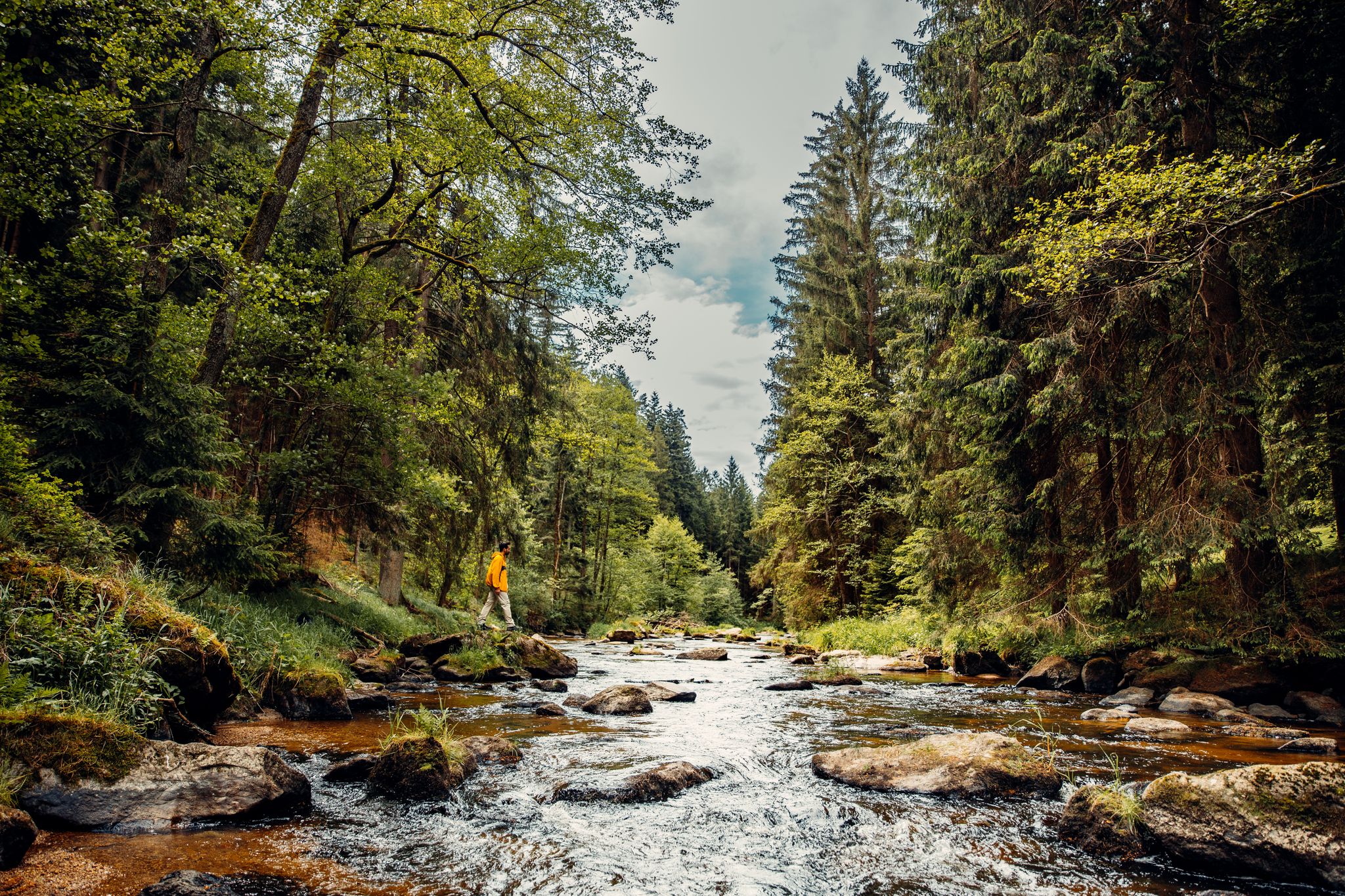
Cliffs, a gorge and vineyards – day hikes in the Waldviertel
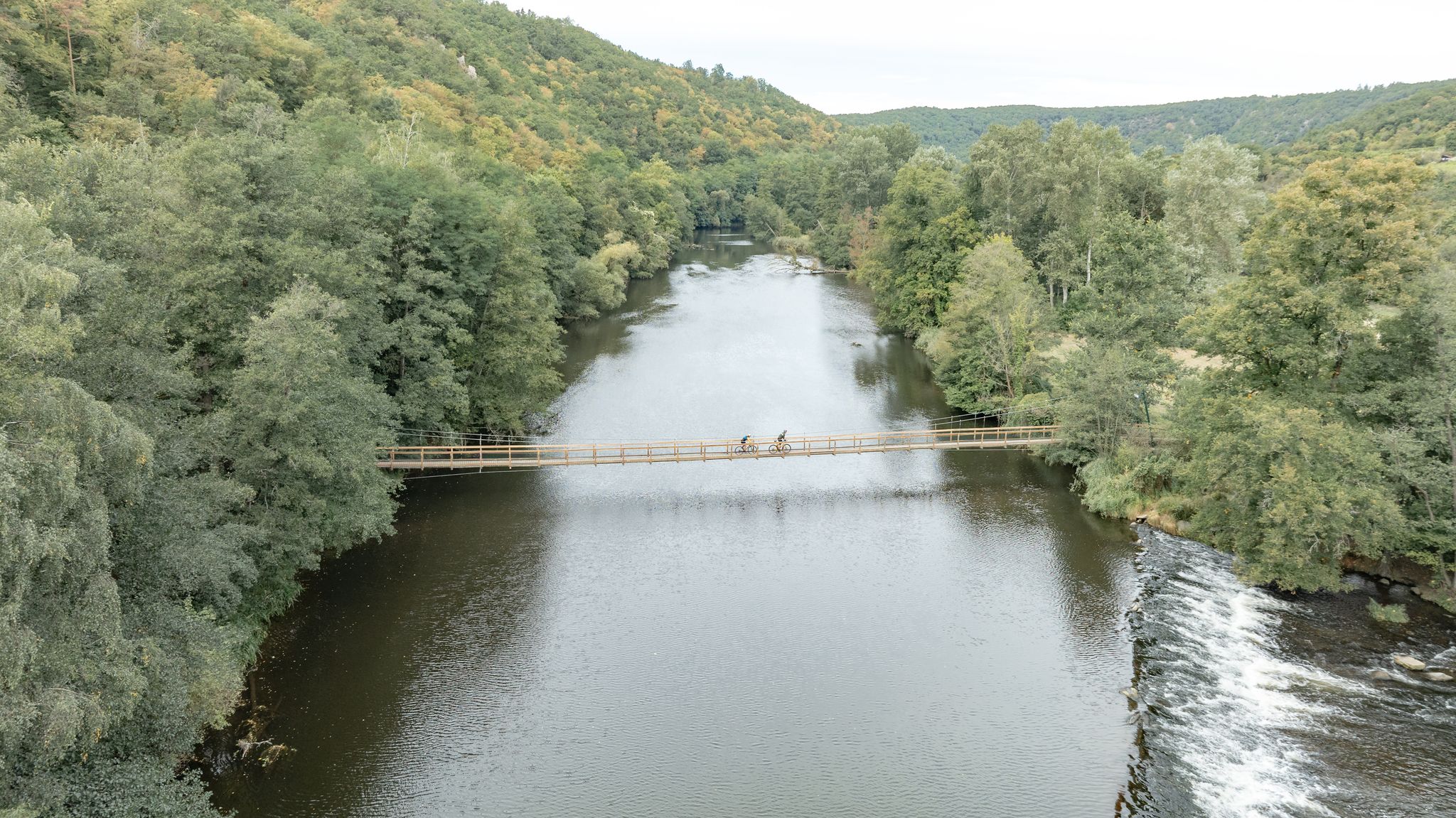
Long and short cycling Tours in the Waldviertel
An MTB adventure in Austria's loneliest region – Granite Trail

Discover Austria’s most beautiful family cycle paths with woom
Other adventures in Zwettl


Tips from the Community

The old cult object, a statue of the Virgin with Child, has now been displaced by the construction of a Lourdes grotto and a statue of Our Lady of Lourdes. To the left of the grotto stands Saint Francis of Assisi in a semicircular niche. The statue depicts the saint in his characteristic brown habit, accompanied by an ox. He carries a crozier and holds a book, referring to his role as a religious role model and founder of an order. In the ivy-covered Lourdes grotto stands a statue of the Virgin of Lourdes. She wears a white dress with a blue sash. To the right of the grotto stands Saint Florian in a semicircular niche. He is depicted as a Roman soldier with armor, a cloak, and a spear.
0
0

Although colloquially often thrown into the proverbial "one pot", a distinction must be made in terms of content between "Labyrinth" and "Irrgarten" (maze). In a "Labyrinth", one cannot get lost (as in an "Irrgarten"), but rather – although slowed down by many loops and detours – moves inexorably towards the center. Wikipedia states about the Labyrinth: "a winding, branching-free path, whose course, with regular changes of direction, inevitably leads to the goal, the center." According to Christian mysticism, this center in the middle of the Labyrinth is God himself, towards whom man (as a pilgrim on earth) is journeying in the labyrinth of life.
0
0

Really lovingly arranged, and always worth a photo.
0
0

Arbesbach Castle is a top highlight that you should definitely plan a visit to. Even from a distance, you can recognize the so-called "Waldviertel's fang" (Stockzahn des Waldviertels). Once you arrive at the site, 126 steps lead up to the entrance where admission (currently €2.50) is payable in coins or by card. Then it continues inside upwards to the platform, which offers a fantastic view. There is also a circular path around the tower, which however requires some surefootedness and suitable shoes.
0
0

Here you can relax and enjoy nature.
1
0

If you have time, you should definitely see the castle's interior. But be sure to check the opening hours. You can also stop for refreshments in the castle tavern. Good food!
0
0

A remarkable stone located right next to the road. Access is easy and possible at any time.
0
0

The village was first mentioned in 1246 and was originally owned by the Kuenring line of Weitra-Rappottenstein. In 1282, the estate passed to the Lords of Falkenberg, and in 1291 to Ulrich von Kapelln. In the 14th century, Arbesbach is mentioned as a freehold property. From 1326 to 1348, it was owned by the Lords of Klingenberg, who in 1347 mortgaged "the castle and the house at Arbesbach" to Weikart and Katharina von Winkl. From 1348, Arbesbach was owned by the Lords of Dachsberg, and from 1423 by the Lords of Starhemberg. In 1480, the castle was destroyed by a Bohemian raiding party and was not rebuilt. In 1600, the estate passed to the Lords of Tschernembl, and in 1604 to Georg Fenzl von... Grueb and as early as 1605 to Georg Kaspar von Neuhaus. From 1614 owned by the Lords von Hackelberg, from 1675 to 1862 by the Countess Dietrichstein. Afterwards, it passed to the Herberstein, Geusau, and Baron Holtz families, and from 1877 onwards to the Altzinger family, who still own the estate today and reside in part of the castle complex. Text by G.R., K.Ki.
2
0
Frequently Asked Questions
What are some of the most scenic natural monuments in Zwettl?
Beyond the well-known spots, Zwettl offers several captivating natural monuments. The Lohnbach Waterfall is a popular attraction where the Lohnbach cascades down an eight-meter height difference. For panoramic views, visit Wachtstein, a viewpoint made of large granite blocks offering vistas from 980 meters above sea level. The Zwettl Valley itself provides idyllic hiking trails along the Zwettl river, featuring old trees, rock groups, and a tranquil, almost jungle-like atmosphere.
Are there any family-friendly natural monuments or activities in Zwettl?
Yes, several natural monuments in Zwettl are suitable for families. The Lohnbachfall – Steinerne Stube offers a worthwhile hiking trail to the falls, often described as a place of power. The Thaya Spring is another family-friendly natural monument located in a forest. Additionally, the Zwettltal forest adventure trail, a 6 km circular route, is an excellent way for families to experience the natural paradise of the Zwettl Valley.
What kind of outdoor activities can I do near Zwettl's natural monuments?
The region around Zwettl's natural monuments is ideal for various outdoor activities. You can find numerous hiking trails, including those leading to waterfalls like the Lohnbach Waterfall. The Ottenstein Reservoir is perfect for hiking, walking, cycling, horseback riding, swimming, fishing, and boating. For specific routes, explore the waterfall hikes in Zwettl or the easy hikes in Zwettl guides.
Are there any historical or cultural sites integrated with the natural landscape?
Yes, the Zwettl area beautifully blends natural beauty with historical elements. Burg Rappottenstein, one of the oldest castles in the Waldviertel, stands proudly on a granite rock mountain in the valley of the small Kamp. The Waldviertel Stone Pyramid, a unique stepped cone, is considered an archaeological puzzle and is located in a forest. The Klaus Chapel, while a religious building, is nestled within the forest and accessible via hiking trails, making it a must-see spot within the natural landscape.
What is the best time of year to visit the natural monuments in Zwettl?
The natural monuments in Zwettl offer beauty throughout the year. Spring and autumn provide pleasant temperatures for hiking and enjoying the changing foliage. Summer is ideal for activities around the Ottenstein Reservoir, including swimming in its cool waters, and for exploring the Zwettl Valley where the reddish-brown river invites a refreshing dip. Even in snowy winter, with proper equipment, sites like the Lohnbach Waterfall can be a beautiful destination.
Can I find unique geological formations in Zwettl?
Yes, Zwettl is known for its unique geological features. The Wachtstein is an impressive viewpoint composed of large granite blocks. The Zwettl Valley also features various rock groups alongside its old trees. Officially designated natural monuments in the district often include specific unique rock formations, such as the "Steinernes Wirtshaus" rock group in Stein, protected for their uniqueness and significance.
Are there any designated protected natural areas in Zwettl?
The Zwettl Valley (Zwettltal) is a protected Natura 2000 area, highlighting its rich biodiversity. This designation means it's home to important species like otters, river pearl mussels, stone crayfish, and various bat species. The district of Zwettl also features officially designated "Naturdenkmäler" (natural monuments), which are specific natural formations protected due to their uniqueness, rarity, or scientific/cultural significance.
What do visitors particularly enjoy about the natural monuments in Zwettl?
Visitors frequently appreciate the serene beauty and tranquility of the natural monuments. The Lohnbach Waterfall is praised for its scenic beauty, especially when water levels are high. The Wachtstein offers rewarding panoramic views after a climb. Many find the hiking trails, like those leading to Lohnbachfall – Steinerne Stube, to be worthwhile and peaceful, with opportunities for great photos.
Are there opportunities for mountain biking near Zwettl's natural monuments?
Yes, the Zwettl region offers mountain biking opportunities. You can find various MTB trails that allow you to explore the diverse landscapes. For detailed routes and difficulty levels, refer to the MTB Trails in Zwettl guide, which includes routes like the "Bruderndorf Water Station – Bison Ranch Pasture Langschlag loop" and others around the Kamp River.
What kind of facilities or amenities can I expect near the natural monuments?
While many natural monuments are in pristine natural settings, some areas offer basic facilities. For example, the Thaya Spring highlight mentions available facilities. For longer excursions, it's advisable to carry your own provisions. Some starting points for trails, like the one to the Waldviertel Stone Pyramid, might have nearby guesthouses or parking. The Ottenstein Reservoir area also provides recreational infrastructure for visitors.
Are there any natural monuments that are less known or considered 'hidden gems'?
While the main highlights are well-documented, the district of Zwettl has many officially designated natural monuments that are less frequented. These often include specific old trees, unique rock formations, or small natural waters that are protected locally. Exploring the hiking trails in areas like the Zwettl Valley can lead you to tranquil spots and less-traveled sections, offering a sense of discovery away from the more popular attractions.
How long should I plan for a visit to the natural monuments in Zwettl?
The duration of your visit depends on which natural monuments you choose to explore and what activities you plan. A visit to a single site like the Lohnbach Waterfall or Wachtstein might take a few hours, including travel and a short hike. For a more immersive experience, such as exploring the Zwettl Valley or enjoying activities at the Ottenstein Reservoir, you could easily spend a full day or even multiple days, combining several sites and trails.
Most popular routes in Zwettl
Most popular attractions in Zwettl

Get inspired with the komoot mobile app


Didn’t find what you were looking for?
Find even more amazing natural monuments in Zwettl by checking out the top Highlights region by region:
Explore more
Extend your search for the best caves by checking out these guides of the top ones in Zwettl:
