Top 20 Natural Monuments in Rhein-Erft-Kreis
Best natural monuments in Rhein-Erft-Kreis are found west of Cologne in North Rhine-Westphalia, a region characterized by its diverse natural landscapes. The area is largely encompassed by the Naturpark Rheinland, which preserves its natural heritage. Visitors can explore a variety of natural monuments, including recultivated mining landscapes, ancient trees, and a chain of lakes. These sites offer insights into the region's ecological transformation and historical significance.
Best natural monuments in Rhein-Erft-Kreis
- The most popular natural monuments is Glessener Höhe —…
Last updated: September 29, 2026
Obersee (Ville lake chain)
Highlight • Lake
Translated by Google •
Tip by

Middle Lake
Highlight • Lake
Translated by Google •
Tip by

Sign up now to discover places like this
Get recommendations on the best single tracks, peaks, & plenty of other exciting outdoor places.
Untersee (Ville Lake Chain)
Highlight • Lake
Translated by Google •
Tip by

Lake Liblar
Highlight • Lake
Translated by Google •
Tip by

Heider Berg Lake
Highlight • Lake
Translated by Google •
Tip by

Lake Franziskus
Highlight • Lake
Translated by Google •
Tip by
View from Glessener Höhe
Highlight • Viewpoint
Translated by Google •
Tip by

Kasterer Lake
Highlight • Lake
Translated by Google •
Tip by

Hambach Open-pit Mine Viewpoint
Highlight • Viewpoint
Translated by Google •
Tip by

Lake Boisdorf
Highlight • Lake
Translated by Google •
Tip by
Sign up for free to discover even more natural monuments in Rhein-Erft-Kreis.
Already have an account?
Start today with a free account
Your next adventure awaits.
Popular around Rhein-Erft-Kreis
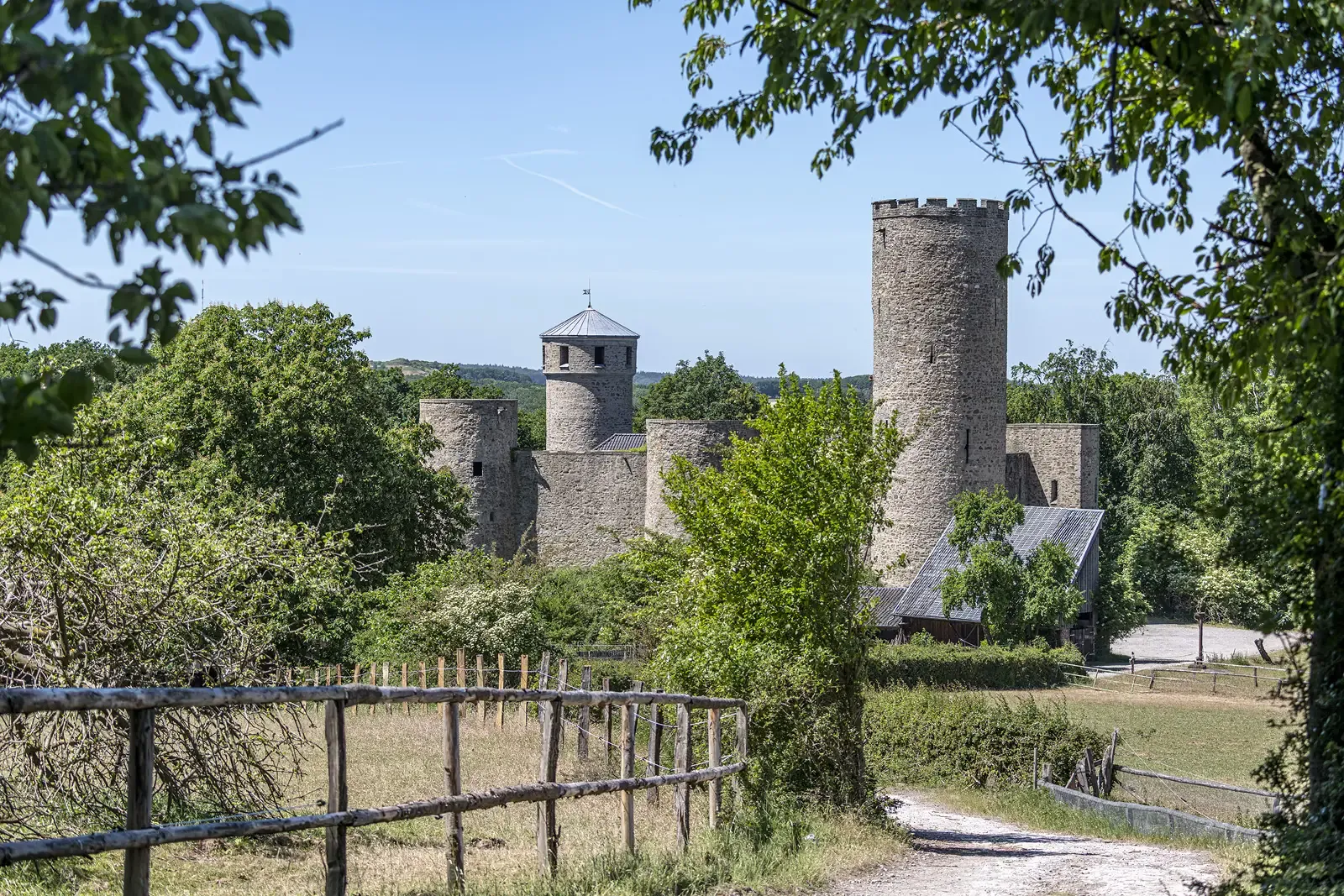
Rhineland Way of St. James – A pilgrimage week
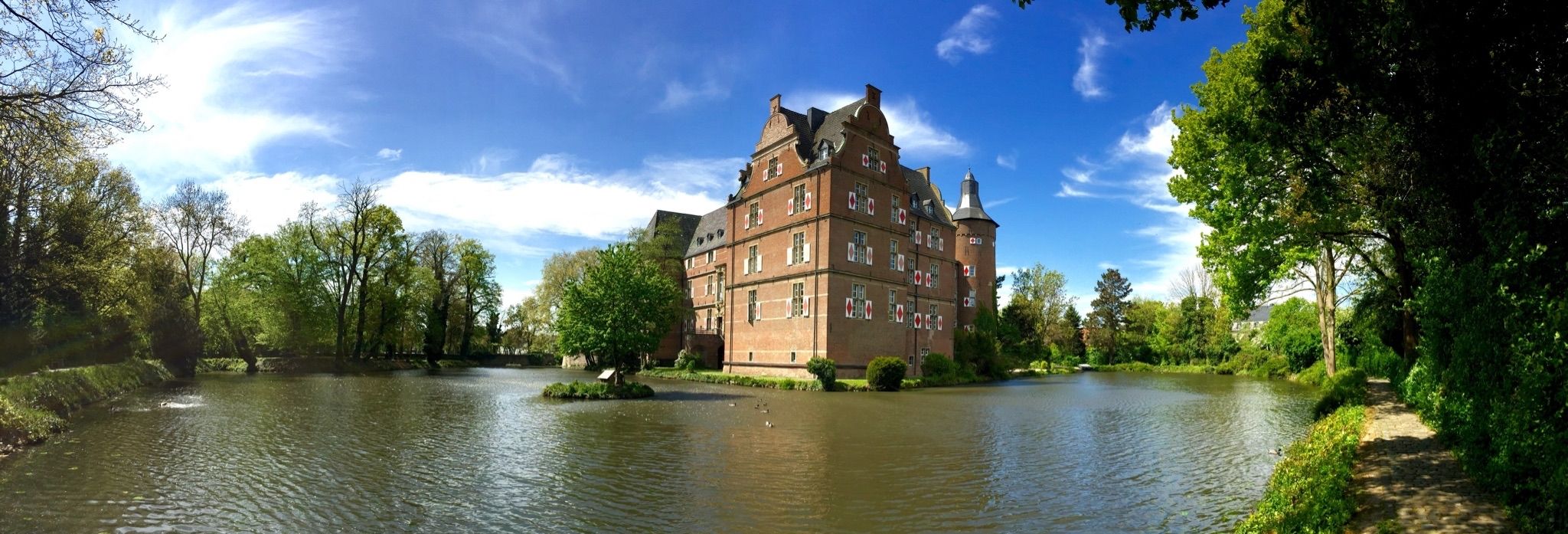
Wasserburgen-Route — A ride through Germany's Castle Country from the Rhine to the Eifel and back
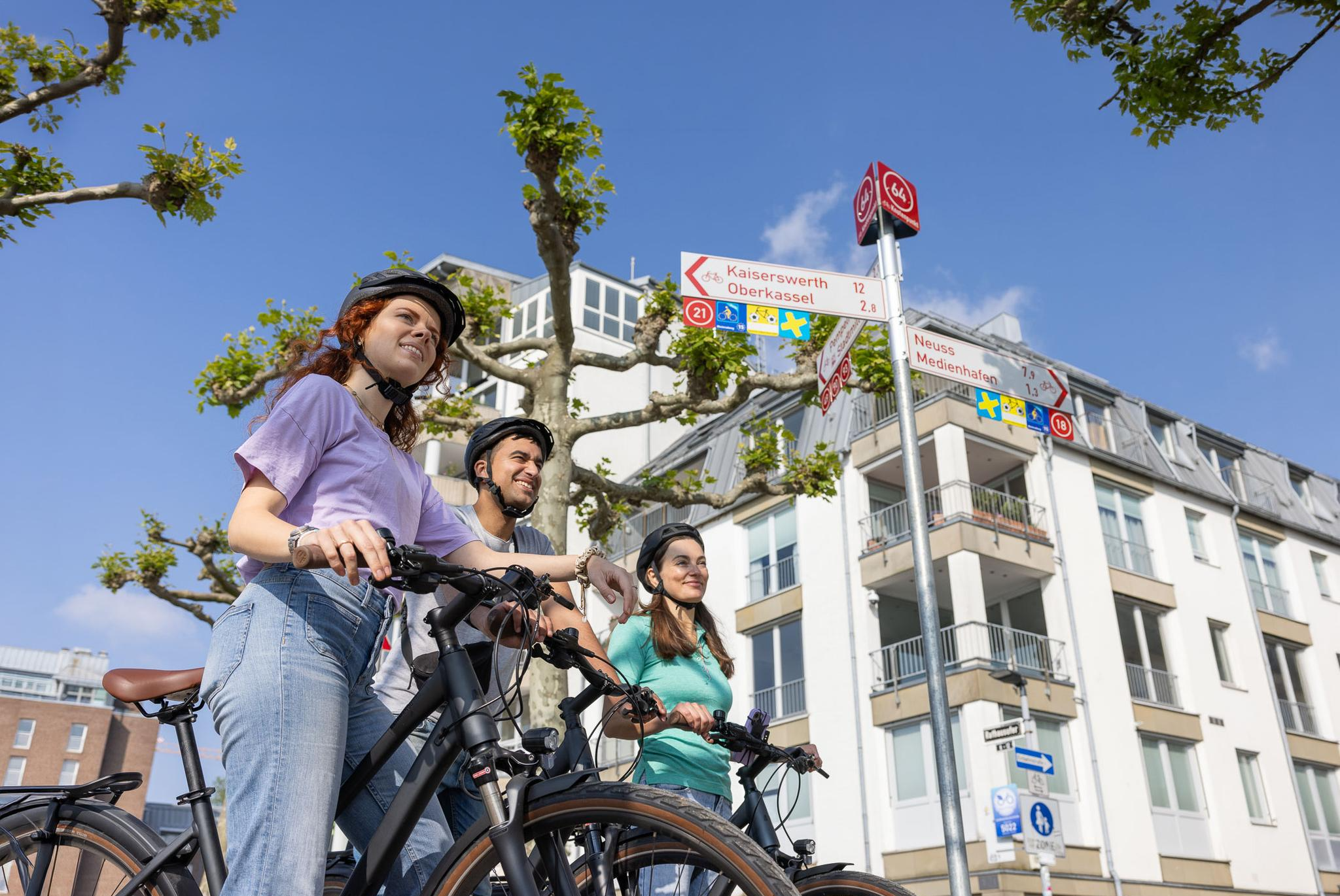
Cycling by Numbers – flexible rides in the Radregion Rheinland
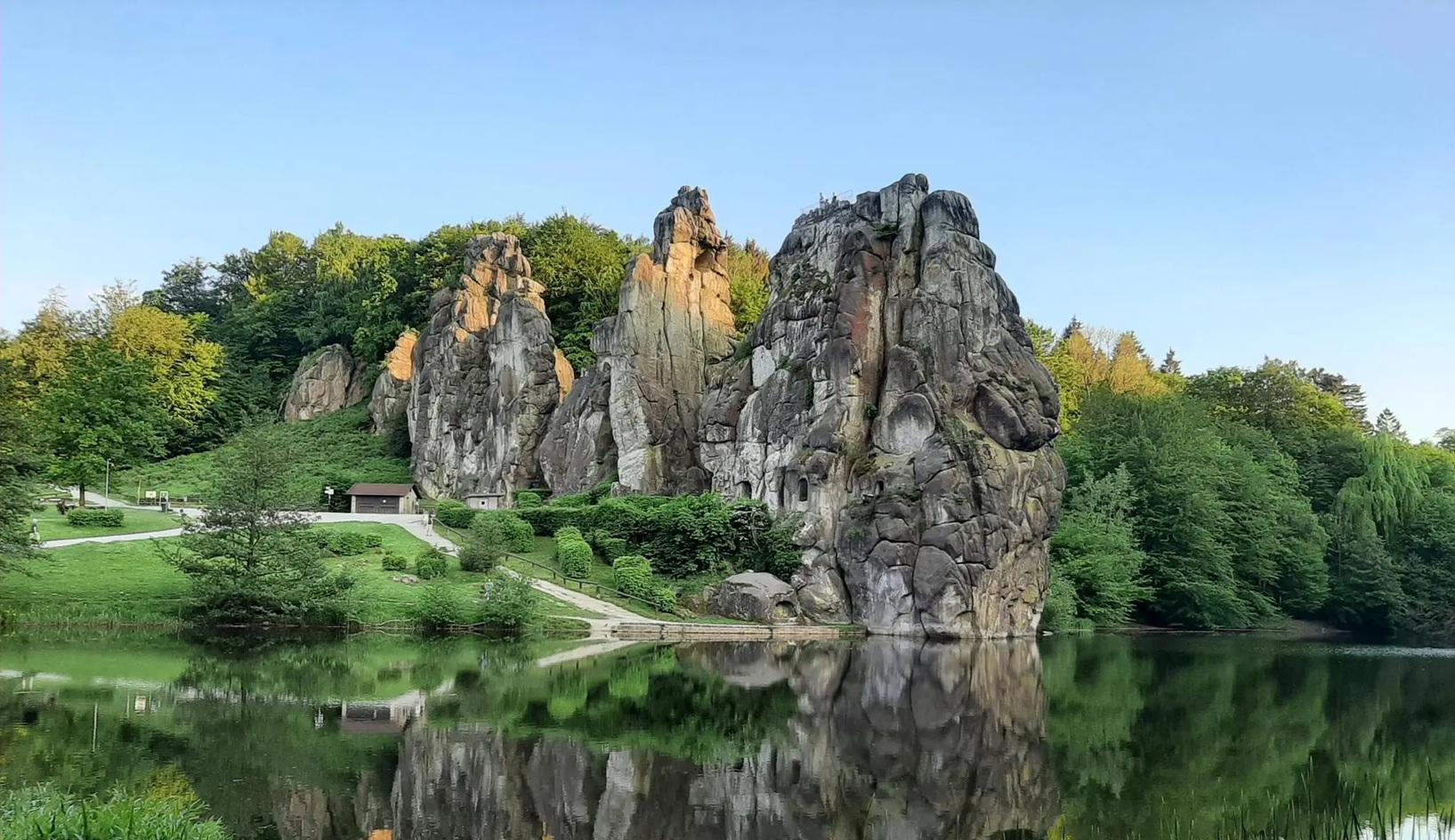
The National Natural Landscapes in Nordrhein-Westfalen
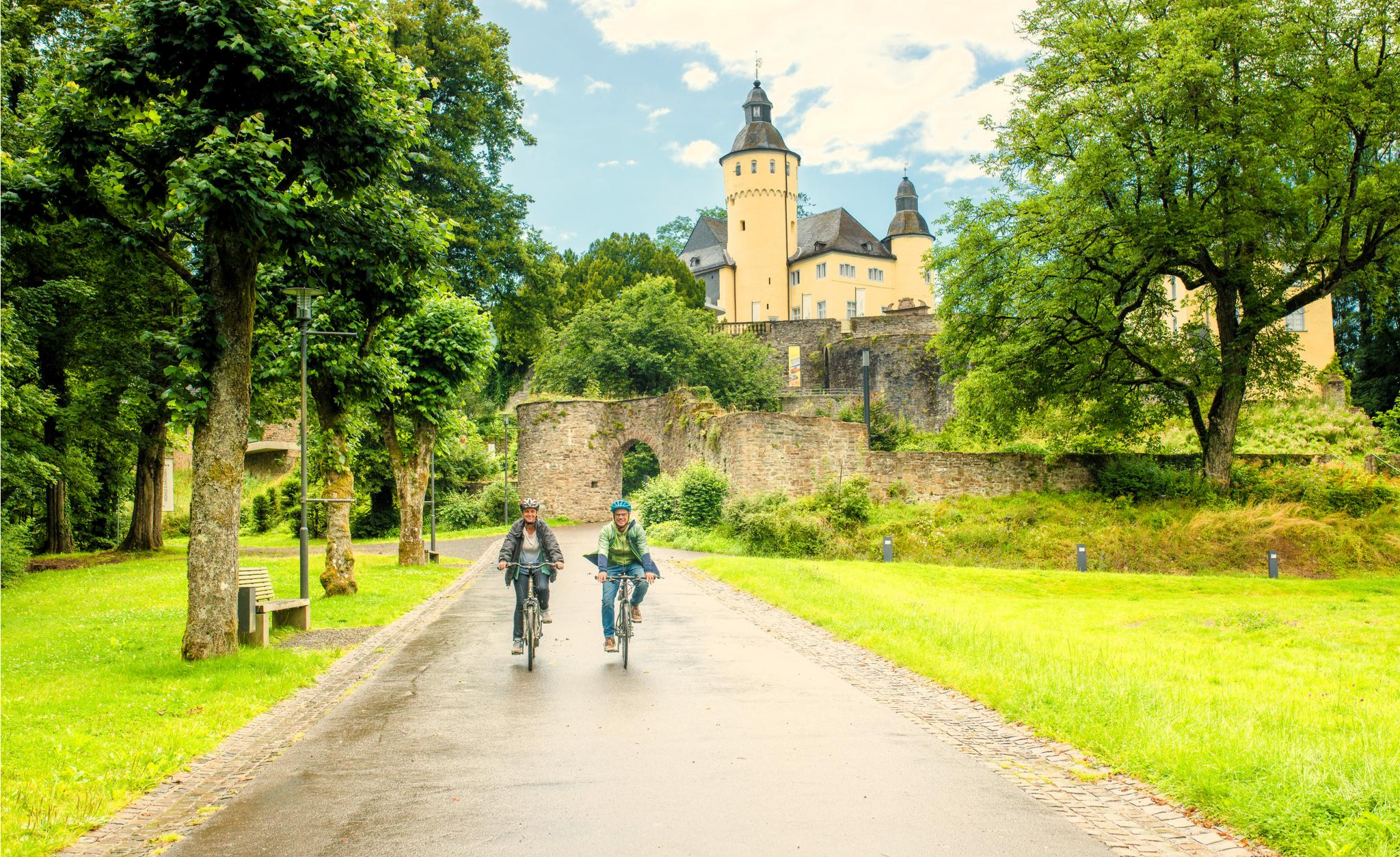
To palaces and castles - rides in the Rheinland cycling region
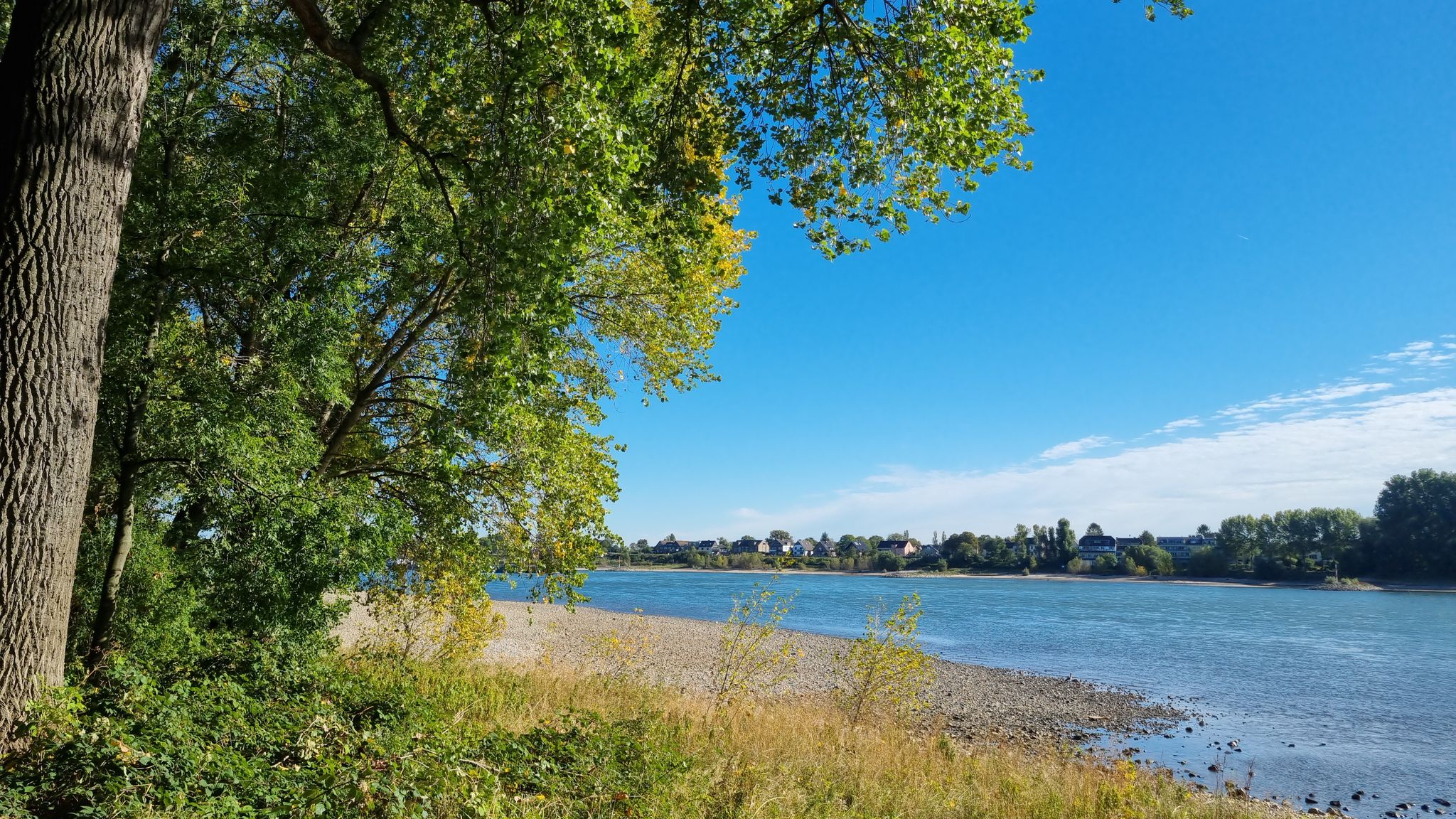
Family-friendly hikes in the south of Cologne
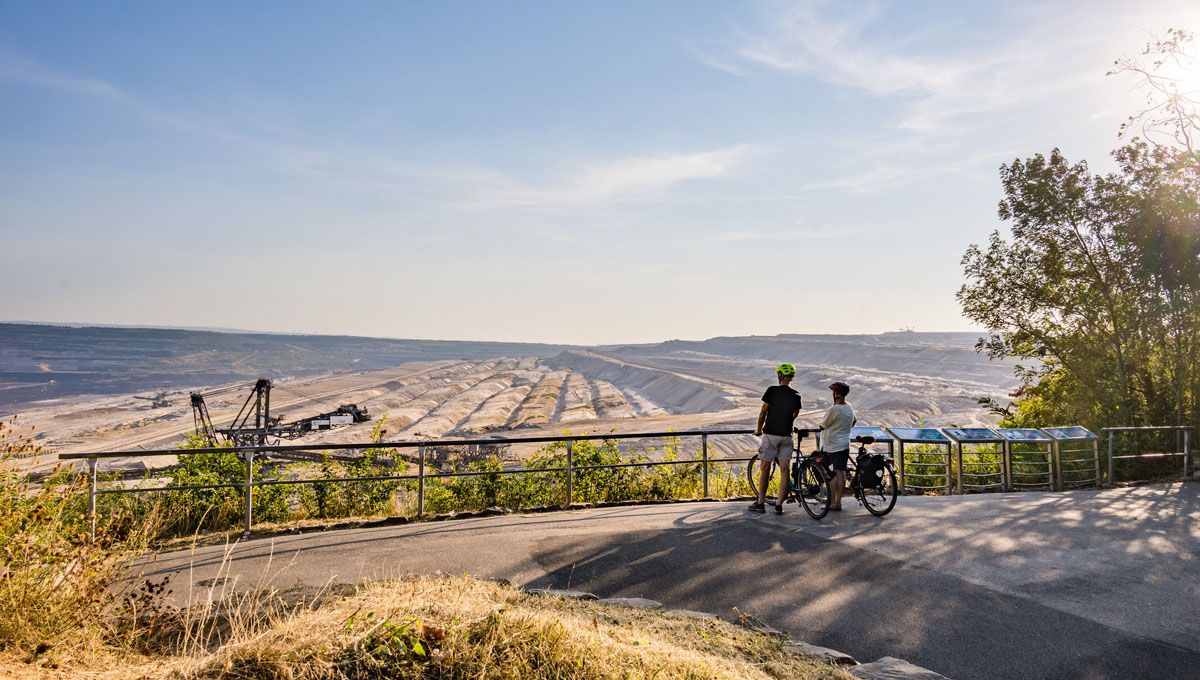
Marvellous views and varied scenery – cycling in the Rhineland
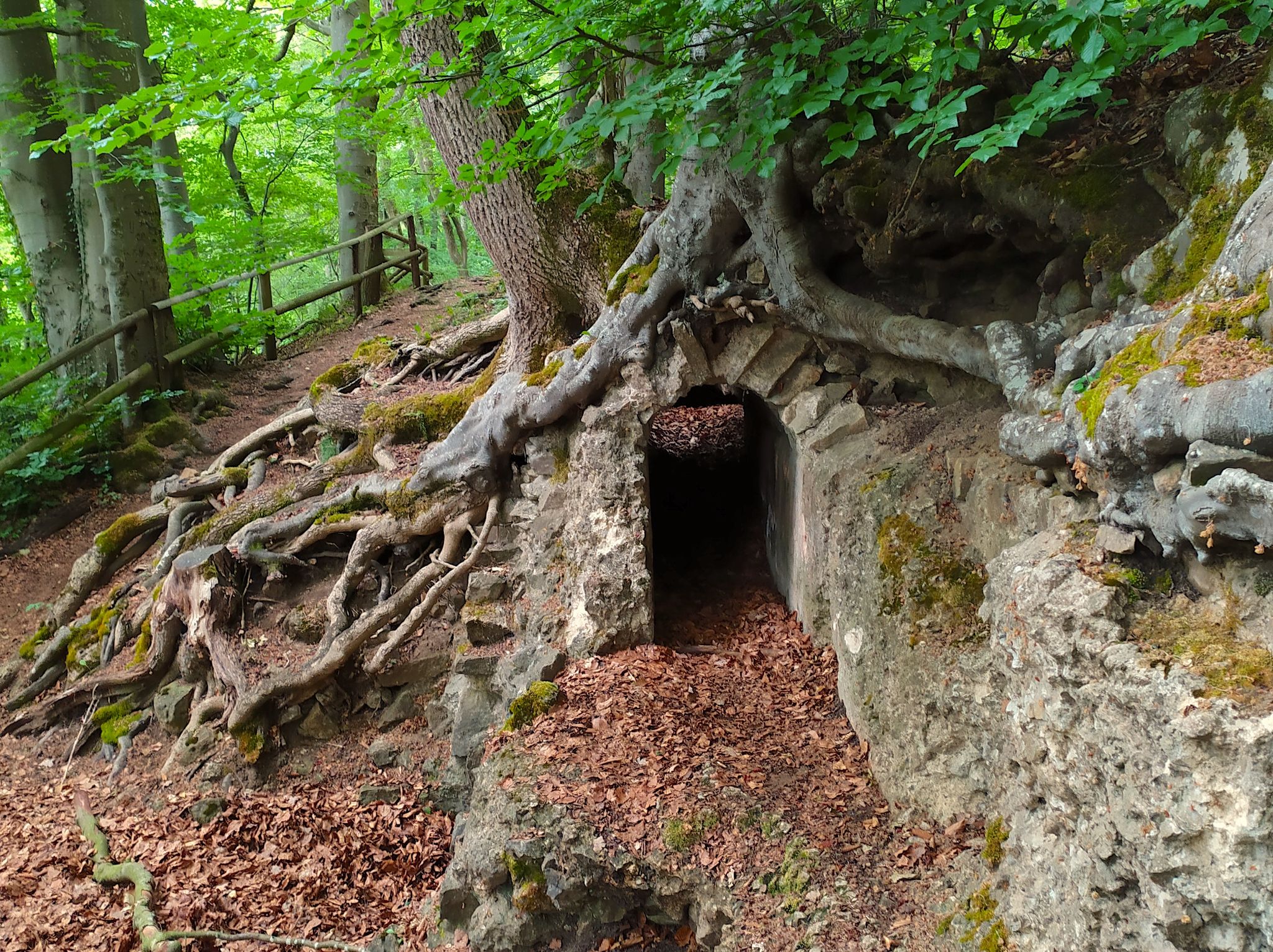
Hike from Cologne to the Eifel – Roman Canal Trail
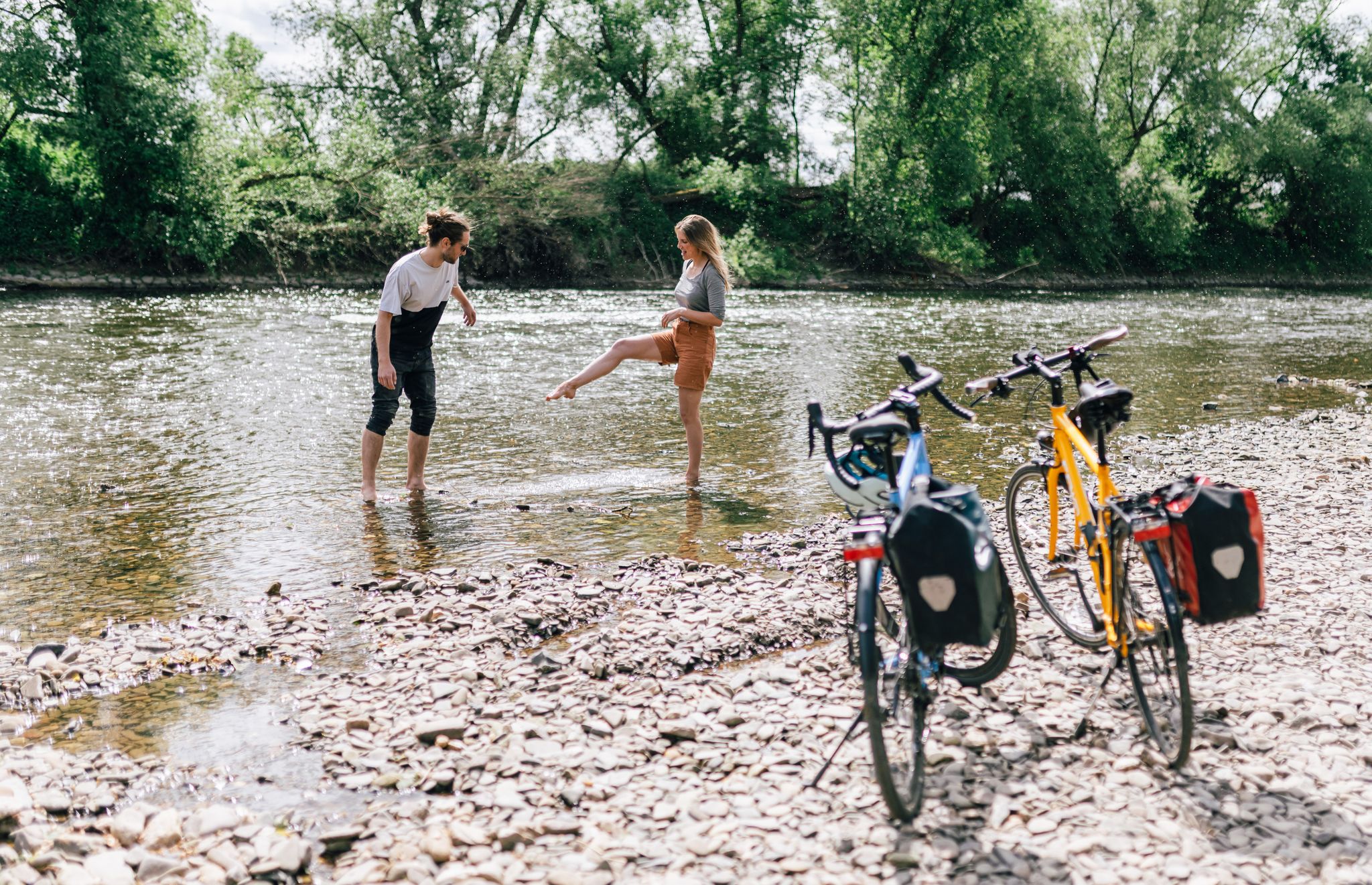
Close to water – cycling in the Rhineland cycling region
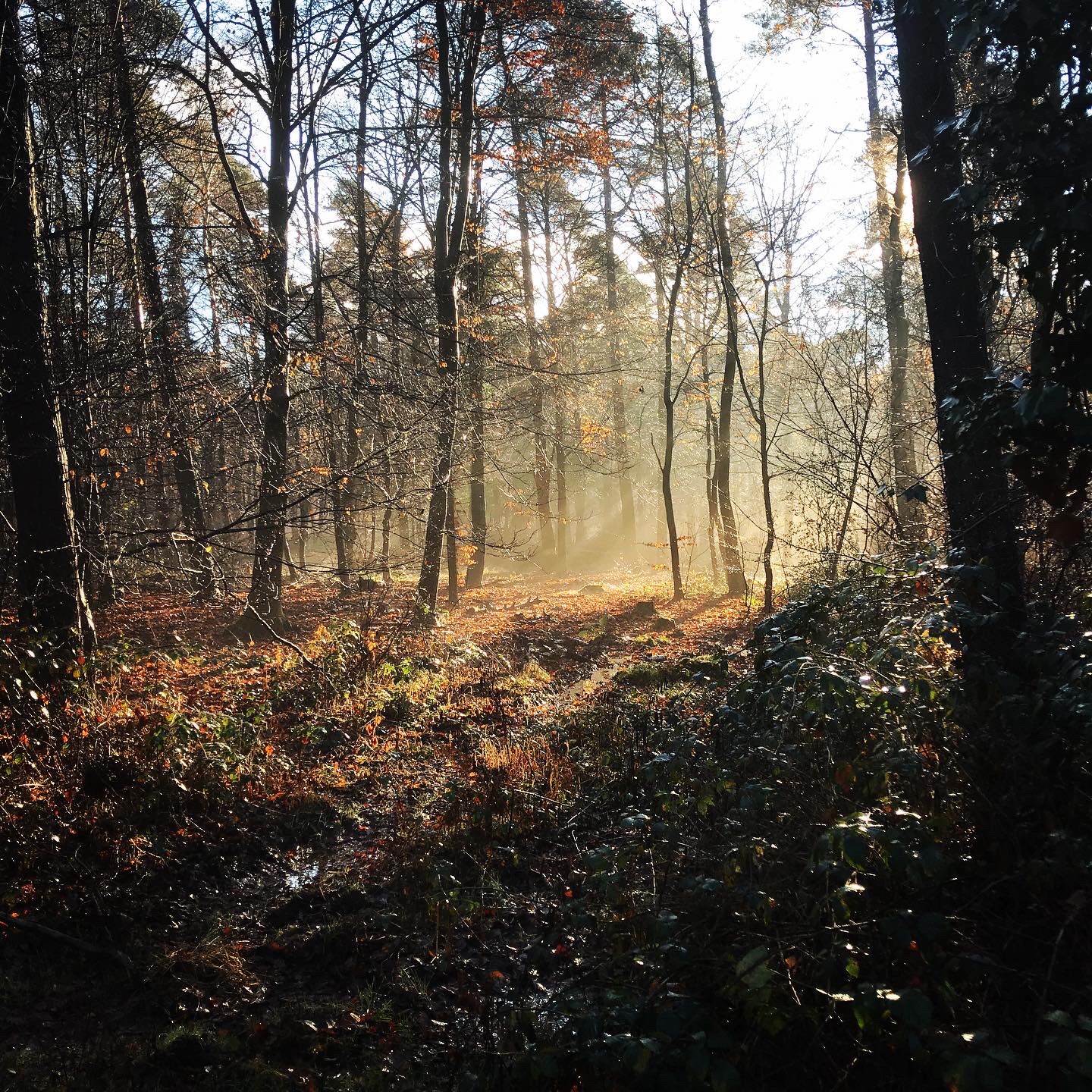
Naturpark Rheinland - Our most beautiful hiking trails
Other adventures in Rhein-Erft-Kreis


Tips from the Community

Lake Franziskus is an artificial body of water. Lake Franziskus is primarily fed by groundwater flowing in from the surrounding area.
15
0

The Hambach opencast mine is one of three remaining active opencast mines in the Rhenish lignite mining area. It is the largest lignite mine in Europe and is located in the middle of the lignite mining area between the municipality of Niederzier and the town of Elsdorf. The Hambach opencast mine was started in 1978 near the Niederzier district of Hambach and is over 350 meters deep. 1.35 billion tons of brown coal are stored beneath its 85 square kilometer mining field. Around 40 million tons of coal are mined every year.
7
0

A view of the Kasterer See is worthwhile at any time of the year. Especially in autumn, when the colors of the leaves start to play
9
0

Depending on your condition and time, the Heider Bergsee can be circumnavigated on a short walk of around six kilometers or combined with other waters in the Villeseen landscape on a longer hike.
19
1
Lake Franziskus is one of more than two dozen bodies of water in the "Ville" region between Brühl and Liblar, offering hikers wonderful variety during walks in the woods. Historically, this area, now a protected landscape within the Rhineland Nature Park, was formerly a mining area. Brown coal was mined here in open-cast mines long ago.
12
0

Many water birds can also be seen on this beautiful, calm lake.
11
0
The three lakes (Lower Lake, Middle Lake, and Upper Lake) offer beautiful, tranquil natural surroundings. Many water birds (ducks, swans, and geese) can be observed here, providing numerous photographic opportunities. Several benches invite you to linger and enjoy nature. Simply let it all sink in and unwind.
11
0

is a residual open pit lake that was created in a hollow during the recultivation of the former Frechen opencast mine. The lake is named after the former Kerpen district of Boisdorf, which was excavated when the open-cast mine was burned out in 1975 and was roughly at the site of today's lake.
10
1
Frequently Asked Questions
What types of natural monuments can I explore in Rhein-Erft-Kreis?
Rhein-Erft-Kreis boasts a diverse range of natural monuments. You can find ancient trees, such as the 'Thousand-Year-Old Mulberry Tree' in Brauweiler Abbey Park, as well as unique landscapes like the recultivated spoil dump of Glessener Höhe. The region is also known for its numerous lakes, which originated from former lignite mines, and remnants of old forests and hollow ways.
Are there natural monuments suitable for families with children?
Yes, many natural monuments in Rhein-Erft-Kreis are family-friendly. The Villeseen (Ville Lake Chain) offers excellent options. For instance, Lake Liblar is known for its clean bathing water and recreational opportunities, while Obersee and Middle Lake provide tranquil settings for walks and observing water birds. These areas often have circular routes suitable for prams and offer a blend of nature and activities.
What are the best natural monuments for panoramic views?
For expansive panoramic views, the Glessener Höhe is highly recommended. As the highest elevation in the Villerücken, it offers distant vistas towards Cologne and Bonn on clear days. The ascent via the 'Himmelsleiter' (Stairway to Heaven) adds to the experience, leading to a summit cross and benches to enjoy the scenery.
Can I go swimming in any of the natural monument lakes?
Yes, you can. Lake Liblar is particularly well-known as one of the cleanest bathing lakes in the Cologne/Bonn region, offering excellent swimming opportunities. Other lakes like Heider Berg Lake also provide options for swimming during the summer months.
Are there accessible natural monuments for visitors with mobility challenges?
While specific accessibility details vary, many of the lake areas, such as Kasterer Lake, feature well-maintained paths that are generally suitable for wheelchairs or prams. The circular routes around the Villeseen often provide relatively flat terrain, making them more accessible for a wider range of visitors.
What kind of wildlife can I expect to see at these natural monuments?
The Villeseen are particularly rich in wildlife. You can observe a variety of migratory and breeding water birds, as well as a high biodiversity of dragonflies. The lakes also boast unique aquatic flora, such as characeae lawns, which are significant for conservation. The old forest remnants provide habitats for local forest wildlife.
Are there hiking or cycling routes near the natural monuments?
Absolutely. The natural monuments in Rhein-Erft-Kreis are integrated into a network of outdoor activities. For hiking, you can explore routes like the 'Naturpark Rheinland - Lake Round' or 'Around Heider Bergsee'. Cyclists can find numerous paths around the lakes and through the recultivated landscapes, including gravel biking routes like 'Terra Nova Speedway' near Glessener Höhe. You can find more details on these activities in the Hiking in Rhein-Erft-Kreis and Road Cycling Routes in Rhein-Erft-Kreis guides.
What is the historical significance of the natural monuments in Rhein-Erft-Kreis?
Many natural monuments in the region have a unique historical context, particularly those related to former lignite mining. The Villeseen, including Lake Liblar and Untersee, are former opencast mines that have been successfully recultivated into thriving ecosystems. The 'Thousand-Year-Old Mulberry Tree' in Brauweiler Abbey Park offers a direct connection to centuries of local history and legend, intertwined with the abbey's founding.
What do visitors enjoy most about the natural monuments in Rhein-Erft-Kreis?
Visitors frequently praise the tranquil natural surroundings and the opportunities for relaxation. Many appreciate the well-maintained circular routes around lakes like Obersee and Heider Berg Lake, which are perfect for walks. The panoramic views from Glessener Höhe are also a highlight, as is the chance to observe diverse water birds and unique plant life.
Are dogs allowed on trails around the natural monuments?
Many areas around the natural monuments, especially the lake trails, are dog-friendly. For example, the Jetty at the Untersee is noted as dog-friendly. However, it's always advisable to keep dogs on a leash, especially in nature protection areas, and to check local signage for specific regulations at each location.
What are 'hollow ways' and where can I find them?
Hollow ways are ancient paths deeply eroded over centuries by foot traffic, animals, and carts, often found in loess soils. They are significant for their ecological value, creating unique microclimates and habitats, and for their cultural-historical importance as old transportation routes. The Rhein-Erft-Kreis includes one designated hollow way as a natural monument, offering a glimpse into historical landscapes and peaceful walking routes.
What is the best time of year to visit the natural monuments?
The natural monuments in Rhein-Erft-Kreis can be enjoyed year-round. Spring and summer are ideal for swimming and water sports in the lakes, and for observing blooming flora and active wildlife. Autumn offers beautiful foliage, while winter provides peaceful, crisp walks, especially around the lakes. The panoramic views from Glessener Höhe are impressive in any season, weather permitting.
Most popular routes in Rhein-Erft-Kreis
Most popular attractions in Rhein-Erft-Kreis

Get inspired with the komoot mobile app


Didn’t find what you were looking for?
Find even more amazing natural monuments in Rhein-Erft-Kreis by checking out the top Highlights region by region:
Explore more
Extend your search for the best caves by checking out these guides of the top ones in Rhein-Erft-Kreis:
