Rheinisch-Bergischer Kreis
Rheinisch-Bergischer Kreis
Top 20 Natural Monuments in Rheinisch-Bergischer Kreis
Best natural monuments in Rheinisch-Bergischer Kreis are found within the Bergisches Land Nature Park, characterized by a diverse low mountain range landscape, numerous valleys, and reservoirs. These sites hold ecological, geological, and historical significance. The region offers opportunities for nature observation and recreational activities, allowing visitors to explore a variety of natural features.
Best natural monuments in Rheinisch-Bergischer Kreis
- The most popular natural monuments is Viewpoint Wupper and Wipperkotten, a viewpoint beautifully situated on the Wupper. This site features…
Last updated: July 9, 2026
Viewpoint Wupper and Wipperkotten
Highlight • Viewpoint
Tip by

Along the Dhünn River
Highlight (Segment) • River
Translated by Google •
Tip by

Sign up now to discover places like this
Get recommendations on the best single tracks, peaks, & plenty of other exciting outdoor places.
Sign up for free
Königsforst Forest Trail
Highlight • Forest
Showing Translation
Tip by

Mount Troodelöh — Cologne's Highest Point
Highlight • Summit
Showing Translation
Tip by

View of the Kleine Dhünn forebay
Highlight • Viewpoint
Translated by Google •
Tip by

Cadets' Pond in the Milchborn Valley
Highlight • Lake
Translated by Google •
Tip by

Water-treading spot at the Giesbach
Highlight • Rest Area
Translated by Google •
Tip by
Grube Cox Lakes
Highlight • Lake
Translated by Google •
Tip by

Diepental Reservoir
Highlight • Lake
Translated by Google •
Tip by

View of the dam at the Große Dhünn forebay
Highlight • Viewpoint
Translated by Google •
Tip by

Sign up for free to discover even more natural monuments in Rheinisch-Bergischer Kreis.
Sign up for free
Already have an account?
Start today with a free account
Your next adventure awaits.
Login or Signup
Popular around Rheinisch-Bergischer Kreis
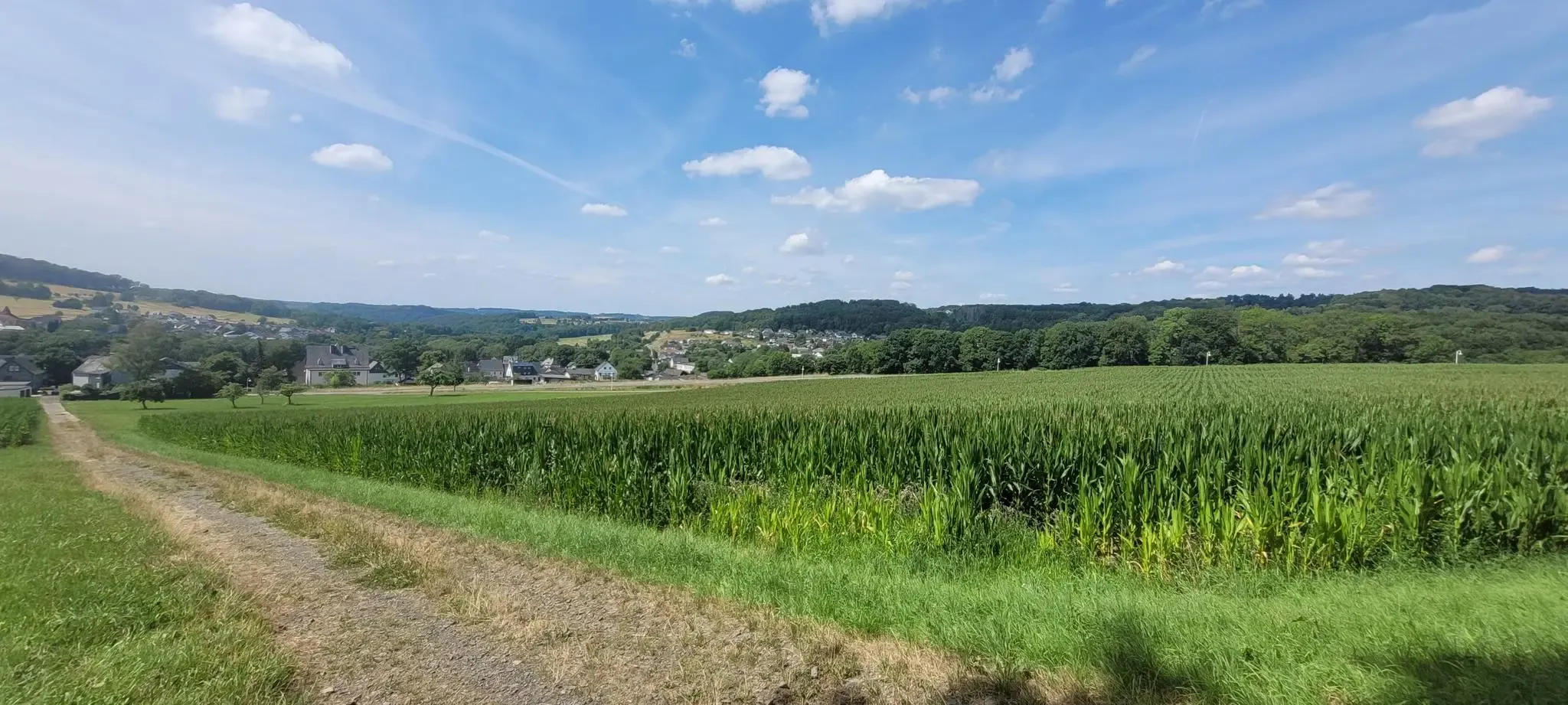
Hiking on the Cologne Trail – Discover nature close to the city
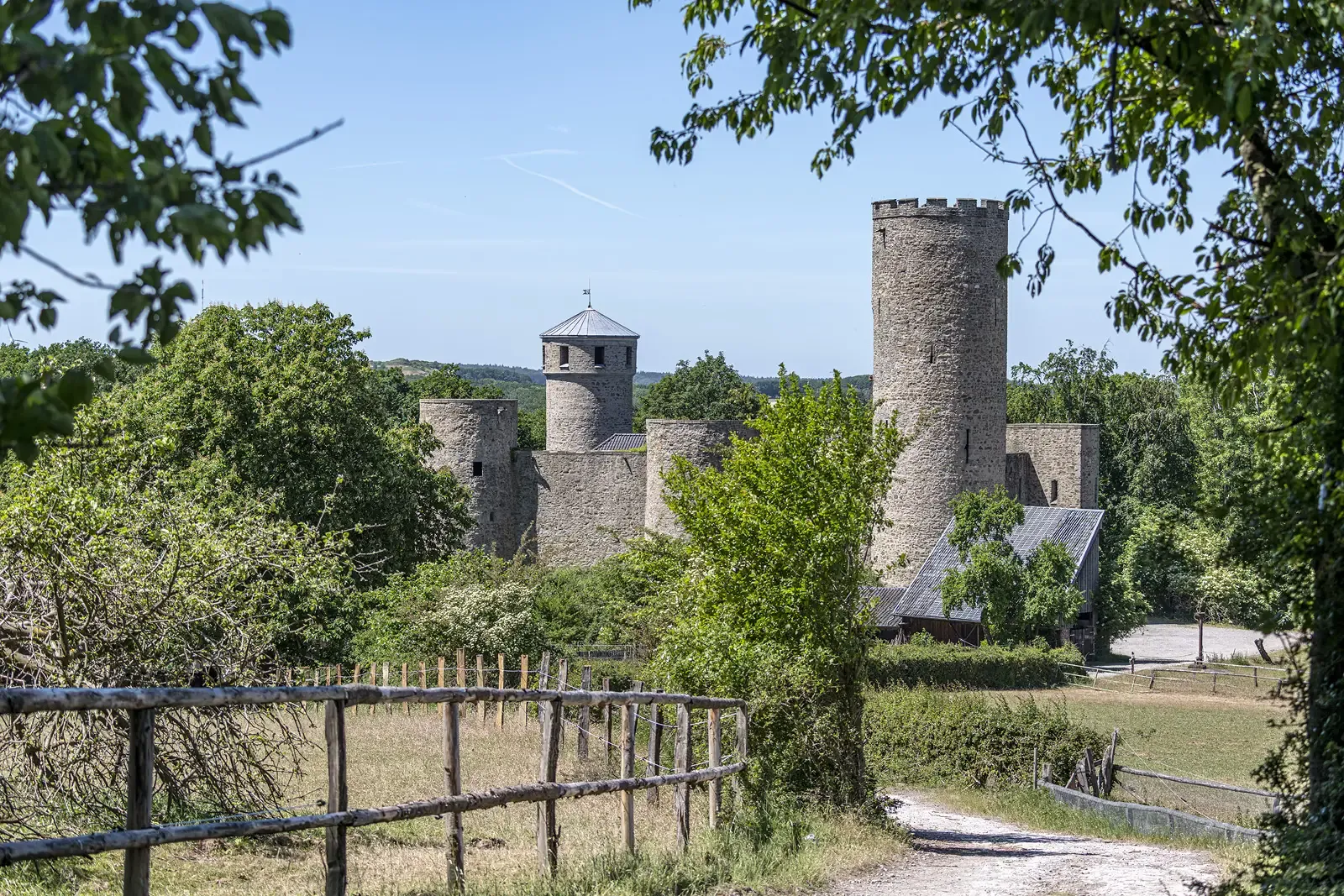
Rhineland Way of St. James – A pilgrimage week
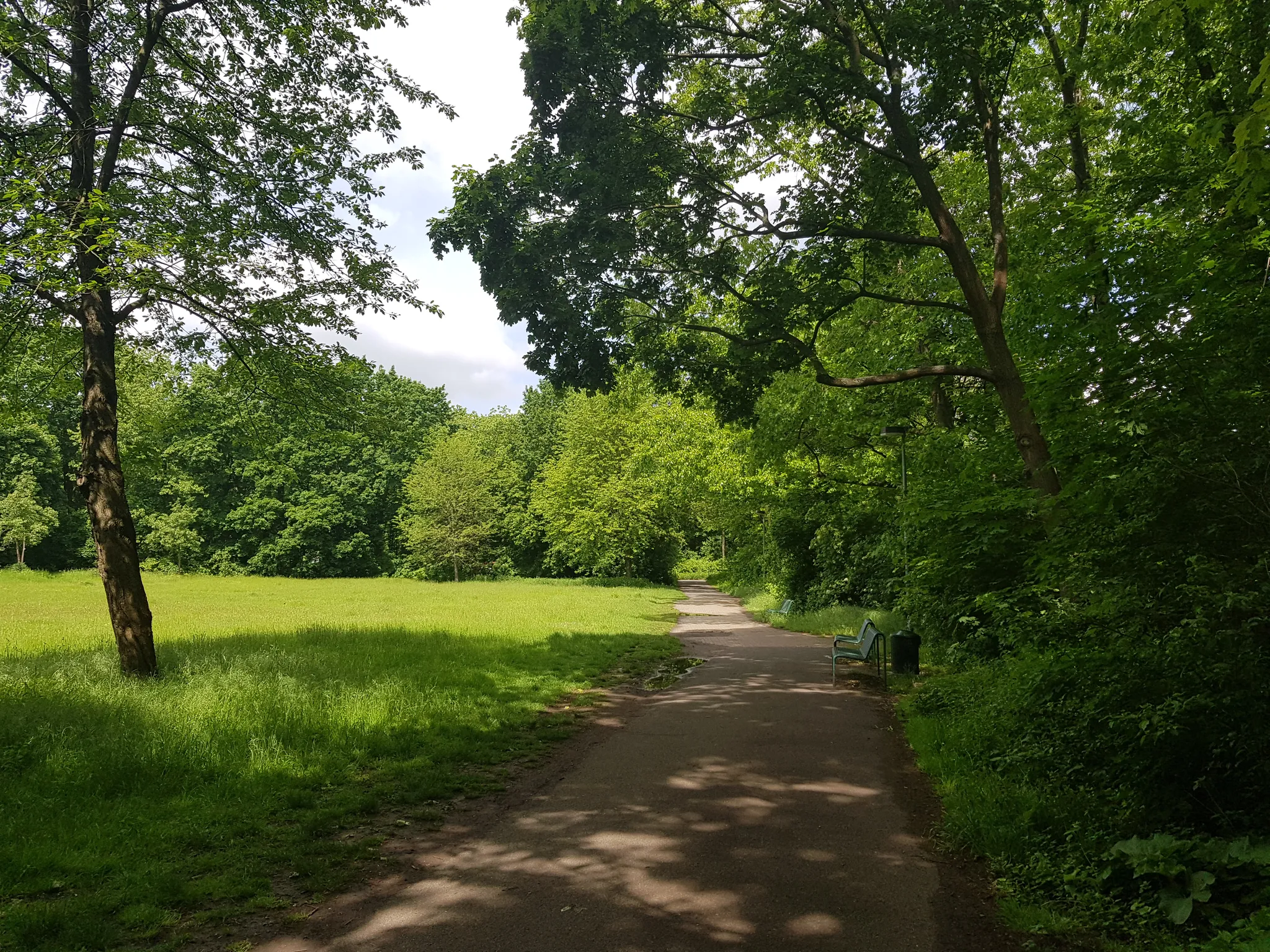
Germany's Cologne Trail — Explore Cologne's surprising sides
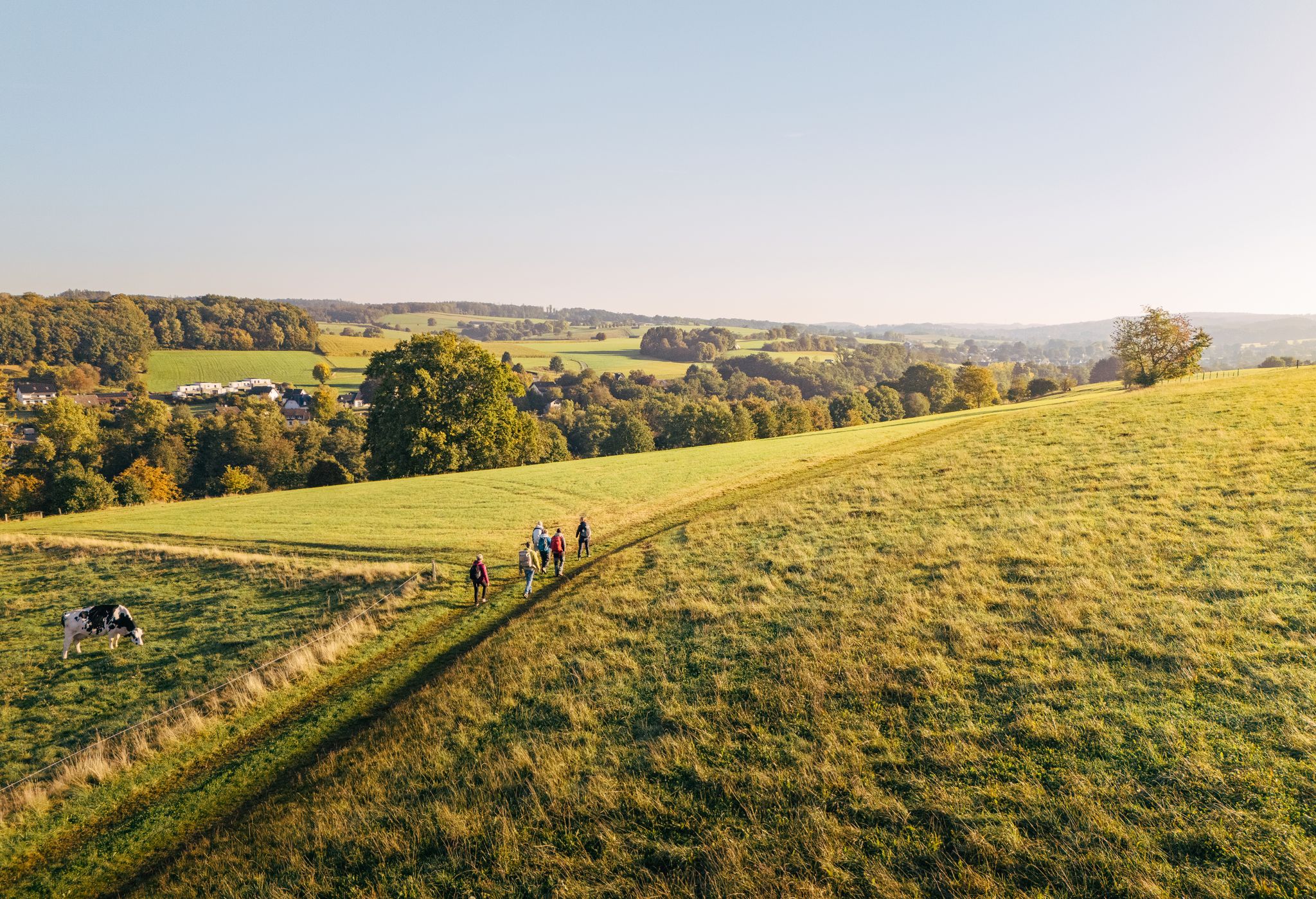
"Wunderschön" through the Bergisches Land – on the trail of the WDR show
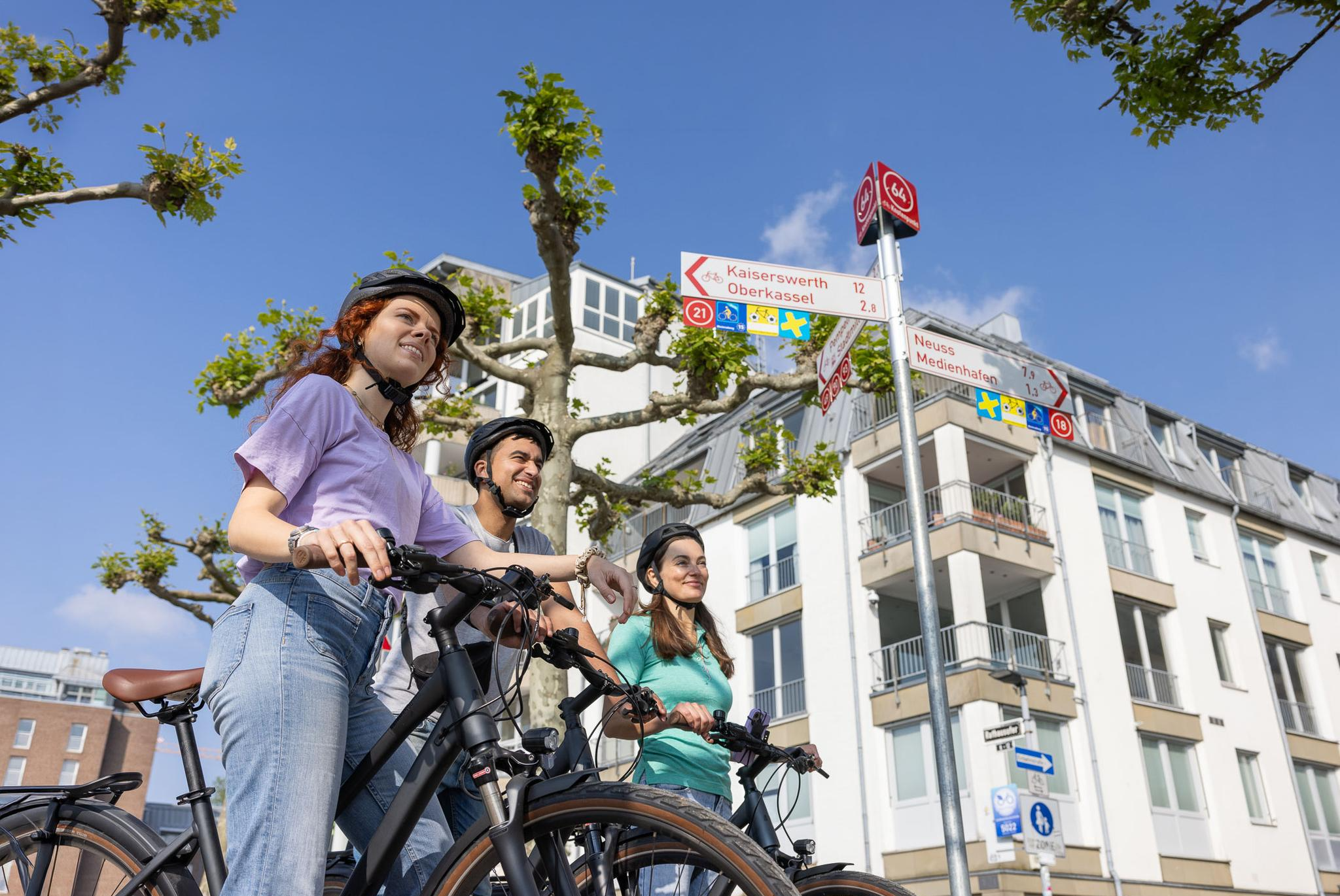
Cycling by Numbers – flexible rides in the Radregion Rheinland
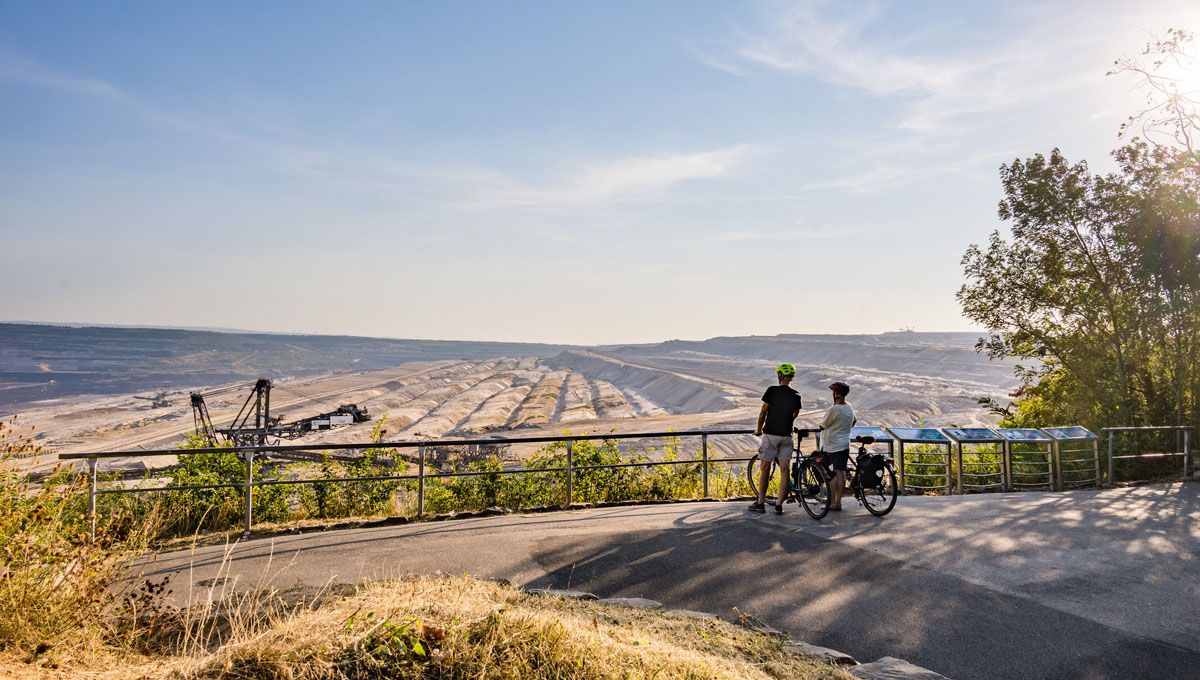
Marvellous views and varied scenery – cycling in the Rhineland
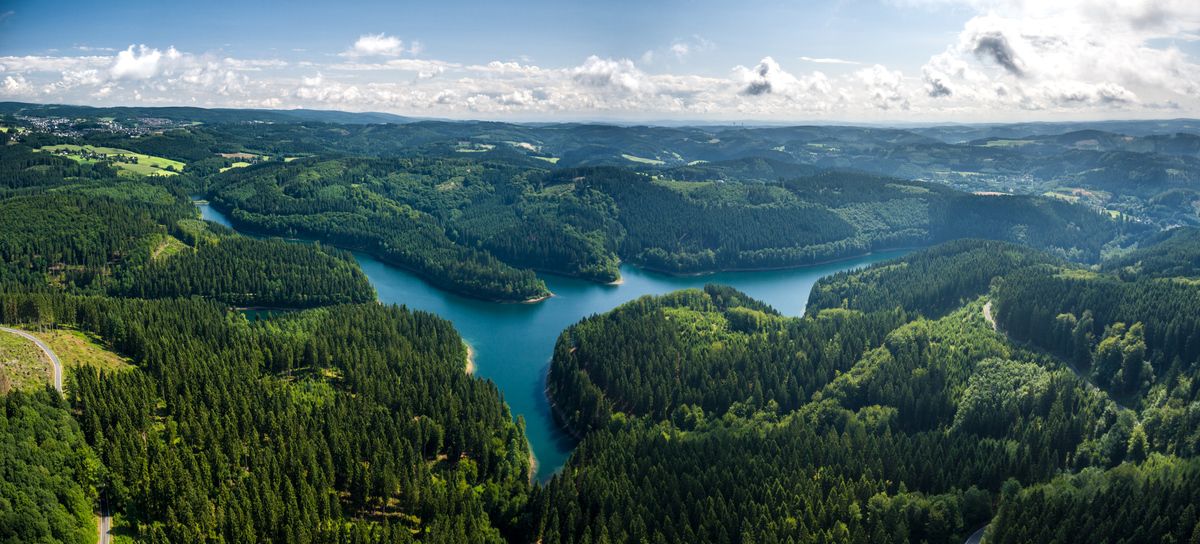
A long-distance hike with spectacular views – Bergischer Panoramasteig
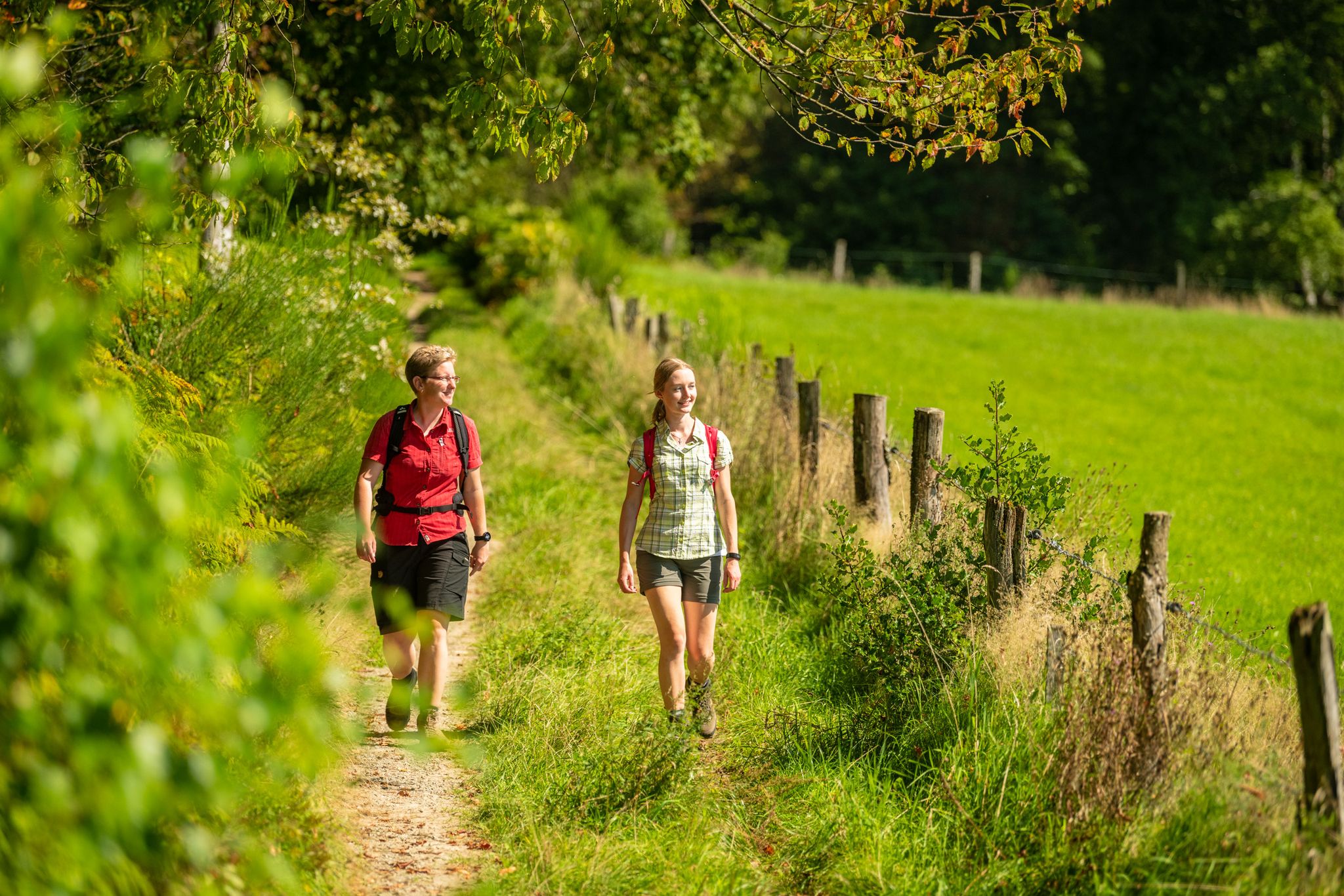
Bergische Rambles – themed and adventure trails in the Bergisches Land region
Klingenpfad (Solingen)
Road bike Tours in the Bergisches Land – endless hills and forests
Other adventures in Rheinisch-Bergischer Kreis


Tips from the Community

This dam separates - as the name suggests - the so-called "pre-dam" from the actual Dhünntal dam. The hiking trail around the pre-dam runs relatively close to the bank on the northern side, while the southern side leads a little further away from the water. The circular trail is just over 12 km long.
7
0

The Great Dhünntalsperre, fed by the two springs of the Dhünn River, is the second largest drinking water dam in Germany after the Rappbode Dam
12
0
On the way through the Königsforst, a forest area in the south of the city, which is particularly suitable as a shady hiking area in summer, depending on the route you take, you will also come to the highest point within the city of Cologne, the so-called Monte after its "discoverers". Troodelöh (Troost, Dedden & Löhmer). The fact that the forestry administration has removed the summit cross placed here can be classed as sacrilegious... a stone boulder now marks the - in itself unspectacular - measuring point.
17
0
For everyone who wants to refresh their feet at this trail spider in the Königsforst (even if it's not "real Cologne water" ...)
17
0
a beautiful little pond with a shelter on the shore
13
0
beautiful rustic site of a former quarry
19
1

The Vorsperre Große Dhünn is reminiscent of a quiet mountain lake.
4
0

A great place to visit when the weather is nice. To linger, put your feet in the water, watch canoeists, etc... Now unfortunately there is a risk of flooding again 🙄
15
0
Frequently Asked Questions
What types of natural features can I expect to see in Rheinisch-Bergischer Kreis?
The Rheinisch-Bergischer Kreis, part of the Bergisches Land Nature Park, offers a diverse landscape. You can explore ancient individual trees like Blood Beeches, Atlas Cedars, Winter Lindens, and even Giant Sequoias. The region also features significant water bodies such as the Große Dhünn Reservoir, Germany's second-largest drinking water dam, and idyllic river valleys like the Eifgenbach Stream and Dhünn River. Expansive forest areas, including the Königsforst, are also prominent.
Are there family-friendly natural monuments in Rheinisch-Bergischer Kreis?
Yes, many natural monuments in the region are suitable for families. The Königsforst Forest Trail offers pleasant shaded hikes, ideal for all ages. Monte Troodelöh, Cologne's highest point, is an accessible destination within the Königsforst. The Diepental Reservoir and the Cadets' Pond in the Milchborn Valley are also popular spots for family outings, offering scenic views and easy trails.
What kind of outdoor activities can I do near these natural monuments?
The natural monuments are embedded in a landscape perfect for various outdoor activities. You can enjoy extensive hiking, cycling, and mountain biking. For hiking, consider routes like the 'Bensberger Schlossweg' or the 'Mill trail in Kürten'. Mountain bikers can explore trails such as the 'Rausmühle Inn & Beer Garden – Dhünn River Trail loop' or the 'Große Dhünn Reservoir – Dhünn Dam loop'. For more detailed routes, explore the Hiking in Rheinisch-Bergischer Kreis or MTB Trails in Rheinisch-Bergischer Kreis guides.
When is the best time to visit the natural monuments in Rheinisch-Bergischer Kreis?
The natural monuments in Rheinisch-Bergischer Kreis can be enjoyed year-round, each season offering a unique experience. Spring brings fresh green landscapes, especially in areas like the Eifgenbach valley. Summer is ideal for shaded hikes in the Königsforst. Autumn showcases vibrant foliage, while winter offers tranquil, crisp views, particularly around the reservoirs. The region's diverse features make it appealing in any season.
Are there any historical or cultural sites integrated with the natural monuments?
Yes, the region beautifully combines natural beauty with historical significance. The Viewpoint Wupper and Wipperkotten features an old mill wheel and an exhibition on the grinding trade, dating back to 1605. Additionally, the Bergbauweg (Mining Trail) on Lüderich Mountain is a thematic nature trail that explores 2000 years of mining history, offering insights into the region's industrial past amidst natural scenery.
What do visitors enjoy most about the natural monuments in Rheinisch-Bergischer Kreis?
Visitors frequently praise the tranquil and wild character of the landscapes, particularly the murmuring streams in valleys like the Eifgenbach. The expansive views from viewpoints, such as those overlooking the Wupper or the Große Dhünn forebay, are highly appreciated. Many also enjoy the well-maintained trails for hiking and cycling, and the opportunity to relax in nature, often accompanied by the sounds of rushing water.
Can I bring my dog to the natural monuments?
Many natural areas and trails within the Rheinisch-Bergischer Kreis are dog-friendly. For instance, Monte Troodelöh in the Königsforst is noted as dog-friendly. However, it's always advisable to keep dogs on a leash, especially in nature reserves or areas with wildlife, and to respect local regulations and other visitors.
Are there any unique individual tree monuments to see?
The region is home to several protected individual trees recognized for their age, size, or rarity. Notable examples include various Blood Beeches in Leichlingen and Burscheid, an Atlas Cedar in Burscheid, and Winter Lindens. Wermelskirchen also hosts two magnificent Giant Sequoias, which are particularly impressive due to their immense size and non-native status, making them unique natural landmarks.
Are there accessible trails for people with limited mobility near the natural monuments?
While many trails in the region are natural paths, some areas offer more accessible options. The Diepental Reservoir is listed as having wheelchair-accessible sections. For specific accessibility information, it's recommended to check details for individual highlights or contact local tourism offices, as terrain can vary.
Where can I find information about the former mining history in the region?
The Bergbauweg (Mining Trail) on Lüderich Mountain is an excellent resource for exploring the region's mining history. This approximately 12-kilometer path features ten information boards detailing 2000 years of ore mining techniques and local legends, offering a unique blend of natural exploration and historical education.
Are there any lakes or reservoirs suitable for walks?
Yes, the region is known for its numerous reservoirs and lakes. The Große Dhünn Reservoir, Germany's second-largest drinking water dam, offers expansive views and trails around its perimeter. Other notable water bodies include the Diepental Reservoir, Cadets' Pond in the Milchborn Valley, and the Grube Cox Lakes, a former quarry now a nature reserve, all providing scenic routes for walks.
What is the significance of the Königsforst forest?
The Königsforst is the largest contiguous forest in Cologne, covering 25 km². It's often referred to as 'Cologne's green lungs' and is a vital area for relaxation and recreation. It offers numerous cycling and hiking trails and is directly connected to the Wahner Heide, making it a significant natural monument and a popular destination for locals and visitors alike.
Most popular routes in Rheinisch-Bergischer Kreis
Most popular attractions in Rheinisch-Bergischer Kreis

Get inspired with the komoot mobile app


Didn’t find what you were looking for?
Find even more amazing natural monuments in Rheinisch-Bergischer Kreis by checking out the top Highlights region by region:
Explore more
Extend your search for the best caves by checking out these guides of the top ones in Rheinisch-Bergischer Kreis:
