Top 5 Natural Monuments in Bucheggberg
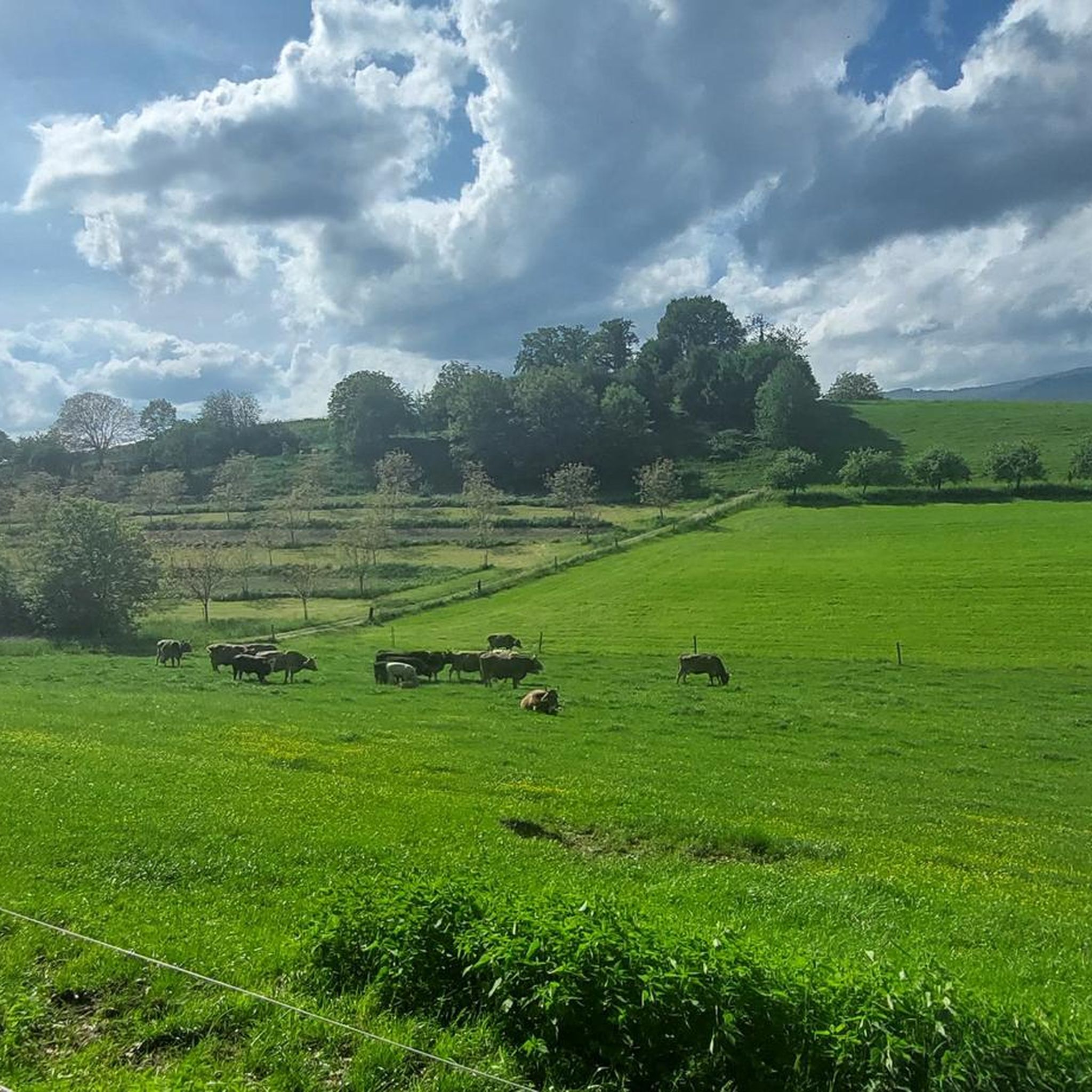
Natural monuments in Bucheggberg showcase a landscape characterized by near-natural cultivated areas, wooded hills, and open fields. This region offers a setting for outdoor activities like hiking and cycling. The natural monuments primarily consist of geological formations and sites reflecting historical human interaction with the environment. These locations provide insight into the geological past and the cultural heritage of the area.
Best natural monuments in Bucheggberg
- The most popular natural monuments is Erratic Boulder of Hessigkofen, a natural monument that is a 920 cubic meter boulder transported by glaciation. This large rock is a significant geological and historical landmark.
- Another must-see spot is Lüsslinger Bürgerweiher, a lake and natural monument. This 350 square meter pond serves as a spawning biotope for various amphibians, including fire salamanders and mountain newts.
- Visitors also love Hubelstein - Erratic Boulder, an erratic block and natural monument. This stone is the largest cup-marked stone in the canton of Solothurn, originating from Valais.
- Bucheggberg is known for its glacial erratics, historical quarries, and unique natural reserves. The region offers a variety of natural monuments to see and explore, highlighting both geological processes and human history.
- The natural monuments in Bucheggberg are appreciated by the komoot community, with 13 upvotes and 7 photos shared across the highlights.
Last updated: May 13, 2026
Sandstone Quarry Ober Bockstein
Highlight • Cave
There is also a barbecue area in the pit.
Translated by Google •
Tip by

Steigrüebli, Schnottwil
Highlight • Cave
Translated by Google •
Tip by

Sign up now to discover places like this
Get recommendations on the best single tracks, peaks, & plenty of other exciting outdoor places.
Sign up for free
Erratic Boulder of Hessigkofen
Highlight • Natural Monument
Erratic blocks like the mighty 4x4x3 meter boulder in the forest near Hessigkofen have traveled far. It comes from the Valais and was brought here by glaciation in one of the 13 advances of the Ice Age. But geologically speaking, it is an Arola gneiss rock, formerly from Africa.
Translated by Google •
Tip by

Lüsslinger Bürgerweiher
Highlight • Lake
The Lüsslinger Bürgerweiher is around 350 square meters in size and one of the few standing waters in the region and therefore suitable as a spawning biotope for various amphibians.
Translated by Google •
Tip by
Hubelstein - Erratic Boulder
Highlight • Natural Monument
Translated by Google •
Tip by
Start today with a free account
Your next adventure awaits.
Login or Signup
Tips from the Community

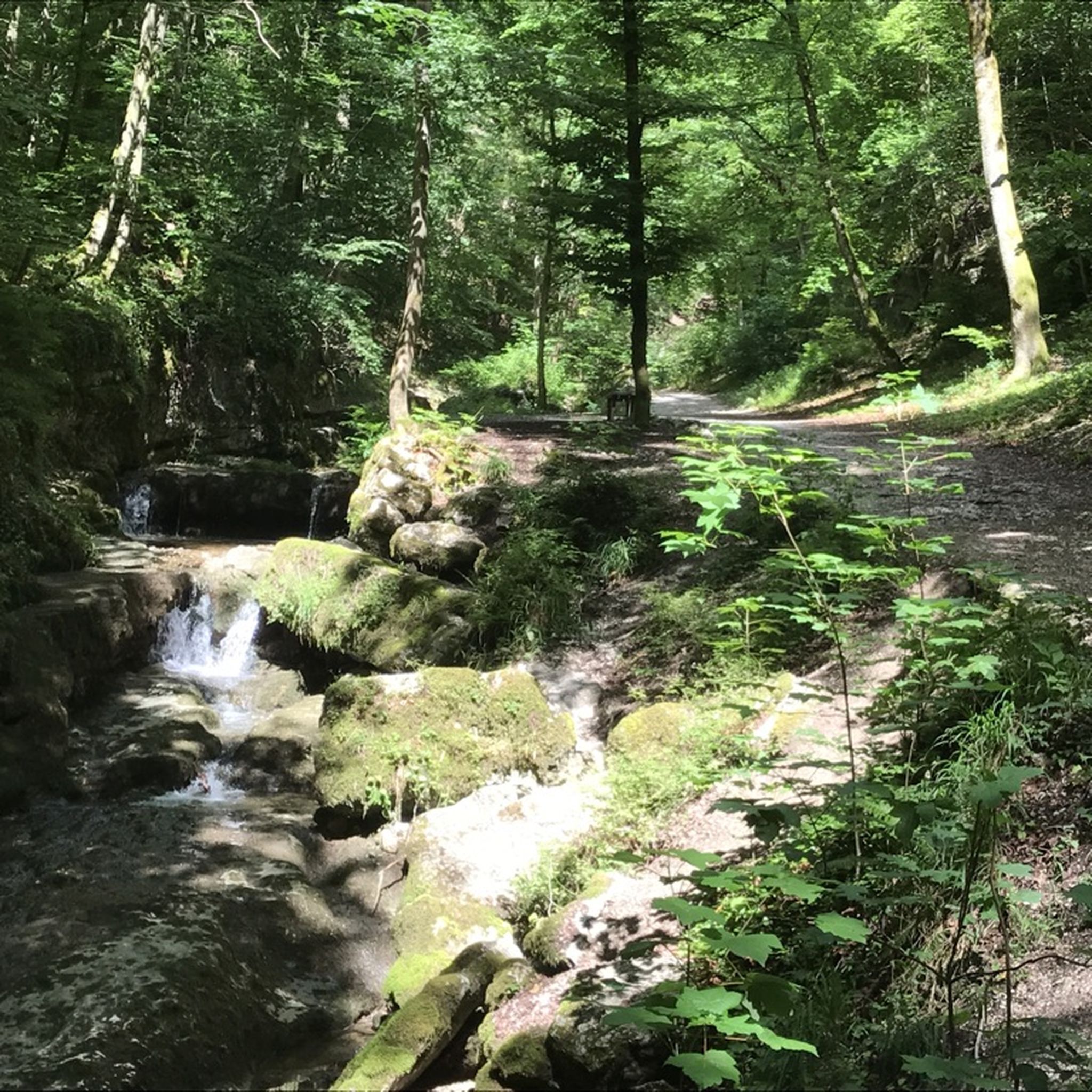
A peaceful place where you can take shelter from the sun in summer. There are benches and the possibility to have a barbecue. A beautiful spot, not only historically important, but also a great place to relax and recharge.
1
0

The stone is in the middle of the forest and as big as a house.
0
0

Historical landmark
0
0

At this point there is a sandstone pit, which can be accessed from the back through a tunnel. In the pit there is a fireplace and various wooden chairs made from tree trunks. In the summer a shady place to grill. "You enter the pit through a tunnel that the users once excavated. Mining began in the 16th century. At that time, a lot of millstones were needed, a pit near Oberramsern could no longer meet the demand. This was the decision of the Great Council of Solothurn In 1527 a local miller was commissioned to quarry stone near Ober Bockstein on its land. After a few years, however, the miller gave up, as it turned out that his sandstone was too soft for millstones. In 1777, operations resumed in the Upper Bockstein Bockstein-Grube. Above all stove plates were now made from the sandstone. The last stone carver, the "Grubendurs", lived with his wife, the "Grubenänni" until 1890 on site, where the two had set up makeshift in a cave-like niche, as stated on the information board." Source: web.
0
0

Boulder in Hessigkofen: a 920 cubic meter "African" Erratic blocks like the mighty 4x4x3 meter boulder in the forest near Hessigkofen have traveled far. It comes from the Valais and was brought here by glaciation in one of the 13 advances of the Ice Age. But geologically speaking, it is an Arola gneiss rock, formerly from Africa.
0
0

In the 16th century, millstones were broken in "Ober Bockstein" for a few years. However, these rather soft sandstones were not particularly suitable as grinding stones. The grounds have not been exploited in the Fogle for centuries. Only in 1977 stones were broken again and from 1847 these beautiful stones were only hewn as stove plates. The last Steinhauser, the "Grubendurs", lived with his wife, the "Grubenänni" until his death in 1890 in the pit, which was poorly furnished.
1
0

The high, Europe-wide demand for millstones in the 16th century evidently had a major impact on this region. There are some quarries in the area, which were of importance for the economic development. For example, the stone pit in Schnottwil (www.komoot.de/highlight/1096515)
1
0

Frequently Asked Questions
What types of natural monuments can I explore in Bucheggberg?
The Bucheggberg region features a diverse range of natural monuments, primarily geological formations and sites that reflect historical human interaction with the landscape. You can discover impressive glacial erratics, ancient quarries, and unique natural reserves. For example, the Erratic Boulder of Hessigkofen is a massive 920 cubic meter rock transported by glaciers, while Steigrüebli, Schnottwil is a former millstone quarry showcasing unique geological formations and industrial history.
Are there any natural monuments in Bucheggberg that are particularly family-friendly?
Yes, several natural monuments in Bucheggberg are suitable for families. The Erratic Boulder of Hessigkofen and Lüsslinger Bürgerweiher are both categorized as family-friendly. Steigrüebli, Schnottwil also offers a recreational spot with seating areas and fire pits, making it a great place for a family outing.
What historical insights do the natural monuments of Bucheggberg offer?
The natural monuments in Bucheggberg provide a fascinating look into both geological history and past human activities. Sites like Steigrüebli, Schnottwil, a former millstone quarry, reveal the region's industrial heritage and the geological formations from the Molasse Sea. The Hubelstein - Erratic Boulder, the largest cup-marked stone in Solothurn, offers a tangible link to prehistoric human activity and ancient glacier movements.
Where can I see unique geological features in the Bucheggberg region?
For unique geological features, visit Steigrüebli, Schnottwil, where you can observe impressive formations of Lower Muschelkalk limestone and relict underwater dunes. The Erratic Boulder of Hessigkofen and the Hubelstein - Erratic Boulder are also significant glacial erratics, showcasing rocks transported by ancient glaciers.
Are there opportunities for wildlife spotting near the natural monuments?
Yes, particularly at Lüsslinger Bürgerweiher. This 350 square meter pond serves as a vital spawning biotope for various amphibians, including fire salamanders, mountain newts, and common frogs. It's an excellent spot for observing local wildlife in their natural habitat.
What outdoor activities can I do near the natural monuments in Bucheggberg?
The Bucheggberg region is ideal for various outdoor activities. You can find numerous hiking trails, road cycling routes, and mountain biking trails. For hiking, explore routes like the 'Mühlebach Stream – Buchegg Castle loop'. Cyclists can enjoy routes such as the 'Aare River Near Bern – Aarberg Old Town loop'. For more details on routes, check out the Hiking in Bucheggberg, Road Cycling Routes in Bucheggberg, and MTB Trails in Bucheggberg guides.
What do visitors appreciate most about the natural monuments in Bucheggberg?
Visitors often highlight the unique combination of natural beauty and historical significance. The impressive size and geological story of the Erratic Boulder of Hessigkofen, the ecological importance of Lüsslinger Bürgerweiher as an amphibian habitat, and the historical context of the millstone quarry at Steigrüebli, Schnottwil are frequently mentioned as appealing aspects.
Are there any viewpoints among the natural monuments?
Yes, the Erratic Boulder of Hessigkofen is also noted as a viewpoint, offering scenic perspectives of the surrounding area. While not explicitly listed as a viewpoint, the elevated location of the Hubelstein - Erratic Boulder in the forest can also provide interesting vistas.
What is the significance of the Hubelstein in Bucheggberg?
The Hubelstein - Erratic Boulder near Lüterswil is a significant glacial erratic and holds the distinction of being the largest 'Schalenstein' (cup-marked stone) in the canton of Solothurn. Its immense size and the presence of ancient cup marks make it a remarkable geological and archaeological artifact, linking to both powerful geological forces and prehistoric human activity.
Can I find information about the region's cultural heritage through its natural monuments?
Absolutely. Sites like Steigrüebli, Schnottwil, a former millstone quarry, offer insights into early industries and how natural resources were utilized. The Obere Bockstein near Aetigkofen, though not a komoot highlight, is also known for historical quarrying of sandstone used in traditional Bernese houses, showcasing the region's architectural and cultural heritage.
What is the best time of year to visit the natural monuments in Bucheggberg?
The Bucheggberg region is beautiful year-round, but spring and autumn are particularly pleasant for exploring the natural monuments due to milder temperatures and vibrant landscapes. Spring brings blooming meadows and active wildlife, especially around Lüsslinger Bürgerweiher, while autumn offers stunning foliage in the wooded areas surrounding the erratics and quarries.
Most popular routes in Bucheggberg
Most popular attractions in Bucheggberg

Get inspired with the komoot mobile app


Didn’t find what you were looking for?
Find even more amazing natural monuments in Bucheggberg by checking out the top Highlights region by region:
Explore more
Extend your search for the best caves by checking out these guides of the top ones in Bucheggberg:
